
2027 Most Popular Nursing Degree Programs Ranking in Salt Lake City

Co-Founder and Chief Data Scientist
Choosing the right nursing degree program is an important step toward a rewarding healthcare career. For students in Salt Lake City, this article offers a helpful guide to navigate your options.
The 2027 Most Popular Nursing Degree Programs Ranking in Salt Lake City, created by the Research.com team of data scientists, highlights programs that stand out for quality and value.
By exploring this ranking, you'll gain insights that make it easier to find a program that fits your goals and lifestyle. Pursuing a nursing degree can open new doors and lead to meaningful work helping others.
Key benefits of getting nursing degree in Salt Lake City
- Nursing degree graduates in Salt Lake City can earn competitive salaries, with Registered Nurses and Public Health Nurses making an average of $94,480 annually, while Operating Room Nurses can earn up to $128,490.
- Graduates from the University of Utah often pursue diverse nursing careers, including Emergency Room Nurse and Clinical Nurse Educator roles, offering rewarding paths in patient care and health education.
- Online nursing degrees from institutions like Salt Lake Community College provide flexible schedules and allow students to balance work and study, making it easier to advance their careers without interrupting their lives.
- Key benefits of getting nursing degree in Salt Lake City
- What can I expect from nursing degree in Salt Lake City?
- Where can I work with nursing degree in Salt Lake City?
- How much can I make with nursing degree in Salt Lake City?
- 2027 Most Popular Nursing Degree Programs Ranking in Salt Lake City
- Key Findings
- How long does it take to complete nursing degree in Salt Lake City?
- Tips for Prospective Nursing Students in Salt Lake City, UT
- What's the difference between online and on-campus nursing degree?
- Licensure and Certification Requirements in Utah
- What is the average cost of nursing degree in Salt Lake City?
- Accreditation and NCLEX Pass Rates
- What financial aid is available to nursing degree students in Salt Lake City?
- Application Process & Key Deadlines
- What are the prerequisites for enrolling in nursing degree program in Salt Lake City?
- NCLEX-RN Licensing and Certification Requirements in Utah
- What courses are typically in nursing degree programs in Salt Lake City?
- What types of specializations are available in nursing degree programs in Salt Lake City?
- How do you choose the best nursing degree in Salt Lake City?
- What career paths are available for nursing degree students in Salt Lake City?
- What is the job market for nursing degree in Salt Lake City?
- Top Trending Nursing Rankings
- See What Experts Have To Say About Studying Nursing
What can I expect from nursing degree in Salt Lake City?
In Salt Lake City, the cost of nursing degrees varies, but students often find affordable options that balance quality and value. For example, many pursuing a Licensed Practical Nurse (LPN) certificate or an Associate Degree in Nursing (ADN) at Salt Lake Community College enjoy tuition rates well below those of larger universities, making it a practical choice for budget-conscious learners eager to start hands-on clinical training.
On the other hand, graduates from the University of Utah's Bachelor of Science in Nursing (BSN) program share how their investment included access to cutting-edge research and partnerships with renowned hospitals like University of Utah Health. The tuition here tends to be higher, yet many students feel it's worth it for the depth of learning and opportunities to work in real medical settings.
Scholarships and financial aid further brighten the path, easing the load and allowing students to focus on thriving in their studies. Whether starting at a community college or aiming for advanced practice degrees, nursing students in Salt Lake City often express excitement about the practical, affordable, and hands-on experiences their programs offer.
Where can I work with nursing degree in Salt Lake City?
Graduates from nursing programs at schools like the University of Utah find themselves stepping into a vibrant healthcare scene in Salt Lake City, ready to embrace diverse roles. Imagine starting your day in one of the large hospitals-such as the University of Utah Hospital or Primary Children's Hospital-where you're part of a team handling everything from emergency care to specialized pediatric nursing. Many alumni share how rewarding it feels to contribute in fast-paced hospital environments that challenge and grow their skills.
Others venture into outpatient clinics and community health centers, enjoying closer patient relationships while supporting wellness through education and chronic disease management. Salt Lake City's expanding elderly population also opens doors to careers in long-term care facilities and rehabilitation centers, offering roles that blend compassion and expertise.
Some grads discover opportunities in public health outreach or take on leadership and education roles at local institutions, feeling proud to help shape the future of nursing right where they trained. The city's dynamic healthcare landscape invites you to explore varied pathways with confidence.
How much can I make with nursing degree in Salt Lake City?
Imagine graduating from a nursing program at the University of Utah or Westminster College and stepping into Salt Lake City's diverse healthcare scene. With a Registered Nurse degree, you could earn an exciting mean annual wage of about $94,480, according to recent data. This salary reflects real growth potential for graduates eager to explore various nursing roles.
For those drawn to specialized roles, earning as an Operating Room Nurse stands out-your annual pay could soar to around $128,490, an impressive reward for mastering complex skills in surgery and patient care. Many recent graduates share stories of how this specialization transformed their careers and opened doors to thrilling hospital environments.
Even familiar roles like Public Health Nurse or Emergency Room Nurse offer the same mean wage of $94,480 annually, illustrating that Salt Lake City's nursing jobs promise both stability and opportunity. Graduates often speak about the rewarding blend of competitive pay and real impact on community health, making their nursing journey feel both vital and vibrant.
2027 Most Popular Nursing Degree Programs Ranking in Salt Lake City
How do we rank schools?
Investing in your education is a significant decision that can shape your future, and the Research.com team understands the importance of making informed choices. To assist prospective students in Salt Lake City, we have meticulously crafted the "2027 Most Popular Nursing Degree Programs Ranking in Salt Lake City." Our commitment to quality, credibility, and accuracy is reflected in the extensive research and analysis conducted to compile this ranking.
We utilized the following reputable data sources to ensure a comprehensive evaluation of nursing programs:
By exploring this ranking, readers will gain valuable insights into the most popular nursing degree programs available in Salt Lake City, helping them make well-informed decisions about their educational paths. For more details on how this ranking was created, please visit our Research.com methodology page.


Key Findings
- Nursing degrees in Salt Lake City include ADN, BSN, and advanced practice options from accredited schools.
- Tuition costs range from $8,000 to $15,000 for ADN programs and $20,000 to $40,000 for BSN programs, excluding additional fees.
- Entry-level nurses earn between $60,000 and $70,000 annually, with salaries rising to around $85,000 within five to ten years.
- Salt Lake City employs about 10,000 registered nurses, with a projected job growth rate of 15% over the next decade.
- Licensing requires passing the NCLEX-RN exam, and most programs include NCLEX preparation to ensure high pass rates.
How long does it take to complete nursing degree in Salt Lake City?
In Salt Lake City, the journey to becoming a nurse can feel like an exciting adventure with several paths to explore. Many graduates from Salt Lake Community College proudly recall how their Associate Degree in Nursing (ADN) took just about 2 to 3 years, blending hands-on clinical hours with classroom learning that prepared them for real-world nursing fast.
Others share stories of their time at the University of Utah, where the traditional Bachelor of Science in Nursing (BSN) program stretches across a vibrant 4 years, full of discovery and growth. For ADN holders eager to advance, accelerated BSN programs can turn into a whirlwind one to two years of full-on focus and determination, letting them quickly level up their careers.
Some adventurous souls pursue a Master of Science in Nursing (MSN) after completing their BSN, investing around 2 years to dive deeper into leadership and advanced practice, ready to change healthcare in meaningful ways. The variety and flexibility here invite you to carve your own path and embrace the challenge, right in the heart of Salt Lake City.
Tips for Prospective Nursing Students in Salt Lake City, UT
To navigate the complexities of nursing education and career development in Salt Lake City, UT, prospective students should prioritize researching the best programs available. One crucial step is exploring the popular nursing colleges in the area, understanding their curriculum, clinical opportunities, and graduate outcomes. Additionally, attending career fairs, engaging with alumni, and seeking mentorship from current professionals can provide invaluable insights into the local healthcare job market. By staying informed about industry trends, networking actively, and focusing on developing strong clinical and interpersonal skills, aspiring nurses can set themselves up for success in this rewarding and challenging field.
What's the difference between online and on-campus nursing degree?
Imagine juggling your nursing studies while working a shift at a Salt Lake City hospital-this is the reality for many online nursing students. Programs from institutions like the University of Utah allow flexible scheduling, offering virtual lectures and assignments that fit around busy lives. Yet, even online, those hands-on clinical hours at local health centers are vital, bridging digital learning with real-world practice.
On-campus students, buzzing through simulation labs and sharing moments in campus libraries, often describe a vibrant sense of community. Face-to-face time with instructors and peers sparks instant feedback and connections that enrich their journey. They thrive in environments where resources and personal interactions are just a hallway away, fueling both confidence and camaraderie.
Both paths lead toward the same goal-accreditation that meets rigorous Utah nursing standards and prepares graduates for the NCLEX-RN exam. Whether you crave the bustling energy of campus life or the freedom to learn anywhere, Salt Lake City offers dynamic routes into nursing that resonate with diverse lifestyles and aspirations.
Licensure and Certification Requirements in Utah
After completing a nursing degree program in Salt Lake City, graduates must obtain state licensure to practice as Registered Nurses (RNs) or Advanced Practice Registered Nurses (APRNs) in Utah. The first step is to apply to the Utah Division of Occupational and Professional Licensing (DOPL), which involves submitting official transcripts, completing a background check, and paying the requisite application fees. Once your application is approved, you will be authorized to register for the NCLEX-RN exam through Pearson VUE. Passing the NCLEX-RN is mandatory to secure your Utah RN license; most candidates schedule their exam within two months of graduation to maintain momentum and reduce the risk of knowledge gaps. For APRN roles-such as Nurse Practitioner or Clinical Nurse Specialist-additional certification is required. Candidates must hold an active RN license, complete a DNP or MSN with a clinical focus, and pass a national certification exam from bodies like the American Nurses Credentialing Center (ANCC) or the American Association of Nurse Practitioners (AANP). After national certification, APRNs submit proof of credentials and an application to DOPL, which grants advanced practice prescriptive authority upon approval. Maintaining licensure in Utah demands continuous professional development. RNs must complete 30 contact hours of approved continuing education every two years, while APRNs need 40 hours plus any specialty-specific credits. Staying informed about changes in Utah nursing regulations ensures compliance; you can compare the cost of local programs with broader affordability trends by exploring the Low Cost Nursing Degree Programs Ranking in Arkansas to benchmark tuition and certification costs.
What is the average cost of nursing degree in Salt Lake City?
Embarking on a nursing degree in Salt Lake City invites you to explore vibrant campuses like the University of Utah or Westminster College, where students share stories of balancing tuition costs with dreams of healthcare careers. The average nursing degree cost Salt Lake City students face hovers around a median total of $54,400, which reflects the full scope of tuition and fees over their program length. In-state students can often expect a more manageable price around $9,620, providing more accessible entry points for those rooted in the area.
Imagine a recent graduate reminiscing about their years at these schools, noting how the blend of academic rigor and financial planning taught resilience: nursing program tuition and fees Salt Lake City students navigate range widely, but many discover scholarships and aid that lighten the load. From aspiring nurses opting for the University of Utah's public programs to those considering private colleges with higher tuition but more individualized attention, all pathways come with unique financial adventures.
For those curious about the possibilities, seeing what others chose makes a difference. Discover more about popular nursing colleges in Salt Lake City and how they fit different budgets and lifestyles. Many nursing students embrace this journey knowing that every dollar invested is fuel for a fulfilling career helping others.
Accreditation and NCLEX Pass Rates
Choosing an accredited program with strong licensing outcomes ensures you’re prepared for Utah’s nursing workforce.
- Accredited by CCNE or ACEN and approved by the Utah Board of Nursing
- Target NCLEX-RN first-time pass rates above 85% to reflect solid clinical training
- University of Utah BSN program: 95% NCLEX-RN pass rate; Salt Lake Community College ADN: 91%
- Review annual outcome reports on school websites or the Utah Board of Nursing dashboard
- For applicants seeking more flexible admission criteria, explore the easiest bsn program
What financial aid is available to nursing degree students in Salt Lake City?
Imagine starting your nursing journey at the University of Utah, where financial aid opens doors that might otherwise feel out of reach. Many nursing students share how federal Pell Grants eased their worry about tuition, awarded based on the Free Application for Federal Student Aid (FAFSA) results and never needing repayment. These grants combine with Direct Subsidized and Unsubsidized Loans, making the financial load feel lighter.
State scholarships from the Utah Board of Higher Education often come as a surprise blessing for local students, including those at Salt Lake Community College. These funds target future healthcare professionals ready to serve Utah's communities, sometimes paired with loan repayment programs if graduates choose to work in underserved areas-turning a financial aid package into a chance to give back.
Private scholarships add another layer of hope. Nursing students highlight how awards from local organizations and nursing associations brought a personal touch, reflecting their passion and background. This mix of aid creates a patchwork of support that many Salt Lake City students find both empowering and exciting.
Application Process & Key Deadlines
Launching your nursing career begins with a clear application roadmap. Most Salt Lake City programs open applications in early fall for the following spring cohort and late winter for fall enrollment. Key steps include: 1. Verify Prerequisites – Confirm completion of biology, chemistry, and anatomy with a minimum 2.5 GPA and, if required, register for the TEAS exam at least six weeks before your chosen deadline. 2. Gather Documentation – Request official high-school or college transcripts, secure two to three letters of recommendation, and prepare a concise personal statement explaining your commitment to patient care. 3. Financial Aid & FAFSA – File your FAFSA by the priority deadline (typically February 1) to maximize eligibility for grants, loans, and scholarships. 4. Submit Your Application – Fall term applications often close by April 15; spring term deadlines usually fall around October 1. Late submissions may be considered on a rolling basis but risk limited clinical placement options. 5. Explore Alternate Pathways – For career changers, consider accelerated tracks; for instance, students have found success in online absn programs for non nurses, which streamline core coursework into an intensive format. By adhering to these milestones and calendar dates, you’ll secure your spot and gain access to essential support services that set the foundation for a thriving nursing career.
What are the prerequisites for enrolling in nursing degree program in Salt Lake City?
Diving into nursing degree programs in Salt Lake City means gearing up for a journey that begins with essential prerequisites. Graduates from local institutions like the University of Utah share how having a high school diploma or GED was just the starting point. The real adventure begins with proving your grasp on biology, chemistry, and math-foundations that unlock the mysteries of nursing science.
Imagine stepping into a classroom at Salt Lake Community College, where completing prerequisite courses such as human anatomy, microbiology, and psychology prepared many students to confidently tackle clinical challenges ahead. These classes transform abstract concepts into vivid realities, like understanding how the heart works or how the mind influences healing.
Standardized tests like the TEAS become milestones in this quest, assessing your readiness in reading, math, science, and English. Many found that meeting the required scores was not just a hurdle but a moment of pride, affirming their commitment to the profession.
Beyond academics, letters of recommendation and personal statements let your passion shine through. Former students recall these as chances to express their dedication and connect with admissions staff who value empathy as much as expertise.
Lastly, envision the relief of completing background checks and immunizations, steps ensuring smooth access to hands-on experiences in Salt Lake City's respected hospitals. These prerequisites aren't just hoops to jump through-they're stepping stones toward a fulfilling and meaningful nursing career.
NCLEX-RN Licensing and Certification Requirements in Utah
Before beginning professional practice, graduates must pass the National Council Licensure Examination for Registered Nurses (NCLEX-RN) and obtain licensure from the Utah Division of Occupational and Professional Licensing (DOPL). Preparation typically involves: • NCLEX-RN Pass Rates and Benchmarks – Utah nursing programs boast an average first-time NCLEX-RN pass rate of 88–95%. – Tracking your program’s historical performance can signal the quality of its exam prep. • State Application and Fingerprinting – Submit an online application through DOPL and schedule a fingerprint-based background check. – Application fees range from $70 to $120; ensure transcripts and official documentation are submitted promptly. • Exam Registration and Scheduling – Register with Pearson VUE, pay the NCLEX fee ($200), and select a test date within your Authorization to Test (ATT) window, valid for 90 days after approval. – Popular testing centers in Salt Lake City fill quickly-plan at least 4–6 weeks ahead. • Study Resources and Review Courses – Utilize NCLEX review courses, practice question banks, and simulation labs offered by local institutions. – Many recent graduates recommend supplementing curricula with accelerated prep found in a fast paced lpn program, which reinforces critical thinking under timed conditions. • Continuing Education for Renewal – Utah RNs renew every two years with 30 hours of approved continuing education. – Modules in pharmacology updates, patient safety, and ethics help maintain compliance and professional growth. By understanding Utah’s licensure pathway and leveraging targeted NCLEX-RN prep, aspiring nurses can streamline their transition from student to licensed practitioner in Salt Lake City’s competitive healthcare environment.
What courses are typically in nursing degree programs in Salt Lake City?
Diving into nursing degree courses in Salt Lake City feels like embarking on an exciting journey where science meets real-life care. At institutions like the University of Utah College of Nursing, students encounter an intriguing mix of foundational classes such as human anatomy, microbiology, and chemistry. Imagine mastering the inner workings of the human body while simultaneously discovering how nutrition and psychology shape patient wellness.
Graduates often recall hands-on courses that bring textbooks to life. Picture yourself learning pharmacology, calculating medication dosages, or practicing maternity nursing skills that prepare you to support families during transformative moments.
Core subjects include fundamentals of nursing practice, medical-surgical nursing, and community health, all designed to build confidence. Clinical rotations at local hospitals let students apply their learning directly-feeling the buzz of teamwork while caring for real patients is a highlight many proudly share.
These courses don't just teach facts; they inspire the desire to make a meaningful difference every day in the vibrant Salt Lake City healthcare scene.
What types of specializations are available in nursing degree programs in Salt Lake City?
Exploring nursing degree specializations Salt Lake City students often discover an exciting range of options that mirror the city's dynamic healthcare landscape. Graduates from the University of Utah and Westminster College frequently share how pathways like Registered Nurse (RN) to Bachelor of Science in Nursing (BSN) empower them to build on hands-on experience while advancing their careers.
Some find their passion in Family Nurse Practitioner programs, diving into primary care that spans all ages, while others embrace Pediatric or Geriatric Nursing, serving vulnerable young or elderly populations unique to the region. The energy in psychiatric-mental health and critical care nursing tracks reflects the demand for compassionate professionals in high-stakes settings such as ICU units. Public Health Nursing graduates also celebrate their role in fostering community wellness through prevention and education.
For adventurous learners wanting a change, Salt Lake City even offers alternatives like online absn programs for non nurses to jump-start careers. This variety means students here can tailor their journey to match personal goals while responding to local and national healthcare needs.
How do you choose the best nursing degree in Salt Lake City?
Choosing the best nursing degree in Salt Lake City often starts with exploring the type of program that truly fits your lifestyle and ambitions. Many graduates from the University of Utah share how their accredited BSN programs equipped them with hands-on experience and confidence to ace the NCLEX-RN exam. For those balancing work and school, programs offering flexible schedules or accelerated paths can feel like a breath of fresh air-some even opt for a fast paced lpn program that jumpstarts their careers.
Cost is another adventure to navigate. Affordable nursing degrees Salt Lake City offers range widely: public institutions may charge between $6,000 and $10,000 annually, while private colleges push higher. Graduates often emphasize weighing tuition against living expenses and searching for schools with strong community ties, as these connections can open doors to clinical placements and local job opportunities.
Looking deeper, graduates recommend verifying program accreditation, such as CCNE or ACEN, to ensure quality education. Checking NCLEX pass rates, class sizes, and faculty expertise paints a clearer picture of what daily student life feels like in these programs.
What career paths are available for nursing degree students in Salt Lake City?
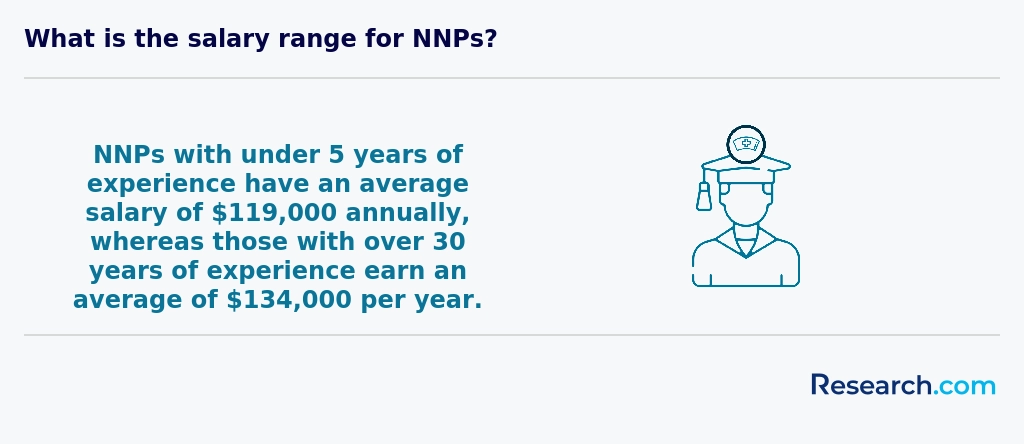
Graduates with a nursing degree in Salt Lake City quickly discover a world of exciting career paths. Many start as Registered Nurses, gaining hands-on experience in bustling hospitals like University of Utah Health. From there, adventurous nurses explore specialized roles: Clinical Nurse Specialists dive deep into pediatric or oncology care, while Nurse Practitioners enjoy the autonomy of prescribing treatments. Some graduates embrace the challenge of becoming Certified Nurse Midwives, supporting women through childbirth, or choose the high-stakes environment of Nurse Anesthetists.
Others find their passion in public health nursing, influencing community wellness across Salt Lake City's neighborhoods, or step into leadership with case management and healthcare administration. Those who studied at local institutions celebrate how competitive tuition opens doors to these opportunities without overwhelming debt. The nursing career opportunities in Salt Lake City grow alongside its vibrant healthcare scene, making each day a new chance to impact lives meaningfully. For those considering cost-effective study options, check out the Low Cost Nursing Degree Programs Ranking in Arkansas to imagine your educational journey.
What is the job market for nursing degree in Salt Lake City?
The nursing job opportunities Salt Lake City offers are vibrant and expanding, fueled by a strong healthcare network including top institutions like the University of Utah Health and Intermountain Healthcare. Graduates from local programs often share stories of quick job placements, ranging from bedside care in bustling hospitals to specialized roles in clinics that serve Utah's aging population. Many new nurses appreciate how the city's healthcare demand translates directly into steady employment, with registered nurses often landing competitive salaries around $81,000 annually.
For those pursuing nursing degrees in Salt Lake City, programs vary from affordable ADN paths at community colleges to more advanced BSN tracks at universities. The rising preference for bachelor's degrees means graduates with a BSN find themselves better positioned for career growth and higher wages. Exploring the best accelerated associate degrees can also be a smart move for swift entry into the field, helping students start hands-on experience sooner.
Overall, the Salt Lake City nursing degree employment outlook is bright, driven by consistent growth and abundant chances to advance in rewarding healthcare roles.
Frequently Asked Questions About nursing
Nursing degree students in Salt Lake City can maximize their learning experience by actively engaging in local clinical rotations. The city offers diverse healthcare settings, such as the University of Utah Health and Intermountain Healthcare facilities, providing students hands-on training. According to the Utah Board of Nursing, clinical exposure significantly improves practical skills and employment prospects.
Additionally, students benefit from joining nursing organizations like the Utah Nurses Association. Networking and mentorship opportunities foster professional growth and leadership development. Many programs also emphasize simulation labs, which help build critical decision-making skills in safe environments.
Keeping current with healthcare trends through workshops and seminars in Salt Lake City ensures students remain competitive in the evolving nursing field.
The nursing field in Salt Lake City is expanding into several specialized areas reflecting national trends and local healthcare demands. One emerging niche is gerontological nursing, driven by Utah's rapidly aging population. According to the Utah Department of Health, the 65+ age group is projected to grow by 30% by 2030, increasing the need for nurses with expertise in elder care.
Another important area is telehealth nursing, which has surged due to advancements in technology and the COVID-19 pandemic. Salt Lake City hospitals are integrating remote patient monitoring, requiring nurses skilled in virtual care delivery.
Additionally, psychiatric-mental health nursing is growing alongside increased focus on mental health services statewide. These trends highlight opportunities for nursing graduates to develop specialized skills tailored to Salt Lake City's healthcare environment.
Preparing for the job market after completing a nursing degree in Salt Lake City involves several strategic steps. Graduates should first obtain their Registered Nurse (RN) license by passing the NCLEX-RN exam, which is mandatory across the U.S. In Salt Lake City, healthcare employers highly value clinical experience, so completing internships or externships during your program can be beneficial.
Networking is another critical element. Local professional organizations such as the Utah Nurses Association offer valuable connections and job listings. According to the Utah Department of Workforce Services, Salt Lake City's healthcare sector is expected to grow significantly, with nursing jobs increasing by over 10% through 2028.
Finally, tailoring your resume to highlight both technical skills and soft skills like communication will enhance your employability in this competitive market.
Employers in Salt Lake City prioritize several key skills in nursing degree graduates to meet the region's healthcare demands. Clinical competence is essential, with a strong focus on patient care techniques and familiarity with electronic health records. Communication skills rank highly, as nurses must effectively interact with patients, families, and medical teams.
Problem-solving abilities and critical thinking are vital for managing diverse medical situations. According to the Utah Department of Health, proficiency in teamwork is crucial due to the collaborative nature of local healthcare facilities. Additionally, cultural sensitivity is important given Salt Lake City's diverse population.
These skills ensure graduates are well-prepared for employment in hospitals and clinics throughout the area.
Finding nursing internships in Salt Lake City involves leveraging local healthcare facilities connected to nursing programs. Major hospitals like the University of Utah Health and Intermountain Healthcare offer clinical internship opportunities essential for hands-on experience. These institutions frequently partner with local colleges, such as the University of Utah and Salt Lake Community College, to provide internships aligned with nursing curricula.
Students should visit respective school career centers or academic advisors to access internship listings and application guidance. Additionally, online platforms like Handshake often list up-to-date nursing internships in the region.
According to the Utah Department of Health, Salt Lake City's demand for registered nurses grew by 8% between 2020 and 2023, indicating ample internship opportunities.
Obtaining a nursing degree in Salt Lake City significantly enhances career mobility and advancement opportunities. The city's healthcare sector is growing, driven by institutions like the University of Utah Health and Intermountain Healthcare, creating a demand for qualified nurses. According to Utah Department of Workforce Services, registered nurses in Salt Lake City earn a median annual wage above the national average, reflecting strong local demand.
Graduates with a Bachelor of Science in Nursing (BSN) are often preferred for higher-level positions such as nurse management or specialized clinical roles. Additionally, advanced degrees like a Master of Science in Nursing (MSN) can open pathways to leadership, education, or nurse practitioner roles.
Certifications and clinical experience complement degrees, but holding a formal nursing degree remains one of the most critical factors for upward career progression locally. This credential improves eligibility for promotions and salary increases in Salt Lake City's competitive job market.
Studying for a nursing degree in Salt Lake City offers robust preparation for interdisciplinary roles within healthcare. Local programs emphasize collaboration with professionals across fields such as medicine, social work, and pharmacy. This approach reflects national trends promoted by the American Association of Colleges of Nursing, encouraging teamwork to improve patient outcomes.
Salt Lake City's nursing schools often include clinical placements in diverse healthcare settings, ranging from urban hospitals to community clinics. This exposure helps students understand different professional perspectives and coordinate care effectively.
According to Utah's Department of Health, nurses in Salt Lake City increasingly participate in integrated care teams, underscoring the importance of communication and leadership skills taught through local curricula.
Choosing between a thesis and a non-thesis nursing degree program in Salt Lake City depends on your career goals and learning preferences. Thesis programs focus on research and are suited for those interested in advanced clinical roles or pursuing a doctorate. They typically involve completing an original research project under faculty supervision. Non-thesis options prioritize practical skills and coursework, ideal for nurses aiming for leadership or specialized clinical positions without engaging in extensive research.
Salt Lake City's nursing schools, including the University of Utah, often provide both paths. According to U.S. Bureau of Labor Statistics, Utah expects a 12% growth in nursing jobs by 2030, highlighting demand for versatile nurses. Assess your academic strengths and career plans carefully before deciding.
Students based in Salt Lake City seeking to study nursing abroad often start by exploring exchange programs through local universities like the University of Utah, which partners with international institutions. Many nursing students benefit from short-term clinical rotations or semester-long studies in countries with strong healthcare systems such as Canada, the United Kingdom, or Australia. These opportunities allow students to gain global perspectives while earning credits towards their degrees.
ULearn and other Utah education resources emphasize the importance of accreditation and licensing requirements when studying nursing internationally to ensure seamless U.S. credential recognition.
According to the Utah Department of Health, international clinical experiences are increasingly valued for building cultural competence among nursing professionals.
For nursing students in Salt Lake City, part-time job opportunities that complement their education include roles such as certified nursing assistants (CNAs), medical assistants, and patient care technicians. According to the Utah Department of Workforce Services, these positions offer hands-on clinical experience vital for nursing practice. Working in local hospitals like University of Utah Health allows students to observe healthcare operations and improve patient communication skills.
Additionally, jobs in community health centers and elder care facilities help develop essential caregiving skills. These roles often offer flexible hours compatible with academic schedules. Such practical work experiences not only enhance resume strength but also can improve licensure exam readiness.
Nursing students in Salt Lake City have access to numerous networking opportunities that can enhance their educational and professional growth. Local hospitals such as Intermountain Medical Center and University of Utah Health offer clinical placements and mentorship programs, connecting students with experienced nurses and healthcare professionals.
Professional organizations like the Utah Nurses Association (UNA) hold regular events and workshops in Salt Lake City, allowing students to meet peers and industry leaders. Annual conferences and seminars provide forums for knowledge exchange and collaboration.
Additionally, Salt Lake City's nursing schools often facilitate networking events, career fairs, and alumni connections, supporting students as they transition into the workforce.
Alumni networks provide valuable support to nursing degree students in Salt Lake City by connecting them with experienced professionals who understand the local healthcare landscape. These networks often offer mentorship programs, which help students navigate clinical placements and job searches more effectively.
In Salt Lake City, where healthcare organizations like Intermountain Healthcare and the University of Utah Health employ many nursing graduates, alumni connections can open doors to internship and employment opportunities. According to the Utah Nurses Association, over 70% of nursing students find jobs through professional networks after graduation.
Access to alumni events and online communities also helps students stay informed about industry trends, continuing education, and licensing requirements specific to Utah.
Customizing a nursing degree program in Salt Lake City involves selecting programs with flexible curriculum options tailored to your career goals. Many local institutions offer specializations such as pediatric nursing, psychiatric nursing, or nurse administration. According to the Utah System of Higher Education, Salt Lake City colleges provide pathways including ADN, BSN, and MSN degrees, allowing students to choose accelerated or part-time schedules to balance work and studies.
Students can also engage in clinical experiences at diverse healthcare facilities throughout Salt Lake City, which helps build specific skills relevant to their target field. Additionally, certificates in specialized areas are often available as part of continuing education.
Nursing students in Salt Lake City face several notable challenges that impact their academic and clinical progress. One significant issue is balancing demanding coursework with clinical hours, as programs often require over 700 clinical practice hours, according to the Utah Board of Nursing. Many students report stress linked to high expectations and rigorous testing.
Financial strain is another common difficulty. Tuition rates for nursing programs in Salt Lake City's public institutions average around $8,000 per year for residents, which can be a barrier. Additionally, securing affordable housing and transportation adds to student expenses.
Access to clinical placements can also be limited due to competition among nursing schools and healthcare facilities in the region. This sometimes results in delays in program completion.
Finally, adapting to fast-evolving healthcare technologies and evidence-based practices requires continuous learning, which can be demanding for students balancing other responsibilities.
With a nursing degree in Salt Lake City, graduates can pursue various professional certifications to advance their careers. Popular certifications include the Registered Nurse (RN) license, which is essential for clinical practice and requires passing the NCLEX-RN exam. Beyond this, nurses can specialize by earning certifications such as the Certified Nurse Practitioner (CNP), Clinical Nurse Specialist (CNS), or Certified Nurse Educator (CNE).
Local healthcare employers in Salt Lake City highly value certifications like Basic Life Support (BLS) and Advanced Cardiovascular Life Support (ACLS), which are often mandatory. According to the Utah Nurses Association, certified nurses tend to have better job prospects and increased earning potential within the state's competitive healthcare market.
Writing a winning application for a nursing program in Salt Lake City requires careful preparation. Start by highlighting your academic achievements, especially in science courses like biology and chemistry, which are foundational for nursing studies. Many programs, such as those at the University of Utah and Westminster College, look for a minimum GPA of 3.0 or higher.
Include relevant healthcare experience, such as volunteering or working as a certified nursing assistant. This demonstrates your commitment and practical understanding of nursing.
Strong letters of recommendation and a compelling personal statement explaining your motivation and goals are crucial. According to the Utah Board of Nursing, competitive applicants often discuss how they plan to meet local healthcare needs.
Finally, prepare for any required entrance exams like the TEAS test, as passing scores can influence admission chances significantly.
Globally, nursing is recognized as a vital and respected profession, offering diverse career opportunities. In the United States, including Salt Lake City, demand for qualified nurses continues to grow due to an aging population and expanded healthcare needs. According to the U.S. Bureau of Labor Statistics, registered nursing jobs are projected to grow 9% from 2020 to 2030, faster than the average for all occupations.
Internationally, nursing roles vary but emphasize patient care, health promotion, and disease prevention. Many countries now require nurses to obtain licenses based on national standards, similar to U.S. licensure exams like the NCLEX. This global trend reflects increased professionalization and mobility for nurses.
Salt Lake City offers several accredited nursing programs that meet these standards, preparing students for local and international nursing careers. The Utah Department of Health reports a consistent increase in nursing graduates, supporting workforce needs both regionally and beyond.
Gaining practical experience while studying for a nursing degree in Salt Lake City is essential for skill development and career readiness. Most nursing programs in the city include clinical rotations in local hospitals such as University of Utah Health and Intermountain Healthcare facilities. These partnerships allow students to work directly with patients under professional supervision.
Additionally, many schools encourage volunteer work and internships in community health centers to broaden practical exposure. Data from the Utah Board of Nursing highlights that over 80% of nursing students in Salt Lake City complete at least 500 clinical hours before graduation, ensuring strong hands-on experience.
Students should also explore simulation labs available at colleges, which mimic real-life medical scenarios for practice without patient risk.
Choosing the right concentration within a nursing degree in Salt Lake City depends on your career goals and interests. The city offers concentrations like Family Nurse Practitioner, Psychiatric Nursing, and Pediatric Nursing, reflecting local healthcare demands. Utah's Department of Workforce Services notes strong growth in registered nurse jobs, especially in elder care and mental health sectors.
Consider your preferred patient population and work environment. For example, psychiatric nursing suits those interested in mental health, while pediatrics involves working with children. Investigate program offerings at universities like the University of Utah and Westminster College to see available concentrations and clinical opportunities. Aligning your choice with job market data helps ensure future employment.
Related Nursing Rankings for Nearby Cities
- 2027 Most Popular Nursing Degree Programs Ranking in Las Vegas
- 2027 Most Popular Nursing Degree Programs Ranking in Denver
- 2027 Most Popular Nursing Degree Programs Ranking in Colorado Springs
- 2027 Most Popular Nursing Degree Programs Ranking in Phoenix
- 2027 Most Popular Nursing Degree Programs Ranking in Tempe
- 2027 Most Popular Nursing Degree Programs Ranking in Los Angeles
- 2027 Most Popular Nursing Degree Programs Ranking in San Francisco
- 2027 Most Popular Nursing Degree Programs Ranking in San Diego
- 2027 Most Popular Nursing Degree Programs Ranking in Portland
- 2027 Most Popular Nursing Degree Programs Ranking in Lubbock
Top Trending Nursing Rankings
See What Experts Have To Say About Studying Nursing
Read our interview with Nursing experts

Lisa Grubb
Nursing Expert
Assistant Professor
Johns Hopkins School of Nursing

References
- 10 Nursing Fields That Are Growing in Demand https://promedcert.com/blog/10-nursing-fields-that-are-growing-in-demand
- Salt Lake City: Tuition & Admission | Galen College of Nursing https://galencollege.edu/campuses/salt-lake-city/tuition-admission
- 10 Nursing Career Advancement Ideas https://credenzahealth.com/career-advice/10-nursing-career-advancement-ideas
- From our readers…Strengthening nursing networks https://www.myamericannurse.com/from-our-readersstrengthening-nursing-networks/
- Top Nursing Schools in Utah 2026 https://www.nursingexplorer.com/states/utah
- What Nursing Concentration Is Right for Me? | Maryville Nursing https://nursing.maryville.edu/blog/what-nursing-concentration-is-right-for-me
- How Do Nurses Prepare to Work in a Multidisciplinary Team? | NursingEducation https://nursingeducation.org/insights/multidisciplinary-team/
- How to Choose the Right Nursing Program for Your Career Goals - Maria College https://mariacollege.edu/blog/how-to-choose-the-right-nursing-program-for-your-career-goals
- Exploring Diverse Nursing Career Horizons - N2S Healthcare Blog https://n2shealthcare.com/blog/exploring-diverse-nursing-career-horizons-n2s-healthcare-blog
- Nursing Internship and Externship Programs https://jobs.mayoclinic.org/nursinginternexternprograms


