
2027 Fastest Online Psychology Degree Programs Ranking in Minnesota

Co-Founder and Chief Data Scientist
Choosing the right online psychology degree program can be overwhelming, especially with so many options available in Minnesota. To help you navigate this important decision, this article introduces the 2027 Fastest Online Psychology Degree Programs Ranking in Minnesota created by the Research.com team of data scientists.
By exploring this ranking, you'll gain clear insights into programs that combine quality and speed, empowering you to find a path that fits your goals. Whether starting or advancing your career, earning a psychology degree opens doors to meaningful opportunities and personal growth.
Key benefits of getting online psychology degree in Minnesota
- Salary: Graduates with a psychology degree in Minnesota can earn competitive salaries, such as Human Resources Specialists making around $76,060 annually and Marketing Research Analysts earning about $83,190 per year.
- Career paths: A psychology graduate from the University of Minnesota might find rewarding opportunities in fields like clinical research or marketing analysis, leveraging their degree to enter varied roles with strong growth potential.
- Online degree benefits: Earning a psychology degree online from an institution like Capella University allows flexible learning schedules and often lower costs, making it easier to balance work, family, and study commitments effectively.
- Key benefits of getting online psychology degree in Minnesota
- What can I expect from online psychology degree in Minnesota?
- Where can I work with online psychology degree in Minnesota?
- How much can I make with online psychology degree in Minnesota?
- 2027 Fastest Online Psychology Degree Programs Ranking in Minnesota
- Key Findings
- How long does it take to complete online psychology degree in Minnesota?
- What's the difference between online and on-campus psychology degree?
- What is the average cost of online psychology degree in Minnesota?
- What financial aid is available to online psychology degree students in Minnesota?
- What are the prerequisites for enrolling in online psychology degree program in Minnesota?
- What courses are typically in online psychology degree programs in Minnesota?
- What types of specializations are available in online psychology degree programs in Minnesota?
- How do you choose the best online psychology degree in Minnesota?
- What career paths are available for online psychology degree students in Minnesota?
- What is the job market for online psychology degree in Minnesota?
- Related Psychology Rankings for Nearby States
- Top Trending Psychology Rankings
- See What Experts Have To Say About Studying Psychology
What can I expect from online psychology degree in Minnesota?
The average cost of an online psychology degree in Minnesota varies depending on the institution and residency status. Public universities such as Bemidji State University and Metropolitan State University typically offer more affordable tuition rates for in-state students, often ranging between $8,000 and $12,000 annually. Graduates from these programs often express relief at the manageable financial commitment, which allows them to balance work and study without excessive debt. Out-of-state students may encounter higher tuition, but many find that financial aid or employer tuition reimbursement programs significantly offset costs.
Students appreciate that the investment includes access to virtual resources like libraries and counseling services, which enhance learning and support success from home. For example, a graduate from a Minnesota online psychology program shared how the affordable tuition combined with practical supervision opportunities locally made it feasible to complete licensure requirements while maintaining a job. This financial structure supports both academic achievement and professional growth in the state's expanding mental health field.
Where can I work with online psychology degree in Minnesota?
Graduates with an online psychology degree in Minnesota frequently find rewarding employment in healthcare settings such as hospitals, mental health clinics, and substance abuse treatment centers. For example, many alumni from the University of Minnesota report securing roles as behavioral health specialists or psychiatric technicians within the Minnesota Department of Human Services, where their education equips them to support patients effectively. These positions emphasize helping individuals navigate complex mental health challenges, fostering a strong sense of personal fulfillment.
Educational institutions also employ psychology graduates, with schools and universities seeking professionals for counseling and academic advisory roles. Graduates from institutions like Minnesota State University have shared experiences of advancing into school psychologist roles, requiring additional licensure. This pathway offers meaningful interactions with students in need of guidance, highlighting the impact of psychology knowledge in educational environments.
Beyond healthcare and education, business and government sectors in Minnesota embrace psychology graduates, especially those from online programs at colleges like Capella University. Organizational psychology expertise is highly valued for improving workplace dynamics and employee well-being. These career paths combine analytical skills with human-centered approaches, creating satisfying roles within Minnesota's evolving workforce landscape.
How much can I make with online psychology degree in Minnesota?
Graduates with an online psychology degree in Minnesota can anticipate a solid salary foundation in roles relevant to their education. For example, those entering positions similar to Human Resources Specialists, who often utilize psychology knowledge in organizational settings, earn a mean annual wage of $76,060 according to the latest BLS data. This salary reflects promising prospects for graduates from institutions like the University of Minnesota's online programs that prepare students for HR and counseling roles.
Similarly, graduates who pursue careers as Marketing Research Analysts benefit from an average annual salary of $83,190. This role capitalizes on the analytical skills developed in psychology programs at colleges such as Minnesota State University. The ability to interpret human behavior through research is a valued skill that enhances earning potential in this field.
Those engaged in research-oriented roles, such as Clinical Research Associates or Survey Researchers, can expect mean annual wages around $62,370. Graduates involved in this work often highlight the rewarding experience of contributing to impactful studies while earning a respectable income close to what is typical for entry to mid-level psychology roles across Minnesota.
2027 Fastest Online Psychology Degree Programs Ranking in Minnesota
How do we rank schools?
Investing in your education is a significant decision that can shape your future, and the Research.com team understands the importance of making informed choices. To assist prospective students, we have meticulously crafted the "2027 Fastest Online Psychology Degree Programs Ranking in Minnesota." Our commitment to quality, credibility, and accuracy is reflected in the extensive research and analysis conducted to compile this ranking.
We utilized the following reputable data sources to ensure a comprehensive evaluation of psychology programs:
By exploring this ranking, readers will gain valuable insights into the fastest online psychology degree programs in Minnesota, enabling them to make well-informed decisions about their education and career paths. For more details on our methodology, please visit our Research.com methodology page.
# 1 position
Bethel University, Minnesota
Bachelor of Psychology

# 3 position
Walden University
Master of Psychology

# 4 position
Walden University
Doctor of Psychology
# 5 position
Walden University
Bachelor of Psychology
Key Findings
- Online psychology programs in Minnesota include bachelor's and master's degrees designed for working adults with flexible schedules.
- The cost for in-state students ranges from $10,000 to $25,000 per year, with public universities generally offering lower tuition than private colleges.
- Psychology jobs in Minnesota are expected to grow at a rate similar to the national average due to increased demand for mental health services.
- Entry-level salaries for psychologists and counselors typically range from $55,000 to $65,000 annually, with experienced professionals earning $80,000 to $100,000 or more.
- Licensing often requires a doctoral degree for clinical psychologists, but a master's degree can qualify for roles like licensed professional clinical counselor (LPCC).
- APA accreditation applies mainly to doctoral programs, while many online bachelor's and master's degrees are regionally accredited and suitable for various career paths.
How long does it take to complete online psychology degree in Minnesota?
Completing an online psychology degree in Minnesota generally ranges from two to four years, depending on the program and study pace. For example, graduates from institutions like the University of Minnesota Duluth often finish their associate degree in approximately two years of full-time study, while those pursuing a bachelor's degree at schools such as Minnesota State University, Mankato typically invest around four years. Online formats at these universities sometimes provide accelerated pathways, enabling motivated students to finish sooner by leveraging prior credits or year-round courses.
Many students appreciate the flexibility of part-time online enrollment, allowing balance alongside work or family commitments, though this can extend completion time beyond four years. Graduate degrees tend to be more varied: Master's programs often require about two years, with some accelerated options, while PsyD or PhD candidates usually spend 4 to 7 years combining online study with in-person clinical training.
Graduates frequently express satisfaction with this flexibility, noting how it supports their career advancement without sacrificing personal responsibilities. The role of Minnesota's licensing requirements, including supervised post-degree experience, is also well understood as an essential step toward clinical practice, further influencing overall timelines.
What's the difference between online and on-campus psychology degree?
Online and on-campus psychology degree programs in Minnesota differ primarily in delivery and student experience. Online programs, such as those offered by the University of Minnesota's extended learning schools, provide flexibility for students balancing work or family commitments. Graduates often share how asynchronous lectures and digital platforms allowed them to study conveniently from rural areas or small towns far from cities like Minneapolis or Duluth, minimizing commuting stress.
In contrast, on-campus students at institutions like Macalester College benefit from face-to-face interaction with professors and peers, which fosters rich discussions and hands-on learning through labs and group projects. Many highlight the value of networking opportunities available on campus, which can be integral to launching a psychology career.
Both formats maintain practicum requirements, though online students must proactively secure local placements. Cost differences tend to be minor, with online tuition closely mirroring on-campus rates within Minnesota public universities, though on-campus attendance may incur extra expenses such as parking and commuting. This balance between flexibility and personal engagement shapes the distinct advantages of each path.
What is the average cost of online psychology degree in Minnesota?
The average cost of an online psychology degree in Minnesota typically centers around a median total cost of approximately $50,400. This figure represents a comprehensive estimate covering tuition and common associated expenses over the duration of the degree. Graduates from well-known institutions in Minnesota, such as the University of Minnesota's online psychology program, often reflect positively on the value gained relative to the investment made, emphasizing the program's quality and career preparation.
While public universities in Minnesota generally offer lower tuition rates-ranging from $8,000 to $12,000 per year for in-state students-private institutions can charge between $20,000 and $35,000 annually. Additional expenses like technology fees, textbooks, and internship costs can add to the financial commitment. Many students find that affordable online psychology programs Minnesota-wide make these degrees accessible without compromising academic standards.
Many prospective students look for financial aid opportunities early on. Minnesota's State Grant program is a popular choice, helping reduce out-of-pocket expenses for eligible residents enrolled in in-state institutions. Scholarships and employer tuition reimbursement are also crucial support mechanisms. For comprehensive options, students often consult colleges that accept fafsa, which simplifies the aid application process and maximizes available funding.
What financial aid is available to online psychology degree students in Minnesota?
Students pursuing online psychology degrees in Minnesota commonly access a range of financial aid to offset the typical costs, which can be around $13,000 annually at public institutions. Federal aid, especially Pell Grants offering up to $7,395 without repayment obligations, is a cornerstone for many learners. Federal student loans with favorable interest rates and repayment options also provide essential support, helping relieve monetary pressures while studying.
State-specific programs such as the Minnesota State Grant offer need-based funding tailored to Minnesota residents enrolled in accredited institutions, including those offering online psychology studies. Graduates from schools like the University of Minnesota often recall how this grant eased their tuition burden. Additional aid such as the Postsecondary Child Care Grant and the Minnesota GI Bill address unique needs for parents and veterans, adding crucial layers of support.
Institutional scholarships and work-study opportunities at colleges like St. Cloud State University enable students to combine earning with learning, fostering practical experience while alleviating financial strain. Outside scholarships from entities like the Minnesota Psychological Association further enhance affordability, creating pathways for successful completion of psychology degrees in the state.
What are the prerequisites for enrolling in online psychology degree program in Minnesota?
Enrolling in an online psychology degree in Minnesota typically requires meeting several key prerequisites that align with national educational standards. For undergraduate programs at institutions such as the University of Minnesota or St. Cloud State University, applicants generally need a high school diploma or equivalent, with a minimum GPA around 2.5 to 3.0. Many students recall how preparing strong personal statements and highlighting relevant coursework in biology and statistics helped their applications stand out.
Graduate programs demand more specific qualifications. A bachelor's degree, preferably in psychology or a related field, is essential, often accompanied by a minimum GPA of 3.0. Applicants frequently reflect positively on their experience submitting letters of recommendation and personal statements that demonstrate clear career goals, which Minnesota State University alumni note as valuable during admissions.
Some programs still require GRE scores, but several Minnesota schools waive this for online learners. Practical experience, such as research or counseling work, further strengthens applications, making candidates feel confident and prepared for graduate-level challenges.

What courses are typically in online psychology degree programs in Minnesota?
Online psychology degree programs in Minnesota typically include a comprehensive range of courses designed to build strong foundational knowledge and practical skills. Graduates from institutions such as the University of Minnesota and St. Cloud State University often describe their curriculum as both challenging and engaging, covering core areas like introductory psychology with an emphasis on cognitive, social, developmental, and abnormal psychology. These courses prepare students to understand human behavior through real-world examples drawn from Minnesota's diverse communities.
Research methods and statistics courses enable students to confidently design experiments and analyze data, skills that graduates find invaluable when applying psychological principles in clinical or organizational settings. Biological bases of behavior classes further deepen this understanding by exploring the connections between brain function and mental health.
- Advanced options include developmental, social, abnormal, cognitive psychology, and psychological testing
- Electives may focus on counseling techniques and health psychology, aligning with Minnesota's LPC licensure requirements
Students often express satisfaction in applying these skills through online projects and internships, highlighting how coursework at Minnesota universities equips them for rewarding careers in psychology.
What types of specializations are available in online psychology degree programs in Minnesota?
Students pursuing online psychology specializations Minnesota commonly encounter a diverse range of concentrations tailored to their career ambitions and regional workforce demands. Popular options include clinical psychology, which prepares graduates to assess and treat mental health conditions, often a stepping stone toward licensure as therapists or psychologists. Counseling psychology is another significant track, focusing on emotional and vocational support, valued by many graduates who appreciate its practical applicability in community mental health roles.
Other notable specializations encompass developmental psychology, ideal for those interested in lifespan growth stages; forensic psychology, which integrates legal system insights with psychological expertise; and industrial-organizational psychology, targeting workplace behavior and organizational efficiency. Graduates from well-regarded Minnesota universities frequently report satisfaction with the pragmatic skills gained, enabling them to thrive in diverse professional settings. Many of these programs emphasize flexible, accelerated online formats, helping students balance studies with work.
Prospective students interested in expanding their options should also explore online colleges open enrollment in Minnesota, which often provide accessible pathways into these sought-after psychology degree concentration options Minnesota offers.
How do you choose the best online psychology degree in Minnesota?
Choosing the best online psychology degree in Minnesota requires careful evaluation of accreditation, curriculum, flexibility, and cost. Graduates from well-regarded institutions like the University of Minnesota often emphasize the value of programs accredited by the Higher Learning Commission, as accreditation is critical for licensure and employment in the state.
Affordability plays a key role, especially when assessing affordable psychology degrees Minnesota online. Public colleges typically charge an average in-state tuition around $13,000 annually, but students appreciate programs offering payment plans and financial aid that reduce financial burden.
Many online learners seek programs with asynchronous courses to balance work and study while maintaining rigorous academic standards. Practical experience aligns with Minnesota's licensure requirements, so students value curriculum including practicums and internships. One graduate from a popular Minnesota college noted how such real-world training boosted confidence and job prospects post-graduation.
When exploring options, reviewing graduation rates and student testimonials clarifies program reputation. For those debating advanced study pathways, it's useful to consult resources like the easiest doctorate degree guides.
Overall, successful students focus on programs tailored to Minnesota's psychology standards, ensuring both academic growth and career readiness.
What career paths are available for online psychology degree students in Minnesota?
Graduates holding an online psychology degree in Minnesota find diverse career paths that align with the state's expanding mental health and social service sectors. Many begin their careers in entry-level roles such as behavioral health technicians or case managers, gaining essential hands-on experience while contributing to community well-being. Those completing advanced studies at respected institutions like the University of Minnesota or St. Cloud State University often pursue specialized careers as licensed mental health counselors or clinical psychologists, delivering therapy and conducting assessments under rigorous state licensure requirements.
Additional opportunities include roles as school psychologists supporting students' emotional and academic needs, industrial-organizational psychologists improving workplace dynamics, and research assistants contributing to mental health studies. Graduates frequently express satisfaction in applying psychological principles within human resources or community outreach, enhancing employee development and advocating for mental health awareness. These career options demonstrate the strong job prospects available from an online psychology degree career opportunities Minnesota offers, especially when combined with the practical learning experiences accessible through popular Minnesota universities. Students aiming for research-focused roles can explore positions as research coordinators at local healthcare organizations or academic centers, reinforcing Minnesota's commitment to advancing psychological science through quality education like anchors part-time Ph.D. in economics.
What is the job market for online psychology degree in Minnesota?
The job market for graduates holding an online psychology degree in Minnesota is marked by consistent demand across healthcare, education, and corporate sectors. Psychology students from prominent institutions such as the University of Minnesota or St. Cloud State University often find rewarding roles as clinical psychologists, school counselors, or industrial-organizational specialists within Minnesota's diverse communities. One graduate's experience working in a Twin Cities mental health clinic highlights the strong local need for skilled professionals, reflecting the state's 4% projected job growth rate through 2032.
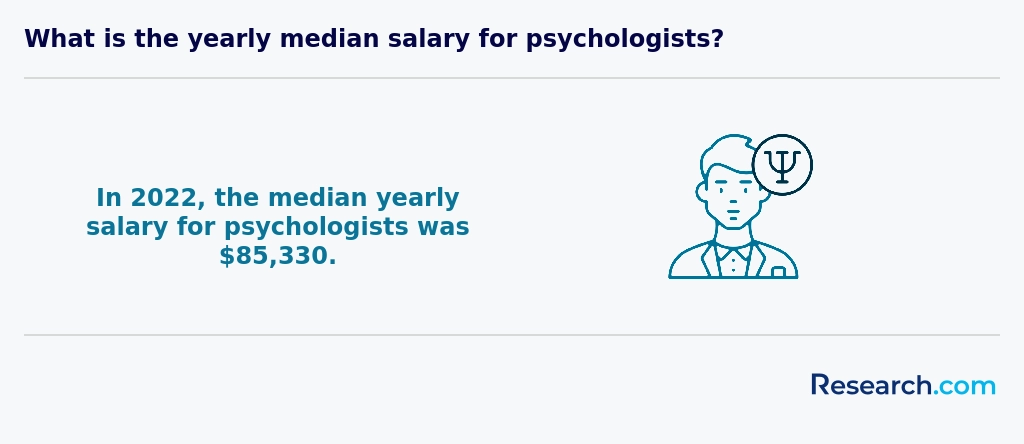
Graduates pursuing an online psychology degree jobs Minnesota will benefit from competitive median salaries near $91,000 annually. Many find that completing regionally accredited programs, respected by the Minnesota Board of Psychology, significantly supports their licensure and employment prospects. The expanding behavioral health field, in particular, offers many entry-level opportunities as awareness of mental health continues to rise statewide.
Students seeking flexible study options often appreciate online degrees that reduce commuting expenses while still preparing them for licensure. Specific scholarships can ease financial burdens, and those interested in advanced research careers may explore anchors part-time Ph.D. in economics for comparative program insights related to psychology career advancement.
Frequently Asked Questions About psychology
Online psychology degree students in Minnesota can enhance their learning by actively engaging with course materials and participating in virtual discussions. Minnesota is home to several accredited institutions offering online programs, ensuring quality education aligned with state standards. According to the Minnesota Office of Higher Education, students should take advantage of available resources such as academic advising and online tutoring to stay on track.
Building connections with peers and faculty through study groups and webinars also enriches understanding. Additionally, seeking internships or volunteer opportunities within Minnesota can provide practical experience, vital in psychology fields. Staying disciplined with a study schedule is key to success in online learning environments.
The psychology field is evolving with several emerging niches gaining prominence, especially for students pursuing online degrees in Minnesota. One notable area is neuropsychology, focusing on brain-behavior relationships, which is increasingly relevant due to advances in brain imaging technologies. Another growing specialty is health psychology, addressing how mental factors affect physical health-a critical field given Minnesota's aging population.
Additionally, forensic psychology is expanding amidst rising demands in the legal system. Industrial-organizational psychology is also thriving, helping businesses improve workplace productivity and employee well-being. These niches reflect broader national trends and offer promising career paths for Minnesota psychology graduates.
After earning an online psychology degree in Minnesota, preparing for the job market involves strategic steps to enhance employability. First, gaining relevant experience through internships or volunteer work in local clinics or community centers can be valuable. The Minnesota Department of Employment and Economic Development reports a growing demand for mental health professionals, with psychology-related roles expected to increase by 14% through 2030.
Networking with professionals via Minnesota Psychological Association events or local job fairs is also crucial. Additionally, obtaining licensure and certification, such as becoming a Licensed Professional Clinical Counselor (LPCC), can significantly improve job prospects in the state.
Finally, tailoring resumes to highlight skills in evidence-based practices and familiarizing oneself with state-specific healthcare regulations helps attract employers in Minnesota's competitive psychology field.
Employers in Minnesota highly value psychology graduates who demonstrate strong communication skills. The ability to convey complex psychological concepts clearly is essential for clinical, counseling, and research roles. Additionally, critical thinking and problem-solving are top-rated skills, helping graduates analyze data and develop effective treatment plans.
Interpersonal skills are crucial, especially as Minnesota's psychology workforce often collaborates across diverse communities. Familiarity with ethical standards, including confidentiality and informed consent as outlined by the Minnesota Board of Psychology, is also expected.
Data from the U.S. Bureau of Labor Statistics highlights a growing demand for psychologists skilled in evidence-based practices and technological tools used in telehealth, which is expanding rapidly throughout Minnesota.
Finding psychology internships in Minnesota involves leveraging both university resources and local organizations. Many online psychology programs encourage students to use university career centers, which maintain partnerships with mental health clinics, hospitals, and community agencies across the state. The Minnesota Psychological Association and the Minnesota Board of Psychology also provide guidance and listings for approved internship sites.
Students should start early and seek internships that meet the American Psychological Association (APA) guidelines if planning licensure. In Minnesota, over 1,200 psychologists practice, creating diverse opportunities in urban and rural areas, including the Twin Cities metropolitan region.
Online students can also consult platforms like Handshake or MinnesotaWorks.net for relevant internship postings tailored to psychology students in Minnesota.
Obtaining an online psychology degree in Minnesota can significantly enhance career mobility and advancement for professionals. Many roles in the state's mental health sector, including counseling and social services, increasingly require at least a bachelor's or master's degree in psychology. According to the Minnesota Department of Employment and Economic Development (DEED), the demand for psychologists and related roles is projected to grow by 14% through 2030, faster than many occupations.
Online degrees offer flexible scheduling, allowing students to maintain employment while advancing their education. This flexibility is key in Minnesota's competitive job market. Additionally, an accredited online psychology program provides credentials recognized by state boards, which is essential for licensing or certification.
Professionals with online psychology degrees often find better opportunities for promotions and higher salaries. Data from the American Psychological Association indicate that Minnesota psychologists with graduate degrees earn a median annual wage above the national average, emphasizing the value of advanced qualifications.
Studying for an online psychology degree in Minnesota equips students with skills essential for interdisciplinary roles across healthcare, education, and social services. Minnesota universities often include coursework in communication, ethics, and research methods, preparing graduates to collaborate with professionals like social workers, educators, and medical staff.
The state's emphasis on integrated care and community mental health promotes understanding of how psychological principles apply in diverse settings. According to the Minnesota Department of Employment and Economic Development, psychology-related jobs often require teamwork across disciplines, highlighting the value of such programs.
Online formats in Minnesota frequently encourage practical experiences and internships that expose students to interdisciplinary environments, fostering versatile competencies.
When choosing between a thesis and a non-thesis psychology degree program in Minnesota, consider your career goals and time commitment. Thesis programs focus on original research, preparing students for doctoral studies or research roles. Non-thesis options often emphasize practical skills and coursework, fitting professionals seeking career advancement without research demands.
According to Minnesota's higher education data, about 40% of psychology master's graduates pursue thesis tracks, often aligning with academic careers. Non-thesis programs may allow completion within 1.5 to 2 years, appealing to working adults.
Accreditation and faculty expertise are key; look for programs registered with the Minnesota Office of Higher Education for quality assurance and compatibility with licensure requirements.
Students based in Minnesota interested in studying psychology abroad through online programs have several options. While most psychology degrees offered by international institutions require in-person attendance, some universities abroad provide fully online psychology courses accessible to US residents. However, Minnesotan students should carefully check accreditation and transfer policies to ensure credits count toward licensure in the U.S.
According to the Minnesota Office of Higher Education, in-state programs remain the most straightforward for licensure pathways, yet international online degrees from recognized institutions can supplement local studies.
The American Psychological Association emphasizes that licensure requirements vary by state, so students must confirm that an international program meets Minnesota's standards for future practice.
Many part-time job opportunities in Minnesota can support students pursuing an online psychology degree. Common roles include behavioral health technician, research assistant, and mental health aide. These positions offer practical experience in clinical or research settings, which is crucial for psychology careers.
According to the Minnesota Department of Employment and Economic Development (DEED), jobs like psychiatric aides and counselors show steady growth, reflecting a demand for psychology-related skills. Working in local clinics, hospitals, or community centers allows students to apply theoretical knowledge while building professional networks.
Additionally, research assistant roles at universities provide exposure to data collection and analysis, enhancing academic skills relevant to psychology fields.
Online psychology students in Minnesota have several opportunities to build professional networks despite studying remotely. Many Minnesota universities offering online psychology degrees encourage participation in virtual student groups and webinars related to mental health fields. These events foster connections with peers and faculty. Additionally, organizations like the Minnesota Psychological Association provide memberships and host regional conferences, workshops, and networking meetups accessible to online learners. According to the Bureau of Labor Statistics, Minnesota employs over 9,000 psychologists, creating a strong local community for internships and mentorships. Leveraging LinkedIn groups focused on Minnesota psychology professionals also broadens networking possibilities.
Alumni networks offer significant advantages for online psychology degree students in Minnesota. These connections provide access to professional mentorship, internships, and job opportunities within the state's growing mental health sector. According to the Minnesota Psychological Association, networking is crucial for early career development, especially in regions with competitive job markets.
Many Minnesota universities maintain active online alumni communities that facilitate knowledge sharing and collaboration across specialties such as clinical, counseling, and school psychology. These networks help students stay informed about local licensure requirements and continuing education options.
Participation in alumni events can also enhance students' understanding of evolving psychology trends unique to Minnesota's diverse population.
Customizing an online psychology degree in Minnesota allows students to align their education with specific career goals. Many Minnesota universities offer electives and specialization tracks such as clinical, counseling, or industrial-organizational psychology. This flexibility helps students gain skills relevant to their desired fields.
Students can also select practicum or internship experiences that provide real-world exposure in local healthcare facilities or businesses. The Minnesota Department of Employment and Economic Development reports a steady demand for psychology professionals in various sectors, which supports tailored training.
Additionally, some programs offer accelerated options or combined degrees, allowing faster completion and advanced qualifications. Consulting academic advisors early can help optimize course selection and career alignment.
Online psychology students in Minnesota often face challenges balancing coursework with personal and professional responsibilities. Many juggle jobs or family duties, which can impact study time and performance. According to the Minnesota Office of Higher Education, about 35% of online learners report time management as a primary obstacle. Additionally, students sometimes encounter difficulties gaining access to required clinical practicum placements, essential for psychology degrees, due to limited local options or competition.
Technical issues and lack of direct interaction with instructors and peers also affect learning quality. Research from the National Center for Education Statistics highlights that 40% of online students nationwide feel isolated or disconnected, a factor impacting motivation and engagement.
With an online psychology degree in Minnesota, several professional certifications become accessible to graduates, enhancing career prospects in the mental health field. Common credentials include the Licensed Psychologist (LP) license, which requires a doctoral degree, supervised experience, and passing the Examination for Professional Practice in Psychology (EPPP). For those with a master's degree, certifications such as Licensed Professional Clinical Counselor (LPCC) or Licensed Alcohol and Drug Counselor (LADC) are options, regulated by the Minnesota Board of Behavioral Health and Therapy.
Industry certifications like the Certified School Psychologist credential are also available through the Minnesota Department of Education, aligning with local licensing requirements. Pursuing certification in mental health first aid or specialized therapy methods can further complement your qualifications. According to the Minnesota Department of Employment and Economic Development, demand for licensed mental health professionals is projected to grow by 12% through 2030.
Writing a strong application for an online psychology program in Minnesota begins with understanding the program's requirements. Most programs request official transcripts showing a competitive GPA, generally above 3.0, which reflects academic readiness for graduate studies.
Applicants should craft a clear personal statement highlighting their passion for psychology and how the Minnesota program fits their career goals. Mentioning specific faculty members or research opportunities in Minnesota adds relevance. Include any volunteer or work experience related to psychology, as practical exposure is valued.
Be sure to meet application deadlines and provide letters of recommendation from professionals familiar with your academic or work performance. According to the Minnesota Office of Higher Education, completing all components accurately increases chances of acceptance in the state's competitive psychology programs.
The psychology profession is increasingly viewed through a global lens, reflecting diverse cultural approaches and mental health needs. In the United States, and specifically Minnesota, psychology careers benefit from a strong emphasis on evidence-based practice and multicultural competence.
According to the U.S. Bureau of Labor Statistics, employment for psychologists is projected to grow 8% from 2021 to 2031, faster than average. In Minnesota, this growth aligns with regional demand for mental health services, boosted by state initiatives to improve access and support.
Worldwide, psychology careers emphasize ethical standards and continued education, similar to Minnesota's licensure requirements detailed by the Minnesota Board of Psychology. Such standards ensure professionals are equipped to address diverse populations, a critical skill as global perspectives influence US training programs and services.
Students pursuing an online psychology degree in Minnesota can gain practical experience through internships and practicum placements. Many accredited programs partner with local mental health clinics, hospitals, and social service agencies to provide supervised, hands-on training. This real-world exposure is essential for developing clinical skills.
Additionally, Minnesota's licensing boards often require a minimum number of supervised hours, typically around 2,000, for professional practice, making these opportunities vital. University career centers and professional organizations like the Minnesota Psychological Association can also help connect students with internships or volunteer roles. Practical experience enhances learning and improves job prospects in Minnesota's growing mental health field, which the Bureau of Labor Statistics projects to expand by 12% through 2030.
Choosing the right concentration within an online psychology degree program in Minnesota depends on your career goals and interests. Common concentrations include clinical, counseling, industrial-organizational, and forensic psychology. Minnesota's workforce data from the Department of Employment and Economic Development shows strong demand for clinical and counseling psychologists, which may guide your decision.
Consider state licensure requirements as well. For example, clinical psychology concentrations typically require specific practicum hours and supervised experience approved by the Minnesota Board of Psychology.
Additionally, evaluate program curriculum flexibility, faculty expertise, and alignment with professional certifications relevant to Minnesota's job market.
Carefully researching each concentration's career outcomes and state needs can help ensure your degree leads to meaningful opportunities.
Related Psychology Rankings for Nearby States
- 2027 Fastest Online Psychology Degree Programs Ranking in Wisconsin
- 2027 Fastest Online Psychology Degree Programs Ranking in Iowa
- 2027 Fastest Online Psychology Degree Programs Ranking in North Dakota
- 2027 Fastest Online Psychology Degree Programs Ranking in South Dakota
- 2027 Fastest Online Psychology Degree Programs Ranking in Illinois
- 2027 Fastest Online Psychology Degree Programs Ranking in Missouri
- 2027 Fastest Online Psychology Degree Programs Ranking in Michigan
- 2027 Fastest Online Psychology Degree Programs Ranking in Kansas
- 2027 Fastest Online Psychology Degree Programs Ranking in Indiana
- 2027 Fastest Online Psychology Degree Programs Ranking in Ohio
Top Trending Psychology Rankings
See What Experts Have To Say About Studying Psychology
Read our interview with Psychology experts

Joann Farrell Quinn, Ph.D., MBA
Psychology Expert
Director at the College of Medicine Department of Medical Education
Morsani College of Medicine

Robin M. Kowalski. Ph.D.
Psychology Expert
Professor of Psychology
Clemson University

Elizabeth L. Jeglic Ph.D.
Psychology Expert
Professor of Psychology
City University of New York

References
- Why Get a Psychology Degree Online? | University of Bridgeport https://www.bridgeport.edu/news/reasons-to-get-your-psychology-degree-online/
- Call for papers https://www.hogrefe.com/us/journal/international-perspectives-in-psychology-research-practice-consultation
- Building Professional Skills with Field Experience in Psychology - Communicating Psychological Science https://www.communicatingpsychologicalscience.com/blog/building-professional-skills-with-field-experience-in-psychology
- Professional Networking For Psychologists | Psychology.org https://www.psychology.org/resources/professional-networking/
- Best Minnesota Psychology Degrees Updated for 2025, Online Included https://www.psychologydegrees.org/state/minnesota
- Know more about thesis vs non- thesis: what is the difference? https://studyfans.com/en/blogs/816
- Search | Minnesota Council of Nonprofits Career Center https://jobs.minnesotanonprofits.org/jobs
- How to become a Psychologist in Minnesota | Steps to take in MN | Psychologist-License.com https://www.psychologist-license.com/psychologist-requirements/minnesota-psychologist/
- Have You Found a Niche? https://www.apaservices.org/practice/business/marketing/building/niche
- Sample letters in psychology https://www.mystudies.com/en-in/human-and-social-sciences/psychology/letter-model/


