
2027 Fastest Online Psychology Degree Programs Ranking in Wisconsin

Co-Founder and Chief Data Scientist
Choosing the right psychology degree program can be overwhelming, especially with so many online options available. This article introduces the 2027 Fastest Online Psychology Degree Programs Ranking in Wisconsin, created by the Research.com team of data scientists to help you make an informed decision.
Discover programs that balance speed, quality, and flexibility, so you can pursue your passion efficiently. A psychology degree opens doors to meaningful careers helping others while offering personal growth. Let this guide support your journey toward a rewarding future in psychology.
Key benefits of getting online psychology degree in Wisconsin
- Salary benefits: Graduates with psychology degrees in Wisconsin can earn competitive salaries, such as the mean annual wage of $83,190 for Marketing Research Analysts or $62,370 for Clinical Research Associates. These figures show strong earning potential in diverse psychology-related careers.
- Career paths: Psychology graduates from Wisconsin universities often find rewarding roles in human resources, clinical research, or childcare, reflecting the broad opportunities their degree opens up. This range offers flexibility to pursue work that truly fits one's passions and skills.
- Online degree advantages: Earning a psychology degree online from a respected Wisconsin school allows students to balance work, family, and study while gaining the same quality education as on-campus. This flexibility helps students progress confidently toward their goals without sacrificing current commitments.
- Key benefits of getting online psychology degree in Wisconsin
- What can I expect from online psychology degree in Wisconsin?
- Where can I work with online psychology degree in Wisconsin?
- How much can I make with online psychology degree in Wisconsin?
- 2027 Fastest Online Psychology Degree Programs Ranking in Wisconsin
- Key Findings
- How long does it take to complete online psychology degree in Wisconsin?
- What's the difference between online and on-campus psychology degree?
- What is the average cost of online psychology degree in Wisconsin?
- Licensure and Certification Pathways in Wisconsin
- What financial aid is available to online psychology degree students in Wisconsin?
- Licensure and Certification Pathways in Wisconsin
- What are the prerequisites for enrolling in online psychology degree program in Wisconsin?
- Licensing and Certification Requirements in Wisconsin
- What courses are typically in online psychology degree programs in Wisconsin?
- What types of specializations are available in online psychology degree programs in Wisconsin?
- How do you choose the best online psychology degree in Wisconsin?
- What career paths are available for online psychology degree students in Wisconsin?
- What is the job market for online psychology degree in Wisconsin?
- Related Psychology Rankings for Nearby States
- Top Trending Psychology Rankings
- See What Experts Have To Say About Studying Psychology
What can I expect from online psychology degree in Wisconsin?
Studying online psychology in Wisconsin offers an uplifting path toward a meaningful career without overwhelming financial burdens. Graduates from popular institutions like the University of Wisconsin-Madison often highlight how affordable their journey was compared to out-of-state programs, making their dreams within reach. On average, the cost for an online psychology degree in Wisconsin hovers around $10,000 per year at public universities, reflecting a balance between quality education and financial accessibility.
This affordability allows students to focus on personal growth and gaining valuable experience rather than worrying about excessive debt. Many learners share how this cost-effective approach empowered them to engage deeply with courses in developmental psychology and ethics while also completing practicum hours locally--a vital step toward becoming licensed professionals.
For those motivated to make a difference in mental health within their communities, Wisconsin's tuition rates and accredited programs open doors to inspiring futures filled with opportunity and impact.
Where can I work with online psychology degree in Wisconsin?
Graduates with an online psychology degree from respected institutions in Wisconsin, such as the University of Wisconsin or Marquette University, find inspiring opportunities throughout the state. Many begin their careers in mental health facilities, becoming mental health technicians or behavioral specialists, making a real difference in hospitals and community centers across Milwaukee, Madison, and Green Bay.
Others thrive in educational roles, working as school counselors or academic advisors in local public schools, where they support students' well-being and academic success. These roles are deeply rewarding, offering daily chances to empower young minds.
Corporate settings also welcome psychology graduates, especially in industrial-organizational roles. Here, they help improve workplace culture and employee growth, contributing to thriving businesses in Wisconsin's bustling urban centers.
Social service agencies actively seek graduates to support families and vulnerable populations, fostering meaningful connections and community strength. Those with strong research skills often join universities or public health organizations, contributing valuable insights that shape the future of psychological science in Wisconsin.
How much can I make with online psychology degree in Wisconsin?
Graduates with an online psychology degree in Wisconsin often find promising salary opportunities that reflect their dedication and skill. For instance, many graduates from well-known institutions like the University of Wisconsin-Madison step into roles such as human resources specialists, earning a mean annual wage of about $76,060. Others venture into marketing research analyst positions, where the mean annual salary is even higher, around $83,190, blending analytical skills with psychology knowledge.
Entry-level roles like clinical research associates and survey researchers offer mean annual wages near $62,370, presenting excellent entry points to build a rewarding career while making a positive impact in healthcare and social research fields. Even roles such as childcare workers, common among psychology graduates from colleges like Marquette University, offer steady incomes around $32,070, demonstrating that passion for psychology translates into meaningful work across diverse settings.
These salary figures highlight the vibrant possibilities awaiting Wisconsin psychology graduates, empowering them to grow professionally while contributing to communities and organizations that value their expertise.
2027 Fastest Online Psychology Degree Programs Ranking in Wisconsin
How do we rank schools?
Investing in your education is a significant decision that can shape your future, and the Research.com team understands the importance of making informed choices. To assist prospective students in Wisconsin, we have meticulously crafted the "2027 Fastest Online Psychology Degree Programs Ranking in Wisconsin." Our commitment to quality, credibility, and accuracy is reflected in the extensive research and analysis conducted to compile this ranking.
We utilized the following reputable data sources to ensure a comprehensive evaluation of online psychology degree programs:
By exploring this ranking, readers will gain valuable insights into the fastest online psychology degree options available in Wisconsin, enabling them to make informed decisions about their educational journey. For more details on our methodology, please visit our Research.com methodology page.
# 1 position
University of Wisconsin-Madison
Master of Educational Psychology: Professional Educators


Key Findings
- Wisconsin offers online psychology degrees at the bachelor's, master's, and doctoral levels, with most programs accredited by the Higher Learning Commission.
- Tuition for online bachelor's degrees ranges from $9,000 to $13,000 per year for in-state students, while master's programs cost between $12,000 and $18,000 annually.
- Entry-level salaries for psychology graduates with a bachelor's degree average around $43,000 per year in Wisconsin.
- Experienced professionals with master's or doctoral degrees can earn between $67,000 and $80,000, working in clinical, counseling, or research roles.
- Psychology-related jobs in Wisconsin are expected to grow by about 10% over the next ten years, outpacing average job growth in other sectors.
- Licensure in Wisconsin requires completing an accredited doctoral program and supervised clinical hours, starting often with a related master's degree.
How long does it take to complete online psychology degree in Wisconsin?
Completing an online psychology degree in Wisconsin is an achievable goal that fits various lifestyles and ambitions. Many graduates from well-known institutions like the University of Wisconsin and Marquette University share how the typical four-year full-time path provided a clear, structured journey toward their dreams. For those balancing work or family, part-time options allow flexibility, extending completion to five or six years without sacrificing quality or success.
Some students take advantage of accelerated programs offered by colleges such as Concordia University Wisconsin, finishing in about three years by immersing themselves in year-round courses. This path energizes motivated learners eager to jumpstart their careers faster. Graduate degree seekers find encouragement in knowing master's programs often wrap up within two to three years, while doctoral candidates embrace the challenge of a four-to-seven-year commitment that deepens expertise and research skills.
Across Wisconsin's growing online psychology offerings, every step is supported by local practicum opportunities, helping students turn theory into rewarding, real-world experience.
What's the difference between online and on-campus psychology degree?
Choosing between online and on-campus psychology degrees in Wisconsin opens exciting possibilities tailored to your lifestyle. Imagine a working professional balancing family life in a small town outside Madison enjoying the freedom of online courses from the University of Wisconsin's flexible programs, attending lectures on their own schedule without the commute. This flexibility empowers you to learn at your pace while maintaining daily responsibilities.
On the other hand, a student at Marquette University thriving in face-to-face classes benefits from vibrant campus life, direct mentorship, and hands-on labs that bring psychology theory to life. The energy of group projects and clinical practicum experiences on campus fosters deep connections and practical skills invaluable for licensure preparation.
Both paths offer accredited degrees recognized across Wisconsin, ensuring your investment leads to promising careers. Whether you embrace the convenience of technology or the immersive campus environment, you join a supportive community of learners pursuing meaningful growth and professional success in psychology.
What is the average cost of online psychology degree in Wisconsin?
For students exploring the average cost of an online psychology degree in Wisconsin, the investment typically falls around a median total cost of $35,280. This figure reflects a balance between accessible tuition offerings at public universities and the broader opportunities available through private institutions. Many graduates from popular schools like the University of Wisconsin system often share that their education was a transformative experience, worthwhile for both personal growth and career advancement.
Students seeking affordable online psychology programs Wisconsin 2027 can find encouraging options within public universities, where the in-state tuition rates offer significant savings. These programs empower learners to manage their budgets effectively while gaining valuable knowledge and skills. The flexibility of online delivery allows students to balance work, family, and studies, making the journey manageable and inspiring.
Graduate programs typically charge between $700 and $1,200 per credit hour, so a full psychology master's might total from $21,000 to $72,000 depending on credit requirements and residency. Many programs also provide financial aid to ease costs. For those with clinical ambitions, understanding licensing pathways is essential, and resources such as Texas LPC certification bodies offer helpful guidance adaptable to Wisconsin residents as well.

Licensure and Certification Pathways in Wisconsin
Navigating licensure and certification is a critical step after earning your online Psychology degree in Wisconsin. To practice as a licensed psychologist, you must complete a doctoral program accredited by the American Psychological Association (APA), accrue at least 3,500 hours of supervised professional experience, and pass the Examination for Professional Practice in Psychology (EPPP). For roles like Licensed Professional Counselor (LPC), Wisconsin requires a master’s degree in counseling or psychology, 3,000 supervised hours, and successful completion of both the National Counselor Examination (NCE) and the Wisconsin Jurisprudence Exam. Beyond these formal credentials, many graduates pursue specialty certifications to differentiate themselves. For example, becoming a Certified Child Life Specialist involves additional coursework, clinical rotations in pediatric settings, and the Child Life Professional Certification Examination. If you’re evaluating long-term earning potential in pediatric care, compare regional trends such as the average child life services salary to ensure your specialization aligns with your financial goals. Continuous Professional Development (CPD) is mandatory in Wisconsin: licensed psychologists must complete 30 continuing education credits every two years, while LPCs require 40 credits. Accredited providers like the Wisconsin Psychological Association and approved university extensions offer workshops on ethics, diversity in practice, and emerging therapies. Integrating CPD into your career plan not only maintains your license but also elevates your clinical skills and marketability. Understanding these licensure pathways and certification requirements will streamline your transition from student to practitioner, ensuring you meet state regulations and position yourself for the most rewarding roles in Wisconsin’s mental health landscape.
What financial aid is available to online psychology degree students in Wisconsin?
Many Wisconsin students pursuing an online psychology degree discover a wealth of financial aid options that open doors to achieving their dreams. Graduates from universities like the University of Wisconsin and Marquette University often share how federal Pell Grants, offering up to $7,395 annually, were a vital starting point in funding their education without adding debt pressure. Applying through FAFSA becomes a game-changer, unlocking access to low-interest federal loans that ease repayment after graduation.
State support through the Wisconsin Higher Education Grant lifts additional weight off students' shoulders, with awards reaching $3,000 helping to bridge tuition costs at colleges known for strong psychology programs. Scholarships tailored specifically to psychology students and part-time work-study roles also bring encouraging opportunities to engage in real-world psychology settings while earning.
For those juggling careers, employer tuition assistance in Wisconsin's health and social service fields often proves an invaluable resource, making an online psychology degree both attainable and financially sensible. These layered aid options empower Wisconsin's psychology students to focus on passion and progress.
Licensure and Certification Pathways in Wisconsin
Understanding licensure requirements is essential for online psychology graduates aiming to practice professionally in Wisconsin. After earning your degree, you’ll need to navigate state-specific certification steps to become a Licensed Professional Counselor (LPC) or Licensed Psychologist. Below is an overview of the typical pathway: 1. Educational and Coursework Requirements • Hold a master’s degree in psychology or counseling from a regionally accredited institution. • Complete core courses in assessment, ethics, and supervised clinical practicum. 2. Supervised Experience • Accumulate at least 3,000 hours of supervised post-degree clinical practice under a board-approved supervisor. • Ensure documentation of both direct client contact and supervisory meetings. 3. Examination Process • Pass the Examination for Professional Practice in Psychology (EPPP) administered by the Association of State and Provincial Psychology Boards (ASPPB). • Complete any state-specific jurisprudence or ethics exams required by the Wisconsin Psychology Examining Board. 4. Application and Board Approval • Submit an application packet to the Wisconsin Department of Safety and Professional Services, including official transcripts, exam scores, and verification of supervised hours. • Attend an interview if requested and fulfill any additional continuing education requirements post-licensure. While Wisconsin’s licensure pathway ensures high standards of practice, students may also wish to compare program costs and outcomes across states. For instance, the Most Affordable Psychology Degree Programs Ranking in Hawaii offers insight into alternative pricing models and financial aid opportunities. By mapping out both academic and licensure steps early, you can make informed decisions that align with your career goals and ensure a smooth transition from student to practicing professional.
What are the prerequisites for enrolling in online psychology degree program in Wisconsin?
Pursuing an online psychology degree in Wisconsin is an exciting journey, and meeting the prerequisites is your first step toward unlocking a rewarding future. Most undergraduate programs, like those at the University of Wisconsin or Marquette University, welcome applicants with a high school diploma or GED and look for a GPA around 2.5, encouraging you to bring your best self forward.
Many students find that submitting official transcripts and sharing their personal stories through essays helps showcase their passion for psychology. Some programs embrace flexibility by adopting test-optional policies, making the path more accessible than ever.
Graduate programs, such as those at Loyola University Chicago's Wisconsin campus, often require a bachelor's degree with solid psychology coursework and a GPA near 3.0. Experienced graduates affirm that these criteria prepared them well, emphasizing how each component builds a strong foundation.
Overall, Wisconsin's online psychology degrees are designed to welcome diverse applicants ready to make a meaningful impact in the field, supporting you every step of the way.
Licensing and Certification Requirements in Wisconsin
After earning your online Psychology degree in Wisconsin, securing state licensure is essential to practice legally and advance your career. Wisconsin’s Educational Psychology, Counseling, and School Psychology Examining Board and the Psychology Examining Board oversee credentialing, ensuring that practitioners meet education, examination, and supervised experience standards. Key steps include: • Accredited Program Completion: Enroll in a program regionally accredited by the Higher Learning Commission and aligned with the American Psychological Association (APA) guidelines to satisfy educational prerequisites. • Supervised Experience Hours: Complete a minimum of 1,500 supervised hours post-degree-typically accomplished through internships or residencies in clinical or community settings under a licensed supervisor. • Examination Requirements: Pass the Examination for Professional Practice in Psychology (EPPP) administered by the Association of State and Provincial Psychology Boards (ASPPB). Some applicants may also need to clear a jurisprudence or ethics exam specific to Wisconsin. • Application and Fees: Submit official transcripts, verification of supervised hours, examination scores, and application fees to the Psychology Examining Board. Be sure to review renewal deadlines: licenses must be renewed every two years, often requiring continuing education credits. For those exploring specialized credentials, such as child psychology, understanding the range of roles and responsibilities is crucial. If you’re considering advanced credentials, exploring what can you do with a masters in child psychology can help clarify your career trajectory and certification pathways. This structured approach not only enhances your credibility but also ensures compliance with Wisconsin’s professional standards, positioning you for long-term success in the field.
What courses are typically in online psychology degree programs in Wisconsin?
Online psychology degrees in Wisconsin typically include a robust mix of courses that ignite curiosity and build expertise for exciting careers. Graduates from well-known institutions like the University of Wisconsin often recall how foundational classes such as Introduction to Psychology brought the fascinating world of human behavior to life, sparking a passion for deeper study.
Core subjects like Developmental Psychology and Cognitive Psychology help students understand how people grow and think, empowering them to support others throughout life's stages. Courses in Biopsychology or Neuroscience connect the mind to the brain, offering eye-opening insights that many find truly inspiring when learning online alongside peers statewide.
Social Psychology and Abnormal Psychology provide essential tools for interpreting social interactions and mental health challenges, often described by graduates as transformative in shaping their empathetic outlook. Additionally, practical courses in Research Methods and Statistics develop critical thinking skills, equipping students at private schools and public universities alike with the confidence to contribute meaningfully to the field.
Electives such as Industrial-Organizational Psychology and Child and Adolescent Psychology further personalize learning journeys, reflecting the diverse interests of Wisconsin's online learners eager to make a positive impact in their communities.
What types of specializations are available in online psychology degree programs in Wisconsin?
Online psychology degree specializations in Wisconsin offer exciting pathways that empower students to shape meaningful careers. Graduates from universities like the University of Wisconsin-Madison often highlight Clinical Psychology for its hands-on approach to helping individuals facing mental health challenges, a field that's growing steadily within the state. Counseling Psychology also draws many students who envision themselves as compassionate therapists, guided by specific licensure opportunities available through Wisconsin's Department of Safety and Professional Services.
Others find their passion in Industrial-Organizational Psychology, applying skills learned at institutions such as Marquette University to boost workplace wellbeing and business success. Forensic Psychology appeals to those intrigued by the intersection of psychology and law, preparing graduates to support legal processes. Developmental Psychology, a favorite among students focused on growth across lifespans, opens doors to careers in education and healthcare.
Many appreciate how these Wisconsin psychology degree concentration options bring both flexibility and a true connection to local workforce needs. For students seeking diverse choices in their journey, exploring online psychology degrees in georgia can also provide valuable comparisons and inspiration.
How do you choose the best online psychology degree in Wisconsin?
Choosing the best online psychology degree Wisconsin means prioritizing programs accredited by trusted agencies like the Higher Learning Commission. Graduates from well-known universities in Wisconsin often share how accreditation gave them confidence their education met rigorous standards and opened doors to meaningful careers. Imagine studying foundational topics such as developmental psychology, statistics, and ethical practice through programs designed to match your career goals, whether clinical, counseling, or research-focused.
Many students appreciate the flexibility of part-time or asynchronous classes offered by popular Wisconsin colleges, allowing them to balance work, family, and study. Affordable online psychology programs Wisconsin emphasize transparent costs, including tuition and fees, making higher education attainable without compromising quality. Real Wisconsin graduates highlight how this affordability combined with strong curriculum helped them pursue licensure and professional growth.
Exploring choices that align with your aspirations includes considering licensure requirements unique to the state. Programs often clarify advanced expectations like supervised hours and doctoral degrees necessary in Wisconsin. For example, learning more about developmental psychology arizona can provide additional insight into key professional milestones.
What career paths are available for online psychology degree students in Wisconsin?
Graduates with an online psychology degree in Wisconsin find inspiring career paths that truly make a difference. Many pursue licensure as mental health counselors or therapists, advancing their education to meet the state's requirements. Those from universities like the University of Wisconsin-Madison often share how their hands-on practicum experiences helped them confidently step into clinical roles.
The diverse psychology job opportunities in Wisconsin extend beyond therapy. School psychologists, for example, impact young lives in local districts by offering crucial support for emotional and educational growth. Graduates from popular colleges such as Marquette University describe the fulfillment of contributing to their communities through school-based interventions.
Others thrive in business sectors, applying psychological principles to foster positive workplace cultures and develop effective training programs at Wisconsin corporations. Additionally, the state's research community offers vibrant prospects where psychology graduates support groundbreaking studies on health and behavior. Those looking for specialized tracks can explore online psychology degrees california specialization options for further inspiration.
What is the job market for online psychology degree in Wisconsin?
The job market for individuals with an online psychology degree in Wisconsin is vibrant and full of promise. Graduates from well-known institutions such as the University of Wisconsin-Madison and Marquette University often find rewarding roles in hospitals, school districts, and mental health organizations across the state. These opportunities reflect the growing demand for mental health professionals, which encourages many graduates to pursue careers that make a tangible difference in their communities. With employers ranging from Auroro Health Care to local government agencies, psychology career opportunities in Wisconsin are diverse and accessible.
Many psychology graduates share how gaining their degree online allowed them to balance studies with personal commitments while preparing for impactful careers. The average annual salary of about $82,000 supports a comfortable lifestyle in Wisconsin's affordable economy. Students considering advanced paths may explore what can you do with a masters in child psychology, opening doors to specialized counseling and clinical roles. The positive job outlook in Wisconsin encourages students to pursue their passions confidently and contribute meaningfully to mental health care.
Frequently Asked Questions About psychology
Online psychology degree students in Wisconsin can maximize their learning by actively engaging with their coursework and instructors. Participating in virtual discussions and study groups fosters a deeper understanding of psychological theories and applications. Wisconsin ranks among the states with growing demand for psychological services, emphasizing the value of practical knowledge alongside theory, as noted by the Wisconsin Department of Workforce Development.
Utilizing campus resources, such as online tutoring and counseling centers, also supports academic success. Students should seek internships or volunteer opportunities within Wisconsin's healthcare settings to gain real-world experience. Balancing self-discipline and time management is crucial, given the flexibility of online programs.
Staying informed about state licensure requirements ensures alignment with professional goals in psychology careers within Wisconsin.
The field of psychology in Wisconsin is expanding with several emerging niches attracting interest from students pursuing online degrees. One notable area is neuropsychology, which explores how brain function affects behavior and cognition. With Wisconsin's aging population, demand for neuropsychologists is rising to address age-related cognitive decline.
Another growing specialty is forensic psychology. Wisconsin's criminal justice system increasingly relies on psychological expertise for assessments and rehabilitations. Students trained in this niche may find diverse career paths.
Health psychology also gains momentum as focus on mental health and chronic illness management increases nationally and regionally. The Wisconsin Department of Health emphasizes integrated care models, encouraging psychologists in this field.
These niches reflect evolving priorities in psychology that Wisconsin students should consider when selecting online degree programs.
After completing an online psychology degree in Wisconsin, preparing for the job market involves several strategic steps. First, gaining practical experience through internships or volunteer positions is crucial. Wisconsin offers various opportunities in healthcare and social services where psychology skills are valued. According to the Wisconsin Department of Workforce Development, the demand for psychologists and counselors is projected to grow by 10% by 2030.
Networking is also essential; joining state organizations like the Wisconsin Psychological Association can connect you with professionals and job leads. Additionally, consider obtaining certification or licensure relevant to your career goals, such as LPC or LCSW, which are required for many psychology-related roles in Wisconsin.
Finally, tailoring your resume to highlight both your academic knowledge and practical skills, including familiarity with evidence-based practices, will improve your employment prospects in Wisconsin's competitive psychology job market.
Employers in Wisconsin value psychology graduates who demonstrate strong critical thinking skills. The ability to analyze complex behavioral data and apply psychological principles effectively is essential in clinical, educational, and organizational settings.
Communication skills also rank highly, as professionals must convey findings clearly to clients, colleagues, and stakeholders. According to the Wisconsin Department of Workforce Development, interpersonal skills improve employability by 30% in psychology-related roles statewide.
Proficiency in research methods and statistics is vital. Employers expect graduates to design studies, interpret results, and use software such as SPSS confidently.
Lastly, ethical judgment and cultural competence are crucial, given Wisconsin's diverse populations and the sensitive nature of psychological work.
Finding internships in Wisconsin relevant to a psychology degree involves leveraging both university resources and statewide professional networks. Many online psychology programs require or recommend internships, so students should start by consulting their school's career services or academic advisors. These offices often have connections to local clinics, hospitals, and community agencies offering psychology internships.
The Wisconsin Psychological Association provides a directory of internship opportunities and supervises internships that meet state licensure requirements. Additionally, searching the Wisconsin Department of Workforce Development's job portal can reveal openings suited for psychology students.
Networking with professionals via platforms like the Wisconsin Mental Health Counselors Association can also uncover hidden opportunities. Combining these approaches will help ensure the internship meets educational and certification standards.
Obtaining an online psychology degree in Wisconsin can significantly enhance career mobility and advancement within the state's growing mental health sector. According to the Wisconsin Department of Workforce Development, employment for psychologists and related social science occupations is projected to grow by 8% from 2020 to 2030, faster than the average for all occupations.
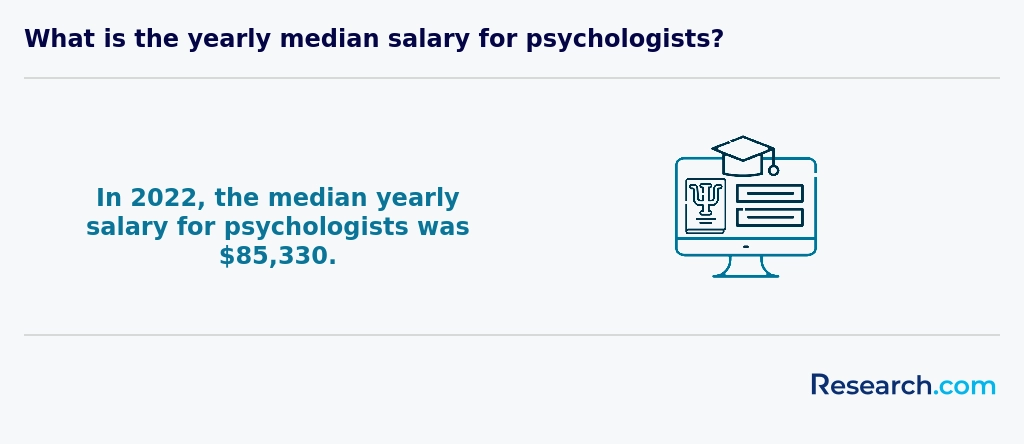
An online degree provides flexible access to accredited programs, allowing working professionals to gain qualifications without relocating. Graduates can pursue roles in counseling, human services, or research, often leading to higher salaries and leadership positions. For example, the median annual wage for psychologists in Wisconsin was approximately $84,000 as of 2022, showing positive earning potential with proper credentials.
Licensing requirements, overseen by the Wisconsin Psychology Examining Board, often include a master's or doctoral degree, which many online programs fulfill. Career advancement frequently depends on these credentials combined with supervised experience, making online degrees a practical route for upward mobility in the state's psychology workforce.
Studying for a psychology degree in Wisconsin offers a strong foundation for interdisciplinary roles by integrating core psychological principles with practical applications across various fields. Many online programs emphasize collaboration, critical thinking, and research skills relevant to healthcare, education, and social services. Wisconsin's institutions often align their curricula with guidelines from the American Psychological Association, ensuring students gain both theoretical knowledge and applied experience.
According to the Wisconsin Department of Public Instruction, psychology graduates frequently participate in cross-disciplinary teams addressing mental health, developmental, and community issues. Online programs also leverage local partnerships, preparing students for teamwork with professionals such as social workers, educators, and medical staff.
When choosing between a thesis and a non-thesis psychology degree program in Wisconsin, consider your career goals and learning preferences. Thesis programs typically involve original research, which can prepare students for doctoral studies or research-related roles. Non-thesis options focus more on coursework and practical skills, ideal for those entering applied psychology fields or advancing professional credentials.
Wisconsin institutions often offer flexibility in online formats, catering to working professionals. According to the National Center for Education Statistics, nearly 40% of psychology graduates in Wisconsin pursue advanced research degrees, highlighting the value of thesis experience in the state.
Cost and time commitment also differ: thesis programs might take longer due to research requirements. Prospective students should review program outcomes and alumni career paths before deciding.
Students based in Wisconsin who wish to study psychology abroad often face challenges related to transferring credits and meeting licensure requirements. Most psychology programs in the US, including those in Wisconsin, are designed to align with American Psychological Association (APA) accreditation standards, which can differ internationally.
However, some Wisconsin universities offer partnerships or exchange programs with institutions abroad, allowing credits to be earned internationally but credited back at home. According to the Wisconsin Educational Approval Board, students should verify that any foreign program meets Wisconsin licensing board requirements if they plan to practice psychology in the state.
Online programs in Wisconsin increasingly incorporate global perspectives, yet fully studying abroad remains less common for online psychology degrees. Students should consult the National Center for Education Statistics for data on enrollment trends and program accreditations when considering options.
Students pursuing online psychology degrees in Wisconsin can benefit from part-time jobs that enhance their academic knowledge and practical skills. Common opportunities include working as mental health aides or behavioral therapy assistants in clinics and community centers. These roles provide hands-on experience with psychological practices and client interaction. According to the Wisconsin Department of Workforce Development, mental health support roles are projected to grow by 12% through 2030, reflecting local demand.
Additionally, campus research assistant positions allow students to engage in psychological studies, gaining valuable data collection and analysis experience. Working in youth counseling programs or nonprofit organizations focused on mental health also complements classroom learning while contributing to the community.
Online psychology students in Wisconsin have a variety of networking opportunities despite the remote nature of their programs. Many universities encourage virtual participation in psychology clubs, forums, and guest lectures, fostering connections with peers and professionals. Schools like the University of Wisconsin offer access to statewide psychology associations that host conferences and workshops.
The Wisconsin Psychological Association frequently welcomes students to join its events, providing valuable exposure to practicing psychologists and academics. Additionally, online degree programs often partner with local clinics and research institutions to facilitate internships and volunteer experiences, essential for networking and practical growth.
Engaging in these activities helps students build professional relationships that can lead to career opportunities after graduation.
Alumni networks provide significant advantages for students pursuing online psychology degrees in Wisconsin. These networks connect graduates, offering valuable professional relationships that can lead to job opportunities within the state's growing psychology field. According to the Wisconsin Department of Workforce Development, psychology-related jobs in Wisconsin are projected to grow by 8% through 2028, intensifying the need for strong career connections.
Through alumni events, mentoring, and online platforms, students gain insights into local market trends and licensing requirements specific to Wisconsin. This support can improve employment outcomes and professional development.
Moreover, access to alumni networks helps students navigate internships and licensure pathways more effectively, which are critical in psychology careers.
Customizing an online psychology degree in Wisconsin involves selecting electives and specializations that align with your career goals. Many accredited programs offer concentrations such as clinical psychology, counseling, or industrial-organizational psychology. These allow you to focus on areas that meet local workforce demands. For example, Wisconsin's Department of Workforce Development highlights growth in mental health and human services roles, making specialization relevant to job opportunities.
Students can also tailor practicum experiences and research projects to gain practical skills. Online programs often provide flexibility to balance coursework with professional commitments, helping you build expertise suited to licensure requirements in Wisconsin. Consult program advisors to design a curriculum that supports your intended career path.
Online psychology students in Wisconsin often face challenges related to limited hands-on clinical experience, which is essential for licensure. Many programs require in-person practicums or internships, creating scheduling and travel difficulties for remote learners. Additionally, maintaining motivation and time management can be tough given the self-directed nature of online study. Wisconsin's strict licensing requirements from the Department of Safety and Professional Services mean students must carefully select accredited programs that meet state standards to avoid delays in certification.
Access to local mental health facilities for supervised hours may also be limited in rural areas, complicating practical training. According to the Wisconsin Educational Program Approval Board, awareness of these requirements is crucial for timely graduation.
With an online psychology degree from Wisconsin, graduates can pursue several professional certifications to advance their careers. Common certifications include becoming a Licensed Professional Counselor (LPC) or a Licensed Clinical Social Worker (LCSW), both requiring additional supervised experience and exams.
Another key certification is the National Certified Counselor (NCC), which can boost employment prospects nationwide. For those interested in school settings, the School Psychologist credential is available but generally requires a specialist degree beyond a bachelor's or master's level.
The Wisconsin Department of Safety and Professional Services oversees licensure processes and sets specific requirements. According to the Bureau of Workforce Information, demand for licensed mental health counselors in Wisconsin is expected to grow by 12% through 2030, highlighting the value of these certifications.
When applying to an online psychology program in Wisconsin, it is essential to showcase your academic readiness and genuine interest in the field. Start by highlighting any relevant coursework, volunteer work, or professional experience related to psychology. Wisconsin universities often look for applicants with a strong foundation in social sciences and critical thinking skills.
Ensure your personal statement clearly outlines your career goals and motivation for pursuing psychology. According to the Wisconsin Department of Public Instruction, psychology-related jobs in the state are expected to grow by 10% through 2030, reflecting increasing demand for qualified professionals.
Also, maintain a competitive GPA and request recommendation letters from professors or employers who can attest to your dedication and abilities. Following application instructions carefully and submitting all required materials on time will strengthen your chances of acceptance.
Psychology careers are increasingly valued worldwide as mental health awareness grows. In the United States, including Wisconsin, the demand for qualified psychologists and counselors continues to rise. According to the U.S. Bureau of Labor Statistics, psychology-related employment is projected to grow 8% from 2021 to 2031, faster than the average for all occupations.
Globally, psychology professionals work in diverse settings such as healthcare, education, and business. Many U.S.-trained psychologists pursue licensure to practice, with Wisconsin requiring a doctoral degree and supervised experience for clinical licensure. This reflects a trend toward rigorous standards ensuring quality care.
Online psychology degrees in Wisconsin can prepare students for these opportunities, aligning with international trends that emphasize evidence-based practices and cultural competence in psychology careers.
Gaining practical experience during an online psychology degree in Wisconsin is key for student success. Many programs encourage internships or practicum placements at local clinics, hospitals, or community organizations. These opportunities provide hands-on work with clients under professional supervision. Wisconsin has over 200 licensed psychology providers offering diverse settings for students.
Additionally, some universities partner with agencies that allow remote or hybrid practicum experiences, accommodating online learners' schedules. According to the Wisconsin Department of Safety and Professional Services, aligning practicum hours with licensure requirements is crucial, often requiring 1,500 supervised hours.
Students can also engage in research projects remotely, contributing to studies led by faculty. These experiences build skills in data analysis and clinical research, improving employment prospects.
Choosing the right concentration within an online psychology degree in Wisconsin involves understanding both your career goals and local workforce demands. Popular concentrations include clinical, counseling, industrial-organizational, and developmental psychology. Wisconsin's Department of Workforce Development projects a 10% growth in mental health counseling jobs through 2030, highlighting clinical pathways as promising. Students should also consider licensure requirements, which vary by concentration and often require supervised hours post-graduation. Research each program's curriculum to ensure it matches your interests and licensure needs. The Wisconsin Psychological Association offers resources that can help prospective students evaluate career options and specializations in the state.
Related Psychology Rankings for Nearby States
- 2027 Fastest Online Psychology Degree Programs Ranking in Minnesota
- 2027 Fastest Online Psychology Degree Programs Ranking in Iowa
- 2027 Fastest Online Psychology Degree Programs Ranking in Illinois
- 2027 Fastest Online Psychology Degree Programs Ranking in Michigan
- 2027 Fastest Online Psychology Degree Programs Ranking in Indiana
- 2027 Fastest Online Psychology Degree Programs Ranking in Missouri
- 2027 Fastest Online Psychology Degree Programs Ranking in Ohio
- 2027 Fastest Online Psychology Degree Programs Ranking in South Dakota
- 2027 Fastest Online Psychology Degree Programs Ranking in Kentucky
- 2027 Fastest Online Psychology Degree Programs Ranking in North Dakota
Top Trending Psychology Rankings
See What Experts Have To Say About Studying Psychology
Read our interview with Psychology experts

Robin M. Kowalski. Ph.D.
Psychology Expert
Professor of Psychology
Clemson University

Joann Farrell Quinn, Ph.D., MBA
Psychology Expert
Director at the College of Medicine Department of Medical Education
Morsani College of Medicine

Elizabeth L. Jeglic Ph.D.
Psychology Expert
Professor of Psychology
City University of New York

References
- A Guide to Psychology Internships | Psychology Degree Guide https://psychologydegreeguide.org/resources/internships/
- Study Psychology Abroad https://astarfuture.co.uk/study_psychology_abroad.html
- Ontario Psychological Association - Networking and Community Resources https://www.psych.on.ca/become-a-member-(1)/member-services/networking-and-community-resources
- Society for the Teaching of Psychology https://teachpsych.org/page-1784686/8675326
- How To Find Psychology Internships https://www.psychology.org/resources/how-to-find-an-internship/
- Financial Aid - WSPP | Funding Your PsyD Education | Wisconsin School of Professional Psychology https://www.wspp.edu/student-services/financial-aid
- Best 30+ Wisconsin Psychology Degrees Updated for 2025, Online Included https://www.psychologydegrees.org/state/wisconsin
- Why Get a Psychology Degree Online? | University of Bridgeport https://www.bridgeport.edu/news/reasons-to-get-your-psychology-degree-online/
- 2025 Most Popular Online Psychology Degrees in Wisconsin https://www.onlineu.com/degrees/psychology/wisconsin
- Mental Health Challenges Faced by Psychology Students | The Healthcare Guys https://healthcareguys.com/2023/11/23/mental-health-challenges-faced-by-psychology-students/


