
2027 Most Affordable Psychology Degree Programs Ranking in Madison

Co-Founder and Chief Data Scientist
Choosing the right psychology degree program in Madison can feel overwhelming, but we're here to help. This article features the 2027 Most Affordable Psychology Degree Programs Ranking in Madison created by the Research.com team of data scientists. It's designed to guide you in making an informed decision about which programs offer the best value.
Discover affordable options that align with your goals and budget. Earning a psychology degree can open doors to meaningful careers and personal growth, making the journey worthwhile and exciting.
Key benefits of getting psychology degree in Madison
- Salary for psychology degree graduates: Graduates in Madison can expect competitive wages, such as Marketing Research Analysts earning about $83,190 annually and Human Resources Specialists earning around $76,060. These salaries reflect strong financial opportunities for psychology-related roles.
- Career paths: Psychology graduates from local universities often pursue diverse careers including clinical research, marketing analysis, and human resources, providing flexible and rewarding job options. This variety ensures you can find a career that matches your passion and skills.
- Online degree benefits: Earning a psychology degree online offers great flexibility, allowing graduates in Madison to balance work, family, and study effortlessly. Online programs often provide a practical learning experience that prepares students for real-world success quickly and conveniently.
- Key benefits of getting psychology degree in Madison
- What can I expect from psychology degree in Madison?
- Where can I work with psychology degree in Madison?
- How much can I make with psychology degree in Madison?
- 2027 Most Affordable Psychology Degree Programs Ranking in Madison
- Key Findings
- How long does it take to complete psychology degree in Madison?
- Accreditation and Licensing
- What's the difference between online and on-campus psychology degree?
- Accreditation and Licensure: Ensuring Program Quality and Career Readiness
- What is the average cost of psychology degree in Madison?
- Advanced Studies and Career Advancement in Psychology
- What financial aid is available to psychology degree students in Madison?
- Choosing the Right Psychology Program in Madison, WI
- What are the prerequisites for enrolling in psychology degree program in Madison?
- Accreditation and Licensure Requirements
- What courses are typically in psychology degree programs in Madison?
- What types of specializations are available in psychology degree programs in Madison?
- How do you choose the best psychology degree in Madison?
- What career paths are available for psychology degree students in Madison?
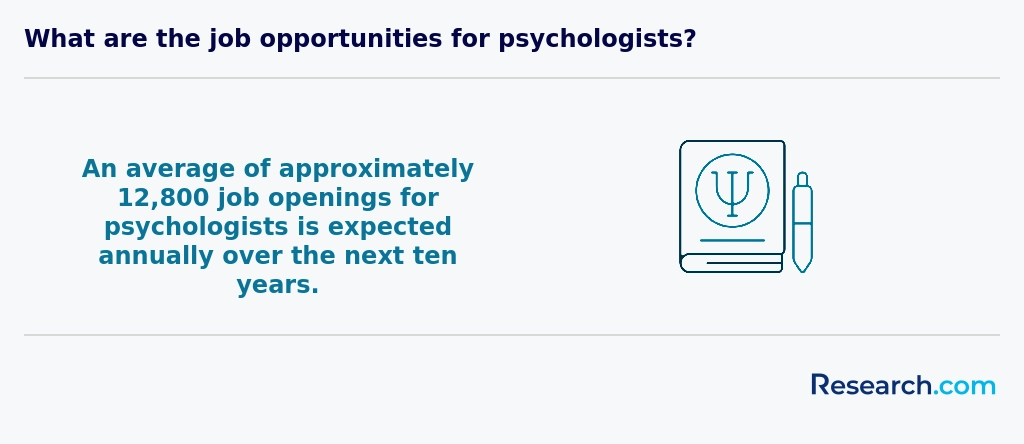
- What is the job market for psychology degree in Madison?
- Top Trending Psychology Rankings
- See What Experts Have To Say About Studying Psychology
What can I expect from psychology degree in Madison?
Thinking about how much a psychology degree in Madison might set you back? If you're going to UW-Madison, in-state tuition tends to hover around $10,000 a year, which feels pretty reasonable compared to private schools. Graduates often mention that while tuition is just one part of the cost, living expenses and fees add up too, but being in Madison means you can find affordable housing options and campus resources that help keep things manageable.
Many students love that their investment here comes with real perks-a chance to work alongside local hospitals or clinics, like the University of Wisconsin Hospital and Clinics, for hands-on experience. That kind of opportunity really makes the cost feel worth it when you're building your resume and confidence. Plus, since Madison's a college town, there's a friendly vibe that makes juggling school and life a bit easier for most people.
Where can I work with psychology degree in Madison?
If you earn a psychology degree in Madison, you're in luck-there are plenty of paths waiting for you. Many grads find themselves working in healthcare settings like UnityPoint Health-Meriter or the VA Hospital, helping with mental health services that really make a difference in people's lives. Imagine supporting someone through tough times as a counselor or behavioral health technician-that kind of work leaves a lasting impact.
Then there's the education route. A lot of psychology grads from places like the University of Wisconsin-Madison jump into roles as school psychologists or researchers, which feels pretty rewarding when you see students thrive or contribute to cool studies on campus. It's not just theory; you get hands-on experience helping real people.
Social services and nonprofits also pull in a bunch of psych majors. You could be counseling folks at community centers or working on substance abuse programs-big heart, big reward. Plus, more businesses are now hiring psychology grads for roles in HR or marketing, where understanding people helps boost workplace vibe and customer insights.
How much can I make with psychology degree in Madison?
If you're wrapping up a psychology degree in Madison, you can expect some pretty solid earning potential depending on the path you take. For example, graduates diving into roles like Human Resources Specialist can look forward to a mean annual wage around $76,060, which fits nicely with what folks from local colleges report landing after a couple of years.
Those who lean towards data and analysis might find themselves as Marketing Research Analysts making close to $83,190 a year-definitely a nice bump if you're into numbers and trends. And for grads kicking off careers as Clinical Research Associates or Survey Researchers, salaries hover around $62,370, offering a decent start while gaining valuable experience.
Some even take jobs as Childcare Workers, pulling in about $32,070 annually, which can be a great stepping stone as you figure out your long-term goals. Across Madison's vibrant college scene, students often share how internships and networking help them boost these numbers, turning classroom knowledge into real-world cash.
2027 Most Affordable Psychology Degree Programs Ranking in Madison
How do we rank schools?
Investing in your education is a significant decision that can shape your future, and the Research.com team understands the importance of making informed choices. To assist prospective students in Madison, we have meticulously crafted the "2027 Most Affordable Psychology Degree Programs Ranking in Madison." Our commitment to quality, credibility, and accuracy is reflected in the extensive research and analysis conducted to compile this ranking.
We utilized the following reputable data sources to ensure a comprehensive evaluation of psychology degree programs:
By exploring this ranking, readers will gain valuable insights into the most affordable psychology degree programs available in Madison, enabling them to make confident and informed decisions about their educational journey. For more details on our methodology, please visit our Research.com methodology page.


Key Findings
- The average annual tuition for a psychology bachelor's degree in Madison ranges from $10,000 to $12,000 for in-state students and about $35,000 for out-of-state students.
- Additional costs for books, supplies, and living expenses add approximately $15,000 per year.
- Starting salaries for entry-level psychology jobs in Madison typically range from $40,000 to $50,000 annually.
- Mid-career psychologists with more experience and licensure earn between $75,000 and $90,000, while some licensed clinical psychologists make over $100,000 per year.
- Madison's job market includes healthcare, education, and research sectors, supporting steady demand for psychology professionals.
- Licensure in Wisconsin requires completing an accredited degree, supervised clinical hours, and passing a national exam.
How long does it take to complete psychology degree in Madison?
If you're thinking about getting a psychology degree in Madison, here's the lowdown on how long it usually takes. Most students aiming for a bachelor's degree at places like the University of Wisconsin-Madison wrap it up in about four years when studying full-time. It's pretty manageable if you plan your classes well and stay on track, just like many graduates have done.
For those diving into a master's degree, expect around two years full-time, though some go part-time and stretch it to three or more. Master's programs often mix in research projects and hands-on experience, which keeps things interesting but can tweak the timeline.
If you're eyeing a doctoral degree, like a PhD or PsyD, get ready for a longer haul-anywhere from four to seven years beyond your bachelor's. Madison's programs are pretty intense, blending clinical work with research, which graduates say is tough but super rewarding.
So overall, whether you're aiming for undergrad, grad, or a doctorate, Madison's psychology programs offer solid timelines that reflect real student experiences and quality education.
Accreditation and Licensing
Accreditation and licensure are essential for ensuring your psychology degree is recognized by employers and qualifying you for professional credentials in Wisconsin.
- Regionally accredited institutions (e.g., Higher Learning Commission) guarantee transferability and federal aid eligibility.
- APA-accredited clinical or counseling programs meet national standards and support licensure pathways.
- Verify state requirements with the Wisconsin Psychology Examining Board, including supervised hours and exam criteria.
- Seek programs offering practicum partnerships with local clinics and hospitals to fulfill hands-on licensure hours.
- For specialized counseling options, consider exploring our mft programs.
What's the difference between online and on-campus psychology degree?
Choosing between an online and on-campus psychology degree in Madison really comes down to how you like to learn and live your life. If you're juggling work or family, going online can be a lifesaver-you get to set your own pace and study from home, whether you're catching up after the kids are asleep or during a lunch break. Graduates from UW-Madison's online programs often mention how the flexibility helped them stay on track without giving up their day jobs.
But if you're someone who thrives on face-to-face interaction, on-campus might be your vibe. Imagine walking through campus at UW-Madison or Edgewood College, chatting with professors after class or teaming up on research projects. Many graduates say the in-person labs and group work helped make complex topics click and created great networking opportunities.
Cost-wise, online can save you bucks on housing and commuting, which in Madison can be pretty hefty. But remember, both routes meet the same quality standards, so whether you're logging in virtually or sitting in a classroom, you're getting a solid education that sets you up for licensure and a career in psychology.
Accreditation and Licensure: Ensuring Program Quality and Career Readiness
Choosing an accredited psychology program is the cornerstone of a rewarding career in Madison, WI. Regional accreditation from bodies like the Higher Learning Commission (HLC) guarantees that your institution meets rigorous academic standards and that your credits will transfer smoothly should you pursue graduate studies. Moreover, for clinical and counseling tracks, programmatic accreditation-such as the American Psychological Association (APA) or the Council for Accreditation of Counseling and Related Educational Programs (CACREP)-is often a prerequisite for licensure and employment. Before enrolling, verify accreditation status on the U.S. Department of Education’s database and confirm that your chosen program aligns with Wisconsin’s licensing requirements for professional practice. State licensure in Wisconsin typically involves completing an accredited degree, accumulating supervised clinical hours, and passing national examinations (e.g., EPPP for psychologists or NCMHCE for counselors). Graduates should plan for 2,000–4,000 hours of supervised experience, which can include internships at local mental health clinics or university-affiliated research labs. Early engagement with faculty advisors and state boards ensures you understand timelines and documentation, reducing delays in your career launch. If you’re considering further education, compare cost-effective master’s options to maximize your return on investment. For instance, our Most Affordable Online Master's in Psychology Degree Programs Ranking in the Northeast highlights accredited online programs that balance quality instruction with flexibility and lower tuition rates. By prioritizing accreditation and planning for licensure early, you’ll safeguard your educational investment and streamline your pathway to a fulfilling psychology career.
What is the average cost of psychology degree in Madison?
Paying for a psychology degree in Madison usually falls around a median total cost of $55,617, but in-state students often see a more manageable number-about $11,603 on average. For many local students attending the University of Wisconsin-Madison or Madison College, this makes the pursuit of a psychology degree feel much more attainable. Graduates often share how being an in-state student dramatically eased their financial stress, allowing them to focus more on their studies and less on hefty tuition bills.
Those who attend Madison College, which is well-known for offering affordable psychology degree programs Madison 2027, often highlight how helpful it was to keep expenses down without sacrificing quality education. Even though tuition varies, many psychology students find that scholarships and grants offered locally can make a big difference in covering those costs.
If you're considering options, it's worth checking out the most affordable psychology schools in Wisconsin. This helps you compare programs that fit budgets and career goals. Many students appreciate knowing that while the overall price tag might look daunting at first, breaking costs down by residency and program type shows plenty of accessible paths.

Advanced Studies and Career Advancement in Psychology
Enhancing your career prospects often means considering advanced studies after your undergraduate work, and many psychology graduates find that pursuing a graduate degree is a game-changing step. With the evolving demands of the job market, advanced degrees can lead to specialized roles, higher salaries, and greater professional recognition. By opting for further education, including options like a fast online masters in applied behavior analysis, students can combine the flexibility of online learning with targeted expertise in high-demand areas. This advanced training not only deepens your theoretical knowledge but also hones practical skills in research, clinical practice, and innovative interventions. Moreover, earning a graduate degree is a strategic investment that often results in long-term career growth, refined professional networks, and improved employability in competitive sectors. Embracing continuous learning ensures that you stay ahead in a dynamic field, ultimately empowering you to contribute significantly to advancements in psychology.
What financial aid is available to psychology degree students in Madison?
If you're diving into a psychology degree in Madison, there's good news: plenty of financial aid options can lighten the load. Many grads from places like the University of Wisconsin-Madison have scored Pell Grants, which are handed out based on need and don't need to be paid back-some students get up to $7,395 for the year! That's a real boost when trying to cover tuition that can hit $10,000 to $30,000 annually.
State aid through the Wisconsin Higher Education Grant is another helpful option, especially if you're a resident. It makes those in-state tuition fees feel way more manageable. Plus, scholarships from the university or local groups are pretty popular. Some grads even landed research assistantships or teaching gigs that cover tuition and toss in stipends-while also stacking up valuable experience.
Graduate students swear by assistantships and fellowships here too; they often cover full tuition and provide living expenses. Just remember to fill out your FAFSA every year and keep an eye on scholarship deadlines to catch these opportunities early.
Choosing the Right Psychology Program in Madison, WI
To make an informed decision when selecting a psychology program in Madison, WI, it's essential to consider several factors, including the cost of tuition, the availability of financial aid, and the program's accreditation status. Prospective students can research the most affordable psychology schools in wisconsin to find programs that fit their budget and career goals. Additionally, understanding the different types of psychology specializations, such as clinical psychology, counseling psychology, and industrial-organizational psychology, can help students choose a program that aligns with their interests and career aspirations. By carefully evaluating these factors, students can find a psychology program in Madison, WI, that provides a high-quality education and prepares them for a successful career in their chosen field.
What are the prerequisites for enrolling in psychology degree program in Madison?
If you're thinking about enrolling in a psychology degree in Madison, the basics usually start with having a high school diploma or something like a GED for undergrad programs. Most students at places like the University of Wisconsin-Madison share that they had to show solid high school grades-usually around a 2.5 GPA or better-and sometimes test scores like the SAT or ACT, though many schools around here are cool with being test-optional nowadays. It really helps to have some real-world experience too, like volunteering at local clinics or doing an internship related to psychology or social sciences. Graduates often mention how this made their applications stand out and gave them a clearer picture of what studying psychology felt like before they even started classes.
For grad programs in Madison, things get a bit more specialized. Most students have a bachelor's in psychology or something similar and might need to submit GRE scores, although some programs have dropped this requirement. Letters of recommendation and a personal statement are key too-sharing your passion for psychology and how you want to make a difference can really help. Plus, having hands-on research or clinical experience is a big plus and often talked about as essential among those who've successfully gotten into graduate programs locally.
Accreditation and Licensure Requirements
Selecting an accredited psychology program ensures your degree meets standards for licensure and professional practice in Wisconsin.
- APA accreditation: Required for many clinical and counseling licensure paths.
- Regional accreditation: Confirms overall institutional quality and eligibility for federal aid.
- Supervised experience: Complete at least 1,500 hours under a licensed psychologist as per state regulations.
- EPPP: Pass the national Examination for Professional Practice in Psychology to qualify for licensure.
- State application: Submit transcripts, exam scores, and supervised experience documentation to the Wisconsin Department of Safety and Professional Services.
For specialized therapy careers, explore accredited marriage and family therapy programs online that satisfy state licensure requirements.
What courses are typically in psychology degree programs in Madison?
If you're thinking about diving into a psychology degree in Madison, you'll find a mix of courses that really cover the core of human behavior and mental processes. Students from popular spots like the University of Wisconsin-Madison often talk about how classes like Introduction to Psychology totally hooked them because you start unpacking why people think and act the way they do.
It's not just theory - courses like Research Methods in Psychology get you hands-on with experiments and data, which feels pretty cool when you realize you're learning how to actually study the mind scientifically. Statistics for Social Sciences can sound intimidating, but grads say it's rewarding once you see how numbers explain real-life behavior patterns.
At Madison colleges, you'll also get into Biological Psychology, where you explore how the brain and nervous system affect everything from emotions to decision-making. Plus, classes like Developmental and Social Psychology bring those concepts to life by looking at how people grow and interact in everyday settings. These courses combine to make your learning feel relevant and exciting.
What types of specializations are available in psychology degree programs in Madison?
If you're diving into psychology degree specializations in Madison, you'll find options that really help shape your path. At the University of Wisconsin-Madison, for example, graduates often rave about exploring Clinical Psychology, where you learn how to support people facing mental health challenges through counseling. Others get excited about Cognitive Psychology, diving into how the brain handles memory and decision making - pretty cool stuff if you're curious about how we think.
Some students love studying Developmental Psychology because it follows people's growth throughout life, while others get drawn to Industrial-Organizational Psychology, applying psychology in workplaces to boost wellbeing and productivity. Social Psychology and Neuroscience are also popular paths, giving you a mix of understanding human behavior and brain function.
Madison affordable psychology program concentrations make it even better, especially since many students take advantage of research opportunities to get hands-on experience. Plus, if you want to branch out, some folks combine psychology with other fields - and some even pursue a fast online masters in applied behavior analysis to add extra skills.
How do you choose the best psychology degree in Madison?
When choosing the best psychology degree in Madison, it's smart to focus on programs with solid reputations and real-world experience opportunities. Many graduates from the University of Wisconsin-Madison love its research-driven approach and faculty who are passionate about psychology, which makes the whole learning vibe exciting and engaging. Plus, with the affordable psychology degree programs in Madison, especially for in-state students, you can keep costs manageable without sacrificing quality.
Another thing to consider is the variety of specializations. Whether you're into clinical, social, or cognitive psychology, you want a program that lets you explore fields that fit your career goals. Students also mention how their internships and research projects helped them nail grad school applications or land jobs in local counseling centers.
Don't forget to check out financial aid and scholarships. Some students found amazing support by comparing tuition and aid options, making their dreams way more affordable. If you're curious about online options, you can see the Most Affordable Online Master's in Psychology Degree Programs Ranking in the Northeast to explore flexible paths, too.

What career paths are available for psychology degree students in Madison?
If you're earning a psychology degree in Madison, you'll find plenty of cool career paths to jump into. Graduates from popular spots like the University of Wisconsin-Madison often head into clinical psychology, working in hospitals or private practice to help people with mental health challenges. It's rewarding work that really makes a difference in the community. For those interested in schools, educational psychology is a solid option-imagine being a school counselor or academic advisor supporting kids and students in Madison's vibrant school districts.
Another exciting route is industrial-organizational psychology, where grads use their skills to boost employee satisfaction and productivity right in Madison's growing business scene. Plus, for those curious about research, UW-Madison's active psychology labs offer front-row seats to groundbreaking studies on human behavior. Many psychology grads also dive into social work, mental health advocacy, or health services coordination, combining passion with purpose. If you want to explore quicker routes to starting your career, check out the best 6 month associate online degree options available. Jobs with psychology degree in Madison truly cover a wide spectrum, letting you find a niche that feels just right.
What is the job market for psychology degree in Madison?
If you're wondering about psychology degree job opportunities in Madison, the scene looks pretty bright. Graduates from local favorites like the University of Wisconsin-Madison often find themselves stepping into roles at hospitals, community centers, or research projects pretty quickly. Many share how the strong healthcare and mental health sectors here really boost hiring, especially since the city's vibe supports growth in counseling and clinical psychology.
The employment outlook for psychology graduates Madison-wide is helped by a good mix of universities and hospitals, plus the push from social programs focused on mental health. Some grads mention starting salaries around $40,000 to $50,000 if they've got a bachelor's, but those with advanced degrees usually see that jump well beyond $79,000, reflecting Madison's specialized job market.
For students crunching numbers, the cost to study here-between $10,000 and $15,000 a year at public schools-is quite reasonable. If you want to balance cost with opportunity, exploring programs at open admissions colleges can be a smart move before diving into grad school, which really drives higher pay and job options.
Frequently Asked Questions About psychology
Psychology degree students in Madison can maximize their learning by engaging actively in both coursework and local research opportunities. The University of Wisconsin-Madison, known for its robust psychology program, offers access to hands-on labs and faculty-led studies that allow students to apply theory to practice. Joining student organizations such as the Psi Chi International Honor Society fosters networking and professional growth.
Internships with Madison-area healthcare providers and community centers provide valuable real-world experience. Utilizing university resources, including academic advising and career services, enhances academic planning. According to the UW-Madison Department of Psychology, nearly 80% of graduates participate in internships or research before completing their degree.
Emerging niches within the psychology field reflect evolving societal and technological changes. In Madison, areas such as neuropsychology and health psychology are gaining traction, driven by local research institutions like the University of Wisconsin-Madison. Neuropsychology focuses on brain-behavior relationships and is critical amid rising neurological disorders. Health psychology examines psychological factors affecting physical health, with growing interest linked to increasing chronic disease management needs.
Another expanding niche is forensic psychology, supporting Madison's criminal justice system. Additionally, digital and cyber psychology studies human interaction with technology, a response to Madison's expanding tech economy. According to the Bureau of Labor Statistics, these specialized roles are among the fastest growing for psychologists nationwide, including Wisconsin.
After completing a psychology degree in Madison, preparing for the job market requires a strategic approach. Gaining relevant experience through internships or research assistant positions, often offered by the University of Wisconsin-Madison, is vital. Such roles boost practical skills and expand professional networks.
Students should also consider obtaining certifications related to their career goals, like Certified Alcohol and Drug Counselor (CADC) credentials, which are valued locally. According to the Bureau of Labor Statistics, employment for psychologists in Wisconsin is projected to grow 10% by 2032, signaling opportunity but also competition.
Networking through local organizations like the Wisconsin Psychological Association can provide mentorship and job leads.
Employers in Madison increasingly seek psychology graduates with strong analytical and communication skills. According to the Wisconsin Department of Workforce Development, effective data interpretation and critical thinking are vital, as roles often require assessing behavioral patterns and research outcomes.
Interpersonal skills remain a top priority. Madison's growing healthcare and social services sectors demand graduates who can collaborate with diverse populations and demonstrate empathy.
Technical proficiency is also important, especially familiarity with statistical software like SPSS or R. The University of Wisconsin-Madison highlights these tools as essential for practical application and research tasks.
Finally, adaptability and problem-solving skills help graduates meet the evolving needs of employers in education, counseling, and corporate environments across Madison.
Finding internships in Madison relevant to psychology degrees involves several practical steps. Many universities in Madison, such as the University of Wisconsin-Madison, maintain partnerships with local clinics, hospitals, and social service agencies that offer psychology internships. Students should explore their school's career center and academic department for listings and application support.
Locally, organizations like the Madison Behavioral Health Clinic and the Wisconsin Community Services provide practical internship opportunities focusing on clinical and counseling psychology. The state's Department of Health Services website also posts openings relevant to psychology students.
Networking through faculty advisors and local professional groups, such as the Wisconsin Psychological Association, can help uncover less-advertised internships. According to recent university career reports, 60% of psychology students in Madison secure internships through university channels or local networking.
In Madison, a psychology degree significantly enhances career mobility and advancement due to the city's robust healthcare and educational sectors. Graduates often find opportunities in mental health clinics, school systems, and social services, which consistently seek qualified professionals. The University of Wisconsin-Madison reports that its psychology alumni experience a higher employment rate within 6 months post-graduation compared to other fields.
Additionally, possessing a psychology degree can lead to competitive salaries; the U.S. Bureau of Labor Statistics notes that Madison's clinical, counseling, and school psychologists earn a median annual wage above the national average.
Advanced degrees further improve prospects by opening doors to specialized roles, such as research or licensed therapy, which are in demand locally. Professional licenses or certifications common in psychology are also a gateway to higher-level positions and increased job security in Madison's diverse job market.
Studying for a psychology degree in Madison offers students a strong foundation for interdisciplinary roles by emphasizing collaboration across diverse fields. Universities like the University of Wisconsin-Madison integrate psychology with neuroscience, education, and social work, reflecting the city's focus on comprehensive academic training. According to the UW-Madison Department of Psychology, over 40% of courses incorporate cross-disciplinary research methods, preparing students to work alongside professionals in health care, education, and technology.
This approach equips students with skills to analyze complex human behavior while applying knowledge in areas such as public health and business. Local internships often involve partnerships with medical centers and community organizations, fostering practical experience beyond traditional psychology roles. As a result, graduates are well-prepared to contribute in roles requiring multifaceted expertise, meeting the evolving demands of the workforce in Madison and beyond.
Choosing between a thesis and a non-thesis psychology degree program in Madison depends largely on your career goals and learning preferences. A thesis program involves conducting original research and writing a formal paper, which is ideal if you aim for a career in research or plan to pursue doctoral studies. In contrast, a non-thesis option typically emphasizes coursework and practical experience, suitable for students seeking immediately applicable skills in counseling, social work, or related fields.
According to the University of Wisconsin-Madison's Psychology Department, about 60% of graduate students opt for thesis tracks due to research opportunities and faculty mentorship. However, non-thesis programs may allow faster completion, which is a consideration given the median graduate debt in Wisconsin stands around $30,000 (NCES, 2023).
Examining program curriculum, faculty expertise, and your own long-term plans are crucial. Additionally, some employers in healthcare and education sectors in Madison prefer candidates with practical experience over research, influencing the advisability of the non-thesis route.
Students in Madison interested in studying psychology abroad have several pathways through their local universities. The University of Wisconsin-Madison, a leading institution, offers structured study abroad programs that allow psychology majors to gain international experience while earning credits applicable to their degree. These programs often partner with universities in Europe, Asia, and Latin America.
Additionally, students can access exchange programs that emphasize cross-cultural psychology and global mental health, reflecting the growing international focus of the field. According to UW-Madison's International Academic Programs office, approximately 10% of psychology undergraduates participate in such opportunities annually.
Many financial aid options and scholarships exist specifically for students pursuing education abroad, reducing the overall cost burden.
Students in Madison pursuing psychology degrees can benefit from various part-time job opportunities that complement their academic studies. Common roles include research assistants in university psychology departments, where students support data collection and analysis. The University of Wisconsin-Madison, a leading institution, often offers these positions, providing hands-on experience with clinical or cognitive psychology research.
Other options include working as behavioral health aides or support staff in local clinics and community centers. According to the Wisconsin Department of Workforce Development, Madison's healthcare sector has grown steadily, increasing demand for psychology-related support roles.
Additionally, part-time tutoring in psychology courses or working at counseling centers can enhance understanding of psychological concepts while building communication skills.
Psychology students in Madison benefit from diverse networking opportunities that help shape their careers. The city hosts events organized by the Wisconsin Psychological Association, offering access to seasoned professionals and peers. The University of Wisconsin-Madison's psychology department frequently holds workshops and guest lectures, fostering direct connections to researchers and clinicians.
Additionally, Madison's vibrant community of mental health organizations provides internships and volunteer roles, crucial for gaining practical experience and building professional contacts. Students can also join local chapters of national groups such as Psi Chi, the International Honor Society in Psychology, which facilitates networking and mentorship.
According to the UW-Madison 2023 annual report, over 60% of psychology undergraduates engage in at least one networking-related activity before graduation, reflecting a strong culture of professional development in the area.
Alumni networks play a crucial role for psychology degree students in Madison by connecting them with professionals and graduates already established in the field. These networks often provide access to mentorship programs, internships, and job opportunities within local clinics, schools, and research centers. According to the University of Wisconsin-Madison Career Services, students engaged with alumni groups report 30% higher internship placement rates.
Additionally, alumni events facilitate knowledge sharing about trends and demands in psychology careers, which can be valuable for students planning their specialization. The connections built can help navigate licensure procedures specific to Wisconsin, an important step in becoming a practicing psychologist.
Customizing a psychology degree in Madison allows students to align their education with specific career goals. Many local institutions offer elective courses and specialized tracks, such as clinical psychology, counseling, or research methods. For example, students can choose internships or practicum placements in community mental health centers around Dane County, gaining practical experience.
Additionally, Madison schools often provide options for undergraduate research projects or collaborations with faculty, supporting careers in academia or applied psychology. According to the University of Wisconsin-Madison's program guide, approximately 30% of psychology undergraduates participate in research activities, enhancing their resumes.
Choosing certificates or minors in related fields like sociology or neuroscience can further tailor the degree to job market needs in Wisconsin's growing health sector.
Psychology students in Madison often face several common challenges during their studies. One significant hurdle is managing the heavy workload, which includes demanding coursework, research projects, and practicum experiences. According to the University of Wisconsin-Madison's Psychology Department, students typically spend over 15 hours weekly on reading and assignments outside of class.
Another issue is securing quality internship placements. The local job market in Madison is competitive, and many psychology students find it difficult to obtain relevant hands-on experience early in their education. This practical training is crucial for career readiness.
Financial constraints also affect many students, as graduate program costs and limited funding opportunities can lead to stress and extended time to degree completion.
With a psychology degree in Madison, you can pursue several professional certifications that enhance career opportunities. Common certifications include Certified Alcohol and Drug Counselor (CADC) and Licensed Professional Counselor (LPC), which require graduate education and supervised experience. For those interested in school settings, certification as a School Psychologist through the National Association of School Psychologists is also an option.
Additionally, certifications like Certified Behavior Analyst (CBA) are growing in demand, especially in clinical and educational environments. UW-Madison's proximity to several healthcare facilities supports practical training for these certifications. The Bureau of Labor Statistics notes that demand for psychology-related certifications is expected to grow 8% through 2031, reflecting expanding healthcare needs.
Writing a winning application for a psychology program in Madison requires careful preparation and attention to detail. Begin with a clear and concise personal statement that highlights your passion for psychology and your specific interests within the field. Madison schools like the University of Wisconsin-Madison look for evidence of strong academic performance; aim for a GPA above 3.5, as this improves admission chances according to recent university admissions data.
Include letters of recommendation from professors or professionals familiar with your skills, emphasizing your research capabilities or practical experience. Demonstrating involvement in psychology-related internships or volunteer work can also strengthen your application.
Be sure to prepare thoroughly for the GRE if required. Some Madison programs may waive this depending on current admissions policies, so check each program's criteria carefully.
Psychology careers in the United States, including Madison, benefit from global recognition and growing demand. According to the U.S. Bureau of Labor Statistics, psychology jobs are expected to grow 8% from 2022 to 2032, faster than the average for all occupations. This reflects a worldwide trend valuing mental health awareness and evidence-based practices.
Many countries emphasize cultural competence in psychology, an important skill for Madison students due to the city's diverse population. Graduates often find opportunities in clinical, counseling, and research fields both locally and internationally.
Professional organizations like the American Psychological Association support global collaboration, which enhances career flexibility for degree holders in Madison.
Gaining practical experience while studying for a psychology degree in Madison is essential for career preparation. Many local universities, including the University of Wisconsin-Madison, offer internship programs and research assistant positions where students can work directly with faculty on ongoing psychological studies. These opportunities help build hands-on skills in data collection, analysis, and clinical observation.
Students can also seek volunteer placements at Madison's community mental health centers or hospitals, gaining exposure to patient care. According to the UW Psychological Services Center, over 60% of psychology undergraduates participate in internships or practicums before graduation.
Networking through campus organizations and psychology clubs further enhances professional development.
Choosing the right concentration within a psychology degree program in Madison requires understanding your career goals and interests. Psychology programs typically offer concentrations such as clinical, cognitive, developmental, or social psychology. Each focuses on different aspects of human behavior and prepares students for distinct career paths.
Research institutions like the University of Wisconsin-Madison highlight the importance of selecting a concentration that aligns with your intended profession, whether clinical practice, research, or counseling. Madison's psychology field is supported by collaborations with healthcare providers and community organizations, offering practical experiences.
Reviewing course offerings and faculty expertise can also guide your choice. For example, some Madison programs emphasize brain science, while others focus on applied psychology.
Related Psychology Rankings for Nearby Cities
- 2027 Most Affordable Psychology Degree Programs Ranking in Chicago
- 2027 Most Affordable Psychology Degree Programs Ranking in Notre Dame
- 2027 Most Affordable Psychology Degree Programs Ranking in Saint Paul
- 2027 Most Affordable Psychology Degree Programs Ranking in Minneapolis
- 2027 Most Affordable Psychology Degree Programs Ranking in Fort Wayne
- 2027 Most Affordable Psychology Degree Programs Ranking in Indianapolis
- 2027 Most Affordable Psychology Degree Programs Ranking in Saint Louis
- 2027 Most Affordable Psychology Degree Programs Ranking in Detroit
- 2027 Most Affordable Psychology Degree Programs Ranking in Louisville
- 2027 Most Affordable Psychology Degree Programs Ranking in Kansas City
Top Trending Psychology Rankings
See What Experts Have To Say About Studying Psychology
Read our interview with Psychology experts

Elizabeth L. Jeglic Ph.D.
Psychology Expert
Professor of Psychology
City University of New York

Robin M. Kowalski. Ph.D.
Psychology Expert
Professor of Psychology
Clemson University

Joann Farrell Quinn, Ph.D., MBA
Psychology Expert
Director at the College of Medicine Department of Medical Education
Morsani College of Medicine

References
- Alumni Perspectives - Meet Our FPN Alumni https://www.aanmelder.nl/alumni-perspectives-june-2023
- Skills of a Psychology Major - Psychology Department https://wagner.edu/psychology/skills/
- Call for papers https://www.hogrefe.com/us/journal/international-perspectives-in-psychology-research-practice-consultation
- Study Psychology Abroad | Go Overseas https://www.gooverseas.com/study-abroad/psychology
- Have You Found a Niche? https://www.apaservices.org/practice/business/marketing/building/niche
- Social Sciences University Transfer | Madison College https://madisoncollege.edu/academics/programs/associate-social-sciences
- Wisconsin Psychology Schools | Psychology Degree Guide https://psychologydegreeguide.org/state/wisconsin/
- Sample letters in psychology https://www.mystudies.com/en-in/human-and-social-sciences/psychology/letter-model/
- How to help students cope with mental health challenges https://www.eaie.org/resource/help-students-cope-mental-health-challenges.html
- Online Psychology Schools in Wisconsin https://www.onlinepsychologydegrees.com/states/wisconsin/


