
2027 Most Popular Psychology Degree Programs Ranking in New Mexico

Co-Founder and Chief Data Scientist
Choosing the right psychology degree program in New Mexico can feel overwhelming, but we're here to help. This article features the 2027 Most Popular Psychology Degree Programs Ranking in New Mexico, crafted by the Research.com team of data scientists. It's designed to guide you toward programs that stand out based on reliable data.
Exploring these programs can open doors to a rewarding career helping others while gaining valuable skills. Whether you're just starting or considering a change, this ranking offers clear insights to make your decision easier and more confident.
Key benefits of getting psychology degree in New Mexico
- Psychology degree graduates in New Mexico can earn competitive salaries with roles like Human Resources Specialist averaging $76,060 annually and Marketing Research Analyst earning around $83,190 per year.
- Graduates from popular New Mexico universities often find diverse careers in research, counseling, or human services, offering exciting opportunities to make a positive impact.
- Online psychology degrees from local universities provide flexibility and convenience, helping students balance studies with work or family life while gaining valuable skills.
- Key benefits of getting psychology degree in New Mexico
- What can I expect from psychology degree in New Mexico?
- Where can I work with psychology degree in New Mexico?
- How much can I make with psychology degree in New Mexico?
- 2027 Most Popular Psychology Degree Programs Ranking in New Mexico
- Key Findings
- How long does it take to complete psychology degree in New Mexico?
- Faculty Expertise and Research Opportunities
- What's the difference between online and on-campus psychology degree?
- Affordability and Financial Considerations for Psychology Programs in New Mexico
- What is the average cost of psychology degree in New Mexico?
- Application Tips and Strategies for Prospective Psychology Students
- What financial aid is available to psychology degree students in New Mexico?
- Accreditation and Licensure Requirements for Psychology Programs in New Mexico
- What are the prerequisites for enrolling in psychology degree program in New Mexico?
- Licensure and Certification Requirements in New Mexico
- What courses are typically in psychology degree programs in New Mexico?
- What types of specializations are available in psychology degree programs in New Mexico?
- How do you choose the best psychology degree in New Mexico?
- What career paths are available for psychology degree students in New Mexico?
- What is the job market for psychology degree in New Mexico?
- Related Psychology Rankings for Nearby States
- Top Trending Psychology Rankings
- See What Experts Have To Say About Studying Psychology
What can I expect from psychology degree in New Mexico?
Expect to pay about $7,600 per year in undergraduate tuition if you study psychology at the University of New Mexico (UNM) as an in-state student. Graduates often share how this affordable tuition allowed them to focus more on gaining practical experience than stressing over finances. Public universities like UNM and New Mexico State University offer lower tuition compared to private schools, making them smart choices for budgeting students.
Many psychology students find scholarships and assistantships helpful to offset costs, especially at the graduate level. For example, a graduate focused on clinical psychology at UNM took advantage of research assistant positions, which provided both experience and tuition support, easing financial burdens profoundly.
Keep in mind that in-state tuition rates make a significant difference-out-of-state students can expect higher costs, so establishing residency before starting is a practical move. Planning early for financial aid and seeking active involvement in campus organizations also boosts funding opportunities and career connections.
Where can I work with psychology degree in New Mexico?
Graduates from psychology programs at institutions like the University of New Mexico and New Mexico State University often find diverse job opportunities across healthcare, education, social services, and business sectors.
Many start by working in healthcare settings such as hospitals or mental health clinics, where licensed psychologists and counselors support patients directly. For example, a graduate might join a clinic in Albuquerque, engaging with behavioral health programs that are expanding thanks to state and federal funding.
Others enter educational roles as school psychologists or academic advisors, helping students manage mental health challenges. This is common among graduates who studied at New Mexico Highlands University, where many build connections with local school districts preparing for increased demand in student support services.
Social service agencies also provide meaningful work, especially in rural communities. Graduates often find fulfilling positions with nonprofits or government programs addressing substance abuse or family counseling, roles that make a tangible difference in underserved areas.
Some psychology alumni apply their skills in human resources or market research in bustling cities like Santa Fe, where their understanding of consumer behavior and employee wellness is highly valued for organizational development.
Entry-level roles like case managers or behavioral health technicians, requiring a bachelor's degree, offer practical starting points. Many graduates use these positions to gain experience and move toward advanced licensure, essential for clinical psychology careers in New Mexico.
How much can I make with psychology degree in New Mexico?
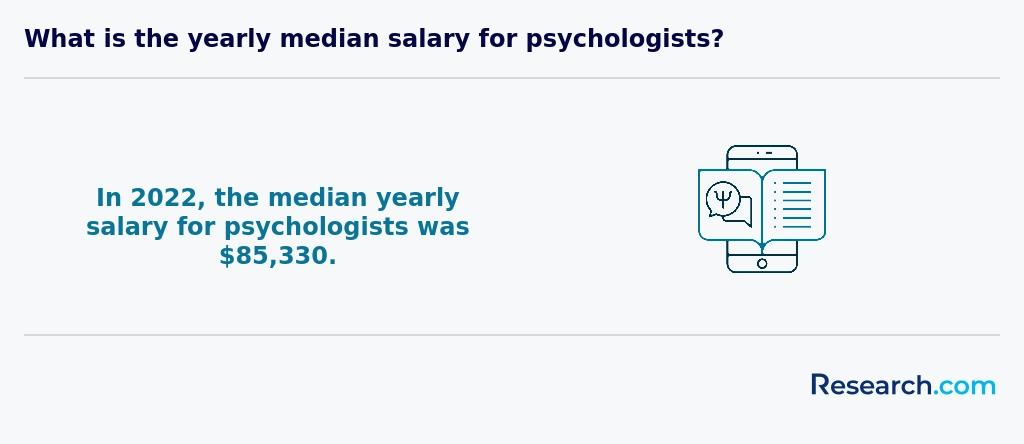
Graduates with a psychology degree in New Mexico can expect diverse earnings depending on their career choices and level of education. For example, those entering roles like human resources specialists often see mean annual wages around $76,060, which is a practical step up from entry-level psychology jobs. Marketing research analysts, a common path for psychology grads interested in data and consumer behavior, earn about $83,190 annually. Clinical research positions, another option for master's level graduates from institutions like the University of New Mexico or New Mexico State University, average $62,370 per year.
A psychology graduate working as a childcare worker in New Mexico might earn roughly $32,070 annually, a role that offers valuable early career experience. Survey researchers, who analyze data to support social science or market studies, also earn around $62,370 yearly. These roles highlight the benefit of practical skills that many New Mexico psychology programs emphasize, helping graduates move confidently into the workforce with salaries that reflect their growing expertise and local demand.
2027 Most Popular Psychology Degree Programs Ranking in New Mexico
How do we rank schools?
Investing in your education is a significant decision that can shape your future, and the Research.com team understands the importance of making informed choices. To assist prospective students in New Mexico, we have meticulously crafted the "2027 Most Popular Psychology Degree Programs Ranking in New Mexico." Our commitment to quality, credibility, and accuracy is reflected in the extensive research and analysis conducted to compile this ranking.
We utilized the following reputable data sources to ensure a comprehensive evaluation of psychology programs:
By exploring this ranking, readers will gain valuable insights into the most popular psychology degree programs available in New Mexico, helping them make informed decisions about their educational paths. For more details on our methodology, please visit our Research.com methodology page.


# 8 position
Western New Mexico University
Bachelor of Arts in Psychology

# 9 position
New Mexico Highlands University
Bachelor of Science in Psychology

# 10 position
Southwestern College
Master of Arts in Psychology

Key Findings
- Public universities in New Mexico charge between $6,500 and $9,000 per year for in-state bachelor's psychology students.
- Private institutions often have tuition fees exceeding $20,000 annually for psychology programs.
- Entry-level psychology graduates in the state earn starting salaries ranging from $45,000 to $50,000 per year.
- Experienced psychology professionals can expect salaries climbing to the mid-$70,000 range or higher.
- Licensure to practice clinically requires supervised hours and passing state exams in New Mexico.
- Internships and practicum placements are vital for completing degree and licensure requirements.
How long does it take to complete psychology degree in New Mexico?
Completing a psychology degree in New Mexico usually starts with a bachelor's degree, which most full-time students finish in about four years by completing roughly 120 credit hours. Many graduates from schools like the University of New Mexico find this timeline manageable alongside part-time work or campus activities. If you want to deepen your expertise, pursuing a master's degree generally adds two to three years and demands anywhere from 36 to 60 credit hours, depending on your focus and school choice.
For those aiming for the highest qualifications, doctoral programs such as the Ph.D. or Psy.D. can take between four and seven years post-bachelor's degree. At institutions like New Mexico State University, graduates often share that staying motivated during internships and research projects is key to finishing on time. Since many programs require a thesis or dissertation, pacing your workload and seeking faculty guidance can help you navigate the process without feeling overwhelmed.
Real-life experiences from New Mexico graduates highlight that balancing study, family, and work commitments impacts total duration, so part-time enrollment extends your timeline. Planning ahead with advisors and leveraging transfer credits can make finishing your psychology degree in New Mexico both achievable and rewarding.
Faculty Expertise and Research Opportunities
New Mexico’s psychology programs stand out for their distinguished faculty and the breadth of research opportunities they offer. At institutions like the University of New Mexico and New Mexico State University, students learn from professors who actively publish in top-tier journals and lead funded projects in areas such as developmental psychology, neuropsychology, and community mental health. These faculty members not only bring cutting-edge findings into the classroom but also mentor students through every stage of research design, data collection, and presentation. This mentorship cultivates a deep understanding of scientific methods and fosters the critical thinking needed to excel in competitive graduate programs. Undergraduate and graduate students can engage in hands-on research experiences through on-campus labs and community partnerships. For example, the Behavioral Health Research Center at UNM offers roles as research assistants on projects examining behavioral interventions for at-risk youth, while NMSU’s Cognitive Science Lab explores the neural correlates of memory and decision-making. Students often co-author publications or present findings at regional and national conferences, building a scholarly portfolio that enhances post-graduation career prospects. These practical research placements underscore New Mexico’s commitment to experiential learning and prepare students to tackle real-world psychological challenges. Beyond state lines, prospective students seeking cost-effective programs may also consider resources like the Affordable Psychology Degree Programs Ranking in Oregon, which highlights institutions with strong research infrastructures and low tuition rates. Comparing New Mexico’s robust lab facilities and faculty expertise with affordable alternatives in Oregon can help students make informed decisions that balance academic quality and financial investment. Access to faculty-led seminars, grant writing workshops, and interdisciplinary collaborations further amplifies New Mexico’s research ecosystem. Through these avenues, students refine grant proposals, develop professional networks, and gain exposure to emerging fields such as digital mental health and neuroethics. Ultimately, the synergy between accomplished faculty and immersive research experiences positions graduates of New Mexico psychology programs as well-credentialed, research-savvy professionals ready to contribute to advances in psychological science.
What's the difference between online and on-campus psychology degree?
When choosing between online and on-campus psychology degrees in New Mexico, understand that both paths offer accredited, quality education but different daily experiences. For instance, students attending the University of New Mexico on campus often praise hands-on access to labs and direct feedback from professors, which deepens their grasp of clinical techniques and research methods.
Meanwhile, graduates from online programs at New Mexico State University highlight the convenience of studying from home-especially helpful for those balancing work or family in places like rural Taos or farm communities. Online formats let you manage your own schedule without daily commutes, but remember some practicum placements require physical presence.
Cost-wise, on-campus tuition ranges near $7,000 to $10,000 per year for residents, but don't overlook savings on commuting and housing if you go online. Still, reliable internet and a quiet space are essential for success. Both formats foster networking, though on-campus students enjoy organic social connections, while online learners engage via virtual forums and scheduled meetups.
Affordability and Financial Considerations for Psychology Programs in New Mexico
When considering a psychology program in New Mexico, affordability is a crucial factor. Prospective students should explore the cheapest psychology programs in New Mexico to find options that fit their budget. Understanding the cost of tuition, fees, and living expenses is essential for making an informed decision. Many universities in New Mexico offer financial aid, scholarships, and assistantships to help students manage the costs associated with pursuing a psychology degree. By carefully evaluating the financial aspects of different programs, students can choose an affordable option that aligns with their academic and career goals, ultimately leading to a rewarding and fulfilling profession in psychology.
What is the average cost of psychology degree in New Mexico?
The average cost of obtaining a psychology degree in New Mexico typically centers around $8,183 for in-state students, reflecting a realistic financial expectation for many local learners. Graduates from the University of New Mexico frequently remark that tuition within this range allowed them to focus on their coursework and internships without overwhelming debt. This aligns with the median total cost data for psychology degree expenses New Mexico 2027, offering a solid benchmark for planning your education budget.
Public universities usually provide the most affordable options, with yearly tuition near $8,000 for psychology majors. However, those choosing private institutions or out-of-state study can expect much higher expenses, often seeing totals climb beyond $30,000. It's wise to evaluate all related costs including fees, materials, and living expenses when plotting your degree path.
Seeking financial aid, scholarships, or part-time assistantships can ease the burden significantly. Many graduates from New Mexico's psychology programs highlight the importance of exploring resources early, especially through campus financial offices. For a detailed understanding of affordable options, reviewing the cheapest psychology programs in New Mexico is an excellent step to tailor your plan effectively.
Application Tips and Strategies for Prospective Psychology Students
Navigating the application process can be as challenging as choosing the right program. To stand out, prospective students should start by researching each institution’s unique focus and tailoring their personal statements to reflect their genuine interest in psychology. Highlighting relevant volunteer work, research projects, and internships can also demonstrate your readiness for the academic journey ahead. Additionally, building early relationships with mentors or admissions advisors can provide valuable insights into what schools are looking for in an ideal candidate. For those seeking a faster path, you might explore an accelerated psychology degree program, which could offer a more intensive curriculum and earlier entry into the workforce. Remember, careful planning, a strong application narrative, and a proactive approach to feedback and revision will significantly boost your chances of success in this competitive field.
What financial aid is available to psychology degree students in New Mexico?
When pursuing a psychology degree in New Mexico, the first step is to apply for federal financial aid through FAFSA, as many students at the University of New Mexico and New Mexico State University rely on Pell Grants. These grants, which can provide up to $7,395 annually, offer direct relief without the burden of repayment. A recent graduate recalled how the Pell Grant covered a significant part of their tuition, easing anxiety about finances.
Next, consider the New Mexico Lottery Scholarship, which covers about 75% of tuition costs at public institutions for qualifying full-time students. This was a game-changer for several psychology majors who maintained strong GPAs and saw their tuition bills shrink dramatically.
Federal Work-Study is another practical option, enabling students to work part-time on campus, gaining valuable psychology-related experience while offsetting costs.
Finally, departmental scholarships in psychology often reward research involvement and high academic performance. Graduates found that reaching out to their department offices unearths scholarships not widely advertised but well worth pursuing.
Accreditation and Licensure Requirements for Psychology Programs in New Mexico
Accreditation is a critical indicator of program quality and state licensure eligibility for psychology graduates in New Mexico. Most bachelor’s and graduate psychology programs are regionally accredited by agencies such as the Higher Learning Commission (HLC) and programmatically accredited by the American Psychological Association (APA) for doctoral curricula. Attending an APA-accredited program not only ensures rigorous training but also streamlines the path to licensure by meeting educational prerequisites for the Examination for Professional Practice in Psychology (EPPP). Licensure in New Mexico requires completion of a minimum of a doctoral degree in psychology, 3,000 supervised professional hours, and successful passage of the EPPP plus the New Mexico jurisprudence exam. Graduates submit official transcripts, verification of supervised experience, and background checks to the New Mexico Board of Psychologist Examiners. Post-licensure, psychologists must fulfill 40 continuing education units (CEUs) every two years, including ethics credits, to maintain their license. Key steps to meet accreditation and licensure standards:
- Verify regional and APA accreditation status on official school websites and the APA Commission on Accreditation directory.
- Document practicum and internship hours under licensed supervisors to satisfy the 1,500 pre-doctoral and 1,500 post-doctoral requirement.
- Prepare for and schedule the EPPP and state jurisprudence exam through the Association of State and Provincial Psychology Boards (ASPPB).
- Plan for ongoing professional development by identifying approved CEU providers in New Mexico. While focusing on accredited New Mexico programs is essential, prospective students may also explore comparative affordability and accreditation in nearby regions-for instance, see Affordable Psychology Degree Programs Ranking in Oregon-to weigh cost, accreditation status, and licensure timelines across state lines.
What are the prerequisites for enrolling in psychology degree program in New Mexico?
To enroll in a psychology degree in New Mexico, you'll need a high school diploma or GED as a starting point, just like many students attending the University of New Mexico or New Mexico State University. Graduates often recall balancing their study schedules while maintaining a 2.5 to 3.0 GPA, which meets the usual minimum requirement. Test scores like SAT or ACT have become less critical, as many local schools have shifted to test-optional policies, easing pressure during application season.
Applicants should prepare to submit official transcripts, a completed application, and sometimes a personal statement or letters of recommendation. Some programs may also include interviews or placement tests to better evaluate readiness-something graduates say helped them focus on their strengths early on.
For those aiming at graduate programs in New Mexico's psychology departments, solid undergraduate coursework in research methods and statistics is essential. Many grads highlight how practical experiences, like volunteering or internships, boosted their confidence and made their applications stand out.
Licensure and Certification Requirements in New Mexico
Becoming a licensed psychologist in New Mexico requires more than a degree; it demands completion of specific education, supervised experience, and successful examinations. Graduates should choose an APA-accredited program that aligns with state licensing standards-many opt for an affordable online psychology degree to balance quality and cost. Key steps include: 1. Educational Credentials - Earn a doctoral degree (PhD or PsyD) from an APA-accredited institution. - For those pursuing clinical or counseling licenses, ensure coursework covers ethics, assessment, and intervention techniques. 2. Supervised Professional Experience - Complete at least 3,000 hours of post-doctoral supervised practice under a New Mexico-licensed psychologist. - Document clinical activities in diverse settings (e.g., community clinics, hospital rotations). 3. Examinations - Pass the Examination for Professional Practice in Psychology (EPPP). - Succeed on the New Mexico Jurisprudence and Ethics Examination, demonstrating knowledge of state laws and ethical standards. 4. Application and Fees - Submit a license application to the New Mexico Board of Psychologist Examiners, including transcripts, supervision affidavits, and examination scores. - Pay all required application and licensing fees. 5. Continuing Education - Complete 20 hours of approved continuing education every two years to maintain licensure. - Include mandatory courses in ethics and cultural competence. By understanding and fulfilling these requirements, psychologists in New Mexico can practice legally and ethically, ensuring public safety and professional credibility.
What courses are typically in psychology degree programs in New Mexico?
Psychology degree programs in New Mexico, such as those at the University of New Mexico or New Mexico State University, typically start with core courses like Introduction to Psychology. Graduates often recall how this foundational course provided them with clear insights into basic concepts and history, making the big field of psychology easier to grasp early on.
Next, you will take Research Methods and Statistics, essential for understanding how experiments are designed and data analyzed. A graduate from a local college shared how mastering these skills gave them confidence to evaluate studies critically, which proved invaluable during internships and later career steps.
Alongside these, expect courses like Biopsychology, uncovering how brain functions link to behavior, and Cognitive Psychology, which dives into memory and problem-solving. Developmental, Social, and Abnormal Psychology classes round out the experience, helping students see how psychology applies at different life stages and social settings.
At schools like New Mexico Highlands University, students appreciate that these courses prepare them for real-world roles or advanced study focusing on clinical or counseling tracks. Hands-on practica available at these institutions deepen practical understanding in ways textbooks alone cannot convey.
What types of specializations are available in psychology degree programs in New Mexico?
In New Mexico, psychology degree specializations include clinical psychology, counseling psychology, and experimental psychology as core options at universities like the University of New Mexico and New Mexico State University. Graduates often share how clinical psychology prepared them for mental health roles by providing hands-on experience assessing and treating patients under supervision. Counseling psychology students find practical value in learning strategies to support individuals facing real-life challenges, often securing internships at local schools or community centers. Experimental psychology emphasizes rigorous research methods, common among students aiming for academic careers or positions in research institutions.
Additional specialization options cover developmental psychology, forensic psychology, industrial-organizational psychology, and health psychology, each connecting students to unique career paths. For example, forensic psychology students appreciate the blend of law and mental health, frequently working with legal agencies in New Mexico. These specialization options give clear routes based on your interests, aiding in selecting programs with relevant expertise. To explore faster completion timelines, consider researching accelerated programs as some graduates recommend starting with an accelerated psychology degree to balance career and study effectively.
How do you choose the best psychology degree in New Mexico?
Start by verifying the accreditation of the psychology program you're interested in, especially if clinical licensure is your goal. Graduates from New Mexico universities like the University of New Mexico often highlight how APA-accredited programs prepared them for licensure exams and professional practice. Next, choose a degree level that matches your career plan-whether that's a Bachelor's to enter the workforce or a PhD for advanced clinical or academic roles. Affordable psychology colleges in New Mexico, such as New Mexico State University, can help manage costs without compromising quality.
Consider tuition carefully: in-state public universities in New Mexico typically charge around $7,000 per year, but extra fees can add up, so review total expenses. Many students find exploring an affordable online psychology degree useful for balancing cost and flexibility. Practical experience is key-look for programs offering internships with local hospitals or community agencies, as several graduates credit such opportunities for boosting their confidence and job prospects. Finally, weigh class size and campus location; smaller colleges often provide more personalized support, while larger schools connect you with broader networks and resources.

What career paths are available for psychology degree students in New Mexico?
Graduates with a psychology degree in New Mexico find career paths across multiple sectors. Clinical psychology remains a top choice, requiring a PhD or PsyD and licensure; many local graduates recall starting supervised clinical hours in Albuquerque or Las Cruces clinics, gaining hands-on experience that built their confidence. Counseling and school psychology offer steady work within New Mexico's public education system, with salaries around $58,000, appealing to those wanting to directly impact student well-being.
Industrial-organizational psychology is an emerging path in New Mexico's workplaces, where graduates often help improve employee morale and productivity. Others take roles in human services and community health programs, especially in rural areas that need mental health support, finding rewarding careers addressing real community needs.
Entry-level positions like research assistants are common stepping stones for bachelor's degree holders before advancing. Students benefit from attending universities in New Mexico with affordable tuition, and many enhance their prospects by exploring the Affordable Psychology Degree Programs Ranking in Oregon for additional learning opportunities. These practical steps help navigate psychology degree career options in New Mexico.
What is the job market for psychology degree in New Mexico?
The job market for psychology degree holders in New Mexico reflects steady opportunities, especially for those committed to clinical or counseling careers. Graduates from popular universities across New Mexico often begin in entry-level roles such as social services or administrative positions within behavioral health clinics, particularly in rural communities where demand for licensed clinical psychologists remains high. Understanding the employment outlook for psychology graduates NM means recognizing the importance of pursuing advanced degrees, as many clinical jobs require a master's or doctoral degree plus state licensure.
A typical graduate from a well-known New Mexico college shares how starting at a local mental health clinic helped build experience while preparing for licensure. This practical pathway aligns with the state's growing need for mental health professionals and a median wage of about $80,000, which is competitive nationally.
For those planning finances, exploring programs in New Mexico shows in-state tuition often runs between $6,000 and $12,000, making it more affordable than many areas nationwide. Students weighing their options also benefit from considering most popular college majors at local schools to align their career goals thoughtfully.
Frequently Asked Questions About psychology
Psychology degree students in New Mexico can enhance their learning by engaging in both academic and practical experiences. Many universities, including the University of New Mexico, offer research opportunities where students can work alongside faculty on projects, gaining hands-on skills that strengthen understanding.
Internships within New Mexico's healthcare settings or community organizations provide valuable real-world experience, complementing classroom theories. According to the American Psychological Association, experiential learning improves retention and employability.
Joining student groups or attending local psychology conferences helps students network and stay updated on emerging trends in the field.
Finally, taking advantage of available academic resources such as tutoring centers and counseling services supports academic success and well-being throughout their studies.
Emerging niches within the psychology field reflect growing societal needs and technological advancements. In New Mexico, clinical neuropsychology is gaining attention due to an aging population and increased understanding of brain-behavior relationships. Additionally, rural and Indigenous mental health psychology are expanding areas, as professionals address unique cultural and geographical challenges in the state.
Another rising niche is digital mental health, which includes telepsychology and app-based therapeutic tools, vital for reaching New Mexico's widespread rural communities. Industrial-organizational psychology also shows growth, focusing on workplace behavior and productivity, aligning with regional economic development efforts.
According to the New Mexico Psychological Association, these specialties reflect broader national trends while addressing local demands.
To prepare for the job market after completing a psychology degree in New Mexico, graduates should combine academic knowledge with practical experience. Internships or practicum placements during the degree help build essential skills and professional connections.
Networking is key in this field. Joining organizations like the New Mexico Psychological Association can provide access to job fairs, workshops, and mentorship opportunities.
Master's and doctoral degrees significantly improve employment prospects, especially for licensed clinical roles. According to the U.S. Bureau of Labor Statistics, psychology jobs in New Mexico are expected to grow about 5% through 2031.
Obtaining relevant state licensure is crucial for clinical positions, which often require supervised hours and passing the Examination for Professional Practice in Psychology (EPPP).
Developing strong communication and research skills, as well as proficiency with data analysis software, will also enhance employability in New Mexico's competitive psychology job market.
Employers in New Mexico seeking psychology degree graduates prioritize strong communication skills. Being able to clearly explain psychological concepts and work collaboratively is essential, especially in clinical or counseling settings. Critical thinking is another top skill, as graduates must analyze complex behavior patterns and develop effective treatment plans.
Data from the New Mexico Department of Workforce Solutions highlights that proficiency in research methods is increasingly valued, given the state's growing focus on evidence-based practices. Additionally, cultural competence is vital in New Mexico's diverse communities to provide respectful and relevant services.
Employers also look for ethical judgment and patience, key traits for psychologists managing sensitive cases. Familiarity with technology, including data analysis software, is beneficial and often expected in local job postings.
Finding internships in New Mexico relevant to a psychology degree involves several strategic steps. Start by exploring local universities with psychology programs, such as the University of New Mexico and New Mexico State University, where career centers often list internship opportunities. Many psychology students secure internships through connections with local hospitals, community mental health centers, or nonprofit organizations focused on behavioral health.
Additionally, New Mexico's Department of Health offers internship programs that provide practical experience within state behavioral health services. Networking with faculty and attending psychology conferences in the region can increase your chances of finding placements.
Students should also consider using national databases like the American Psychological Association's internship directory, which includes sites in New Mexico.
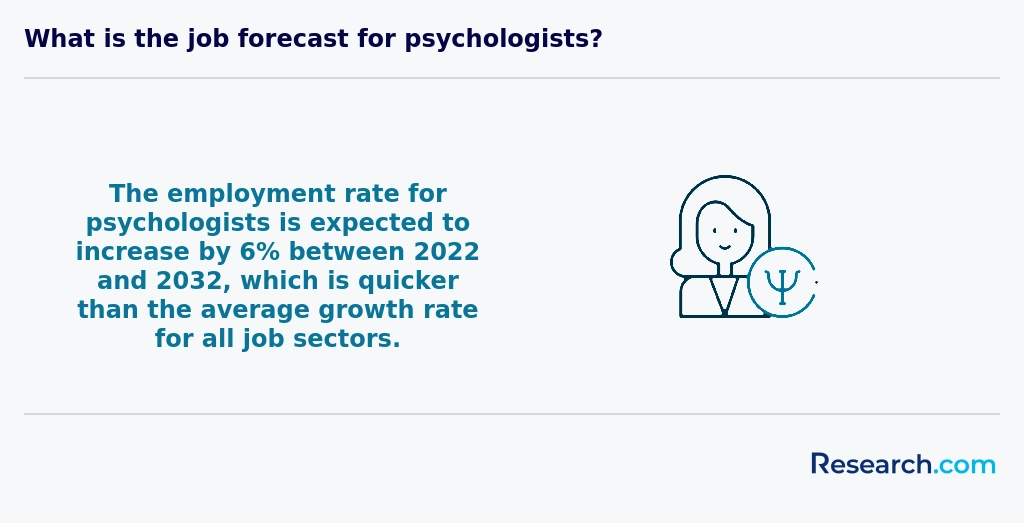
A psychology degree in New Mexico can significantly enhance career mobility and advancement opportunities, especially within healthcare, social services, and education sectors. The Bureau of Labor Statistics projects a 10% growth for psychologists nationally from 2022 to 2032, aligning with increasing demand in New Mexico's communities. Graduates holding bachelor's or master's degrees can qualify for roles such as behavioral health technicians or counselors, entry points that offer room for promotion.
Further professional licensure in New Mexico, often requiring advanced degrees and supervised experience, is crucial for clinical psychologists and specialized positions. Earning a psychology degree locally also connects students to state-specific networks and internship opportunities, strengthening job prospects.
Studying for a psychology degree in New Mexico equips students with skills applicable across various fields, enhancing their readiness for interdisciplinary roles. Programs often integrate coursework in sociology, biology, and health sciences, supporting a broad understanding of human behavior. For example, the New Mexico Higher Education Department reports that many psychology programs collaborate with local healthcare and social service agencies, giving students practical experience in diverse settings.
Students also benefit from research opportunities at institutions like the University of New Mexico, where psychology intersects with public health and education sectors. This exposure promotes teamwork and problem-solving skills valuable in interdisciplinary careers.
When deciding between a thesis and a non-thesis psychology degree program in New Mexico, consider your future goals. Thesis programs typically require original research and are ideal for students planning to pursue a PhD or careers in research. Non-thesis programs often focus on practical skills and coursework, suiting those aiming for professional practice or immediate workforce entry.
In New Mexico, universities like the University of New Mexico offer both options with varying emphases. According to data from the National Center for Education Statistics, psychology graduate enrollment in New Mexico has grown, reflecting diverse student needs.
Financial and time commitments also differ; thesis paths may take longer due to research requirements. Consult advisors and review program specifics to make an informed decision aligned with your ambitions.
Students based in New Mexico seeking to study psychology abroad have several pathways to consider. Many universities in New Mexico, such as the University of New Mexico, offer study abroad programs or exchange partnerships with institutions in countries like the United Kingdom, Canada, and Australia. These programs allow psychology majors to gain international experience while earning credits toward their degree.
Additionally, students can explore federally funded opportunities like the Gilman Scholarship, which supports U.S. undergraduates studying abroad, including psychology students. The Bureau of Educational and Cultural Affairs highlights that in 2022, nearly 2,800 students from New Mexico studied abroad across all fields.
Careful planning is essential to ensure transferability of psychology coursework and alignment with American Psychological Association guidelines when applicable.
Students pursuing psychology degrees in New Mexico can enhance their education through various part-time job opportunities. Working as a behavioral health technician is common, assisting licensed professionals in clinical settings.
Additionally, roles such as research assistants at universities or community health centers help develop critical research skills. According to the New Mexico Department of Workforce Solutions, behavioral health technician roles are growing by 10% annually, reflecting demand in the state.
Other opportunities include school support positions, like counseling aides, which provide direct experience with youth in educational environments. These jobs offer practical insight into developmental psychology and client interaction.
Such positions typically offer flexible hours to accommodate academic schedules, making them suitable for students aiming to combine work and study effectively.
Psychology students in New Mexico have several valuable networking opportunities to advance their academic and professional careers. The New Mexico Psychological Association (NMPA) regularly hosts events, workshops, and conferences that bring together students, faculty, and licensed professionals in the state.
Universities such as the University of New Mexico and New Mexico State University often facilitate student participation in research projects and partnerships with regional mental health organizations, providing practical experience and professional contacts.
Additionally, psychology students can benefit from state licensure boards' events and local chapters of national organizations, such as the American Psychological Association, which offer mentoring and career guidance. These connections are crucial in a state where mental health professions are growing rapidly, supported by data from the New Mexico Department of Workforce Solutions.
Alumni networks play a significant role in supporting psychology degree students in New Mexico by providing valuable connections and resources. Graduates from New Mexico universities often stay engaged with their alma mater, helping current students gain access to internships and job opportunities in local clinics, schools, and research centers. According to the New Mexico Higher Education Department, over 60% of psychology graduates find employment through alumni referrals within the state.
These networks also offer mentorship, helping students navigate academic challenges and career planning. Members share insights on licensure requirements specific to New Mexico, which is crucial given the state's unique psychology licensing board guidelines.
In New Mexico, customizing a psychology degree to fit career goals starts with selecting the right institution and program focus. Many universities offer concentrations such as clinical, counseling, or industrial-organizational psychology, allowing students to align studies with their interests. Elective courses provide opportunities to develop specific skills relevant to fields like mental health, human resources, or research.
Internship and practicum placements within New Mexico communities can further tailor experience toward targeted professions. According to the New Mexico Higher Education Department, nearly 60% of psychology graduates pursue applied roles requiring hands-on training.
Graduate programs often emphasize specialized certifications, including forensic or school psychology, to enhance professional qualifications locally and nationally.
Psychology students in New Mexico often face unique challenges related to limited program availability. The state has fewer accredited psychology graduate programs compared to larger states, which can impact students' options for specialization.
Another common challenge is access to supervised clinical placements. Many students find it difficult to secure internships or practicums due to the rural population distribution, as clinical sites tend to be clustered in urban centers like Albuquerque and Santa Fe. This can affect timely graduation and professional experience.
Additionally, financial concerns are significant. According to the New Mexico Higher Education Department, average tuition rates for in-state students remain a barrier for some pursuing advanced degrees in psychology.
Finally, students must navigate the licensure requirements that vary for different psychology professions, which can be complex and require careful planning early in their studies.
With a psychology degree in New Mexico, several professional certifications can enhance your career prospects. Licensure as a Licensed Psychologist (LP) requires a doctorate, supervised experience, and passing the Examination for Professional Practice in Psychology. For those with a master's degree, becoming a Licensed Professional Clinical Counselor (LPCC) or Licensed Marriage and Family Therapist (LMFT) are viable options, allowing clinical practice in counseling and therapy.
Certified Alcohol and Drug Counselors (CADC) are also in demand, especially given New Mexico's need for substance abuse treatment professionals. The New Mexico Regulation and Licensing Department provides guidance on these credentials.
When applying for psychology programs in New Mexico, a strong application highlights your academic achievements and relevant experiences. New Mexico universities value a solid GPA, often above 3.0, especially in psychology courses. Including research experience or internships related to mental health can set you apart. Personal statements should clearly express your passion for psychology and explain why you chose a program in New Mexico, referencing specific faculty or research opportunities.
Letters of recommendation from professors or professionals familiar with your work strengthen your application. Familiarize yourself with requirements of programs at institutions like the University of New Mexico, which often stress diversity and community engagement. Checking official school websites and the New Mexico Higher Education Department will help you meet all criteria accurately.
Psychology careers reflect a growing global interest due to rising awareness of mental health and behavioral sciences. In the United States, including New Mexico, the Bureau of Labor Statistics forecasts a 8% growth in psychologist jobs from 2021 to 2031, faster than average for all occupations. This trend is echoed internationally, with many countries recognizing the importance of psychological services in healthcare and education.
For New Mexico students, understanding global perspectives means acknowledging diverse career paths such as clinical, counseling, and industrial-organizational psychology. Many professionals work collaboratively across borders to address mental health challenges, emphasizing research and culturally sensitive practices.
According to the American Psychological Association, the demand for psychology experts will increase as communities become more focused on mental wellness. This global recognition enhances opportunities, making psychology a versatile and impactful career choice.
Students pursuing a psychology degree in New Mexico can gain practical experience through various avenues. Many universities require internships or practicum placements, which allow students to work directly with clients under supervision. For example, institutions like the University of New Mexico offer strong community partnership programs that connect students to mental health clinics and schools.
The New Mexico Psychological Association highlights fieldwork as critical for developing professional skills, recommending at least 100 to 300 hours of supervised experience. Additionally, volunteer opportunities at local hospitals, nonprofits, and counseling centers can provide valuable exposure.
Research assistant positions also help students build hands-on skills while contributing to ongoing studies in areas like behavioral health and developmental psychology.
Choosing the right concentration within a psychology degree program in New Mexico starts with understanding your career goals. Common concentrations include clinical, counseling, school, and industrial-organizational psychology. According to the New Mexico Higher Education Department, clinical psychology remains a high-demand field statewide due to rising mental health needs.
Consider whether you prefer research-based or applied practice. For example, if you want to work directly with clients, counseling or clinical tracks may suit you better. On the other hand, if you are interested in workplace behavior, industrial-organizational psychology could be promising.
Review the program's curriculum and faculty expertise at New Mexico universities. Aligning your interests with available courses and internships can improve your educational experience. Additionally, check licensure requirements for your intended career path, since New Mexico's Board of Psychologist Examiners mandates specific concentrations for clinical practice.
Related Psychology Rankings for Nearby States
- 2027 Most Popular Psychology Degree Programs Ranking in Arizona
- 2027 Most Popular Psychology Degree Programs Ranking in Colorado
- 2027 Most Popular Psychology Degree Programs Ranking in Oklahoma
- 2027 Most Popular Psychology Degree Programs Ranking in Nevada
- 2027 Most Popular Psychology Degree Programs Ranking in California
- 2027 Most Popular Psychology Degree Programs Ranking in Arkansas
- 2027 Most Popular Psychology Degree Programs Ranking in Idaho
- 2027 Most Popular Psychology Degree Programs Ranking in Louisiana
- 2027 Most Popular Psychology Degree Programs Ranking in North Dakota
- 2027 Most Popular Psychology Degree Programs Ranking in Iowa
Top Trending Psychology Rankings
See What Experts Have To Say About Studying Psychology
Read our interview with Psychology experts

Elizabeth L. Jeglic Ph.D.
Psychology Expert
Professor of Psychology
City University of New York

Robin M. Kowalski. Ph.D.
Psychology Expert
Professor of Psychology
Clemson University

Joann Farrell Quinn, Ph.D., MBA
Psychology Expert
Director at the College of Medicine Department of Medical Education
Morsani College of Medicine

References
- Study Psychology Abroad https://astarfuture.co.uk/study_psychology_abroad.html
- New Mexico Online Psychology Degree Programs https://www.onlinepsychologydegrees.com/states/new-mexico/
- Alumni Network - https://efpsa.org/alumni-network/
- What can I do with a psychology degree? https://www.hull.ac.uk/study/undergraduate/courses/psychology-bsc-hons/what-can-i-do-with-a-psychology-degree
- How To Find Psychology Internships https://www.psychology.org/resources/how-to-find-an-internship/
- Psychology Placement Opportunities for Year 12 Students https://studymind.co.uk/ucas-guide/year-12-guide-to-gaining-psychology-work-experience/
- Know more about thesis vs non- thesis: what is the difference? https://studyfans.com/en/blogs/816
- Ontario Psychological Association - Networking and Community Resources https://www.psych.on.ca/become-a-member-(1)/member-services/networking-and-community-resources
- Study Psychology Abroad | Go Overseas https://www.gooverseas.com/study-abroad/psychology
- 5 Best Places to Study Abroad for Psychology https://www.ciee.org/go-abroad/college-study-abroad/blog/5-best-places-study-abroad-psychology


