
2027 Most Popular Psychology Degree Programs Ranking in Pennsylvania

Co-Founder and Chief Data Scientist
Choosing the right psychology degree program in Pennsylvania can feel overwhelming. That's why this article offers the 2027 Most Popular Psychology Degree Programs Ranking in Pennsylvania, carefully developed by the Research.com team of data scientists.
By exploring this ranking, you'll gain valuable insights into top programs worth considering. Whether you're passionate about understanding human behavior or aiming to build a meaningful career, a psychology degree opens many doors.
We're here to help you make an informed decision and take confident steps toward your future.
Key benefits of getting psychology degree in Pennsylvania
- Psychology degree graduates in Pennsylvania can earn competitive salaries, such as a Marketing Research Analyst with a mean annual wage of $83,190 or a Human Resources Specialist earning around $76,060 per year.
- Career paths for psychology graduates are diverse, including roles in research, clinical work, and human resources, reflecting the real experiences of alumni from universities like Penn State.
- Completing a psychology degree online, like at Temple University, offers flexibility and convenience, allowing students to balance work and study while gaining quality education and job-ready skills.
- Key benefits of getting psychology degree in Pennsylvania
- What can I expect from psychology degree in Pennsylvania?
- Where can I work with psychology degree in Pennsylvania?
- How much can I make with psychology degree in Pennsylvania?
- 2027 Most Popular Psychology Degree Programs Ranking in Pennsylvania
- Key Findings
- How long does it take to complete psychology degree in Pennsylvania?
- Expert Insights and Career Advancement Tips
- What's the difference between online and on-campus psychology degree?
- How to Apply: Step-by-Step Application Process for Psychology Programs in Pennsylvania
- What is the average cost of psychology degree in Pennsylvania?
- Understanding the Return on Investment for Psychology Degree Programs in Pennsylvania
- What financial aid is available to psychology degree students in Pennsylvania?
- Licensing and Certification Requirements in Pennsylvania
- What are the prerequisites for enrolling in psychology degree program in Pennsylvania?
- Admission Requirements and Acceptance Rates
- What courses are typically in psychology degree programs in Pennsylvania?
- What types of specializations are available in psychology degree programs in Pennsylvania?
- How do you choose the best psychology degree in Pennsylvania?
- What career paths are available for psychology degree students in Pennsylvania?
- What is the job market for psychology degree in Pennsylvania?
- Related Psychology Rankings for Nearby States
- Top Trending Psychology Rankings
- See What Experts Have To Say About Studying Psychology
What can I expect from psychology degree in Pennsylvania?
The average cost of pursuing a psychology degree in Pennsylvania varies notably between public and private institutions. Public universities such as Pennsylvania State University and Temple University typically charge in-state tuition rates ranging from $10,000 to $20,000 annually. Graduates from these programs often recall balancing coursework with internships and practicums without excessive financial strain, thanks to accessible tuition and available scholarships.
In contrast, private universities like the University of Pennsylvania present higher tuition fees, sometimes exceeding this range. However, students report a strong return on investment through enriched research opportunities and extensive faculty mentorship. These experiences contribute to positive outcomes such as successful licensure preparation and competitive job placements.
For many psychology students, the investment aligns with Pennsylvania's demand for over 23,000 practicing psychologists, creating promising career prospects. Financial aid and scholarships often ease costs, enabling students from diverse backgrounds to benefit from rigorous education and hands-on clinical training across the state's diverse healthcare settings.
Where can I work with psychology degree in Pennsylvania?
Graduates with psychology degrees in Pennsylvania commonly find roles in mental health services, reflecting a 14% projected growth in demand for counselors and substance abuse specialists from 2020 to 2030, per the Pennsylvania Department of Labor and Industry. Those who studied at institutions like the University of Pennsylvania often enter hospitals or community health centers, where they support patients experiencing mental health challenges.
Other psychology graduates work in educational environments. School psychologists and counselors at universities such as Penn State play vital roles in assessing learning disabilities and guiding students' mental health, creating rewarding experiences for those passionate about child development and academic success.
Career paths also extend to the business world, where industrial-organizational psychology specialists improve workplace culture and productivity. Pennsylvania's large corporate presence offers ample opportunities here. Government roles, including offender assessment for the Department of Corrections, appeal to graduates interested in social services and rehabilitation.
For those pursuing advanced degrees, Pennsylvania's research institutions provide engaging careers in experimental and applied psychology, fostering innovation and impacting public policy. These diverse options ensure graduates can find meaningful work aligned with their interests and education.
How much can I make with psychology degree in Pennsylvania?
Graduates with a psychology degree in Pennsylvania can expect varied earnings depending on their chosen career path. For example, those working as clinical research associates, a common role for psychology majors, earn an average annual wage of about $62,370 in the state. Similarly, survey researchers, who apply analytical skills learned in psychology programs, also see mean salaries near $62,370. Graduates pursuing roles in human resources may benefit from higher pay, with specialists earning a mean of $76,060 annually.
Marketing research analyst positions offer some of the highest salaries connected to psychology degrees, with mean annual earnings reaching $83,190. Psychology graduates from prominent Pennsylvania universities such as Penn State or University of Pennsylvania often find these roles rewarding, blending psychological insights with business analytics. Those who pursue careers in childcare, including assistant roles within educational or therapeutic settings, typically earn a mean annual wage near $32,070, reflecting entry-level opportunities that provide valuable experience.
Such salary outcomes demonstrate bright prospects for psychology graduates in Pennsylvania, where metropolitan areas like Philadelphia and Pittsburgh bolster demand and compensation. Graduates report a sense of fulfillment, knowing their education supports meaningful roles while enabling stable financial growth.
2027 Most Popular Psychology Degree Programs Ranking in Pennsylvania
How do we rank schools?
Investing in your education is a significant decision that can shape your future, and the Research.com team understands the importance of making informed choices. To assist prospective students in Pennsylvania, we have meticulously crafted the "2027 Most Popular Psychology Degree Programs Ranking in Pennsylvania." Our commitment to quality, credibility, and accuracy is reflected in the extensive research and analysis conducted to compile this ranking.
We utilized the following reputable data sources to ensure a comprehensive evaluation of psychology programs:
By exploring this ranking, readers will gain valuable insights into the most popular psychology degree programs in Pennsylvania, helping them make well-informed decisions about their academic and professional futures. For more details on our methodology, please visit our Research.com methodology page.
# 1 position
Pennsylvania State University-Main Campus
Bachelor of Science in Psychology

# 2 position
Pennsylvania State University-Main Campus
Master of Arts in Psychology
# 3 position
Pennsylvania State University-Main Campus
Doctor of Philosophy in Psychology


# 7 position
University of Pittsburgh-Pittsburgh Campus
Master of Science in Applied Developmental Psychology


Key Findings
- Pennsylvania has over 50 institutions offering psychology programs from associate to doctoral levels.
- Average annual tuition is about $15,000 at public universities and can exceed $35,000 at private schools.
- Graduates start with an average salary of $48,000, with mid-career earnings between $65,000 and $85,000 depending on specialization.
- Employment in psychology-related fields is projected to grow by 10% over the next decade in Pennsylvania.
- The state licenses psychologists at the doctoral level and requires supervised postdoctoral hours for clinical practice.
- Many universities offer internships and practicums, which support licensure and improve job readiness.
How long does it take to complete psychology degree in Pennsylvania?
Completing a psychology degree in Pennsylvania aligns with national timelines but varies by degree level. Undergraduate students at institutions like Penn State or Temple University usually invest four years full-time, completing 120 to 130 credit hours. Graduates often reflect positively on the balance of foundational courses and engaging electives that prepare them well for advanced study or careers.
Master's program durations, common at universities such as Drexel or La Salle, typically span two to three years. These students appreciate the focused coursework and practicums that deepen their expertise in areas like clinical or industrial-organizational psychology, though workloads and research demands require strong time management.
Doctorate candidates at prominent schools including the University of Pennsylvania or Duquesne may spend four to seven years, navigating rigorous research, internships, and dissertations. Many find the extended timeline worthwhile for the professional skills and licensure readiness gained, citing a sense of accomplishment despite the program's intensity and length.
Part-time or online options offered by several institutions provide flexibility but can extend completion times, accommodating working students seeking balance without sacrificing educational quality.
Expert Insights and Career Advancement Tips
Navigating your psychology career goes beyond selecting the right degree program; it involves strategic planning, continuous learning, and proactive networking. Experts advise that early career planning, including building strong mentor relationships and participating in internships, can significantly accelerate professional growth. Many professionals emphasize the importance of staying updated on emerging trends-such as the integration of telehealth services and digital therapy platforms-which are reshaping the psychology landscape. This forward-thinking approach not only boosts employability but also prepares graduates to tackle challenges in both clinical and corporate settings. For instance, understanding alternative compensation structures can open up diverse career avenues. If you’re exploring unconventional paths within the field, consider insights on roles like a therapist without a psychology degree salary, which may offer competitive benefits and growth opportunities. Additionally, leveraging online platforms and professional associations for networking can enhance your job search and provide access to exclusive industry insights. Ultimately, these expert tips aim to empower prospective and current psychology students to make informed decisions that align with long-term career objectives while maximizing the return on their educational investment.
What's the difference between online and on-campus psychology degree?
Online and on-campus psychology degrees in Pennsylvania differ mainly in learning environments and accessibility. On-campus students at institutions like Penn State University benefit from direct interaction with faculty, hands-on lab work, and nearby internships, providing a rich experiential learning atmosphere. Graduates recall engaging campus activities and easy access to resources such as psychology research labs and mentoring opportunities as strong positives.
In contrast, online psychology programs offer flexibility that suits working professionals or those with family obligations. Universities in Pennsylvania ensure these programs meet strict accreditation standards, maintaining educational quality. Online students access recorded lectures and participate in virtual discussions, making it easier to balance studies with personal commitments.
Tuition ranges widely-from $10,000 to $35,000 annually-regardless of format, but online learners save on housing and commuting costs. While networking may feel less organic online, virtual events help students build professional connections.
- On-campus learning promotes immersive experiences and accessible internships.
- Online programs offer scheduling flexibility and cost savings on daily expenses.
How to Apply: Step-by-Step Application Process for Psychology Programs in Pennsylvania
Navigating the application process for psychology degree programs in Pennsylvania can be straightforward when you follow a clear set of steps. Begin by researching accredited institutions and confirming each program’s prerequisites, including minimum GPA, required coursework (e.g., introductory psychology, biology, statistics), and any recommendation letters. Many universities also require standardized test scores (SAT or ACT), though some have adopted test-optional policies-always verify each school’s specific requirements on its admissions webpage. Next, prepare your application materials: • Transcripts: Request official high school or prior college transcripts well in advance to avoid processing delays. • Personal Statement: Craft a compelling statement of purpose that highlights your passion for psychology, relevant research or volunteer experiences, and career goals. • Letters of Recommendation: Secure two to three strong recommendations from teachers, mentors, or supervisors who can speak to your academic abilities, work ethic, and interpersonal skills. • Resume/CV: Detail your academic honors, research projects, internships, and extracurricular activities that demonstrate a commitment to the field. Complete and submit each online application before the deadlines-typically between December and February for fall admission. Remember to pay attention to supplemental requirements such as application fees (which can range from $50 to $100) and optional interviews or portfolio submissions for competitive programs. If budgeting for application costs and prospective tuition, you may also wish to explore our Most Affordable Psychology Degree Programs Ranking in New Mexico to compare affordability across regions. Finally, apply for financial aid by completing the FAFSA as soon as possible, and investigate institutional scholarships or state grants. After submitting all materials, track your application status through each school’s portal and prepare for potential interviews by reviewing common psychology program questions. By adhering to this structured approach, you’ll maximize your chances of acceptance and set the stage for a successful psychology education in Pennsylvania.
What is the average cost of psychology degree in Pennsylvania?
The average cost of a psychology degree in Pennsylvania typically centers around $54,116 for both in-state and out-of-state students, with in-state students generally incurring a median total expense of about $36,885. These figures encompass tuition fees and additional costs, making it essential for prospective students to factor in the full financial commitment when planning their education. Graduates from schools like West Chester University or Bloomsburg University often describe weighing these costs carefully against the benefits of a solid academic foundation.
Students enrolled at renowned institutions such as the University of Pennsylvania or Carnegie Mellon University experience higher tuition fees, but many highlight the value they found through extensive financial aid options and scholarships. These opportunities can substantially reduce the realistic total expense for psychology programs Pennsylvania-wide, easing financial pressure while fostering academic success. The total expenses for psychology programs Pennsylvania students face include not only tuition but also fees, textbooks, and living costs, which can combine to add several thousand dollars annually to their budget.
For those curious about finding cost-effective learning options, it is helpful to explore resources such as reliable cost estimators or consult university financial aid offices. Many first-hand accounts from recent graduates emphasize how careful financial planning and aid helped them navigate these costs. To aid prospective students further, an excellent resource is the list of the most affordable psychology schools in Pennsylvania, which can guide informed decisions based on current expense data.
Understanding the Return on Investment for Psychology Degree Programs in Pennsylvania
To make an informed decision about pursuing a psychology degree in Pennsylvania, it's essential to consider the return on investment (ROI) for these programs. The ROI for a psychology degree can vary significantly depending on factors such as the institution, location, and specialization. For instance, graduates from public universities like Temple University or Penn State may have different ROI compared to those from private institutions. Prospective students can visit https://research.com/rankings/psychology/most-affordable-psychology-pa to explore the most affordable psychology schools in Pennsylvania, which can help them make a more informed decision about their educational investments. By evaluating the costs, potential salaries, and career outcomes, individuals can better understand the value of their psychology degree and make informed decisions about their educational and professional paths.
What financial aid is available to psychology degree students in Pennsylvania?
Psychology students in Pennsylvania often rely on a combination of federal, state, and institutional aid to manage tuition, which ranges from approximately $10,000 annually at public universities like Penn State to $35,000 or more at private institutions such as the University of Pennsylvania. Graduates recall securing Pell Grants that provided up to $7,395, significantly easing their financial burden during the 2023-2024 academic year. Many also benefited from the Pennsylvania State Grant Program, which rewards in-state students based on need, further reducing out-of-pocket costs.
At universities including Temple University and Duquesne University, merit-based scholarships and assistantships offer both tuition relief and stipends, especially for those pursuing master's or doctoral degrees in psychology. These opportunities enable students to engage actively in teaching or research, enriching their academic experience while mitigating expenses.
Work-study programs tied to psychology departments provide practical experience and supplementary income, often helping students at institutions like West Chester University balance work and study. Additionally, private scholarships found on sites like Fastweb help students uncover further funding options tailored specifically to psychology majors in Pennsylvania.
Licensing and Certification Requirements in Pennsylvania
To practice independently as a psychologist or licensed counselor in Pennsylvania, graduates must complete a series of steps regulated by the Pennsylvania State Board of Psychology and the State Board of Social Workers, Marriage and Family Therapists and Professional Counselors. Key requirements include: • Educational Credentials: – Psychologists must hold a doctoral degree (Ph.D. or Psy.D.) from a regionally accredited program. Many professionals first earn a master’s degree; those considering flexible coursework may explore an online psychology master’s degree to satisfy graduate-level requirements. – Licensed Professional Counselors (LPCs) require a master’s degree in counseling or a closely related field. • Supervised Experience: – Aspiring psychologists complete 1,500–2,000 hours of supervised postgraduate work under a licensed psychologist. – LPC candidates must accumulate at least 3,000 hours of supervised clinical experience over a minimum of two years. • Examinations: – The Examination for Professional Practice in Psychology (EPPP) is mandatory for psychologists; a passing score grants eligibility to apply for state licensure. – LPCs take the National Counselor Examination (NCE) and a Pennsylvania jurisprudence exam covering state-specific regulations and ethics. • Application and Fees: – Submit proof of education, supervised hours, examination results, and professional references to the appropriate Pennsylvania board. – Application fees range from $125 to $250, plus annual renewal fees. • Continuing Education: – Licensed psychologists must complete 30 hours of continuing education every two years, including ethics and cultural competence. – LPCs require 40 hours biennially, with at least three hours in ethics and three in child abuse recognition. Understanding and meeting these licensing steps ensures graduates transition smoothly from academia into professional practice, safeguarding both public welfare and career advancement.
What are the prerequisites for enrolling in psychology degree program in Pennsylvania?
To enroll in a psychology degree program in Pennsylvania, students typically need a high school diploma or equivalent with a GPA between 2.5 and 3.0. For example, graduates from schools like Penn State or Temple University recall that strong performance in biology and statistics was essential for meeting admission standards. Many universities still require SAT or ACT scores, though some have adopted test-optional policies, reflecting evolving admissions practices.
Graduate programs demand a completed undergraduate degree, often with psychology coursework, a minimum GPA of 3.0, and supplementary materials such as recommendation letters and personal statements. Students at Drexel University have reported that relevant research or clinical experience significantly strengthened their applications, positively impacting their acceptance chances.
Accredited program enrollment is critical for those aiming for Pennsylvania licensure as psychologists or counselors. The American Psychological Association's endorsement ensures that curricula meet professional standards, which graduates appreciate as it prepares them well for real-world practice and licensure exams.
Admission Requirements and Acceptance Rates
Gaining admission to Pennsylvania’s most popular psychology degree programs requires more than passion for the field-it demands a strong academic record, relevant experience, and strategic preparation. Below is an overview of the typical admission requirements and acceptance rates for top institutions: – Academic Credentials: • Minimum GPA: Competitive programs like Temple University and University of Pittsburgh generally look for undergraduate GPAs of 3.4 or higher. • Prerequisite Coursework: Applicants should have completed college-level courses in psychology, biology, statistics, and research methods. – Standardized Tests and Alternatives: • SAT/ACT Scores: While many schools have adopted test-optional policies, a composite SAT score above 1250 or an ACT score above 26 can strengthen an application. • Graduate Exams: For master’s programs, GRE scores in the 60th percentile or higher are often expected, though some programs now waive this requirement. – Supporting Documents: • Personal Statement: A 500- to 1,000-word essay outlining research interests or clinical goals. • Letters of Recommendation: Two to three letters from faculty or supervisors who can attest to academic abilities and interpersonal skills. • Resume/CV: Highlighting internships, volunteer work, and research experience. – Acceptance Rates by Institution: • Temple University: Approximately 68% • University of Pittsburgh: Around 54% • Penn State University (Psychology): Near 50% • Carnegie Mellon University (Behavioral and Decision Sciences): Approximately 22% Pro tip: Applicants concerned about affordability and looking for budget-friendly options may also explore our Most Affordable Psychology Degree Programs Ranking in New Mexico, which offers insight into cost-effective psychology pathways outside Pennsylvania.
What courses are typically in psychology degree programs in Pennsylvania?
Psychology degree programs in Pennsylvania typically incorporate a core set of courses that build a solid foundation in understanding human behavior and research techniques. Students at institutions like the University of Pennsylvania or Penn State commonly engage with essential subjects such as General Psychology, which introduces them to various psychological theories and real-world applications.
Foundational courses in Research Methods and Statistics are vital, equipping graduates with skills to design experiments and analyze data confidently-skills highly valued in both academic research and industry roles. For example, Penn State graduates often highlight their ability to interpret statistical results as crucial in securing internships and research assistant positions.
Typical curriculum includes specialized areas such as Biological Psychology, which links brain function to behavior, Cognitive Psychology focusing on memory and perception, and Social Psychology investigating interpersonal dynamics. Many students report engaging, hands-on labs and group projects that mirror real clinical or organizational settings.
- Developmental Psychology exploring growth across the lifespan
- Abnormal Psychology covering mental health disorders and treatment
Electives let Pennsylvania students customize their degree with focuses like Industrial-Organizational Psychology or Health Psychology, enhancing employability by aligning coursework with career ambitions in diverse sectors from counseling to corporate environments.
What types of specializations are available in psychology degree programs in Pennsylvania?
Psychology degree specializations in Pennsylvania cover diverse fields designed to meet varied career aspirations. Students at prominent institutions frequently focus on Clinical Psychology, which prepares them for licensure by emphasizing supervised clinical practice. Counseling Psychology is popular among those aiming to become professional counselors or therapists, fostering rewarding experiences helping clients manage emotional challenges.
Graduates from Pennsylvania universities often appreciate opportunities in School Psychology, addressing learning and behavioral issues within educational settings, reflecting a growing demand for certified professionals in the state. Industrial-Organizational Psychology attracts students interested in workplace behavior and employee wellbeing, aligning with evolving business trends. Forensic Psychology programs prepare students for roles intersecting psychology and law, while Developmental Psychology emphasizes lifespan growth, offering research chances in child development and aging.
Many students report that choosing specialized tracks at well-known Pennsylvania colleges provides a clear path to employment and licensure success. Additionally, some explore niche areas such as neuropsychology or health psychology to broaden their expertise. Those curious about alternate career outcomes can also investigate the therapist without a psychology degree salary for practical insights.
The best psychology concentrations Pennsylvania universities offer combine rigorous academics with practical experience, appealing to students seeking meaningful and applicable mental health careers.
How do you choose the best psychology degree in Pennsylvania?
Choosing the best psychology degree in Pennsylvania requires analyzing several concrete factors. Graduates from popular universities often highlight the importance of accreditation: programs accredited by the American Psychological Association (APA) provide a strong foundation for licensure and professional credibility. In Pennsylvania, public university bachelor's degrees typically cost between $10,000 and $18,000 annually, while private institutions may exceed $40,000, so affordability remains critical when comparing options. Selecting from the best psychology degree programs in Pennsylvania also involves examining faculty expertise and program focus, as some colleges emphasize research while others lean toward applied psychology and internships, offering valuable hands-on experience.
Graduates report that understanding graduation rates-typically between 60% and 80% at Pennsylvania schools-reflects program quality and student support. For those balancing work and study, many schools provide online or hybrid formats to increase flexibility. Students considering advanced study sometimes seek an online psychology master's degree as a cost-effective and adaptable path forward.
Finally, tracking post-graduation employment and licensure statistics in Pennsylvania is essential to assess how well a degree meets career goals. This data-driven approach helps align choices with both personal aspirations and practical outcomes.
What career paths are available for psychology degree students in Pennsylvania?
Graduates with a psychology degree in Pennsylvania have access to diverse career paths aligned with their interests and qualifications. Many pursue roles in clinical, counseling, or school psychology, especially those trained at institutions like Penn State or the University of Pennsylvania, where rigorous programs prepare them for state licensure regulated by Pennsylvania's Board of Psychology. These fields focus on helping individuals manage mental health conditions, a highly rewarding experience for graduates passionate about direct patient care.
Research and academic positions also attract psychology graduates in Pennsylvania, often involving work in experimental psychology or behavioral science. Universities in the state offer opportunities to engage in data-driven studies that expand scientific understanding of human behavior. This path offers intellectually stimulating work and a chance to contribute to groundbreaking knowledge. Psychology degree career options Pennsylvania also include industrial-organizational psychology; graduates apply their expertise to improve workplace dynamics and productivity, a growing field supported by specialized university programs.
Entry-level roles in social services, case management, and rehabilitation provide meaningful community impact and are a common first step for many graduates. Salary expectations vary, but clinical psychologists earn median wages near $79,000, reflecting strong demand for mental health services in the region. For prospective students concerned about affordability, exploring the Most Affordable Psychology Degree Programs Ranking in New Mexico offers comparative insights on cost-effective degree options. Overall, jobs with psychology degree in Pennsylvania offer rewarding, versatile opportunities across sectors.
What is the job market for psychology degree in Pennsylvania?
The job market for psychology degree jobs in Pennsylvania remains strong, supported by the state's growing emphasis on mental health services and educational programs. Graduates from top universities in Pennsylvania often find rewarding roles in clinical psychology, school counseling, or industrial-organizational fields, with many describing a fulfilling connection to community health and development. Pennsylvania employs over 16,000 psychology professionals, a figure expected to rise given legislative initiatives and increased awareness.
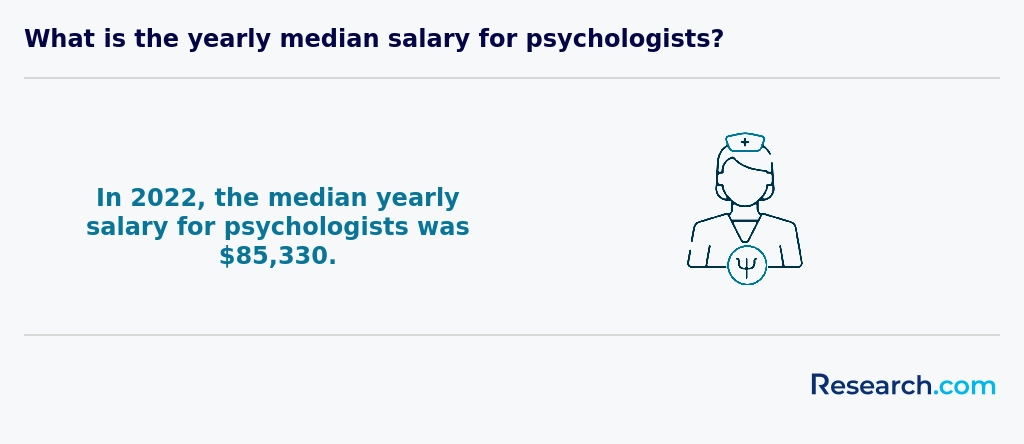
Salary prospects align with the national average, with the mean annual wage near $85,000, encouraging psychology students to pursue advanced degrees and certifications for competitive advantages. Many graduates from prominent Pennsylvania colleges highlight personal satisfaction working in local healthcare systems or school districts, where demand for specialized skills is robust.
For those exploring options, the cost of education varies widely. Students are advised to consider financial aid carefully and may benefit from exploring accelerated online bachelor's degree programs to reduce time and expenses while maintaining strong career prospects in the Pennsylvania job market.
Frequently Asked Questions About psychology
Psychology degree students in Pennsylvania can maximize their learning experience by engaging in internships and research opportunities offered by local universities and healthcare institutions. According to the Pennsylvania Department of Education, hands-on experience enhances both practical skills and employment prospects after graduation.
Joining professional organizations such as the Pennsylvania Psychological Association allows students to network with experts and stay updated on industry trends. Additionally, Pennsylvania has over 100 accredited psychology programs that emphasize evidence-based practice and interdisciplinary study, encouraging collaboration across fields.
Students should seek mentorship from faculty actively publishing research, which is linked to higher academic achievement. Furthermore, utilizing state resources like the Pennsylvania Higher Education Assistance Agency can provide financial support and counseling to enrich the educational journey.
Emerging niches within the psychology field in Pennsylvania reflect growing societal needs and technological advancements. One rapidly expanding area is neuropsychology, focusing on brain-behavior relationships, driven by increased demand for treatment of brain injuries and neurological disorders.
Another key niche is forensic psychology, where professionals assist legal cases by applying psychological principles. Pennsylvania's extensive legal system creates opportunities for psychologists in this field.
Additionally, industrial-organizational psychology is gaining traction as businesses seek experts to improve workplace productivity and employee well-being. Data from the U.S. Bureau of Labor Statistics highlights a projected 14% job growth nationwide, with Pennsylvania matching this trend.
Graduates with a psychology degree in Pennsylvania should focus on gaining practical experience before entering the job market. Internships and volunteer positions in mental health facilities, schools, or social service agencies significantly boost employability. According to the Bureau of Labor Statistics, Pennsylvania's demand for psychologists and counselors is projected to grow about 9% between 2020 and 2030, highlighting the importance of hands-on experience.
Networking through professional organizations, such as the Pennsylvania Psychological Association, can open doors to job opportunities. Additionally, pursuing certifications or licensure, like becoming a Licensed Professional Counselor (LPC), is critical for many roles.
Developing strong research, communication, and data analysis skills is also valuable, as employers in healthcare, education, and human services value multidisciplinary expertise. Staying informed about regional job trends and salary averages through platforms like the Pennsylvania Department of Labor and Industry benefits job seekers.
Employers in Pennsylvania seek psychology graduates with strong critical thinking and communication skills. These abilities enable graduates to analyze complex behavioral data and effectively convey findings to clients or colleagues. According to the Pennsylvania Department of Labor & Industry, interpersonal skills rank highly for psychology-related roles statewide.
Additionally, practical experience in research methods and statistical analysis is crucial. Proficiency with tools like SPSS and knowledge of ethical standards are often required by employers in clinical and counseling settings.
Problem-solving capabilities and cultural competence are increasingly important as Pennsylvania's diverse population demands sensitive, tailored psychological services. Graduates who demonstrate adaptability and teamwork tend to stand out in the job market.
Finding internships in Pennsylvania related to psychology degrees involves a strategic approach. Start by exploring university career centers, as many colleges maintain partnerships with local clinics, hospitals, and research institutions specifically in psychology fields.
Organizations such as the Pennsylvania Psychological Association provide internship listings and networking opportunities. Additionally, check federal and state government websites for available clinical and research internships, especially within mental health agencies.
Many psychology programs require or encourage internships, so advisors can offer valuable guidance. Also, platforms like Handshake and the APA's online internship database list openings available to Pennsylvania students.
Internships often provide hands-on experience critical for licensure, which in Pennsylvania requires 1,500 supervised hours post-education.
A psychology degree in Pennsylvania can significantly enhance career mobility and advancement opportunities. Graduates gain essential skills in research, critical thinking, and understanding human behavior, which are valuable across many industries. According to the Bureau of Labor Statistics, Pennsylvania employs over 10,000 psychologists, with an expected 6% job growth through 2030, indicating steady demand.
Holding a degree often helps professionals qualify for higher-paying roles such as clinical psychologist, counselor, or human resources specialist. Advanced degrees may lead to leadership positions in healthcare or education sectors, common in Pennsylvania's urban centers like Philadelphia and Pittsburgh. Licensing requirements also encourage continued education, supporting career progression.
Studying for a psychology degree in Pennsylvania offers strong preparation for interdisciplinary roles through diverse curricula and practical experiences. Many Pennsylvania universities integrate psychology with fields like healthcare, education, and social work, reflecting the growing demand for professionals who can collaborate across disciplines.
Programs often emphasize research methods, statistical analysis, and behavioral science applications, skills valuable in allied fields such as public health and human resources. According to the Pennsylvania Department of Labor & Industry, careers combining psychology and other sectors are expected to grow by 12% through 2030, highlighting the importance of interdisciplinary training.
Additionally, internships and partnerships with local hospitals, schools, and community organizations enrich students' real-world understanding, making graduates adaptable in varied professional settings.
When choosing between a thesis and a non-thesis psychology degree program in Pennsylvania, consider your career goals carefully. Thesis programs typically involve original research and a detailed written report, ideal for students aiming for doctoral studies or research careers. Non-thesis options focus more on coursework and practical experience, suiting those seeking applied roles or immediate employment after graduation.
Pennsylvania schools like Penn State and Temple University offer both paths, reflecting national trends. According to the National Center for Education Statistics, about 60% of psychology graduates in the U.S. pursue thesis options for advanced research skills. Check each Pennsylvania institution's curriculum to align with your professional objectives.
Students based in Pennsylvania who want to study psychology abroad have several options through their home institutions or independent programs. Many Pennsylvania universities, such as the University of Pennsylvania and Penn State, offer study abroad partnerships with universities in Europe, Asia, and Australia that include psychology courses.
According to the Institute of International Education, about 12% of U.S. study abroad students enroll in social sciences, including psychology, making it a popular choice.
Additionally, Pennsylvania students can explore exchange programs accredited by the American Psychological Association (APA), ensuring coursework meets U.S. standards for graduate study.
Financial aid and scholarships are often available for these international experiences through university programs or organizations like the Gilman Scholarship.
Part-time job opportunities in Pennsylvania can significantly enhance psychology degree education by offering practical experience and skill development. Many students find roles such as behavioral health technician or psychiatric aide, especially in hospitals and mental health facilities located in cities like Philadelphia and Pittsburgh. According to the Pennsylvania Department of Labor & Industry, these positions often pay between $12 and $18 per hour and provide direct exposure to clinical settings.
Additionally, research assistant roles in universities such as Penn State or University of Pittsburgh allow students to contribute to psychology studies, gaining valuable research skills. Community centers and nonprofit organizations also hire psychology students for support and counseling roles, strengthening interpersonal and crisis intervention abilities.
Psychology students in Pennsylvania benefit from numerous networking opportunities through local and statewide organizations. The Pennsylvania Psychological Association (PPA) is a prominent professional group offering student memberships, workshops, and conferences that facilitate connections with seasoned psychologists. Many universities also host guest lectures and career fairs, providing direct contact with professionals and potential employers.
Internships and practicum placements are common in Pennsylvania's psychology programs, allowing students to build networks in clinical, educational, and research settings. According to the Bureau of Labor Statistics, Pennsylvania ranks among the top states for psychologists, enhancing job prospects through active industry engagement.
Additionally, students can connect via national bodies like the American Psychological Association (APA), which has local divisions holding regular meetings within the state.
Alumni networks play a significant role in supporting psychology degree students in Pennsylvania. These networks provide access to experienced professionals who can offer mentorship, career advice, and job referrals. Given Pennsylvania's strong presence of psychology research centers and healthcare facilities, connections made through alumni can open doors to internships and employment opportunities in competitive settings.
According to the Pennsylvania Psychological Association, schools with active alumni communities report higher graduate employment rates within six months of degree completion. Networking events and online platforms maintained by alumni groups facilitate knowledge sharing and professional growth, which are crucial in a field where practical experience matters.
Moreover, alumni networks often organize workshops and seminars that help students stay updated on emerging trends in psychology, such as new therapeutic techniques or advances in cognitive research. For students in Pennsylvania, tapping into these resources enhances both educational and career outcomes.
Customizing a psychology degree program in Pennsylvania starts with selecting electives that align with your career goals, such as clinical, counseling, or industrial-organizational psychology. Many Pennsylvania universities offer specialized tracks or concentrations, allowing students to focus on areas like forensic psychology or neuropsychology.
Internships and research opportunities play a key role in customization. You can gain hands-on experience by partnering with local hospitals, schools, or businesses, which enhances both skills and employability. According to the Pennsylvania Department of Labor & Industry, practical experience improves job prospects by up to 25% in psychology-related fields.
Furthermore, some schools provide options for dual degrees or certifications, combining psychology with social work or business, broadening your career options. Exploring these pathways early with academic advisors ensures your program reflects your personal interests and Pennsylvania's job market demands.
Psychology students in Pennsylvania often face several challenges during their studies. One common issue is balancing rigorous coursework with practical experience, as many programs require internships or research participation alongside classes. According to the Pennsylvania Psychological Association, about 60% of students report difficulty managing time effectively between these demands. Additionally, some students struggle with the high cost of education in the state, where average annual tuition for psychology programs can exceed $20,000 at public universities.
Students also face competitive admission into graduate programs, which can impact career progression. Furthermore, adapting to evolving licensure requirements and state-specific regulations sometimes complicates the path toward professional practice. Access to mental health support on campuses is improving but remains an area for growth, important for students' well-being given the emotional nature of psychology studies.
A psychology degree from Pennsylvania colleges opens pathways to various professional certifications. Graduates can pursue licensure as a Licensed Psychologist by completing a doctoral program, supervised hours, and passing the Examination for Professional Practice in Psychology (EPPP). According to the Pennsylvania State Board of Psychology, meeting these requirements is essential for independent practice in the state.
Other certifications include becoming a Certified School Psychologist through the National Association of School Psychologists, which requires a master's or doctoral degree, plus state-specific credentials. Additionally, options like Certified Addiction Counselor or Licensed Professional Counselor are available for those focusing on counseling roles. Pennsylvania's Bureau of Labor Statistics reported that licensed psychologists earn a median wage of around $85,000 annually, reinforcing the value of certification.
When applying to psychology programs in Pennsylvania, start by researching schools thoroughly. Highlight your academic achievements, especially in science and social science courses. Pennsylvania hosts top programs at universities like Penn State and Temple, which value a solid GPA, typically above 3.0.
Craft a compelling personal statement that reflects your passion for psychology and your career goals. Include any relevant experience, such as internships or volunteer work in mental health settings. According to the Pennsylvania Department of Education, experiential learning is increasingly important for psychology applicants.
Secure strong recommendation letters from professors or professionals familiar with your work ethic and interest in psychology. Finally, ensure all application materials meet deadlines and follow each program's specific instructions to enhance your chances of acceptance.
Careers in psychology are increasingly viewed through a global lens, with professionals often collaborating across borders. In the United States, including Pennsylvania, psychology degrees provide a strong foundation for diverse career paths in clinical, counseling, research, and applied psychology fields. According to the U.S. Bureau of Labor Statistics, psychology occupations are projected to grow by 8% nationally from 2022 to 2032, reflecting steady demand.
Internationally, psychological practices vary, but the core principles remain similar, allowing graduates to work or conduct research in multiple countries with additional local certification. Pennsylvania's institutions align their programs with national accreditation standards, preparing students for global competitiveness.
The American Psychological Association highlights the importance of cultural competence, a skill emphasized in Pennsylvania programs, equipping graduates to address diverse populations. This global perspective enhances employability and professional development opportunities for psychology degree holders in Pennsylvania and beyond.
Gaining practical experience while studying for a psychology degree in Pennsylvania is essential for career readiness. Many universities in the state offer internship programs through partnerships with local hospitals, clinics, and social service agencies. These internships allow students to apply classroom knowledge in real-world settings. According to the Pennsylvania Psychological Association, approximately 70% of psychology programs in the state incorporate supervised clinical placements.
Additionally, students can participate in research projects led by faculty, which often involve data collection and analysis related to behavioral studies. Volunteering at community mental health centers or school counseling programs is another common way to gain experience.
Students should check with their academic advisors and career centers for opportunities that align with their interests.
Choosing the right concentration within a psychology degree program in Pennsylvania depends on your career goals and interests. Popular concentrations include clinical, counseling, industrial-organizational, and forensic psychology. Clinical and counseling psychology often lead to licensure as a psychologist or therapist, which requires accredited programs and supervised experience.
Consider Pennsylvania's job market: the U.S. Bureau of Labor Statistics projects a 12% growth in psychologist jobs in the state through 2030, with a focus on clinical roles. Industrial-organizational psychology, often found in business settings, is growing as companies seek to improve employee productivity.
Look for programs accredited by the American Psychological Association (APA), as they meet standards necessary for licensure. Also, examine faculty expertise, research opportunities, and internship options, especially within Pennsylvania's healthcare and criminal justice systems, to ensure the concentration aligns with your ambitions.
Related Psychology Rankings for Nearby States
- 2027 Most Popular Psychology Degree Programs Ranking in Delaware
- 2027 Most Popular Psychology Degree Programs Ranking in Maryland
- 2027 Most Popular Psychology Degree Programs Ranking in New York
- 2027 Most Popular Psychology Degree Programs Ranking in Connecticut
- 2027 Most Popular Psychology Degree Programs Ranking in North Carolina
- 2027 Most Popular Psychology Degree Programs Ranking in New Hampshire
- 2027 Most Popular Psychology Degree Programs Ranking in Maine
- 2027 Most Popular Psychology Degree Programs Ranking in Georgia
- 2027 Most Popular Psychology Degree Programs Ranking in Alabama
- 2027 Most Popular Psychology Degree Programs Ranking in Florida
Top Trending Psychology Rankings
See What Experts Have To Say About Studying Psychology
Read our interview with Psychology experts

Catherine Caldwell-Harris, Ph.D.
Psychology Expert
Associate Professor of Psychology
Boston University

Elizabeth L. Jeglic Ph.D.
Psychology Expert
Professor of Psychology
City University of New York

Joann Farrell Quinn, Ph.D., MBA
Psychology Expert
Director at the College of Medicine Department of Medical Education
Morsani College of Medicine

References
- How Psychology Students Can Get Clinical Experience Before Graduating | The Playful Psychologist https://www.theplayfulpsychologist.com/post/students-experience-how-to-get-the-experience-you-need-before-you-graduate
- Society for the Teaching of Psychology https://teachpsych.org/page-1784686/8675326
- Best 100+ Pennsylvania Psychology Degrees Updated for 2026, Online Included https://www.psychologydegrees.org/state/pennsylvania
- What Certifications Can I Get With A Bachelor's In Psychology? https://www.psychology.org/resources/certification-skills-for-psychology-major-resumes/
- Psychology | York College of Pennsylvania https://www.ycp.edu/academics/programs/psychology
- Sample letters in psychology https://www.mystudies.com/en-in/human-and-social-sciences/psychology/letter-model/
- Have You Found a Niche? https://www.apaservices.org/practice/business/marketing/building/niche
- Know more about thesis vs non- thesis: what is the difference? https://studyfans.com/en/blogs/816
- Mental Health Challenges Faced by Psychology Students | The Healthcare Guys https://healthcareguys.com/2023/11/23/mental-health-challenges-faced-by-psychology-students/
- A Guide to Psychology Internships | Psychology Degree Guide https://psychologydegreeguide.org/resources/internships/


