
2027 Most Popular Psychology Degree Programs Ranking in San Francisco

Co-Founder and Chief Data Scientist
Choosing the right psychology degree program in San Francisco can feel overwhelming. Our 2027 Most Popular Psychology Degree Programs Ranking in San Francisco was created by the Research.com team of data scientists to guide you through this important decision.
This article will help you discover programs that align with your goals and interests, making your educational journey more rewarding.
A psychology degree opens doors to meaningful careers, personal growth, and understanding human behavior. Explore the ranking to find a program that inspires you and sets you up for success.
Key benefits of getting psychology degree in San Francisco
- Salary prospects: Psychology degree graduates in San Francisco can expect competitive salaries, such as a Human Resources Specialist earning around $76,060 annually or a Marketing Research Analyst making about $83,190 per year, reflecting strong earning potential.
- Career opportunities: Graduates from popular San Francisco universities often pursue diverse roles including Clinical Research Associate or Survey Researcher positions, opening doors to fields like healthcare, market research, and social services.
- Online degree advantages: Earning a psychology degree online from a respected San Francisco institution allows flexibility and convenience, letting students balance work and study while still accessing quality education and career support.
- Key benefits of getting psychology degree in San Francisco
- What can I expect from psychology degree in San Francisco?
- Where can I work with psychology degree in San Francisco?
- How much can I make with psychology degree in San Francisco?
- 2027 Most Popular Psychology Degree Programs Ranking in San Francisco
- Key Findings
- How long does it take to complete psychology degree in San Francisco?
- Return on Investment: Weighing Costs Against Career Gains
- What's the difference between online and on-campus psychology degree?
- Return on Investment of a Master’s in Psychology in San Francisco, CA
- What is the average cost of psychology degree in San Francisco?
- Application Process and Timeline
- What financial aid is available to psychology degree students in San Francisco?
- Choosing the Right Psychology Program in San Francisco, CA
- What are the prerequisites for enrolling in psychology degree program in San Francisco?
- Alternative Career Pathways in Psychology and Therapy
- What courses are typically in psychology degree programs in San Francisco?
- What types of specializations are available in psychology degree programs in San Francisco?
- How do you choose the best psychology degree in San Francisco?
- What career paths are available for psychology degree students in San Francisco?
- What is the job market for psychology degree in San Francisco?
- Top Trending Psychology Rankings
- See What Experts Have To Say About Studying Psychology
What can I expect from psychology degree in San Francisco?
When considering the average cost of a psychology degree in San Francisco, you'll find that expenses vary widely depending on the institution and level of study. For example, graduates from the University of California, San Francisco, often mention the investment in their advanced degrees exceeded $40,000 per year, reflecting the school's cutting-edge research facilities and expert faculty. Meanwhile, bachelor's programs at local colleges typically range from $15,000 to $35,000 annually, depending on whether you attend a public or private institution.
Many psychology students appreciate the value behind these costs, noting how internships and research opportunities within San Francisco's tech and healthcare hubs offer hands-on experience that feels priceless. One graduate shared how participating in neuropsychology research projects at UCSF not only enhanced their learning but also positioned them strongly for licensure and future employment.
Importantly, local programs often encourage financial planning through scholarships, grants, or work-study options, making a degree more attainable. The investment is challenging but rewarding, connecting you directly to a vibrant community dedicated to mental health and innovation in psychology.
Where can I work with psychology degree in San Francisco?
Graduates from San Francisco State University and University of San Francisco often find themselves working in dynamic environments where their psychology degrees open doors to meaningful careers. Many pursue clinical roles at UCSF Medical Center or the San Francisco VA Health Care System, helping individuals navigate mental health challenges with empathy and advanced therapy skills. This work is not just a job but a fulfilling way to make a tangible difference in people's lives.
Others step into educational psychology roles within the San Francisco Unified School District, supporting children through learning assessments and behavioral interventions. Imagine guiding a student toward overcoming anxiety or improving focus-that's where your degree truly shines in a school setting.
San Francisco's non-profit organizations, such as the Mental Health Association of San Francisco, eagerly welcome psychology graduates who want to develop community programs and provide client support. Many alumni tell stories of their rewarding days spent fostering recovery and hope.
For those drawn to technology, companies like Salesforce offer exciting chances to apply psychological insights to user experience and human-computer interaction, combining science with innovation. The breadth of opportunities here encourages graduates to pursue advanced degrees and licenses to access the most impactful roles.
How much can I make with psychology degree in San Francisco?
Graduates from psychology programs in San Francisco often find rewarding career paths with varying earning potential. For instance, a graduate working as a human resources specialist-a common role that leverages psychology knowledge-can expect a mean annual wage of around $76,060. This reflects a solid starting point in corporate environments near universities like San Francisco State University and University of San Francisco.
Those who move into research roles, such as marketing research analysts, often see higher averages, with mean earnings of $83,190 annually. Graduates involved in clinical research positions, including clinical research associates or survey researchers, typically earn about $62,370 yearly, which is a respectable income to support early career ambitions in the Bay Area.
Psychology students from local colleges benefit greatly from San Francisco's dynamic job market and culture, often sharing how internships and networking through school connections open doors to these roles. The range in salaries encourages graduates to build experience and certifications, aiming toward specialties or roles where salaries grow with expertise and local demand.
2027 Most Popular Psychology Degree Programs Ranking in San Francisco
How do we rank schools?
Investing in your education is a significant decision that can profoundly influence your future, and the Research.com team recognizes the importance of making well-informed choices. To guide prospective students interested in psychology, we have carefully developed the "2027 Most Popular Psychology Degree Programs Ranking in San Francisco." Our dedication to quality, credibility, and accuracy is demonstrated through thorough research and analysis behind this ranking.
We utilized the following reputable data sources to ensure a comprehensive evaluation of psychology programs:
By exploring this ranking, readers will gain valuable insights into the most popular psychology degree programs in San Francisco, empowering them to make confident, informed decisions about their education. For more information on how this ranking was created, please visit our Research.com methodology page.


# 5 position
California Institute of Integral Studies
Master of Arts in Psychology

Key Findings
- Annual tuition for public universities in San Francisco ranges from $7,000 to $10,000, while private schools charge between $30,000 and $50,000.
- Job growth for psychology-related careers in the city is expected to increase by 7% to 10% over the next decade.
- Entry-level psychology graduates earn an average salary between $55,000 and $70,000 per year.
- With experience and advanced degrees, salaries can rise to $90,000 to $120,000 or more within 5 to 10 years.
- Degrees available include bachelor's, master's, and doctoral programs, with specializations in clinical, counseling, and industrial-organizational psychology.
How long does it take to complete psychology degree in San Francisco?
Completing a psychology degree in San Francisco usually takes dedication and clear planning. For most students attending popular local universities, earning a bachelor's degree involves about four years of full-time study. Imagine yourself diving into courses at a well-known San Francisco college, balancing classes on cognitive psychology with hands-on research projects-graduates often describe this phase as both exciting and deeply rewarding.
When moving into a master's program, expect about two to three years to specialize and build practical skills. Graduates from these programs frequently share how internships in nearby clinics enhanced their learning while connecting theory to real human experiences.
Doctoral programs, whether a PhD or PsyD, typically demand between four and seven years. Students recount long but fulfilling journeys, combining rigorous research and clinical practice, often involving collaborations with San Francisco's diverse communities. While the timeline can extend for part-time learners, the flexibility helps many balance work and life alongside advancing their psychology expertise.
Return on Investment: Weighing Costs Against Career Gains
Investing in a psychology degree in San Francisco demands careful consideration of tuition, living expenses, and projected earnings. On average, undergraduate tuition ranges from $9,580 to $50,000 per year, with living costs adding another $20,000–$30,000 annually. Assuming a four-year bachelor’s program at a median total cost of $200,000, graduates entering roles like Human Resources Specialists (mean salary $73,080) or Clinical Research Associates ($57,760) can expect to recoup their investment in approximately 4–6 years. Those pursuing advanced degrees-where annual tuition often exceeds $40,000-may unlock higher wages (e.g., licensed psychologists earn around $104,050) but face longer payback periods. To optimize ROI, students should explore financial aid, scholarships, and part-time assistantships, which can significantly reduce net costs. Comparing program affordability across regions can further inform budgeting strategies; for a broader perspective on low-cost offerings, review the Low Cost Psychology Degree Programs Ranking in New York. Additionally, targeted internship and research opportunities in San Francisco’s tech and healthcare sectors can accelerate salary growth and network development, shortening the time to break even. By aligning program costs with clear career trajectories and leveraging financial resources, prospective students can make data-driven decisions that balance educational quality with long-term financial wellness.
What's the difference between online and on-campus psychology degree?
Choosing between an online or on-campus psychology degree in San Francisco means considering how you want to experience your education. Graduates from San Francisco State University often recall the energizing atmosphere of face-to-face classes, where real-time discussions with professors and peers sparked deeper insights. The hands-on access to campus labs and local internship opportunities helped them build strong professional networks in the city's vibrant mental health community.
On the other hand, graduates who pursued their degrees through the University of California's online offerings appreciate the flexibility to balance work, family, and study. They mention the convenience of engaging with lectures and assignments whenever their schedule allows, which made earning a psychology degree feasible despite a busy lifestyle. However, they also emphasize the importance of verifying that online programs meet California's licensing requirements, especially the supervised clinical hours needed for certification.
The real difference lies in your preferred rhythm and access: on-campus programs immerse you fully in San Francisco's academic and professional culture, while online options offer freedom without sacrificing quality. Both paths require commitment but open doors to a fulfilling career in psychology.
Return on Investment of a Master’s in Psychology in San Francisco, CA
Earning a master’s degree in psychology often yields a substantial financial payoff, especially in a high-cost city like San Francisco. While tuition for graduate programs can range from $20,000 to over $40,000 per year, the median salary increase for holders of an advanced psychology degree can exceed 30% compared to bachelor’s-only graduates. To understand program affordability, prospective students should consider both direct costs and long-term earning potential-learn more about how much does a masters in psychology cost and compare it against average salary gains in clinical, organizational, and educational psychology roles. A simple break-even calculation shows that a $50,000 total investment in a two-year master’s may be recouped within three to five years if your post-degree annual salary increases by at least $15,000. For example, a licensed clinical psychologist in San Francisco earns a mean annual wage of approximately $104,050, versus around $73,080 for a bachelor’s-level HR specialist-highlighting a potential $30,970 salary premium. Beyond earnings, intangible returns include expanded licensure eligibility, access to specialized roles (such as school psychologist or forensic consultant), and enhanced research opportunities. When assessing ROI, factor in financial aid options like graduate assistantships, employer‐sponsored tuition reimbursement, and targeted scholarships for psychology majors. Combining these funding sources with projected salary gains can dramatically reduce your payback period and maximize career growth.
What is the average cost of psychology degree in San Francisco?
The average cost of a psychology degree in San Francisco reflects a significant investment, with median total costs around $60,986. For students attending local public universities like San Francisco State University, the tuition and fees are more affordable, especially for in-state residents, whose median total cost can be closer to $34,221. Many graduates from these schools recall balancing part-time work and financial aid to manage these expenses while gaining invaluable experience in their field.
Private universities in the city, renowned for their smaller class sizes and robust resources, often lead to the higher end of the price spectrum. Graduates from these institutions speak warmly about the supportive environments that foster close faculty relationships, a priceless aspect that complements the financial commitment. Understanding psychology degree tuition and fees in San Francisco helps prospective students make informed choices suited to their ambitions.
Living in San Francisco adds to the overall cost, but students find the city's vibrant mental health community and research opportunities motivating. Many emphasize the importance of budgeting not just for tuition but for books, supplies, and living expenses. Prospective students interested in exploring options can also turn to resources like the best popular psychology colleges within California for insights into programs that balance cost and quality.
Application Process and Timeline
Prospective students aiming for a Psychology degree in San Francisco, CA should begin their application journey at least nine months before the intended start date. Most universities follow a fall admission cycle, with deadlines typically falling between December 1 and February 1. To maximize your chances: 1. Submit Transcripts Early: Request official transcripts from all institutions by November to ensure timely processing. 2. Craft a Compelling Statement of Purpose: Highlight your research interests, relevant experience, and commitment to mental health. Tailor each essay to reflect how specific San Francisco programs align with your goals. 3. Secure Strong Letters of Recommendation: Approach faculty or supervisors who can speak to your analytical skills, empathy, and academic potential. Aim to request these letters by October. 4. Prepare for Standardized Tests and Interviews: While many programs have adopted test-optional policies, a competitive GRE score can strengthen your profile. If interviews are required, schedule mock sessions to refine your responses. 5. Monitor Financial Aid and Scholarships: Complete the FAFSA by March 1 and explore university-specific awards. Investigate grants such as the Behavioral Health Academic Scholarship and on-campus assistantships. Tip: While San Francisco offers premier programs, applicants concerned about cost can also compare out-of-state options. For example, review the Low Cost Psychology Degree Programs Ranking in New York to identify budget-friendly alternatives. By following this timeline and emphasizing your unique experiences, you’ll position yourself as a strong candidate for top Psychology programs in the Bay Area.
What financial aid is available to psychology degree students in San Francisco?
Many psychology students in San Francisco find financial aid vital in navigating the high cost of education, especially at institutions like San Francisco State University. Graduates often share how completing the FAFSA opened doors to Pell Grants, which provided up to $7,395 annually without the stress of repayment. This grant alone can make a huge difference when tuition at public universities hovers around $15,000.
Beyond federal aid, California residents thrive thanks to the Cal Grant program. These grants have helped students at San Francisco State University cover tuition, allowing them to focus more on studies and less on financial worries. Several alumni recall how Cal Grant A and B served as pivotal support through their degree journey.
Scholarships from university psychology departments and local nonprofits add another layer of relief. Many students have won awards ranging from $500 to thousands, often tying their success to involvement in research projects. Plus, working students tap into employer tuition assistance programs, especially in San Francisco's robust health and social services sectors, making graduate studies much more achievable.
Choosing the Right Psychology Program in San Francisco, CA
To make an informed decision when selecting a psychology program in San Francisco, CA, it's essential to consider several factors, including accreditation, program format, specialization opportunities, curriculum, faculty expertise, career support services, cost, and financial aid. Prospective students should also research the program's reputation and gather feedback from alumni to gain insights into its strengths and weaknesses. When evaluating these factors, students can find valuable resources, such as the best popular psychology colleges, to help them navigate the process. By carefully weighing these factors, prospective students can choose a psychology program that aligns with their career aspirations, provides the necessary foundational skills, and prepares them for a fulfilling career in psychology.
What are the prerequisites for enrolling in psychology degree program in San Francisco?
To enroll in a psychology degree in San Francisco, you first need a high school diploma or GED-this is the essential starting block. Many graduates from San Francisco State University recall how meeting this simple yet crucial step unlocked their academic journey. Public and private schools here typically ask for SAT or ACT scores, but don't feel pressured if you haven't taken them-several colleges have embraced test-optional policies since 2020, giving you flexibility.
Strong grades in English, math, and science really set you apart. Imagine sitting in classes at the University of San Francisco, where maintaining a GPA around 2.5 to 3.0 opened doors to specialized psychology courses. For graduate programs, expect to have completed your bachelor's degree with related coursework-many grads found that having research experience or internships made their applications shine brighter.
Crafting a heartfelt personal statement that shares your passion for psychology also makes a powerful impact. It's your chance to connect with admissions committees and show your commitment to this exciting field.
Alternative Career Pathways in Psychology and Therapy
For many prospective students and career changers, pursuing a traditional psychology degree might not be the only route toward a fulfilling career in mental health. Alternative pathways exist that allow individuals to gain essential skills and practical experience without committing to a full degree program. These routes include certificate programs, specialized training courses, apprenticeships, and on-the-job learning opportunities that emphasize hands-on experience over lengthy academic coursework. By engaging in these programs, aspiring mental health professionals can build a strong foundation in therapeutic techniques, ethical practices, and client communication while working closely with experienced practitioners. Choosing an alternative pathway can also be an effective strategy for those who wish to balance work, family, or financial constraints while pursuing a career in therapy. Many of these programs provide flexible learning schedules and focus on developing competencies that are immediately applicable in clinical settings. For example, intensive workshops and mentorship programs offer direct exposure to various therapeutic modalities and real-world challenges, enabling students to gain confidence and practical insights into the daily responsibilities of a therapist. For those considering non-traditional routes, learning how to start your career as a therapist without a degree in psychology can be a great first step. By researching these opportunities, individuals can identify programs that offer career acceleration through targeted training and robust networking opportunities, ultimately paving the way for professional success in the mental health field. As the mental health community continues to evolve, alternative educational paths are gaining recognition among employers and industry professionals alike. Emphasizing practical skills, continuous learning, and community engagement, these options not only broaden access to the field but also contribute to a more diverse and adaptable workforce in psychology and therapy.
What courses are typically in psychology degree programs in San Francisco?
If you're pursuing a psychology degree in San Francisco, you'll quickly find yourself immersed in foundational courses like General Psychology that introduce you to the core concepts of human behavior and mental processes. Graduates from well-regarded institutions here often recall how Research Methods in Psychology challenged them to design experiments and analyze real data, skills that proved invaluable during internships and projects.
In vibrant city settings like San Francisco State University or the University of San Francisco, students thrive in courses like Biopsychology, exploring how brain and nervous system functions shape behavior. Imagine learning about sensation and perception while surrounded by diverse communities-it deepens your understanding of how people experience the world differently.
Programs also emphasize Developmental and Social Psychology, where you study human growth and social influences, preparing you to work alongside various populations. Many have found deep fulfillment studying Abnormal Psychology, tapping into clinical knowledge that inspires compassionate care for mental health.
Electives such as Cognitive Psychology and Personality Psychology allow you to tailor your path to your passions, supported by ethics courses that keep your practice grounded. The hands-on, research-driven approach San Francisco offers makes these courses feel alive and directly relevant to real-world challenges.
What types of specializations are available in psychology degree programs in San Francisco?
Psychology degree specializations in San Francisco are designed to fit diverse passions and career goals. Graduates from well-known local universities often highlight clinical psychology, where they gain hands-on experience diagnosing and treating mental health disorders through rigorous internships. Others thrive in counseling psychology, working in community agencies and schools, connecting deeply with those facing emotional challenges.
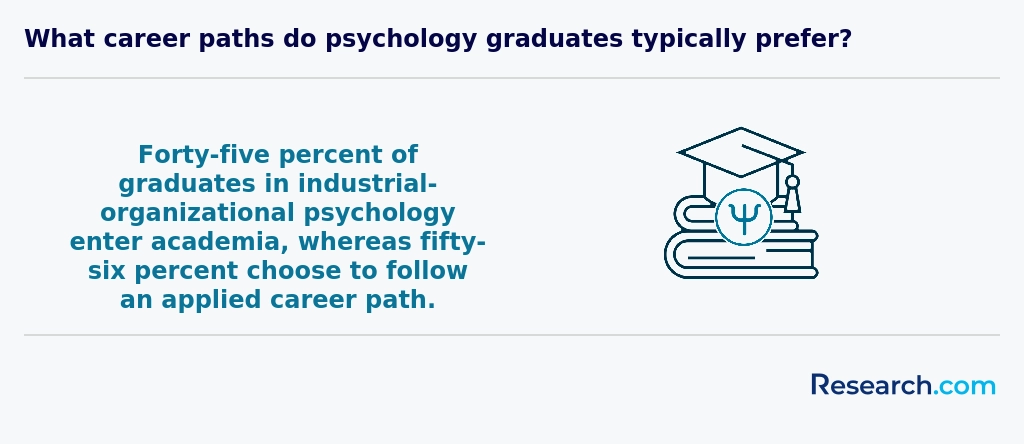
For students drawn to research, cognitive psychology and neuropsychology stand out, especially with San Francisco's thriving biotech and neuroscience sectors providing exciting collaboration opportunities. Industrial-organizational psychology is another robust path, offering skills to enhance workplace productivity within the city's booming tech industry. Developmental psychology attracts those inspired by human growth, opening doors in education and healthcare.
If you seek inspiration, many graduates feel motivated by their journey in San Francisco's universities, appreciating the balance of strong academics and practical experiences. For alternative pathways, explore resources like how to start your career as a therapist without a degree in psychology. Such options reflect the flexibility in shaping your future within San Francisco psychology programs with specializations.
How do you choose the best psychology degree in San Francisco?
Choosing the best psychology degree in San Francisco means aligning your goals with the unique opportunities the city offers. Many graduates from popular local universities find that considering degree levels helps clarify their path-bachelor's programs in San Francisco provide solid foundations for careers in human services, while master's and doctoral degrees open doors to licensure and advanced clinical roles.
Affordability plays a key role, especially when exploring affordable psychology colleges in San Francisco. Some students start at community colleges with low tuition before transferring to renowned institutions for specialized programs. Others weigh the value of private universities' expert faculty and extensive research opportunities. One mentor suggests exploring how much does a masters in psychology cost to find a balance between investment and outcomes.
Internships and hands-on experiences are crucial. Graduates often recall the wealth of practicums available through San Francisco's hospitals and mental health centers, which deeply enriched their learning. Look for programs with strong community ties that facilitate this real-world exposure.
Lastly, embrace flexibility. Many programs here offer evening or online classes to accommodate working adults. Students value this adaptability while pursuing their passion and building a career in psychology.

What career paths are available for psychology degree students in San Francisco?
Graduates with a psychology degree in San Francisco find themselves at a crossroads of exciting career paths shaped by the city's vibrant educational institutions and booming job market. Many clinical psychology graduates from universities like UCSF pursue roles in hospitals and private practices, gaining fulfillment from directly impacting people's mental health.
Others discover rewarding opportunities as industrial-organizational psychologists working with tech giants in Silicon Valley, applying their skills to enhance workplace culture and productivity. These roles align well with recent graduates who thrive in innovative, fast-paced environments, showing how jobs with psychology degree in San Francisco are diverse and evolving.
School psychology appeals to graduates passionate about supporting students facing behavioral or learning challenges within the Bay Area's public and private school systems. Excitingly, some choose research psychology careers at Stanford or UCSF-affiliated centers, engaging in groundbreaking studies that influence cognitive and social psychology.
For those budgeting their education, exploring the Low Cost Psychology Degree Programs Ranking in New York while planning finances is wise, given the range from $15,000 to $45,000 in local tuition.
What is the job market for psychology degree in San Francisco?
San Francisco offers vibrant psychology degree job opportunities in San Francisco, especially for graduates from local universities who combine passion with practical skills. Many find rewarding roles in clinical settings such as hospitals and community centers, where the demand for mental health counselors remains strong. Graduates often thrive by integrating data analysis or business insight alongside their psychology knowledge, opening doors at tech giants and startups alike. For instance, user experience researcher positions at companies in Silicon Valley leverage behavioral science expertise to improve digital products, making this a promising path.
Graduates from well-known San Francisco colleges often share how engaging internships and connections on campus helped launch their careers in diverse areas, from counseling to corporate roles. Entry-level salaries generally range from $50,000 to $60,000, with rapid growth potential for those who gain licensure or specialize further. For anyone considering the balance between cost and career prospects, exploring the best college degree to get in this field is a wise step toward a fulfilling future.
The San Francisco psychology career outlook 2027 is optimistic, reflecting steady growth and increasing awareness of mental health's importance. Whether working in therapy, research, or human resources, psychology graduates here find a deeply rewarding environment where their expertise truly makes a difference.
Frequently Asked Questions About psychology
Psychology degree students in San Francisco can enhance their learning by engaging in local internships and research opportunities. The city hosts notable institutions like UC San Francisco and San Francisco State University, which offer access to clinical settings and experimental labs.
Joining professional organizations such as the California Psychological Association enables networking and access to workshops on emerging trends.
San Francisco's diverse population provides a unique environment for applied psychology studies, including multicultural counseling and community-based research, which are highly valued in today's job market.
Students should also consider attending conferences and seminars in the Bay Area to stay current with psychological advancements.
The field of psychology is rapidly evolving, and several emerging niches are gaining attention in San Francisco's academic and professional circles. One notable area is digital mental health, focusing on teletherapy and app-based interventions, driven by the city's strong tech industry. Another growing specialty is neuropsychology, supported by San Francisco's proximity to leading research hospitals and universities.
Health psychology and behavioral medicine are also expanding, addressing chronic disease management and preventative care. Environmental psychology, which studies human interactions with their urban surroundings, is relevant to San Francisco's unique socio-environmental context. These niches offer diverse career paths for students pursuing psychology degrees in the region.
After completing a psychology degree in San Francisco, preparing for the job market requires strategic planning and skill development. It is important to gain hands-on experience through internships or volunteer positions, which many local clinics and nonprofits offer. According to the California Employment Development Department, the Bay Area expects a 10% growth in psychology-related roles by 2030, making practical experience valuable.
Building a professional network by attending San Francisco-based psychology conferences and workshops can create job opportunities. Additionally, earning relevant certifications, such as in behavioral analysis or counseling, enhances employability. Utilizing the city's university career centers and job fairs also provides targeted guidance and connections within the competitive local market.
Employers in San Francisco seek psychology graduates with strong critical thinking and data analysis skills. The city's growing tech and healthcare sectors value professionals who can interpret behavioral data to improve services. According to the U.S. Bureau of Labor Statistics, communication skills rank highly, as psychology roles often involve counseling or teamwork.
San Francisco also demands cultural competence due to its diverse population. Graduates knowledgeable in multicultural counseling methods are preferred. Furthermore, proficiency in research methodologies is essential, with many local employers prioritizing evidence-based practice.
These skills align with the city's focus on innovation and inclusivity in mental health and human services.
Finding psychology internships in San Francisco involves leveraging local resources and university partnerships. Many universities in the area, such as San Francisco State University and University of San Francisco, offer internship placement assistance through their psychology departments. Students should explore hospital settings, mental health clinics, and nonprofit organizations, which frequently provide supervised internships relevant to psychology.
Additionally, the Workforce Innovation and Opportunity Act (WIOA) programs in San Francisco can connect students with paid internship opportunities in behavioral health. According to the California Employment Development Department, mental health service jobs are growing annually by approximately 7% in the Bay Area, increasing internship availability.
Networking through professional organizations like the California Psychological Association's San Francisco Bay Area chapter is also beneficial for gaining internship leads.
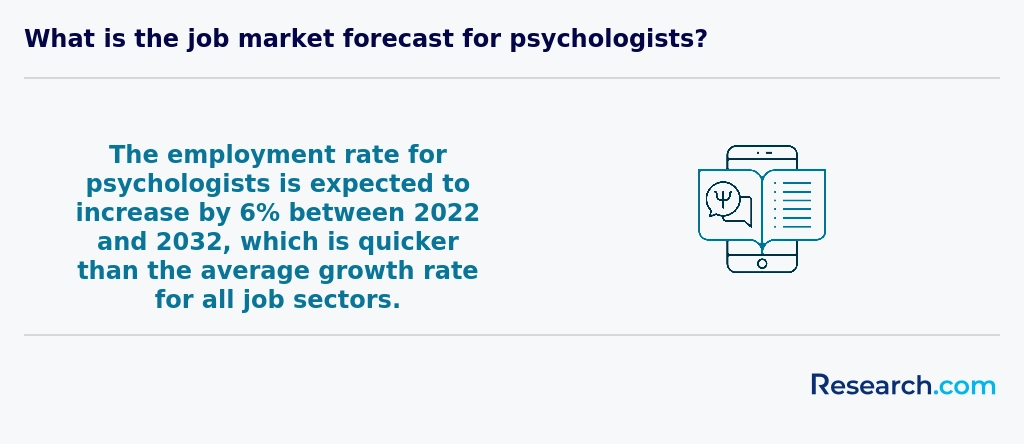
A psychology degree in San Francisco can significantly enhance career mobility and advancement opportunities. The city's diverse economy and growing mental health sector create strong demand for professionals with psychology backgrounds. According to the U.S. Bureau of Labor Statistics, employment for psychologists in California is projected to grow by 14% between 2022 and 2032, faster than the national average.
Graduates with psychology degrees often find roles in healthcare, education, and tech companies focusing on user experience and behavioral research. Advanced degrees, such as master's or doctorates, further improve prospects for leadership positions and specialized careers.
Local networking and internships in San Francisco also bolster job placement and professional growth. The availability of licensure programs and continued education supports ongoing advancement throughout one's career.
Studying for a psychology degree in San Francisco offers students unique opportunities to engage in interdisciplinary learning. Many local universities emphasize collaboration between psychology and other fields such as neuroscience, business, and computer science. This approach reflects the city's strong ties to tech and healthcare industries.
Students benefit from partnerships with institutions like UCSF and Silicon Valley companies, gaining exposure to real-world applications. According to the American Psychological Association, interdisciplinary skills improve job prospects, and San Francisco's diverse economy fosters these experiences. Coursework often integrates research methods, data analysis, and ethics, preparing graduates for versatile roles in mental health, technology, and policy.
When choosing between a thesis and a non-thesis psychology degree program in San Francisco, consider your career goals first. Thesis programs typically require original research and are well-suited for students aiming for doctoral studies or research roles. Non-thesis tracks focus on coursework and practical experience, ideal for those pursuing clinical or counseling careers.
San Francisco offers diverse psychology programs, and according to the American Psychological Association, about 40% of psychology graduates in California choose thesis options to enhance research skills. The availability of research mentors at local universities can influence your decision, too.
Cost and time commitment also differ: thesis programs often extend study time by a semester or more. Reviewing program specifics and faculty expertise at schools like San Francisco State University will help align choices with your professional aspirations.
Students based in San Francisco interested in studying psychology abroad have several options. Many local universities, such as the University of San Francisco, offer study abroad programs that include psychology courses in partner institutions across Europe and Asia. These programs allow students to earn credits while gaining international experience.
Additionally, organizations like IES Abroad and CIEE provide specialized psychology study tracks that appeal to San Francisco students looking for immersive learning opportunities. According to the Institute of International Education, psychology is among the top five fields chosen by US students studying abroad.
Financial aid and scholarships specific to psychology and study abroad are often available to help offset costs.
In San Francisco, part-time job opportunities that complement psychology degree education include roles such as mental health technician, research assistant, and behavioral health aide. These positions offer valuable practical experience alongside academic learning. For example, the San Francisco Department of Public Health often seeks part-time mental health workers supporting community programs.
Research assistantships at local universities and institutes like UCSF provide hands-on exposure to psychological studies and data analysis. Additionally, behavioral health aides in clinics assist licensed professionals and gain insight into patient care.
According to the U.S. Bureau of Labor Statistics, San Francisco's emphasis on mental health services creates a growing demand for psychology-related support roles, benefiting students in their career development.
Psychology students in San Francisco have diverse networking opportunities that support career growth and academic development. Local universities such as San Francisco State University and the University of San Francisco offer psychology clubs and honor societies where students can connect with peers and faculty. The San Francisco Bay Area hosts numerous psychology-related professional organizations, including the Northern California Psychological Association, providing regular meetings, workshops, and conferences.
Students often benefit from internships and research assistant positions within the region's prominent healthcare and technology sectors, fostering connections with practicing psychologists and researchers. According to the American Psychological Association, San Francisco's vibrant academic community promotes collaboration and mentorship, crucial for career advancement in psychology.
Alumni networks play a crucial role for psychology degree students in San Francisco by providing valuable connections within the professional community. These networks often offer mentorship opportunities, which help students gain insights into career paths in clinical, counseling, or research psychology. According to the American Psychological Association, students connected with alumni report a 30% higher chance of securing internships in competitive local institutions such as UCSF or community mental health centers.
Networking events and job fairs hosted by alumni associations also increase employment prospects in San Francisco's diverse mental health sector.
Additionally, alumni can share insider knowledge about licensing requirements and continuing education resources specific to California psychology professionals.
Customizing a psychology degree program in San Francisco involves selecting courses and experiences aligned with your career goals. Many local universities offer concentrations such as clinical psychology, cognitive neuroscience, or industrial-organizational psychology. For example, San Francisco State University provides options to focus on research, therapy, or applied psychology. Engaging in internships with Bay Area mental health clinics or tech companies can provide practical skills and networking opportunities.
Elective courses in emerging areas like neuropsychology or behavioral economics allow students to tailor their education. According to the California Bureau of Labor Statistics, San Francisco has a higher-than-average demand for applied psychologists, emphasizing the value of specialized training.
Students should also consider certification programs or dual degrees offered locally to enhance credentials and job readiness.
Psychology students in San Francisco often face several challenges during their studies. One common issue is the high cost of living, with rents averaging over $3,000 per month, which can strain students financially and distract from academic focus (Zillow, 2023). Additionally, the competitive nature of program admissions and internships adds pressure, as local universities receive many applications each year. Access to quality practicum sites can also be limited due to high demand in the city's healthcare and social services sectors.
Time management proves essential as students balance coursework, clinical hours, and part-time jobs in the expensive urban environment.
Moreover, navigating licensure requirements in California requires careful planning, as standards for becoming a licensed psychologist are rigorous and may extend the duration of study.
With a psychology degree in San Francisco, graduates can pursue various professional certifications that enhance career opportunities. Common certifications include becoming a Licensed Professional Clinical Counselor (LPCC) or Licensed Marriage and Family Therapist (LMFT), both regulated by the California Board of Behavioral Sciences.
Additionally, students may pursue the Certified Alcohol and Drug Counselor (CADC) credential, which is in demand due to the city's focus on addiction treatment programs. For those interested in school psychology, the Nationally Certified School Psychologist (NCSP) credential is valuable.
These certifications typically require graduate studies, supervised hours, and passing specific exams. According to the California Employment Development Department, demand for licensed counselors in the Bay Area is expected to grow by 15% through 2028.
Writing a winning application for a psychology program in San Francisco requires clear focus and preparation. Start by researching programs thoroughly, as many local universities, including San Francisco State University and University of San Francisco, emphasize both research and community engagement.
Strong academic records matter; aim for a GPA above 3.5, reflecting competitiveness seen in recent admissions data from the California State system. Also, tailor your personal statement to highlight your motivation, relevant experiences, and goals related to psychology in an urban context.
Letters of recommendation should come from faculty or professionals familiar with your academic potential and interest in psychology. Including any volunteer work or internships in mental health services, common in San Francisco, strengthens your application.
Finally, emphasize skills like cultural competence, given the city's diverse population, aligning with program priorities noted by the American Psychological Association.
Psychology careers offer diverse opportunities worldwide, but the United States remains a leader in research, clinical practice, and academic training. In San Francisco, students benefit from proximity to top universities and renowned hospitals, fostering connections in mental health and neuroscience fields. According to the American Psychological Association, employment for psychologists in California is projected to grow 14% from 2020 to 2030, faster than the national average. Globally, psychologists often collaborate across cultures to address mental health challenges, emphasizing the need for cultural competence. This international outlook enhances the relevance of San Francisco's psychology programs, preparing graduates for global engagement.
Gaining practical experience while studying for a psychology degree in San Francisco is essential for building skills and improving employability. Many universities in the area offer internship opportunities in collaboration with local mental health clinics, hospitals, and social service organizations. For example, internships through San Francisco State University connect students with agencies focusing on diverse populations and mental health services.
Volunteer work is another valuable option, with nonprofits like the Mental Health Association of San Francisco providing avenues to support community mental health programs. Additionally, research assistant positions are often available on campus, allowing students to engage in ongoing psychological studies.
The California Board of Psychology also encourages supervised clinical hours, which some programs incorporate into their curriculum. Students should explore these avenues early to enhance their resumes and practical understanding of psychology in the San Francisco context.
Choosing the right concentration within a psychology degree program in San Francisco requires understanding your career goals and personal interests. Psychology offers diverse specializations such as clinical, cognitive, developmental, or social psychology. Each concentration prepares students for different roles in healthcare, research, or education. In San Francisco, clinical psychology is popular due to the city's focus on mental health services and access to numerous medical centers.
Research indicates that program offerings and faculty expertise vary by institution, so reviewing course options at schools like San Francisco State University or the University of San Francisco is important. Considering local job market trends, the California Employment Development Department projects a steady 8% growth in psychology-related jobs by 2030, especially in counseling and therapy.
Students should also consider opportunities for internships or community involvement in the city's diverse neighborhoods, which enhances practical experience and networking. Consulting academic advisors and attending open houses can provide valuable insights to align concentrations with both academic strengths and professional opportunities.
Related Psychology Rankings for Nearby Cities
- 2027 Most Popular Psychology Degree Programs Ranking in Santa Barbara
- 2027 Most Popular Psychology Degree Programs Ranking in Pasadena
- 2027 Most Popular Psychology Degree Programs Ranking in Los Angeles
- 2027 Most Popular Psychology Degree Programs Ranking in Claremont
- 2027 Most Popular Psychology Degree Programs Ranking in Irvine
- 2027 Most Popular Psychology Degree Programs Ranking in Eugene
- 2027 Most Popular Psychology Degree Programs Ranking in La Jolla
- 2027 Most Popular Psychology Degree Programs Ranking in Riverside
- 2027 Most Popular Psychology Degree Programs Ranking in San Diego
- 2027 Most Popular Psychology Degree Programs Ranking in Portland
Top Trending Psychology Rankings
See What Experts Have To Say About Studying Psychology
Read our interview with Psychology experts

Joann Farrell Quinn, Ph.D., MBA
Psychology Expert
Director at the College of Medicine Department of Medical Education
Morsani College of Medicine

Robin M. Kowalski. Ph.D.
Psychology Expert
Professor of Psychology
Clemson University

Catherine Caldwell-Harris, Ph.D.
Psychology Expert
Associate Professor of Psychology
Boston University

References
- Best Types Of Online Psychology Degrees 2025 https://www.psychology.org/degrees/
- Psychology - Online Bachelor Completion | CIIS https://www.ciis.edu/academics/continuing-undergraduate-programs/bachelor-science-psychology
- Psychology Online Degree Pathway https://www.learndirect.com/course/psychology-online-degree
- How to help students cope with mental health challenges https://www.eaie.org/resource/help-students-cope-mental-health-challenges.html
- Alumni Network - https://efpsa.org/alumni-network/
- Mental Health Challenges Faced by Psychology Students | The Healthcare Guys https://healthcareguys.com/2023/11/23/mental-health-challenges-faced-by-psychology-students/
- Psychology - SWPS University https://english.swps.pl/academics/warsaw/ba-programs/psychology
- Why Get a Psychology Degree Online? | University of Bridgeport https://www.bridgeport.edu/news/reasons-to-get-your-psychology-degree-online/
- 12 Surprising Types of Jobs with a Bachelors in Psychology in California - Psychology California https://psychologyca.org/careers-in-psychology/bachelors/
- Sample letters in psychology https://www.mystudies.com/en-in/human-and-social-sciences/psychology/letter-model/


