
2027 Most Popular Psychology Degree Programs Ranking in Virginia

Co-Founder and Chief Data Scientist
Choosing the right psychology degree program in Virginia can be both exciting and overwhelming. This article features the 2027 Most Popular Psychology Degree Programs Ranking in Virginia, created by the Research.com team of data scientists. It's designed to help you make an informed decision about which programs truly stand out.
By exploring this ranking, you'll discover options that match your goals and values. Pursuing a psychology degree opens doors to meaningful careers and personal growth. Let this guide inspire confidence as you take the next step toward your future.
Key benefits of getting psychology degree in Virginia
- Psychology degree graduates in Virginia can pursue rewarding roles such as Human Resources Specialists, earning a mean annual wage of $76,060, or Marketing Research Analysts with an average salary of $83,190, offering strong financial stability.
- Graduates from popular Virginia schools often find diverse career paths in clinical research, child care, or survey research, opening doors to impactful and fulfilling work in helping others and analyzing human behavior.
- Completing a psychology degree online through reputable Virginia universities provides flexibility and convenience, allowing students to balance studies with personal commitments while gaining the same valuable skills as traditional programs.
- Key benefits of getting psychology degree in Virginia
- What can I expect from psychology degree in Virginia?
- Where can I work with psychology degree in Virginia?
- How much can I make with psychology degree in Virginia?
- 2027 Most Popular Psychology Degree Programs Ranking in Virginia
- Key Findings
- How long does it take to complete psychology degree in Virginia?
- How to Apply: Requirements, Deadlines, and Tips
- What's the difference between online and on-campus psychology degree?
- Professional Licensure and Certification Requirements
- What is the average cost of psychology degree in Virginia?
- Licensure and Certification: Navigating Professional Credentials in Virginia
- What financial aid is available to psychology degree students in Virginia?
- Career Preparation & Professional Development Strategies
- What are the prerequisites for enrolling in psychology degree program in Virginia?
- Most Affordable Psychology Schools in Virginia
- What courses are typically in psychology degree programs in Virginia?
- What types of specializations are available in psychology degree programs in Virginia?
- How do you choose the best psychology degree in Virginia?
- What career paths are available for psychology degree students in Virginia?
- What is the job market for psychology degree in Virginia?
- Related Psychology Rankings for Nearby States
- Top Trending Psychology Rankings
- See What Experts Have To Say About Studying Psychology
What can I expect from psychology degree in Virginia?
Thinking about the cost of earning a psychology degree in Virginia? On average, if you're heading to a public school like the University of Virginia or Virginia Commonwealth University, you can expect to pay anywhere from around $11,000 to $35,000 per year as an in-state student. That range covers both undergrad and grad programs. For many students, this feels like a manageable investment, especially since these schools offer solid programs that mix classroom learning with practical experiences like internships or research projects.
Students at George Mason University often mention feeling grateful for the financial aid and assistantships that help ease the burden. Because private schools in Virginia can charge upwards of $45,000 a year, these funding options really make a difference. Many grads say that the chance to learn from experienced professors and get hands-on practice makes the cost worth it-plus, they're excited about landing good jobs afterward where they can turn their knowledge into a rewarding career.
Where can I work with psychology degree in Virginia?
If you're earning a psychology degree in Virginia, you've got tons of career paths waiting for you. Many grads from schools like the University of Virginia or James Madison University find themselves working in hospitals or mental health clinics, supporting patients as behavioral health specialists or counselors. It's pretty common to start with a bachelor's, but if you're aiming to be a licensed clinical psychologist, a doctoral degree and state licensure are the way to go.
Others land jobs in schools across the state, helping students deal with social and emotional challenges. School psychologists need to be licensed by Virginia's Department of Education, and the demand is growing, which is great news if you want to make a real difference on campus.
Then there's the business world - places around Northern Virginia love psychology grads for HR, market research, or training roles. Graduates often tell me they enjoy working in fast-paced tech or government contracting environments nearby.
Plus, government roles and correctional facilities hire psychology majors to support everything from research to offender rehab, especially if you continue your education. Graduates always mention how rewarding it feels to see their work impact communities in these settings.
How much can I make with psychology degree in Virginia?
If you're wrapping up a psychology degree in Virginia, you're probably curious about what kind of paycheck you can expect. Graduates from schools like the University of Virginia or Virginia Commonwealth University often land roles like human resources specialists, making around $76,060 a year, which is pretty solid for starting out.
Others find their way into marketing research analyst jobs, earning about $83,190 annually-great if you enjoy blending psychology with market trends. Clinical research associate and survey researcher roles both hover near $62,370 a year, offering hands-on experience that feels meaningful and practical.
One graduate shared how working as a clinical research associate after college made them feel excited about their career path-they got to see research in action and earn a steady income. Finding a job in Northern Virginia can boost your chances for higher pay thanks to the bigger demand and cost of living there.
All in all, psychology grads in Virginia can expect to make anywhere from $60K to over $80K depending on the direction they take, with plenty of room to grow and enjoy their work.
2027 Most Popular Psychology Degree Programs Ranking in Virginia
How do we rank schools?
Investing in your education is a significant decision that can shape your future, and the Research.com team understands the importance of making informed choices. To assist prospective students interested in psychology, we have meticulously crafted the "2027 Most Popular Psychology Degree Programs Ranking in Virginia." Our commitment to quality, credibility, and accuracy is reflected in the extensive research and analysis conducted to compile this ranking.
We utilized the following reputable data sources to ensure a comprehensive evaluation of psychology programs:
By exploring this ranking, readers will gain valuable insights into the most popular psychology degree programs in Virginia, empowering them to make informed decisions about their educational and career paths. For more details on our methodology, please visit our Research.com methodology page.


Key Findings
- In-state tuition for undergraduate psychology programs at public universities in Virginia ranges from $12,000 to $16,000 per year.
- Private institutions in Virginia often charge over $30,000 annually for undergraduate psychology degrees.
- Master's degree tuition can exceed $20,000 per year, while doctoral programs are more expensive and take several years to complete.
- Entry-level salaries for psychology bachelor's degree holders start around $40,000 annually, with licensed clinical psychologists earning between $70,000 and $100,000.
- Employment for psychologists in Virginia is expected to grow by about 10% in the next decade, outpacing the national average for all occupations.
- Licensure requires completing an accredited doctoral degree, supervised clinical experience, and passing exams to practice professionally in Virginia.
How long does it take to complete psychology degree in Virginia?
If you're thinking about getting a psychology degree in Virginia, expect to spend around four years if you're going all-in on a bachelor's. That's the usual ride for students at places like the University of Virginia or Virginia Commonwealth University. Many grads share how those four years feel like a solid mix of classes on human behavior, research skills, and stats - all building a strong base.
Want to dive deeper? Going for a master's degree usually adds another two years on top of that. Old Dominion University and George Mason University offer programs where grads talk about how those extra years really sharpened their skills with hands-on practicum work or thesis projects. Some even take their time with part-time study options, which can stretch the timeline a bit but fit better with life stuff.
And if you're shooting for a PhD, brace for a longer journey - typically 5 to 7 years. Doctoral students at places like Virginia Tech sometimes mention the challenge but also the rewarding moments during research and internships. Time flies when you're passionate about psychology!
How to Apply: Requirements, Deadlines, and Tips
Navigating the application process for psychology degree programs in Virginia involves careful planning and organization. Most schools require the following components:
- Official transcripts demonstrating completion of prerequisite coursework in psychology, biology or statistics.
- A personal statement outlining your career goals, research interests and fit with the program.
- Two to three letters of recommendation from professors or supervisors who can attest to your academic and interpersonal strengths.
- A current resume or CV highlighting relevant research, volunteer or work experience.
- Standardized test scores (GRE) if required; many programs have adopted test-optional policies. Application deadlines typically fall in December for Fall admission and July for Spring admission. To maximize your chances:
- Start assembling materials at least six months in advance, allowing time to request transcripts and secure recommendations.
- Tailor each personal statement to the specific strengths and research focus of your target institution.
- Attend virtual or on-campus information sessions to connect with faculty and current students.
- Verify all deadlines on the university’s admissions webpage, as some competitive programs may have earlier cutoffs for scholarships or assistantships. For prospective master’s applicants balancing work or family commitments, exploring an online masters in psychology degree can streamline your application timeline and provide a more flexible course schedule. By following these tips and adhering to each program’s requirements, you’ll present a polished application that showcases your readiness for Virginia’s top psychology degree programs.
What's the difference between online and on-campus psychology degree?
If you're thinking about studying psychology in Virginia, the biggest difference between online and on-campus programs comes down to how you experience college life. Imagine being on the beautiful University of Virginia campus, chatting face-to-face with professors, joining study groups in the library, or getting your hands dirty with labs and internships nearby. That's the on-campus vibe-structured, social, and hands-on.
On the other hand, if life's busy with work or family, online programs at places like George Mason University or Old Dominion University offer a ton of flexibility. You can catch lectures anytime, join virtual discussions, and still keep up with your day-to-day hustle. Online students often talk about loving this freedom but mention it needs good self-motivation to stay on track.
Tuition-wise, on-campus study can be pricier when you factor in housing and campus fees. Online might save some cash there but watch out for tech fees or needing your own reliable gear. Plus, Virginia requires supervised clinical hours for psychology licenses, so whichever path you pick, make sure your program helps you find practicum spots locally.
Professional Licensure and Certification Requirements
Pursuing a psychology degree in Virginia is only the first step toward a rewarding career; obtaining state licensure and national certification ensures you can practice independently and advance professionally. To become a Licensed Psychologist in Virginia, graduates must: 1. Earn a doctoral degree in psychology from a program accredited by the American Psychological Association (APA) or deemed equivalent by the Virginia Board of Psychology. 2. Complete at least 3,500 hours of supervised professional experience, including a 1,750-hour pre-doctoral internship and a 1,750-hour post-doctoral residency under a licensed psychologist. 3. Pass the Examination for Professional Practice in Psychology (EPPP), administered by the Association of State and Provincial Psychology Boards (ASPPB), with a minimum scaled score determined by Virginia regulations. 4. Satisfy the Virginia jurisprudence requirement by completing an online ethics and laws examination specific to the state’s statutes and professional standards. Once licensed, psychologists in Virginia must fulfill 20 hours of continuing education each year, including at least two hours of ethics training. Common professional certifications-such as the Board Certified Behavior Analyst (BCBA) or the National Certified School Psychologist (NCSP)-have additional coursework and exam criteria but can significantly expand career opportunities in applied settings. While evaluating financial and programmatic factors for licensure preparation, you may also find comparative tuition insights helpful; explore the Cheapest Psychology Degree Programs Ranking in Wisconsin to benchmark costs and plan your educational investment.
What is the average cost of psychology degree in Virginia?
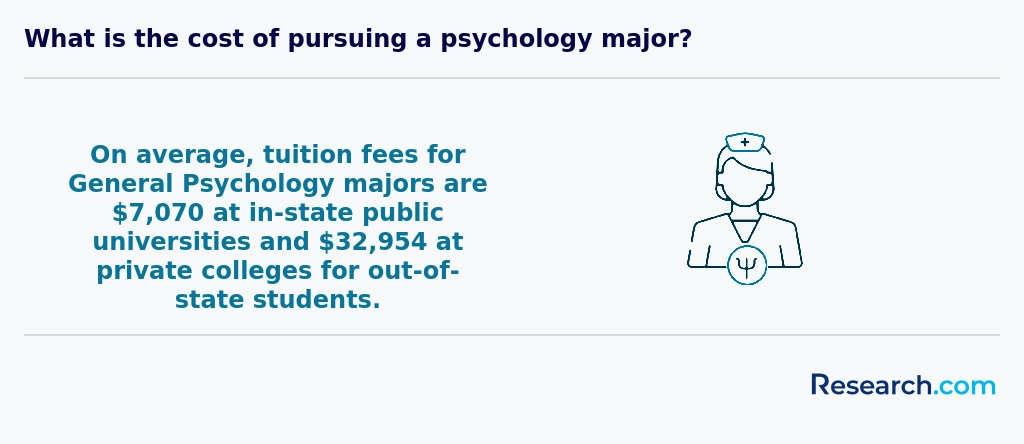
The average cost of earning a psychology degree in Virginia typically hovers around $21,726 for in-state students, while out-of-state students might see totals closer to $50,940. Graduates from schools like the University of Virginia or Virginia Commonwealth University often mention how managing those costs felt doable, especially with in-state tuition rates and financial aid. These are solid public university options where the quality of education meets a reasonable price point, making them popular choices for psychology majors.
For those looking at private colleges, the tuition is usually higher, sometimes jumping past $30,000 a year. Psychology students from schools like Liberty University share experiences of balancing their studies with part-time jobs or scholarships to make the numbers work. It's definitely a bigger investment, but many find the smaller class sizes and specialized programs worth it.
Masters and doctoral psychology degree programs tend to cost more, reflecting the extra training and hands-on experiences needed. Many who pursued graduate studies point out that additional expenses-like lab fees or textbooks-can add up but often come with opportunities for assistantships or stipends. Whether you're paying in-state or out-of-state fees, it's smart to explore all options carefully.
If you want to check out some of the cheapest psychology schools in Virginia, there are great resources that can help you find programs matching your budget and goals. The key is to balance cost with quality and find what fits your path best.
When weighing your options, remember your total expenses include not just tuition but also living costs, which can vary widely between urban areas like Richmond and more rural campuses. Keeping these factors in mind can help make your psychology degree journey in Virginia a rewarding and affordable adventure.
Licensure and Certification: Navigating Professional Credentials in Virginia
Earning a psychology degree is only the first step toward practice in Virginia. To become a licensed professional, graduates must fulfill state-specific requirements that ensure both competence and public safety: 1. Accredited Degree Completion • Bachelor’s, Master’s, or Doctoral degree from a Virginia Board of Psychology–approved institution • Coursework must cover ethics, assessment, intervention, and research methods 2. Supervised Experience • Minimum of 1,500 post-degree supervised clinical hours under a licensed psychologist • Documentation of practicum and internship hours submitted to the Virginia Board 3. Examination for Professional Practice in Psychology (EPPP) • Nationally administered exam testing core domains: biological bases, cognitive-affective bases, social and cultural bases, growth and lifespan development, assessment and diagnosis, treatment/intervention, research methods, ethics • Passing score required for licensure application 4. State Board Application • Submission of official transcripts, verification of supervised hours, and EPPP score report • Criminal background check and application fee 5. Continuing Education and Renewal • 20 hours of approved CEUs every two years, including ethics and Virginia regulations • Online or in-person courses to maintain competency For cost-conscious students exploring affordable alternatives, our Cheapest Psychology Degree Programs Ranking in Wisconsin offers a comparative look at budget-friendly pathways outside Virginia.
What financial aid is available to psychology degree students in Virginia?
If you're diving into a psychology degree in Virginia, there's good news: plenty of financial aid can make the journey easier. Many students at places like the University of Virginia or Virginia Commonwealth University tap into federal aid, like Pell Grants, which can cover up to $7,395 a year without needing to be paid back. That kind of support really lifts a weight off your shoulders when tuition at public schools averages around $13,000 annually.
Then there are federal student loans with reasonable rates and flexible repayment, perfect if you want to spread out your costs. Some graduates share how these loans helped them focus more on their studies than worrying about money.
Virginia's state programs also pitch in, especially if you're attending private nonprofits, helping reduce expenses further. Plus, scholarships from universities and groups like the Virginia Psychological Association often go to driven psychology students showing academic promise or leadership.
- Work-study gigs on campus let you earn cash and gain experience, which many students find super rewarding.
- External scholarships based on passion and commitment to psychology can add even more financial relief.
So, combining all these options, students often find a mix that fits their needs, letting them chase their psychology dreams in Virginia with confidence and less stress.
Career Preparation & Professional Development Strategies
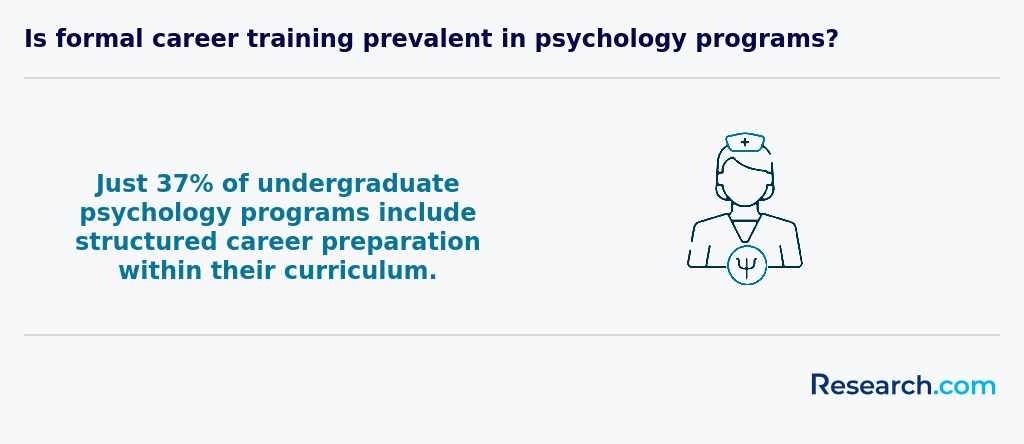
While the ranking and program details provide a solid foundation, it’s equally important to prepare for what comes after graduation. This section offers practical strategies for transforming your academic experience into a thriving professional career. Begin by establishing a robust professional network through internships, mentorship programs, and industry events. Engage with career services at your chosen institution and consider attending job fairs or online webinars to stay updated on market trends. For example, if you’re looking to broaden your clinical skills, learning how to become a therapist can offer valuable insights into alternative career paths and skill diversification. Additionally, invest time in polishing your resume by incorporating hands-on project experiences, volunteer work, and research accomplishments. Utilize professional social media platforms to connect with alumni and industry leaders who can serve as mentors or offer referral opportunities. Ultimately, bridging the gap between your educational journey and professional success involves continuous self-improvement, strategic networking, and staying informed on emerging industry trends.
What are the prerequisites for enrolling in psychology degree program in Virginia?
If you're thinking about diving into a psychology degree in Virginia, getting a sense of the prerequisites is a smart first step. Most undergrad programs at schools like George Mason or Virginia Commonwealth expect you to've finished high school with a solid foundation-think courses in English, math, science, and social studies. A GPA around 2.5 to 3.0 usually does the trick, and while some places still ask for SAT or ACT scores, lots have gone test-optional lately, making things a bit easier.
For grad programs, say at University of Richmond or James Madison, you'll need a bachelor's degree first-preferably with some psychology credits under your belt. Many grads mention how important it was to have taken classes in psych, stats, and research methods because programs often want proof you're ready for more intense study. Letters of recommendation and a personal statement are also must-haves, along with some experience in research or related work to really make your application pop.
Virginia's schools are big on solid preparation but also pretty welcoming, so if you've got the basics down, you're off to a great start!

Most Affordable Psychology Schools in Virginia
. When considering a psychology degree in Virginia, one crucial factor to weigh is the cost of attendance, as it can significantly impact your educational and career trajectory. To assist prospective students in making informed decisions, it is beneficial to explore the cheapest psychology schools in Virginia, which offer quality education at a lower financial burden. By examining these options, students can identify programs that not only fit their budget but also provide a comprehensive education, preparing them for various career paths in psychology, such as counseling, research, or human resources. This consideration is vital in ensuring that the chosen program aligns with both academic aspirations and financial capabilities, ultimately leading to a fulfilling career in the psychology field.
What courses are typically in psychology degree programs in Virginia?
If you're diving into a psychology degree in Virginia, expect a mix of courses that really bring human behavior to life. Graduates from schools like the University of Virginia often mention starting out with General Psychology, which lays the groundwork by exploring different theories and why people act the way they do. It's like getting the map before you explore a new city.
As you move forward, you'll get into more focused classes like Developmental Psychology, where you'll learn about how people change from babies to seniors, or Abnormal Psychology, which dives into mental health issues and treatments. This is where things get real and impactful, especially hearing stories from professors who worked in clinics.
Research Methods and Statistics are also big here. Students from popular programs like Virginia Commonwealth University appreciate how these classes help them make sense of data and design experiments-not just reading about theories, but actually testing ideas.
On top of that, electives like Social Psychology or Neuropsychology let you follow your personal interests. So whether you're curious about group dynamics or brain functions, Virginia schools give you a chance to customize your journey and feel genuinely excited about what you're learning.
What types of specializations are available in psychology degree programs in Virginia?
If you're looking into psychology degree specializations in Virginia, there's a bunch to choose from that fit all kinds of interests. From graduates at UVA diving into clinical psychology, treating real people with mental health challenges, to folks at Virginia Commonwealth University focusing on counseling psychology and learning how to support others through tough emotional times, the options really cover the field.
Others might get drawn to industrial-organizational psychology, studying workplace behavior to help companies boost productivity and keep employees happy. Some students love the idea of forensic psychology, where they get to work on legal cases, blending psychology with the justice system. Developmental psychology is great too, especially for those curious about how people change from childhood to adulthood.
Virginia psychology degree concentration options also include social psychology, which digs into how people influence each other in groups, and health psychology, examining the link between mind and body. Many grads mention how these specializations feel super relevant and hands-on-especially with programs offering research or applied tracks. Plus, if you're unsure about the typical route, you can even explore ways to become a therapist without a psychology degree, which is pretty awesome to know.
How do you choose the best psychology degree in Virginia?
Picking the best psychology degree in Virginia is all about finding what fits your goals and lifestyle. If you're aiming for a clinical role, make sure the program has solid accreditation-graduates from popular Virginia schools often rave about how APA recognition helped with licensure. Many share how programs at well-known universities gave them hands-on research opportunities and internships, making the learning feel real and exciting.
Cost matters a lot too. Affordable psychology schools in Virginia, like some state universities and community colleges, helped graduates avoid crushing debt. They often recommend running the numbers on tuition plus living expenses before deciding. Flexibility is another big plus-lots of folks juggling work or family found part-time or online options perfect, especially when they found programs that offer an online masters in psychology degree.
Finally, check out faculty expertise and the campus vibe-graduates mention how having passionate professors and good resources really made the difference, helping them stay motivated and connected throughout their studies.
What career paths are available for psychology degree students in Virginia?
If you're wondering about psychology degree career opportunities Virginia offers, there's a lot to get excited about. Graduates from popular schools here often land roles in clinical psychology, working directly with patients in hospitals or community centers. Imagine helping someone through a tough time-it's rewarding and real. Many also thrive in industrial-organizational psychology, shaping company cultures and boosting employee wellbeing at large Virginia-based organizations.
For those who enjoy school settings, becoming a school psychologist is a popular path. Graduates often share how satisfying it is to support kids' emotional and learning needs right in their local schools. Plus, research jobs at universities and government spots let you dive deep into cool studies on behavior and public health, especially if you're after a master's or higher.
Some grads choose counseling or social work roles without going for a doctorate, which still opens rewarding doors. If cost is a concern, check out the Cheapest Psychology Degree Programs Ranking in Wisconsin for comparison. Jobs with psychology degree Virginia are definitely out there waiting for you!
What is the job market for psychology degree in Virginia?
If you're thinking about a psychology degree job outlook Virginia offers some pretty encouraging news. Graduates from schools like the University of Virginia and Virginia Tech often find themselves with solid job prospects thanks to a steady 7% growth for psychologists statewide. Whether it's working in community health centers or taking on school psychology roles, the opportunities are expanding as mental health awareness becomes a bigger priority across the state.
Many psychology grads land jobs in places like hospitals or even join research teams at Virginia's top universities, where they get to make real impacts on mental wellness. Salaries are competitive too, with clinical and counseling psychologists often earning around $79,000 a year. If you're considering the investment, remember tuition varies a lot-public schools might cost $12,000 to $17,000 annually, while private options could be $30,000 or more.
For those balancing work and study, checking out the best accelerated online bachelor degree programs for working adults in Virginia can be a smart move, making it easier to launch your career without putting life on hold.
Frequently Asked Questions About psychology
Psychology degree students in Virginia can enhance their learning by actively engaging in campus research opportunities. Many Virginia universities, such as the University of Virginia and James Madison University, offer psychology labs where undergraduates contribute to ongoing studies.
Additionally, students should seek internships and volunteer roles in mental health organizations. According to the Virginia Department of Behavioral Health and Developmental Services, practical experience significantly improves graduate employability in this field.
Joining psychology clubs and attending guest lectures also broadens understanding and networking possibilities. Virginia's higher education institutions often host events featuring leading psychologists and industry professionals.
Finally, utilizing academic advising and career services can help tailor coursework and professional goals to each student's interests.
Emerging niches in the psychology field reflect changing societal needs and technological advances. In Virginia, areas like neuropsychology and forensic psychology are growing, driven by demands in healthcare and the criminal justice system. According to the Virginia Board of Psychology, neuropsychologists are increasingly sought after to address brain injury and dementia cases.
Another rising field is health psychology, which focuses on how behavior impacts physical health. This niche aligns with Virginia's emphasis on integrated care in hospitals and clinics. Telepsychology, or delivering therapy via digital platforms, has expanded rapidly since 2020, supported by state regulations enhancing access, especially in rural communities.
After earning a psychology degree in Virginia, preparing for the job market involves strategic steps tailored to the state's employment landscape. Graduates should consider gaining hands-on experience through internships or volunteer positions, which Virginia employers highly value. According to the Virginia Employment Commission, industries such as healthcare, education, and social services show consistent demand for psychology graduates.
Networking is crucial; joining organizations like the Virginia Psychological Association can connect graduates with professionals and job openings. Pursuing licensure, such as the Licensed Psychological Associate (LPA), enhances job prospects, especially for clinical or counseling roles.
Additionally, developing skills in data analysis and research methods aligns with market expectations, as many positions require these competencies.
Employers in Virginia value a combination of strong interpersonal and analytical skills in psychology degree graduates. Key abilities include critical thinking, effective communication, and proficiency in research methods. According to the Virginia Employment Commission, graduates with skills in data analysis and familiarity with psychological assessment tools are especially sought after in clinical and counseling settings.
Additionally, teamwork and ethical decision-making stand out as essential skills, reflecting the collaborative and sensitive nature of psychology work. Employers also favor candidates who demonstrate cultural competence, given Virginia's diverse population. Practical experience through internships or supervised practicums is often a decisive factor in hiring.
Finding internships in Virginia relevant to a psychology degree involves several practical steps. Start by exploring opportunities at local universities such as Virginia Commonwealth University or the University of Virginia, which often partner with clinics and research centers. Virginia hosts numerous mental health services, hospitals, and community organizations offering internships that provide valuable field experience.
Utilize resources like the Virginia Department of Behavioral Health and Developmental Services website, which lists internship openings and training programs. Additionally, joining professional groups such as the Virginia Psychological Association can connect students with networking events and job boards tailored to psychology positions.
Many internships in Virginia require background clearances and academic endorsements, so early preparation is essential. According to the National Association of Colleges and Employers, 65% of psychology students who complete internships secure employment in related fields within six months.
A psychology degree in Virginia can significantly enhance career mobility and advancement opportunities. Graduates often find roles in healthcare, education, social services, and business sectors. According to the Virginia Employment Commission, jobs for psychologists and counselors are projected to grow by 12% through 2030, higher than the average for all occupations. This growth encourages employers to value candidates with formal psychology education.
Higher degrees, such as a master's or doctorate, typically lead to increased salary potential and leadership roles. Licensure is required for clinical practice, which opens advanced career paths in therapy or counseling. Additionally, Virginia's diverse economy offers varied applications for psychology expertise, supporting sustainable career development.
Studying for a psychology degree in Virginia offers strong preparation for interdisciplinary roles by integrating diverse fields such as neuroscience, social work, and education. Virginia universities emphasize collaborative learning, encouraging students to develop skills in research, communication, and critical thinking applicable across sectors.
Programs often include coursework that intersects with healthcare, business, and criminal justice, reflecting the demand for versatile professionals. According to the Virginia Department of Education, nearly 60% of psychology graduates pursue careers that require cross-disciplinary expertise.
This approach equips students to work effectively in teams and adapt psychological principles in varied professional settings, enhancing their employability statewide and beyond.
When choosing between a thesis and a non-thesis psychology degree program in Virginia, consider your career goals and learning preferences. Thesis programs typically require original research, appealing to those aiming for PhD studies or research-focused roles. Non-thesis programs emphasize coursework and practical skills, often favored by students targeting clinical work or immediate employment.
According to the Virginia Department of Education, about 35% of graduate psychology students pursue thesis options, highlighting its importance for academic careers. Meanwhile, non-thesis options attract students seeking faster completion and applied experience.
Evaluate faculty expertise and available resources at Virginia institutions to ensure alignment with your interests.
Students based in Virginia who wish to study psychology abroad have several opportunities through their home institutions' study abroad programs. Many Virginia universities, such as the University of Virginia and Virginia Commonwealth University, offer exchange programs or partnerships with universities in countries like the United Kingdom, Australia, and the Netherlands. These programs often focus on cultural immersion while allowing students to complete psychology coursework that transfers back to their degree plan.
The Virginia Department of Education highlights that around 12% of undergraduate students at Virginia's public universities participate in study abroad experiences, some within psychology departments. These opportunities enable students to gain international research perspectives and cross-cultural understanding relevant to psychological theories and practices.
Additionally, external organizations and summer programs provide short-term psychology study abroad options designed to complement Virginia-based degrees without delaying graduation time.
Virginia offers several part-time job opportunities that effectively complement psychology degree education. Many students find roles as research assistants at universities such as the University of Virginia or Virginia Commonwealth University, where they support ongoing psychological studies and gain valuable data analysis skills. Additionally, part-time internships or technician positions in mental health clinics give hands-on experience in counseling and behavioral health services. According to the Bureau of Labor Statistics, psychology-related jobs in Virginia are expected to grow by over 10% by 2031, increasing demand for qualified assistants. These roles provide practical experience while enhancing academic knowledge.
Psychology students in Virginia benefit from numerous networking opportunities that can enhance their academic and professional growth. Many universities in the state host dedicated psychology clubs and honor societies, which provide platforms for students to connect with peers and faculty. For example, Psi Chi, the International Honor Society in Psychology, is active at several Virginia institutions.
Virginia also offers access to regional conferences such as the Virginia Psychological Association's annual meeting, where students can meet professionals and researchers. Internships through Virginia's mental health agencies and hospitals further allow for hands-on experience while building networks. According to the Bureau of Labor Statistics, Virginia's psychology job market is projected to grow steadily, highlighting the importance of early professional connections.
Alumni networks play a significant role for psychology degree students in Virginia by providing valuable professional connections. Graduates from institutions like the University of Virginia and Virginia Commonwealth University often participate in these networks, which facilitate mentorship opportunities, internships, and job placements. According to the Virginia Higher Education Council, over 70% of students in psychology programs find employment within one year, partly thanks to alumni referrals.
These networks also offer access to workshops, seminars, and continuing education to help students stay updated on the latest psychological research and practices. For many, alumni groups serve as a support system that eases the transition from academic to professional life, which is essential in Virginia's competitive job market.
Students pursuing psychology degrees in Virginia can customize their programs by selecting specific concentrations or electives aligned with their career goals. Many Virginia universities offer tracks such as clinical, cognitive, developmental, or industrial-organizational psychology. This allows students to gain specialized knowledge and skills relevant to fields like therapy, research, or human resources.
Virginia's higher education system supports customization through internships and research opportunities, often facilitated by partnerships with local clinics, businesses, and research centers. According to the Virginia Department of Education, nearly 70% of psychology programs include practical experiences that enhance employability.
Additionally, students can tailor their coursework by choosing electives that emphasize data analysis, counseling, or neuroscience, depending on the program's offerings. This flexibility helps match academic experiences with labor market demands in Virginia's growing healthcare and technology sectors.
Psychology students in Virginia often face challenges balancing rigorous coursework with practical experience requirements. Many programs mandate internships or supervised clinical hours, which can be difficult to arrange due to limited local placement options. According to the Virginia Department of Health Professions, competition for approved internship sites remains high, potentially delaying graduation timelines.
Another common challenge is the financial burden. Tuition rates for psychology degrees in the state vary, but out-of-pocket costs and living expenses can create stress, especially for students attending private institutions or out-of-state learners transferring to Virginia schools.
Furthermore, students must navigate the complex licensure requirements if they plan to become practicing psychologists. Virginia's Board of Psychology outlines strict standards including examination and supervised experience, which may extend the path to full certification.
With a psychology degree in Virginia, graduates can pursue several professional certifications to enhance their expertise and career prospects. One common path is obtaining licensure as a Licensed Professional Counselor (LPC), allowing individuals to provide mental health counseling services. The Virginia Board of Counseling requires candidates to complete a master's degree in counseling or psychology, accumulate supervised clinical hours, and pass a national exam.
Another sought-after certification is becoming a Certified Rehabilitation Counselor (CRC), which focuses on helping individuals with disabilities. Additionally, graduates with advanced degrees may pursue licensure as a Licensed Clinical Psychologist, requiring a doctoral degree and state board exams.
The demand for licensed professionals in Virginia's mental health field grew by approximately 8% from 2019 to 2023, according to the Virginia Employment Commission. These certifications can substantially increase job opportunities in healthcare, education, and social services.
To write a winning application for a psychology program in Virginia, start by thoroughly researching programs to align your interests with the school's focus areas. Virginia hosts reputable institutions like the University of Virginia and Virginia Commonwealth University, which emphasize research and clinical training.
Highlight relevant experience in psychology, such as internships, volunteer work, or research projects. Admissions committees value demonstrated commitment and hands-on involvement.
Craft a clear, concise personal statement explaining your motivation and career goals. Use data from the Virginia Department of Education to reference local mental health needs, showing awareness of the field's impact regionally.
Finally, secure strong letters of recommendation from academic or professional mentors who can attest to your skills and potential.
Psychology careers in Virginia reflect broader global trends emphasizing the value of mental health expertise. The U.S. Bureau of Labor Statistics projects a 8% growth in psychologist jobs nationwide from 2022 to 2032, signaling steady demand. In Virginia, universities align with international accreditation standards, helping graduates remain competitive worldwide.
Globally, psychology careers often require advanced degrees and licensure, with clinical and counseling psychology being highly sought after. Virginia's emphasis on research and applied psychology programs prepares students for diverse roles, from healthcare to corporate sectors. The increasing focus on multicultural competence and ethical practices echoes international professional standards, benefiting local students.
Gaining practical experience is essential for psychology students in Virginia to enhance their skills and improve job prospects. Many universities encourage pursuing internships at healthcare facilities, schools, or research centers, where students can apply classroom knowledge in real-world settings. Virginia has several accredited psychology programs that partner with organizations offering diverse practicum opportunities.
Additionally, students can engage in research assistant positions, contributing to ongoing studies under faculty supervision. According to the Virginia Board of Psychology, hands-on experience is critical for those aiming for licensure. Some programs also provide service-learning projects that integrate community work with academic study, further enriching practical exposure.
Choosing the right concentration within a psychology degree program in Virginia depends on your career goals and interests. Psychology offers diverse areas such as clinical, counseling, developmental, or industrial-organizational psychology. Consider which population or setting you want to work with, like children, adults, or workplaces. Research programs at Virginia universities accredited by the American Psychological Association (APA), as this can impact licensure and job prospects.
Look at available faculty expertise and internship opportunities, especially since Virginia has strong healthcare and federal government sectors offering practical training. According to the Virginia Employment Commission, clinical and counseling psychologists are among the fastest-growing roles in the state, showing a practical benefit for relevant concentrations.
Finally, consider graduate licensure requirements linked to your chosen focus. Concentrations aligned with state demand can enhance your employment chances after graduation.
Related Psychology Rankings for Nearby States
- 2027 Most Popular Psychology Degree Programs Ranking in Maryland
- 2027 Most Popular Psychology Degree Programs Ranking in North Carolina
- 2027 Most Popular Psychology Degree Programs Ranking in Delaware
- 2027 Most Popular Psychology Degree Programs Ranking in Georgia
- 2027 Most Popular Psychology Degree Programs Ranking in New York
- 2027 Most Popular Psychology Degree Programs Ranking in Florida
- 2027 Most Popular Psychology Degree Programs Ranking in Alabama
- 2027 Most Popular Psychology Degree Programs Ranking in Connecticut
- 2027 Most Popular Psychology Degree Programs Ranking in Mississippi
- 2027 Most Popular Psychology Degree Programs Ranking in Arkansas
Top Trending Psychology Rankings
See What Experts Have To Say About Studying Psychology
Read our interview with Psychology experts

Joann Farrell Quinn, Ph.D., MBA
Psychology Expert
Director at the College of Medicine Department of Medical Education
Morsani College of Medicine

Elizabeth L. Jeglic Ph.D.
Psychology Expert
Professor of Psychology
City University of New York

Robin M. Kowalski. Ph.D.
Psychology Expert
Professor of Psychology
Clemson University

References
- Ontario Psychological Association - Networking and Community Resources https://www.psych.on.ca/become-a-member-(1)/member-services/networking-and-community-resources
- How To Find Psychology Internships https://www.psychology.org/resources/how-to-find-an-internship/
- The Role of Psychology in Career Development and Planning https://psyvanta.com/the-role-of-psychology-in-career-development-and-planning/
- How to help students cope with mental health challenges https://www.eaie.org/resource/help-students-cope-mental-health-challenges.html
- Community Psychology in Global Perspective http://siba-ese.unisalento.it/index.php/cpgp
- Psychology https://www.batten.edu/academics/majors/psychology
- Virginia Psychology Schools | Psychology Degree Guide https://psychologydegreeguide.org/state/virginia/
- What can I do with a psychology degree? https://www.hull.ac.uk/study/undergraduate/courses/psychology-bsc-hons/what-can-i-do-with-a-psychology-degree
- Have You Found a Niche? https://www.apaservices.org/practice/business/marketing/building/niche
- Department of Psychology https://www.vsu.edu/cnhs/departments/psychology/


