
2027 Most Popular Psychology Degree Programs Ranking in West Virginia

Co-Founder and Chief Data Scientist
Choosing the right psychology degree program can feel overwhelming, especially in West Virginia's growing educational landscape. This article introduces the 2027 Most Popular Psychology Degree Programs Ranking in West Virginia, created by the Research.com team of data scientists to guide you toward the programs that truly stand out.
Discover valuable insights to help you make an informed decision about your education and future career. Pursuing a degree in psychology opens doors to meaningful opportunities and personal growth, making it a rewarding choice.
Key benefits of getting psychology degree in West Virginia
- Salary for psychology degree graduates: Graduates can pursue roles like Human Resources Specialist with an average annual salary of $76,060 or Marketing Research Analyst earning around $83,190, offering strong financial opportunities.
- Career paths: A psychology graduate from West Virginia University can explore diverse fields such as clinical research, marketing analysis, or childcare, allowing flexibility and personal growth tailored to individual interests.
- Benefits of online psychology degrees: Earning a psychology degree online from institutions like West Virginia University provides added convenience, cost savings, and the ability to balance work with studies, making it an ideal choice for busy learners.
- Key benefits of getting psychology degree in West Virginia
- What can I expect from psychology degree in West Virginia?
- Where can I work with psychology degree in West Virginia?
- How much can I make with psychology degree in West Virginia?
- 2027 Most Popular Psychology Degree Programs Ranking in West Virginia
- Key Findings
- How long does it take to complete psychology degree in West Virginia?
- Alternative Career Paths: Navigating Non-Traditional Routes in Psychology
- What's the difference between online and on-campus psychology degree?
- Program Profiles: 2024 Top Psychology Degrees in West Virginia
- What is the average cost of psychology degree in West Virginia?
- Accreditation and Licensing Requirements in West Virginia
- What financial aid is available to psychology degree students in West Virginia?
- Navigating Financial Considerations for Psychology Programs in West Virginia
- What are the prerequisites for enrolling in psychology degree program in West Virginia?
- Licensure and Certification Requirements for Psychology Graduates in West Virginia
- What courses are typically in psychology degree programs in West Virginia?
- What types of specializations are available in psychology degree programs in West Virginia?
- How do you choose the best psychology degree in West Virginia?
- What career paths are available for psychology degree students in West Virginia?
- What is the job market for psychology degree in West Virginia?
- Related Psychology Rankings for Nearby States
- Top Trending Psychology Rankings
- See What Experts Have To Say About Studying Psychology
What can I expect from psychology degree in West Virginia?
The average cost of pursuing a psychology degree in West Virginia varies depending on the institution and degree level, but many students find it reasonable compared to national averages. Graduates from popular schools like West Virginia University often recall managing tuition that ranges roughly between $8,000 and $12,000 per year for in-state undergraduates, making it an accessible choice to those committed to the field without overwhelming debt.
Many students appreciate the state's balance of affordability and quality, especially given the hands-on experiences offered through local internships and practicum placements. A graduate once shared how the modest tuition allowed more focus on building meaningful connections with faculty and gaining real-world experience, which was invaluable to their growth as a psychologist.
For master's programs, costs can be higher but remain fair relative to the training received, often hovering around $10,000 to $15,000 annually at institutions like Marshall University. This investment feels worthwhile to students aiming for licensure or specialized counseling roles, especially considering the practical exposure integrated into these degrees.
Overall, West Virginia's psychology programs offer a practical pathway combining affordable costs with enriching educational opportunities that foster both professional skills and personal fulfillment.
Where can I work with psychology degree in West Virginia?
Graduates with a psychology degree in West Virginia find diverse and rewarding career opportunities. Many who studied at institutions like West Virginia University or Marshall University share how their education opened doors to healthcare settings-hospitals and mental health clinics where they make real differences in people's lives every day. These roles often require further licensure, but the path is clear and achievable for motivated students.
Others recall working within public schools, addressing student behavioral challenges and mental health needs. West Virginia's rural communities especially benefit from school psychologists who are passionate about supporting youth development. The hands-on experience gained during internships enhances graduates' confidence and readiness to serve these communities.
Some graduates also venture into social services or government programs, applying their knowledge to child welfare or substance abuse counseling. The sense of purpose these roles bring is often described as deeply fulfilling, connecting psychological theory to meaningful social impact.
For those drawn to research or private practice, West Virginia's expanding neuroscience institutes and regulated counseling boards provide frameworks to build specialized careers. Many appreciate the state's supportive environment for psychologists pursuing these paths.
How much can I make with psychology degree in West Virginia?
Graduates with a psychology degree from universities like West Virginia University often discover a rewarding balance between passion and earning potential in their home state. Entry-level roles such as childcare workers can start with an average annual wage of around $32,070, providing many graduates a meaningful way to engage with community mental health support. Those who advance to positions like clinical research associates or survey researchers commonly earn about $62,370 per year, reflecting their specialized skills in data and patient interaction.
More experienced professionals can look toward roles that merge psychology with business, like human resources specialists, who earn an average of $76,060 annually in West Virginia. Marketing research analyst positions, attractive to psychology graduates interested in consumer behavior, offer even higher average salaries approaching $83,190. These figures highlight how a psychology degree unlocks diverse career paths with growing financial rewards, especially when paired with practical experiences gained during studies at local institutions.
The diverse metropolitan environments of Charleston and Morgantown provide vibrant settings where psychology graduates can thrive both personally and financially, as many peers have found, reinforcing the value of studying psychology within the state.
2027 Most Popular Psychology Degree Programs Ranking in West Virginia
How do we rank schools?
Investing in your education is a significant decision that can shape your future, and the Research.com team understands the importance of making informed choices. To assist prospective students in West Virginia, we have meticulously crafted the "2027 Most Popular Psychology Degree Programs Ranking in West Virginia." Our commitment to quality, credibility, and accuracy is reflected in the extensive research and analysis conducted to compile this ranking.
We utilized the following reputable data sources to ensure a comprehensive evaluation of psychology programs:
By exploring this ranking, readers will gain valuable insights into the most popular psychology degree programs in West Virginia, enabling them to make well-informed decisions about their educational paths. For more details on our methodology, please visit our Research.com methodology page.


Key Findings
- The cost of a psychology degree in West Virginia is generally lower than the national average, with in-state tuition at public universities ranging from $9,000 to $11,000 annually.
- Additional yearly expenses like books, supplies, and living costs can add several thousand dollars to the total cost of education.
- Entry-level salaries for psychology graduates average around $40,000 per year, with experienced professionals earning between $60,000 and $75,000 depending on their specialization.
- The job market in West Virginia for psychology-related careers is growing steadily, with a projected 10% increase in psychologist jobs nationwide over the next decade.
- Advanced degrees such as master's or doctorates are often required for clinical, counseling, or research positions and are available through several graduate programs in the state.
How long does it take to complete psychology degree in West Virginia?
Completing a psychology degree in West Virginia generally takes about four years for a bachelor's degree, a timeline familiar to many graduates from institutions like West Virginia University and Marshall University. These students often share how the blend of general education classes, core psychology courses, and hands-on research projects fit well into this timeframe, allowing for a balanced and fulfilling college experience.
For those advancing to a master's degree, an additional two years is common. Graduates describe this stage as an exciting deep dive into specialized topics, internships, and sometimes thesis work, which adds valuable practical skills. Doctoral degrees, pursued by many aiming for clinical or academic careers, can extend from four to seven years after the bachelor's, reflecting the complexity and passion required for such roles.
Many psychology students in West Virginia appreciate how flexible scheduling options accommodate part-time study when balancing work or family, even if this means a longer journey. This flexibility makes earning a psychology degree feel achievable and rewarding, despite the commitment.
Alternative Career Paths: Navigating Non-Traditional Routes in Psychology
While a traditional psychology degree opens many doors, there are diverse pathways to a rewarding career in therapy and mental health that don’t always require a conventional college degree. In today’s evolving landscape, many professionals have successfully entered the field by combining specialized certifications, hands-on training, and practical experience with a robust network of industry mentors. For instance, some individuals discover that gaining experience through supervised internships, volunteering, or targeted short-term courses can provide the competencies and empathy vital in therapeutic roles. This alternative pathway is particularly relevant for those who are inquisitive about exploring options on how to be a therapist without college, as outlined on our detailed guide how to be a therapist without college. These non-traditional routes emphasize continuous learning and professional development. They highlight the importance of accredited certificate programs, community college diplomas, and online courses that build a strong foundation in counseling techniques and ethical practice. Additionally, networking through professional organizations and local support groups can create valuable mentorship opportunities-ensuring that even without a four-year degree, emerging therapists can acquire the necessary critical thinking, communication skills, and practical experience to excel in their careers. The emphasis here is on a proactive approach to building one’s qualifications, while also remaining flexible to embrace lifelong learning in the dynamic field of mental health.
What's the difference between online and on-campus psychology degree?
Choosing between online and on-campus psychology degrees in West Virginia often comes down to lifestyle and learning preferences. Graduates from West Virginia University appreciate the vibrant campus life and face-to-face interactions that deepen their understanding through lively discussions and hands-on labs. They find value in accessing campus resources like counseling centers, which enrich practical skills beyond textbooks.
Meanwhile, online graduates, especially those balancing jobs or family in rural areas, praise the flexibility of asynchronous classes offered by institutions like Marshall University. Studying remotely removes commuting stress and lets them absorb material at a comfortable pace, creating a personalized learning rhythm that suits busy lives.
Both paths share a commitment to quality education, but experiences differ. For instance, some clinical practicum requirements still necessitate in-person attendance, which online students navigate by coordinating local supervised hours. Accreditation from bodies like the APA remains a key assurance of program legitimacy across both formats, helping students confidently pursue their psychology careers in West Virginia.
Program Profiles: 2024 Top Psychology Degrees in West Virginia
1. West Virginia University (WVU) - Degree Offered: B.A. and B.S. in Psychology, M.A. in Experimental Psychology - Accreditation: APA‐approved practicum placements; regionally accredited by HLC - Key Features: • Largest faculty‐led research labs in the state, focusing on developmental and clinical studies • Average class size of 25 ensures personalized mentorship • Career Outcomes: 92% of graduates secure internships within six months 2. Marshall University - Degree Offered: B.S. in Psychology, Online M.S. in Industrial-Organizational Psychology - Accreditation: HLC; CIP code approved for online delivery - Key Features: • Hybrid practicum options with local mental health agencies • Flexible evening and weekend scheduling for working students • For students seeking the flexibility of distance learning, Marshall University’s partnership with Research.com highlights affordable online master's programs in psychology that complement their on-campus curriculum. 3. Shepherd University - Degree Offered: B.A. in Psychology, Minor in Social Work - Accreditation: Regionally accredited; active collaboration with local schools for practicum - Key Features: • Small cohort model fosters peer-to-peer support • Community engagement projects in rural settings • Average graduate starting salary: $44,000 4. Fairmont State University - Degree Offered: B.S. in Psychology, M.A. in Clinical Mental Health Counseling - Accreditation: CACREP for counseling track; HLC accredited - Key Features: • Embedded grant-funded research assistantships • Statewide telepsychology practicum network • 85% job placement rate in public and private sectors 5. West Liberty University - Degree Offered: B.A. in Psychology, Minor in Forensic Psychology - Accreditation: HLC; partnerships with WV Department of Corrections - Key Features: • Forensic lab simulations and prison outreach programs • Dedicated career services for resume building and licensure prep • 3:1 student-faculty mentorship ratio These program profiles showcase the 2024 leaders in psychology education across West Virginia, helping prospective students compare curriculum strengths, delivery formats, accreditation credentials, and career outcomes before making an informed choice.
What is the average cost of psychology degree in West Virginia?
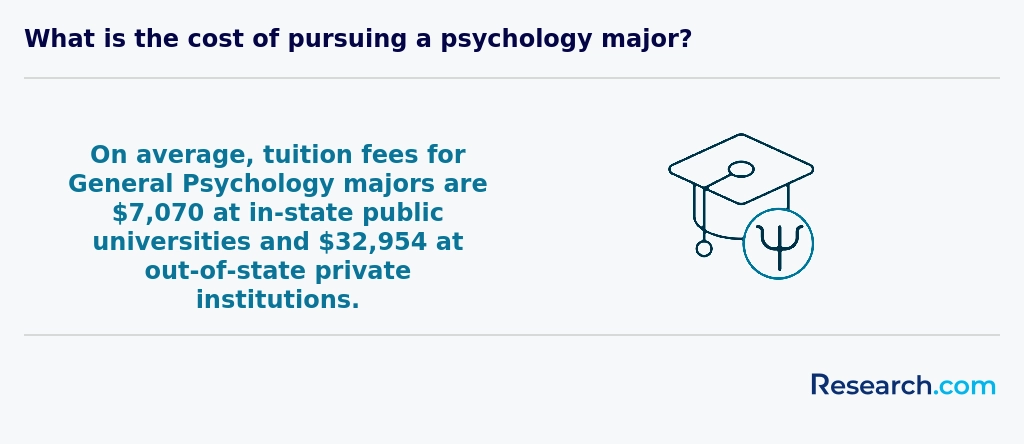
Understanding the average cost of a psychology degree in West Virginia is key for students planning their educational journey. Graduates from well-known universities in the state often reflect that the total in-state expenses for a bachelor's degree usually fall around $9,500. This figure includes tuition and fees but is only part of the financial picture; other costs like textbooks and living expenses also contribute. Psychology degree tuition and fees in West Virginia provide a manageable commitment compared to some other states, making it a thoughtful choice for those balancing finances and academic goals.
Many psychology students find that investing in their education at popular local institutions fosters not only academic growth but also a strong sense of community. Alumni from these programs frequently share how accessible tuition costs allowed them to focus more on their studies and practical experiences rather than financial stress. For out-of-state students, costs tend to be significantly higher, which can be an important factor in deciding where to enroll.
Graduate psychology programs demand higher tuition rates, often doubling in price based on residency status. Students pursuing advanced degrees at West Virginia universities have noted that while the cost is notable, the investment enhances career prospects and personal fulfillment. Those interested in the most affordable psychology programs in West Virginia can explore options by visiting most affordable psychology programs in West Virginia to discover schools that balance quality and cost effectively.

Accreditation and Licensing Requirements in West Virginia
Accreditation ensures that a psychology program meets the rigorous standards set by recognized bodies and lays the foundation for state licensure. In West Virginia, aspiring psychologists should look for programs regionally accredited by the Higher Learning Commission (HLC) and, for doctoral tracks, American Psychological Association (APA) accreditation. Graduates of APA-accredited doctoral programs are eligible to sit for the Examination for Professional Practice in Psychology (EPPP), a critical step for becoming a licensed psychologist. To obtain full licensure in West Virginia, candidates must:
- Earn a doctoral degree (PhD or PsyD) from an accredited institution.
- Complete at least 1,500 hours of supervised practicum during the doctoral program and a minimum of 3,000 post-doctoral supervised hours under a licensed psychologist.
- Pass the EPPP with the required minimum score, as stipulated by the West Virginia Board of Examiners of Psychologists.
- Satisfy any jurisprudence or state law examination requirements, ensuring familiarity with local regulations governing client confidentiality, record-keeping, and ethical practice. For those interested in counseling licensure (LPC) rather than psychology licensure, a master’s degree in counseling or psychology from a CACREP-accredited program is typically required, followed by 3,000 supervised hours and a passing score on the National Counselor Examination (NCE). Many West Virginia universities offer clear post-graduation pathways, but cost‐conscious students may also explore alternatives; for example, see our Low Cost Psychology Degree Programs Ranking in Idaho for comparative tuition insights. Understanding accreditation and licensure requirements early equips students to select programs that not only deliver quality education but also streamline the path to professional credentials and practice.
What financial aid is available to psychology degree students in West Virginia?
Psychology students in West Virginia often find that financial aid is a vital part of making their education attainable and rewarding. Many graduates recall how federal Pell Grants and student loans accessed through FAFSA eased the burden of tuition, especially at public institutions where costs average around $6,300 annually. This federal support created pockets of relief that allowed them to focus on their studies without constant financial stress.
State programs like the PROMISE Scholarship and the Higher Education Grant offered an extra layer of support for West Virginia residents. Graduates from universities such as West Virginia University appreciated how these awards recognized both merit and need, making it possible to pursue their passion for psychology without overwhelming debt.
Institutional aid also plays a significant role. Numerous students from Marshall University speak warmly about assistantships-whether research or teaching-that not only cut costs but also provided valuable hands-on experience and a stipend. This kind of aid transforms education into an empowering journey rather than a financial burden.
Work-study opportunities and external scholarships further brighten the financial landscape, enabling students to integrate part-time work relevant to psychology into their schedules. Together, these options create a supportive and flexible environment that many West Virginia psychology students cherish and rely on.
Navigating Financial Considerations for Psychology Programs in West Virginia
When considering a psychology program in West Virginia, financial planning is a crucial step. Prospective students should explore various options to fund their education, including scholarships, grants, and loans. For those seeking affordable alternatives, researching the most affordable psychology programs in West Virginia can be a strategic move. This approach allows students to balance their academic aspirations with financial realities, ensuring they can pursue their passion for psychology without undue financial burden. By understanding the cost implications and available financial aid, students can make informed decisions about their educational path, ultimately leading to a rewarding career in psychology.
What are the prerequisites for enrolling in psychology degree program in West Virginia?
Enrolling in a psychology degree program in West Virginia starts with meeting essential academic prerequisites that many seasoned graduates recall as foundational to their success. Most undergraduate applicants at institutions like West Virginia University or Marshall University found that holding a high school diploma or GED was just the beginning. Completing core subjects such as English, math, and science prepared them for the critical thinking and research skills needed in psychology courses.
Graduates often reflect on submitting SAT or ACT scores, though some appreciated test-optional policies that eased initial pressures. Maintaining a solid GPA-in the range of 2.5 to 3.5-is commonly emphasized, as it can open doors to more competitive psychology programs across the state.
For those aspiring to graduate studies, such as master's or doctoral programs, the path involves holding a bachelor's degree in psychology or a related field, alongside providing strong letters of recommendation and demonstrating research experience. Students remember moments of growth during interviews or essay submissions, which highlighted their genuine passion for the field.
Cost awareness also influenced choices; many felt encouraged knowing that public universities in West Virginia offer more affordable tuition compared to national averages, helping them focus on their studies without overwhelming financial stress.
Licensure and Certification Requirements for Psychology Graduates in West Virginia
Upon earning a psychology degree in West Virginia, graduates must complete specific licensure and certification steps to practice professionally. First, candidates apply to the West Virginia Board of Examiners of Psychology, submitting official transcripts and proof of supervised experience. Key requirements include: 1. Education Verification • A doctoral degree (Ph.D. or Psy.D.) from an APA-accredited program is mandatory for full licensure. • Master’s‐level practitioners may pursue certification as a Licensed Psychological Associate (LPA) under supervision. 2. Supervised Experience • Doctoral applicants must complete 1,500–2,000 hours of supervised clinical practice post‐degree. • LPAs require at least 1,500 hours of supervised work under a licensed psychologist, with documented practice logs. 3. Examination for Professional Practice in Psychology (EPPP) • Candidates must pass the EPPP, administered by the Association of State and Provincial Psychology Boards (ASPPB). • Preparation courses and practice exams are widely available through university career centers and online platforms. 4. State Jurisprudence and Ethics Exam • West Virginia mandates a jurisprudence exam covering state statutes, ethical guidelines, and professional conduct rules. 5. Continuing Education • Licensed psychologists and LPAs renew their credentials biennially, completing at least 20 hours of continuing education, including ethics and multicultural competence. Understanding the financial commitment of postgraduate training is crucial. For comparison of program costs and to explore affordable alternatives, refer to our Low Cost Psychology Degree Programs Ranking in Idaho, which highlights tuition, fees, and potential return on investment.
What courses are typically in psychology degree programs in West Virginia?
Psychology degree programs in West Virginia typically immerse students in courses that build a deep understanding of human behavior and mental processes. Graduates from institutions like West Virginia University often recall how General Psychology laid an essential foundation, revealing insights into human thought and emotion that resonate well beyond the classroom.
Core courses such as Biological Psychology and Cognitive Psychology connect theory to real-life experiences-students frequently describe recognizing these principles in everyday decision-making and social interactions. Others value Developmental and Social Psychology classes for illuminating the complexities of growth and relationships within communities in West Virginia.
Equally impactful are applied courses like Psychological Assessment and Therapeutic Techniques, which hands-on learners at Shepherd University find empowering as they prepare for clinical or counseling roles. These programs not only cover core scientific knowledge but also encourage students to reflect on local issues, such as Appalachian mental health challenges, making their education both practical and personally meaningful.
What types of specializations are available in psychology degree programs in West Virginia?
Psychology degree specializations in West Virginia offer diverse paths that reflect both student interests and the region's professional demands. Graduates from well-known universities often share how clinical psychology helped them develop skills to diagnose and treat mental health issues, a deeply rewarding experience given the community-focused nature of many West Virginia programs. Others find their passion in counseling psychology, honing therapeutic techniques that support everyday life challenges, which feels especially relevant amid the state's close-knit social environments.
West Virginia psychology program concentration options also include industrial-organizational psychology, a choice attracting those eager to improve workplace dynamics and employee well-being in local businesses. Students drawn to research often favor experimental psychology, studying how human cognition and behavior develop in real-world contexts. Developmental and school psychology tracks are popular too, reflecting a shared commitment to supporting children's growth and academic success statewide. For anyone exploring these options, understanding each specialization can illuminate a path aligned with long-term goals and practical application in West Virginia settings.
Some students consider alternative routes, such as learning how to be a therapist without college, which broadens their perspectives on helping others beyond traditional psychology programs.
How do you choose the best psychology degree in West Virginia?
Choosing the best psychology degree programs in West Virginia means reflecting on your long-term aspirations and the nature of programs offered locally. Graduates from West Virginia University often emphasize how the blend of theoretical courses with hands-on research and practicum opportunities helped them feel truly prepared for clinical or counseling roles. Meanwhile, those from Marshall University appreciate the balance of accessible faculty and flexible class schedules, crucial for students juggling work or family.
Cost considerations are real and impactful. Many students find that affordable psychology colleges in West Virginia provide quality education without the burden of excessive debt. It's worth exploring options like hybrid or online programs that maintain strong academic standards but offer convenience. For instance, you might explore affordable online master's programs in psychology to continue your education while working.
Ultimately, narrowing down your choice involves weighing location, faculty expertise, and graduation success metrics, ensuring the program aligns with your call to practice psychology meaningfully in your community.
What career paths are available for psychology degree students in West Virginia?
Graduates exploring psychology careers in West Virginia find a spectrum of meaningful paths that connect academic knowledge with community impact. Many pursue licensure to become clinical psychologists or therapists, roles vital in hospitals and private practices statewide. These professionals gain deep fulfillment by supporting mental health in diverse settings, especially in rural areas where demand remains strong. Others gravitate toward becoming licensed professional counselors or school counselors, shaping young lives within West Virginia's education system, often at institutions like West Virginia University.
Social services offer another rewarding avenue. Graduates who become substance abuse counselors or behavioral health technicians contribute directly to tackling challenges like the opioid crisis, a critical issue in the state. These roles, echoed in West Virginia psychology degree job opportunities, provide steady employment paired with a real sense of purpose. Research opportunities also attract those eager to analyze public health or mental wellness programs, with state universities fostering collaborative projects that open doors to impactful careers.
Graduates also find joy applying psychology to human resources and organizational development in cities such as Charleston and Morgantown. This blend of behavioral insight and business acumen supports employee wellbeing and productivity. For students navigating their options, exploring a variety of professions while considering affordable local education, such as the options showcased in the Low Cost Psychology Degree Programs Ranking in Idaho, can provide guidance and encouragement on their journey.
What is the job market for psychology degree in West Virginia?
The psychology degree job outlook West Virginia reveals a landscape shaped by steady growth in healthcare and social services, especially within urban centers like Charleston and Morgantown. Graduates from notable institutions such as West Virginia University often find rewarding positions in schools, community mental health agencies, and state programs that address addiction and behavioral health. Many graduates share that practical experience gained through internships in these areas has been invaluable in securing roles tailored to local needs.
Despite a lower average annual wage compared to national figures, psychology graduates feel motivated by the tangible impact they can have on communities affected by challenges like the opioid crisis. The accessibility of public university tuition in West Virginia also eases financial concerns, allowing more students to pursue their passion for psychology.
For those exploring what are good college majors, understanding West Virginia psychology career opportunities highlights the importance of flexibility-willingness to work in smaller towns or diverse settings often expands job prospects and enriches professional growth.
Frequently Asked Questions About psychology
Psychology degree students in West Virginia can maximize their learning experience by actively engaging in both classroom and practical settings. Many state universities, including West Virginia University, offer research opportunities that allow students to apply psychological theories in real-world contexts. Participating in internships or assistantships, particularly in clinical or counseling settings, provides valuable hands-on experience.
Students should also take advantage of professional psychology organizations within West Virginia, such as the West Virginia Psychological Association, which offers networking and continuing education resources. According to the Bureau of Labor Statistics, psychology jobs in West Virginia are expected to grow by 4% through 2030, making practical experience critical for career readiness.
The field of psychology is rapidly evolving, with several emerging niches gaining attention in West Virginia and across the United States. One significant area is neuropsychology, which examines brain-behavior relationships and is growing alongside advancements in brain imaging technology. According to the U.S. Bureau of Labor Statistics, demand for neuropsychologists is expected to increase by 11% nationally through 2032.
Another promising niche is health psychology, focusing on how psychological factors affect physical health. This area is particularly relevant in West Virginia due to higher rates of chronic illnesses, such as diabetes and substance use disorders, highlighting a strong need for professionals trained in behavioral interventions.
Additionally, forensic psychology, merging psychology and the legal system, sees steady growth as West Virginia expands mental health services in criminal justice settings. These niches reflect broad opportunities for psychology graduates in the region's academic and healthcare sectors.
After earning a psychology degree in West Virginia, preparing for the job market involves several important steps. Begin by gaining practical experience through internships or volunteer work in local mental health clinics, hospitals, or community organizations. West Virginia's Department of Health and Human Resources often offers opportunities relevant to psychology graduates.
Networking with professionals via state psychology associations, such as the West Virginia Psychological Association, can provide valuable connections and job leads. Additionally, acquiring relevant certifications, like Licensed Graduate Professional Counselor (LGPC), enhances employment prospects.
According to the U.S. Bureau of Labor Statistics, West Virginia offers growing opportunities in psychology-related fields, particularly in substance abuse and mental health services, which are critical areas given regional needs.
Employers in West Virginia highly value psychology graduates who demonstrate strong critical thinking and analytical skills. These abilities are essential for interpreting research data and applying psychological theories effectively in clinical or organizational settings. Communication skills, both written and verbal, rank near the top, as professionals must often explain complex concepts clearly to clients or colleagues.
According to the U.S. Bureau of Labor Statistics and state employment reports, interpersonal skills and empathy are crucial for success in West Virginia's counseling and mental health fields. Additionally, familiarity with data management software and ethical decision-making is increasingly important due to rigorous professional standards.
Finding psychology internships in West Virginia involves exploring opportunities at local universities, hospitals, and mental health facilities. West Virginia University and Marshall University often offer structured internship programs for psychology students. Additionally, organizations like the West Virginia Psychological Association provide resources and networking events that help connect students to placements.
The state's Department of Health and Human Resources collaborates with academic institutions to facilitate practical experiences, particularly in behavioral and community mental health settings. Students may also consider agencies such as WVU Medicine or local school districts for school psychology internships.
Since West Virginia ranks below the national average for licensed psychologists per capita, internship competition can vary by region. Early application and leveraging university career centers are recommended for securing positions.
A psychology degree in West Virginia can significantly enhance career mobility and advancement opportunities. Graduates often find roles in healthcare, education, social services, and business sectors. According to the U.S. Bureau of Labor Statistics, the Charleston metropolitan area expects a 10% growth in employment for psychologists through 2031, which is faster than average.
Advanced degrees, such as a master's or doctorate, are typically required for clinical or counseling positions, enabling higher salaries and leadership roles. Additionally, West Virginia's Community and Technical College System offers pathways to transfer into four-year programs, supporting career progression. Understanding local mental health needs also provides graduates with relevant experience for regional employers.
Studying for a psychology degree in West Virginia equips students with skills applicable across multiple disciplines. Many West Virginia universities emphasize collaborative learning, blending psychology with fields like healthcare, education, and social work. This interdisciplinary approach reflects the state's workforce needs, particularly in mental health services, which have grown by over 10% in recent years according to the Bureau of Labor Statistics.
Programs often include courses in neuroscience, counseling, and research methods, fostering critical thinking and adaptability. Partnerships between universities and local agencies offer real-world experience, preparing graduates for roles beyond traditional psychology careers. This alignment with regional demands enhances employability in diverse sectors.
When choosing between thesis and non-thesis psychology degree programs in West Virginia, students should consider their career goals and learning preferences. A thesis option typically involves conducting original research and writing a detailed paper, which is ideal for those planning to pursue a PhD or careers in research. On the other hand, non-thesis programs often emphasize coursework and practical experience, suiting students aiming for clinical or applied psychology roles.
West Virginia's universities, such as West Virginia University, offer both options, aligning with national standards set by the American Psychological Association. Data from the National Center for Education Statistics show many psychology graduates in West Virginia seek licensure, making practical experience crucial.
Cost, time commitment, and faculty availability are additional factors to consider when making this choice.
Students based in West Virginia who wish to study psychology abroad have several pathways through their home institutions. Many West Virginia universities with psychology programs participate in exchange programs with international universities, enabling students to spend a semester or year abroad while earning credits. For example, West Virginia University offers partnerships in Europe and Asia that include psychology courses.
Students interested in psychology abroad should also explore programs certified by the American Psychological Association (APA), ensuring transferability and recognition of their studies. Additionally, financial aid and scholarships specific to study abroad are often available through the university's study abroad offices.
According to the West Virginia Higher Education Policy Commission, nearly 5% of students from the state participate in international education programs, which are increasing yearly, reflecting growing interest in global perspectives within psychology education.
Students pursuing psychology degrees in West Virginia can benefit from several part-time job opportunities that complement their education. One common role is working as a behavioral health technician, supporting mental health professionals in clinical settings. According to the West Virginia Bureau of Employment Programs, demand for such positions has grown steadily in recent years.
Other valuable jobs include research assistants at universities or healthcare facilities, where students gain hands-on experience with psychological studies. Educational support roles, such as tutor or academic coach, also enhance communication and counseling skills relevant to psychology careers.
Additionally, many students find roles in social service agencies or nonprofit organizations, helping clients navigate resources and providing emotional support. These experiences enrich understanding of community psychology and mental health services in the state.
Psychology students in West Virginia have access to a range of networking opportunities that support their academic and professional growth. Many universities in the state, including West Virginia University and Marshall University, offer psychology clubs and honor societies such as Psi Chi, which connect students with peers and faculty. These organizations often host guest speakers, workshops, and conferences.
Additionally, students can participate in internships and practicum placements at local mental health clinics, hospitals, and research centers. The West Virginia Psychological Association provides professional events and networking forums that are valuable for students seeking to enter the workforce or graduate programs. These resources help build connections critical for future career opportunities.
Alumni networks in West Virginia provide valuable support for psychology degree students by offering access to experienced professionals and job opportunities within the state. These networks often facilitate mentoring programs, which help current students navigate academic challenges and gain insights into career paths in psychology.
West Virginia's psychology alumni frequently collaborate with universities and local organizations to host workshops and networking events. According to the West Virginia Higher Education Policy Commission, active alumni engagement can increase internship placements by up to 25%, enhancing practical experience for students.
Being part of these networks also opens doors to licensed psychologists for guidance on licensure exams and professional development specific to West Virginia's requirements.
Customizing a psychology degree program in West Virginia involves selecting courses and experiences aligned with your career goals. Many universities in the state offer elective options in areas such as clinical psychology, counseling, forensic psychology, or industrial-organizational psychology. This flexibility allows students to gain specialized knowledge relevant to their intended professions.
Additionally, students can pursue internships or research projects through partnerships with local hospitals, schools, or community agencies. According to the West Virginia Higher Education Policy Commission, experiential learning opportunities have grown by 12% in recent years, enhancing practical skills.
Graduate programs also allow concentration choices, enabling deeper study in subfields. By working closely with academic advisors, students ensure their program matches certification requirements and career ambitions in psychology professions statewide.
Psychology students in West Virginia commonly face several challenges during their studies. One significant issue is limited access to specialized internships or practicum placements, as rural locations dominate much of the state, reducing opportunities compared to more urban areas. According to the West Virginia Higher Education Policy Commission, this can delay hands-on experience crucial for licensure.
Financial constraints also affect many students. The average in-state tuition at public universities stands at around $8,000 annually (NCES data, 2023), and additional costs for materials and testing add up. Balancing work and school is a frequent struggle.
Finally, students sometimes encounter a scarcity of faculty with expertise in emerging psychology fields, influencing both research options and mentorship availability.
With a psychology degree in West Virginia, graduates can pursue several professional certifications to enhance their career prospects. Common options include the Licensed Professional Counselor (LPC), which allows individuals to provide mental health counseling services.
The Board of Examiners for Licensed Professional Counselors in West Virginia oversees LPC certification, requiring a master's degree in counseling or psychology plus supervised clinical hours.
Another certification is the Licensed Psychologist credential, which requires a doctorate, supervised experience, and passing the Examination for Professional Practice in Psychology (EPPP). The West Virginia Board of Examiners of Psychologists regulates this license.
In addition, certifications such as Certified Alcohol and Drug Counselor (CADC) are available for those interested in substance abuse counseling.
These credentials are widely recognized and critical for many psychology careers in West Virginia, supporting positions in healthcare, schools, and social services.
Applying for a psychology program in West Virginia requires careful preparation. Start by clearly demonstrating your passion for psychology through a concise, well-written personal statement. Highlight relevant experiences, such as internships, volunteer work, or research projects, which strengthen your application.
Ensure your academic records meet program standards-most programs in West Virginia expect a minimum GPA around 3.0. According to the West Virginia Higher Education Policy Commission, competitive applicants often present strong GRE scores, though some programs waive this requirement.
Lastly, secure strong recommendation letters from professors or professionals familiar with your work in psychology. These endorsements provide insight into your capabilities beyond grades.
Psychology careers in the United States, including West Virginia, are influenced by global trends emphasizing interdisciplinary approaches and cultural competence. The American Psychological Association highlights the growing demand for professionals skilled in addressing diverse populations, a priority reflected worldwide.
Internationally, psychology integrates with technology and health sciences, which expands employment opportunities. In West Virginia, data from the U.S. Bureau of Labor Statistics shows a steady increase in clinical and counseling psychologist roles, with a projected 8% growth through 2031.
Globally, psychologists often contribute to public health, education, and organizational development, mirroring U.S. job sectors. This alignment helps West Virginia graduates remain competitive abroad and domestically.
In West Virginia, gaining practical experience while studying psychology is essential for career readiness. Many universities offer internship programs that connect students with local mental health clinics, schools, and social service agencies. These internships provide hands-on experience in client assessment, counseling, and research support.
The West Virginia Higher Education Policy Commission highlights that about 60% of psychology students enroll in internships or practicum placements before graduation. Additionally, student organizations often collaborate with community partners to provide volunteer opportunities in relevant settings.
Research assistant positions are also available at institutions such as West Virginia University, allowing students to engage with ongoing psychological studies.
Choosing the right concentration within a psychology degree program in West Virginia involves evaluating your career goals and interests alongside regional job market demands. For example, concentrations such as clinical psychology, counseling, or school psychology are popular due to West Virginia's ongoing focus on mental health services and education.
It is useful to consider programs accredited by the American Psychological Association (APA) or those offering supervised internships, as hands-on experience is critical in psychology careers. According to the U.S. Bureau of Labor Statistics, West Virginia has a growing demand for psychologists, particularly in healthcare and social assistance sectors.
Additionally, researching faculty expertise and available resources at West Virginia universities can guide your decision. Some institutions specialize in rural or community psychology, reflecting local needs. Connecting with academic advisors and reviewing state licensure requirements also helps ensure your concentration aligns with professional pathways.
Related Psychology Rankings for Nearby States
- 2027 Most Popular Psychology Degree Programs Ranking in Maryland
- 2027 Most Popular Psychology Degree Programs Ranking in North Carolina
- 2027 Most Popular Psychology Degree Programs Ranking in Georgia
- 2027 Most Popular Psychology Degree Programs Ranking in Delaware
- 2027 Most Popular Psychology Degree Programs Ranking in Alabama
- 2027 Most Popular Psychology Degree Programs Ranking in New York
- 2027 Most Popular Psychology Degree Programs Ranking in Connecticut
- 2027 Most Popular Psychology Degree Programs Ranking in Florida
- 2027 Most Popular Psychology Degree Programs Ranking in Mississippi
- 2027 Most Popular Psychology Degree Programs Ranking in Arkansas
Top Trending Psychology Rankings
See What Experts Have To Say About Studying Psychology
Read our interview with Psychology experts

Robin M. Kowalski. Ph.D.
Psychology Expert
Professor of Psychology
Clemson University

Elizabeth L. Jeglic Ph.D.
Psychology Expert
Professor of Psychology
City University of New York

Joann Farrell Quinn, Ph.D., MBA
Psychology Expert
Director at the College of Medicine Department of Medical Education
Morsani College of Medicine

References
- Psychology - SWPS University https://english.swps.pl/academics/warsaw/ba-programs/psychology
- Professional Networking For Psychologists | Psychology.org https://www.psychology.org/resources/professional-networking/
- Study Psychology Abroad | Go Overseas https://www.gooverseas.com/study-abroad/psychology
- Community Psychology in Global Perspective http://siba-ese.unisalento.it/index.php/cpgp
- Psychology - West Virginia Wesleyan College https://www.wvwc.edu/programs/psychology/
- Ontario Psychological Association - Networking and Community Resources https://www.psych.on.ca/become-a-member-(1)/member-services/networking-and-community-resources
- Education and Careers - West Virginia Higher Education Policy Commission https://www.wvhepc.edu/inside-the-commission/offices-and-affiliates/health-sciences/behavioral-health/behavioral-health-initiative/education-and-careers/
- How to Become a Psychologist in West Virginia | Starting out in WV | Psychologist-License.com https://www.psychologist-license.com/psychologist-requirements/west-virginia-psychologist/
- Mental Health Challenges Faced by Psychology Students | The Healthcare Guys https://healthcareguys.com/2023/11/23/mental-health-challenges-faced-by-psychology-students/
- A Guide to Psychology Internships | Psychology Degree Guide https://psychologydegreeguide.org/resources/internships/


