
2027 Best Social Work Degree Programs Ranking in the USA Territories

Co-Founder and Chief Data Scientist
Choosing the right social work degree program can shape your future and empower you to make a real difference in your community. This article presents the 2027 Best Social Work Degree Programs Ranking in the USA Territories, developed by the Research.com team of data scientists to guide you in making an informed decision.
Discover programs that align with your goals and values, helping you build the skills needed to support others effectively. Whether you're starting or advancing your journey, this ranking offers valuable insights to explore worthy options for your education.
Key benefits of getting social work degree in the USA Territories
- Graduates with a social work degree can expect competitive salaries, such as $68,800 annually for Social Workers, $59,190 for Child Welfare Specialists and Residential Counselors, and up to $83,400 for Community Organizers and Youth Workers, making this career financially rewarding.
- Career paths for social work degree holders in the USA Territories include roles in child welfare, community organizing, residential counseling, and youth services, offering diverse and meaningful opportunities to make a positive impact.
- Completing a social work degree online provides flexibility and accessibility, allowing students to balance work and life commitments while earning credentials recognized by employers in the USA Territories.
- Key benefits of getting social work degree in the USA Territories
- What can I expect from social work degree in the USA Territories?
- Where can I work with social work degree in the USA Territories?
- How much can I make with social work degree in the USA Territories?
- 2027 Best Social Work Degree Programs Ranking in the USA Territories
- Key Findings
- How long does it take to complete social work degree in the USA Territories?
- What's the difference between online and on-campus social work degree?
- What is the average cost of social work degree in the USA Territories?
- What financial aid is available to social work degree students in the USA Territories?
- What are the prerequisites for enrolling in social work degree program in the USA Territories?
- Licensure and Certification
- What courses are typically in social work degree programs in the USA Territories?
- What types of specializations are available in social work degree programs in the USA Territories?
- How do you choose the best social work degree in the USA Territories?
- What career paths are available for social work degree students in the USA Territories?
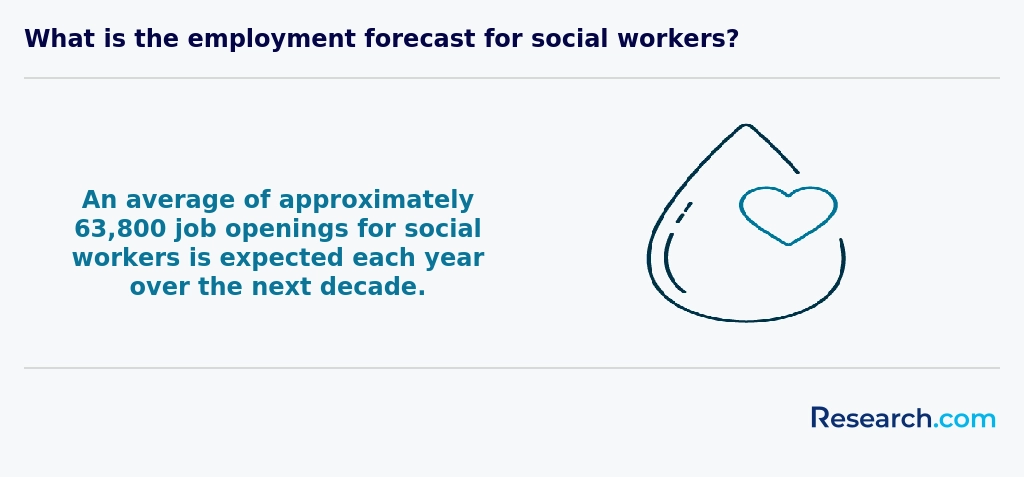
- What is the job market for social work degree in the USA Territories?
- Top Trending Social Work Rankings
- See What Experts Have To Say About Studying Social Work
What can I expect from social work degree in the USA Territories?
Cost considerations are often top of mind for students pursuing social work degrees in the USA Territories. Graduates from institutions like the University of Puerto Rico or the University of Guam commonly share that tuition for a bachelor's social work degree typically ranges from $5,000 to $10,000 per academic year. This relatively moderate cost is a welcoming factor for many, especially when compared to mainland expenses. Additionally, these programs often offer financial aid or scholarships tailored to territorial residents, easing the financial burden.
One graduate recalled how hands-on field placements, essential for real-world learning in local hospitals or community centers, added little to no extra cost, making education more accessible. Another emphasized the value of bilingual skills emphasized in Puerto Rico's programs, which enhanced job prospects without increasing tuition fees. While master's programs may sit at a higher price point, usually between $8,000 and $15,000 annually, the investment feels worthwhile given the specialized clinical training received.
Where can I work with social work degree in the USA Territories?
Graduates with a social work degree from institutions like the University of Puerto Rico or Northern Marianas College often find themselves embraced by diverse sectors across the USA Territories. Many recall starting their careers in healthcare environments-offering emotional support and coordinating care in hospitals or clinics, where their efforts directly alleviate patient stress and improve mental health services. These real-world experiences deeply root their passion for helping vulnerable communities.
Others gravitate toward educational settings, collaborating with teachers and families to support children facing academic or social challenges. Graduates speak warmly of working with territorial education departments, such as the U.S. Virgin Islands Department of Education, finding fulfillment in creating safer, more supportive school environments.
Employment in government agencies also appeals as a meaningful path, where social workers advocate for those in child welfare or senior services. For instance, community outreach programs led by Guam's public health offices often welcome these professionals, who appreciate the direct impact they have on improving lives.
Nonprofits stand out as another vital arena, where graduates channel their drive into homelessness prevention and youth mentoring. Working alongside organizations in Puerto Rico allows them to foster real change, fueling their commitment to social justice in their own communities.
How much can I make with social work degree in the USA Territories?
Graduates holding social work degrees from institutions in the USA Territories, such as the University of Puerto Rico or Guam Community College, find a distinct salary landscape influenced by local economic conditions. Typical earnings for roles like Social Worker average around $68,800 annually according to U.S. Bureau of Labor Statistics data, which may appear promising compared to general territory averages. However, many graduates often start in positions closer to $30,000 to $50,000 annually, reflecting territory-specific realities.
For example, entry-level social work graduates frequently accept roles as Residential Counselors or Child Welfare Specialists, with mean annual wages near $59,190. Community Organizers and Youth Workers, positions also accessible to degree holders, present higher average salaries, sometimes reaching $83,400 per year, offering lucrative pathways especially for those passionate about community impact.
Many graduates share that practical experiences during studies-such as internships in urban centers or government social programs-reveal how stability in public-sector work often balances lower pay but rewarding personal growth. This mix of meaningful community service and achievable salaries provides a fulfilling career foundation for those dedicated to making a difference in the Territories.
2027 Best Social Work Degree Programs Ranking in the USA Territories
How do we rank schools?
Investing in your education is a significant decision that can shape your future, and the Research.com team is deeply aware of the importance of making well-informed choices. To assist students across USA territories, we have carefully developed the "2027 Best Social Work Degree Programs Ranking in the USA Territories." Our dedication to quality, credibility, and accuracy is demonstrated through extensive research and thorough analysis behind this ranking.
We utilized the following reputable data sources to ensure a comprehensive evaluation of social work programs:
By exploring this ranking, readers will gain valuable insights into the top social work degree programs available, empowering them to make strategic and confident educational decisions. For a detailed explanation of our methodology, please visit our Research.com methodology page.
# 1 position
Pontifical Catholic University of Puerto Rico-Ponce
Bachelor of Social Work
# 2 position
Pontifical Catholic University of Puerto Rico-Ponce
Master of Social Work


# 7 position
Universidad Ana G. Mendez-Gurabo Campus
Master of Social Work
# 8 position
Universidad Ana G. Mendez-Carolina Campus
Bachelor of Social Work
# 9 position
Universidad Ana G. Mendez-Cupey Campus
Bachelor of Social Work

# 13 position
Universidad Ana G. Mendez-Gurabo Campus
Bachelor of Social Work

# 17 position
Universidad Ana G. Mendez-Carolina Campus
Recinto de Carolina Master in Social Work
# 18 position
Caribbean University-Bayamon
Bachelor of Social Work
# 19 position
Caribbean University-Carolina
Bachelor of Social Work
# 20 position
University of Guam
Bachelor Social Work

Key Findings
- Accredited social work programs in USA Territories are fewer than in the mainland, with options mainly at local universities or accredited online programs.
- Tuition in Puerto Rico's public universities ranges from $3,000 to $6,000 per academic year, typically more affordable than mainland private schools.
- Social workers in Puerto Rico earn an average starting salary of about $32,000 annually, rising to around $45,000 with experience.
- Employment for social work graduates exists in government, health care, education, and non-profits, addressing local challenges like economic disparities and disaster recovery.
- Licensure usually requires graduation from a Council on Social Work Education (CSWE)-accredited program and passing a clinical exam, with some variation by territory.
How long does it take to complete social work degree in the USA Territories?
Completing a social work degree in the USA Territories typically aligns closely with timelines seen on the mainland but with unique local nuances. Graduates from institutions like the University of Puerto Rico recall spending about two years completing their Associate of Social Work degree, appreciating how this foundational program equips them quickly for entry-level roles.
For those pursuing a Bachelor of Social Work, four years is the standard full-time commitment at colleges such as the University of Guam. Some students have shared how accelerated tracks are rare but offer a powerful way to fast-track their education and enter the field sooner. The consistency of CSWE accreditation in these institutions gives many a sense of confidence matching mainland standards.
Master's degree seekers often navigate a two-year full-time program, though part-time paths extend the journey realistically. Alumni remember balancing internships with residency requirements, knowing these experiences deepen their practice. A few took advantage of advanced standing options after their BSW, finishing in just one year, which brought satisfaction and a sense of accomplishment.
Those studying in the Territories often feel proud overcoming limited local program availability and occasional logistical challenges, turning these into stepping stones toward their professional goals.
What's the difference between online and on-campus social work degree?
Students pursuing social work degrees in the USA Territories often weigh the differences between online and on-campus options by reflecting on their unique needs and situations. Graduates from the University of Puerto Rico find that online programs offer invaluable flexibility, allowing them to juggle family responsibilities while engaging with coursework from home. This flexibility proves crucial in territories like Guam or the US Virgin Islands, where commuting to campus can be time-consuming or costly.
Conversely, alumni of on-campus programs at the University of Guam often highlight the meaningful connections forged through face-to-face interactions with professors and peers. These relationships foster mentorship and support during challenging field placements arranged locally-a vital component for social work licensure. Being physically present also means immediate access to campus libraries and counseling services, which many find reassuring.
Financially, online degrees ease the burden of housing and travel expenses for students scattered across the islands. However, they must also proactively secure local approved internships, which sometimes requires more effort due to limited agency availability in the territories.
What is the average cost of social work degree in the USA Territories?
The average cost of a social work degree in the USA Territories reflects a blend of affordability and quality that many graduates find encouraging. For local students attending well-known institutions such as those in Puerto Rico or Guam, the median in-state total cost hovers around $6,330, creating a more financially accessible path compared to mainland tuition rates. This affordability makes pursuing social work particularly feasible for those committed to serving their communities.
Graduates often share how this balance between cost and education quality made their experience rewarding, allowing them to focus on building critical skills rather than facing overwhelming debt. However, the median total cost for out-of-state students can rise substantially, reaching approximately $17,450, reflecting the added financial burden of attending as a non-resident. This difference illustrates the importance of residency status when planning finances and assessing the total expenses for social work degree 2027 USA, especially for those considering crossing territorial borders.
Many students at popular colleges in the USA Territories benefit not only from reasonable tuition but also from strong community support and accredited programs, which foster confidence in their professional future. Financial aid options are available but sometimes limited, making budgeting vital. For those who balance work and study, exploring options such as fastest online degrees for working adults can be a wise strategy to keep education affordable while advancing their careers.

What financial aid is available to social work degree students in the USA Territories?
Students pursuing social work at universities like the University of Puerto Rico often find federal financial aid indispensable in managing tuition costs, which typically range from $7,000 to $15,000 annually. Many graduates recall the relief of receiving the Pell Grant, which provides up to $7,395 per year without the burden of repayment. This grant is especially vital in the USA Territories, where financial need is often greater due to lower median incomes.
Beyond the Pell Grant, additional funds through the Federal Supplemental Educational Opportunity Grant (FSEOG) can boost support for those with exceptional financial need. Work-study programs also offer valuable opportunities to earn money while gaining hands-on social work experience.
Graduate students often rely on Direct Unsubsidized Loans with relatively low interest rates, balancing educational investment with manageable repayment plans. Local scholarships, like those from the Puerto Rico Department of Education, sometimes prioritize social work students, further easing financial hurdles.
Engaging early with financial aid offices has helped many students discover unique local resources and private scholarships, such as those from the NASW Foundation, making the dream of social work education more tangible and hopeful.
What are the prerequisites for enrolling in social work degree program in the USA Territories?
Enrolling in a social work degree program in the USA Territories requires meeting clear academic standards that align closely with national expectations while respecting the unique regional context. For example, graduates from the University of Puerto Rico recall that a high school diploma with a solid GPA around 2.5, plus prerequisite courses in English and social sciences, formed the essential foundation for their Bachelor of Social Work applications.
Many found that demonstrating bilingual proficiency enhanced their readiness, reflecting the bilingual nature of Puerto Rico's social environments. This practical skill often became a point of pride during interviews and personal statements.
For those advancing to a Master of Social Work, popular programs like those at the University of Guam emphasize the importance of a relevant bachelor's degree and maintaining at least a 3.0 GPA. Graduates note that submitting letters of recommendation and showing meaningful volunteer experience in local social services made their applications stand out.
These prerequisites, while rigorous, foster confidence and preparedness, helping students embrace the rewarding challenges of social work in their communities across the territories.
Licensure and Certification
After earning your social work degree, you’ll need official licensure to practice in a USA Territory. Requirements generally include:
- Earning a CSWE-accredited BSW for a bachelor’s license or MSW for a master’s or clinical license
- Completing 3,000–4,000 hours of supervised practice under a board-approved mentor
- Passing the appropriate ASWB exam (bachelor’s, master’s or clinical level)
- Submitting an application, official transcripts and exam results to your territory’s social work board
For step-by-step guidance on becoming a licensed social Work professional, visit our social worker page.
What courses are typically in social work degree programs in the USA Territories?
Social work degree programs in the USA Territories, such as those at the University of Puerto Rico or the University of Guam, offer a curriculum rooted in practical and culturally relevant learning. Graduates often recall how courses like Introduction to Social Work illuminated the profession's ethical foundations and its vital community role, making theoretical concepts tangible through local case studies.
Courses on Human Behavior and the Social Environment help students understand the complex dynamics in families and communities unique to these territories. Many find the study of social welfare policy especially meaningful as it directly connects to policies impacting their neighbors and friends.
Research methods classes teach approaches that graduates later use to assess real community needs, often involving fieldwork within local agencies. Practicum experiences stand out as particularly transformative, where hands-on work with vulnerable populations makes abstract lessons resonate profoundly.
Specialized topics, such as bilingual communication and disaster response, reflect the lived realities here. These courses prepare students not only to serve but to uplift their communities with empathy and skill, instilling a deep sense of purpose and pride in their chosen path.
What types of specializations are available in social work degree programs in the USA Territories?
In the USA Territories, social work degree specializations address the unique needs of island and indigenous communities, making the learning experience deeply relevant. Graduates from popular institutions like the University of Puerto Rico often highlight specializations such as Child and Family Welfare, which integrates local cultural values to support vulnerable families. Another commonly chosen path is Mental Health, where students gain skills in counseling and crisis intervention crucial for territories with limited healthcare resources.
Community Development is a vibrant specialization focused on empowering residents through education and economic programs, often seen in fieldwork placements that graduates describe as both challenging and rewarding. Substance Abuse specialization equips students to tackle addiction using culturally sensitive approaches, an essential skill for many communities. Gerontology, given the rising elderly population in some territories, prepares students to assist aging individuals compassionately.
For those wondering what is the easiest bachelors degree to get, social work offers diverse paths that combine purpose and practical impact. These specializations reflect the best social work programs in USA Territories and epitomize meaningful community service through education.
How do you choose the best social work degree in the USA Territories?
Choosing the best social work degree programs USA Territories means looking deeply into accreditation, especially from the Council on Social Work Education, as graduates from Puerto Rican universities often attest to how this recognition smoothed their path to licensure. Prospective students should consider programs locally available in Puerto Rico, Guam, or the U.S. Virgin Islands, where degrees are tailored to address unique regional social issues, making the experience both relevant and empowering.
Affordability also plays a significant role when selecting affordable social work colleges in USA Territories. Many graduates recall that the lower tuition in places like Puerto Rico allowed them to focus more on their studies and community engagement rather than financial stress. Balancing cost with program quality and local internship opportunities is key, as hands-on fieldwork within the territory enriches professional growth and job readiness.
Lastly, flexibility matters-part-time and online courses are vital for working adults. Some students found success by choosing programs with options for evening classes or online formats while ensuring access to local practicum placements. For those exploring further education, considering the cheapest phd program might be a natural next step to deepen social work expertise.

What career paths are available for social work degree students in the USA Territories?
Graduates with a social work degree in the USA Territories find themselves stepping into diverse career paths that resonate deeply with community needs. Many become licensed social workers, such as Licensed Bachelor Social Workers or Licensed Clinical Social Workers, serving in vital roles within mental health clinics or child welfare agencies. Those from universities like the University of Puerto Rico often share fulfilling experiences helping families rebuild after hurricanes, reflecting the unique challenges of the region.
Another rewarding direction lies in public sector employment, where social workers address poverty, housing instability, and disaster recovery-real issues that graduates witness firsthand. Healthcare social work also offers meaningful opportunities, especially in hospitals and rehabilitation centers, where professionals provide essential counseling and care coordination. The job outlook for social work degree in USA Territories is strengthened by growing demand in nonprofit organizations dedicated to youth development and domestic violence prevention.
For students exploring affordable options, considering the best cheap online colleges that accept fafsa expands possibilities without losing local relevance. Through these varied roles, graduates contribute to their communities with a profound sense of purpose and optimism.
What is the job market for social work degree in the USA Territories?
Graduates from social work programs at universities in Puerto Rico and Guam often find opportunities rooted in community-based roles that address public health, mental health, and disaster recovery efforts. The social work career opportunities in USA Territories tend to emphasize hands-on service in child and family services, healthcare settings, and government programs. While salaries are generally lower than the U.S. mainland, many graduates appreciate that the lower cost of living in the territories helps balance financial concerns. Students recount the satisfaction of working closely with vulnerable populations, gaining real-world experience that shapes their professional paths.
Licensure requirements vary, which influences where graduates choose to work, often encouraging some to pursue additional credentials. Many alumni from popular territorial colleges highlight the accessibility and affordability of their education, with tuition rates frequently between $3,000 and $8,000 annually, making it more manageable to enter the field. For those weighing career options, it can be useful to compare social work with other fields such as trade schools jobs that pay well, depending on personal goals and financial needs.
The job outlook for social work degree holders in USA Territories is oriented toward a stable demand fueled by ongoing community needs. Graduates witness firsthand the importance of their roles in regions recovering from natural disasters or addressing mental health crises. These experiences reinforce the rewarding nature of their careers, which balance professional fulfillment with tangible community impact.
Frequently Asked Questions About social work
Students pursuing social work degrees in the USA Territories can maximize their learning by engaging actively with both their academic programs and local communities. Many accredited programs emphasize fieldwork, so seeking internships or volunteer opportunities within local agencies offers practical experience that complements classroom theory.
Connecting with regional social services in Puerto Rico, Guam, or the U.S. Virgin Islands is crucial, as these areas face unique social challenges. According to the Council on Social Work Education, more than 60% of students in these territories participate in practicums focused on culturally relevant issues, enhancing their professional readiness.
Additionally, utilizing online resources and joining professional social work associations can provide access to research and networking opportunities. Students should consider bilingual training, as many residents speak Spanish or other languages, improving communication with diverse populations.
The field of social work in the USA Territories is evolving rapidly, with several emerging niches gaining attention. One such area is disaster social work, important due to frequent hurricanes and natural disasters in territories like Puerto Rico and Guam. Professionals are trained to offer crisis intervention and community recovery support.
Another growing niche is telehealth social work, which expands access to mental health services across remote islands, addressing barriers like transportation and provider shortage.
Additionally, cultural competency social work is vital, as practitioners work with diverse indigenous and immigrant communities, aiming to provide culturally sensitive care.
According to the Council on Social Work Education, enrollment in these specializations within US Territories programs increased by 15% between 2020 and 2023.
Graduates with social work degrees in the USA Territories should focus on obtaining licensure to enter the job market. Each territory, including Puerto Rico and Guam, requires passing specific licensing exams to practice professionally, with Puerto Rico following the Association of Social Work Boards (ASWB) standards.
Networking is crucial; joining local organizations such as the Puerto Rico Chapter of the National Association of Social Workers can provide job leads and professional development.
Internships and practicum experiences gained during studies are highly valued by employers across these regions.
Continued education and certification in specialized areas like mental health or child welfare increase employment opportunities in competitive markets.
Employers in the USA Territories prioritize strong communication and cultural competence in social work degree graduates. Given the diverse populations across territories like Puerto Rico and Guam, the ability to effectively engage with various cultural backgrounds is essential. Analytical skills and critical thinking are also highly valued, enabling social workers to assess client needs and develop tailored intervention plans. Furthermore, interpersonal skills such as empathy and active listening play a crucial role in building trust with clients. According to the National Association of Social Workers, adaptability and knowledge of local social policies enhance a graduate's employability in these regions.
Finding internships in the USA Territories for social work students involves connecting with local agencies and institutions that serve community needs. Many social work programs require field placements, which are often arranged through partnerships with government offices, nonprofit organizations, and healthcare providers in these territories.
The University of Puerto Rico and the University of Guam, for example, have established networks with local social service agencies that offer internship opportunities. Students should also contact territorial social services departments directly, as these agencies regularly host interns to support their community programs.
Since social work relies heavily on practical experience, securing a supervised internship is essential. The Council on Social Work Education (CSWE) accredits programs and offers resources that can help students identify qualifying field placements within the territories.
Research suggests that internships in these locations often address unique regional challenges such as disaster response, indigenous populations, and health disparities, providing practical and culturally relevant training for social work students.
A social work degree significantly enhances career mobility and advancement opportunities within the USA Territories by providing recognized qualifications aligned with U.S. standards. Accredited programs enable graduates to meet licensing requirements essential for clinical and non-clinical roles. For example, obtaining a Bachelor of Social Work (BSW) or Master of Social Work (MSW) opens pathways to roles in healthcare, education, and government agencies across Puerto Rico, Guam, and the U.S. Virgin Islands.
Data from the U.S. Bureau of Labor Statistics indicates that social workers with advanced degrees typically experience faster job growth and higher median wages, even within territories. Additionally, federal funding and local initiatives often prioritize qualified professionals, thereby encouraging mobility between public and private sectors.
Continuing education and degrees from accredited institutions further support transitioning into supervisory or specialized positions, expanding career options regionally and nationally.
Studying for a social work degree in the USA Territories equips students with skills to collaborate across various health, education, and community services. Programs emphasize interdisciplinary learning, integrating social work with psychology, public health, and law, reflecting local community needs. According to the Council on Social Work Education, programs in territories like Puerto Rico and Guam include practical training with multiple agencies, preparing graduates for diverse roles.
Students develop cultural competence, essential for working within multicultural populations prevalent in the territories. This approach enhances communication with professionals from different fields, promoting holistic client care.
Overall, social work degrees in these regions foster adaptability and teamwork, crucial for effective interdisciplinary practice.
Choosing between a thesis and a non-thesis social work degree program in the USA Territories depends on your career goals and learning preferences. Thesis programs focus on original research and are ideal if you plan to pursue a doctoral degree or work in research and policy development.
Non-thesis programs emphasize practical skills and internships, better suited for those aiming for immediate clinical or community practice. According to the Council on Social Work Education, many accredited programs in territories like Puerto Rico and Guam offer both options with similar accreditation standards.
Consider your interest in research, time commitment, and post-graduation plans before deciding.
Students in the USA Territories seeking social work degrees abroad generally face limited options within the US system, as accredited programs are mostly located on the mainland. To study outside their territories, many pursue online programs offered by Council on Social Work Education (CSWE) accredited schools across the United States. These online degrees allow flexibility while meeting professional standards recognized in all US jurisdictions, including territories like Puerto Rico, Guam, and the US Virgin Islands.
Alternatively, some students enroll in mainland universities with strong ties or residency options for territorial students. According to the CSWE, over 200 programs are accredited nationwide, but only a handful have partnerships specifically targeting territory residents. Scholarships and federal financial aid applicable to territorial students often support such study paths.
Part-time job opportunities in the USA Territories that complement social work degree education often focus on community engagement and support services. Common roles include case aides, shelter assistants, and youth outreach workers, which provide practical experience in social service environments.
These positions help students develop essential skills such as client advocacy, crisis intervention, and resource coordination. For example, in Puerto Rico, community health centers often hire part-time workers to assist social workers in managing caseloads, reflecting the US Department of Health and Human Services data on regional healthcare service demand.
Additionally, roles at nonprofit organizations or government agencies involved with child welfare and family services are prevalent, enabling students to observe social work principles in practice. These jobs typically offer flexible hours, accommodating academic commitments while building relevant experience.
Social work students in the USA Territories have access to various networking opportunities essential for their professional growth. Many universities and colleges in these territories, such as the University of the Virgin Islands, host regular events connecting students with local social service agencies. These events facilitate internships and job placements.
The National Association of Social Workers (NASW) has active chapters in some territories, providing students chances to engage with seasoned professionals, attend conferences, and participate in community outreach programs. These networks are crucial for understanding regional social issues and gaining practical experience.
Additionally, virtual platforms have expanded options, enabling students to connect nationwide with social work professionals, broadening their professional horizons beyond geographic limitations.
Alumni networks provide valuable support for social work degree students in the USA Territories by offering mentorship and career guidance. These connections help students navigate local professional environments, which often differ from mainland U.S. systems. The territories' unique cultural and socio-economic contexts make such tailored advice especially important for new social workers.
These networks also facilitate job placements through referrals. According to the Council on Social Work Education, employment rates for social work graduates improve significantly when alumni networks actively engage in recruiting within the territories. This is vital given the limited number of social work positions available locally.
Furthermore, alumni groups often organize workshops and continuing education events, which are crucial for maintaining licensure and staying updated on territory-specific policies. Such collaborative learning enhances a student's practical skills and professional development.
Customizing a social work degree program in the USA Territories allows students to align their education with specific career goals. Many accredited institutions offer elective courses focused on areas such as community health, child welfare, or substance abuse counseling. Choosing field placements in local agencies or government programs provides practical experience relevant to the Territory's unique social challenges.
Students can also pursue concentrations or certificates that address the needs of underserved populations prevalent in the territories. Since social work licensing requirements vary slightly by jurisdiction, tailoring your program to meet local criteria ensures smoother professional certification.
Consulting academic advisors early helps identify suitable coursework and practicum opportunities. According to the Council on Social Work Education, programs in territories maintain similar standards to mainland schools, making customization feasible without compromising degree recognition.
Social work students in the USA Territories often face unique challenges compared to their mainland counterparts. One major issue is limited access to accredited social work programs locally, which can restrict educational opportunities and require students to relocate or study online. According to the Council on Social Work Education (CSWE), very few programs are fully accredited in territories like Guam or Puerto Rico, complicating licensure paths.
Resource scarcity is another challenge: facilities and faculty specialized in social work may be fewer, impacting quality of training and field placement options. Economic factors also play a role, as many students balance studies with work due to higher unemployment rates in these regions, as noted by the U.S. Bureau of Labor Statistics.
Lastly, cultural and language diversity require tailored curriculum adaptations to serve local communities effectively, yet such modifications are not always readily available in territorial programs.
With a social work degree earned in the USA Territories, you can pursue several professional certifications to enhance your career. The most recognized certification is the Licensed Clinical Social Worker (LCSW), which allows you to provide mental health services independently. Requirements typically include a Master of Social Work (MSW) degree and supervised clinical experience. The National Association of Social Workers (NASW) also offers certifications in areas like school social work and healthcare social work.
Many territories follow U.S. certification standards, but local licensing boards may have additional requirements. For example, Puerto Rico's Board of Social Work Examiners offers specific licensing aligned with NASW guidelines. Holding certifications can increase job opportunities and salary potential in community agencies, schools, or healthcare settings.
Writing a winning application for a social work program in the USA Territories involves several key steps. First, emphasize your commitment to community service, especially within the unique cultural setting of the territories like Guam or Puerto Rico. Admissions committees look for candidates with a clear understanding of local social issues.
Strong letters of recommendation from teachers or community leaders familiar with your work are crucial. Tailor your personal statement to highlight experiences relevant to social work in the territories, citing any volunteer or work experience.
Finally, ensure your academic transcripts showcase solid performance, particularly in courses related to social sciences or psychology. According to data from the Council on Social Work Education, programs in the territories value applicants who demonstrate both academic readiness and community engagement.
Social work careers are increasingly viewed through a global lens, reflecting diverse needs and practices worldwide. In the USA Territories, social work aligns with international standards set by organizations like the International Federation of Social Workers (IFSW).
Professionals in the Territories often engage with issues such as disaster recovery, health disparities, and poverty, which are common concerns globally. The Council on Social Work Education (CSWE) accredits programs in the Territories, ensuring adherence to competencies recognized internationally.
According to the Bureau of Labor Statistics, social work employment in the Territories benefits from growing demand in healthcare and community support sectors, paralleling global trends of expanding social services.
Understanding these global perspectives can help students appreciate the broad impact and opportunities a social work degree offers, both locally and internationally.
Gaining practical experience while studying for a social work degree in the USA Territories is essential for developing professional skills. Many accredited programs require field placements or internships, which partner students with local agencies serving communities in Puerto Rico, Guam, and the U.S. Virgin Islands.
These practical opportunities allow students to work directly with clients under supervision, helping them apply classroom knowledge. According to the Council on Social Work Education (CSWE), most programs mandate at least 400 hours of field experience.
Students often engage with schools, healthcare centers, or government organizations addressing social issues unique to the Territories. This hands-on training improves cultural competence and readies graduates for licensure and employment in local social service agencies.
Choosing the right concentration within a social work degree program in the USA Territories starts with understanding local community needs. Each territory, such as Puerto Rico, Guam, or the US Virgin Islands, faces unique social challenges. Research from the Council on Social Work Education shows that concentrations like child welfare, mental health, and community development are highly relevant. Consider your career goals and interests-whether working with families, individuals, or broader policy impact.
It is also essential to evaluate program accreditation. The Council on Social Work Education accredits many territorial programs, ensuring quality education that meets regional standards. Internship opportunities in local agencies can provide invaluable hands-on experience.
Consult academic advisors and local practitioners to understand employment trends in your territory. Gathering data about social issues and workplace demand helps inform the best concentration tailored to your future impact and job prospects.
Top Trending Social Work Rankings
See What Experts Have To Say About Studying Social Work
Read our interview with Social Work experts

References
- Tripod Partners https://www.tripodpartners.com/career-advice/social-work/advancing-your-social-work-career-tips-for-promotion/
- Social Work Careers https://socialworklicensemap.com/social-work-careers/
- 10 Careers for Social Work Majors https://www.umassglobal.edu/blog-news/careers-for-social-work-majors
- Social Work Internships https://www.stjude.org/education-training/professional-development/internships/social-work.html
- Social Work Salary with Masters on the Rise https://newmanu.edu/nth-degree/social-work-salary-with-masters-on-the-rise
- Web Exclusive https://www.socialworktoday.com/archive/exc_081823.shtml
- How to Become a Social Worker https://www.onlinemswprograms.com/careers/how-to-become-a-social-worker/
- Social Work News https://www.mysocialworknews.com/article/how-to-find-your-social-work-niche
- Global Definition of Social Work https://www.ifsw.org/what-is-social-work/global-definition-of-social-work/
- Top Skills Employers Look for in Qualified Social Workers Today - Vitalis https://www.vitalissocialcare.co.uk/career-development/top-skills-employers-look-for-in-social-workers-today/


