
2027 Most Popular Social Work Degree Programs Ranking in Alabama

Co-Founder and Chief Data Scientist
Choosing the right social work degree program can shape your future career and make a real difference in your community. This article introduces the 2027 Most Popular Social Work Degree Programs Ranking in Alabama, crafted by the Research.com team of data scientists.
Designed to help you navigate options with confidence, this ranking highlights programs that stand out in quality and impact. Whether you're starting out or advancing your education, exploring these options can inspire and guide your path toward a rewarding social work career.
Discover valuable insights to make an informed decision that suits your goals and passions.
Key benefits of getting social work degree in Alabama
- Graduates with a social work degree in Alabama can expect strong earning potential, with roles like Social Worker averaging $68,800 annually and Community Organizer earning about $83,400 per year, making the career rewarding both financially and personally.
- Career paths for social work graduates in Alabama include Child Welfare Specialist and Residential Counselor, offering diverse opportunities to make a real difference in communities while providing job stability and growth.
- Online social work degrees from popular Alabama universities provide flexibility, allowing students to balance studies with life or work commitments, often accelerating graduation and enhancing practical skills from anywhere in the state.
- Key benefits of getting social work degree in Alabama
- What can I expect from social work degree in Alabama?
- Where can I work with social work degree in Alabama?
- How much can I make with social work degree in Alabama?
- 2027 Most Popular Social Work Degree Programs Ranking in Alabama
- Key Findings
- How long does it take to complete social work degree in Alabama?
- Licensure and Certification Pathways in Alabama
- What's the difference between online and on-campus social work degree?
- Most Affordable Social Work Schools in Alabama
- What is the average cost of social work degree in Alabama?
- Future Trends in Social Work Education in Alabama
- What financial aid is available to social work degree students in Alabama?
- Licensure Requirements in Alabama
- What are the prerequisites for enrolling in social work degree program in Alabama?
- Licensing and Certification Requirements in Alabama
- What courses are typically in social work degree programs in Alabama?
- What types of specializations are available in social work degree programs in Alabama?
- How do you choose the best social work degree in Alabama?
- What career paths are available for social work degree students in Alabama?
- What is the job market for social work degree in Alabama?
- Related Social Work Rankings for Nearby States
- Top Trending Social Work Rankings
- See What Experts Have To Say About Studying Social Work
What can I expect from social work degree in Alabama?
The average cost of obtaining a social work degree in Alabama varies significantly based on the institution and program level. Graduates from public universities like the University of Alabama often report tuition expenses for a Bachelor of Social Work (BSW) around $10,000 to $15,000 per year for in-state students, though private colleges may charge considerably more. Those pursuing a Master of Social Work (MSW) typically face higher tuition, sometimes doubling undergraduate costs due to program intensity and specialization options.
Many students recall balancing financial concerns with their passion for social change. For example, graduates from popular programs at Alabama State University have noted that while costs can be burdensome, scholarships, part-time study paths, and federal aid help ease the financial load, making the investment feel worthwhile when they gain hands-on experience through internships lasting 400 to 900 hours.
However, prospective students should critically evaluate not only tuition but also additional expenses such as fees for supervised field placements, course materials, and living costs. Some find that accelerated or part-time options allow them to manage expenses more effectively while continuing to work or support families.
Where can I work with social work degree in Alabama?
Graduates from social work programs at universities like the University of Alabama and Auburn University often find themselves drawn to roles in healthcare settings where their skills deeply impact patient care. For instance, working in Birmingham hospitals or rural clinics, social workers assist with discharge planning and counseling, offering a sense of accomplishment in bridging gaps in care.
Many graduates also share rewarding experiences working in school environments across Alabama, helping students navigate emotional challenges. Collaborating with teachers and families, these social workers contribute to improved academic and social outcomes, reflecting the strong emphasis the Alabama State Department of Education places on student well-being.
Employment in government agencies remains a significant path-social workers here engage in complex cases involving child welfare and disability services, often in cities like Montgomery. While demanding, these roles provide a meaningful opportunity to influence policies and protect vulnerable populations.
Additionally, others have found fulfilling careers within nonprofit organizations throughout the state, where outreach and direct client support bring tangible results. Clinical social work, particularly for licensed graduates, is a growing field responding to Alabama's mental health needs, allowing for independent practice and specialized counseling.
How much can I make with social work degree in Alabama?
Graduates with a social work degree in Alabama can expect varied earnings depending on their specific career paths. For example, those working as social workers in general have a mean annual wage around $68,800, which is relatively promising compared to the state median. Child Welfare Specialists and Residential Counselors often earn about $59,190 annually, reflecting steady demand in these supportive roles.
Some graduates find rewarding opportunities as Community Organizers or Youth Workers, where mean salaries are closer to $83,400 per year. This higher pay often corresponds to urban settings like Birmingham or Huntsville, where universities such as the University of Alabama and Alabama State University prepare students well for these roles.
Graduates frequently express satisfaction with starting salaries between $35,000 and $42,000, especially those with a Bachelor of Social Work. Advancing education to a Master's level or obtaining clinical licensure can boost income to $50,000-$60,000 or beyond. Many find the real value in the work's impact and the stability it offers, balancing earnings with career fulfillment in Alabama's diverse social work landscape.
2027 Most Popular Social Work Degree Programs Ranking in Alabama
How do we rank schools?
Investing in your education is a significant decision that can shape your future, and the Research.com team understands the importance of making informed choices. To assist prospective students in Alabama, we have meticulously crafted the "2027 Most Popular Social Work Degree Programs Ranking in Alabama." Our commitment to quality, credibility, and accuracy is reflected in the extensive research and analysis conducted to compile this ranking.
We utilized the following reputable data sources to ensure a comprehensive evaluation of social work programs:
By exploring this ranking, readers will gain valuable insights into the most popular social work degree programs in Alabama, enabling them to make well-informed decisions about their educational journeys. For more details on our methodology, please visit our Research.com methodology page.


# 12 position
Talladega College
Bachelor of Arts in Social Work


Key Findings
- Alabama offers accredited Bachelor of Social Work (BSW) and Master of Social Work (MSW) programs certified by the Council on Social Work Education (CSWE).
- In-state tuition for public universities ranges from $8,000 to $12,000 per year for undergraduate degrees and $10,000 to $15,000 per year for MSW programs.
- Social work job demand in Alabama is steady, with roles available in healthcare, child welfare, mental health, and school systems.
- Starting salaries for BSW graduates range from $35,000 to $40,000, while MSW graduates earn between $45,000 and $55,000 shortly after graduation.
- Experienced social workers in Alabama can earn $60,000 or more annually, especially in specialized or supervisory positions.
- Licensing requires meeting education criteria, completing supervised clinical hours for advanced licenses, and passing a licensing exam through the Alabama State Board of Social Work Examiners.
How long does it take to complete social work degree in Alabama?
Completing a social work degree in Alabama typically aligns with national standards, but individual experiences can vary. Most students pursuing a Bachelor of Social Work (BSW) at universities like the University of Alabama or Auburn University find that four years of full-time study is the norm. This timeframe allows them to build a strong academic foundation while balancing internships and fieldwork, which often ignite a rewarding sense of purpose early on.
For those aiming higher, obtaining a Master of Social Work (MSW) generally requires an additional two years after the bachelor's degree. However, some graduates from programs in Alabama have shared how accelerated options helped them complete their MSW in just one year, especially if they already held a BSW. Part-time study is another viable route but may extend duration, reflecting real-life commitments such as work and family.
Graduates often emphasize that the flexible scheduling-like evening or online classes offered by several Alabama colleges-makes the demanding schedule manageable and fosters enthusiasm despite the rigor. Navigating licensure requirements also brings clarity and motivation, transforming academic investment into professional confidence.
Licensure and Certification Pathways in Alabama
In Alabama, becoming a licensed social worker involves a series of clear, regulated steps that ensure practitioners meet professional standards and can effectively serve their communities. First, graduates of CSWE-accredited Bachelor of Social Work (BSW) programs must apply for the Licensed Bachelor Social Worker (LBSW) credential. Applicants submit transcripts and a licensure fee to the Alabama Board of Social Work Examiners and pass the ASWB Bachelor’s exam, which tests foundational knowledge in ethics, assessment, and intervention. For those holding a Master of Social Work (MSW), the next milestone is the Licensed Master Social Worker (LMSW). MSW graduates report 3,000 hours of supervised clinical experience-typically completed over two years-and successfully pass the ASWB Master’s exam. Supervision must be provided by a board-approved LMSW or Licensed Clinical Social Worker (LCSW), ensuring guidance on advanced interventions, diagnosis, and treatment planning. To advance to Licensed Clinical Social Worker status, LMSWs accumulate an additional 3,000 hours of postgraduate clinical practice under LCSW supervision. Once hours are verified, candidates sit for the ASWB Clinical exam. Upon passing, LCSWs must complete 20 continuing education units (CEUs) every two years to renew their license, including mandatory courses in ethics and Alabama-specific legal standards. Choosing the right program can streamline this journey: consider exploring affordable social work programs online that offer integrated exam prep workshops, robust practicum placements, and alumni mentorship to bolster your licensure success.
What's the difference between online and on-campus social work degree?
Online and on-campus social work degrees in Alabama offer distinct experiences shaped by students' lifestyles and learning preferences. Online programs cater well to working adults or those balancing family, providing flexibility to study at any hour. Graduates from online Bachelor of Social Work (BSW) and Master of Social Work (MSW) programs often appreciate the elimination of daily commutes and the ability to pace their studies. For instance, students enrolled through accredited online programs associated with the University of Alabama system note the convenience of remote classes combined with their local field placements.
In contrast, on-campus programs at institutions like the University of South Alabama provide immersive face-to-face interaction and structured environments. Graduates frequently highlight the value of networking with peers and professors in real time, as well as easier access to campus resources and support services. Crucially, all Alabama social work students-online or on-campus-must complete in-person fieldwork locally, integrating practical experience with academic learning.
This dual approach influences tuition costs slightly but remains comparable within the $7,000-$15,000 annual range, ensuring that accreditation standards from the Council on Social Work Education are consistently met across formats.
Most Affordable Social Work Schools in Alabama
. For prospective students seeking to pursue a social work degree without accumulating significant debt, exploring the most affordable options is crucial. Many institutions in Alabama offer competitive pricing for their social work programs, making it possible for students to access quality education at a lower cost. By considering factors such as tuition fees, scholarship opportunities, and financial aid packages, students can make informed decisions about their educational investment. For instance, students can visit cheapest social work schools in alabama to find programs that fit their budget and career aspirations, ultimately leading to a rewarding career in social work without the burden of excessive financial obligations.
What is the average cost of social work degree in Alabama?
The average social work degree cost in Alabama generally centers around a median total of $35,680, with in-state students often paying significantly less, roughly $12,120 in total. This substantial difference highlights how residency status shapes Alabama social work program tuition fees, making public universities more affordable options for local students. Graduates from institutions like the University of Alabama often reflect positively on managing these costs through careful planning and financial aid, emphasizing their rewarding experience despite the financial challenges.
Undergraduate students pursuing a Bachelor of Social Work typically encounter lower tuition fees compared to graduate students. For example, a public university might charge roughly $8,000 to $11,000 annually for in-state undergraduates, while out-of-state fees can escalate beyond $20,000. Graduates note that while these expenses require budgeting, the ability to engage in practical internships enhances both learning and confidence in career preparation.
Graduate programs, including Master's in Social Work, tend to demand higher tuition, averaging $12,000 to $18,000 yearly for residents, with private or out-of-state tuition climbing further. This difference often prompts students to explore options such as financial aid or scholarships. Many who share their journeys urge prospective students to investigate the cheapest social work schools in alabama to find the best fit for their budgets without sacrificing quality.
Overall, the pursuit of a social work degree in Alabama involves weighing costs against the value of the education and field experience gained. Students are encouraged to consider how factors like program format and institutional type influence the final investment, ensuring a well-informed decision aligned with their personal and financial goals.

Future Trends in Social Work Education in Alabama
As the landscape of social work evolves to meet emerging societal challenges, Alabama’s educational programs are also adapting to stay ahead of the curve. Institutions are increasingly incorporating advanced technology into their curricula, such as virtual simulations and data-driven case studies, which enhance students’ practical skills and prepare them for a rapidly changing professional environment. Future trends include a stronger emphasis on interdisciplinary collaboration, allowing students to integrate insights from public health, psychology, and policy-making into their practice. Additionally, flexible learning formats are on the rise, with programs offering blended courses and enhanced digital platforms that cater to working professionals. For instance, many schools are expanding their remote study options, and you can explore online phd programs in social work to further your education without compromising your career commitments. Embracing these trends not only makes social work more accessible but also enriches the overall learning experience, equipping graduates with the innovative mindset needed to excel in an ever-evolving field.
What financial aid is available to social work degree students in Alabama?
Social work students in Alabama often rely on a combination of federal aid, state programs, and institutional scholarships to manage tuition and related fees. For instance, those attending the University of Alabama or Auburn University can access Pell Grants, which may cover most of their annual tuition, alleviating financial stress and allowing focus on rigorous practicum hours. Graduates frequently highlight how receiving ASEG funding eased their budget during challenging semesters, especially when balancing fieldwork commitments.
Beyond grants, work-study positions with local social service agencies provide both income and valuable professional experience, creating a positive cycle of learning and earning. Scholarships from the Alabama Chapter of the National Association of Social Workers further support students who demonstrate financial need or community dedication, often making education feel more accessible and rewarding.
However, the variability of aid amounts means some students at institutions like the University of North Alabama share concerns about unpredictability in funding year to year. Despite this, many find that combining these aid sources reduces barriers, making a social work degree in Alabama a feasible and fulfilling pursuit.
Licensure Requirements in Alabama
After completing your CSWE-accredited degree, you must meet state licensure criteria to practice:
- Apply to the Alabama Board of Social Work Examiners, including a criminal background check
- Pass the appropriate ASWB exam (LMSW for BSW graduates, LCSW for MSW graduates)
- Complete supervised clinical hours: 2,000 for LMSW, 3,000 for LCSW
- Submit supervisor verification forms and pay application fees
- Maintain licensure with 40 hours of continuing education every two years
For graduates seeking to streamline academic prerequisites and supervision, explore accelerated msw programs.
What are the prerequisites for enrolling in social work degree program in Alabama?
Enrolling in a social work degree program in Alabama generally requires meeting specific prerequisites that reflect both academic readiness and personal commitment. For Bachelor of Social Work (BSW) programs at well-regarded institutions like the University of Alabama or Auburn University, students typically need a high school diploma or equivalent and prerequisite coursework in English and social sciences. Graduates often recall how writing a heartfelt personal statement about their passion for helping communities made a difference in their acceptance, alongside strong letters of recommendation from teachers or mentors familiar with their dedication.
Those pursuing a Master of Social Work (MSW) must hold a bachelor's degree, not necessarily in social work, but usually with a GPA above 3.0. Some programs also consider GRE scores and emphasize prior volunteer or work experience in social services. Graduates from Alabama State University describe how their background in community service gave them confidence entering field placements, where background checks and health clearances ensure safety and professionalism.
These requirements in Alabama aim to balance academic standards with a genuine commitment to the social work profession, preparing students for meaningful, impactful careers.
Licensing and Certification Requirements in Alabama
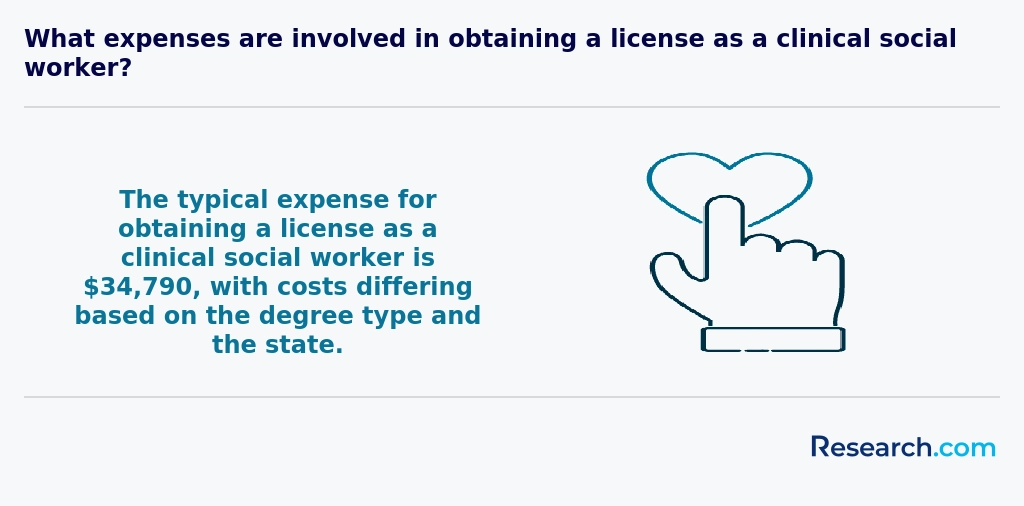
Before beginning your professional practice, Alabama social work graduates must secure the appropriate licensure through the Alabama Board of Social Work Examiners. First, you must earn a CSWE-accredited BSW or MSW and submit official transcripts along with a completed application and fees to the board. Bachelor’s degree holders qualify for the Licensed Bachelor Social Worker (LBSW) exam, administered by the Association of Social Work Boards (ASWB), while MSW graduates typically sit for the Licensed Master Social Worker (LMSW) or Clinical exam, depending on their career goals. Upon passing the ASWB exam, LBSW licensees must complete at least 2,000 supervised practice hours under a board-approved supervisor to advance to the LMSW level; those aiming for clinical practice should accumulate an additional 4,000 hours of post-master’s supervised experience. All licenses require renewal biennially, with a minimum of 30 continuing education hours-covering ethics, clinical practice, or specialized topics-to maintain current credentials. Staying informed about deadline reminders and fee schedules on the board’s website ensures uninterrupted practice privileges. For prospective students concerned about program affordability and licensure support, it’s worth comparing tuition and course delivery options-consider reviewing our Most Affordable Online Social Work Degree Programs Ranking in the Northeast to identify cost-effective paths that still meet Alabama’s accreditation and exam preparation standards.
What courses are typically in social work degree programs in Alabama?
Students pursuing social work degrees in Alabama, such as at the University of Alabama or Auburn University, typically engage with a variety of foundational and specialized courses designed to build practical skills and critical understanding. Core coursework often includes Human Behavior in the Social Environment, which prepares students to navigate complex social and cultural factors influencing clients' lives, a topic many graduates recall vividly from their field experiences.
Another cornerstone is Social Work Practice, where learners develop hands-on intervention techniques through role-playing and case studies, gaining confidence before entering real-world settings. Graduates often highlight this course as a turning point, where theoretical knowledge meets practical application.
Courses like Social Welfare Policy deepen students' grasp of the historical and current social policies shaping Alabama's communities, empowering them to advocate effectively. Meanwhile, research and diversity-oriented classes strengthen evidence-based and culturally competent practice, critical for serving Alabama's varied populations.
Field education stands out, providing supervised internships in local hospitals or nonprofits, bridging classroom learning with the emotional rewards and challenges of actual social work.
What types of specializations are available in social work degree programs in Alabama?
Social work degrees in Alabama commonly include specializations such as clinical social work, child and family welfare, gerontology, and mental health, each addressing different community needs. Graduates from popular institutions often reflect on how clinical social work prepared them for licensure and independent practice in mental health clinics, enabling fulfilling careers through counseling vulnerable populations.
Many students pursuing Alabama social work degree concentrations in child and family welfare find the coursework deeply rewarding, learning to navigate challenges faced by at-risk children and families. This specialization often resonates with those passionate about making tangible impacts in foster care and family support services within the state.
Gerontology is increasingly significant due to Alabama's aging population, with graduates emphasizing the real-life relevance of elder advocacy and healthcare coordination skills developed at universities known for strong social work programs. Mental health specialization also remains critical; students frequently highlight Alabama's above-average mental health disorder rates as motivation for their focused studies and community engagement.
Some programs offer policy and administrative social work tracks, equipping students with leadership tools. Those interested in advancing further sometimes explore online phd programs in social work to deepen expertise and impact.
How do you choose the best social work degree in Alabama?
Choosing the best social work degree programs Alabama offers means evaluating programs beyond their reputations. Graduates from well-known universities often emphasize the value of attending a program accredited by the Council on Social Work Education (CSWE), which is key to ensuring quality and licensure eligibility in Alabama. It's worth noting that some students benefit greatly from online degrees, especially those balancing work and family, but verifying that these programs maintain rigorous standards comparable to on-campus options is essential.
Cost is another major factor students face, with public universities typically offering more affordable social work degrees in Alabama compared to private institutions. However, some graduates reflect that looking into financial aid and long-term career outcomes helps justify higher tuition fees. Practical experience is often cited as a highlight by those attending colleges with strong community partnerships, where internships provide hands-on learning and build professional networks.
For those seeking flexibility combined with cost-effectiveness, exploring affordable social work programs online can be a strategic choice. Ultimately, careful consideration of accreditation, cost, format, and fieldwork opportunities will help align the program with career goals and personal circumstances.

What career paths are available for social work degree students in Alabama?
Graduates pursuing social work careers in Alabama find a range of opportunities tied closely to the state's demographic and social landscape. For example, child, family, and school social workers often engage with the Alabama Department of Human Resources, supporting foster care and adoption programs. Graduates from popular institutions like the University of Alabama at Birmingham describe rewarding experiences helping families navigate complex systems while fostering resilience. Healthcare social workers in Birmingham's hospitals connect patients with resources to manage chronic illness, illustrating how social work degrees translate to impactful roles in healthcare settings.
Mental health and substance abuse social workers also meet growing community needs, especially in cities like Huntsville, where behavioral health services continue expanding. Additionally, some graduates leverage their degrees toward leadership roles in community and social service management, focusing on program development and agency oversight. These diverse paths underscore the importance of practical licensing such as LMSW or LCSW to enhance both job prospects and salary potential. Prospective students might also explore affordable options highlighted in the Most Affordable Online Social Work Degree Programs Ranking in the Northeast to balance cost and career goals within Alabama social work degree job opportunities.
What is the job market for social work degree in Alabama?
The job market for social work degree holders in Alabama remains encouraging, driven by consistent demand in healthcare, schools, and community programs. Graduates from well-known Alabama universities often find opportunities in child welfare or mental health support, reflecting the state's focus on vulnerable populations. For example, some graduates have secured positions in local hospitals and government agencies with manageable transitions from education to employment.
Despite salaries being moderate compared to other states, Alabama social work career outlook shows steady growth, which reassures many students. The affordability of social work programs at public universities also eases entry into the profession, making it accessible without overwhelming debt. Some students even choose accelerated paths, like an associate's degree in 6 months, to quickly begin gaining experience and income.
While passionate graduates celebrate helping families and individuals firsthand, they balance optimism with awareness of the challenges posed by the state's socioeconomic factors. Those interested in social work jobs in Alabama 2027 should consider licensing and specialization to improve prospects in this evolving but vital field.
Frequently Asked Questions About social work
Social work degree students in Alabama can maximize their learning by engaging in hands-on field placements required by the Council on Social Work Education (CSWE). These practical experiences, typically 400 hours or more, allow students to apply classroom knowledge in real community settings, enhancing skills and professional readiness.
Participating in local organizations such as the Alabama Department of Human Resources or nonprofit agencies provides valuable exposure to diverse client populations. According to the Alabama Board of Social Work Examiners, gaining experience in areas like child welfare and mental health improves job prospects upon graduation.
Students should also take advantage of mentorship programs and networking opportunities offered by Alabama's social work associations to build professional connections and stay updated on state-specific social policies.
Emerging niches in the social work field in Alabama reflect broader national trends as well as local community needs. One growing area is geriatric social work, addressing the challenges of Alabama's increasing aging population. The Alabama Department of Senior Services notes a significant rise in demand for professionals skilled in elder care coordination.
Another expanding niche involves healthcare social work, particularly in mental health and chronic illness support. The state's rising awareness of mental health issues has boosted demand for social workers in hospitals and clinics.
Child welfare and family services remain vital, with new focus on trauma-informed approaches. Alabama's Department of Human Resources highlights ongoing efforts to improve foster care and adoption services.
Finally, social workers specializing in addiction recovery are increasingly sought after, reflecting Alabama's efforts to combat opioid and substance abuse crises.
After completing a social work degree in Alabama, preparing for the job market involves a few strategic steps. Graduates should first obtain licensure, such as the Licensed Master Social Worker (LMSW), required to practice clinically in most Alabama settings. According to the Alabama Board of Social Work Examiners, this credential is essential for employment in healthcare, schools, or community agencies.
Networking is vital; joining professional organizations like the Alabama Chapter of the National Association of Social Workers can connect you with local employers and continuing education.
Internships or volunteer experiences gained during studies significantly improve employment chances, as 70% of social workers in Alabama find jobs through professional contacts or practical experience (BLS, 2023).
Finally, updating resumes to highlight clinical skills and familiarity with Alabama's social services system helps target job applications effectively.
Employers in Alabama value a combination of technical knowledge and interpersonal skills in social work degree graduates. Strong communication abilities are essential, enabling effective client interaction and collaboration with agencies. Critical thinking and problem-solving are also highly sought, as social workers must assess complex situations and develop appropriate interventions.
According to the Alabama Board of Social Work Examiners, cultural competence is increasingly important given the state's diverse population. Graduates who demonstrate empathy and ethical judgment stand out in the job market.
Additionally, proficiency in case management and familiarity with state-specific social service programs can improve employment prospects. These skills prepare graduates to navigate public systems efficiently, supporting vulnerable groups throughout Alabama.
Finding internships in Alabama for social work students involves connecting with agencies that serve communities across the state. Many universities with social work programs maintain partnerships with local organizations such as the Alabama Department of Human Resources and community mental health centers.
The Alabama State Board of Social Work Examiners encourages students to seek internships that meet educational requirements for licensure. This ensures relevant hands-on experience under licensed professionals. Checking with your school's career services and social work department is essential, as they often provide listings of approved internship sites.
Additionally, nonprofit organizations and hospitals in cities like Birmingham, Montgomery, and Mobile frequently offer internship opportunities. Websites such as the National Association of Social Workers - Alabama Chapter can also be valuable resources for finding internships.
A social work degree in Alabama significantly enhances career mobility and advancement opportunities within the state's healthcare, education, and community services sectors. According to the Alabama Department of Labor, employment for social workers is expected to grow by 10% through 2030, a rate faster than the national average. Holding a Bachelor of Social Work (BSW) or a Master of Social Work (MSW) is often a minimum requirement for many licensed clinical and specialized positions.
Licensed social workers in Alabama typically earn higher salaries and have access to supervisory roles or policy-making positions. Additionally, earning an MSW can open doors to advanced practice, including clinical therapy and administrative leadership within agencies. The Alabama Board of Social Work Examiners establishes clear educational and licensing criteria, which underscore the importance of accredited social work degrees for career progression in the state.
Studying for a social work degree in Alabama equips students with skills necessary for interdisciplinary collaboration within various professional fields. Alabama's accredited social work programs emphasize teamwork by integrating courses in psychology, healthcare, criminal justice, and education. This approach prepares graduates to work alongside doctors, educators, counselors, and law enforcement. The Alabama State Board of Social Work Examiners highlights that effective social workers must navigate complex situations requiring cooperation with multiple agencies.
Field placements in Alabama also immerse students in diverse settings, fostering real-world experience in interdisciplinary environments. According to the Alabama Commission on Higher Education, nearly 70% of social work graduates engage in roles requiring cross-sector communication and coordination.
Choosing between a thesis and a non-thesis social work degree program in Alabama depends largely on your career goals and learning preferences. Thesis programs typically require original research and are ideal if you plan to pursue doctoral studies or research roles. Non-thesis options focus more on practical skills and fieldwork, suitable for those aiming to enter professional practice directly. According to the Council on Social Work Education (CSWE), about 60% of Alabama's accredited programs offer both tracks. Consider also the time commitment: thesis programs often take longer due to research demands. Review each Alabama school's curriculum carefully before deciding.
Students based in Alabama who wish to study social work abroad have several pathways through U.S. universities' exchange programs and study abroad partnerships. Many Alabama institutions offering social work degrees, such as the University of Alabama and Auburn University, participate in global programs that allow students to spend a semester or more overseas while earning credits toward their degree.
These options often include placements in countries with established social work education, providing unique cross-cultural experiences. According to the Council on Social Work Education (CSWE), international field placements can enhance students' understanding of global social issues and practices.
However, students should confirm if their chosen international program meets Alabama Board of Social Work Examiners licensure requirements to ensure seamless professional credentialing upon return.
In Alabama, part-time job opportunities that complement social work degree education often involve direct community engagement and support services. Roles such as case aide or behavioral health technician provide practical experience working with vulnerable populations. According to the Alabama Department of Labor, demand for social service assistants is projected to grow by 12% through 2030, indicating promising opportunities for students.
Additionally, positions in nonprofit organizations, such as youth mentors or outreach coordinators, help develop essential skills in communication and advocacy. Many Alabama universities encourage internships and part-time roles that align with academic schedules, aiding students in gaining relevant experience while studying.
Healthcare facilities and school systems in Alabama also offer part-time support roles that allow social work students to observe and participate in service delivery. These jobs provide firsthand insight into systemic challenges faced by clients, which is invaluable for a future career in social work.
Social work students in Alabama have access to various networking opportunities that can enhance their education and career prospects. Many universities in Alabama offer student chapters of the National Association of Social Workers (NASW), a key organization promoting professional connections. Through NASW events, students can attend conferences, workshops, and local meetings to meet experienced social workers and potential employers.
Internships and field placements arranged by social work programs also provide valuable networking channels. These practical experiences often take place in agencies throughout Alabama, including healthcare centers, schools, and nonprofits, helping students build professional relationships in real-world settings.
Universities frequently invite guest speakers from Alabama's social services sector, allowing students to engage with leaders and expand their professional circle. Additionally, social work students can participate in statewide symposiums and career fairs dedicated to social services careers, supporting direct interaction with recruiters and alumni.
Alumni networks play a significant role in supporting social work degree students in Alabama. These networks connect current students with graduates who have experience working in various community and healthcare settings across the state. Access to alumni can increase internship and job opportunities by providing mentoring and professional guidance tailored to Alabama's social services landscape.
Graduates often share insight into licensure requirements and employment trends, helping students navigate Alabama's Board of Social Work Examiners regulations. According to the National Association of Social Workers (NASW) Alabama chapter, these connections improve career placement rates and professional development.
Through events and online platforms, alumni networks foster collaboration and ongoing education, crucial in a field that evolves with social policy changes.
Customizing a social work degree program in Alabama involves selecting courses and practical experiences that align with your specific career goals. Many Alabama universities offer concentrations such as clinical social work, child welfare, or community organization. Choosing a specialization can enhance your expertise in a particular area.
Field placements are another key way to tailor your education. Alabama social work programs often provide internship opportunities in diverse settings, including hospitals, schools, and nonprofits. This hands-on experience helps you develop skills relevant to your desired career path.
Additionally, some programs allow elective courses focusing on policy, administration, or mental health, enabling further customization. According to the Alabama Board of Social Work Examiners, aligning your education with licensing requirements is crucial to ensure career readiness in the state.
Social work students in Alabama often face several challenges that impact their academic and professional development. One common issue is balancing coursework with field placements, which are required for hands-on experience but demand significant time and emotional energy. The Alabama Chapter of the National Association of Social Workers highlights that field work can involve stressful environments, including underserved rural areas with limited resources.
Financial constraints also pose difficulties, as tuition and living expenses can be high, and many students rely on part-time jobs or scholarships. According to the Alabama Commission on Higher Education, social work programs generally have lower graduation rates compared to other fields, partly due to these pressures.
Additionally, meeting the state licensure requirements, which include supervised clinical hours and passing a standardized exam, adds to the workload and stress students experience.
With a social work degree in Alabama, graduates can pursue professional certifications that enhance their career opportunities. The two primary credentials are the Licensed Social Worker (LSW) and Licensed Clinical Social Worker (LCSW). The Alabama Board of Social Work Examiners oversees these licenses, which require passing the Association of Social Work Boards (ASWB) exams.
The LSW allows you to practice general social work, while the LCSW enables clinical practice, including therapy and counseling. Increasingly, social workers in Alabama seek specialized credentials such as Certified School Social Worker or Medical Social Work certifications to improve employability in specific fields.
Writing a winning application for a social work program in Alabama requires a clear demonstration of your commitment to the field. Start by thoroughly researching the specific requirements of Alabama universities, such as the University of Alabama or Auburn University, both recognized for their social work degrees. Include your academic transcripts, emphasizing relevant coursework and a minimum GPA, often around 3.0.
Strong personal statements are crucial. Highlight your understanding of social issues in Alabama, such as rural poverty and mental health challenges, supported by data from the Alabama Department of Public Health. Showcase relevant volunteer or work experiences to strengthen your narrative.
Letters of recommendation should come from professionals familiar with your dedication to social work.
Social work as a profession holds a significant role worldwide, focusing on improving well-being and addressing social inequalities. In the United States, including Alabama, the career follows standards influenced by global frameworks such as those from the International Federation of Social Workers. These emphasize human rights, social justice, and ethical practice.
Globally, social work practices vary, but the core mission remains to support vulnerable populations. In Alabama, social workers address issues like poverty and healthcare disparities, mirroring concerns seen internationally. According to the U.S. Bureau of Labor Statistics, Alabama employed over 5,000 social workers in 2022, reflecting steady demand.
Understanding global perspectives can enrich Alabama students' education and practice, preparing them to adapt to diverse populations and evolving societal challenges.
Students pursuing a social work degree in Alabama can gain practical experience through field placements or internships, which are typically required components of accredited programs. These field experiences connect students with local agencies such as child welfare, healthcare, and community organizations. The Alabama State Board of Social Work Examiners encourages partnerships with approved agencies to ensure students meet competency standards.
Many universities in Alabama also offer practicum opportunities supervised by licensed social workers, allowing students to apply classroom knowledge in real-world settings. According to the Council on Social Work Education, more than 85% of Alabama social work programs include such hands-on training.
This practical learning enhances skills critical for licensure and employment after graduation.
Choosing the right concentration within a social work degree program in Alabama depends on your career goals and interests. Common concentrations include clinical social work, child and family services, and community organization. Each offers distinct skills and opportunities. For example, clinical social work focuses on therapy and mental health, while child and family services prepares you to assist vulnerable populations. According to the Alabama State Board of Social Work Examiners, demand for clinical social workers is growing steadily due to mental health needs. Researching local job markets and licensure requirements in Alabama helps align your concentration with future employment options.
Related Social Work Rankings for Nearby States
- 2027 Most Popular Social Work Degree Programs Ranking in Mississippi
- 2027 Most Popular Social Work Degree Programs Ranking in Georgia
- 2027 Most Popular Social Work Degree Programs Ranking in Florida
- 2027 Most Popular Social Work Degree Programs Ranking in Louisiana
- 2027 Most Popular Social Work Degree Programs Ranking in Arkansas
- 2027 Most Popular Social Work Degree Programs Ranking in Kentucky
- 2027 Most Popular Social Work Degree Programs Ranking in North Carolina
- 2027 Most Popular Social Work Degree Programs Ranking in Missouri
- 2027 Most Popular Social Work Degree Programs Ranking in Indiana
- 2027 Most Popular Social Work Degree Programs Ranking in Ohio
Top Trending Social Work Rankings
See What Experts Have To Say About Studying Social Work
Read our interview with Social Work experts

References
- Global Perspectives in Social Work https://www.gu.se/en/study-in-gothenburg/exchange-student/courses/sw1118
- Interdisciplinary Collaboration in Social Work and the ASWB Exam https://agentsofchangeprep.com/blog/interdisciplinary-collaboration-in-social-work-and-the-aswb-exam/
- Guide to Careers in Social Work https://www.onlinemswprograms.com/careers/
- Social Work Degrees https://socialworklicensemap.com/social-work-degrees/
- Social Work (Transfer Option)--(Area of Concentration) https://www.lawsonstate.edu/learn_at_lawson/programs_and_divisions/college_transfer_programs/social_work_transfer_option.aspx
- The Power of Finding Your Niche as a Social Worker https://www.credentialedapparel.com/blogs/news/the-power-of-finding-your-niche-as-a-social-worker
- ASU https://www.alasu.edu/_qa/college-of-liberal-arts-social-sciences-department-of-social-work.php
- Top Skills Employers Look for in Qualified Social Workers Today - Vitalis https://www.vitalissocialcare.co.uk/career-development/top-skills-employers-look-for-in-social-workers-today/
- How To Become A Social Worker | Psychology.org https://www.psychology.org/social-work/how-to-become/
- Social Work https://www.wits.ac.za/course-finder/undergraduate/humanities/social-work/


