
2027 Most Popular Social Work Degree Programs Ranking in Missouri

Co-Founder and Chief Data Scientist
Are you exploring social work degree options in Missouri? This article presents the 2027 Most Popular Social Work Degree Programs Ranking in Missouri, carefully developed by the Research.com team of data scientists. It's designed to help you make an informed decision about which programs truly stand out.
Choosing the right social work degree can open doors to a meaningful career that makes a real difference in your community. Reading this ranking will give you insight into programs that align with your goals and values, guiding you toward a fulfilling future.
Key benefits of getting social work degree in Missouri
- Salary for social work degree graduates: Social work graduates in Missouri can expect solid earnings, with average annual wages around $68,800 for social workers and up to $83,400 for youth workers and community organizers.
- Career paths: Graduates often find rewarding roles in child welfare, residential counseling, and community organization, providing many opportunities to make a positive difference.
- Online degree benefits: Earning a social work degree online offers flexible scheduling and the ability to gain real-world experience while studying, making it easier to balance work and life commitments.
- Key benefits of getting social work degree in Missouri
- What can I expect from social work degree in Missouri?
- Where can I work with social work degree in Missouri?
- How much can I make with social work degree in Missouri?
- 2027 Most Popular Social Work Degree Programs Ranking in Missouri
- Key Findings
- How long does it take to complete social work degree in Missouri?
- Future Trends and Industry Outlook in Missouri Social Work Education
- What's the difference between online and on-campus social work degree?
- Affordability and Financial Considerations for Social Work Students in Missouri
- What is the average cost of social work degree in Missouri?
- Affordable Social Work Program Alternatives
- What financial aid is available to social work degree students in Missouri?
- Return on Investment for Social Work Degrees in Missouri
- What are the prerequisites for enrolling in social work degree program in Missouri?
- Licensing and Certification Requirements
- What courses are typically in social work degree programs in Missouri?
- What types of specializations are available in social work degree programs in Missouri?
- How do you choose the best social work degree in Missouri?
- What career paths are available for social work degree students in Missouri?
- What is the job market for social work degree in Missouri?
- Related Social Work Rankings for Nearby States
- Top Trending Social Work Rankings
- See What Experts Have To Say About Studying Social Work
What can I expect from social work degree in Missouri?
The average cost of earning a social work degree in Missouri varies depending on the institution and level of study, but it remains a worthwhile investment in a meaningful career. Graduates from well-known universities and colleges in Missouri often share how affordable tuition combined with financial aid opportunities made pursuing their Bachelor or Master of Social Work degrees achievable. For example, many public universities in Missouri offer in-state tuition rates ranging roughly from $8,000 to $12,000 per year, making social work education accessible without overwhelming debt.
Private colleges might have higher tuition fees, typically around $15,000 to $25,000 annually, but they also provide scholarships and grants that lighten the financial load. These students often describe their hands-on practicum experiences at local hospitals or community centers as invaluable, further affirming the tangible benefits behind the costs. The investments made in their education open doors to fulfilling roles in healthcare, child welfare, and community advocacy within Missouri's growing social work landscape.
Where can I work with social work degree in Missouri?
Graduates from social work programs at universities like the University of Missouri or Missouri State University find themselves stepping into rewarding careers across a variety of impactful settings. Many begin their journeys within state and local government agencies, helping protect vulnerable children and families through vital programs offered by organizations such as the Missouri Department of Social Services. This hands-on experience brings a true sense of purpose and fulfillment.
Others thrive in healthcare environments, such as hospitals and mental health clinics in Kansas City or St. Louis, where they support patients' emotional well-being and contribute to holistic care. Recent graduates often share how empowering it feels to make a real difference in patients' lives during their toughest moments.
School-based social work is another thriving avenue, allowing professionals to collaborate closely with educators and families to nurture student success and wellness. Nonprofits across Missouri also provide meaningful opportunities for social workers passionate about community advocacy and change.
For those with clinical licenses, private practice offers a flexible and deeply personal path, where social workers form lasting, transformative relationships with clients. With Missouri's strong support for mental health and growing career demand, your degree opens doors to a caring profession full of hope and growth.
How much can I make with social work degree in Missouri?
Graduates with social work degrees from Missouri institutions like the University of Missouri or Saint Louis University often find rewarding career paths with encouraging salaries. For example, those working as social workers can anticipate a mean annual wage of about $68,800, reflecting both the value of their education and the demand for their skills in Missouri's communities.
Many graduates explore roles such as child welfare specialists or residential counselors, each earning a solid mean wage near $59,190 per year. These careers allow graduates to make a meaningful impact while enjoying stable financial growth. For those drawn to community organizing or youth work, salaries rise even higher, averaging around $83,400 annually, showcasing the breadth of opportunities available to social work degree holders.
Graduates often share stories of starting with passion-driven internships and quickly advancing into these dynamic roles. This blend of purpose and financial security makes social work in Missouri a fulfilling choice, with institutions like Missouri State University supporting students to thrive in these impactful careers every day.
2027 Most Popular Social Work Degree Programs Ranking in Missouri
How do we rank schools?
Investing in your education is a significant decision that can shape your future, and the Research.com team understands the importance of making informed choices. To assist prospective students in Missouri, we have meticulously crafted the "2027 Most Popular Social Work Degree Programs Ranking in Missouri." Our commitment to quality, credibility, and accuracy is reflected in the extensive research and analysis conducted to compile this ranking.
We utilized the following reputable data sources to ensure a comprehensive evaluation of social work degree programs:
By exploring this ranking, readers will gain valuable insights into the top social work degree programs available in Missouri, helping them make informed decisions about their educational paths. For more details on our methodology, please visit our Research.com methodology page.


Key Findings
- Missouri offers accredited bachelor's (BSW) and master's (MSW) social work degrees required for licensure.
- Public university tuition for BSW programs ranges from $8,000 to $12,000 annually, while private schools charge between $20,000 and $30,000.
- MSW tuition in Missouri varies from $10,000 to $25,000 per year at public schools and can exceed $35,000 at private institutions.
- Starting salaries for social workers in Missouri are around $53,000 to $58,000, increasing to $65,000-$75,000 for licensed clinical social workers.
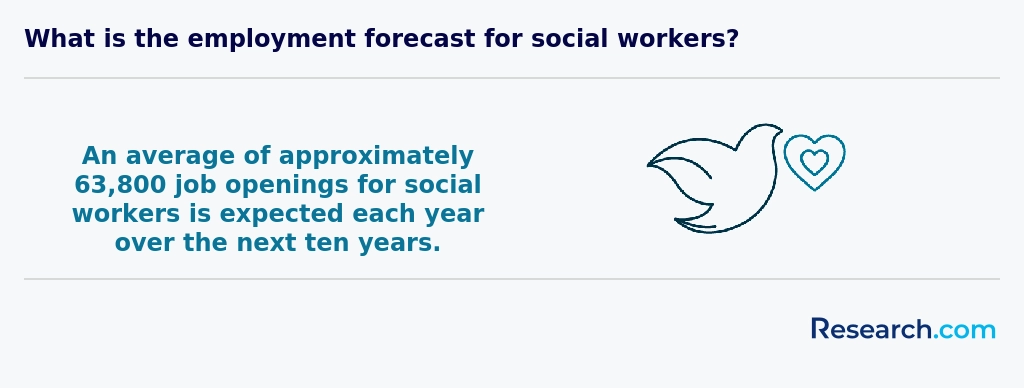
- The social work job market in Missouri is expected to grow by about 10% over the next decade, driven by demand in mental health and child welfare.
- Licensure requires supervised fieldwork hours, with common credentials being Licensed Master Social Worker (LMSW) and Licensed Clinical Social Worker (LCSW).
How long does it take to complete social work degree in Missouri?
Completing a social work degree in Missouri is an achievable and rewarding journey that typically spans about four years when pursuing a Bachelor of Social Work (BSW) full-time at well-known institutions like the University of Missouri or Missouri State University. Many graduates share how the structured, yet supportive environment helped them stay focused and motivated throughout their studies.
For those eager to deepen their expertise, a Master of Social Work (MSW) usually takes around two years full-time. However, some students have embraced accelerated pathways at schools such as Washington University in St. Louis, finishing their MSW in just one year by leveraging prior experience or a BSW degree, turning their dreams into reality even faster.
Many students balance part-time or online study while working, extending completion to three to six years-a flexible option that has empowered busy professionals across Missouri to advance at their own pace without sacrificing personal commitments.
Future Trends and Industry Outlook in Missouri Social Work Education
The evolving landscape of social work is not only reshaping community services but also calling for innovative educational approaches. As demand for skilled social workers continues to grow in Missouri, future prospects include expanded digital learning formats, integration of technology in practice, and heightened emphasis on data-driven interventions. Programs are increasingly incorporating emerging trends such as telehealth practices and community-based research to better prepare graduates for a dynamic job market. Additionally, shedding light on factors like evolving regulatory requirements and new fields of specialization will equip students with a forward-thinking mindset. In this context, students are encouraged to explore further educational opportunities, such as what is the most affordable online doctorate in social work, which can offer flexible learning options while advancing professional expertise. By staying ahead of these trends, aspiring social work professionals in Missouri can ensure they remain competitive, adaptable, and ready to address complex social challenges head-on.
What's the difference between online and on-campus social work degree?
Online and on-campus social work degrees in Missouri both open doors to rewarding careers but offer unique experiences tailored to different lifestyles. Graduates from the University of Missouri often share how the on-campus setting allowed them to build lasting relationships through face-to-face classes and group projects, sparking genuine connections that enriched their learning journey.
Meanwhile, students pursuing their degrees online at Missouri State University celebrate the freedom to study on their own time, balancing work and family while accessing lectures whenever it suits them. They still engage deeply, completing hands-on field placements within their communities, bringing practical knowledge that feels immediately relevant.
Whether walking the vibrant university halls or learning from the comfort of home, both paths in Missouri provide accredited, high-quality education aligned with licensure requirements. Each graduate's story reflects personal growth fueled by passion and flexibility, proving that a social work degree here can adapt beautifully to your unique needs and ambitions.
Affordability and Financial Considerations for Social Work Students in Missouri
For prospective students considering a Social Work degree in Missouri, one of the most critical factors to evaluate is the affordability of programs. Understanding the costs associated with pursuing a degree in this field can help in making informed decisions. When exploring options, it's essential to consider not just the tuition fees but also other expenses such as textbooks, living costs, and any additional fees for internships or practicums. Many students find that pursuing an online degree can offer a more affordable pathway, especially when considering the flexibility it provides for balancing work and study. For instance, finding the cheapest online social work school in Missouri can be a crucial step in planning for educational expenses without compromising on the quality of education. By carefully evaluating these financial considerations, aspiring social workers can set themselves up for success both academically and professionally.
What is the average cost of social work degree in Missouri?
Understanding the average cost of a social work degree in Missouri is a vital step for anyone passionate about making a difference through this rewarding field. On average, completing a social work degree in Missouri costs around $38,073. For in-state students, the median total expenditure is more affordable, about $14,837, which has been a hopeful motivator for many graduates who found opportunities at well-known institutions such as the University of Missouri. These students often recall how the investment felt worthwhile as they stepped confidently into careers helping communities across the state.
Many students pursuing social work in Missouri find that budgeting smartly and exploring financial aid options helps them manage these costs effectively. Those attending private colleges like Fontbonne University or Saint Louis University may face higher tuition, but they also experience enriching environments that prepare them thoroughly for impactful social work careers. The journey can be challenging but also deeply inspiring as students witness their growth and development amid supportive faculty and peers.
Prospective students interested in flexible options might consider online programs that can lower expenses while balancing existing commitments. For those seeking affordable paths, Missouri's offerings include resources such as scholarships and targeted aid. To explore less costly alternatives, you can check out the cheapest online social work school in Missouri which many part-time students have successfully utilized to advance their education without overwhelming financial strain.
Missouri social work degree tuition fees reflect a blend of quality, accessibility, and community-oriented education that empowers graduates to make real change. The strong sense of purpose and connection students build during their studies fuels their optimism and commitment to the profession's vital work.

Affordable Social Work Program Alternatives
For students seeking to balance educational quality with budget considerations, exploring cost-effective social work degree options can make a significant difference in long-term financial wellness. While Missouri’s leading universities deliver comprehensive curricula and extensive field practicum experiences, tuition rates and living expenses may challenge those with limited resources. One strategic approach is to compare in-state program costs alongside reputable alternatives in neighboring regions. For example, prospective students can review our Low Cost Social Work Degree Programs Ranking in West Virginia to identify accredited programs that maintain rigorous academic standards at lower price points. In addition to evaluating tuition, consider total cost of attendance-including fees, textbooks, and commuting expenses-and explore programs offering guaranteed tuition locks or modular billing. Online and hybrid models often reduce campus fees and parking costs, while part-time enrollment can spread expenses over a longer period without sacrificing progress. Prospective applicants should also investigate consortium agreements, which allow enrollment in partner institutions at reduced rates. To further enhance affordability, students can: • Leverage merit-based scholarships specific to social work specializations • Apply early for institutional grants, as many awards are disbursed on a first-come, first-served basis • Seek graduate assistantships or teaching fellowships that provide tuition remission along with stipends By adopting a comparative cost analysis and considering alternative program pathways, aspiring social workers can secure high-value education without compromising their financial stability.
What financial aid is available to social work degree students in Missouri?
Students pursuing social work degrees at schools like the University of Missouri or St. Louis Community College often find financial aid opportunities that truly lift their spirits and lighten their financial load. Federal and state grants, such as the Pell Grant and the Access Missouri Financial Assistance Program, provide invaluable support by covering thousands without the need for repayment. Graduates recall how these grants made focusing on studies and fieldwork possible without constant worry about expenses.
Many others benefit from federal student loans with low interest and flexible repayment, allowing them to invest confidently in their future. Graduate students, especially those at Missouri State University, appreciate the availability of unsubsidized loans that help offset the higher cost of advanced social work programs.
Scholarships from organizations like the Missouri Chapter of NASW bring encouragement and recognition, rewarding dedication and passion. Working part-time through college programs or assistantships often transforms learning into practical experience, keeping students motivated and connected to their communities. The promise of loan forgiveness for public service professionals adds inspiring hope for a rewarding social work career in Missouri.
Return on Investment for Social Work Degrees in Missouri
Investing in a Social Work degree in Missouri requires weighing upfront costs against long-term benefits. By assessing tuition, fees, and potential debt alongside earning potential and career growth, you can make a data-driven decision. Average Costs and Debt
- Bachelor of Social Work (BSW): $8,000–$40,000 per year in tuition
- Master of Social Work (MSW): $10,000–$50,000 per year in tuition
- Average student loan debt for social work graduates: $29,000
- Additional expenses (books, practicum fees): $1,500–$3,000 annually Projected Earnings
- Entry-level Social Worker: $40,000–$50,000 per year
- Mean Annual Wage in Missouri: $64,360 ($30.94/hour)
- Community Organizers: $79,310/year ($38.13/hour) Payback Period Assuming $35,000 in total debt at a 5% interest rate:
- Monthly payment: ~$370
- Time to repay: ~10 years
- Break-even salary threshold: $50,000+ Strategies to Enhance ROI
- Leverage scholarships and grants highlighted in our financial aid section to reduce debt load.
- Optimize field placements to gain paid or stipend-based internships.
- Compare program costs across institutions and explore colleges with cheap social work programs to minimize tuition.
- Pursue specialization in high-demand areas (e.g., mental health, substance abuse) to command higher salaries. By understanding these factors, prospective students can select programs that balance affordability with quality, ensuring a strong return on investment and a fulfilling career in social work.
What are the prerequisites for enrolling in social work degree program in Missouri?
To enroll in a social work degree program in Missouri, you'll need to embrace foundational academic steps that set you up for success and growth. For a Bachelor of Social Work (BSW) at many Missouri universities, a high school diploma with a minimum GPA around 2.5 is usually expected, reflecting your dedication and readiness to take on this rewarding journey. Many students find that completing courses in psychology, sociology, or English helps them feel confident and prepared from the start.
Graduate programs, such as the Master of Social Work (MSW), typically require a bachelor's degree-often related to social work or human services-showcasing your commitment to helping others. Missouri MSW applicants often submit GRE scores, recommendation letters, and personal statements that share their passion for social change, much like graduates from well-known institutions across the state who reflect on how these requirements helped shape their meaningful careers.
Hands-on experience through volunteering or fieldwork is also a vital part of your journey. Many students recall how their time serving local communities in Missouri not only enriched their applications but deepened their empathy and resolve to make a difference.

Licensing and Certification Requirements
After earning your social work degree, follow these essential steps to become licensed in Missouri:
- Graduate from a CSWE-accredited BSW or MSW program. For flexibility, consider msw online programs.
- Pass the Association of Social Work Boards (ASWB) exam for Licensed Master Social Worker (LMSW).
- Complete 2,000 hours of supervised post-master’s experience under an LMSW or LCSW supervisor.
- Pass the ASWB Advanced Generalist or Clinical exam to earn your Licensed Clinical Social Worker (LCSW) credential.
- Submit your application and required fees to the Missouri Committee for Social Workers.
- Maintain your license by completing 30 hours of continuing education every two years.
What courses are typically in social work degree programs in Missouri?
Social work degree programs in Missouri inspire students to deeply engage with courses that build a solid foundation for making a real difference in people's lives. Graduates from well-known institutions like the University of Missouri or Missouri State University often highlight how courses such as introduction to social work provide essential insights into ethics, history, and core values that shape compassionate practitioners.
Students find courses on human behavior and the social environment enriching, helping them understand the diverse communities they will serve. Learning about social welfare policy enables them to navigate the complex systems affecting individuals and families. Graduates often recall how practice methods courses boosted their confidence by teaching intervention strategies like counseling and advocacy, skills they use daily in internships and field placements.
- Research methods and statistics prepare students to evaluate programs critically and support evidence-based decisions.
- Field education offers hands-on experience in settings that bring classroom learning vividly to life.
- Specialized classes in child welfare and mental health equip future professionals with tools to meet unique client needs.
These enriching courses ensure Missouri's social work students graduate ready to embrace challenges with empathy and skill, empowered to transform communities.
What types of specializations are available in social work degree programs in Missouri?
Social work degrees in Missouri offer inspiring opportunities to specialize in areas that truly make a difference. Graduates from popular universities like the University of Missouri and Washington University find joy in focusing on child and family welfare, working directly with foster care systems and adoption services. Others choose clinical social work, helping individuals overcome mental health challenges through compassionate therapy and counseling. School social work is another vital specialization, where students learn to support children facing barriers to learning, creating positive change in educational settings throughout Missouri.
Healthcare social work students, inspired by real hospital experiences, provide essential support to patients and families navigating medical challenges. The growing emphasis on gerontology also reflects Missouri's commitment to its aging population, with graduates passionately assisting older adults with health, housing, and social integration. Many students find meaning in the substance abuse and addiction specialization, aiming to guide individuals through recovery journeys.
This varied array of social work degree specializations Missouri programs offer ensures every student can find a path that inspires purpose. For a deeper understanding of cost-efficient options, explore what is the most affordable online doctorate in social work.
How do you choose the best social work degree in Missouri?
Choosing the best social work degree programs Missouri offers starts with aligning your goals to the right degree type. Graduates from the University of Missouri often share how earning a BSW energized them with practical skills for entry-level roles, while those pursuing an MSW found doors open to advanced clinical positions and leadership. Selecting a CSWE-accredited program is non-negotiable, as it ensures your education meets rigorous standards and positions you well for Missouri's licensure exams.
Many students remark on the vibrant urban campuses in St. Louis and Kansas City, where field placements connect them deeply to the community and build lasting professional networks. The flexibility of online options paired with affordable tuition at public institutions creates pathways for every aspiring social worker. For those mindful of costs, exploring colleges with cheap social work programs can be a game-changer.
With faculty dedicated to nurturing your success and hands-on experiences embedded in programs, your journey to becoming a compassionate social worker in Missouri can be fulfilling and inspiring.
What career paths are available for social work degree students in Missouri?
Graduates with a social work degree in Missouri find inspiring career opportunities across public, private, and nonprofit sectors, where their dedication truly makes a difference. Many pursue licensure as clinical social workers, providing therapy and mental health counseling in communities throughout the state. Institutions like the University of Missouri offer robust programs that prepare students to meet the rising demand for LCSWs, especially in underserved rural areas. For those passionate about child welfare, roles with the Missouri Children's Division, such as case managers or child protective specialists, enable graduates from colleges like Missouri State University to protect and support vulnerable families, embodying hope and change.
In healthcare, graduates work in hospitals and rehabilitation centers, guiding patients through complex systems and ensuring compassionate care. Social workers also thrive in community organizations tackling homelessness, substance abuse, and poverty, turning challenges into opportunities for growth. Missouri's diverse social work degree job prospects continue to expand, inspiring new students to envision a rewarding future in this impactful field.
For those considering affordability, the Low Cost Social Work Degree Programs Ranking in West Virginia offers helpful insights as they plan their educational journey.
What is the job market for social work degree in Missouri?
The social work degree job market in Missouri offers exciting opportunities for graduates eager to make a real difference in their communities. Graduates from well-known programs at universities such as the University of Missouri or Webster University share inspiring stories of quickly finding roles in healthcare, child welfare, and schools throughout St. Louis and Kansas City. These growing urban centers provide many openings, reflecting strong social work job outlook Missouri trends driven by expanding mental health and substance abuse services. The practical experience gained during studies prepares students to confidently step into positions that require a bachelor's or master's degree, along with state licensure.
Social work career opportunities Missouri-wide are flourishing in settings where compassionate professionals are vital. Graduates describe a rewarding journey working alongside licensed clinical social workers, often earning competitive salaries starting around $40,000 and rising with experience. With support from scholarships and programs that ease education costs, students can explore pathways without overwhelming financial pressure. For those exploring further, considering the easiest phds to get can be a smooth step toward advanced expertise and leadership roles.
Frequently Asked Questions About social work
Social work degree students in Missouri can enhance their learning by engaging actively in field placements, which are required components of accredited programs. The Missouri Chapter of the National Association of Social Workers highlights that practical experience in diverse settings helps build critical skills. Pursuing internships with organizations like the Missouri Department of Social Services offers exposure to real-world challenges. Additionally, joining student chapters of professional associations facilitates networking and access to workshops. Missouri schools often provide opportunities for interdisciplinary collaboration, enriching understanding across related fields. Utilizing state resources and academic advising ensures coursework aligns with the Missouri licensing board requirements for social workers.
Emerging niches within the social work field in Missouri reflect growing societal needs and evolving public health challenges. One expanding area is geriatric social work, addressing the state's aging population. According to the Missouri Department of Health, the number of residents aged 65 and older is expected to increase by over 30% by 2030, prompting demand for specialized elder care support.
Another emerging niche is behavioral health, with social workers focusing on mental health and substance abuse issues. The Missouri Behavioral Health Council notes a rising need for professionals trained in trauma-informed care and integrated treatment approaches.
Additionally, social workers in schools and child welfare continue gaining prominence, supported by statewide initiatives to improve youth outcomes. These developing specialties offer new opportunities for students seeking impactful careers in Missouri.
After completing a social work degree in Missouri, preparing for the job market involves several key steps. First, obtaining licensure is essential; the Missouri Committee for Social Work Licensure requires passing the Association of Social Work Boards (ASWB) exam. The licensed social worker status increases employability in public agencies, healthcare, and private organizations. Networking through Missouri's local social work associations and attending career fairs can provide valuable connections and job leads. Additionally, gaining practical experience through internships or volunteering helps build relevant skills. According to the Bureau of Labor Statistics, employment for social workers in Missouri is projected to grow 12% from 2022 to 2032, indicating solid job prospects.
Employers in Missouri value several key skills in social work degree graduates. Strong communication abilities are essential, as social workers must interact effectively with clients, families, and multidisciplinary teams. Critical thinking and problem-solving skills enable professionals to assess complex situations and develop appropriate intervention plans.
Additionally, cultural competence is increasingly important in Missouri's diverse communities. Graduates must demonstrate sensitivity to different backgrounds to provide equitable support. According to the Missouri Department of Social Services, case management and crisis intervention skills remain highly sought after, reflecting demands in child welfare and mental health sectors.
Understanding ethical standards and maintaining professionalism are also crucial for successful careers in Missouri social work.
Finding internships in Missouri related to a social work degree involves several practical steps. First, consult your university's social work department or career services, as many Missouri schools maintain partnerships with local agencies. The Missouri Department of Social Services is a key resource offering internship opportunities in child welfare, mental health, and community programs.
Additionally, the National Association of Social Workers (NASW) Missouri chapter provides listings and networking events specific to the state, helping students connect with licensed professionals and placements. Many internships require adherence to the Council on Social Work Education (CSWE) standards, which most accredited Missouri programs follow.
It's also beneficial to explore hospitals, nonprofits, and government agencies in larger cities like St. Louis and Kansas City, where demand for social services interns is higher.
A social work degree in Missouri significantly enhances career mobility and advancement opportunities. Holding at least a Bachelor of Social Work (BSW) is essential for entry-level roles, while a Master of Social Work (MSW) opens doors to clinical positions and leadership. According to the Missouri Department of Social Services, professionals with an MSW are more likely to obtain licensure as Licensed Clinical Social Workers (LCSWs), which is required for advanced clinical roles.
The US Bureau of Labor Statistics reports that Missouri's employment for social workers is projected to grow 12% through 2031, faster than average for all occupations, indicating increasing demand and potential for job advancement. Earning a degree from an accredited institution also strengthens eligibility for specialized roles in healthcare, schools, and government agencies throughout the state.
Studying for a social work degree in Missouri equips students with the skills necessary for interdisciplinary collaboration across healthcare, education, and criminal justice systems. Missouri's accredited programs emphasize practical experience, often through internships in diverse community settings where social workers coordinate with counselors, nurses, and law enforcement. According to the Missouri Economic Research and Information Center, social work employment is projected to grow by 12% through 2030, highlighting the demand for professionals adaptable to many roles.
Courses focus on communication, ethics, and cultural competence, vital for working effectively with varied professionals and client needs. This interdisciplinary training prepares graduates to contribute meaningfully in team environments and complex social systems.
Choosing between a thesis and a non-thesis social work degree program in Missouri depends largely on your career goals and time commitment. Thesis programs emphasize research and require students to complete an original study, which can be beneficial if you plan to pursue a doctoral degree or work in policy or academic research. Non-thesis programs focus more on practical skills and fieldwork, often attracting students aiming for direct practice roles in social work agencies.
In Missouri, the Council on Social Work Education (CSWE) accredits many programs, ensuring both options meet professional standards. Data from the Missouri Department of Higher Education show that non-thesis paths typically take less time to complete, averaging two years, while thesis options might extend the timeline. Consider your professional aspirations and available time when deciding.
Students based in Missouri who want to study social work abroad have several options through exchange programs and study abroad partnerships offered by Missouri universities. Many schools with accredited social work programs encourage international experience to broaden cultural competencies, which are essential in the field.
For example, the University of Missouri System offers study abroad opportunities in countries such as Spain, Ireland, and South Africa, often including social work-related internships. These programs combine classroom learning with practical fieldwork, helping students understand global social issues.
Missouri students should also explore short-term faculty-led programs or semester-long exchanges. Participating in these initiatives can enhance their resumes and meet accreditation requirements set by the Council on Social Work Education (CSWE).
In Missouri, part-time job opportunities that complement social work degree education often involve direct community engagement and experience with vulnerable populations. Positions such as case aide or counselor assistant in local social service agencies provide practical exposure to client needs and support systems. According to the Missouri Department of Social Services, internships or part-time roles in child welfare or adult protective services are common entry points for students to build relevant skills.
Nonprofits focused on mental health and substance abuse recovery also offer part-time roles crucial for hands-on learning. These jobs help students understand intervention strategies and client advocacy within Missouri's diverse communities.
Working part-time in residential treatment centers or school-based support programs gives students insight into social work challenges in educational and healthcare settings. These experiences align well with curricula from Missouri's accredited universities, preparing students for future licensure requirements.
Social work students in Missouri have access to numerous networking opportunities that enhance professional growth. The Missouri Chapter of the National Association of Social Workers (NASW-MO) is a prominent organization offering events, workshops, and conferences tailored to social work students and professionals. Through NASW-MO, students can connect with licensed social workers and gain insights into local job markets and licensure requirements.
Many universities partner with community agencies and state programs, providing internships that serve as vital networking platforms. Additionally, Career Services at Missouri colleges often host job fairs focused on social services.
According to NASW-MO reports, participation in these events has increased by 15% in recent years, reflecting growing student engagement across the state.
Alumni networks provide valuable support to social work degree students in Missouri by facilitating professional connections. Graduates often share job opportunities, internships, and field placements, which is vital in a competitive job market. According to the National Association of Social Workers Missouri Chapter, approximately 20% of recent social work graduates find employment through such networks.
These networks also foster mentorship, allowing current students to receive guidance from experienced professionals in the state's social services sector. This mentorship can improve students' practical skills and increase their chances of licensure success.
Additionally, alumni connections help students stay informed about state-specific policy changes and continuing education options in Missouri, which are essential in a rapidly evolving social work landscape.
Customizing a social work degree program in Missouri allows students to align their education with specific career goals. Many Missouri universities offer concentrations such as clinical social work, child and family welfare, or community development. By choosing electives and field placements that focus on desired areas, students gain practical experience tailored to their interests.
Missouri requires supervised fieldwork hours for licensure, so selecting internships in settings like healthcare, schools, or non-profits is key. Additionally, some programs provide opportunities for research or policy advocacy, enabling students to develop specialized skills.
According to the Missouri Department of Social Services, tailored educational paths help graduates meet local workforce needs effectively.
Social work students in Missouri often encounter rigorous academic demands combined with practical fieldwork requirements. Many must balance coursework that covers diverse topics such as human behavior, social policies, and ethics, alongside mandatory internships in community agencies. According to the Missouri Department of Higher Education, approximately 70% of social work students cite managing time between classes and field placements as a significant challenge.
Another major difficulty is coping with the emotional stress that comes from exposure to sensitive client situations during practicum experiences. This can sometimes lead to burnout or compassion fatigue.
Financial constraints also affect many students, given the cost of tuition and limited scholarships specifically for social work programs in Missouri.
With a social work degree in Missouri, you can pursue several professional certifications to enhance your career opportunities. The most common certification is the Licensed Master Social Worker (LMSW), which requires a Master of Social Work (MSW) degree and passing the Association of Social Work Boards (ASWB) exam. This license permits practice under supervision.
To work independently, social workers in Missouri often pursue the Licensed Clinical Social Worker (LCSW) credential, requiring supervised post-master's experience and a clinical exam. According to the Missouri Division of Professional Registration, the state had over 5,000 licensed social workers as of 2023.
Additional certifications include those in specialized areas such as school social work or substance abuse counseling, which can be pursued after initial licensure to expand job roles and expertise.
Writing a winning application for a social work program in Missouri begins with understanding the state's educational expectations. Most accredited programs require a minimum GPA of 3.0 and emphasize relevant volunteer or work experience. Highlighting involvement in community service related to social work strengthens your profile. The Missouri Department of Higher Education recommends applicants clearly articulate their motivation for pursuing social work, demonstrating awareness of the field's challenges and rewards.
Strong personal statements that discuss your commitment to helping vulnerable populations and your career goals are essential. Additionally, obtaining letters of recommendation from professionals familiar with your interpersonal skills supports your application. According to the Council on Social Work Education, Missouri has over 15 accredited social work programs, so tailoring your application to align with specific program values can improve your chances. Finally, preparing for any required entrance exams or interviews with thorough practice is advised to present your best self.
Social work as a profession holds varied global significance, but in the United States, including Missouri, it focuses strongly on both local and international social issues. Social workers are trained to address challenges like poverty, mental health, and family welfare, which are common concerns worldwide. According to the National Association of Social Workers, Missouri ranks near the national average in the number of licensed social workers, reflecting steady demand.
Globally, social work emphasizes cultural competence and human rights, skills emphasized in Missouri's degree programs. Students learn to apply ethical standards in diverse settings, preparing them for careers that impact communities both locally and abroad. This global perspective enriches Missouri professionals' ability to serve increasingly diverse populations effectively.
Gaining practical experience while studying for a social work degree in Missouri typically involves completing field placements or internships, which are required components of most accredited programs. These placements allow students to work directly with clients under supervision in settings such as hospitals, schools, or community agencies. The Missouri State Committee for Social Work Licensure mandates hands-on experience to ensure graduates meet professional standards.
Many universities collaborate with local organizations, offering students access to diverse populations. According to the Council on Social Work Education, over 90% of Missouri social work programs incorporate these field experiences. Students can also seek volunteer opportunities to build skills and professional networks, enhancing employment prospects after graduation.
Choosing the right concentration within a social work degree in Missouri involves understanding your career goals and the state's needs. Missouri universities often offer concentrations like clinical social work, child welfare, and community development. Each focuses on different skills, from counseling individuals to managing public programs.
Consider Missouri's workforce data: the demand for social workers in mental health and substance abuse is growing faster than average, according to the Bureau of Labor Statistics. This can guide your choice if job availability matters.
Review program accreditation and curriculum to ensure your concentration meets Missouri's licensing requirements for social work. Also, seek programs with strong internship opportunities within the local community to gain relevant practical experience.
Related Social Work Rankings for Nearby States
- 2027 Most Popular Social Work Degree Programs Ranking in Kansas
- 2027 Most Popular Social Work Degree Programs Ranking in Iowa
- 2027 Most Popular Social Work Degree Programs Ranking in Nebraska
- 2027 Most Popular Social Work Degree Programs Ranking in Arkansas
- 2027 Most Popular Social Work Degree Programs Ranking in Oklahoma
- 2027 Most Popular Social Work Degree Programs Ranking in Kentucky
- 2027 Most Popular Social Work Degree Programs Ranking in Indiana
- 2027 Most Popular Social Work Degree Programs Ranking in Minnesota
- 2027 Most Popular Social Work Degree Programs Ranking in Colorado
- 2027 Most Popular Social Work Degree Programs Ranking in Mississippi
Top Trending Social Work Rankings
See What Experts Have To Say About Studying Social Work
Read our interview with Social Work experts

References
- The Evolution of Online Social Work Education https://www.socialworktoday.com/news/enews_0317_1.shtml
- The Best International Social Work Internships for Undergrads and Grads https://www.internhq.com/fields/social-work/
- Social Work Education: Interdisciplinary teams a growing area of training https://www.socialworkblog.org/featured-articles/2018/04/social-work-education-interdisciplinary-teams-a-growing-area-of-training/
- The Power of Finding Your Niche as a Social Worker https://www.credentialedapparel.com/blogs/news/the-power-of-finding-your-niche-as-a-social-worker
- 585 Institutions offering Social Work Courses Abroad https://www.hotcoursesabroad.com/study/training-degrees/international/social-work-courses/cgory/l19-3/sin/ct/programs.html
- Social Work Careers https://socialworklicensemap.com/social-work-careers/
- Missouri Social Work License - Public Health https://www.publichealthonline.org/human-services/missouri-social-work-license/
- Grand Challenges for Social Work https://grandchallengesforsocialwork.org/
- Social Work https://www.wits.ac.za/course-finder/undergraduate/humanities/social-work/
- Global Perspectives in Social Work https://www.gu.se/en/study-in-gothenburg/exchange-student/courses/sw1118


