
2027 Most Popular Social Work Degree Programs Ranking in Minnesota

Co-Founder and Chief Data Scientist
Choosing the right social work degree program can shape your future and open doors to meaningful career opportunities. This article introduces the 2027 Most Popular Social Work Degree Programs Ranking in Minnesota, created by the Research.com team of data scientists.
Designed to help you make an informed decision, the ranking highlights programs that stand out in quality and popularity across the state. Pursuing a social work degree not only empowers you to support communities but also builds valuable skills for lasting impact.
Explore your options confidently and take the next step toward a rewarding career in social work.
Key benefits of getting social work degree in Minnesota
- Salary for social work degree graduates: Graduates in Minnesota can expect competitive salaries, with Social Workers earning a mean annual wage of $68,800 and Child Welfare Specialists earning about $59,190, reflecting rewarding opportunities in these vital roles.
- Career paths: Social work graduates often find roles as Residential Counselors, Youth Workers, or Community Organizers, with wages ranging from $59,190 to $83,400, demonstrating diverse and impactful career options in Minnesota.
- Online degree benefits: Earning a social work degree online from a respected Minnesota university offers flexible scheduling and accessibility, perfectly supporting busy students and enabling them to balance work, family, and studies efficiently.
- Key benefits of getting social work degree in Minnesota
- What can I expect from social work degree in Minnesota?
- Where can I work with social work degree in Minnesota?
- How much can I make with social work degree in Minnesota?
- 2027 Most Popular Social Work Degree Programs Ranking in Minnesota
- Key Findings
- How long does it take to complete social work degree in Minnesota?
- Most Affordable Options for Social Work Education in Minnesota
- What's the difference between online and on-campus social work degree?
- Application Process and Admission Tips
- What is the average cost of social work degree in Minnesota?
- Licensing Requirements in Minnesota
- What financial aid is available to social work degree students in Minnesota?
- Accreditation and Licensure Process in Minnesota
- What are the prerequisites for enrolling in social work degree program in Minnesota?
- Online Social Work Education: Flexible & Forward-Thinking Learning
- What courses are typically in social work degree programs in Minnesota?
- What types of specializations are available in social work degree programs in Minnesota?
- How do you choose the best social work degree in Minnesota?
- What career paths are available for social work degree students in Minnesota?
- What is the job market for social work degree in Minnesota?
- Related Social Work Rankings for Nearby States
- Top Trending Social Work Rankings
- See What Experts Have To Say About Studying Social Work
What can I expect from social work degree in Minnesota?
The average cost of pursuing a social work degree in Minnesota varies depending on the institution and degree level. For example, graduates from the University of Minnesota report tuition expenses around $15,000 to $20,000 per year for in-state students pursuing a Bachelor of Social Work (BSW). Augsburg University, another prominent school, offers competitive rates with annual tuition near $12,000 to $18,000 for similar programs. These costs typically exclude additional fees like textbooks and fieldwork expenses.
Many students highlight the value of accredited programs, such as those recognized by the Council on Social Work Education, which integrate hands-on internships crucial for real-world experience. Graduates often express satisfaction with the practical skills gained, supporting their readiness for diverse roles in social services across Minnesota.
Considering the duration, a BSW generally spans four years, accumulating total tuition of approximately $48,000 to $80,000. Master of Social Work (MSW) programs, which require two years, might cost between $30,000 and $50,000 overall. These investments align with the strong job market and projected 12% growth in Minnesota social work employment through 2032, providing a promising return for students.
Where can I work with social work degree in Minnesota?
Graduates with a social work degree in Minnesota have diverse employment opportunities across multiple sectors. Many find roles in government agencies such as the Minnesota Department of Human Services, working on child protection or public health programs, providing stable jobs with strong benefits. For example, graduates from the University of Minnesota often report rewarding experiences assisting vulnerable populations navigate social services.
Healthcare settings are prominent employers, with institutions like Mayo Clinic and Fairview Health Services hiring licensed clinical social workers. Here, social workers contribute to patient care by addressing emotional and social factors, enhancing health outcomes. Graduates from Metropolitan State University have shared how clinical placements in these facilities sharpened their practical skills.
Educational institutions employ social workers to support students facing behavioral or family challenges, collaborating with teachers and counselors. Many from St. Catherine University value this pathway for its impact on student success. Non-profits in cities like Minneapolis and St. Paul also attract social workers focused on homelessness, social justice, and advocacy, creating vibrant roles for graduates eager to drive community change.
Private practice remains an attractive option for licensed clinical social workers, buoyed by increasing demand for mental health services and telehealth expansion. According to Minnesota Board of Social Work data, this growth opens doors for those completing clinical certifications, reflecting a positive outlook for new social workers statewide.
How much can I make with social work degree in Minnesota?
Graduates with a social work degree in Minnesota can expect varied earnings depending on their specific role and experience. According to BLS data, social workers in Minnesota earn a mean annual wage of about $68,800. Those working as Child Welfare Specialists or Residential Counselors typically earn around $59,190 annually. Meanwhile, roles like Community Organizer and Youth Worker command higher wages near $83,400.
For many graduates from universities such as the University of Minnesota or St. Catherine University, starting salaries often range from $40,000 to $50,000. These early-career figures reflect positions in public sector settings, which offer job stability and benefits but moderate pay. With advanced certifications and clinical licensure, alumni often move into positions with salaries topping $75,000, especially in urban centers like Minneapolis, where demand and funding for social services are higher.
These figures highlight the rewarding and steadily growing opportunities in Minnesota's social work sector. Graduates frequently report satisfaction in blending meaningful work with financial stability, especially as they deepen their expertise or specialize in areas like substance abuse or mental health.
2027 Most Popular Social Work Degree Programs Ranking in Minnesota
How do we rank schools?
Investing in your education is a significant decision that can shape your future, and the Research.com team understands the importance of making informed choices. To assist prospective students, we have meticulously crafted the "2027 Most Popular Social Work Degree Programs Ranking in Minnesota." Our commitment to quality, credibility, and accuracy is reflected in the extensive research and analysis conducted to compile this ranking.
We utilized the following reputable data sources to ensure a comprehensive evaluation of social work degree programs:
By exploring this ranking, readers will gain valuable insights into the most popular social work programs in Minnesota, helping them make well-informed decisions about their educational paths and career goals. For more details on our methodology, please visit our Research.com methodology page.



Key Findings
- Social work degrees in Minnesota are offered at both Bachelor (BSW) and Master (MSW) levels through public and private institutions.
- Annual tuition for in-state students at public universities ranges from $9,000 to $12,000, while private schools charge between $20,000 and $30,000.
- Job growth for social workers in Minnesota is expected to increase by about 9% through 2032, matching national forecasts.
- Starting salaries for new social workers are typically $45,000 to $50,000 annually, with median salaries rising to $60,000 to $65,000 after gaining experience.
- Licensure is required to practice independently and involves graduating from an accredited program and passing a national exam, with ongoing education needed to maintain the license.
How long does it take to complete social work degree in Minnesota?
Completing a social work degree in Minnesota typically centers around the degree level pursued. Graduates from institutions like the University of Minnesota and St. Catherine University often report that earning a Bachelor of Social Work (BSW) takes about four years of full-time study, matching the standard duration of undergraduate programs nationwide. This timeframe allows students to engage deeply with foundational social work principles while balancing academic and personal responsibilities.
For those entering with a bachelor's degree in another field, the Master of Social Work (MSW) is the usual route. Full-time MSW students at popular Minnesota schools generally finish in two years, while accelerated MSW programs reduce this to approximately one year, though these demand intense coursework and prior experience. Many working professionals appreciate part-time MSW options, commonly extending to three or four years, offering flexibility to balance work, internships, and study.
Practical field placements, a vital component of these programs, integrate into student schedules without significantly prolonging completion time, yet require careful time management. Graduates often express satisfaction with how accredited programs in Minnesota prepare them efficiently for licensure and professional practice.
Most Affordable Options for Social Work Education in Minnesota
For students in Minnesota looking to pursue a degree in social work without breaking the bank, there are several factors to consider. One crucial aspect is the cost of tuition, which can significantly vary between institutions. To find the most affordable social work program, it's essential to research and compare the tuition fees of different universities. For instance, students can look into programs offered by public universities, which often have lower tuition rates compared to private institutions. Additionally, some universities may offer financial aid, scholarships, or grants specifically for social work students, which can help alleviate the financial burden. If you're interested in exploring affordable options, you can visit our page on affordable social work school in minnesota to discover more about the cost-effective pathways to a social work degree in Minnesota. By taking the time to investigate these options, aspiring social workers can make informed decisions about their education, ensuring they can achieve their career goals without accumulating excessive debt.
What's the difference between online and on-campus social work degree?
In Minnesota, online and on-campus social work degrees differ primarily in delivery and student interaction. Online programs, such as those at Bemidji State and Metropolitan State University, provide flexibility with asynchronous coursework, allowing students-often working adults or caregivers-to study on their own schedule. Graduates from these programs frequently appreciate the ability to balance internships and jobs while pursuing their degree.
On-campus degrees emphasize face-to-face engagement. Students benefit from real-time discussions, mentorship, and collaborative group work, which cultivates interpersonal skills crucial to social work practice. Graduates recall how direct interaction with faculty and peers strengthened their confidence and professional networking.
Both formats require in-person field placements in Minnesota social service agencies, though online students must independently arrange these, sometimes posing challenges without campus support. Tuition ranges from $10,000 to $25,000 annually, with comparable costs between formats, although online learners may encounter extra technology fees or travel expenses for on-site requirements.
Application Process and Admission Tips
To secure your spot in a top Social Work degree program in Minnesota, follow these proven steps: 1. Confirm Deadlines and Requirements - Review each school’s application deadline (typically October–December for fall entry). - Note required GPA (often 2.5–3.0 minimum) and prerequisite coursework (introductory psychology, sociology, statistics). 2. Gather Strong Application Materials - Transcripts: Order official copies from all institutions. - Letters of Recommendation: Request 2–3 letters from academic mentors or supervisors who can attest to your leadership, empathy, and analytical skills. - Personal Statement: Craft a 500–700-word narrative that highlights your commitment to social justice, relevant volunteer or work experiences, and career goals. Use concrete examples (e.g., coordinating a local food drive) to demonstrate impact. 3. Showcase Relevant Experience - Volunteer or work in social service agencies at least 50–100 hours before applying. This hands-on engagement evidences your dedication and helps you write a compelling personal statement. - Keep a reflective journal of case studies or client interactions to reference in interviews. 4. Prepare for an Interview - Anticipate behavioral questions (“Describe a time you advocated for a client.”) and prepare STAR (Situation, Task, Action, Result) answers. - Demonstrate knowledge of Minnesota’s licensing process (e.g., passing the ASWB exam) and ethical standards. 5. Optimize Your Application - Proofread all documents for clarity and grammar to ensure readability by admissions committees and automated resume-scanning tools. - Use keywords like “community advocacy,” “clinical placement,” and “social justice” throughout your statement to align with program values and improve SEO visibility. For students prioritizing affordability and flexibility, compare tuition savings strategies by exploring the Low Cost Online Master’s in Social Work Degree Programs Ranking in Texas, which can inform your financial planning and program selection.
What is the average cost of social work degree in Minnesota?
The average cost of a social work degree in Minnesota typically centers around $14,610 for in-state students, based on median total expenses. Graduates from public universities like the University of Minnesota, Twin Cities often highlight the balance of quality education with manageable tuition fees, which makes pursuing social work feasible without overwhelming debt. Many students note that the overall social work degree tuition and fees Minnesota demand are reasonable compared to other states, especially when factoring in scholarships and financial aid.
Out-of-state students face higher costs, with median expenses around $32,162, which can be a significant financial consideration for those coming from outside Minnesota. Private colleges such as Augsburg University or Bethel University generally charge more, often exceeding $25,000 annually. However, graduates emphasize that these institutions frequently offer strong financial aid packages, scholarships, and loan forgiveness opportunities targeted specifically for social work students, helping to reduce the net cost over time.
Many find that incorporating additional expenses like textbooks, fees, and living costs increases the overall investment but remains manageable with proper planning. To find affordable options, prospective students often research scholarships and grants available within the state or seek an affordable social work school in minnesota that aligns with their financial capacity and professional aspirations.
Licensing Requirements in Minnesota
Licensure ensures you can practice professionally across settings. In Minnesota, social work licensure involves these core steps:
- Graduate from a CSWE-accredited BSW or MSW program; many choose flexible formats like msw online to balance work and study.
- Complete supervised field hours: 2,000 hours for Licensed Social Worker (LSW), 3,000 hours for Licensed Independent Clinical Social Worker (LICSW).
- Pass the ASWB exam: the basic exam for LSW or the clinical exam for LICSW (exam fee approximately $230).
- Submit a licensure application to the Minnesota Board of Social Work, including transcripts, supervision verification, and application fee.
- Renew your license biennially by completing 30 continuing education credits to maintain professional competence.
What financial aid is available to social work degree students in Minnesota?
Students pursuing social work degrees in Minnesota benefit from extensive financial aid options that help ease the burden of tuition, which ranges from about $7,000 annually at public universities to over $25,000 at private institutions. Federal aid begins with the FAFSA application, unlocking Pell Grants that provide need-based, no-repayment funds ideal for lower-income students. Many also leverage Federal Direct Loans, praised by graduates for their low-interest rates and manageable repayment plans. Federal Work-Study programs offer practical part-time employment to offset costs while gaining relevant experience.
State-level support through the Minnesota Office of Higher Education's State Grant Program specifically aids Minnesota residents attending eligible schools such as the University of Minnesota or Metropolitan State University. Several nonprofit groups, like the Minnesota Chapter of the National Association of Social Workers, award scholarships that alumni recall as crucial in their academic journeys.
Furthermore, loan forgiveness under the Public Service Loan Forgiveness program motivates graduates to commit to public or nonprofit social service roles, often leading to debt relief after 10 years of qualifying work and payments. This multifaceted aid network uniquely supports Minnesota social work students in transforming aspirations into careers.
Accreditation and Licensure Process in Minnesota
Ensuring your program is accredited by the Council on Social Work Education (CSWE) is the first critical step toward becoming a licensed social worker in Minnesota. CSWE accreditation not only validates the quality of your education but also qualifies you to sit for the Minnesota Board of Social Work’s licensure exams. Once you graduate from a CSWE-accredited bachelor’s program, you can apply for the Licensed Bachelor Social Worker (LBSW) credential by submitting official transcripts, completing a background check, and passing the Association of Social Work Boards (ASWB) bachelor’s exam. After earning your LBSW and accruing at least two years (or 3,000 supervised hours) of post-graduate experience under a licensed supervisor, you are eligible to pursue the Licensed Independent Clinical Social Worker (LICSW) credential. This advanced licensure requires passing the ASWB clinical exam and demonstrating competence in therapeutic interventions, assessment, and ethical practice. Throughout your licensure journey, you must complete continuing education units (CEUs)-typically 30 hours every two years-to maintain and renew your credentials in Minnesota. For students balancing work and study, choosing cost-effective programs can ease financial concerns. You may wish to explore our list of affordable online schools for social work to find accredited pathways that fit your budget without compromising on quality. By understanding accreditation requirements, exam details, supervised experience, and ongoing CEU obligations, you’ll be well-prepared to meet Minnesota’s licensure standards and launch a successful career as a professional social worker.
What are the prerequisites for enrolling in social work degree program in Minnesota?
Enrolling in a social work degree program in Minnesota typically requires meeting specific academic and experiential prerequisites. For undergraduate programs, such as those offered by the University of Minnesota, candidates must have a high school diploma or GED with a minimum GPA around 2.5. Admissions committees often look for coursework in English and social sciences to ensure students are prepared for the curriculum.
For Master of Social Work (MSW) programs, applicants usually need a bachelor's degree from an accredited institution, preferably related to human services or psychology, with a minimum GPA near 3.0. Graduates recall that submitting strong letters of recommendation and a compelling personal statement greatly enhanced their chances, especially when coupled with volunteer or work experience in community agencies.
Many programs waive or make GRE scores optional, reflecting a growing emphasis on practical experience and commitment to social work values. For example, Aspirants at St. Catherine University find that demonstrating empathy through diverse service experiences often resonates well with admissions committees.
Online Social Work Education: Flexible & Forward-Thinking Learning
In today’s fast-evolving educational landscape, online social work programs are emerging as a dynamic alternative to traditional classroom settings. These programs not only provide the same rigorous curriculum and hands-on field experiences but also offer unparalleled flexibility to balance work, family, and other commitments. By leveraging innovative learning platforms, students can access lectures, engage in virtual discussions, and collaborate on projects from anywhere in the world. Furthermore, a carefully structured online curriculum helps you develop essential digital communication skills, which are increasingly important in today’s interconnected professional environment. Many prospective students explore alternative pathways to advance their education quickly and efficiently. For instance, if you’re weighing your options, you might consider the benefits of online bachelors degrees in social work, which offer personalized pacing and remote access to expert mentorship. This approach not only accommodates a busy lifestyle but also prepares you to thrive in diverse modern work settings. Embracing online learning can be a strategic move to build a strong foundation for a rewarding career in social work while adapting to the demands of a digital age.
What courses are typically in social work degree programs in Minnesota?
Social work degree programs in Minnesota consistently include core courses that build strong practical and theoretical foundations. Graduates from institutions like the University of Minnesota often cite the value of classes such as Human Behavior and the Social Environment, which deepens understanding of individual and group development in real social contexts.
Courses in Social Welfare Policy explore both local Minnesota policies and national frameworks affecting vulnerable populations, offering students tools to navigate complex legislative environments. Research Methods classes empower students to critically assess and apply evidence-based practices, essential for effective intervention strategies.
Direct practice skills are honed through Social Work Practice courses and Field Practicum placements, where students engage hands-on with clients in community agencies or healthcare settings. Graduates describe these experiences as both challenging and rewarding, often highlighting their growth in cultural competence and empathy, crucial for Minnesota's diverse communities.
Specialized electives reflecting regional needs-such as mental health, child welfare, and indigenous community engagement-further prepare students for the state's workforce demands, making their education relevant and impactful.
What types of specializations are available in social work degree programs in Minnesota?
Social work degree specializations in Minnesota provide targeted pathways tailored to the state's diverse social needs. Graduates from well-known universities often reflect positively on concentrations such as Child and Family Social Work, which equips students to address issues like abuse and foster care through hands-on experience with local agencies. Another prominent focus is Healthcare Social Work, where students support patients in hospitals and rehabilitation centers, a vital area due to Minnesota's aging population. The strong emphasis on practical training enables graduates to confidently navigate complex healthcare systems.
Programs frequently offer Mental Health and Substance Abuse concentrations, addressing critical behavioral health challenges common in the region. Students specializing in this area describe their fieldwork as transformative, enhancing their capability to provide impactful therapy and case management. Additionally, School Social Work fosters skills to support students' emotional and academic development by collaborating closely with families and schools, a concentration consistently highlighted in Minnesota social work programs concentrations.
Many students appreciate the Gerontology track, which prepares them for roles helping seniors with healthcare and social integration challenges, reflecting regional demographic trends. Prospective students should also explore the benefits of online bachelors degrees in social work, particularly for flexible learning options that fit their lifestyles.
How do you choose the best social work degree in Minnesota?
Choosing the best social work degree programs Minnesota requires focusing on accreditation, format, and costs. Graduates from the University of Minnesota and Metropolitan State University often highlight the value of programs accredited by the Council on Social Work Education (CSWE), ensuring their education meets licensure standards in Minnesota. This accreditation influences eligibility for the Licensed Independent Clinical Social Worker (LICSW) exam, a vital step for clinical practice in the state.
Program delivery options matter significantly for working students balancing responsibilities; many appreciate hybrid and evening classes offered locally. Tuition varies, with public university costs around $13,000 per year for residents, while private colleges charge more. Fortunately, affordable social work schools in Minnesota often provide scholarships or financial aid targeted at social work students, easing the financial load. For detailed cost comparisons, consider exploring affordable online schools for social work.
Reputation and experiential learning weigh heavily. Graduates report that internships linked with Minnesota's healthcare and mental health agencies provide invaluable hands-on fieldwork, which enhances job placement after graduation. Reviewing these factors can help identify programs that align best with career aspirations and local work environments.
What career paths are available for social work degree students in Minnesota?
Graduates from Minnesota's social work programs, including well-regarded colleges such as the University of Minnesota, report rewarding career paths in fields aligned with local workforce demands. Clinical social work is a prominent option, especially for those with an MSW and licensure, offering roles in therapy and mental health counseling where average wages reach around $66,000 annually. This specialization meets the steady demand across healthcare and substance abuse settings.
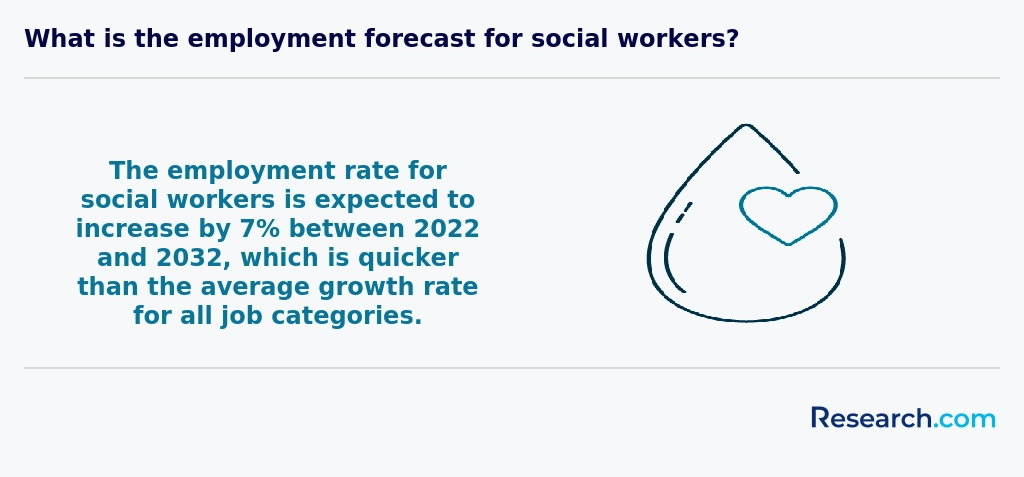
Child, family, and school social work present another significant avenue for jobs for social work degree holders Minnesota. Many find fulfilling roles supporting vulnerable populations in school districts and child welfare agencies, where Minnesota's strong investment in social services fosters employment growth projected at 7% statewide through 2030.
Healthcare social work operates within hospitals and nursing homes, bridging patients' recovery and access to resources. Additionally, policy advocacy and nonprofit management expand possibilities for experienced social workers aiming to shape community programs. Those weighing the financial commitment of an MSW can explore options like the Low Cost Online Master's in Social Work Degree Programs Ranking in Texas for cost-effective study alternatives.
What is the job market for social work degree in Minnesota?
Graduates with a social work degree in Minnesota encounter a job market characterized by steady growth and diverse opportunities. With approximately 8,300 social workers currently employed statewide and an expected 7% growth rate through 2031, the Minnesota social work employment outlook is promising for new professionals entering the field. Many find rewarding roles in healthcare, child and family services, and mental health sectors, especially around Minneapolis and St. Paul, where nonprofits and hospitals actively seek skilled social workers.
Those who studied social work at institutions like the University of Minnesota often share positive experiences about gaining practical skills through internships, which directly improved their employability. Entry-level positions tend to start near $60,000 annually statewide, with clinical licenses pushing salaries above $75,000. Students balancing tuition costs at public universities or private colleges may also consider financial aid or employer-sponsored programs to ease expenses.
Students exploring the social work field might consider programs especially designed for quick entry into the profession, such as the top online associate degree in 6 months accredited. This can be a strategic starting point toward broader social work job opportunities in Minnesota.
Frequently Asked Questions About social work
Social work degree students in Minnesota can maximize their learning experience by engaging actively in both academic and practical opportunities. Participating in internships is essential; according to the Minnesota Board of Social Work, supervised fieldwork bridges classroom knowledge with real-world skills.
Students should also seek out Minnesota-specific community organizations and social services agencies for diverse practicum placements, helping them understand local social issues better. Additionally, joining student chapters of national associations such as the National Association of Social Workers (NASW) Minnesota chapter offers networking and professional development.
Taking advantage of continuing education workshops approved by the Minnesota Board of Social Work and utilizing state resources can deepen expertise and enhance licensure prospects.
The field of social work in Minnesota is evolving with several emerging niches gaining importance. One notable area is gerontological social work, driven by Minnesota's growing elderly population. According to the Minnesota State Demographic Center, the number of residents aged 65 and older is projected to increase by nearly 40% between 2020 and 2030, creating higher demand for specialized support in aging services.
Another expanding niche is behavioral health social work, particularly focused on mental health and substance use disorders. The Minnesota Department of Human Services reports increasing needs for professionals trained in trauma-informed care and integrated behavioral health services.
Additionally, child welfare and school social work continue to grow, supported by state policies emphasizing early intervention and family services.
After completing a social work degree in Minnesota, preparing for the job market involves several key steps. First, obtaining licensure is essential; Minnesota requires a Licensed Social Worker (LSW) or Licensed Independent Clinical Social Worker (LICSW) credential for most positions. Understanding the licensure process through the Minnesota Board of Social Work helps ensure compliance.
Gaining practical experience is valuable. Many graduates benefit from internships or volunteer roles within Minnesota's diverse social services, such as health care, child welfare, or mental health agencies. Networking through state social work associations like the Minnesota Chapter of the National Association of Social Workers can provide job leads and professional development.
Furthermore, Minnesota's Department of Employment and Economic Development (DEED) reports steady growth in social work jobs, with demand driven by aging populations and community health needs. Tailoring resumes to highlight clinical and community-focused skills improves employability in this competitive field.
Employers in Minnesota seek several key skills when hiring social work degree graduates. Strong communication skills are essential for effectively engaging with diverse clients and collaborating with community organizations. According to the Minnesota Board of Social Work, critical thinking and problem-solving abilities are highly valued to address complex social issues.
Knowledge of state and federal social service policies is also important, as it ensures compliance and effective advocacy. Cultural competence ranks as a top skill, given Minnesota's diverse population and the need to provide inclusive services. Time management and organizational skills support professionals in handling heavy caseloads efficiently, a common challenge reported by local social workers.
Finding internships in Minnesota relevant to a social work degree involves several strategic steps. Start by contacting accredited universities' social work departments, such as the University of Minnesota or St. Catherine University, which often partner with local agencies for field placements. The Minnesota Board of Social Work requires supervised practice for licensure, making internships critical.
Potential students should explore hospitals, community centers, and nonprofit organizations within Minnesota's counties, which frequently offer social work internships. The Minnesota Department of Human Services website provides updated listings of internship opportunities in public social services.
Networking through professional groups like the Minnesota Chapter of the National Association of Social Workers can also connect students with internship openings. Early application and consultation with academic advisors enhance placement chances.
In Minnesota, earning a social work degree significantly improves career mobility and advancement opportunities. According to the Minnesota Department of Employment and Economic Development, social workers with a Bachelor of Social Work (BSW) often qualify for entry-level roles, while a Master of Social Work (MSW) is typically required for clinical positions that offer higher salaries and leadership roles.
A social work degree also enhances eligibility for licensure, such as Licensed Independent Clinical Social Worker (LICSW), which is crucial for advanced practice and supervision. MSW graduates in Minnesota reported median annual salaries around $60,000, compared to $40,000 for BSW holders, indicating notable financial benefits tied to degree levels.
Employers in healthcare, schools, and government sectors prefer candidates with accredited social work degrees, facilitating career progression across these growing fields.
Studying social work in Minnesota equips students with essential skills for interdisciplinary collaboration. Many programs emphasize working alongside healthcare professionals, educators, and legal experts. This approach reflects the realities of social work practice, where coordination with various sectors is vital.
Minnesota's accredited social work programs follow curriculum standards set by the Council on Social Work Education (CSWE), ensuring training in teamwork and communication across disciplines. Clinical placements often involve settings like hospitals, schools, and community agencies, providing hands-on experience in diverse teams.
According to the Minnesota Board of Social Work, graduates are prepared to engage in interdisciplinary care, which improves client outcomes by addressing complex social and health needs comprehensively.
Choosing between a thesis and a non-thesis social work degree program in Minnesota depends largely on your career goals and learning preferences. Thesis programs typically require original research, which can be ideal if you plan to pursue a Ph.D. or work in academic or policy settings. Non-thesis options focus more on practical skills and fieldwork, suited for those aiming at direct social work practice.
The Council on Social Work Education notes that Minnesota has over 4,000 social work professionals, with many employers valuing practical experience. Thesis programs can take longer and demand strong research skills, while non-thesis programs might allow faster completion and earlier entry into the workforce.
Students based in Minnesota who wish to study social work abroad have several pathways through U.S. higher education institutions. Many Minnesota universities with accredited social work programs, such as the University of Minnesota, offer study abroad partnerships or exchanges with universities in countries like the United Kingdom, Australia, and Canada. These programs often include placements or internships that allow students to gain international social work experience.
Additionally, organizations like the Council on Social Work Education (CSWE) support global learning opportunities, ensuring that study abroad courses meet accreditation standards. According to the Minnesota Board of Social Work, gaining diverse cultural perspectives is increasingly valuable in the state's growing multicultural communities, making international study a practical option.
Part-time job opportunities in Minnesota that complement social work degree education often involve direct community engagement and support services. Roles such as case aides, mental health technician assistants, and community outreach workers allow students to gain practical experience while studying. According to the Minnesota Department of Employment and Economic Development (DEED), social and human service assistants in the state earned a median wage of $17.50 per hour in 2023, reflecting demand for entry-level positions.
Working in nonprofit organizations focused on vulnerable populations is another valuable option. These roles help develop skills in client communication, crisis intervention, and advocacy. Additionally, internships or assistant roles at local government agencies can expose students to policy implementation and social program management, building strong professional networks.
Social work students in Minnesota have access to numerous networking opportunities that enhance their professional growth and job prospects. Many universities in the state, such as the University of Minnesota and St. Catherine University, offer connections to local agencies through internships and field placements, helping students build relationships within the community.
Statewide organizations like the Minnesota chapter of the National Association of Social Workers (NASW-MN) frequently host events, conferences, and workshops. This allows students to engage directly with licensed professionals and potential employers.
Additionally, Minnesota's social work programs often promote participation in research projects and student clubs, further expanding students' networks early in their careers.
Alumni networks play a crucial role for social work degree students in Minnesota by providing valuable connections and career support. Graduates from accredited Minnesota programs often join these networks to access mentorship opportunities, job leads, and professional development resources. According to the Minnesota Board of Social Work, networking can increase job placement rates, which is vital in a competitive field.
Many alumni networks organize events, workshops, and forums that help current students build relationships with experienced social workers. These interactions enhance practical knowledge and open doors to internships and employment.
Customizing a social work degree program in Minnesota allows students to align their studies with specific career goals. Many universities offer concentrations such as clinical social work, child welfare, or community organizing. Selecting electives and specialized courses tailored to these areas enhances expertise and job readiness.
Practical experience is key; Minnesota programs often include field placements with local agencies, enabling hands-on work in healthcare, schools, or government settings. According to the Minnesota Board of Social Work, internships are crucial for licensure and professional growth.
Additionally, some schools provide options for part-time or online study, supporting working professionals.
Social work students in Minnesota often face a combination of academic, financial, and emotional challenges. The rigorous curriculum requires mastering complex topics like mental health, community resources, and ethical decision-making. Students must complete substantial fieldwork hours-typically 900 to 1,200 hours-which can be difficult to balance with part-time jobs or family commitments.
Financially, the cost of tuition and limited availability of scholarships can strain many students. According to the University of Minnesota's School of Social Work, about 45% of their students report financial stress during their studies.
Emotionally, social work training exposes students to sensitive and distressing societal issues, leading to potential burnout or compassion fatigue. Minnesota's diverse population, including urban and rural communities, requires cultural competence, which adds to the learning curve. These combined pressures require effective time management and strong support networks for success.
Graduates with a social work degree in Minnesota can pursue several professional certifications to enhance their credentials and career prospects. The most recognized certification is the Licensed Independent Clinical Social Worker (LICSW), which allows holders to provide clinical therapy and counseling. To qualify for LICSW, candidates must complete supervised clinical hours and pass a state exam, as regulated by the Minnesota Board of Social Work.
Other certifications include the Licensed Social Worker (LSW) for those starting their careers and the Licensed Graduate Social Worker (LGSW) for those with a master's degree but not yet fully licensed. Nationally recognized credentials, such as the Certified Social Worker (CSW) by the American Academy of Certified Social Workers, are also valuable.
According to the Minnesota Department of Employment and Economic Development, social work employment in the state is projected to grow 8% by 2030, increasing demand for certified professionals.
Writing a winning application for a social work program in Minnesota begins with careful preparation. Applicants should clearly demonstrate their understanding of social work's impact, particularly in Minnesota's diverse communities.
Highlighting relevant volunteer or work experience in social services strengthens your application. According to the Minnesota Board of Social Work, practical experience is highly valued by admission committees.
It is essential to write a compelling personal statement, emphasizing your motivation, goals, and commitment to social justice. Admissions often look for candidates familiar with local challenges, such as supporting Indigenous populations or addressing urban-rural disparities.
Strong academic records and letters of recommendation from professionals in social services also improve your chances.
The global perspective on a social work career highlights the profession's vital role in addressing social challenges worldwide. Social workers support vulnerable populations, promote social justice, and enhance community well-being. In the United States, including Minnesota, social work education aligns with international standards set by organizations such as the International Federation of Social Workers (IFSW).
Globally, demand for social workers continues to grow due to increasing social inequalities and complex health needs. Minnesota reported a 12% employment growth for social workers from 2020 to 2030, according to the U.S. Bureau of Labor Statistics (BLS).
Social work degrees in Minnesota prepare students to engage with diverse populations, reflecting a commitment to cultural competence found in global social work education.
Gaining practical experience while studying for a social work degree in Minnesota is essential for meeting state licensure requirements and enhancing employment prospects. Most accredited programs include supervised fieldwork or internships as part of the curriculum, allowing students to work in real-world settings such as schools, hospitals, or community agencies.
The Minnesota Board of Social Work requires at least 900 hours of supervised experience for licensure as a Licensed Graduate Social Worker (LGSW). This ensures students acquire hands-on skills under professional guidance. Partner organizations often provide diverse opportunities for experience in areas like child welfare, mental health, and elder care.
Additionally, Minnesota universities may offer service-learning projects and volunteer options to further practical learning. Resources like the Minnesota Social Service Association often help connect students with local placements. Staying engaged in the field during study improves readiness for post-graduate employment and state certification.
Choosing the right concentration within a social work degree program in Minnesota depends on your career goals and interests. Popular tracks include child and family welfare, healthcare, mental health, and community development. The Minnesota Board of Social Work requires specific competencies for licensure, so selecting a concentration aligned with those standards can be beneficial.
Consider the local job market; Minnesota's Department of Employment and Economic Development reports high demand for social workers specializing in healthcare and substance abuse treatment. Research the curriculum and practicum opportunities to ensure practical experience in your chosen area.
Additionally, universities in Minnesota often offer guidance through academic advisors familiar with state licensure and employment trends, which can help tailor your studies effectively.
Related Social Work Rankings for Nearby States
- 2027 Most Popular Social Work Degree Programs Ranking in Iowa
- 2027 Most Popular Social Work Degree Programs Ranking in Nebraska
- 2027 Most Popular Social Work Degree Programs Ranking in Missouri
- 2027 Most Popular Social Work Degree Programs Ranking in Kansas
- 2027 Most Popular Social Work Degree Programs Ranking in Indiana
- 2027 Most Popular Social Work Degree Programs Ranking in Ohio
- 2027 Most Popular Social Work Degree Programs Ranking in Colorado
- 2027 Most Popular Social Work Degree Programs Ranking in Kentucky
- 2027 Most Popular Social Work Degree Programs Ranking in Oklahoma
- 2027 Most Popular Social Work Degree Programs Ranking in Arkansas
Top Trending Social Work Rankings
See What Experts Have To Say About Studying Social Work
Read our interview with Social Work experts

References
- Is an Online Master’s in Social Work (MSW) Degree Worth it? https://socialworklicensemap.com/social-work-degrees/online-msw-programs/is-an-online-masters-in-social-work-msw-degree-worth-it/
- Career stages | BASW https://basw.co.uk/careers/career-stages
- Social Work Salaries - How Much Do Social Workers Make? https://www.onlinemswprograms.com/careers/social-worker-salaries/
- 10 Careers for Social Work Majors https://www.umassglobal.edu/blog-news/careers-for-social-work-majors
- Global Perspectives in Social Work https://www.gu.se/en/study-in-gothenburg/exchange-student/courses/sw1118
- Social Work Internships https://www.stjude.org/education-training/professional-development/internships/social-work.html
- My social work journey: from experience to practice https://socialworkwithadults.blog.gov.uk/2023/09/26/my-social-work-journey-from-experience-to-practice/
- Interdisciplinary Collaboration in Social Work and the ASWB Exam https://agentsofchangeprep.com/blog/interdisciplinary-collaboration-in-social-work-and-the-aswb-exam/
- Grand Challenges for Social Work https://grandchallengesforsocialwork.org/
- Surviving your social work degree placement - Community Care https://www.communitycare.co.uk/content/news/surviving-your-social-work-degree-placement


