
2027 Most Popular Social Work Degree Programs Ranking in Texas

Co-Founder and Chief Data Scientist
Considering a future in social work? Choosing the right degree program in Texas can shape your path toward making a real difference in people's lives. Our article offers the 2027 Most Popular Social Work Degree Programs Ranking in Texas, created by the Research.com team of data scientists to help you navigate your options with confidence.
By exploring this ranking, you'll discover which programs align best with your goals and values. Earning a social work degree opens the door to meaningful careers and personal growth. This guide supports you in making an informed, thoughtful decision for your future.
Key benefits of getting social work degree in Texas
- Social work degree graduates in Texas can earn competitive salaries, such as $68,800 annually for Social Workers and $59,190 for Child Welfare Specialists, providing financial stability and rewarding careers.
- A graduate from a major Texas university might pursue diverse roles like Youth Worker or Community Organizer, both offering mean wages around $83,400, showcasing broad career opportunities in impactful fields.
- Completing a social work degree online from a reputable Texas college offers flexibility for busy students, allowing them to balance work and study while gaining the skills needed to succeed confidently in the social services sector.
- Key benefits of getting social work degree in Texas
- What can I expect from social work degree in Texas?
- Where can I work with social work degree in Texas?
- How much can I make with social work degree in Texas?
- 2027 Most Popular Social Work Degree Programs Ranking in Texas
- Key Findings
- How long does it take to complete social work degree in Texas?
- Licensure and Accreditation: Charting Your Professional Path
- What's the difference between online and on-campus social work degree?
- Alumni Networks and Mentorship: Your Bridge to Social Work Success
- What is the average cost of social work degree in Texas?
- Licensure and Certification in Texas
- What financial aid is available to social work degree students in Texas?
- Faculty Expertise and Research Opportunities
- What are the prerequisites for enrolling in social work degree program in Texas?
- Affordability and Financial Considerations in Social Work Programs
- What courses are typically in social work degree programs in Texas?
- What types of specializations are available in social work degree programs in Texas?
- How do you choose the best social work degree in Texas?
- What career paths are available for social work degree students in Texas?
- What is the job market for social work degree in Texas?
- Related Social Work Rankings for Nearby States
- Top Trending Social Work Rankings
- See What Experts Have To Say About Studying Social Work
What can I expect from social work degree in Texas?
The average cost of a social work degree in Texas varies significantly depending on the type of institution attended. Public universities like the University of Texas or Texas State University generally offer more affordable tuition for in-state students, often making it easier for many to pursue their Bachelor of Social Work or Master of Social Work degrees without excessive financial strain. Graduates from these programs frequently mention how in-state tuition helped them stay focused on gaining hands-on experience through field internships rather than worrying constantly about debt.
Private colleges tend to have higher tuition, which may be a barrier for some, though they often provide scholarships and financial aid specifically for social work students. Several graduates recall applying for such aid to offset costs while engaging deeply with clinical practice or policy advocacy concentrations. While the upfront cost might seem daunting, many find that the long-term career benefits in Texas's growing social work field help justify this investment.
It's important to consider both tuition and available funding options carefully, as these factors directly impact the accessibility and overall educational experience of social work students in Texas.
Where can I work with social work degree in Texas?
Graduates with a social work degree in Texas can expect diverse employment opportunities across healthcare, education, government, non-profit organizations, and private practice. Many find rewarding roles in healthcare facilities like hospitals and mental health centers, where they help patients manage chronic illnesses and access vital community resources. For instance, students from the University of Texas at Austin share how their internships in hospital social work fostered a deep sense of fulfillment by directly impacting patient well-being.
In education, graduates often support students facing emotional or behavioral challenges. Those studying at Texas State University note the meaningful collaboration with teachers and families, especially in under-resourced districts, which brings both challenges and a strong sense of purpose.
Government agencies provide roles in child protective services and juvenile justice, areas where Texas A&M alumni describe firsthand experiences investigating abuse cases and supporting vulnerable families. Meanwhile, non-profit organizations engage social workers in crisis intervention and advocacy, where graduates from the University of Houston express pride in contributing to causes like homelessness and domestic violence.
Private practice offers a pathway for those wanting to provide counseling and therapy independently. Social work graduates often emphasize the satisfaction of building personal client relationships while navigating Texas' licensing standards. Overall, these varied career paths show how a social work degree in Texas can lead to impactful, fulfilling roles that align closely with one's values and ambitions.
How much can I make with social work degree in Texas?
Graduates with social work degrees from well-known Texas programs, such as those at the University of Texas at Austin or Texas State University, often find entry-level salaries ranging broadly. For example, Child Welfare Specialists and Residential Counselors typically earn a mean annual wage of about $59,190 in Texas, offering a stable starting point for those embarking on social work careers. Those working as Social Workers see higher averages, around $68,800 annually, reflecting the increased responsibilities and diverse settings of typical social work roles.
Community Organizers and Youth Workers report even higher mean wages near $83,400, highlighting that some specializations within social work in Texas can be more financially rewarding. Graduates from Texas programs frequently share that while the salary might not match some other professions, the ability to impact local communities-especially in cities like Houston or Dallas-adds significant personal value to their work.
It's important to remember that factors such as licensure, job location, and experience influence earnings. For instance, an MSW graduate working as a licensed clinical social worker may command salaries closer to the higher end of the spectrum, especially in urban centers. Considering these variables gives a clearer picture of what one might expect after earning a social work degree in Texas.
2027 Most Popular Social Work Degree Programs Ranking in Texas
How do we rank schools?
Investing in your education is a significant decision that can shape your future, and the Research.com team recognizes the importance of making well-informed choices. To support prospective students in Texas, we have carefully developed the "2027 Most Popular Social Work Degree Programs Ranking in Texas." Our dedication to quality, credibility, and accuracy is demonstrated through thorough research and detailed analysis performed during the ranking process.
We utilized the following reputable data sources to ensure a comprehensive evaluation of social work degree programs:
By consulting this ranking, readers will gain valuable insights into the most popular and reputable social work degree programs in Texas, enabling them to make informed decisions about their educational journeys. For further details on how this ranking was created, please visit our Research.com methodology page.


Key Findings
- Texas offers accredited social work degrees including bachelor's (BSW) and master's (MSW), approved by the Council on Social Work Education (CSWE).
- Annual tuition in Texas public universities for social work ranges from $8,000 to $15,000 for in-state students, while private schools can exceed $25,000.
- Starting salaries for BSW graduates are typically $40,000 to $50,000, while MSW holders start between $50,000 and $65,000 annually.
- Experienced social workers in Texas can earn median salaries of $70,000 to $75,000, especially in clinical or administrative roles.
- Texas projects above-average job growth in social work due to demand in healthcare, child welfare, and mental health services.
- Licensure options include LBSW, LMSW, and LCSW, with the LCSW allowing independent clinical practice after meeting experience and exam requirements.
How long does it take to complete social work degree in Texas?
Completing a social work degree in Texas typically takes around four years for the Bachelor of Social Work (BSW), as experienced by many graduates from institutions like the University of Texas at Austin and Texas State University. These students often describe balancing rigorous coursework with hands-on field practicum, which deepens their understanding and confidence in real-world social work settings.
For those pursuing a Master of Social Work (MSW), the timeline can vary significantly. Full-time students usually finish in one to two years, especially if they qualify for advanced standing programs, which allow BSW holders from accredited schools to complete in just one year. This intensity can be both challenging and rewarding, as graduates recall the mix of academic pressure and excitement preparing them for clinical roles.
Part-time MSW students, often working professionals, may take three to four years to complete their degrees. These students emphasize the balance between education, work, and personal life, appreciating the program flexibility offered by Texas universities while steadily advancing toward licensure.
Licensure and Accreditation: Charting Your Professional Path
A pivotal step after earning your Social Work degree in Texas is securing the appropriate licensure, which ensures you meet state standards and maximizes your employability. First, verify that your program holds Council on Social Work Education (CSWE) accreditation, a requirement for siting state exams and future reciprocity. Graduates of a Bachelor of Social Work (BSW) typically pursue the Licensed Baccalaureate Social Worker (LBSW) credential, while those with a Master of Social Work (MSW) aim for the Licensed Master Social Worker (LMSW) and, with additional experience, the Licensed Clinical Social Worker (LCSW). To become an LMSW in Texas, candidates must complete 3,000 hours of supervised clinical experience, often spread over two years, and pass the ASWB Master’s exam. For LCSW licensure, an additional 3,000 hours of specialized clinical work under approved supervision and passage of the ASWB Clinical exam are required. These stages not only deepen practical skills but also demonstrate your commitment to ethical practice. Many graduates find value in prep courses and peer study groups; institutions often share exam pass rates, helping you choose programs with strong track record. Accreditation also impacts financial planning. Prospective students should balance program quality with cost-consider exploring our Inexpensive Social Work Degree Programs Ranking in Virginia to compare tuition models and financial aid strategies. Even if you remain in Texas, benchmarking against affordable out-of-state options can inform scholarship applications and budget forecasts. Finally, maintain clarity on renewal cycles: Texas requires renewal of LBSW and LMSW licenses every two years, with continuing education units (CEUs) mandated each cycle. Staying proactive-logging CEUs, renewing on time, and tracking legislative updates-safeguards your practice rights and positions you for leadership roles, policy advocacy, or advanced clinical specialties.
What's the difference between online and on-campus social work degree?
Choosing between online and on-campus social work degrees in Texas involves weighing different learning experiences and logistical realities. Graduates from the University of Texas at Arlington who studied online often highlight the convenience of attending classes from home, fitting coursework around full-time jobs or family obligations. This flexibility, however, can come with challenges such as less immediate access to peer collaboration or spontaneous faculty interaction.
Conversely, graduates from Texas State University who attended in-person programs describe the energizing atmosphere of campus life-engaging directly with professors and participating in campus events that build communication skills. They often appreciate on-site access to libraries and counseling services that support their academic growth.
Both formats require completing supervised field placements with agencies approved by Texas authorities, ensuring practical experience regardless of study mode. Yet, some graduates note that on-campus students may find it easier to secure local internships through university connections, while online students benefit from guidance to arrange placements in their own communities.
Ultimately, the choice reflects individual preferences for flexibility versus face-to-face interaction within Texas's specific educational landscape.
Alumni Networks and Mentorship: Your Bridge to Social Work Success
Texas social work programs don’t just equip you with academic skills-they build vibrant communities of support through strong alumni networks and dedicated mentorship programs. Experienced alumni often serve as career guides, helping new graduates navigate the challenges of licensure, job hunting, and professional growth in diverse sectors such as healthcare, child welfare, and community development. Networking events, alumni meet-ups, and peer-mentorship initiatives enhance learning by providing real-world insights and fostering lasting professional relationships. These connections often open doors to internships, job opportunities, and further educational advancement. For example, many programs encourage students to explore advanced qualifications by checking out opportunities like the most affordable online doctorate in social work, which can further solidify your expertise and leadership in the field. Embracing these networks not only strengthens your resume but also cultivates a collaborative spirit essential for making meaningful social change.
What is the average cost of social work degree in Texas?
The average cost of a social work degree in Texas varies depending on residency status and institution type. In-state students pursuing a Bachelor or Master of Social Work can expect to pay around $11,128 in total tuition and fees at public universities. This figure reflects a more affordable pathway, which many graduates from universities such as the University of Texas at Austin have noted as a manageable investment in their futures. Conversely, out-of-state students typically face much higher fees, often tripling the in-state amount, pushing the median total cost near $36,954. This stark difference highlights the importance of residency in calculating the total expense.
While this investment may seem high at first, many students appreciate the overall value, especially when considering the strong community and career support available at programs within Texas. Graduates from institutions like Texas State University often talk about how scholarships and assistantships made a meaningful difference in lightening the financial burden. Still, prospective students should remain aware that additional costs such as mandatory fees, textbooks, and supplies add up but can be offset through financial aid.
Understanding Texas social work degree tuition and fees is crucial to making informed decisions about your education path. For those weighing options, exploring affordable social work programs in Texas can reveal viable opportunities that balance cost and quality without sacrificing your enthusiasm for a meaningful career.

Licensure and Certification in Texas
All social workers in Texas must hold a current license from the Texas State Board of Social Worker Examiners. After graduating from a CSWE-accredited program and passing the relevant ASWB exam, follow these steps:
- Bachelor of Social Work (BSW) graduates earn the Licensed Baccalaureate Social Worker (LBSW) credential by passing the ASWB Bachelors exam.
- Master of Social Work (MSW) graduates qualify for the Licensed Master Social Worker (LMSW) license after passing the ASWB Masters exam.
- To pursue Licensed Clinical Social Worker (LCSW) status, complete 3,000 supervised clinical hours and pass the ASWB Clinical exam-many candidates enroll in accredited msw programs to fulfill both education and supervision requirements.
Maintain your license with 30 hours of continuing education every two years, including ethics and Texas law updates, to ensure ongoing compliance and professional advancement.
What financial aid is available to social work degree students in Texas?
Students pursuing social work degrees in Texas often find relief through a variety of financial aid options tailored to their needs. For example, graduates from the University of Texas at Austin share how applying for the Free Application for Federal Student Aid (FAFSA) opened doors to Pell Grants, which can provide up to $7,395 annually to those demonstrating financial need. These grants significantly lessen out-of-pocket expenses in a state where in-state public tuition averages around $26,000.
State programs like the Texas Educational Opportunity Grant (TEOG) also play a key role, especially for those beginning at two-year colleges before transferring to four-year social work programs. Many social work students at Texas State University emphasize the value of dedicated scholarships from the National Association of Social Workers Texas Chapter and university-specific awards that recognize commitment to social justice.
Moreover, the promise of Public Service Loan Forgiveness encourages students passionate about community impact, knowing that after ten years of qualifying payments in government or nonprofit roles, loan balances may be forgiven, fostering optimism about long-term financial stability.
Faculty Expertise and Research Opportunities
Texas social work programs are distinguished by faculty members who blend academic rigor with real-world impact. At the University of Texas at Austin, the Steve Hicks School of Social Work hosts renowned researchers in mental health policy, community resilience, and child welfare. Texas State University’s faculty lead initiatives on rural social services and disaster response, while Texas A&M University experts publish extensively on substance abuse intervention and aging.
- Collaborative Centers: Many campuses feature research centers-such as UT Austin’s Center for Evidence-Based Practice-that invite students to participate in funded studies, conferences, and journal publications.
- Student Involvement: Undergraduates and graduate students can assist with data collection, co-author papers, and present findings at national conferences, enhancing their professional portfolios.
- Interdisciplinary Partnerships: Faculty often partner with departments of psychology, public health, and education, providing social work students opportunities to engage in cross-disciplinary projects that address complex societal issues.
- Mentorship and Career Development: Small faculty-to-student ratios ensure personalized mentorship, guiding students through research methodologies, grant writing, and ethical considerations. This deep engagement not only sharpens critical thinking but also prepares graduates for leadership roles in academia, policy, and practice. Exploring these opportunities alongside cost-effective pathways-such as affordable bsw programs online-ensures you select a program that offers both high-impact research experiences and value.
What are the prerequisites for enrolling in social work degree program in Texas?
In Texas, enrolling in a social work degree typically demands clear academic preparation, though the path varies by program level. For example, aspiring Bachelor of Social Work students at popular schools like the University of Texas at Austin often find that having a high school diploma with a GPA around 2.5 to 3.0 suffices, alongside SAT or ACT scores if required. Some graduates recall how completing introductory courses in psychology or sociology boosted their confidence and application strength, even if not strictly mandatory.
For those pursuing a Master of Social Work, institutions such as Texas A&M emphasize holding a bachelor's degree with a minimum GPA near 3.0 and relevant coursework in social sciences or research methods. Graduates frequently mention that practical experience-whether volunteering at local shelters or working with community programs in Houston-made a meaningful difference in grasping social work realities and impressing admissions.
Additionally, applicants must be ready to provide letters of recommendation and clear background checks. These steps, though sometimes daunting, ensure readiness for sensitive social work roles involving vulnerable populations. This combination of academic criteria and hands-on exposure reflects Texas programs' commitment to producing capable, empathetic social workers.
Affordability and Financial Considerations in Social Work Programs
When considering a social work program in Texas, one of the key factors to think about is affordability. Prospective students should weigh the costs of tuition, additional expenses, and the potential return on investment in terms of career prospects and salary expectations. For those looking to minimize their financial burden, exploring affordable social work programs in Texas can be a prudent first step. This involves not only looking at the sticker price of programs but also considering the availability of financial aid, scholarships, and grant opportunities that can significantly reduce the out-of-pocket costs. Moreover, understanding the job market and potential salaries for social workers in Texas can help students make informed decisions about their educational investments. By carefully evaluating these factors, aspiring social workers can find a program that meets their financial needs while also providing a high-quality education that prepares them for a successful and rewarding career.
What courses are typically in social work degree programs in Texas?
Social work degree programs in Texas, especially at well-known schools like the University of Texas at Austin and Texas State University, typically include courses that blend theory with practical skills essential for the field. Graduates often reflect on how classes like Human Behavior in the Social Environment deepened their understanding of diverse family dynamics and cultural influences, helping them relate better to clients from varied backgrounds.
Courses in Social Welfare Policy and Services are vital as they focus on federal and Texas-specific policies, making students aware of the systems so prevalent in their future workplaces. A graduate from Texas A&M shares how this knowledge was crucial during internships, allowing them to navigate social programs confidently.
Moreover, Social Work Research Methods sharpen analytical skills by combining quantitative and qualitative evaluation, critical for evidence-based practice. Practice-oriented courses, such as Field Practicum and Seminar, offer hands-on experiences in schools or community centers, fostering rewarding, real-world connections.
These courses also challenge students to engage with Texas's unique social issues, like rural outreach and bilingual services, enriching their education and personal growth.
What types of specializations are available in social work degree programs in Texas?
Social work degree specializations in Texas typically include clinical social work, child and family social work, school social work, and healthcare social work, each addressing distinct populations and challenges. Graduates from universities such as the University of Texas at Austin and Texas State University often speak about the rewarding intensity of clinical social work training, which prepares them to support individuals facing mental health and substance abuse issues. Others share how child and family social work specialization felt deeply impactful, especially when working with foster youth and navigating Texas' complex family welfare systems. These personal experiences highlight the practical demands and emotional fulfillment tied to each focus area.
The Texas social work career focus areas also extend to emerging fields like military social work and policy advocacy, reflecting diverse job opportunities. School social work, emphasized in programs across Texas, often requires additional endorsements, a fact that some students initially find challenging but later appreciate for the doors it opens in educational settings. Exploring pathways like these is crucial for students considering the varied demands and rewards of social work. For those interested in expanding their credentials, options such as the most affordable online doctorate in social work can offer additional growth without relocation.
How do you choose the best social work degree in Texas?
Choosing the best social work degree in Texas requires more than just comparing tuition costs or program length. Graduates from universities like the University of Texas at Austin often mention how accreditation by the Council on Social Work Education (CSWE) was essential for ensuring their education met rigorous standards, making licensure and employment more accessible. Yet, some students weigh the value of practical training heavily; those who experienced diverse field placements across both urban centers and rural areas found this flexibility crucial for gaining real-world skills.
Cost understandably influences decisions, but prospective students should explore not only tuition but also hidden expenses like books and transportation. For those seeking affordable social work degrees Texas offers, considering scholarships and financial aid packages makes a meaningful difference. Some graduates recommend exploring affordable bsw programs online as viable alternatives without compromising quality.
Lastly, reputation matters when thinking about post-graduation outcomes. Alumni from recognized schools report confidence entering the workforce due to strong ties with local agencies and solid licensure pass rates. Evaluating these factors critically can help match educational choices with one's professional and personal goals.
What career paths are available for social work degree students in Texas?
Graduates from social work programs at Texas universities like the University of Texas at Austin or Texas State University find diverse social work career opportunities in Texas that extend beyond traditional roles. Many enter child and family social work, helping foster care and adoption agencies create safer environments for children, a path often highlighted by graduates who appreciate the emotional rewards despite the challenges. Others pursue healthcare social work in large Texas hospital systems, where they assist patients managing illnesses and accessing community resources.
Texas social work degree job prospects also include school social work, supporting students through personal and academic struggles. Graduates often describe this role as deeply fulfilling, working alongside educators to foster healthier school communities. Additionally, mental health and substance abuse counseling offer opportunities within outpatient and residential treatment centers, where licensed clinical social workers address critical gaps in care.
Beyond direct service, roles in policy advocacy and community organizing allow social workers to influence legislation affecting vulnerable populations. For aspirants comparing costs or considering alternatives, a useful resource is the Inexpensive Social Work Degree Programs Ranking in Virginia, providing insight into affordable social work education.
What is the job market for social work degree in Texas?
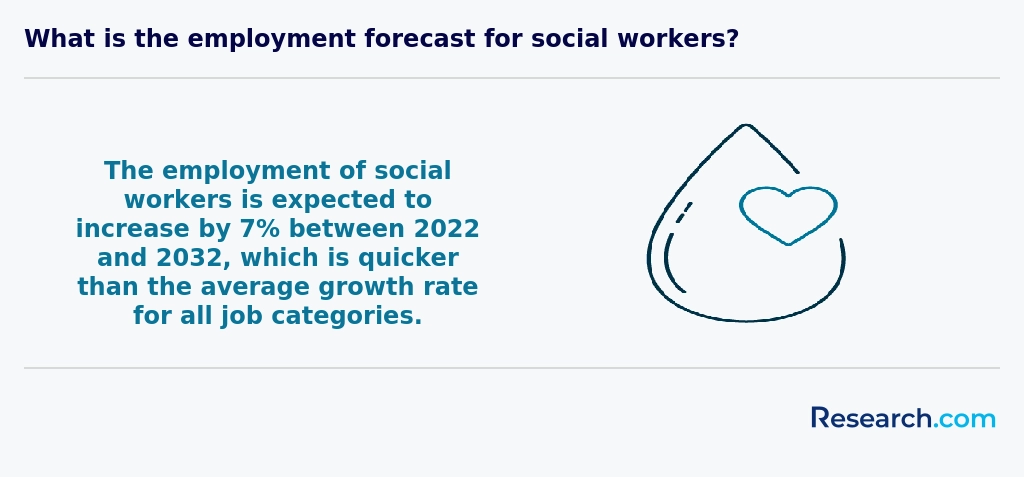
The social work job opportunities in Texas are currently robust, reflecting both the state's growing population and its diverse healthcare and social service needs. Graduates from universities such as the University of Texas at Austin or Texas State University often describe their post-graduation experiences as rewarding, finding roles in child welfare agencies or healthcare clinics in major urban centers like Houston or Dallas. This aligns with the 12% projected growth in social work employment through 2031 reported by the Texas workforce.
Entry-level salaries around $55,000 provide a solid foundation, with advanced degrees leading to higher pay. However, career prospects vary regionally and by specialization, which requires practical awareness when planning a career path after completing a social work degree. Those pursuing an MSW often benefit from increased opportunities and higher earning potential, especially when working with elderly support services amid Texas's aging population.
For students seeking alternative pathways, many consider an accelerated undergraduate degree to quickly enter this competitive job market. Overall, Texas's social work career outlook suggests promising opportunities for those ready to meet community needs with dedication and professional licensing.
Frequently Asked Questions About social work
Social work degree students in Texas can maximize their learning by engaging deeply in field practicums, which are required components of all accredited programs. Texas requires students to complete a minimum of 900 supervised internship hours, providing valuable hands-on experience. Participating in local agencies throughout major cities like Houston and Dallas helps students understand diverse community needs.
Networking with professionals through Texas-based organizations such as the Texas Chapter of the National Association of Social Workers enhances learning and job prospects. Additionally, attending conferences and workshops tailored to Texas social policies can broaden understanding of state-specific challenges.
Leveraging online resources from the Texas Higher Education Coordinating Board and maintaining high academic performance are also crucial for success.
The social work field in Texas is evolving with several emerging niches that reflect changing societal needs. One significant growth area is telehealth social work, where professionals provide remote mental health and counseling services, a trend accelerated by the COVID-19 pandemic. According to the Texas Department of State Health Services, demand for telehealth social workers has increased by over 30% in recent years.
Another expanding niche is medical social work, particularly within Texas's large healthcare systems, addressing the needs of patients managing chronic illnesses or disabilities. Additionally, school social work continues to grow, supported by Texas Education Agency data showing increasing student mental health service needs.
Other emerging areas include geriatric social work, focusing on Texas's aging population, and criminal justice social work, where professionals assist with reentry programs and rehabilitation efforts.
After earning a social work degree in Texas, preparing for the job market involves several strategic steps. Graduates should pursue licensure through the Texas State Board of Social Worker Examiners, typically starting with the Licensed Bachelor Social Worker (LBSW) or Licensed Master Social Worker (LMSW) credentials. These credentials enhance employability and are required for many social work positions. Networking is essential; joining organizations like the National Association of Social Workers (NASW) Texas Chapter provides access to job listings and professional development.
Internships and fieldwork experience gained during study are crucial; many employers seek candidates with practical experience. According to the Texas Workforce Commission, social work employment is projected to grow by 14% through 2030, indicating strong job prospects.
Employers in Texas seek social work graduates who demonstrate strong communication and interpersonal skills. These abilities are crucial for effective client interactions and collaboration with multidisciplinary teams.
Critical thinking and problem-solving are also highly valued, enabling social workers to assess complex situations and develop appropriate intervention plans. Texas employers prioritize cultural competence, reflecting the state's diverse population, which is essential for delivering sensitive and inclusive services.
Knowledge of Texas-specific laws and regulations related to social work practice is another important skill, ensuring compliance and ethical standards. According to the Texas Department of State Health Services, familiarity with state policies improves job readiness and employment outcomes.
Lastly, practical experience through internships or supervised fieldwork enhances graduate employability by providing real-world skills and professional networking opportunities.
Finding internships relevant to a social work degree in Texas involves several strategic steps. First, students should connect with their university's social work department, as many Texas schools partner with agencies for required field placements. The Texas chapter of the National Association of Social Workers (NASW-Texas) is another valuable resource for internship listings and networking opportunities.
In addition, agencies like the Texas Health and Human Services Commission often offer internships in various social services. According to the Texas Workforce Commission, social workers related to child and family services are in high demand, providing many internship openings annually.
Online portals such as Handshake or Indeed can also list internships, but verifying agencies' accreditation and relevance to social work practice is essential. Early planning and contacting local nonprofits, hospitals, or school districts can improve chances of securing meaningful internships.
A social work degree significantly enhances career mobility and advancement opportunities in Texas. According to the Texas Workforce Commission, the demand for licensed social workers is projected to grow by 17% from 2020 to 2030, faster than many other professions. Holding a Bachelor of Social Work (BSW) or Master of Social Work (MSW) degree qualifies graduates for essential licensing, such as the Licensed Master Social Worker (LMSW) or Licensed Clinical Social Worker (LCSW), which are required for many clinical and supervisory roles.
Advanced degrees, particularly MSW, open doors to higher-paying positions and leadership roles in health care, child welfare, and mental health organizations. Additionally, Texas social workers with appropriate licensure often earn salaries above the state median wage, reflecting the value of their qualifications. The degree also facilitates geographic mobility across Texas due to standard licensing recognition.
Studying for a social work degree in Texas equips students to engage in interdisciplinary roles by emphasizing collaboration across health care, education, and social services. Texas programs follow standards set by the Council on Social Work Education (CSWE), which require training in teamwork, ethics, and effective communication with diverse professionals.
Students gain practical experience through internships often placed in hospitals, schools, and community agencies, where they work alongside nurses, counselors, and educators. According to the Texas State Board of Social Worker Examiners, around 60% of licensed social workers engage in interdisciplinary settings, highlighting the importance of such training.
Lastly, Texas universities integrate courses on policy, mental health, and cultural competency, providing a broad foundation that supports collaborative problem-solving in real-world environments.
Choosing between a thesis and a non-thesis social work degree program in Texas depends largely on your career goals. A thesis option typically appeals to students interested in research, academia, or pursuing a doctoral degree. It involves conducting original research and writing a detailed paper, which enhances critical thinking and analytical skills.
Conversely, a non-thesis program often focuses on practical experience and coursework, suited for those aiming to enter professional practice quickly. Texas schools, such as the University of Texas at Austin, offer both options with field placements reflecting state social work demands.
According to the Texas Higher Education Coordinating Board, employment in social work is projected to grow 13% in Texas through 2030, indicating robust opportunities regardless of the path.
Students based in Texas interested in social work degrees have several pathways to study abroad through exchange programs and international partnerships offered by Texas universities. Many Texas institutions with accredited social work programs, such as the University of Texas at Austin, provide options for semesters or short-term studies overseas. These programs often include countries with strong social work frameworks, allowing students to gain global perspectives on practice.
According to the Council on Social Work Education (CSWE), social work students benefit from cross-cultural experiences, which are increasingly emphasized in Texas curricula. Students can also pursue internships abroad linked to their Texas degrees, enhancing practical skills in diverse settings.
The Texas Higher Education Coordinating Board supports international collaborations that help facilitate credit transfer and maintain accreditation standards during overseas study.
Part-time job opportunities in Texas that complement social work degree education often include positions such as case aides, behavioral health technicians, and community outreach workers. These roles provide valuable hands-on experience in client interaction and support services.
According to the Texas Workforce Commission, social assistance jobs grew by 8% from 2018 to 2023, indicating rising demand for entry-level social work-related roles. Many nonprofit organizations and government agencies in Texas hire students part-time to help with intake assessments and support vulnerable populations, which aligns well with academic learning.
Additionally, working in shelters or after-school programs offers practical exposure to social work principles while studying. These jobs help develop communication and crisis management skills essential for future social workers.
Social work students in Texas have numerous networking opportunities through state and local organizations. The Texas Association of Social Workers (TASW) offers students access to conferences, workshops, and mentorship programs designed to build professional connections. Additionally, many universities partner with local agencies to provide internships, allowing students to meet practicing social workers and potential employers.
The Texas Department of State Health Services reports a growing demand for social workers, which increases networking chances at job fairs hosted by schools and professional groups. Students can also join the National Network for Social Work Management or the Council on Social Work Education (CSWE) regional events to expand their contacts.
Alumni networks provide significant benefits for social work degree students in Texas by offering connections to experienced professionals across the state. These networks often facilitate mentorship opportunities, helping current students navigate field placements and career choices.
In Texas, where social work programs are anchored in both urban and rural communities, alumni can provide valuable insights into local job markets and community needs. According to the Texas State Board of Social Worker Examiners, networking is crucial for licensure and job placement success.
Additionally, alumni connections frequently lead to internships and employment, with some Texas universities reporting that up to 60% of graduates find jobs through these networks. This makes alumni engagement an important factor in a social work student's professional development.
Customizing a social work degree in Texas often starts with choosing between a Bachelor of Social Work (BSW) or a Master of Social Work (MSW), depending on your career goals. Many Texas universities offer concentrations such as child welfare, healthcare, or mental health, allowing you to tailor your education.
Fieldwork placements are another key customization option. Students can select internships in various settings like schools, hospitals, or community agencies, gaining practical experience aligned with their interests.
Additionally, Texas licenses social workers through the Texas State Board of Social Worker Examiners, with specific requirements for Licensed Master Social Worker (LMSW) and Licensed Clinical Social Worker (LCSW) credentials that influence program focus.
Social work students in Texas often face significant challenges, including balancing rigorous coursework with fieldwork requirements. The Texas State Board of Social Worker Examiners mandates extensive supervised practicum hours, which can be demanding alongside academic studies. Financial stress is another common issue; according to the Texas Higher Education Coordinating Board, tuition costs for social work degrees are rising, while many students juggle part-time jobs to afford their education.
Students also navigate emotional stress due to exposure to sensitive topics such as abuse and poverty in their training. Limited availability of clinical placements in rural Texas complicates practical experience acquisition. Finally, keeping up with evolving licensing standards adds pressure to the demanding curriculum.
With a social work degree in Texas, graduates can pursue several professional certifications to enhance their careers. The most common certification is the Licensed Master Social Worker (LMSW), which permits practice under supervision. After gaining experience, social workers may qualify for the Licensed Clinical Social Worker (LCSW) credential, granting independent practice rights.
The Texas Behavioral Health Executive Council regulates these licenses, ensuring standards for education, examination, and supervised experience. According to the Texas Department of State Health Services, over 20,000 social workers hold active licenses in the state, reflecting strong demand.
Other certifications include those in school social work or substance abuse counseling, which may require additional training or credentials. These certifications improve job prospects across hospitals, schools, and community agencies.
To write a winning application for a social work program in Texas, start by carefully researching the specific program requirements. Many Texas schools look for applicants who demonstrate both academic ability and a genuine commitment to helping others. Highlight any relevant volunteer or work experience working with diverse populations, as Texas emphasizes culturally competent practice.
Strong letters of recommendation, preferably from professionals familiar with social work or community service, add great value. Write a clear, focused personal statement explaining your motivation and career goals in social work. Programs accredited by the Council on Social Work Education (CSWE) are preferred in Texas and often require a minimum GPA around 3.0.
Make sure to meet all deadlines and provide transcripts from all colleges attended. According to the Texas State Board of Social Worker Examiners, applicants with clear academic records and relevant experience have higher acceptance rates. Lastly, prepare for any required interviews by demonstrating your knowledge of the social challenges facing Texas communities.
Social work careers in Texas reflect a global commitment to addressing social issues such as poverty, inequality, and mental health. Worldwide, social workers focus on empowering vulnerable populations and advocating for human rights. In the U.S., and Texas specifically, the profession emphasizes evidence-based practices aligned with global standards set by the International Federation of Social Workers (IFSW).
Texas graduates with social work degrees can expect opportunities both locally and internationally, as many skills transfer across borders. According to the Texas Department of State Health Services, demand for social workers in Texas is growing at a rate of 12% through 2030, reflecting a global trend toward increased mental health and community support services.
Collaborations between U.S. institutions and international organizations also enhance training, encouraging culturally competent care. This global perspective prepares Texas social workers to navigate diverse environments and complex social challenges effectively.
Gaining practical experience during a social work degree in Texas is essential for career readiness. Most accredited programs, such as those recognized by the Council on Social Work Education (CSWE), require students to complete supervised field placements or internships. These typically involve 400 hours or more working directly with clients in organizations like hospitals, schools, or community agencies.
The Texas Department of State Health Services supports agencies that collaborate with universities to provide such placements. These opportunities allow students to apply theoretical knowledge while developing core social work skills.
Additionally, some Texas universities offer specialized labs, simulation exercises, and volunteer programs that supplement fieldwork and enhance practical learning.
Choosing the right concentration within a social work degree program in Texas depends on your career goals and the populations you wish to serve. Texas universities offer concentrations such as child welfare, mental health, healthcare, and community development. Research from the Texas Workforce Commission highlights that demand for social workers in healthcare and child welfare is growing rapidly in the state.
Consider your personal interests and strengths, and how they align with local needs. For example, if you want to work with children, a child welfare focus could be ideal. If you prefer clinical settings, mental health social work might be better suited to you.
It is also important to review program accreditation and practicum opportunities, as field experience plays a key role in skill development.
Related Social Work Rankings for Nearby States
- 2027 Most Popular Social Work Degree Programs Ranking in Louisiana
- 2027 Most Popular Social Work Degree Programs Ranking in Oklahoma
- 2027 Most Popular Social Work Degree Programs Ranking in Arkansas
- 2027 Most Popular Social Work Degree Programs Ranking in Kansas
- 2027 Most Popular Social Work Degree Programs Ranking in Missouri
- 2027 Most Popular Social Work Degree Programs Ranking in Colorado
- 2027 Most Popular Social Work Degree Programs Ranking in Mississippi
- 2027 Most Popular Social Work Degree Programs Ranking in Arizona
- 2027 Most Popular Social Work Degree Programs Ranking in Alabama
- 2027 Most Popular Social Work Degree Programs Ranking in Nebraska
Top Trending Social Work Rankings
See What Experts Have To Say About Studying Social Work
Read our interview with Social Work experts

References
- Social Work Bachelor's Degree https://www.utpb.edu/academics/programs/social-work/bs-social-work
- Life as a Social Work Student: My Journey and Insights - Inspired Practice https://www.inspiredpractice.com/post/life-as-a-social-work-student-my-journey-and-insights
- Web Exclusive https://www.socialworktoday.com/archive/exc_081823.shtml
- 1+ Social Worker Cover Letter Examples (with In-Depth Guidance) https://www.tealhq.com/cover-letter-examples/social-worker
- Social Workers, All Other-Occupation Summary - Texas Career Check https://texascareercheck.com/OccupationInfo/OccupationSummary/21-1029.00
- Best Online MSW Programs in Texas https://www.onlinemastersdegrees.org/best-programs/social-work-msw/texas-tx/
- How To Become A Social Worker | Psychology.org https://www.psychology.org/social-work/how-to-become/
- Texas Social Work Jobs and Salary Guide https://www.texassocialworkedu.org/careers-and-salary/
- How to Network Your Way into a Social Work Job or Practicum https://www.mswhelper.com/blog/how-to-network-your-way-into-a-social-work-job-or-practicum
- Social Work https://www.texascollege.edu/social-work


