
2027 Most Popular Social Work Degree Programs Ranking in Hawaii

Co-Founder and Chief Data Scientist
Choosing the right social work degree program in Hawaii can shape your future and create meaningful impact in your community. This article introduces the 2027 Most Popular Social Work Degree Programs Ranking in Hawaii, developed by the Research.com team of data scientists to help you identify the best options available.
By exploring this ranking, you'll gain valuable insights that make your decision easier and more confident. Pursuing a social work degree opens doors to rewarding careers that truly make a difference.
Key benefits of getting social work degree in Hawaii
- Social work graduates in Hawaii can expect competitive salaries, such as $68,800 annually for Social Workers and up to $83,400 for Community Organizers and Youth Workers, providing financial stability in meaningful careers.
- Graduates from universities like the University of Hawaii have diverse career options ranging from Child Welfare Specialist to Residential Counselor, allowing you to find a role that fits your passion for helping others.
- Completing a social work degree online offers flexibility and accessibility, enabling busy students to balance studies with personal commitments while earning credible qualifications from respected Hawaiian institutions.
- Key benefits of getting social work degree in Hawaii
- What can I expect from social work degree in Hawaii?
- Where can I work with social work degree in Hawaii?
- How much can I make with social work degree in Hawaii?
- 2027 Most Popular Social Work Degree Programs Ranking in Hawaii
- Key Findings
- How long does it take to complete social work degree in Hawaii?
- Licensing and Certification Requirements in Hawaii
- What's the difference between online and on-campus social work degree?
- Accreditation and Licensure Requirements
- What is the average cost of social work degree in Hawaii?
- Optimizing Your Social Work Education in Hawaii: A Guide to Affordable Programs
- What financial aid is available to social work degree students in Hawaii?
- Licensure Requirements for Social Workers in Hawaii
- What are the prerequisites for enrolling in social work degree program in Hawaii?
- Advancing Your Career: Pathways to Doctoral Education and Beyond
- What courses are typically in social work degree programs in Hawaii?
- What types of specializations are available in social work degree programs in Hawaii?
- How do you choose the best social work degree in Hawaii?
- What career paths are available for social work degree students in Hawaii?
- What is the job market for social work degree in Hawaii?
- Related Social Work Rankings for Nearby States
- Top Trending Social Work Rankings
- See What Experts Have To Say About Studying Social Work
What can I expect from social work degree in Hawaii?
On average, pursuing a social work degree in Hawaii typically costs between $8,000 and $15,000 per year at public institutions like the University of Hawaii at Manoa, with private colleges often priced higher. Graduates often recall how this investment was more than tuition-it was a stepping stone to personal fulfillment and professional impact within their communities. Many found that thoughtful budgeting and financial aid made these programs accessible, allowing them to focus on developing valuable, real-world skills.
Students studying social work in Hawaii embrace unique opportunities to connect deeply with Native Hawaiian culture and local values, enriching their educational journey beyond the classroom. For example, graduates often describe fieldwork experiences where they supported families navigating challenges such as homelessness or substance abuse, fostering a strong sense of purpose and community.
This blend of affordable education, cultural connection, and hands-on practice equips students to enter the workforce confidently, ready to contribute meaningfully to Hawaii's diverse communities and social wellbeing.
Where can I work with social work degree in Hawaii?
Graduates with a social work degree from institutions like the University of Hawaii at Manoa or Hawaii Pacific University find a wealth of rewarding career paths across the islands. Many step into healthcare settings, supporting patients navigating challenging mental and physical health journeys in hospitals and community health centers. Imagine working alongside dedicated teams in Honolulu, making a difference in patients' lives every day.
Others embrace roles in child welfare with state agencies, helping protect vulnerable children and strengthen families. Their work creates safer, brighter futures for Hawaii's diverse communities. Graduates often share how deeply fulfilling it is to support youth through foster care or adoption, knowing their efforts ripple out across generations.
Social work careers also flourish in schools, where professionals promote student well-being and address behavioral challenges, empowering young people to thrive. Supporting elders through programs and advocacy is another vital path, responding to Hawaii's growing senior population with heartfelt care.
Nonprofits and justice programs offer dynamic spaces for social workers to champion housing stability, substance recovery, and rehabilitation, making communities stronger and more compassionate. In all these roles, graduates feel inspired by the profound impact their degree brings to Hawaii's people and places.
How much can I make with social work degree in Hawaii?
Graduates with a social work degree in Hawaii can anticipate rewarding career opportunities with competitive salaries that reflect both their dedication and the state's unique environment. For example, those working as social workers earn an average annual wage of about $68,800, a figure above the national average and motivating for many students at the University of Hawaii at Manoa or Chaminade University.
Entry-level roles such as Child Welfare Specialists and Residential Counselors offer annual salaries around $59,190, allowing graduates to make a meaningful impact while earning a solid income. Meanwhile, positions like Community Organizer or Youth Worker offer even higher potential salaries near $83,400, opening doors to leadership and advocacy work.
Graduates often share how living and working in vibrant places like Honolulu energizes their mission to help diverse communities. The joy of seeing real change, combined with the strong wage prospects, makes pursuing social work degrees in Hawaii an inspiring journey filled with purpose and stability.
2027 Most Popular Social Work Degree Programs Ranking in Hawaii
How do we rank schools?
Investing in your education is a significant decision that can shape your future, and the Research.com team understands the importance of making informed choices. To assist prospective students in Hawaii, we have meticulously crafted the "2027 Most Popular Social Work Degree Programs Ranking in Hawaii." Our commitment to quality, credibility, and accuracy is reflected in the extensive research and analysis conducted to compile this ranking.
We utilized the following reputable data sources to ensure a comprehensive evaluation of social work programs:
By exploring this ranking, readers will gain valuable insights into the most popular social work degree programs available in Hawaii, helping them make informed decisions about their educational futures. For more details on our ranking process, please visit our Research.com methodology page.


Key Findings
- The University of Hawaii at Manoa offers accredited Bachelor of Social Work (BSW) and Master of Social Work (MSW) programs meeting CSWE standards.
- In-state tuition for social work programs at the University of Hawaii ranges from $11,000 to $12,000 annually, while out-of-state tuition may exceed $34,000 per year.
- Additional costs such as fees, books, and living expenses should be considered when budgeting for a social work degree.
- Starting salaries for social work graduates in Hawaii average about $45,000 per year, with experienced licensed social workers earning between $65,000 and $75,000 annually.
- Licensure requires completing a CSWE-accredited program and passing the ASWB exam, with levels including Licensed Social Worker (LSW) and Licensed Clinical Social Worker (LCSW).
- Job competition is higher in urban areas like Honolulu, and advanced degrees plus licensure improve employment prospects, especially when combined with clinical experience.
How long does it take to complete social work degree in Hawaii?
Completing a social work degree in Hawaii is an achievable and rewarding journey that varies by the level of study you choose. Many students at the University of Hawaii and other local colleges find four years is a fulfilling timeframe to earn a Bachelor of Social Work, balancing coursework with hands-on field practicum experiences that bring their passion for helping others to life.
If your heart is set on advanced practice, graduates pursuing a Master of Social Work typically dedicate about two years full-time, while some energized students embrace accelerated MSW programs finishing in as little as 12 to 18 months. These accelerated paths appeal to those eager to step confidently into licensed roles without delay.
Working professionals often appreciate the flexibility of part-time MSW options, extending their studies over three to four years while maintaining work-life balance. Imagine yourself gaining real-world skills through supervised internships requiring 400 to 900 hours, setting a foundation for meaningful social change across Hawaii's vibrant communities.
Every moment spent studying here in Hawaii brings you closer to becoming a caring leader equipped to make a positive impact, surrounded by support from accredited programs committed to your success.
Licensing and Certification Requirements in Hawaii
In Hawaii, all social work practitioners must obtain state licensure to ensure compliance with professional standards and to qualify for higher-paying positions. Graduates holding a Bachelor of Social Work (BSW) can pursue the Licensed Social Worker (LSW) credential by passing the Association of Social Work Boards (ASWB) Bachelor’s exam and completing at least 3,000 supervised hours. For clinical practice, a Master of Social Work (MSW) graduate must accrue 3,000 postgraduate supervised hours and pass the ASWB Clinical exam to become a Licensed Clinical Social Worker (LCSW). The Hawaii Board of Social Work sets renewal requirements, including 30 hours of continuing education every two years, with at least three hours dedicated to ethics. Specializations such as child welfare or geriatric care may require additional state-approved training. When planning for these expenses, it’s wise to compare tuition rates and overall social work degree cost across accredited programs to balance affordability with licensure prerequisites. Maintaining licensure not only demonstrates your commitment to best practices but also opens doors to supervisory roles and leadership positions within government agencies, hospitals, and private practice. Familiarize yourself with application deadlines, fee structures, and board exam schedules at the Hawaii Department of Commerce and Consumer Affairs website to streamline your path toward certification and career advancement.
What's the difference between online and on-campus social work degree?
Choosing between online and on-campus social work degrees in Hawaii opens exciting possibilities tailored to your lifestyle. Graduates from the University of Hawaii at Manoa often reflect on how on-campus learning fostered deep connections through engaging face-to-face discussions and hands-on support from faculty. The vibrant campus life offers access to valuable resources like counseling centers and local social agencies, enriching the learning experience with Hawaii's unique community spirit.
Conversely, many online learners find joy in the flexibility that fits around demanding jobs or family life. The online Master of Social Work from UH Manoa lets students from remote islands participate without sacrificing quality, supported by accredited curriculum standards. These graduates often describe a rewarding journey balancing their commitments while still fulfilling essential fieldwork locally, gaining practical skills in their own neighborhoods.
Both paths celebrate resilience and dedication, empowering you to serve Hawaii's diverse communities with compassion and professionalism. Whether embracing dynamic campus energy or the freedom of remote study, each student discovers a fulfilling route to their social work aspirations.
Accreditation and Licensure Requirements
All social work programs in Hawaii should be accredited by the Council on Social Work Education (CSWE) to ensure compliance with national standards and eligibility for licensure. CSWE accreditation verifies that a curriculum covers essential domains such as human behavior, social welfare policy, ethics, and field practicum. Before applying, confirm each institution’s accreditation status on the CSWE directory and verify regional accreditation through the Western Association of Schools and Colleges (WASC). After graduation, aspiring practitioners must obtain licensure through the Hawaii Board of Social Work. The initial credential is the Licensed Master Social Worker (LMSW). Requirements include: • A CSWE-accredited MSW or BSW with ≥3,000 hours of supervised practice under an LMSW or LCSW • Passing the Association of Social Work Boards (ASWB) Master’s examination • Submission of official transcripts, background check, and application fees Following at least two years (or 3,000 hours) of post-master’s supervised clinical work, LMSWs may pursue the Licensed Clinical Social Worker (LCSW) designation by passing the ASWB Clinical exam. Continuing education (CE) is required for renewal every two years: 30 CE credits for LMSWs and 40 for LCSWs, including ethics and cultural competence. Membership in the National Association of Social Workers (NASW) Hawaii chapter provides access to workshops, ethics updates, and CE tracking tools. Prospective students balancing cost and accreditation may also explore nationally ranked, budget-friendly online options. For example, the Most Affordable Online Social Work Degree Programs Ranking in Flagstaff, AZ highlights several CSWE-accredited pathways that combine affordability with rigorous licensure preparation.
What is the average cost of social work degree in Hawaii?
The average cost of a social work degree in Hawaii varies, with in-state students typically paying around $12,186 for their total expenses. Many graduates from the University of Hawaii at Manoa share how this investment felt worthwhile, given the strong community connections and supportive learning environment they experienced during their studies. Out-of-state students, on the other hand, see a higher total cost-approximately $53,169-reflecting the broader expenses of relocating and adjusting to island life, yet many find the vibrant local culture and opportunities for meaningful social impact to be motivating factors that make it worthwhile.
Studying social work in Hawaii is not just about the tuition fees; the total expenses for social work degree Hawaii students must consider also include living costs, which are influenced by the state's unique geographic and economic setting. Graduates often speak positively about how scholarships and federal aid softened these financial demands, helping them focus on their passion for making a difference in indigenous and urban communities alike.
For students exploring affordable pathways, researching and applying to an affordable social work school in Hawaii can be a smart step. Graduates reflect on how their education opened doors to rewarding careers, reinforcing that investing in a social work degree in Hawaii is a meaningful step toward a fulfilling future devoted to service and advocacy.
Optimizing Your Social Work Education in Hawaii: A Guide to Affordable Programs
When considering a social work degree in Hawaii, one crucial factor to consider is the affordability of programs. With the rising costs of education, finding an affordable social work school in Hawaii is essential for many students. This not only affects the financial burden during your studies but also impacts your career choices and loan repayments post-graduation. By exploring affordable options, you can focus on what truly matters - your education and future career in social work, without being overwhelmed by financial concerns. Affordability, combined with accreditation, curriculum, and field experience, makes for a well-rounded educational journey that prepares you for the challenges and rewards of a career in social work.
What financial aid is available to social work degree students in Hawaii?
Many social work students in Hawaii find that financial aid opens doors to their dreams. At University of Hawaii campuses, graduates often share how Pell Grants-offering up to $7,395-significantly eased their tuition burden, allowing them to focus on learning and community service.
State scholarships, like those from the Hawaii State Department of Education, provide crucial support for dedicated learners who balance studies with family and work. These awards, based on need and academic effort, create opportunities for students to thrive in high-demand social work fields.
Merit scholarships from local institutions and the National Association of Social Workers Hawaii Chapter motivate students to excel. Recipients frequently describe the encouragement these scholarships bring, fueling their passion with financial relief ranging from $1,000 to $5,000 yearly.
Loan forgiveness programs, especially Public Service Loan Forgiveness, inspire graduates employed in Hawaii's nonprofit or government sectors-turning 10 years of service into a fresh financial start.
Many also tap employer tuition assistance, blending work and study seamlessly to champion social change across the islands.
Licensure Requirements for Social Workers in Hawaii
Becoming a licensed social worker in Hawaii involves meeting state standards for education, supervised experience and examination. For cost-effective pathways to an accredited MSW, explore cheapest online msw programs that satisfy the educational prerequisite.
- Earn a CSWE-accredited degree:
- LSW: Bachelor of Social Work (BSW)
- LCSW: Master of Social Work (MSW)
- Complete supervised practice:
- LSW applicants: 3,000 hours under a qualified supervisor
- LCSW applicants: an additional 3,000 post-MSW supervised hours
- Pass the ASWB licensing exam:
- Associate exam for LSW
- Clinical exam for LCSW
- Apply to the Hawaii Board of Social Work:
- Submit official transcripts, exam scores and application fee
Maintain your license by completing at least 30 hours of continuing education every two years, ensuring you stay current with Hawaii’s professional standards and evolving social work practices.
What are the prerequisites for enrolling in social work degree program in Hawaii?
To enroll in a social work degree program in Hawaii, students must meet specific, attainable prerequisites that set the stage for a rewarding academic journey. For a Bachelor of Social Work (BSW), having a high school diploma or GED is essential, along with solid general education coursework in English and math. Many graduates from the University of Hawai'i and Hawai'i Pacific University recall how maintaining a GPA around 2.5 to 3.0 helped build their confidence and readiness for the challenges ahead.
Acceptance often involves submitting SAT or ACT scores, though many schools now offer test-optional paths, embracing flexibility and accessibility. For those pursuing a Master of Social Work (MSW), holding a bachelor's degree-ideally in social work or related fields like psychology-is a vital step. Prospective students at institutions such as Chaminade University find that letters of recommendation and thoughtfully written personal essays highlight their passion and dedication to making a real difference in Hawaii's communities.
Many MSW programs appreciate applicants with prior volunteer or work experience in social services, encouraging hands-on engagement that shapes compassionate professionals ready to uplift lives across the islands.

Advancing Your Career: Pathways to Doctoral Education and Beyond
As you build a strong foundation with a social work degree in Hawaii, it’s essential to consider your long-term career growth and advanced educational opportunities. Many professionals in this field find that pursuing further studies, such as a PhD or a specialized practice doctorate, not only deepens their expertise but also opens doors to leadership, research, and academic positions. For those aiming to elevate their practice, exploring flexible formats can be invaluable. For example, candidates often benefit from exploring doctorate in social work programs online that offer the convenience of distance learning without compromising on academic rigor. Embracing advanced degrees can also lead to higher earning potential, enhanced professional credibility, and the ability to influence policy and practice on a broader scale. This pathway is particularly attractive to social workers who wish to spearhead innovative solutions in community service, mental health, or social justice, ensuring that their commitment to making a difference continues to grow throughout their careers.
What courses are typically in social work degree programs in Hawaii?
Social work degree programs in Hawaii inspire students through a diverse mix of courses designed to build strong, compassionate professionals ready to make a meaningful difference in their communities. At the University of Hawaii at Manoa, students dive into foundational subjects like Introduction to Social Work and Social Welfare, where they explore the rich history and core values that shape this vital profession.
Courses such as Human Behavior in the Social Environment help graduates understand the complex dynamics of individuals and families they will support, making theoretical knowledge come alive with real-world relevance. Many students cherish their experiences in Social Work Practice with Individuals, Families, and Groups, where they learn hands-on intervention strategies that prepare them for authentic moments of empowerment and healing.
Social Policy and Services courses illuminate how local and statewide policies influence clients' lives, giving students the tools to advocate effectively. Graduates often recall how Research Methods in Social Work equipped them to critically assess programs, ensuring their work is grounded in evidence and tailored to Hawaii's unique multicultural communities.
What types of specializations are available in social work degree programs in Hawaii?
Graduates from prominent Hawaii colleges pursuing specializations in social work degree Hawaii often find themselves deeply connected to communities through focused areas like child and family social work. Many share inspiring stories of supporting local families, foster care programs, and counseling services that truly reflect Hawaii's unique cultural fabric. These experiences highlight how social work careers in Hawaii enable graduates to make a tangible difference where it matters most.
Health and mental health social work is another vital specialization embraced by students. Working in hospitals or community clinics, graduates witness firsthand how integrating behavioral health services improves patient outcomes, especially among Hawaii's aging population. This vocation allows for meaningful engagement with those facing mental illness or chronic conditions, fueling a strong sense of purpose and pride in local contributions.
Community organization and development courses equip students with skills to fight homelessness and poverty by leading grassroots efforts and culturally aware policies that honor Hawaii's Native heritage and immigrant diversity. Many graduates cherish the empowerment that comes from fostering social justice in such vibrant settings.
Specializing in school social work offers rewarding opportunities for graduates to support Hawaii's youth facing emotional and academic challenges. Those passionate about nurturing young minds find this path fulfilling and essential in public education.
For students eager to advance further, exploring doctorate in social work programs online offers flexible options to deepen their expertise while staying connected to Hawaii's communities.
How do you choose the best social work degree in Hawaii?
Choosing the best social work degree programs in Hawaii means embracing opportunities that connect you deeply with local communities and culture. Graduates from the University of Hawaii at Manoa often share how their courses, rooted in Native Hawaiian studies and hands-on fieldwork, prepared them to make real differences in families' lives across the islands. Imagine developing your skills through practicums with local agencies, gaining invaluable experience while supported by passionate faculty who understand Hawaii's unique social landscape.
For many, affordability plays a big role. Exploring affordable social work colleges Hawaii offers can open doors without overwhelming financial stress. Many students find encouragement by seeking scholarships or financial aid geared toward healthcare fields, enabling them to focus fully on their studies and future impact.
Practical exam preparation is key. Successful graduates highlight how programs that emphasize licensure readiness-offering guidance for the ASWB exam and supervised hours-build confidence and help launch fulfilling careers. To learn more about managing your investment, consider reviewing options for social work degree cost.
What career paths are available for social work degree students in Hawaii?
Graduates with a social work degree in Hawaii find fulfilling career paths that make a real difference in their communities. From serving as child welfare specialists helping vulnerable keiki alongside Hawaii's Department of Human Services, to becoming mental health counselors in local hospitals, the opportunities are diverse and rewarding. Many graduates from popular institutions like the University of Hawaii at Manoa feel motivated by the ability to support Native Hawaiian families and address unique cultural needs through their work.
Those pursuing an advanced Master of Social Work degree often step into clinical roles, offering counseling and psychotherapy as licensed clinical social workers. Careers as school social workers or healthcare social workers in medical centers provide daily chances to uplift individuals and families throughout the islands. For students exploring their options, resources such as the Most Affordable Online Social Work Degree Programs Ranking in Flagstaff, AZ can guide affordable pathways to degree completion and professional growth.
Hawaii social work degree job opportunities inspire a sense of purpose, with policy advocacy roles helping shape stronger social programs statewide. Every graduate's journey shows how pursuing social work in Hawaii opens doors to meaningful, impactful careers dedicated to nurturing community well-being.
What is the job market for social work degree in Hawaii?
The social work job opportunities in Hawaii are promising and rewarding, offering graduates a chance to make a real difference in their communities. Graduates from popular colleges across the islands find fulfilling roles in state and county government agencies, healthcare providers, and nonprofit organizations dedicated to child welfare and family support. Many social work students in Hawaii describe their experience as transformative, gaining hands-on exposure to unique cultural and social challenges that broaden their understanding and deepen their commitment.
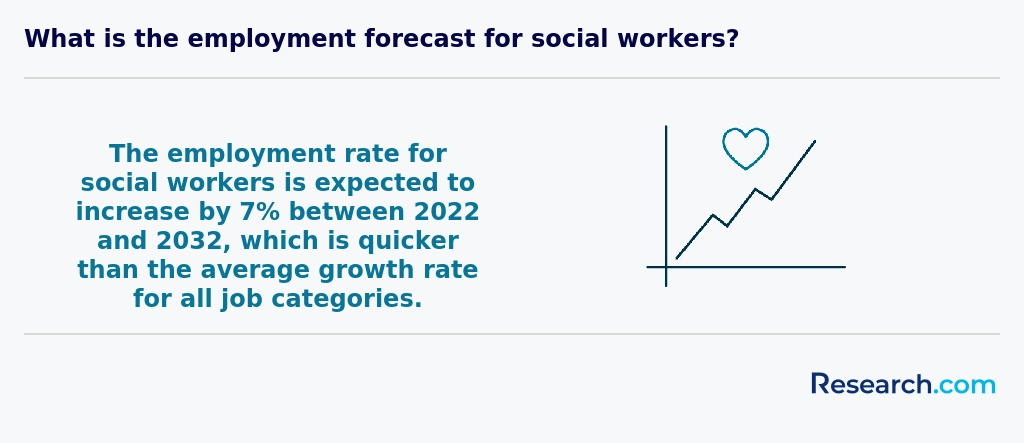
As the Hawaii social work degree employment outlook continues to grow, especially in metropolitan areas like Honolulu, graduates benefit from an encouraging 12% job growth projection through 2032-higher than the national average. This reflects a robust demand for compassionate professionals skilled in public health and community services. Scholarships and state-funded aid often ease the cost of education, letting students focus on gaining expertise and practical skills.
For those seeking flexibility, considering an online accelerated bachelor's in social work allows students to advance their careers while balancing personal commitments, opening doors to diverse opportunities in Hawaii's vibrant social work market.
Frequently Asked Questions About social work
Social work degree students in Hawaii can maximize their learning experience by actively engaging in both academic and community-based opportunities. Hawaii's unique cultural diversity and social issues present valuable contexts for practical learning. Enrolling in programs with strong fieldwork components, such as internships or practicums, provides hands-on experience essential for professional growth. According to the Council on Social Work Education, over 70% of accredited programs emphasize field education, which is especially critical in Hawaii's multicultural settings.
Students should seek mentorship from experienced social workers familiar with local communities, including Native Hawaiian populations. Participation in local workshops and conferences enhances understanding of regional social policies and challenges.
Utilizing resources offered by the University of Hawaii's School of Social Work, which is nationally recognized for community partnerships, can deepen knowledge and networking opportunities. Combining classroom knowledge with experiential learning is key for success in Hawaii's social work field.
The social work field in Hawaii is evolving with new specialized roles responding to local community needs. Emerging niches include geriatric social work, driven by Hawaii's rapidly aging population-over 20% of residents are aged 65 or older according to the Hawaii State Department of Health.
Another growing area is behavioral health social work, as mental health services expand to address substance abuse and trauma recovery in both urban and rural areas.
Environmental social work is gaining attention due to Hawaii's unique challenges related to climate change and its impact on vulnerable populations.
Additionally, social work in indigenous and Native Hawaiian communities focuses on cultural preservation and health disparities, an important niche supported by local organizations.
After earning a social work degree in Hawaii, preparing for the job market involves several key steps. First, obtaining licensure is crucial. In Hawaii, the Licensed Social Worker (LSW) credential is required for most entry-level positions, while clinical roles require the Licensed Clinical Social Worker (LCSW) credential. Certification increases employability and salary potential, with reported average salaries around $60,000 annually according to the U.S. Bureau of Labor Statistics.
Networking within local agencies and attending state social work conferences can enhance job prospects. Hawaii's Department of Human Services and non-profit organizations frequently offer internships and job openings. Developing culturally competent skills is also vital due to the diverse population served.
Employers in Hawaii prioritize strong communication skills in social work graduates, as effective dialogue with clients and multidisciplinary teams is essential. Additionally, cultural competence is highly valued due to Hawaii's unique ethnic diversity. Graduates must understand and respect Native Hawaiian traditions and the needs of various island communities.
Critical thinking and problem-solving abilities are also crucial, enabling social workers to assess complex situations and create appropriate intervention plans. According to the Hawaii Department of Labor, social workers with these skills see better job opportunities and higher retention rates.
Finally, ethical decision-making and adaptability are important traits, given the dynamic social issues faced in Hawaii.
Finding internships in Hawaii related to a social work degree involves exploring partnerships between universities and local agencies. Many accredited programs require students to complete field practicum hours, which means securing internships through affiliated community organizations.
Start by contacting your university's social work department for approved internship sites. Hawaii has numerous agencies like the Department of Human Services and nonprofit organizations that regularly host social work interns.
Additionally, websites such as the Hawaii State Board of Social Work provide listings of licensed agencies where internships may be available. Networking through local professional groups, like the Hawaii Chapter of the National Association of Social Workers, can also help.
It's important to begin your search early-many placements fill months in advance due to the demand for quality field education in Hawaii.
Obtaining a social work degree in Hawaii significantly enhances career mobility and advancement prospects within the state's growing social services sector. According to the U.S. Bureau of Labor Statistics, Hawai'i expects a 12% increase in social work jobs by 2031, faster than the national average. This demand creates diverse opportunities in healthcare, education, and public welfare.
Licensed social workers (LSWs) with a Bachelor's or Master's degree often qualify for higher-paying roles and supervisory positions. Hawaii's Department of Human Services requires licensure for clinical roles, which necessitates a Master of Social Work (MSW) degree and supervised experience.
Graduates from accredited programs gain credentials that allow them to advance more swiftly and access specialized fields such as mental health counseling or substance abuse treatment, common needs in Hawaii's unique cultural context.
Studying for a social work degree in Hawaii equips students with skills to collaborate effectively across various disciplines. Hawaiian programs emphasize culturally responsive practice, reflecting the state's diverse population, which prepares graduates to work with health professionals, educators, and community leaders.
Many institutions integrate experiential learning and fieldwork with local agencies, fostering teamwork in real-world settings. According to the Hawaii State Department of Health, nearly 40% of social workers engage in interdisciplinary teams addressing mental health and substance abuse challenges.
This approach develops communication, problem-solving, and advocacy skills necessary for holistic care, ensuring graduates can contribute to complex social service environments.
When choosing between a thesis and a non-thesis social work degree program in Hawaii, consider your career goals first. Thesis programs typically require conducting original research, which suits students aiming for doctoral studies or research-focused roles. Non-thesis options focus more on practical skills and fieldwork, ideal for those planning to enter clinical practice or community services immediately.
In Hawaii, where social work addresses unique cultural and rural challenges, hands-on experience is highly valued. According to the Hawaii Department of Health, practical training in community settings is crucial for licensure.
Program availability varies across institutions, so reviewing specific requirements and outcomes helps ensure the right fit for your aspirations.
Students in Hawaii interested in studying social work abroad have several pathways through U.S. higher education programs that offer international study components. Many accredited schools allow for study abroad options, including semester exchanges and international internships that focus on global social work practices.
Hawaii-based students can also consider online social work degrees with embedded abroad opportunities, combining flexibility and global exposure. The Council on Social Work Education (CSWE) accredits most programs recognized nationwide, ensuring quality and transferability.
While Hawaii itself offers limited in-state study abroad advising specialized to social work, its public universities partner with global institutions that emphasize indigenous and cross-cultural social work, which may align well with Hawaii's diverse communities.
According to the Hawaii State Department of Health, international experience can enhance competencies in serving multicultural populations, a growing need in the state.
Students pursuing social work degrees in Hawaii have several part-time job opportunities that complement their education effectively. Positions such as case aides or support workers in local nonprofit organizations offer practical experience working with diverse populations. Social service agencies often hire part-time assistants to help with administrative tasks and client outreach, which builds essential organizational skills.
Additionally, roles in schools as teacher aides or behavioral assistants provide direct interaction with youth, an important demographic for many social workers. According to the Hawaii Department of Labor and Industrial Relations, social and human service assistants in Hawaii earn a median hourly wage of approximately $19.50, making these jobs both relevant and reasonably compensated.
These part-time roles enhance understanding of community needs and prepare students for their future careers in social work.
Social work students in Hawaii benefit from diverse networking opportunities that help build their professional connections. Local universities such as the University of Hawaii at Manoa offer access to student organizations like the National Association of Social Workers (NASW) Hawaii Chapter, which hosts regular events and workshops. These gatherings provide vital chances to meet licensed professionals and potential employers.
Additionally, Hawaii's community-based agencies often collaborate with social work programs to provide internships, further facilitating networking. Conferences held statewide attract social workers from various sectors, creating a vibrant environment to exchange knowledge and career advice.
According to NASW Hawaii, engagement in these networks significantly improves job placement rates for graduates.
Alumni networks play a vital role for social work degree students in Hawaii by providing connections that enhance career opportunities. Graduates often share job openings within the state's unique community-based organizations, increasing access to local placements.
These networks foster mentorship, offering students guidance from professionals familiar with Hawaii's cultural and social contexts. Such support is crucial, as Hawaii's social work field frequently addresses issues specific to Native Hawaiian and Pacific Islander populations.
According to the University of Hawaii Social Sciences Research Institute, alumni connections have directly improved employment rates by up to 15% for social work graduates statewide. These networks also organize workshops and continuing education events, helping students maintain licensure and stay updated on best practices.
Customizing a social work degree program in Hawaii involves selecting courses and practicum experiences that align with your specific career goals. Many universities in Hawaii offer concentrations such as clinical social work, community organization, or policy advocacy. Tailoring your program this way helps prepare for roles in healthcare, mental health, or child welfare, sectors with growing demand in the state.
In addition, internships with local agencies provide real-world experience and networking opportunities unique to Hawaii's diverse communities. According to the Hawaii State Department of Labor, social work jobs are expected to grow by 12% from 2020 to 2030. Choosing relevant electives and fieldwork ensures your education matches this regional landscape and your professional aspirations.
Social work students in Hawaii often face unique challenges shaped by the state's geography and demographics. Access to internships can be limited due to the small size of local agencies and their distributed locations across islands. This can affect practical training opportunities crucial for licensure.
Another challenge is the high cost of living in Hawaii, which can strain students financially during their studies. According to the Hawaii Department of Labor, the average living expense is significantly above the national average, making part-time work difficult alongside coursework.
Additionally, cultural competence is essential. Students must learn to work effectively with Native Hawaiian and Pacific Islander communities, understanding historical trauma and social issues. The University of Hawaii emphasizes this in its curriculum to better prepare graduates.
With a social work degree in Hawaii, graduates can pursue several professional certifications to advance their careers. The most common certification is becoming a Licensed Social Worker (LSW), which allows practice under supervision. After gaining experience, individuals may apply for the Licensed Clinical Social Worker (LCSW) credential, enabling independent clinical practice. Both licenses are regulated by the Hawaii Board of Social Work.
Additionally, certifications such as Certified Advanced Social Work Case Manager (C-ASWCM) or Certified School Social Work Specialist can complement a social work degree, although these are national credentials requiring extra coursework and experience.
According to the Hawaii Department of Labor, demand for licensed social workers grew by 12% from 2018 to 2028, highlighting the importance of certification for job prospects.
Writing a winning application for a social work program in Hawaii begins with a clear demonstration of your passion for community service and understanding of local issues. Admissions committees seek applicants who show commitment to serving diverse populations, particularly Native Hawaiian and Pacific Islander communities, which make up a significant portion of the state's demographic.
Highlight relevant volunteer or work experience that connects you to Hawaii's unique social challenges, such as homelessness or youth mentorship programs. According to Hawaii's Department of Health, social workers play a vital role in addressing these concerns statewide.
Strong recommendation letters and a well-crafted personal statement explaining your motivation and career goals are essential. Emphasize cultural competence and adaptability to Hawaii's multicultural environment, which are highly valued in this profession.
Additionally, ensure your academic records meet program standards. Many accredited programs in Hawaii require a minimum GPA of 3.0. Thoroughly researching specific program requirements at universities like the University of Hawaii at Manoa can improve your chances.
Social work as a career holds a vital global role in addressing social inequalities, mental health, and community well-being. In the United States, including Hawaii, the profession follows guidelines set by the Council on Social Work Education (CSWE), which aligns with international standards promoting ethical and evidence-based practice. Globally, social workers collaborate on issues like poverty, human rights, and disaster response, often guided by the International Federation of Social Workers.
In Hawaii, social work professionals focus on unique cultural contexts, including Native Hawaiian communities. The Bureau of Labor Statistics projects a 12% growth in social work jobs nationwide by 2032, reflecting increasing demand. This trend supports pursuing degrees locally with global perspectives in mind.
Gaining practical experience while studying for a social work degree in Hawaii is essential to developing professional skills. Most accredited programs require students to complete supervised field placements, which typically involve 400 to 900 hours of hands-on work in community agencies, hospitals, or schools. These internships help students apply classroom knowledge in real-world settings.
Hawaii's unique cultural diversity makes local internships especially valuable for understanding indigenous and multicultural client needs. The University of Hawaii system, for example, collaborates with Native Hawaiian organizations to offer culturally relevant placements.
Many employers also offer part-time roles or volunteer opportunities in social services, allowing students to gain experience alongside their studies. These experiences are critical for licensure and employment post-graduation.
Choosing the right concentration within a social work degree program in Hawaii begins with understanding local community needs. Hawaii's unique cultural diversity and issues like homelessness and substance abuse often shape program focuses. Potential students should explore concentrations that address these challenges directly, such as clinical social work or community and policy practice.
Many Hawaiian programs emphasize indigenous and multicultural competence, preparing graduates to work effectively with Native Hawaiians and Pacific Islander populations. Checking program curricula for such offerings is important.
Additionally, consider future career paths and licensure requirements in Hawaii, since concentrations like clinical social work often lead to Licensed Clinical Social Worker (LCSW) certification, essential for direct practice roles.
Related Social Work Rankings for Nearby States
- 2027 Most Popular Social Work Degree Programs Ranking in California
- 2027 Most Popular Social Work Degree Programs Ranking in Oregon
- 2027 Most Popular Social Work Degree Programs Ranking in Washington
- 2027 Most Popular Social Work Degree Programs Ranking in Arizona
- 2027 Most Popular Social Work Degree Programs Ranking in Idaho
- 2027 Most Popular Social Work Degree Programs Ranking in Colorado
- 2027 Most Popular Social Work Degree Programs Ranking in Nebraska
- 2027 Most Popular Social Work Degree Programs Ranking in Kansas
- 2027 Most Popular Social Work Degree Programs Ranking in Oklahoma
- 2027 Most Popular Social Work Degree Programs Ranking in Minnesota
Top Trending Social Work Rankings
See What Experts Have To Say About Studying Social Work
Read our interview with Social Work experts

References
- Social Work Networking Nights - National Association of Social Workers https://www.naswma.org/page/218
- Web Exclusive https://www.socialworktoday.com/archive/exc_081823.shtml
- Top Skills Employers Look for in Qualified Social Workers Today - Vitalis https://www.vitalissocialcare.co.uk/career-development/top-skills-employers-look-for-in-social-workers-today/
- 1+ Social Worker Cover Letter Examples (with In-Depth Guidance) https://www.tealhq.com/cover-letter-examples/social-worker
- Social work certificates | edX https://www.edx.org/certificates/social-work-certificates
- Social Work Education: Interdisciplinary teams a growing area of training https://www.socialworkblog.org/featured-articles/2018/04/social-work-education-interdisciplinary-teams-a-growing-area-of-training/
- Social Worker (LCSW, MSW) Salary Guide By State https://socialworklicensemap.com/social-work-careers/social-work-salary/
- 10 Careers for Social Work Majors https://www.umassglobal.edu/blog-news/careers-for-social-work-majors
- Career stages | BASW https://basw.co.uk/careers/career-stages
- 5 Career Planning Steps for Success in Social Work https://www.twrecruitment.com.au/blog/2026/02/5-career-planning-steps-for-success-in-social-work


