
2027 Most Popular Social Work Degree Programs Ranking in Saint Paul

Co-Founder and Chief Data Scientist
Choosing the right social work degree program in Saint Paul can feel overwhelming, but you're not alone. This article presents the 2027 Most Popular Social Work Degree Programs Ranking in Saint Paul, created by the Research.com team of data scientists to make your decision easier.
By exploring this ranking, you'll discover programs that align with your goals and values. Pursuing a social work degree opens doors to meaningful careers that truly impact lives and communities.
Take a confident step toward your future by learning which programs stand out in Saint Paul.
Key benefits of getting social work degree in Saint Paul
- Graduates with a social work degree in Saint Paul can expect competitive salaries, such as $68,800 annually for Social Workers and up to $83,400 for Community Organizers and Youth Workers, ensuring financial stability and rewarding careers.
- Potential career paths include roles like Child Welfare Specialist, Residential Counselor, and Social Worker, offering diverse opportunities to make a positive impact in the community while building a fulfilling professional life.
- Completing a social work degree online from a respected Saint Paul university allows flexible scheduling and the ability to balance work and study, making it easier to earn your degree without sacrificing your daily commitments.
- Key benefits of getting social work degree in Saint Paul
- What can I expect from social work degree in Saint Paul?
- Where can I work with social work degree in Saint Paul?
- How much can I make with social work degree in Saint Paul?
- 2027 Most Popular Social Work Degree Programs Ranking in Saint Paul
- Key Findings
- How long does it take to complete social work degree in Saint Paul?
- Affordable Social Work Program Options
- What's the difference between online and on-campus social work degree?
- Finding the Right Social Work Program
- What is the average cost of social work degree in Saint Paul?
- Licensure Requirements in Minnesota
- What financial aid is available to social work degree students in Saint Paul?
- Licensing and Certification Requirements in Minnesota
- What are the prerequisites for enrolling in social work degree program in Saint Paul?
- Continuing Education and Advanced Degrees in Social Work
- What courses are typically in social work degree programs in Saint Paul?
- What types of specializations are available in social work degree programs in Saint Paul?
- How do you choose the best social work degree in Saint Paul?
- What career paths are available for social work degree students in Saint Paul?
- What is the job market for social work degree in Saint Paul?
- Top Trending Social Work Rankings
- See What Experts Have To Say About Studying Social Work
What can I expect from social work degree in Saint Paul?
The average cost of pursuing a social work degree in Saint Paul reflects the balance between quality education and practical investment. Graduates from well-regarded local institutions often share how tuition varies widely, typically falling somewhere between the more affordable public universities and the pricier private colleges. One graduate recalled juggling part-time work alongside coursework to manage expenses while appreciating scholarships targeted specifically at social work students in this region.
These costs aren't just numbers; they represent access to deeply immersive experiences. Students here don't simply memorize theories-they engage directly with Saint Paul's communities through vital field placements at local agencies, schools, and healthcare centers. This hands-on approach enriches learning far beyond the classroom, fostering a sense of purpose that can make financial sacrifices feel truly worthwhile.
Moreover, many students find relief in state-sponsored loan forgiveness programs designed to support graduates who commit to public service in underserved neighborhoods, transforming costly education into a pathway that pays dividends in both career and community impact.
Where can I work with social work degree in Saint Paul?
Graduates from social work programs at Saint Paul's well-regarded universities often find themselves stepping into roles that challenge and inspire them daily. Imagine a recent graduate navigating the busy hallways of a local hospital, coordinating care and offering emotional support to patients facing critical health battles. This is a common path within Saint Paul's expanding healthcare sector, where demand for empathetic social workers is soaring.
Others have shared stories of working with public child welfare agencies, protecting vulnerable children and supporting foster families. These roles place graduates at the heart of complex human stories, where every decision can change a child's life trajectory. Saint Paul's close community ties intensify these connections and deepen job satisfaction.
Graduates engaging with school social work recall moments of breakthrough with students dealing with trauma or academic struggles, feeling the profound impact of their interventions. Nonprofit and government roles provide equally enriching experiences, whether combating homelessness or serving veterans, reflecting Saint Paul's diverse social landscape.
Many graduates from local colleges embrace private practice, where licensed clinical social workers build trusting therapeutic relationships, fostering resilience in individuals and families across the city. This spectrum of opportunities proves a social work degree in Saint Paul is not just a career path-it's a gateway to meaningful, impactful work embedded in community.
How much can I make with social work degree in Saint Paul?
Graduates with a social work degree in Saint Paul often face a salary landscape that challenges common assumptions about the profession's financial rewards. For instance, those entering roles like Child Welfare Specialist or Residential Counselor typically see mean annual wages near $59,190, reflecting entry to mid-level earning potential in essential community roles. However, these figures do not capture the breadth of possibilities available after graduation.
Many social work graduates from local institutions-such as the University of St. Thomas or Hamline University-share how advancing to specialized roles or gaining experience alters their earning trajectory significantly. Social Workers in Saint Paul average around $68,800 annually, aligning with BLS data that suggests social work salaries here can be more competitive than often assumed. Similarly, community organizers and youth workers with social work backgrounds command higher mean salaries, approximately $83,400 per year, revealing paths to more rewarding paychecks.
These candidates highlight how degree programs connect theory with real-world practice, making them confident advocates for communities and viable candidates for diverse, well-compensated roles. Their experiences emphasize that the social work degree is not a one-dimensional investment but a gateway to careers with evolving income prospects that reflect both compassion and professional growth.
2027 Most Popular Social Work Degree Programs Ranking in Saint Paul
How do we rank schools?
Investing in your education is a significant decision that can shape your future, and the Research.com team understands the importance of making informed choices. To assist prospective students in Saint Paul, we have meticulously developed the "2027 Most Popular Social Work Degree Programs Ranking in Saint Paul." Our commitment to quality, credibility, and accuracy is demonstrated through rigorous research and careful analysis applied to create this ranking.
We utilized the following reputable data sources to ensure a comprehensive evaluation of social work degree programs:
By exploring this ranking, readers will gain valuable insights into the most popular social work degree programs available in Saint Paul, empowering them to make well-informed decisions about their educational paths. For more details on our methodology, please visit our Research.com methodology page.


Key Findings
- The cost for a Bachelor of Social Work in Saint Paul ranges from $25,000 to $40,000 at public schools and $35,000 to $60,000 at private colleges.
- Master of Social Work programs generally cost between $30,000 and $50,000 depending on the school and length of study.
- Entry-level social work salaries start around $45,000 annually, rising to $55,000-$65,000 with five to ten years of experience.
- Senior social workers and those in management roles can earn $70,000 or more per year.
- Job growth for social workers in Saint Paul is projected at 8-10% over the next decade due to increased demand in healthcare and community services.
- Many local programs are accredited by the Council on Social Work Education, supporting licensure eligibility and continuing education options.
How long does it take to complete social work degree in Saint Paul?
Completing a social work degree in Saint Paul typically requires four years for a Bachelor of Social Work (BSW), reflecting the traditional full-time undergraduate path local graduates often recount. They describe the steady rhythm of coursework paired with growing hands-on exposure at universities around the Twin Cities, which shapes their confidence and professional identity. Yet, many students find that choosing part-time enrollment extends this journey beyond six years due to balancing life's demands, proving that time to degree is deeply personal, not merely academic.
Masters of Social Work (MSW) students tell a different story: most finish their full-time programs in two years, energized by the integration of theory and extensive fieldwork. Some accelerated tracks, designed for those with a BSW, compress this experience into a single intense year-a challenging but rewarding sprint that many embrace to launch their careers sooner. Part-time MSW studies, stretching three to four years, offer flexibility for working professionals, blending ambition with real-world responsibilities.
Affordable Social Work Program Options
Affordability should be evaluated by total cost, not tuition alone. In Saint Paul, many public universities offer in-state tuition rates between $10,000 and $15,000 per year for a BSW, while online programs can reduce commuting and living expenses. Some programs also offer flexible payment plans or accelerated formats that may reduce time in school.
When comparing programs, request a full cost breakdown that includes tuition, mandatory fees, application fees, technology fees, books, transportation, background checks, and practicum-related expenses. Field placement can create indirect costs if students need to reduce work hours or travel to agency sites.
Financial aid can significantly change the real price of a degree. The Minnesota State Grant and institutional awards often cover up to 50% of tuition for qualifying applicants, and federal work-study positions may help students earn income while gaining relevant experience. Students should also ask whether scholarships are available for first-generation students, transfer students, adult learners, public service workers, or students committed to underserved communities.
Students who want a broader benchmark for low-cost program models can review the Affordable Social Work Degree Programs Ranking in Massachusetts, which highlights programs with exceptionally low tuition and robust financial aid packages. While out-of-state rankings should not replace local research, they can help students understand what questions to ask about value, aid, and student support.
Hybrid programs may offer a practical middle ground: students can complete some coursework online while still participating in live seminars, advising, and local fieldwork. The most affordable option is usually the program that combines accredited preparation, strong placement support, manageable debt, and a realistic schedule for completing the degree.
What's the difference between online and on-campus social work degree?
The difference between online and on-campus social work degrees in Saint Paul often goes beyond mere location; it shapes how students experience connection and growth. Graduates from on-campus programs at institutions like the University of St. Thomas recall the energizing buzz of face-to-face discussions, spontaneous study groups, and in-person access to supportive faculty that made theory feel alive. These tangible interactions foster a sense of community that can be deeply motivating during challenging coursework.
Conversely, those who completed online degrees describe a rewarding balance between academic rigor and life's demands. For example, working adults juggling family or jobs find online programs from schools such as Hamline University a lifeline, offering flexible schedules that empower them to progress without sacrificing stability. Yet, they also emphasize the need for self-discipline amid less direct oversight.
Both paths converge in supervised fieldwork, an essential ingredient for Minnesota licensure, but the path taken to reach that experience colors one's personal and professional transformation uniquely in Saint Paul's social work landscape.
Finding the Right Social Work Program
The best social work program for you is the one that matches your career goal, budget, schedule, and Minnesota licensure path. Before applying, confirm that the program has the right accreditation, includes supervised field education, and offers coursework aligned with the type of social work you want to practice.
Start with accreditation. Students who plan to become licensed should prioritize programs accredited by the Council on Social Work Education (CSWE), because accreditation is commonly tied to licensure eligibility and employer recognition. Then look closely at curriculum structure. A student interested in clinical practice should compare mental health, assessment, and intervention coursework, while a student drawn to community organizing or policy may want stronger preparation in advocacy, program evaluation, and social welfare systems.
Field placement quality is just as important as classroom instruction. In Saint Paul, programs connected to hospitals, county agencies, schools, shelters, immigrant service organizations, and behavioral health providers can help students build practical experience before graduation. Ask each school how placements are assigned, whether evening or weekend placements are possible, and how much support students receive if they are already working full time.
| Factor to compare | Why it matters | Questions to ask |
| Accreditation | Supports licensure eligibility and employer confidence | Is the BSW or MSW program CSWE-accredited? |
| Field education | Turns classroom learning into supervised practice | Where do students complete practicums in Saint Paul? |
| Format | Affects schedule, commuting, and work-life balance | Is the program on campus, online, hybrid, full time, or part time? |
| Specialization | Helps align the degree with your intended role | Does the program support clinical, school, healthcare, child welfare, or policy interests? |
| Cost and aid | Determines affordability and debt load | What is the full cost after grants, scholarships, fees, and placement expenses? |
Students comparing Saint Paul options may review programs at institutions such as the University of St. Thomas or Metropolitan State University, while also looking statewide to understand the broader market for popular social work schools. A careful comparison can prevent common mistakes, such as choosing a program before confirming licensure alignment, underestimating practicum time, or focusing only on tuition while ignoring fees and commuting costs.
What is the average cost of social work degree in Saint Paul?
The average cost of a social work degree in Saint Paul can catch many aspiring students by surprise. While it may seem tempting to think tuition alone dominates expenses, graduates from local institutions like the University of St. Thomas and Century College know the reality is more complex. Most full-time students encounter overall costs ranging from around $51,000 to $65,000 for the entire program, a figure that requires careful financial planning beyond just tuition payments.
For those focused on Saint Paul social work degree tuition fees, public universities often present a more affordable path, with in-state tuition and fees significantly lower than private colleges. Yet, even at public schools, additional costs-books, field placements, and mandatory fees-can swell the investment by thousands of dollars each year. Students who balance work and study share experiences of juggling these demands, illustrating how flexibility in programs can ease financial strain without compromising quality.
Many graduates reflect on the emotional payoff despite these financial challenges-the confidence of stepping into community work, the pride in gaining practical skills, and the hope of making a positive societal impact. Those seeking more affordable options sometimes explore part-time studies or certification courses, adapting their education to fit their budgets and lifestyles.
Prospective students can learn more about institutions by exploring popular social work schools and the various programs available to tailor education to financial and professional goals.
Licensure Requirements in Minnesota
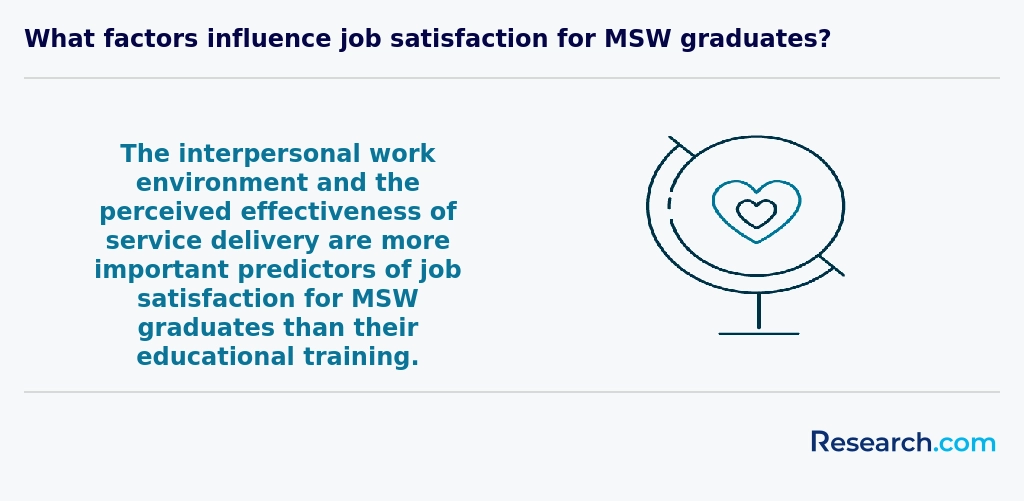
To practice in Saint Paul, students and graduates should understand Minnesota’s licensing standards before choosing a degree program. Requirements depend on the credential you are pursuing, so confirm current details with the Minnesota Board of Social Work.
- Graduate from a CSWE-accredited social work program, with a BSW commonly used for entry-level preparation and an MSW used for clinical practice; students who need flexibility may compare msw online options.
- Complete supervised fieldwork: 2,000 hours for Licensed Social Worker (LSW); 4,000 hours for Licensed Independent Clinical Social Worker (LICSW).
- Pass the ASWB licensure exam at the corresponding level.
- Apply and pay required fees to the Minnesota Board of Social Work.
- Maintain your license with continuing education, including 30 credits every 2 years.
Because licensure rules affect employability, salary potential, and scope of practice, students should ask every program how it supports exam preparation, field placement documentation, supervision planning, and continuing education after graduation.
What financial aid is available to social work degree students in Saint Paul?
Students pursuing social work degrees in Saint Paul often unravel a surprisingly rich tapestry of financial aid options that go beyond the usual stereotypes of debt and struggle. Many discover that by completing the FAFSA, they unlock access to essential federal grants like the Pell Grant-offering up to $7,395 annually, a crucial relief that eliminates some of the burden before loans are even considered. Graduates from Saint Paul's well-known social work programs often share stories of how Minnesota's State Grant seamlessly bridged gaps left by federal aid, easing the path to graduation without overwhelming debt.
But what truly stands out are the institutional scholarships offered directly by colleges here, rewarding academic dedication or lifting underrepresented voices in social work. Imagine studying at a Saint Paul university where your commitment to social justice earns you a merit scholarship, fueling both passion and progress.
Even loan options reveal silver linings: federal loans with favorable terms and Public Service Loan Forgiveness programs turn what seems like financial strain into an investment in community service. For working adults, many report how employer tuition assistance made pursuing these degrees part-time not only possible but empowering.
Local community foundations also sneak into the picture, rewarding those ready to serve Saint Paul's neighborhoods with scholarships-turning financial aid from a hurdle into a stepping stone.
Licensing and Certification Requirements in Minnesota
Licensure in Minnesota is a structured process that generally combines an approved social work degree, supervised experience, an exam, and an application through the Minnesota Board of Social Work. Because requirements can vary by credential and may change, students should verify current rules directly with the board before selecting a program or counting supervised hours.
A common first step is completing a Council on Social Work Education (CSWE)-accredited bachelor’s or master’s program. Students trying to reduce upfront education costs may compare options such as the cheapest way to get a bachelor's in social work, but affordability should be evaluated alongside accreditation and licensure fit.
After graduation, candidates for the Licensed Social Worker (LSW) or Licensed Graduate Social Worker (LGSW) credential must accumulate 3,000 hours of supervised clinical experience under an approved supervisor. Candidates then complete the Association of Social Work Boards (ASWB) examination at the appropriate level. The LSW exam covers core areas such as human development, diversity, and ethical practice, while the LGSW exam adds clinical intervention and assessment domains.
Applicants should plan early for exam registration, fees, transcripts, background checks, and documentation of supervised experience. Once approved, renewal of LSW and LGSW licenses occurs biennially, with a minimum of 30 continuing education hours. Continuing education commonly emphasizes ethics, cultural competence, and clinical best practices.
For professionals pursuing independent clinical practice, Minnesota offers the Licensed Independent Clinical Social Worker (LICSW) credential. LICSW candidates must hold an MSW, complete 4,000 hours of post-master’s clinical supervision, and pass the ASWB clinical exam. This pathway is more demanding, but it can expand opportunities in therapy, behavioral health, supervision, and private practice.
What are the prerequisites for enrolling in social work degree program in Saint Paul?
To step into a social work degree in Saint Paul means first meeting expectations that go beyond mere paperwork; it's about proving readiness to engage deeply with human challenges. Graduates from the University of Minnesota often recall how their strong high school foundation-including English, sociology, and psychology-was just the starting point. A GPA of around 2.5 to 3.0 is commonly required, yet many found that personal statements and letters of recommendation vividly communicated their passion and commitment.
Entering a Master of Social Work program intensifies these demands. It's not enough to hold a bachelor's degree; applicants typically must reflect on how prior experiences-whether volunteer work or paid roles-shaped their understanding of social justice. Those who walked the halls of Saint Paul College describe how detailing real-life encounters with vulnerable communities helped admissions see beyond transcripts.
Moreover, practical hurdles like background checks and English proficiency tests acknowledge the serious ethical responsibilities inherent in social work. These prerequisites serve to protect clients and maintain professional integrity, ensuring students entering Saint Paul's respected programs are prepared for this vital work.

Continuing Education and Advanced Degrees in Social Work
Social work is a licensed and practice-based profession, so education often continues after the first degree. Many professionals begin with a BSW or MSW, then pursue graduate certificates, advanced clinical training, doctoral study, or continuing education to qualify for more specialized roles.
Advanced education can be especially useful for social workers who want to move into clinical supervision, higher education, applied research, nonprofit leadership, policy analysis, or senior administrative positions. Graduate certificates may help professionals deepen expertise in areas such as trauma-informed practice, substance use, gerontology, school social work, or community practice. Doctoral study is typically more appropriate for those interested in research, teaching, advanced policy work, or executive leadership.
Online pathways can make advanced study more realistic for working professionals. For example, doctorate in social work programs online may allow licensed practitioners to continue working while expanding their credentials and professional network. However, students should still evaluate accreditation, residency requirements, dissertation or capstone expectations, faculty expertise, and total cost before enrolling.
Continuing education also matters for license renewal and professional quality. Social workers need to stay current on ethics, mandated reporting, evidence-based interventions, cultural competence, and changing state regulations. When comparing advanced programs, look for options that connect directly to your next career step rather than adding credentials without a clear purpose.
What courses are typically in social work degree programs in Saint Paul?
Courses in social work programs at Saint Paul's universities often push students to question assumptions about society and human behavior. Graduates recall how foundational classes like Introduction to Social Work challenged them to rethink notions of ethics and professional values, not just as abstract ideas but as daily guides when working with vulnerable individuals.
Human Behavior in the Social Environment provides a striking context-imagine sitting in a lecture hall at a well-known Saint Paul college, diving deep into how biological and social factors shape lives across the lifespan. This course makes theory tangible, helping students empathize beyond stereotypes.
Fieldwork integrated into courses such as Social Work Practice immerses students in real community settings, like local shelters or mental health clinics, fostering confidence and emotional resilience. Social Welfare Policy classes, often taught with a focus on Minnesota's unique demographic challenges, awaken a sense of advocacy that graduates cherish.
Finally, Research Methods equips students at these institutions to critically analyze studies and contribute new insights to practice, making them not only practitioners but informed change agents in Saint Paul's diverse social landscape.
What types of specializations are available in social work degree programs in Saint Paul?
As social work students in Saint Paul dive into their degrees, they discover a spectrum of specializations tailored to meet real community demands. Graduates from local universities often reflect on how concentrating in areas like Clinical Social Work, School Social Work, or Gerontology allowed them to engage deeply with populations they felt passionate about. One recalls how working in Child and Family Welfare during practicum placements provided a profound sense of purpose, addressing urban challenges specific to Saint Paul's diverse neighborhoods. These specializations aren't just academic tracks; they shape how students see their future roles, often touching on issues like substance abuse or homelessness that persist locally.
The focus on social work specializations in Saint Paul means curricula evolve with these needs, creating opportunities for impactful internships and hands-on learning. Some students note how Community Organizing and Policy Practice sharpened their advocacy skills, making them ready to influence systemic change. Such local tailoring is an advantage for those seeking to thrive in Saint Paul's social service sector.
For ambitious learners aiming to push their expertise further, exploring doctorate in social work programs online expands these avenues without geographic limitations. This approach suits those committed to long-term growth in the field, with flexibility to balance life and study while staying connected to Saint Paul's evolving challenges.
Saint Paul social work degree focus areas consistently emphasize applicable skills and community impact, setting graduates up for rewarding careers where passion meets purpose.
How do you choose the best social work degree in Saint Paul?
Choosing the best social work degree in Saint Paul means looking beyond rankings or flashy brochures and deeply considering what aligns with your life and goals. Graduates from popular universities here often say that accreditation by the Council on Social Work Education (CSWE) isn't just a credential-it's a promise that your education prepares you for the realities of social work practice in local communities. Imagine balancing evening classes while working; many programs adapt to this reality, providing the flexibility students need to thrive.
Affordability is often underestimated. Public campuses in Saint Paul can offer a significantly lower cost of attendance, especially for in-state students, making them a practical choice. Students who navigated financial challenges found that exploring aid options and looking into the cheapest way to get a bachelor's in social work was a game-changer in pursuing their degree without overwhelming debt.
When reflecting on program format and community ties, graduates highlight field placements with trusted local agencies as vital. Such real-world experiences grounded them emotionally and professionally, enhancing confidence and employability in Saint Paul's social services sector. Choosing among the best social work degree programs Saint Paul offers means embracing these tangible connections and envisioning your own path within them.
What career paths are available for social work degree students in Saint Paul?
Graduates pursuing social work careers in Saint Paul discover a spectrum of impactful opportunities beyond traditional perceptions. Clinical social work, demanding an MSW and licensure, offers roles in local hospitals and mental health clinics, where graduates from renowned Saint Paul colleges often recount transformative experiences providing therapy and advocacy for vulnerable populations. Others find profound purpose in child, family, and school social work-actively partnering with Saint Paul Public Schools to tackle truancy and family crises, exemplifying real-world interventions that shape young lives.
Social work degree job opportunities in Saint Paul also extend deeply into public sector roles, where alumni engage with state agencies like the Minnesota Department of Human Services to build community welfare and housing programs. They report a rewarding sense of contributing to systemic change alongside grassroot nonprofits focused on pressing issues such as homelessness and addiction recovery. For those weighing education costs, it's essential to explore resources like the Affordable Social Work Degree Programs Ranking in Massachusetts, which guide students toward feasible paths to enter these fulfilling careers.
What is the job market for social work degree in Saint Paul?
The social work job outlook Saint Paul offers a landscape that defies simple predictions. Graduates from local universities, such as the University of Minnesota and Metropolitan State University in nearby Minneapolis, often find themselves stepping into roles that demand both empathy and resilience, whether assisting children in public schools or supporting mental health initiatives within nonprofit organizations. Many recall their clinical internships where theory met reality, shaping their readiness for the diverse challenges of Saint Paul's community.
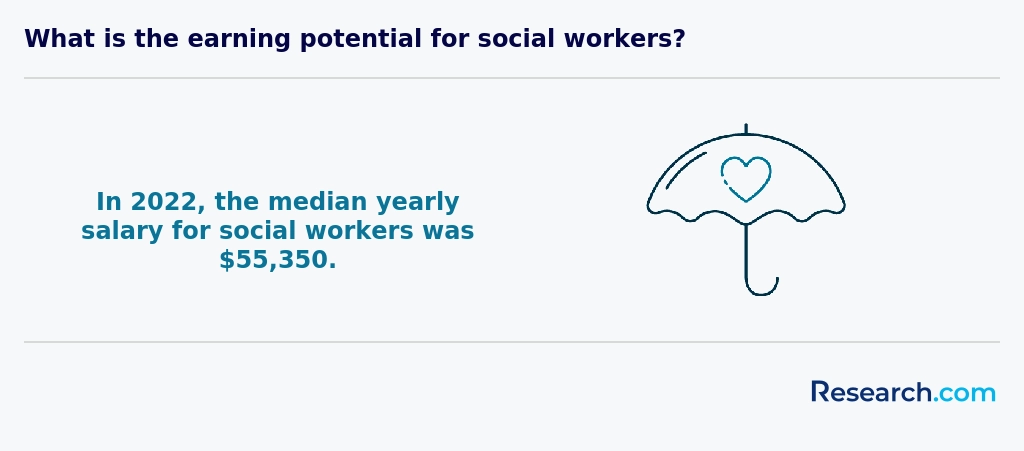
Employment opportunities for social work graduates in Saint Paul are notably influenced by the city's need for social services spanning public health, child welfare, and elder care. While the median wage of about $58,000 may seem modest compared to other metro areas, it reflects a meaningful balance against educational costs at regional institutions. Graduates appreciate how earning potential grows with licensure, making the journey through a social work degree not just a personal commitment but a promising professional investment.
For those evaluating the best path forward, considering the best college majors for jobs in social work within Saint Paul unlocks a perspective beyond numbers-highlighting a fulfilling career close to home with impact and steady demand.
Frequently Asked Questions About social work
Social work degree students in Saint Paul can maximize their learning by engaging in local internships and field placements. The Minnesota Board of Social Work requires supervised field experience, essential for practical skills and networking. Saint Paul offers diverse settings, including healthcare, schools, and community organizations, enriching student exposure.
Utilizing resources from the University of Minnesota's School of Social Work, accredited by the Council on Social Work Education, ensures access to up-to-date research and training.
Joining local professional groups like the Minnesota Chapter of the National Association of Social Workers also helps students connect with professionals and attend workshops.
Students should embrace continued education opportunities, as social work requires lifelong learning to address evolving community needs.
The social work field in Saint Paul is evolving with several emerging niches gaining attention. One significant area is geriatric social work, addressing the needs of an aging population. According to the Minnesota Department of Health, the number of adults aged 65 and older in the region is expected to increase by 30% over the next decade.
Another growing niche is behavioral health care, particularly focusing on integrating mental health services with primary care. This shift responds to rising awareness around substance abuse and mental illnesses.
Additionally, social workers specializing in technology and telehealth are becoming vital, especially post-pandemic, to reach underserved communities across Saint Paul.
After earning a social work degree in Saint Paul, preparing for the job market involves several strategic steps. First, securing internships or field practicum placements during your studies is essential, as nearly 90% of social work graduates find employment through professional networking and relevant experience, according to the Minnesota Department of Employment and Economic Development. Saint Paul offers diverse social service agencies and nonprofits where students can build practical skills. Additionally, obtaining state licensure, such as the Licensed Social Worker (LSW) credential, is required to enhance employability in Minnesota. Joining local professional organizations like the Minnesota Chapter of the National Association of Social Workers also supports career growth and job opportunities.
Employers in Saint Paul highly value social work graduates who demonstrate strong communication and interpersonal skills. These are essential for building trust with diverse client populations, including vulnerable groups such as children, seniors, and those facing mental health challenges. According to the Minnesota Department of Employment and Economic Development, effective collaboration with community agencies is also critical. Additionally, problem-solving abilities and cultural competence are frequently cited as key skills, enabling social workers to navigate complex social systems and advocate for clients effectively.
Data from local Saint Paul social service providers indicate that adaptability and ethical judgment are equally important, particularly in fast-changing environments. Graduates with practical experience gained through internships in Saint Paul's social services sector often have an advantage. Overall, a combination of technical knowledge, empathy, and practical skills makes candidates particularly attractive to Saint Paul employers in this field.
Finding internships in Saint Paul relevant to a social work degree involves utilizing several local resources strategically. Many universities, such as the University of St. Thomas, offer formal internship programs connected with community agencies. These partnerships provide placement opportunities in healthcare, child welfare, and mental health services.
Additionally, Saint Paul is home to nonprofit organizations and government agencies seeking social work interns. Platforms like Minnesota's CareerForce and socialservicejobs.com can provide listings for openings. Networking through local social work groups, such as the Minnesota Chapter of the National Association of Social Workers (NASW), also helps connect students with field supervisors.
Data from the Minnesota Department of Employment suggests that social work internships in Saint Paul have grown by 8% over the last five years, reflecting increasing educational collaboration with local organizations.
A social work degree significantly enhances career mobility and advancement opportunities in Saint Paul. According to the U.S. Bureau of Labor Statistics, the metropolitan area anticipates a 12% growth in social work jobs from 2020 to 2030, surpassing the national average. Having a degree, especially a Bachelor or Master of Social Work (BSW or MSW), is often required for clinical positions, which offer higher salaries and leadership roles.
Employers in Saint Paul prioritize candidates with accredited degrees, as these programs prepare graduates for licensure and specialized fields like mental health or child welfare. Additionally, obtaining an MSW can lead to supervisory or policy-making roles, boosting earning potential.
Certification and licensure facilitate upward mobility; licensed social workers in Minnesota earn on average 15% more than those without credentials, according to the Minnesota Department of Employment and Economic Development. This highlights the degree's critical role in career growth within the local social work sector.
Studying for a social work degree in Saint Paul offers strong preparation for interdisciplinary roles by emphasizing collaboration across multiple fields such as healthcare, education, and criminal justice. Local programs often integrate practical experiences within diverse community settings, including clinics, schools, and social service agencies, enabling students to work alongside professionals from various disciplines. According to the Minnesota Board of Social Work, accredited programs in the area focus on building skills in communication, ethics, and cultural competence, essential for team-based environments. Furthermore, Saint Paul's social work graduates benefit from connections with regional institutions that address complex social challenges through coordinated efforts.
When choosing between a thesis and a non-thesis social work degree program in Saint Paul, consider your career goals and learning preferences. A thesis option typically requires original research, appealing to students interested in academic or research careers. It demands significant time and writing skills. The non-thesis route often focuses on practical skills, suitable for those aiming to enter clinical practice or social work administration quickly.
Saint Paul schools, like the University of St. Thomas, offer both paths aligned with Council on Social Work Education (CSWE) standards. According to CSWE, thesis programs may take longer but provide strong analytical training.
Local employment data from the Minnesota Department of Employment suggests many social work roles in Saint Paul prioritize hands-on experience, favoring non-thesis graduates.
Students based in Saint Paul who wish to study social work abroad have several pathways available through US universities with international partnerships. Many accredited social work programs, including those in Minnesota, offer exchange programs or study abroad opportunities in countries like the UK, Australia, and Canada. These options enable students to gain global perspectives while earning credits transferrable toward their degrees.
Additionally, organizations such as the Council on Social Work Education (CSWE) support international field placements, allowing students from Saint Paul to complete internships overseas under supervision. This practical experience enriches understanding of social policies in diverse contexts.
According to the Minnesota Office of Higher Education, around 15% of social work students engage in study abroad or international practice experiences during their degree. Such programs can be arranged through the University of St. Thomas and the University of Minnesota, both serving many Saint Paul residents.
Saint Paul offers various part-time job opportunities that can complement social work degree education effectively. Positions such as case aides or community support workers provide valuable hands-on experience with vulnerable populations, aligning well with social work studies. Local nonprofit organizations and government agencies often seek part-time employees to assist with program outreach, client intake, and resource coordination.
According to the Minnesota Department of Employment and Economic Development, social assistance roles in the Saint Paul area are projected to grow by 7% through 2028, reflecting increasing demand.
These roles help students develop skills in client communication, crisis intervention, and data management, which are essential for social work careers. Additionally, part-time work in school-based programs or healthcare settings is common among students, allowing them to apply theoretical knowledge in practical environments.
Social work students in Saint Paul benefit from numerous networking opportunities through local universities and professional organizations. The University of St. Thomas and Hamline University offer student chapters of the National Association of Social Workers (NASW), which provide regular events, workshops, and conferences. These events connect students with experienced social workers in the Twin Cities area, fostering mentorship and career growth.
Saint Paul's active social services sector also hosts job fairs and community forums. Students can engage with agencies like Ramsey County Social Services, gaining hands-on experience and professional contacts. According to NASW Minnesota, networking is crucial for employment, with over 70% of social workers finding jobs through connections.
Alumni networks play a crucial role in supporting social work degree students in Saint Paul. These networks provide students with access to experienced graduates who have insight into the local social services landscape. According to the National Association of Social Workers, mentorship through alumni significantly enhances job placement rates for new graduates, particularly in community agencies across Minnesota.
In Saint Paul, where social work jobs often require strong community ties, alumni connections can open doors to internships and employment. Many schools actively engage their alumni to share advice, job leads, and professional development opportunities.
This support fosters career advancement and helps students navigate challenges unique to social work in urban Minnesota settings.
Customizing a social work degree program in Saint Paul allows students to align their education with specific career goals. Many local institutions offer concentrations such as clinical social work, community organizing, or policy advocacy, enabling specialization within the broader social work field. Elective courses and field placements can be tailored to areas like child welfare, mental health, or elder care, reflecting Minnesota's community needs.
Practical experience is often obtained through internships in Saint Paul's diverse social service agencies, providing hands-on learning relevant to future jobs. Additionally, part-time and online options allow working professionals to balance studies with employment. According to the Minnesota Board of Social Work, obtaining a degree with relevant practicum hours is essential for state licensure, which impacts career opportunities.
Social work students in Saint Paul often face several significant challenges during their education. One common issue is balancing rigorous academic demands with fieldwork hours, as practical experience is a central component of accredited social work programs. According to the Council on Social Work Education, students typically complete hundreds of hours in community settings, which can be time-consuming alongside coursework.
Financial stress is another hurdle, with tuition and living expenses in the Twin Cities area rising steadily. The Minnesota Office of Higher Education reports that many students juggle part-time jobs to manage costs. Additionally, students may encounter emotional fatigue due to exposure to difficult social issues during internships and class discussions, impacting mental health. These factors combine to create a demanding but vital educational journey for social work students in Saint Paul.
With a social work degree in Saint Paul, graduates can pursue several professional certifications that enhance career opportunities. The most common certification is the Licensed Independent Clinical Social Worker (LICSW), which allows practitioners to offer clinical therapy services. To be eligible, candidates must complete supervised experience hours and pass the Association of Social Work Boards (ASWB) clinical exam.
Other certifications include the Licensed Graduate Social Worker (LGSW) for those beginning their professional journey. The Minnesota Board of Social Work oversees licensure and certification requirements for these credentials in Saint Paul. These certifications can increase job prospects and earning potential in various social service settings.
Applying to a social work program in Saint Paul requires careful preparation to stand out. First, maintain a strong GPA, ideally above 3.0, as many local programs prioritize academic performance. Highlight relevant volunteer or work experiences in community services, since Saint Paul values practical understanding of diverse populations. Programs often request a personal statement-use this to clearly express your passion for social work and your commitment to serving vulnerable communities in the area. According to the Council on Social Work Education, demonstrating awareness of social justice issues can strengthen your application. Letters of recommendation from professionals familiar with your social skills also add significant value.
Social work is recognized globally as a vital profession aimed at improving the well-being of individuals and communities. In the United States, and specifically in Saint Paul, social work education aligns with international standards set by organizations like the International Federation of Social Workers. This ensures that graduates have competencies relevant worldwide. According to the National Association of Social Workers, nearly 650,000 social workers practice across the U.S., demonstrating strong demand and diverse career opportunities.
Globally, social work addresses issues such as poverty, mental health, and human rights, reflecting the profession's core values. For students in Saint Paul, obtaining a social work degree means preparing for a career that can have both local and international impact. The University of St. Thomas and Metropolitan State University offer accredited programs that meet rigorous educational criteria recognized beyond U.S. borders. This global perspective helps graduates contribute to social justice and community development on multiple levels.
Gaining practical experience while studying for a social work degree in Saint Paul is essential for developing key skills and meeting licensure requirements. Many programs require field education or internships, typically lasting 400-900 hours, where students work under supervision in real-world settings like hospitals, schools, or community agencies.
Saint Paul's proximity to diverse social service organizations offers ample opportunities. For example, local nonprofits and government agencies often partner with colleges such as Metropolitan State University to provide placements.
The Minnesota Board of Social Work requires supervised practice relevant to licensure, so early involvement in internships strengthens your profile and increases employability post-graduation.
Choosing the right concentration within a social work degree program in Saint Paul involves understanding both your career goals and the local community needs. Common concentrations include clinical social work, school social work, and community organization. Clinical social work focuses on mental health and therapy, while school social work supports students and families in educational settings.
According to the Minnesota Department of Employment and Economic Development, social workers in the Twin Cities metro area, including Saint Paul, see growing demand in healthcare and school systems. Exploring employment trends can help align your concentration choice with job opportunities.
Also consider accreditation; programs accredited by the Council on Social Work Education (CSWE) often offer well-rounded, recognized concentrations.
Finally, reflect on your personal strengths and interests, and seek advice from faculty or local social service agencies to make an informed choice.
Related Social Work Rankings for Nearby Cities
- 2027 Most Popular Social Work Degree Programs Ranking in Minneapolis
- 2027 Most Popular Social Work Degree Programs Ranking in Duluth
- 2027 Most Popular Social Work Degree Programs Ranking in Dubuque
- 2027 Most Popular Social Work Degree Programs Ranking in Milwaukee
- 2027 Most Popular Social Work Degree Programs Ranking in Omaha
- 2027 Most Popular Social Work Degree Programs Ranking in Aurora
- 2027 Most Popular Social Work Degree Programs Ranking in Chicago
- 2027 Most Popular Social Work Degree Programs Ranking in Grand Rapids
- 2027 Most Popular Social Work Degree Programs Ranking in Lawrence
- 2027 Most Popular Social Work Degree Programs Ranking in Saint Louis
Top Trending Social Work Rankings
See What Experts Have To Say About Studying Social Work
Read our interview with Social Work experts

References
- 10 Careers for Social Work Majors https://www.umassglobal.edu/blog-news/careers-for-social-work-majors
- The Importance of Professional Networking in Social Work https://www.onlinemswprograms.com/resources/social-work-networking/
- Social Work Salary with Masters on the Rise https://newmanu.edu/nth-degree/social-work-salary-with-masters-on-the-rise
- Know more about thesis vs non- thesis: what is the difference? https://studyfans.com/en/blogs/816
- Social Worker (LCSW, MSW) Salary Guide By State https://socialworklicensemap.com/social-work-careers/social-work-salary/
- 5 Career Planning Steps for Success in Social Work https://www.twrecruitment.com.au/blog/2026/02/5-career-planning-steps-for-success-in-social-work
- Tripod Partners https://www.tripodpartners.com/career-advice/social-work/advancing-your-social-work-career-tips-for-promotion/
- Financial Aid - Saint Paul University https://ustpaul.ca/en/financial-aid/
- Global Perspectives in Social Work https://www.gu.se/en/study-in-gothenburg/exchange-student/courses/sw1118
- My social work journey: from experience to practice https://socialworkwithadults.blog.gov.uk/2023/09/26/my-social-work-journey-from-experience-to-practice/


