
2027 Most Popular Social Work Degree Programs Ranking in the West

Co-Founder and Chief Data Scientist
Choosing the right social work degree program can feel overwhelming, especially in the West where options are abundant. To simplify this process, the Research.com team of data scientists has created the 2027 Most Popular Social Work Degree Programs Ranking in the West.
This ranking helps you identify the top programs that align with your goals and values. Pursuing a social work degree opens doors to meaningful careers where you make a real difference in communities.
Reading this article will guide you toward informed decisions and inspire confidence as you embark on your journey in social work.
Key benefits of getting social work degree in the West
- Graduates with a social work degree can earn attractive salaries, such as $68,800 annually for Social Workers or $83,400 for Youth Workers and Community Organizers, offering financial stability in rewarding roles.
- Career paths for social work degree holders are diverse, including roles as Child Welfare Specialists, Residential Counselors, and Community Organizers, allowing graduates from Western universities to find meaningful work that fits their passion.
- Online social work degrees provide flexibility and convenience, enabling students from the West to balance studies with personal commitments while gaining the same valuable skills as traditional programs.
- Key benefits of getting social work degree in the West
- What can I expect from social work degree in the West?
- Where can I work with social work degree in the West?
- How much can I make with social work degree in the West?
- 2027 Most Popular Social Work Degree Programs Ranking in the West
- Key Findings
- How long does it take to complete social work degree in the West?
- Accreditation and Licensure: Ensuring Professional Standards
- What's the difference between online and on-campus social work degree?
- Licensure Pathways and Requirements for Social Workers in the West
- What is the average cost of social work degree in the West?
- Emerging Trends in Social Work Education
- What financial aid is available to social work degree students in the West?
- Licensing Requirements
- What are the prerequisites for enrolling in social work degree program in the West?
- Flexible Learning Options for Social Work Students in the West
- What courses are typically in social work degree programs in the West?
- What types of specializations are available in social work degree programs in the West?
- How do you choose the best social work degree in the West?
- What career paths are available for social work degree students in the West?
- What is the job market for social work degree in the West?
- Top Trending Social Work Rankings
- See What Experts Have To Say About Studying Social Work
What can I expect from social work degree in the West?
The average cost of a social work degree in the Western United States can vary widely, but prospective students often find it ranges from $10,000 to $30,000 annually depending on the institution and program level. Graduates from universities like the University of Washington or San Diego State University recall balancing tuition fees with part-time work and scholarships to fund their education without compromising hands-on practicum experiences. These expenses reflect more than just classrooms-they cover access to community agencies and culturally rich fieldwork environments unique to the West.
Many students describe the investment as worthwhile, knowing it opens doors to impactful careers addressing mental health, child welfare, and substance abuse in diverse settings across California and Oregon. The curriculum's combination of theory and practical immersion prepares students to serve complex populations, including Native American and immigrant communities, making every dollar spent a step toward meaningful change.
Understanding these costs within the Western social work context urges students to weigh value beyond sticker price, embracing the deep personal growth and professional opportunities that arise from accredited programs with strong regional reputations.
Where can I work with social work degree in the West?
Graduates from social work programs at universities like the University of Washington or California State University often step directly into vibrant healthcare environments, where their roles transcend basic counseling to become lifelines in hospitals or mental health clinics. Imagine coordinating complex care for patients while collaborating with doctors and nurses-a daily reality that challenges and rewards in equal measure.
Many find themselves embedded in public agencies across California and Oregon, tackling child welfare or protective services head-on. These roles demand resilience and compassion, shaping solutions that protect and empower vulnerable families. Such work, while emotionally intense, leaves a profound sense of purpose that many describe as deeply fulfilling.
Others, inspired by rising school social work initiatives in Washington, engage students facing bullying or mental health crises. This frontline role requires agility and heart, turning school hallways into safe spaces where futures are reshaped daily.
Facing the West's opioid crisis, some social workers embrace challenges in substance abuse centers, fueling community recovery efforts with empathy and innovation. For those pursuing advanced clinical licenses, private therapy offers a chance to build meaningful client relationships beyond institutional constraints, a path that countless California graduates cherish for its autonomy and impact.
How much can I make with social work degree in the West?
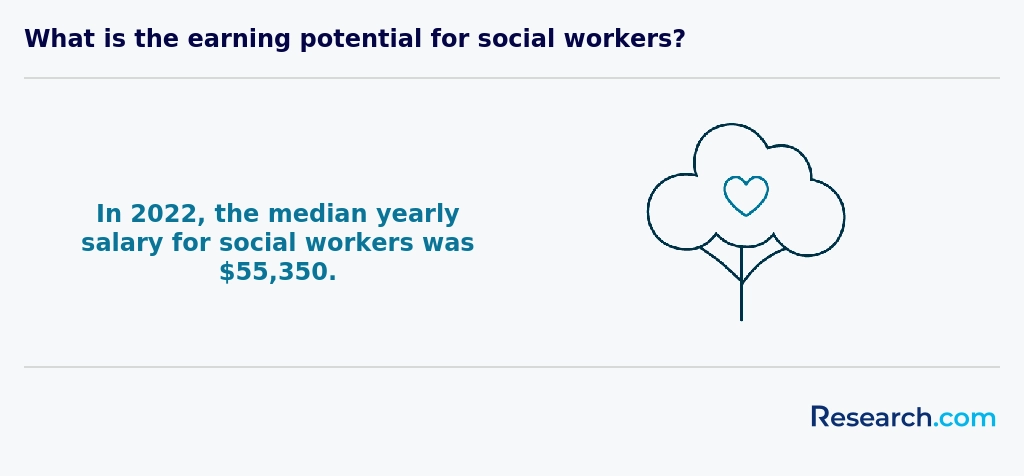
Graduates with social work degrees in the West find themselves stepping into roles that reflect both challenge and opportunity, with earnings that can vary widely. A typical Social Worker in this region earns a mean annual wage of about $68,800, according to BLS data. Those entering child welfare or residential counseling fields, common paths for Bachelor of Social Work holders from schools like the University of Washington or California State University, might expect salaries near $59,190 annually-but these roles offer rich, impactful experiences beyond mere numbers.
For graduates drawn to advocacy or community programs, taking on roles as Community Organizers or Youth Workers, the financial outlook brightens, with mean salaries reaching $83,400 yearly. Alumni from institutions such as the University of Southern California often speak to how these positions amplify their purpose while providing competitive wages.
Such figures challenge the stereotype of social work as financially limiting. Instead, they underscore the West's investment in social services and mental health. This blend of meaningful work and solid pay makes pursuing a social work degree here a deeply rewarding choice.
2027 Most Popular Social Work Degree Programs Ranking in the West
How do we rank schools?
Investing in your education is a significant decision that can profoundly impact your future, and the Research.com team is committed to helping you make well-informed choices. To support prospective social work students in the Western region, we have carefully developed the "2027 Most Popular Social Work Degree Programs Ranking in the West." Our dedication to quality, credibility, and accuracy is demonstrated through thorough research and rigorous analysis behind this ranking.
We utilized the following reputable data sources to ensure a comprehensive evaluation of social work programs:
By exploring this ranking, readers will gain valuable insights into the most prominent social work degree programs in the West, empowering them to choose the best path for their academic and professional goals. For further details on how this ranking was created, please visit our Research.com methodology page.


Key Findings
- Tuition for social work degrees in Western states ranges from $8,000 to $20,000 annually at public universities and can exceed $30,000 at private schools.
- Master of Social Work (MSW) programs typically require two years after earning a bachelor's degree and include internships or fieldwork.
- Starting salaries for social workers in the West average around $50,000 per year, with experienced workers earning over $70,000 annually.
- Social work employment in the West is growing at about 12% from 2022 to 2032, driven by demand for mental health and healthcare services.
- Licensure requires completing a CSWE-accredited program and passing a state licensing exam, with specific rules varying by state.
- California, Washington, and Oregon have the highest job concentrations and wages for social workers in the region.
How long does it take to complete social work degree in the West?
Completing a social work degree in the Western United States is often seen as a fixed timeline, but real student experiences reveal a more flexible journey. For example, at universities like the University of Washington or California State University, a Bachelor of Social Work typically spans four years, aligning with the traditional undergraduate pace. Graduates recall this timeframe as an immersive experience, balancing coursework with 400 field placement hours that deeply connect theory to real communities.
Many graduate students pursuing their Master of Social Work find the timeline less rigid. While full-time MSW programs generally last two years, accelerated paths allow some to finish in as little as one year-especially those returning with a BSW. Several graduates from institutions such as the University of Southern California attest to the intense, rewarding nature of these advanced standing programs, where 900 to 1,200 hours of fieldwork provide invaluable hands-on learning.
Part-time options further challenge the conventional timeline, enabling working professionals to extend their education over three or more years. This flexibility, common across Western universities, brings relief and pride to those balancing careers while advancing their social impact.
Accreditation and Licensure: Ensuring Professional Standards
Before enrolling in any Social Work program, verify that it holds Council on Social Work Education (CSWE) accreditation-an essential benchmark that ensures curricula meet industry standards and qualify graduates for licensure. CSWE accreditation is required in all states for eligibility to sit for the Association of Social Work Boards (ASWB) examinations, which include the Bachelor’s (BSW), Master’s (MSW), and Clinical (LCSW) levels. Licensing requirements vary by state but generally follow a similar path: • Complete an accredited BSW or MSW program. • Accumulate supervised post-degree experience (typically 2,000–4,000 hours). • Pass the appropriate ASWB exam. • Apply for licensure with the state board and fulfill any additional jurisprudence exams or background checks. For those aiming to practice clinically, an MSW from an accredited institution is non-negotiable. Many graduates report that programs with embedded licensure preparation-such as exam review workshops and state-specific ethics courses-significantly ease the transition into professional practice. Additionally, engaging in continuing education units (CEUs) post-licensure is vital to maintain credentials and stay current with evolving best practices. When comparing tuition and accreditation status, prospective students in neighboring regions may find value in reviewing affordable options: Most Affordable Social Work Degree Programs Ranking in Colorado. This perspective can help balance cost considerations with the imperative of selecting a fully accredited program that meets both educational and licensure requirements.
What's the difference between online and on-campus social work degree?
Choosing between online and on-campus social work degrees in the Western US isn't just about convenience versus tradition; it shapes your entire learning journey. Graduates from universities like the University of Southern California recall thriving in on-campus programs where spontaneous hallway conversations with professors sparked insights no screen can replicate. Conversely, those who studied online at institutions such as Arizona State University celebrate the flexibility to juggle work, family, and coursework without sacrificing rigorous field practicum requirements.
Imagine navigating your studies while living in a rural Oregon town: online programs become lifelines, yet you must cultivate sharper self-discipline and secure local placements with adaptable supervision. On-campus students at Western Washington University, however, benefit from immediate access to library resources and face-to-face mentoring, fostering confidence and hands-on skills.
Cost is tricky-on-campus tuition hovers between $12,000 and $25,000 annually at public Western universities, but online students often offset higher fees by saving on housing and commuting. Ultimately, deciding hinges on whether you value immersive community connections or flexible autonomy tailored to your Western lifestyle.
Licensure Pathways and Requirements for Social Workers in the West
Navigating the licensure process is a critical step toward practicing as a professional social worker. In most Western states, graduates begin by earning either a Bachelor of Social Work (BSW) or a Master of Social Work (MSW), each qualifying them for different levels of licensure. BSW holders often pursue the Licensed Baccalaureate Social Worker (LBSW) credential, which requires passing the Association of Social Work Boards (ASWB) bachelor’s exam and completing supervised practice hours-typically 1,000 to 2,000, depending on state regulations. MSW graduates aiming for clinical practice must obtain the Licensed Clinical Social Worker (LCSW) license by passing the ASWB clinical exam and accruing 2,000 to 4,000 hours of post-graduate supervised experience. State boards vary in their supervision rules and renewal cycles, so it’s essential to consult the local social work board for exact requirements. For example, California mandates 3,000 supervised hours over two to six years and 36 hours of continuing education every two years. In contrast, Washington requires 2,000 hours of clinical supervision plus 45 continuing education credits per renewal period. Reciprocity agreements between states can simplify the transition if you relocate, but verifying eligibility in your new jurisdiction before applying is crucial. When selecting an undergraduate program, consider both accreditation by the Council on Social Work Education (CSWE) and affordability; choosing a low cost bachelor's degree in social work can reduce financial barriers as you complete supervised hours and exam prep. Additionally, many schools offer ASWB exam preparation workshops and internship placements that count toward licensure supervision. By understanding each state’s requirements and leveraging institutional support, you can streamline your path to becoming a licensed social worker in the West.
What is the average cost of social work degree in the West?
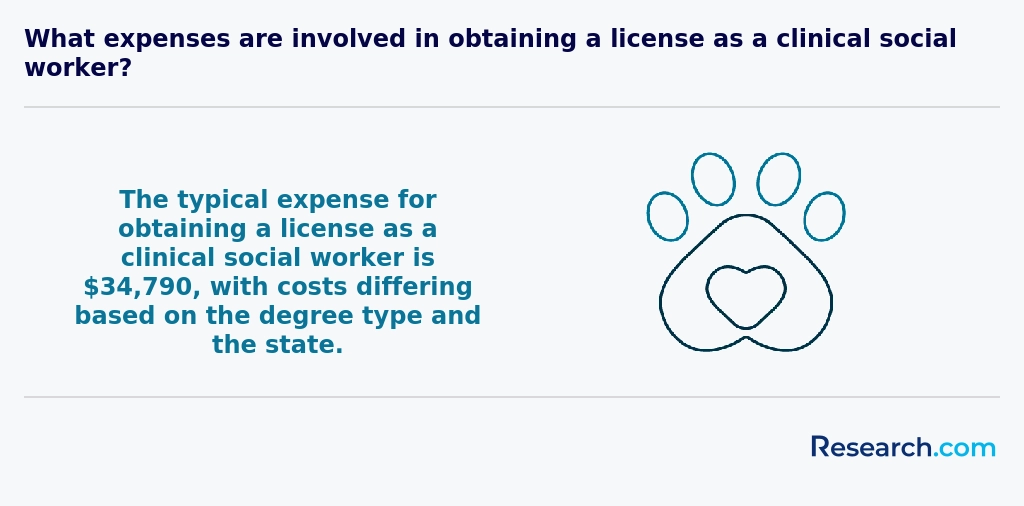
The average cost of earning a social work degree in the West challenges many assumptions about affordability in higher education. For students aiming to complete a Bachelor or Master of Social Work, the median total cost often hovers around $42,886, reflecting a blend of tuition, fees, and basic expenses. Graduates from public universities in states such as California and Washington report that in-state tuition can be significantly lower, sometimes close to $9,720, providing a more accessible path if residency requirements are met.
However, the story changes dramatically for out-of-state students, who typically face total costs near the median with far less financial relief, highlighting a tough but motivating factor for many enrolled in these programs. For instance, graduates from well-regarded social work departments at universities known across the West often speak about navigating these hurdles with strong campus support systems that emphasize scholarships and flexible payment plans.
This variation in cost invites deeper reflection on the true investment of a social work degree-not just the dollars but the quality of education, community connections, and long-term career impact. Students consider more than just numbers when exploring the cost to earn social work degree Western US, often looking into institutions that offer valuable field placements or research opportunities. Some even find pathways at the fastest online social work programs in Arizona, balancing cost and convenience in their personal journey.
Emerging Trends in Social Work Education
Modern social work education is rapidly evolving to meet the demands of a changing society, integrating innovative teaching methods, technology, and updated curricular content. As educational institutions adapt to the digital age, many programs are incorporating virtual simulations, online collaborative projects, and telehealth components to better prepare students for real-world challenges. This trend not only enhances student engagement but also equips graduates with advanced skills in digital communication and remote service delivery, which are becoming increasingly valuable in today’s interconnected world. An exciting development in this sphere is the growth of advanced online programs that provide flexibility without compromising academic rigor. For instance, several universities now offer robust online learning platforms that support research-driven coursework and interactive virtual field experiences. Prospective students interested in gaining a competitive edge can explore options such as online phd programs in social work, which combine cutting-edge technology with expert instruction and comprehensive research opportunities. In addition, current trends show a rising emphasis on interdisciplinary collaboration. Social work programs are forging partnerships with public health, psychology, and technology departments to offer cross-disciplinary courses and research projects. These initiatives not only broaden the scope of learning but also foster innovative approaches to tackle complex social issues. Graduates emerging from these programs report increased confidence in handling diverse challenges, including mental health crises, community organization, and policy advocacy. As the landscape of social work education continues to evolve, institutions remain committed to implementing evidence-based practices and promoting experiential learning. This dynamic environment ensures that social workers are not only equipped with traditional theoretical knowledge but are also prepared to lead transformative change in both local and global communities.
What financial aid is available to social work degree students in the West?
Financial aid for social work students in the Western United States often feels like piecing together a puzzle, but countless graduates from institutions like the University of Southern California and the University of Washington attest to its transformative power. Many tap into federal programs such as FAFSA to secure grants like the Pell Grant, which can cover up to $7,395 yearly without the burden of repayment, a lifeline amid steep tuition fees ranging from $7,000 to $40,000 for BSW and MSW programs. These grants serve as a foundation-state-specific scholarships in California, Oregon, and Washington frequently fill critical gaps, offering targeted support that reflects the region's commitment to social work education.
Loans, often dreaded, can also become manageable through Public Service Loan Forgiveness, where graduates working full-time in nonprofits see their debts erased after a decade of service. A graduate sharing their story reveals how a combination of scholarships from the NASW Foundation and a graduate assistantship provided both financial relief and invaluable practical experience, making the demanding journey feel hopeful and achievable.
Licensing Requirements
Understanding licensure is key to practicing social work professionally in Western states. Steps to licensure typically include:
- Completing a CSWE-accredited degree (BSW or MSW). Many students accelerate this path through accelerated msw programs.
- Accumulating required supervised practice hours (usually 1,500–3,000 hours over 1–3 years, depending on state).
- Passing the appropriate ASWB examination (Bachelor’s or Master’s level).
- Submitting an application to your state board (initial license: LBSW/LMSW; advanced license: LCSW or equivalent).
What are the prerequisites for enrolling in social work degree program in the West?
Enrolling in a social work degree in the West demands more than transcripts and test scores; it requires a glimpse into your determination and empathy. Graduates from universities like the University of Washington or UC Berkeley often recall the weight of rigorous prerequisites: a high school diploma with a solid GPA around 2.5 to 3.0 for bachelor's programs, bolstered by coursework in psychology and sociology that laid a foundation for understanding human behavior. It's not just academics-letters of recommendation and personal statements are pivotal, revealing your genuine commitment to social justice.
At the master's level, the bar rises. MSW hopefuls at institutions such as Portland State or Arizona State invest not only in a bachelor's degree but also hands-on experience in community service. Months spent volunteering or working in shelters underscore readiness for graduate challenges. One graduate vividly described how this practical experience transformed theoretical knowledge into compassion-driven action. In these Western programs, the journey isn't solely about meeting standards; it's about embodying the ethical responsibility that social work demands.
Flexible Learning Options for Social Work Students in the West
For students in the West who are eager to pursue a career in social work but face constraints such as work or family commitments, flexible learning options like online or part-time programs can be particularly appealing. These programs allow students to balance their studies with other responsibilities, making it more feasible to achieve their educational goals. When considering these options, students should research institutions that offer accredited online social work programs, which can provide the same level of education as traditional on-campus programs but with the flexibility to complete coursework at their own pace. For instance, students interested in the fastest online social work programs in Arizona can find a range of opportunities that cater to their needs, from fully online to hybrid models that combine online learning with on-campus experiences. This flexibility in learning options not only caters to the diverse needs of students but also ensures that they can pursue their passion for social work without compromising their other obligations.
What courses are typically in social work degree programs in the West?
Courses in social work programs across the Western United States go far beyond textbooks-they immerse you in real-life challenges that shape your empathy and skills. Graduates from prominent West Coast universities often recall their first field practicum, where theoretical knowledge met the gritty realities of community agencies. This blend of core subjects like Human Behavior and the Social Environment with hands-on experience creates a uniquely dynamic learning environment.
Social Welfare Policy and Services classes compel students to question how laws impact marginalized communities, encouraging them to become advocates, not just practitioners. Meanwhile, Research Methods and Statistics equip learners to critically analyze what works, fostering confidence in evidence-based interventions.
Students at top regional colleges emphasize how Social Work Practice courses-focused on counseling individuals and families-bring clarity to complex emotional landscapes. These curriculum components embody the West's commitment to culturally competent and community-centered practice, preparing students for meaningful impact.
What types of specializations are available in social work degree programs in the West?
Social work degree specializations in the West extend far beyond the basics, pushing students to immerse themselves deeply in areas like Clinical Social Work, Child and Family Social Work, and Gerontology. Graduates from University of California campuses often share how Clinical Social Work training profoundly transformed their approach to mental health care, allowing them to confidently support clients facing complex psychological challenges in real-world California communities. Meanwhile, those pursuing Child and Family Social Work feel a strong sense of purpose addressing urgent issues like abuse and neglect, driven by firsthand experiences in Oregon's diverse family support systems. Gerontology programs in Washington universities uniquely prepare students to advocate for the rapidly aging population, fostering empathy and resilience through partnerships with local senior centers.
Many reflect that these West Coast programs decisively shape their career direction, weaving regional social challenges into coursework, making every lesson immediately relevant. For those interested in advancing further, several explore online phd programs in social work to deepen their expertise while staying rooted in Western values. These focus areas illustrate why top social work programs Western region attract students eager to contribute meaningfully.
How do you choose the best social work degree in the West?
Choosing the best social work degree in the West means looking beyond rankings and considering personal fit in programs like those at the University of Washington or California State University. Graduates often share how critical field education is-internships in vibrant urban centers such as Seattle or Los Angeles shape practical skills more than textbooks ever can. Cost is frequently the deal-breaker; students recommend exploring financial aid and scholarships to avoid overwhelming debt, and many find that a low cost bachelor's degree in social work can provide strong outcomes without financial strain. Don't overlook program delivery style-online and hybrid options at Western institutions offer flexibility that suits working adults. Finally, look into faculty research interests, especially in areas like mental health or child welfare, to find a community that kindles passion and nurtures growth. Selecting an affordable social work degree Western states ensures deeper engagement and a fulfilling path tailored to your aspirations.
What career paths are available for social work degree students in the West?
Graduates of social work programs in the West find themselves drawn to diverse career paths beyond the expected, from clinical social work offering therapy and counseling to critical roles in child welfare protecting vulnerable youth. Many graduates from well-known institutions like the University of Washington share how their MSW degrees opened doors to roles that blend direct client engagement with community advocacy, particularly in states with high demand such as California. This real-world impact resonates deeply with those who seek meaning in their careers, reinforcing that jobs for social work graduates in Western states are rich with opportunities for tangible change.
In education, social work graduates often become vital school social workers supporting student well-being, an area highlighted by the California Department of Education. These professionals navigate complex emotional landscapes, advocating for students and removing barriers to learning, which is profoundly rewarding. Community-focused roles, a path many find at nonprofits or healthcare organizations in cities like Portland or Denver, engage in addressing systemic issues faced by marginalized groups. Aspiring social workers interested in a balance of advocacy, counseling, and program development will find this especially fulfilling.
For those weighing the financial investment of an MSW in the West, exploring options like the Most Affordable Social Work Degree Programs Ranking in Colorado offers practical insight. Graduates often recall how the comprehensive training at these programs fueled their confidence to step into complex social roles where passion meets purpose. The varied landscape of career paths available to social work degree holders in the region challenges the notion that social work is limited; instead, it presents a dynamic array of possibilities.
What is the job market for social work degree in the West?
The social work job outlook West 2027 reveals a landscape full of promise but demands serious preparation and awareness of local requirements. Graduates from universities like the University of Washington or California State University regularly share how licensure, especially the Licensed Clinical Social Worker (LCSW) credential, significantly impacts their ability to secure fulfilling roles and better wages. Social work in urban hubs such as Los Angeles also offers opportunities across diverse settings-from schools to healthcare facilities-reflecting the region's complex social fabric.
Employment opportunities for social work graduates West are bolstered by strong regional acceptance of social services, yet the path is not without challenges. Many students find that understanding the balance between cost and quality, especially when considering MSW programs, helps them navigate choices wisely. Public schools, with in-state tuition averaging $7,000 to $15,000 for BSW degrees, appeal to many seeking an accessible entry into the field, while private institutions offer resources but at a higher price.
Graduates often reflect on how their education prepared them for real-world impact, from supporting families in rural Oregon to addressing substance abuse in San Francisco. For students evaluating career options, exploring the easiest online college degree paths can also help in balancing cost and time while entering a market hungry for skilled professionals motivated by change.
Frequently Asked Questions About social work
Social work degree students in the Western United States can maximize their learning experience by actively engaging in field placements. According to the Council on Social Work Education (CSWE), accredited programs require at least 900 hours of supervised practicum, which is crucial for hands-on learning. Students should seek placements in diverse settings such as community agencies, schools, or healthcare to broaden their skills.
Participating in local professional organizations like the California Chapter of the National Association of Social Workers (NASW) offers networking and continuing education opportunities. Additionally, Western schools often emphasize culturally competent practice due to the region's diverse populations.
Utilizing university resources, including tutoring and counseling centers, further supports academic success.
The social work field in the Western United States is expanding into several emerging niches. One rapidly growing area is geriatric social work, driven by the aging Baby Boomer population. According to the National Association of Social Workers (NASW), demand for specialists to support older adults is projected to increase by 30% over the next decade.
Another niche gaining attention is telebehavioral health, which uses digital technology to provide mental health services remotely. This has become particularly prominent in rural Western regions where access to traditional services is limited.
Environmental social work also stands out, addressing the social impacts of climate change. With California and other Western states facing increased natural disasters, social workers trained in this field support affected communities.
Specializations in integrated healthcare settings further reflect a shift toward collaborative care models. This allows social workers to coordinate closely with medical professionals, improving outcomes for diverse populations.
Graduates with social work degrees in the West should begin preparing early for the job market by gaining relevant experience through internships or field placements. The Council on Social Work Education (CSWE) emphasizes practical experience, which enhances employability. Networking with professionals in local agencies can open doors to job opportunities. Additionally, obtaining state licensure is crucial; requirements vary across Western states but generally include passing the ASWB exam and completing supervised hours.
Research from the Bureau of Labor Statistics highlights that social work jobs are growing faster than average, especially in California, Washington, and Oregon. Enhancing skills in areas like mental health or substance abuse counseling can improve job prospects.
Employers in the Western United States prioritize several key skills when hiring social work degree graduates. Critical among these is cultural competence, given the region's cultural diversity. According to the California Board of Behavioral Sciences, understanding and respecting different backgrounds is essential for effective client interaction.
Communication skills are highly valued, including both active listening and clear documentation. The National Association of Social Workers (NASW) highlights the importance of these skills in building trust with clients and multidisciplinary teams.
Problem-solving and adaptability are also crucial, as social workers often face complex, rapidly changing situations. Additionally, knowledge of local social policies, especially in states like Washington and Oregon, is beneficial for navigating resources.
Overall, these skills equip graduates to meet the specific demands of social services in the Western US.
Finding social work internships in the Western United States involves a strategic approach guided by university resources and local agency opportunities. Many accredited programs require an internship or practicum, which helps students gain hands-on experience in fields like child welfare, healthcare, or mental health.
Students should start by consulting their social work department's career services or field placement office. These often maintain partnerships with regional nonprofits and government agencies. For example, California's Department of Social Services frequently offers placements tailored to social work students.
Professional organizations such as the National Association of Social Workers (NASW) California Chapter provide a valuable directory of internship options. Additionally, platforms like Handshake and LinkedIn feature listings specifically targeting internships in the West. Networking through local social service events also boosts prospects.
A social work degree significantly enhances career mobility and advancement opportunities in the Western United States. According to the U.S. Bureau of Labor Statistics, states like California, Washington, and Oregon show high demand for social workers, with projected job growth rates of over 12% through 2030. Holding a Bachelor's or Master's in Social Work (BSW or MSW) often qualifies graduates for licensure, which is essential for many advanced roles in health care, schools, or government agencies.
Professionals with an MSW gain access to leadership, clinical, and specialized positions, increasing their earning potential and job flexibility. Additionally, regional accreditation and relationships with local agencies foster networking and career development in the West's diverse communities. Institutions like the California Board of Behavioral Sciences also emphasize continued education, further promoting long-term advancement.
Studying for a social work degree in the Western United States equips students with skills essential for interdisciplinary collaboration. Western programs emphasize integrating knowledge from psychology, public health, education, and law, reflecting regional priorities. According to the Council on Social Work Education (CSWE), over 70% of accredited Western schools incorporate interdisciplinary coursework and fieldwork experiences.
This approach trains students to work effectively with diverse professionals in healthcare, schools, and community agencies. Students learn to communicate across disciplines, a key skill given the complex challenges clients face.
Field placements in urban and rural Western settings expose learners to real-world interdisciplinary teams, enhancing practical understanding.
Choosing between a thesis and a non-thesis social work degree program in the West depends largely on your career goals and learning preferences. Thesis programs typically require students to conduct original research, which can be beneficial if you plan to pursue a doctoral degree or a career in research.
Non-thesis programs focus more on practical skills and coursework, preparing students for direct practice roles or advanced clinical positions. According to the Council on Social Work Education (CSWE), many Western social work programs offer both options, reflecting regional demand for diverse professional paths.
Consider how much time you can dedicate; thesis options often extend program length due to research and writing requirements.
Employment prospects may vary slightly, with non-thesis graduates often entering clinical practice sooner, while thesis graduates have an edge in academia or policy-focused roles.
Students based in the Western United States who wish to study social work abroad have a variety of options primarily through partnerships between US universities and foreign institutions. Many Western universities offer study abroad programs or exchange agreements with schools in Canada, Europe, and Australia, regions known for strong social work education.
Additionally, students may enroll directly in accredited programs overseas, such as those in the United Kingdom, which follow the British Association of Social Workers guidelines. The Council on Social Work Education (CSWE) in the US often recognizes international coursework when arranged through approved exchange programs.
Financial aid and scholarships specific to study abroad are often available, especially at public universities in states like California and Washington, where 15% of social work students participate in international study experiences according to recent CSWE reports.
Students pursuing social work degrees in the Western United States have various part-time job opportunities that complement their academic training. Common roles include mental health technician, case management assistant, and community outreach worker. These jobs provide hands-on experience in client interaction and service coordination, crucial for social work practice.
According to the U.S. Bureau of Labor Statistics, California, Washington, and Oregon show growing demand for social service assistants, with projected employment growth rates above the national average through 2031. This regional growth offers many part-time openings suitable for students.
Part-time work in local non-profits, schools, and healthcare facilities is also frequent, helping students build relevant skills while managing coursework.
Social work students in the Western United States have access to a range of networking opportunities that enhance their professional development. Many universities partner with local agencies, offering internships and field placements that connect students with practicing social workers and community leaders. According to the Council on Social Work Education (CSWE), Western programs emphasize experiential learning, which naturally expands students' professional networks.
Regional conferences, such as those held by the California Chapter of the National Association of Social Workers (NASW), attract students and professionals alike. These events foster relationships through workshops and networking sessions. Additionally, student chapters of NASW are common on campuses, providing regular meetings and mentorship possibilities.
Online platforms and statewide social work associations also support connections, especially important in rural areas of the West. Such networks help students explore career paths and find job opportunities after graduation.
Alumni networks play a vital role for social work degree students in the Western United States by providing career support and professional connections. Graduates from top social work programs in California, Washington, and Oregon report that active alumni groups help them find internships and job opportunities more easily. According to the Western Association of Schools and Colleges (WASC), strong alumni ties correlate with a 15% higher job placement rate within six months of graduation.
These networks offer mentoring programs where experienced social workers guide current students through licensing and certification processes specific to the West Coast states. Additionally, alumni events often include workshops and seminars on emerging social policies and practices relevant to the region.
By fostering these relationships, alumni networks help students build lasting support systems that extend beyond graduation. This community engagement is particularly valuable in Western states where social work challenges often include diverse populations and rural outreach.
Customizing a social work degree in the Western US often involves selecting a program that offers specialized tracks aligned with career goals. Many universities in California, Oregon, and Washington provide concentrations such as clinical social work, community practice, or policy advocacy. These options allow students to focus on areas like mental health, child welfare, or gerontology.
Fieldwork placements are another key way to tailor your education. Western schools typically have partnerships with local agencies, letting students gain practical experience relevant to their interests. According to the Council on Social Work Education (CSWE), over 80% of accredited programs in the West emphasize such hands-on training.
Elective courses and dual-degree options, such as combining social work with public health or law, further enhance customization. This flexibility helps graduates meet regional workforce needs, as the Bureau of Labor Statistics projects a 15% growth in social work jobs in the Western states through 2030.
Social work students in the Western United States often face significant challenges during their education. Financial stress is common, as tuition rates for social work programs can be high, with an average annual cost of $10,000 to $25,000 depending on the institution, according to the National Association of Social Workers (NASW). Balancing fieldwork practicum hours with coursework is another major hurdle, as students must complete hundreds of supervised hours in diverse settings.
Additionally, the emotional toll of engaging with vulnerable populations can lead to burnout and mental health concerns. Limited availability of specialized faculty for emerging fields like clinical social work or policy advocacy adds to academic pressure.
With a social work degree in the Western United States, graduates can pursue several professional certifications that enhance career opportunities. The most recognized credential is the Licensed Clinical Social Worker (LCSW), which requires a master's degree, supervised experience, and passing a state exam. This license allows social workers to provide therapy and clinical services independently.
Another important certification is the Certified Social Work Case Manager (C-SWCM), focusing on managing client care across multiple services. Additionally, the Board Certified Diplomate in Clinical Social Work (BCD) acknowledges advanced clinical expertise, although it is less common.
Data from the California Board of Behavioral Sciences indicates that over 60% of social workers in California hold an LCSW, reflecting its importance in the Western job market.
Crafting a winning application for a social work program in the Western US requires clear demonstration of your commitment to community welfare. Admissions committees value genuine motivation; therefore, your personal statement should reflect your experiences and ambitions in the field.
Highlight any volunteer or professional activities related to social work. According to the Western Association of Schools and Colleges, practical experience greatly strengthens applications by showing applicants' readiness for rigorous study.
Academic performance matters-maintain a competitive GPA, generally above 3.0, especially in social sciences. Additionally, secure strong letters of recommendation from supervisors or professors familiar with your dedication and skills.
Finally, prepare thoroughly for interviews by articulating your understanding of social issues prevalent in Western communities, such as homelessness and mental health challenges, supported by recent regional data from the California Board of Behavioral Sciences.
Social work careers in the United States are influenced by global perspectives, emphasizing cultural competence and international collaboration. According to the Council on Social Work Education (CSWE), many Western programs integrate global social issues such as human rights, migration, and poverty into their curricula. This prepares students for diverse environments and international challenges.
Employment growth for social workers in the US is projected at 12% through 2031 (Bureau of Labor Statistics), reflecting rising demand in health, child welfare, and mental health sectors. Global health organizations and NGOs often seek professionals trained in Western social work principles due to their rigorous ethical standards and practical skills.
Additionally, studying social work in the West often involves understanding global policy trends and adapting best practices from other countries, enriching a student's capability to work in multicultural settings.
Gaining practical experience while studying for a social work degree in the Western U.S. is essential. Most accredited programs require students to complete field placements or internships. These hands-on opportunities typically involve 400 to 900 hours of supervised work in agencies such as hospitals, schools, or community organizations. The Council on Social Work Education (CSWE) sets these standards nationally.
Many universities in the West have partnerships with local agencies to facilitate internships. These placements help students apply theory to real-world situations and develop professional skills. According to the California Board of Behavioral Sciences, practical experience increases employability after graduation.
Students can also volunteer or seek part-time roles in social services to supplement their learning. These activities provide valuable networking opportunities and insight into community needs.
Choosing the right concentration within a social work degree program in the Western US involves considering your career goals and the region's social needs. Common concentrations include clinical social work, child and family services, and community organization. The Western states often emphasize areas such as mental health and substance abuse treatment due to regional demand.
Accredited programs, such as those recognized by the Council on Social Work Education (CSWE), typically offer specialized tracks. Checking employment trends reported by the Bureau of Labor Statistics can help identify high-growth areas; for example, mental health social workers are expected to grow 13% nationally through 2032.
Additionally, consider program partnerships with local agencies for practical experience. California, Washington, and Oregon offer diverse opportunities that influence concentration choices, blending client interaction with policy and advocacy work.
Top Trending Social Work Rankings
See What Experts Have To Say About Studying Social Work
Read our interview with Social Work experts

References
- Guide to Careers in Social Work https://www.onlinemswprograms.com/careers/
- Social Work https://al.edu.pl/en/studies/english-courses-for-erasmus-students/social-work
- 10 Careers for Social Work Majors https://www.umassglobal.edu/blog-news/careers-for-social-work-majors
- How To Become A Social Worker | Psychology.org https://www.psychology.org/social-work/how-to-become/
- What qualifications do you need for a social work degree in the UK? https://www.stonebridge.uk.com/blog/distance-learning/what-qualifications-do-you-need-for-social-work-or/
- Social Work Careers https://socialworklicensemap.com/social-work-careers/
- How to Overcome the Top Challenges Social Workers Face https://www.pacificoaks.edu/voices/social-work/social-work-challenges/
- California Master of Social Work Degree Specializations https://www.californiasocialworkedu.org/california-master-of-social-work-degree-specializations/
- Social Work Education: Interdisciplinary teams a growing area of training https://www.socialworkblog.org/featured-articles/2018/04/social-work-education-interdisciplinary-teams-a-growing-area-of-training/
- The Best International Social Work Internships for Undergrads and Grads https://www.internhq.com/fields/social-work/


