2027 Most Popular Speech Pathology Degree Programs Ranking in Arkansas

Co-Founder and Chief Data Scientist
Choosing the right speech pathology degree program in Arkansas is an important step toward a rewarding career. This article introduces the 2027 Most Popular Speech Pathology Degree Programs Ranking in Arkansas, created by the Research.com team of data scientists to help you make an informed decision.
By exploring this ranking, you'll discover programs that match your goals and interests, making the path to your future clearer and more exciting. A degree in speech pathology opens many doors to helping others and building a meaningful profession.
Your journey starts here-let's find the best program for you together.
Key benefits of getting speech pathology degree in Arkansas
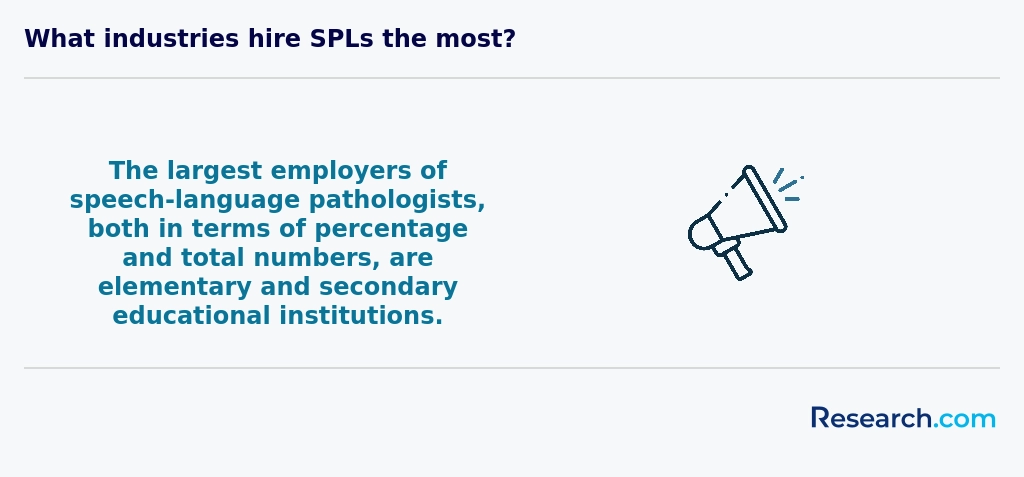
- Speech pathology degree graduates in Arkansas can expect competitive salaries, with speech therapists earning an average annual wage of $96,790 and Speech-Language Pathology Assistants making around $47,010.
- Graduates often pursue rewarding careers as speech therapists, clinical research coordinators, or community outreach coordinators, all of which offer stable job opportunities and the chance to make a real difference in people's lives.
- Completing a speech pathology degree online offers flexibility and convenience, allowing students to balance work and study while gaining the same valuable skills as traditional programs in Arkansas.
- Key benefits of getting speech pathology degree in Arkansas
- What can I expect from speech pathology degree in Arkansas?
- Where can I work with speech pathology degree in Arkansas?
- How much can I make with speech pathology degree in Arkansas?
- 2027 Most Popular Speech Pathology Degree Programs Ranking in Arkansas
- Key Findings
- How long does it take to complete speech pathology degree in Arkansas?
- Licensure and Certification Requirements
- What's the difference between online and on-campus speech pathology degree?
- Considering Budget Constraints: Exploring Affordable Speech Pathology Programs in Arkansas
- What is the average cost of speech pathology degree in Arkansas?
- Licensure and Certification Requirements in Arkansas
- What financial aid is available to speech pathology degree students in Arkansas?
- Certification and Licensure Requirements in Arkansas
- What are the prerequisites for enrolling in speech pathology degree program in Arkansas?
- Certification and Licensing Requirements
- What courses are typically in speech pathology degree programs in Arkansas?
- What types of specializations are available in speech pathology degree programs in Arkansas?
- How do you choose the best speech pathology degree in Arkansas?
- What career paths are available for speech pathology degree students in Arkansas?
- What is the job market for speech pathology degree in Arkansas?
- Related Speech Pathology Rankings for Nearby States
- Top Trending Speech Pathology Rankings
- See What Experts Have To Say About Studying Speech Pathology
What can I expect from speech pathology degree in Arkansas?
The average cost of pursuing a speech pathology degree in Arkansas often surprises many prospective students. Graduates from University of Arkansas or Arkansas State University frequently share how the investment in their education, typically ranging from $15,000 to $40,000 for in-state tuition and fees, felt daunting at first but became a source of empowerment as they gained clinical skills and real-world experience. Many recall late evenings practicing assessments learned in class, then applying those techniques during hands-on clinical practicums at local hospitals and schools.
These programs emphasize evidence-based practice and require close mentorship, which students find invaluable despite the cost. The price tag is often seen not just as a fee but as an entry into a career with meaningful impact. One graduate vividly remembers the moment they first communicated progress with a child during their clinical fellowship-proof that the financial and time investment deeply mattered beyond just numbers. In Arkansas, this blend of cost and opportunity shapes more than careers; it molds passionate, community-centered practitioners.
Where can I work with speech pathology degree in Arkansas?
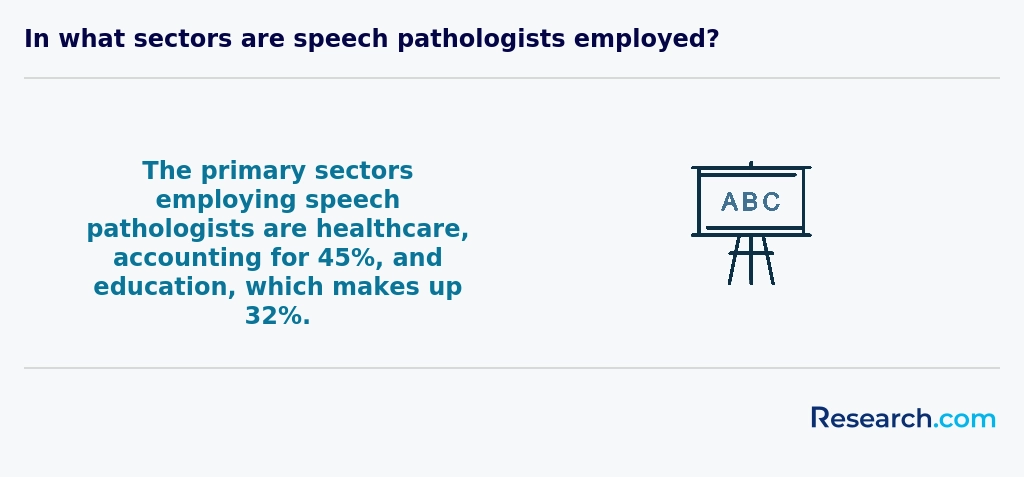
Graduates with a speech pathology degree in Arkansas often find themselves at the heart of vibrant educational and healthcare communities. Imagine working in a bustling Little Rock school district, where you collaborate daily with teachers and parents to support children overcoming speech delays. Many graduates from renowned programs like those at the University of Arkansas experience this rewarding, hands-on impact early in their careers.
Others discover opportunities in major hospitals such as UAMS, treating patients recovering from strokes or traumatic brain injuries. The challenge of diagnosing complex speech and swallowing disorders in these clinical settings fuels professional growth and deep personal satisfaction.
For graduates seeking variety, outpatient clinics scattered across Arkansas's rural counties offer a chance to serve diverse populations, bridging gaps where resources are scarce. The rewarding atmosphere within rehabilitation centers and nursing homes further expands career paths, as graduates help aging adults preserve vital communication abilities.
Arkansas's unique combination of education, healthcare, and community-focused roles invites speech pathology graduates to embrace diverse and meaningful careers, often shaped by the local need and their own passion for making a difference.
How much can I make with speech pathology degree in Arkansas?
Graduates holding a speech pathology degree in Arkansas often find themselves navigating a diverse salary landscape shaped by local demand and specific roles. At universities like the University of Arkansas or Arkansas State University, students hear about starting salaries typically ranging from $55,000 to $65,000 for entry-level speech-language pathologists, aligning with state averages. However, BLS data shows that as these professionals gain experience, some move into roles with impressive median salaries-speech therapists earn around $96,790 annually, surpassing many expectations.
Consider a recent graduate who began working in a hospital setting in Little Rock: their salary edge over school-based roles, which average between $50,000 and $70,000 depending on district funding and experience, reflects workplace influence on pay. Meanwhile, speech-language pathology assistants usually start near $47,010, offering a solid income right out of school for those exploring supportive roles.
Arkansas's rural areas add another layer-graduates taking positions there may benefit from bonuses or loan repayment programs, enhancing their financial outlook beyond base salaries. This dynamic offers a real incentive to impact underserved communities while enjoying meaningful and well-compensated work.
2027 Most Popular Speech Pathology Degree Programs Ranking in Arkansas
How do we rank schools?
Investing in your education is a significant decision that can shape your future, and the Research.com team understands the importance of making informed choices. To assist prospective students in Arkansas, we have meticulously crafted the "2027 Most Popular Speech Pathology Degree Programs Ranking in Arkansas." Our commitment to quality, credibility, and accuracy is reflected in the extensive research and analysis conducted to compile this ranking.
We utilized the following reputable data sources to ensure a comprehensive evaluation of speech pathology programs:
By exploring this ranking, readers will gain valuable insights into the most popular speech pathology degree programs available in Arkansas, helping them make well-informed decisions about their educational paths. For more details on our methodology, please visit our Research.com methodology page.


# 6 position
University of Central Arkansas
Master of Science (M.S.) education program in speech-language pathology


Key Findings
- Speech pathology programs in Arkansas offer Bachelor's and Master's degrees, with the Master's required for professional licensure and certification.
- Annual tuition for in-state students ranges from $8,000 to $12,000 at public universities, while private schools may charge over $20,000 per year.
- Accredited programs follow American Speech-Language-Hearing Association (ASHA) standards, which are necessary for obtaining the Certificate of Clinical Competence in Speech-Language Pathology (CCC-SLP).
- Entry-level salaries in Arkansas typically range from $55,000 to $60,000 annually, with median salaries for experienced professionals around $70,000.
- Employment settings include public schools, hospitals, rehabilitation centers, and private practices across the state.
- Licensing requires completion of clinical hours and passing the national Praxis exam through the Arkansas Speech-Language Pathology and Audiology Board.
How long does it take to complete speech pathology degree in Arkansas?
Completing a speech pathology degree in Arkansas typically requires about six to seven years, combining undergraduate and graduate studies. Graduates from universities like the University of Arkansas often recall the challenge and reward of balancing foundational courses during the four-year bachelor's phase with the intensity of a master's program that demands two to three years of focused study.
Many describe those master's years as transformative, particularly the hands-on clinical practicum required by Arkansas's accredited programs. Imagine spending hundreds of hours in local schools or healthcare facilities, turning theory into real impact-a process that truly shapes your professional confidence.
Some students appreciate accelerated combined degree options offered by certain Arkansas institutions, which slightly shorten this timeline, easing the pressure while maintaining rigorous standards. However, even in these cases, the commitment feels substantial yet deeply fulfilling.
Ultimately, while the timeline might feel long, Arkansas students often express pride in earning both the education and practical experience that prepare them for a meaningful career in speech-language pathology.
Licensure and Certification Requirements
After earning a speech pathology degree in Arkansas, you must meet both national and state standards to practice legally and ensure quality care.
- Graduate from a CAA-accredited master’s program with at least 400 supervised clinical practicum hours
- Pass the ASHA Praxis Examination in Speech-Language Pathology
- Complete a 36-week Clinical Fellowship Year (CFY) under a CCC-SLP mentor
- Apply for the ASHA Certificate of Clinical Competence (CCC-SLP) once CFY requirements are met
- Submit your application, transcripts, Praxis scores and CFY verification to the Arkansas State Board of Examiners in Speech-Language Pathology and Audiology
Compare program costs and accreditation details with our guide to affordable speech pathology graduate programs in arizona.
What's the difference between online and on-campus speech pathology degree?
Choosing between online and on-campus speech pathology degrees in Arkansas reveals more than just a difference in location-it shapes your learning journey and daily life. Graduates from the University of Arkansas often recall the energized campus atmosphere, where face-to-face interactions in clinical practicums built confidence through immediate feedback. The structured schedule helped them stay focused, surrounded by peers and accessible faculty.
Conversely, alumni from programs like those at Arkansas State University describe their online experience as a flexible lifeline, allowing them to juggle family, work, and studies without uprooting their lives. Despite studying remotely, they emphasize that clinical hours-arranged locally-were just as rigorous, meeting Arkansas and national accreditation standards. This flexibility, combined with reduced living expenses, created a unique sense of empowerment and self-discipline.
Both paths demand grit and clinical practice, but the choice often boils down to how students envision their daily routines and personal growth within the speech pathology profession in Arkansas.
Considering Budget Constraints: Exploring Affordable Speech Pathology Programs in Arkansas
When exploring speech pathology programs in Arkansas, it's essential to consider the financial aspect, especially for students on a tight budget. The cost of tuition, fees, and living expenses can quickly add up, making it challenging for some students to pursue their dreams. However, there are affordable options available, and with some research, you can find a program that fits your budget. If you're looking for cheapest speech pathology schools in Arkansas, you might want to start by comparing the tuition fees and financial aid options offered by different institutions. Many universities in Arkansas offer scholarships, grants, and assistantships to help students cover the costs, and some even provide online or part-time programs for added flexibility. By weighing your options carefully and exploring all the available resources, you can find an affordable speech pathology program in Arkansas that aligns with your career goals and financial situation.
What is the average cost of speech pathology degree in Arkansas?
The average cost of a speech pathology degree in Arkansas reveals an intriguing balance between affordability and quality education. Graduates from popular universities like the University of Arkansas often reflect on how the median in-state cost of about $10,313 made pursuing a Master of Science in Speech-Language Pathology feasible without overwhelming financial burden. This contrasts sharply with the total median cost for out-of-state students, which can rise to $36,306, underscoring the significant impact residency status has on tuition fees and shaping students' educational choices.
Many students appreciate that Arkansas speech pathology degree tuition and fees remain competitive compared to national averages, especially at public institutions where in-state tuition is markedly lower. Graduates often share stories of manageable debt and the ability to focus more on hands-on clinical experiences than stressing over mounting costs. Those attending private colleges frequently highlight the trade-offs between higher tuition fees and unique clinical opportunities that enrich their learning beyond traditional classroom settings.
For prospective students who want to make informed financial decisions, exploring fields like speech pathology programs means weighing more than just price tags. Practical resources can be found by researching the cheapest speech pathology schools in Arkansas, which help highlight options that fit personal budgets without compromising educational quality or career prospects.
Licensure and Certification Requirements in Arkansas
After earning your speech pathology degree, securing the proper licensure and certification is essential before you can practice in Arkansas. The Arkansas Board of Examiners in Speech–Language Pathology and Audiology oversees state licensure, which requires: 1. Accredited Degree and Transcript Review • You must hold a master’s degree from a CAA-ASHA accredited program. • Submit official transcripts to the Board for verification of 75 semester hours in communication sciences and disorders. 2. Praxis Examination • Pass the Praxis® Examination in Speech–Language Pathology (Test Code 5331) with the minimum score established by the Board (typically 162 or higher). • Scores are submitted electronically by ETS directly to the Arkansas Board. 3. Clinical Fellowship Year (CFY) • Complete a minimum of 36 weeks (1,260 clock hours) of mentored clinical experience under a licensed SLP. • Your supervisor must hold ASHA’s Certificate of Clinical Competence (CCC-SLP) and provide quarterly evaluations. 4. ASHA Certification (CCC-SLP) • While not mandatory for state licensure, obtaining the Certificate of Clinical Competence from the American Speech-Language-Hearing Association enhances job prospects. • Requires proof of master’s degree, completion of CFY, passing Praxis scores, and adherence to ASHA’s Code of Ethics. 5. Renewal and Continuing Education • Arkansas SLP licenses must be renewed biennially. • Licensees must complete at least 20 hours of continuing education (CE) per renewal cycle, including two hours in ethics. • Acceptable CE activities include workshops, online courses, and professional conferences. When researching graduate programs that streamline admission and prepare you thoroughly for licensure, consider exploring the easiest SLP programs to get into as you plan your path to certification in Arkansas.
What financial aid is available to speech pathology degree students in Arkansas?
Many speech pathology students in Arkansas quickly discover that funding their education is less daunting than expected once they tap into a blend of aid options. At public universities like the University of Arkansas at Little Rock, graduate students often rely on merit-based scholarships and assistantships, which transform their financial burden into opportunities. Imagine balancing coursework while receiving a stipend and tuition remission simply by lending your skills to research or teaching-this is a real lifeline for students aiming to keep debt minimal.
Federal financial aid remains foundational, with the FAFSA opening doors to subsidized loans tailored for graduate studies. While some may overlook state programs, Arkansas-specific scholarships such as the Academic Challenge Scholarship occasionally extend to graduate learners, broadening the support net.
Beyond institutional aid, many graduates speak highly of professional organizations like ASHA, whose targeted grants can be game-changers. Additionally, the National Health Service Corps' loan forgiveness program invites graduates to serve underserved communities in Arkansas, turning financial strain into meaningful work that resonates with personal values while easing debt.
Certification and Licensure Requirements in Arkansas
To practice as a Speech-Language Pathologist in Arkansas, you must meet both national and state requirements designed to ensure high standards of care. First, complete a master’s degree from a CAA-ASHA–accredited program, which guarantees that your coursework and clinical experiences align with professional benchmarks. You can explore cost-effective options in our Inexpensive Speech Pathology Degree Programs Ranking in Arkansas to find accredited programs that fit your budget. Next, you’ll need to pass the Praxis ® Examination in Speech-Language Pathology, administered by ETS. A competitive score not only strengthens your licensure application but also signals readiness to employers. Once you’ve passed the Praxis, apply for state licensure through the Arkansas Board of Examiners in Speech-Language Pathology and Audiology (ABESPA). Requirements include:
- Official transcripts showing a master’s in speech-language pathology
- Praxis exam score report
- Verification of a 36-week, full-time clinical fellowship under an ASHA-certified supervisor After ABESPA approval, you earn your Arkansas license and become eligible to apply for the Certificate of Clinical Competence (CCC-SLP) from the American Speech-Language-Hearing Association. Holding both state licensure and ASHA certification maximizes job prospects in schools, hospitals, and private practice. Maintaining licensure in Arkansas requires annual renewals and completion of at least 12 continuing education units (CEUs) every two years. CEUs can be earned through workshops, webinars, or ASHA-approved courses. Staying current with best practices not only upholds legal requirements but also enhances your clinical skills and professional reputation.
What are the prerequisites for enrolling in speech pathology degree program in Arkansas?
Enrolling in a speech pathology degree program in Arkansas demands more than just meeting basic educational benchmarks; it calls for a genuine commitment demonstrated through specific prerequisites. Graduates from the University of Arkansas often recall how completing foundational courses in anatomy, physiology, and psychology revealed the intricate connection between science and human communication, fueling their passion to help others. A minimum GPA of around 3.0 isn't just a number-it reflects the perseverance needed to thrive in these rigorous programs.
Applicants to schools like the University of Arkansas for Medical Sciences share how documenting clinical observation hours transformed abstract concepts into real-world empathy, preparing them mentally and emotionally for their future roles. Personal statements and recommendation letters become windows into a candidate's motivation, showcasing an individual's readiness to face the challenges of speech pathology.
These experiences, coupled with possible GRE requirements, ensure that only truly dedicated students advance, making the journey both demanding and deeply rewarding in Arkansas's supportive academic environments.
Certification and Licensing Requirements
To practice in Arkansas as a speech-language pathologist, you must:
- Complete a CAA-accredited graduate program (many students choose online slp master's programs).
- Accumulate at least 400 clinical practicum hours during graduate study.
- Pass the Praxis® Examination in Speech-Language Pathology.
- Finish a 36-week Clinical Fellowship Year (CFY) under a licensed SLP supervisor.
- Apply for state licensure through the Arkansas Department of Education and earn the ASHA CCC-SLP credential.
Licenses renew every two years, requiring 30 ASHA-approved continuing education units to maintain good standing.
What courses are typically in speech pathology degree programs in Arkansas?
Students pursuing speech pathology degrees in Arkansas often find themselves immersed in a curriculum that goes beyond textbooks, connecting deeply with human communication and its challenges. At institutions like the University of Arkansas or Arkansas State University, graduates recall how courses in anatomy and physiology of speech and hearing mechanisms felt less like abstract science and more like unlocking the secrets of everyday conversation. These classes reveal the complexity behind what we casually take for granted-how air, muscles, and nerves coordinate to produce speech.
Language development and phonetics courses bring further discovery. Reflecting on these experiences, many graduates describe moments of awe while studying how children acquire language naturally, or how subtle sound differences can change meaning entirely in real conversations. This understanding is crucial when diagnosing speech disorders, transforming clinical treatment into empathetic communication.
Clinically focused courses in assessment and therapy make the learning tangible. Graduates often recall how hands-on experience during audiology and supervised practicum courses brought their classroom knowledge to life, turning theory into moments of connection with clients facing real communication barriers.
What types of specializations are available in speech pathology degree programs in Arkansas?
Arkansas speech pathology degree focus areas reveal a surprising variety beyond the expected paths. Graduates often reflect on their transformative experiences specializing in pediatric speech pathology, where early intervention shapes young lives and brings deep emotional rewards. In programs at popular Arkansas universities, students engage directly with children facing developmental delays, uncovering the profound impact of tailored therapy on family dynamics.
Adult speech pathology, another significant specialization, calls for empathy and resilience as students learn to assist those recovering from strokes or neurodegenerative diseases. The experience in Arkansas's healthcare settings fosters a meaningful connection to an aging population grappling with communication challenges, enhancing students' sense of purpose.
Exploring medical speech pathology and cognitive-communication disorders broadens horizons further, as students encounter complex cases involving swallowing disorders or brain injuries. These challenging yet inspiring environments at Arkansas institutions push students to develop innovative approaches. For those seeking options, Arkansas also offers opportunities through easiest SLP programs to get into, ensuring accessible pathways to enter this rewarding profession.
These specializations in Arkansas speech pathology specializations in Arkansas stimulate not only career growth but a deep personal transformation that many graduates cherish.
How do you choose the best speech pathology degree in Arkansas?
Choosing the best speech pathology degree in Arkansas means looking beyond just program names or tuition costs. Graduates from the University of Arkansas often share how critical the hands-on clinical practicum was in shaping their confidence and competence, confirming that in Arkansas, this practical experience is non-negotiable for licensure. Many who pursued a Master's degree in Speech-Language Pathology emphasize how programs accredited by ASHA's Council on Academic Accreditation (CAA) truly set the stage for success in both certification and employment.
Consider how affordable speech pathology degrees Arkansas offer can impact your journey-not just tuition but the full educational investment. Public universities here tend to be budget-friendly for in-state students, which graduates find valuable for reducing financial stress while maintaining quality. Also, tracking graduation and Praxis exam pass rates uncovers hidden gems in program quality, rejecting the idea that higher price always equals better education. For a practical guide on cost-effective options, see the Inexpensive Speech Pathology Degree Programs Ranking in Arkansas.
What career paths are available for speech pathology degree students in Arkansas?
Graduates in Arkansas pursuing speech pathology careers often find themselves at the crossroads of diverse professional paths. Many start in public school districts, where they experience the unique satisfaction of helping children overcome communication challenges, enhancing their academic lives. These roles require licensure through the Arkansas Department of Education, ensuring professionals are equipped for the task. Others are drawn to healthcare environments-hospitals, rehab centers, nursing homes-where collaboration with medical teams leads to powerful patient recovery stories. For example, graduates from popular Arkansas universities describe the rewarding impact of aiding stroke survivors regain speech.
Arkansas speech pathology job opportunities also extend to private clinics and outpatient centers, offering flexibility unheard of in more traditional roles. Some graduates cherish the autonomy of customizing treatment plans, often specializing in voice therapy or swallowing difficulties. For those inclined toward academic pursuits, research and faculty roles at Arkansas colleges remain an option, though they demand advanced degrees. Interested students might explore 1 year master programs to accelerate their careers.
What is the job market for speech pathology degree in Arkansas?
The speech pathology job outlook in Arkansas remains promising, fueled by steady demand across healthcare and educational sectors. Graduates from well-regarded programs at state universities often find themselves quickly employed in diverse settings such as public schools or outpatient clinics. Many speak about the rewarding feeling of making a tangible difference in rural communities, where access to speech therapy is scarce, underscoring the real-world impact of their work.
Arkansas speech pathology career opportunities often start with competitive salaries around $50,000 for entry-level roles and can rise with experience, especially in urban centers like Little Rock. Graduates from Arkansas-based programs appreciate how the cost of earning a degree here-typically $10,000 to $20,000 yearly in-state tuition-makes pursuing this career attainable without excessive financial strain. This accessibility encourages more students to pursue advanced training confidently.
Students often find that meeting Arkansas's state licensure and ASHA certification requirements enhances their job prospects, particularly in specialized areas like pediatric or geriatric care. Those interested in flexible education paths might explore easy online associate degrees as a stepping stone toward master's programs, making the journey more manageable without sacrificing ambition.
Frequently Asked Questions About speech pathology
Speech pathology students in Arkansas can maximize their learning by engaging fully with both academic coursework and practical experiences. Arkansas offers several accredited programs that include hands-on clinical practicum requirements, essential for developing real-world skills. According to the American Speech-Language-Hearing Association (ASHA), completing the necessary clinical hours and internships is critical for certification. Students should seek placements in diverse settings, such as schools, hospitals, and rehabilitation centers, to broaden their expertise.
Additionally, Arkansas students benefit from nearby professional organizations and conferences, which provide networking and continuing education opportunities. Staying updated on state licensure requirements and examination guidelines offered by the Arkansas Speech-Language-Hearing Association can also streamline the path to practice. Leveraging university resources like research labs and tutoring centers further supports academic success.
The field of speech pathology is rapidly evolving, with several emerging niches gaining attention in Arkansas. One key area is telepractice, which has expanded due to advances in technology and the need for accessible therapy in rural parts of the state. According to the Arkansas Speech-Language-Hearing Association, telepractice has increased client reach by over 30% since 2020.
Another growing niche is pediatric feeding and swallowing disorders, where specialists address complex challenges affecting infants and children. Additionally, voice therapy for aging populations is becoming more prominent due to Arkansas's increasing elderly demographic.
Finally, work with patients who have suffered traumatic brain injuries, especially from motor vehicle accidents common in the state, is a developing specialty reflecting local healthcare demands.
After earning a speech pathology degree in Arkansas, preparing for the job market involves several key steps. First, graduates must complete their clinical fellowship, required by the American Speech-Language-Hearing Association (ASHA) for certification as a Speech-Language Pathologist (SLP). This supervised experience typically lasts about 36 weeks. Arkansas offers diverse clinical settings, including hospitals, schools, and rehabilitation centers, providing practical exposure.
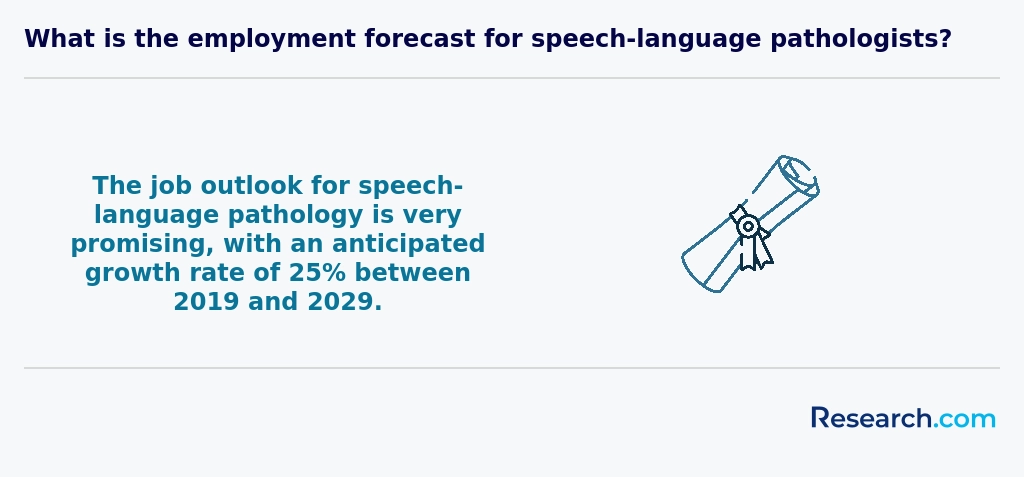
Networking is important; joining state organizations like the Arkansas Speech-Language-Hearing Association can connect graduates with local employers. According to the Bureau of Labor Statistics, the demand for SLPs in Arkansas is expected to grow 21% through 2031, reflecting strong job prospects.
Additionally, passing the Praxis exam and obtaining state licensure are mandatory steps for employment in Arkansas.
Employers in Arkansas seek several key skills when hiring speech pathology graduates. Strong communication abilities are essential, as professionals must effectively assess and treat speech and language disorders. Arkansas speech-language pathologists often work with diverse populations, so cultural competence and empathy are important. Critical thinking and problem-solving skills enable effective therapy plan design tailored to individual client needs.
Technical proficiency with assessment tools and documentation systems is also highly valued. According to the Arkansas Speech-Language-Hearing Association, around 70% of employers prioritize hands-on clinical experience. Additionally, collaboration skills matter since speech pathologists frequently work with educators and healthcare teams.
Finding internships in Arkansas relevant to a speech pathology degree involves exploring opportunities in various clinical and educational settings. Many universities offering speech pathology programs have partnerships with local hospitals, schools, and rehabilitation centers where students gain supervised clinical experience.
The Arkansas Speech-Language-Hearing Association (ArSHA) provides resources and networking events that can help students connect with internship supervisors statewide. According to the Bureau of Labor Statistics, Arkansas shows steady demand for speech-language pathologists, increasing internship availability.
Students can also use the American Speech-Language-Hearing Association (ASHA) online internship database, filtering for Arkansas locations to find accredited clinical placements. Early communication with academic advisors ensures alignment of internship goals with certification requirements.
A speech pathology degree significantly enhances career mobility and advancement opportunities in Arkansas. Graduates typically qualify for state licensure and certification, including the Certificate of Clinical Competence in Speech-Language Pathology (CCC-SLP), which is essential for practicing professionally. According to the U.S. Bureau of Labor Statistics, Arkansas shows steady employment growth for speech-language pathologists, projected at 13% from 2022 to 2032, faster than the average for all occupations.
Holding a degree from an accredited program enables access to diverse work settings such as schools, healthcare facilities, and private practice, broadening career options. Additionally, Arkansas employers often prioritize candidates with master's degrees in speech pathology, facilitating promotions and higher salaries.
Studying for a speech pathology degree in Arkansas equips students with skills to work effectively in interdisciplinary teams. Programs in Arkansas emphasize collaboration with professionals like educators, occupational therapists, and healthcare providers. This approach aligns with guidance from the American Speech-Language-Hearing Association (ASHA), which stresses the importance of teamwork in client care.
Arkansas universities integrate clinical experiences in various settings including schools and hospitals. These experiences allow students to apply communication and swallowing disorder treatments alongside other specialists. According to the Arkansas Speech-Language-Hearing Association, graduates often find roles where cooperation across disciplines enhances patient outcomes.
Courses cover anatomy, psychology, and education, preparing students to understand diverse perspectives. This interdisciplinary training helps meet the growing state demand for speech-language pathologists, projected to rise by 15% through 2030, per the U.S. Bureau of Labor Statistics.
When choosing between a thesis and a non-thesis speech pathology degree program in Arkansas, consider your career goals. A thesis option usually suits students interested in research or pursuing a doctoral degree later. It involves conducting original research and writing a comprehensive paper, which can enhance critical thinking and academic skills.
On the other hand, non-thesis programs focus more on practical training and clinical experience, preparing students for immediate work in healthcare settings. According to the Arkansas Speech-Language-Hearing Association, demand for clinical professionals is growing steadily, reflecting a trend toward applied skills.
Additionally, non-thesis programs may take less time to complete, often appealing to working professionals. Carefully review program curricula and speak with advisors to match your interests with program requirements.
Students based in Arkansas interested in studying speech pathology abroad have several pathways to consider. While Arkansas itself offers reputable programs accredited by the Council on Academic Accreditation in Audiology and Speech-Language Pathology (CAA), exploring international options requires ensuring the foreign degree meets U.S. certification standards. Many students pursue study abroad through exchange programs affiliated with their Arkansas university or enroll in universities recognized by the American Speech-Language-Hearing Association (ASHA).
Popular destinations include Canada, the United Kingdom, and Australia, where speech pathology programs often align closely with ASHA certification prerequisites. Arkansas students should verify program accreditation and clinical practicum opportunities abroad. According to the Arkansas Department of Higher Education, combining international study with certification eligibility enhances career flexibility in the growing speech pathology field.
Students pursuing speech pathology degrees in Arkansas can benefit from several part-time job opportunities that complement their education. Working as a teacher's aide in special education classrooms provides practical experience with children who have communication challenges, a common focus in speech pathology. Arkansas's public school system employs many aides, offering flexible hours compatible with class schedules. Additionally, part-time roles as rehabilitation aides in healthcare facilities or nursing homes allow students to observe licensed speech-language pathologists and assist clients directly.
The Arkansas Department of Workforce Services reports steady growth in allied health support occupations, highlighting these roles' availability. Volunteering or paid internships at local clinics can further enhance skills relevant to certification requirements.
Speech pathology students in Arkansas have multiple networking opportunities through university organizations, local associations, and clinical placements. Universities like the University of Arkansas offer active chapters of the American Speech-Language-Hearing Association (ASHA) student groups. These groups connect students with professionals for mentorship and career advice.
Additionally, the Arkansas Speech-Language-Hearing Association (ArSHA) hosts conferences and workshops that provide valuable professional networking events. Clinical placements in Arkansas healthcare settings, schools, and rehabilitation centers also allow students to build practical relationships with licensed speech-language pathologists.
These connections can improve job prospects in Arkansas' growing healthcare market, which is projected to increase speech pathology roles by approximately 15% over the next decade, according to the U.S. Bureau of Labor Statistics.
Alumni networks offer significant advantages for speech pathology degree students in Arkansas by providing access to professional connections and mentorship opportunities. Graduates can rely on these networks for guidance during clinical placements and job searches, which is crucial given Arkansas's growing demand for speech-language pathologists.
According to the Arkansas Department of Health, the state's need for qualified speech therapists is rising by approximately 5% annually. Alumni networks help students tap into this market through referrals and insider knowledge of local healthcare and educational employers.
Furthermore, these networks often organize workshops and continuing education events, supporting students' professional growth beyond graduation.
Customizing a speech pathology degree program in Arkansas starts with selecting courses aligned with your career goals. Many Arkansas universities offer both undergraduate and graduate options that allow students to focus on pediatric, adult, or medical speech-language pathology specialties.
You can tailor your program by choosing electives such as augmentative communication, swallowing disorders, or bilingual speech therapy. Clinical practicum opportunities in Arkansas healthcare facilities and schools provide hands-on experience, which is key for specialization.
Arkansas requires certification from the American Speech-Language-Hearing Association (ASHA) and state licensure, so programs often integrate preparation for the Praxis exam. Check if the school offers mentorship or externships related to your target population to further customize your learning path.
Speech pathology students in Arkansas often face several challenges during their studies. One common issue is securing clinical placements, which are critical for hands-on experience but can be limited in availability across the state. According to the Arkansas Speech-Language-Hearing Association, competition for these placements has increased due to growing enrollment in related programs.
Additionally, the demanding curriculum requires balancing coursework, research, and practical hours. Many students report stress related to maintaining this balance, especially when juggling part-time jobs or family responsibilities.
Another challenge involves understanding complex state licensure requirements, which include specific supervised clinical hours and passing the Praxis exam.
Graduates with a speech pathology degree in Arkansas can pursue the Certificate of Clinical Competence in Speech-Language Pathology (CCC-SLP) offered by the American Speech-Language-Hearing Association (ASHA). This certification is highly valued nationwide and often required by employers.
To obtain the CCC-SLP, candidates must complete a master's degree, a supervised clinical fellowship, and pass a national examination. In Arkansas, this certification supports licensure through the Arkansas Speech-Language Pathology Advisory Committee, enabling practice across the state.
Additionally, state licensure is mandatory for clinical practice in Arkansas, and the CCC-SLP credential substantially aids in meeting licensure requirements. Some professionals also seek specialized credentials in areas like fluency or swallowing disorders to enhance career opportunities.
Applying to a speech pathology program in Arkansas requires careful preparation. First, ensure your academic record meets the program's standards, typically including a bachelor's degree with prerequisite courses in communication sciences. Many programs, such as the University of Arkansas's Master of Science in Speech Pathology, emphasize a strong GPA, often above 3.0.
Highlight relevant experience, including volunteer work or internships in speech therapy settings. Submit competitive GRE scores if required, although some Arkansas programs have waived this recently. Personal statements should clearly state your motivation and understanding of the profession, as Arkansas programs value candidates who demonstrate commitment to serving local communities.
Letters of recommendation are vital; choose references who can attest to your academic and interpersonal skills. Lastly, apply early to increase your chances, as Arkansas's speech pathology programs receive numerous applications every year, according to the Arkansas Speech-Language-Hearing Association.
Speech pathology is a growing field globally, with increasing demand for professionals who diagnose and treat communication disorders. In the United States, including Arkansas, the career outlook is strong. According to the U.S. Bureau of Labor Statistics, employment of speech-language pathologists is projected to grow 21% from 2021 to 2031, much faster than average for all occupations.
Globally, standards for training and certification vary, but the U.S. follows rigorous educational pathways governed by the American Speech-Language-Hearing Association (ASHA). Arkansas requires licensure and ASHA's Certificate of Clinical Competence to practice, ensuring high professional quality.
Internationally, speech pathology careers are expanding due to increased awareness of communication disabilities and aging populations, contributing to steady demand and global mobility of qualified clinicians.
Gaining practical experience is essential when pursuing a speech pathology degree in Arkansas. Most accredited programs require students to complete supervised clinical placements. These are typically arranged through partnerships with local hospitals, schools, and rehabilitation centers.
Arkansas speech pathology students often participate in on-campus clinics, where they work directly with clients under professional supervision. This hands-on approach develops clinical skills and ensures readiness for certification.
The Arkansas Speech-Language-Hearing Association and state universities provide resources and internships to support practical training. According to the American Speech-Language-Hearing Association, students must complete at least 400 clinical hours before graduation to qualify for the national certification exam.
Choosing the right concentration within a speech pathology degree program in Arkansas depends on your career goals and interests. Some programs offer focuses such as pediatric speech disorders, adult rehabilitation, or bilingual communication, reflecting the state's diverse population. According to the Arkansas Speech-Language-Hearing Association, demand is high for specialists working with children in schools and adults in medical settings. Researching each program's curriculum and fieldwork opportunities can help you identify which concentration matches your professional ambitions. You should also consider Arkansas licensure requirements, which often shape program offerings, to ensure your chosen path aligns with state standards.
Related Speech Pathology Rankings for Nearby States
- 2027 Most Popular Speech Pathology Degree Programs Ranking in Missouri
- 2027 Most Popular Speech Pathology Degree Programs Ranking in Oklahoma
- 2027 Most Popular Speech Pathology Degree Programs Ranking in Mississippi
- 2027 Most Popular Speech Pathology Degree Programs Ranking in Louisiana
- 2027 Most Popular Speech Pathology Degree Programs Ranking in Kentucky
- 2027 Most Popular Speech Pathology Degree Programs Ranking in Kansas
- 2027 Most Popular Speech Pathology Degree Programs Ranking in Alabama
- 2027 Most Popular Speech Pathology Degree Programs Ranking in Illinois
- 2027 Most Popular Speech Pathology Degree Programs Ranking in Indiana
- 2027 Most Popular Speech Pathology Degree Programs Ranking in Georgia
Top Trending Speech Pathology Rankings
See What Experts Have To Say About Studying Speech Pathology
Read our interview with Speech Pathology experts

References
- What Degree Is Required for a Career in Speech Therapy? | Advanced Therapy Clinic https://www.advancedtherapyclinic.com/blog/what-degree-is-required-for-a-career-in-speech-therapy
- The 10 Biggest Challenges of Being a Speech Pathologist https://www.friendshipcircle.org/blog/2014/03/03/the-10-biggest-challenges-of-being-a-speech-pathologist
- Speech Pathology Internships Guide https://speechpathologymastersprograms.com/speech-pathology-careers/speech-pathology-internships-guide/
- 24 Online Speech Pathology Programs https://speechisbeautiful.com/2016/05/24-online-speech-pathology-programs/
- Personal Statement for Graduate Application for Speech Pathology https://essayforum.com/graduate/statement-application-pathology-41202/
- Alternative Careers for SLPs: 13 Non-Clinical Paths Clinicians Love - SLP Transitions https://slptransitions.com/alternative-careers-speech-pathologists-slps/
- Medical Speech-Language Pathologist - Explore Healthcare Careers - Mayo Clinic College of Medicine & Science https://college.mayo.edu/academics/explore-health-care-careers/careers-a-z/medical-speech-language-pathologist/
- How to Become a Speech Language Pathologist (SLP): Your Career Guide | GHR Education https://www.ghreducation.com/blog/become-speech-language-pathologist
- Eligibility and Requirements https://www.kumc.edu/school-of-health-professions/academics/departments/hearing-and-speech/academics/speech-language-pathology-degrees/master-of-arts-in-speech-language-pathology-(m.a.slp)/eligibility-and-requirements.html
- Your Guide to SLP Certifications and Specialties https://otpotential.com/blog/slp-certifications-and-specialties