2027 Most Popular Speech Pathology Degree Programs Ranking in Georgia

Co-Founder and Chief Data Scientist
Are you considering a career in speech pathology in Georgia? Choosing the right degree program is an important step toward achieving your goals and making a real difference in people's lives.
This article introduces the 2027 Most Popular Speech Pathology Degree Programs Ranking in Georgia, developed by the Research.com team of data scientists. It offers valuable insights to help you explore and compare programs that fit your needs.
Reading this guide can support your journey toward a rewarding and impactful profession with confidence and clarity.
Key benefits of getting speech pathology degree in Georgia
- Salary for speech pathology degree graduates: Graduates in Georgia can expect rewarding salaries with roles like Speech Therapist earning a mean annual wage of $96,790 and Speech-Language Pathology Assistants around $47,010, reflecting strong financial stability.
- Career paths: A speech pathology graduate from the University of Georgia often finds diverse opportunities in schools, healthcare, and community outreach, allowing for fulfilling work in various supportive and clinical roles.
- Benefits of online degrees: Earning a speech pathology degree online from institutions like Georgia State University provides flexibility and convenience, enabling students to balance studies with personal commitments while still gaining valuable credentials.
- Key benefits of getting speech pathology degree in Georgia
- What can I expect from speech pathology degree in Georgia?
- Where can I work with speech pathology degree in Georgia?
- How much can I make with speech pathology degree in Georgia?
- 2027 Most Popular Speech Pathology Degree Programs Ranking in Georgia
- Key Findings
- How long does it take to complete speech pathology degree in Georgia?
- Licensure and Certification Requirements
- What's the difference between online and on-campus speech pathology degree?
- Licensure and Certification Process in Georgia
- What is the average cost of speech pathology degree in Georgia?
- Making an Informed Decision: Factors to Consider for Speech Pathology Programs in Georgia
- What financial aid is available to speech pathology degree students in Georgia?
- Future Trends in Speech Pathology and Emerging Opportunities
- What are the prerequisites for enrolling in speech pathology degree program in Georgia?
- Licensing and Certification Requirements
- What courses are typically in speech pathology degree programs in Georgia?
- What types of specializations are available in speech pathology degree programs in Georgia?
- How do you choose the best speech pathology degree in Georgia?
- What career paths are available for speech pathology degree students in Georgia?
- What is the job market for speech pathology degree in Georgia?
- Related Speech Pathology Rankings for Nearby States
- Top Trending Speech Pathology Rankings
- See What Experts Have To Say About Studying Speech Pathology
What can I expect from speech pathology degree in Georgia?
The average cost for a speech pathology degree in Georgia varies, but you can generally expect public universities like Georgia State or Augusta University to be more budget-friendly, especially if you're a state resident. Most grads share that paying around $7,000 to $10,000 per year for tuition at these schools was manageable, and the programs usually last about two years after your bachelor's degree. Private schools tend to be pricier, but many students find that scholarships, financial aid, or healthcare-focused grants help a lot.
One common story from Georgia speech pathology grads is how affordable tuition let them focus more on their clinical hours instead of stressing about debt. For example, those studying at the University of Georgia often mention how their programs balance solid classroom learning with hands-on practice without breaking the bank. Given that a master's degree is required here for licensure, keeping costs reasonable was a huge relief for many.
Students often highlight that the investment feels worth it, especially since clinical placements in Georgia settings like schools and rehab centers give them real-world confidence to jump straight into their careers.
Where can I work with speech pathology degree in Georgia?
If you've got a speech pathology degree from a school like Georgia State University or Augusta University, you're stepping into a world full of great job options right here in Georgia. Plenty of grads find themselves working in healthcare settings, like hospitals or rehab centers, helping patients regain speech skills after injuries or illnesses. It's pretty rewarding to be part of someone's recovery journey.
Many graduates also head to local public schools, especially around Atlanta or Savannah, working directly with kids who need speech support. These roles often come with state certification requirements, but the impact you make? Totally worth it. Plus, some grads enjoy the flexibility of starting or joining private clinics in places like Athens or Macon, tailoring therapy for all ages, from tiny tots to adults.
And if teaching or research sounds cool, universities often look for speech pathologists to train students or run clinical programs. It's a perfect fit for those wanting to shape the next generation of SLPs while staying connected to real clinical work.
Others find fulfilling roles in nursing homes or early intervention programs, supporting Georgia's aging population or helping little ones start strong. There's truly a path for every passion.
How much can I make with speech pathology degree in Georgia?
If you're wrapping up a speech pathology degree in Georgia, you can expect your salary to vary depending on where you land your first job and the type of employer you choose. Graduates from well-known programs at places like Georgia State University or the University of Georgia often start around $57,000 to $65,000, especially if they jump into school or hospital settings. But don't worry-there's room to grow!
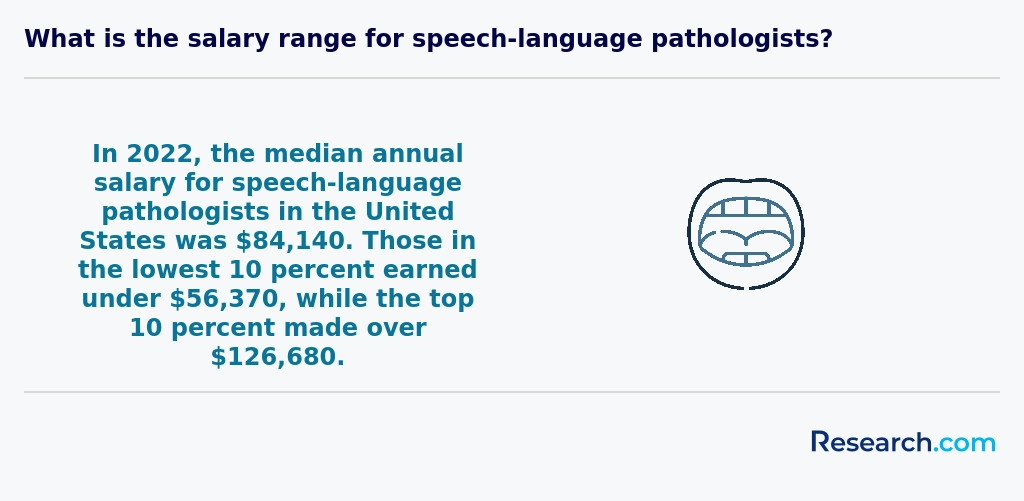
According to the latest data, speech therapists in Georgia pull in about $79,000 on average yearly, which is pretty close to the national average. Now, if you snag a job in Atlanta or other metro areas, you might see salaries over $85,000 because of the higher demand and cost of living there.
For those interested in related roles, a Speech-Language Pathology Assistant typically earns around $47,000 per year. And jobs like Clinical or Community Outreach Coordinators, fields some speech path grads get into, offer salaries close to $43,000 to $96,000 depending on the role.
Graduates often share how certifications like the CCC-SLP helped boost their salaries and open doors in private clinics or healthcare settings in Georgia. Plus, places in rural Georgia sometimes throw in special perks or loan forgiveness, making your paycheck stretch a bit further.
2027 Most Popular Speech Pathology Degree Programs Ranking in Georgia
How do we rank schools?
Investing in your education is a significant decision that can shape your future, and the Research.com team understands the importance of making informed choices. To assist prospective students in Georgia, we have meticulously crafted the "2027 Most Popular Speech Pathology Degree Programs Ranking in Georgia." Our commitment to quality, credibility, and accuracy is reflected in the extensive research and analysis conducted to compile this ranking.
We utilized the following reputable data sources to ensure a comprehensive evaluation of speech pathology programs:
By exploring this ranking, readers will gain valuable insights into the best speech pathology degree programs available in Georgia, helping them make informed decisions about their educational paths. For more details on our methodology, please visit our Research.com methodology page.

# 2 position
University of Georgia
Master of Education (M. Ed.) in Communication Sciences and Disorders
# 3 position
Georgia State University
Master of Science (M.S.) in Communication Sciences and Disorders (Speech-Language Pathology)


Key Findings
- Speech pathology degrees in Georgia require a master's as the entry-level education to become a licensed speech-language pathologist.
- Annual tuition for master's programs ranges from about $15,000 to $35,000, varying by public or private institutions and residency status.
- Starting salaries for new speech pathologists in Georgia average around $55,000 per year, increasing to approximately $75,000 with five or more years of experience.
- Job growth for speech-language pathologists in Georgia is above average, with employment opportunities in hospitals, schools, rehab centers, and private practices.
- Licensure in Georgia requires an accredited degree, a supervised clinical fellowship, and passing the Praxis exam.
How long does it take to complete speech pathology degree in Georgia?
If you're thinking about studying speech pathology in Georgia, expect to spend around six years total before you're ready to start your career. Most grads from popular schools like Georgia State University or the University of Georgia start with a four-year bachelor's degree in communication sciences or a related field. After that, it's usually two more years diving deep into graduate courses specifically for speech-language pathology.
One grad shared how juggling coursework and clinical experiences made those two years fly by, especially knowing it's all prepping you for real-world work helping people. The clinical fellowship after graduation is another big step-about 9 to 12 months of hands-on, supervised practice that really builds confidence before you get licensed.
While some students try part-time or slower paths, most stick to the full-time track at public universities in Georgia since it helps them graduate quicker and jump into the field sooner. It's a solid balance of classroom learning and practical experience designed to set you up for success.
Licensure and Certification Requirements
To practice as a speech-language pathologist in Georgia, you must complete the full education, examination, supervised practice, and licensing process. The sequence below outlines the core requirements students should plan for before choosing a program.
- Earn a master’s degree from a CAA-accredited speech-language pathology program
- Pass the Praxis Examination in Speech-Language Pathology
- Complete a 36-week Clinical Fellowship Year (CFY) under a licensed SLP
- Apply for state licensure through the Georgia Board of Examiners for Speech-Language Pathology and Audiology
- Obtain ASHA’s Certificate of Clinical Competence in Speech-Language Pathology (CCC-SLP)
- Fulfill biennial continuing education requirements to maintain licensure
Meeting these steps helps ensure you are qualified to provide speech-language pathology services in Georgia. If you are comparing lower-cost options in other states, review affordable SLP programs in Arizona while confirming that any program you choose can support your intended licensure pathway.
What's the difference between online and on-campus speech pathology degree?
Online and on-campus speech pathology degrees in Georgia each have their perks, depending on what fits your lifestyle. For example, graduates from the University of Georgia often mention how on-campus programs gave them quick access to faculty and clinical labs, making it easier to get hands-on practice and build friendships in person. But those who took online courses appreciated the flexibility; they could study from home in Atlanta or Savannah and arrange their clinical hours nearby, which helped balance work or family commitments.
Both formats require completing a clinical practicum, but online students often find it empowering to organize their placement locally, turning their community into a real-world learning hub. At Georgia State University, students on campus enjoy the buzz of campus life and face-to-face mentoring, but the fixed schedules can be a bit intense. Meanwhile, online learners celebrate fitting coursework around life's demands without sacrificing the quality required for certification in Georgia.
Licensure and Certification Process in Georgia
To become licensed as a speech-language pathologist in Georgia, candidates must complete a structured pathway that includes graduate education, examination, supervised clinical training, and a state licensure application. Because speech-language pathology is a regulated healthcare and education-related profession, students should verify requirements early and choose programs that clearly support licensure preparation.
Typical pathway to Georgia SLP licensure
- Complete a master’s degree in Speech-Language Pathology from a program accredited by the Council on Academic Accreditation (CAA).
- Pass the Praxis Examination in Speech-Language Pathology, administered by the Educational Testing Service (ETS), with a score that meets or exceeds the Georgia Board’s minimum requirement.
- Complete a Clinical Fellowship Year (CFY), including at least 1,260 hours of supervised clinical experience under the mentorship of a licensed and certified speech-language pathologist.
- Apply for the Certificate of Clinical Competence (CCC) through the American Speech-Language-Hearing Association (ASHA), if pursuing national professional certification.
- Submit a licensure application to the Georgia Board of Examiners for Speech-Language Pathology and Audiology.
Application materials typically include official transcripts, a Praxis score report, CFY verification form, background check, and application fee. The Board typically processes applications within 4–6 weeks; once approved, the license is valid for two years and must be renewed biennially. Renewal requires proof of at least 20 hours of continuing education, which can include workshops, online courses, and professional conferences.
Students comparing affordability should review total cost, clinical placement support, and licensure alignment together. A low-cost program is only a good value if it helps you meet the requirements needed to practice. For a broader cost comparison outside Georgia, see the Inexpensive Speech Pathology Degree Programs Ranking in North Dakota.
What is the average cost of speech pathology degree in Georgia?
When you're looking at the average speech pathology degree cost Georgia students face, it definitely varies depending on where you enroll. For example, many grads from public universities in Georgia find the overall cost to be pretty reasonable, especially when considering in-state tuition, which commonly totals around $6,100. Compared to private schools that can run much higher, public options feel like a great value, making it easier to focus on studies rather than just the finances.
Many students at well-known programs in Georgia often share they appreciate the balance between quality education and affordable pricing. Out-of-state learners, however, should be prepared to spend more, sometimes upwards of $32,000 for the whole degree. It's a significant jump but still manageable with careful planning and scholarships. Plus, spots at top institutions often come with assistantships or work-study roles to help lighten the load.
Also, when weighing the cost of speech pathology programs in Georgia, remember to factor in materials, practicum fees, and licensing exams-things that grads know add up but are well worth it for hands-on experience and future job opportunities. For those hunting for budget-friendly options, checking out the most affordable speech pathology programs in Georgia can be a smart move to balance costs and career goals.
Making an Informed Decision: Factors to Consider for Speech Pathology Programs in Georgia
Choosing a speech pathology program in Georgia should be a structured decision, not a quick reaction to a ranking or a familiar school name. Start with accreditation and licensure alignment, then compare cost, clinical training, admissions selectivity, faculty expertise, student support, and graduate outcomes.
Cost is important, but it should not be evaluated in isolation. Review tuition, required fees, transportation to clinical sites, exam costs, background checks, and the amount of time you may be unable to work because of practicum requirements. Students focused on affordability can begin with the most affordable speech pathology programs in Georgia, then narrow the list by accreditation and clinical quality.
Checklist before applying
- Confirm the program’s accreditation status and whether it supports Georgia licensure requirements.
- Ask how clinical placements are assigned and what populations students typically serve.
- Review prerequisite coursework, GPA expectations, application deadlines, and any volunteer or observation-hour requirements.
- Compare net cost after financial aid, scholarships, assistantships, and in-state tuition benefits.
- Ask about Praxis preparation, completion rates, fellowship placement, and recent employment outcomes.
- Consider whether the format fits your life: on-campus, hybrid, or online coursework with approved clinical experiences.
The strongest choice is a program that fits your budget while still preparing you for supervised clinical practice, professional exams, and long-term work in the setting you care about most.
What financial aid is available to speech pathology degree students in Georgia?
If you're diving into a speech pathology degree in Georgia, there's a bunch of financial aid waiting to lighten your load. Most students tackling master's programs at schools like Georgia State University or the University of Georgia tap into federal aid first-think Pell Grants if you're undergrad, and for grad school, loans like the Direct Unsubsidized or Grad PLUS Loans are pretty common. Just fill out the FAFSA, and you're on your way to seeing what help fits your situation.
State-level support like the HOPE Scholarship and HOPE Grant can also help, especially if you got your undergrad covered through those. While those don't always apply during grad school, they really ease the financial stress leading up to it. Graduates often share how departmental scholarships from their speech pathology programs-offered by universities like UGA-made a real difference, whether through merit or diversity awards.
Plus, external aid like scholarships from ASHA or work-study gigs such as graduate assistantships can chip away at costs. Many students loved that some employer tuition reimbursements helped too. And don't forget loan forgiveness programs like PSLF-super helpful if you plan to work in Georgia's public schools or healthcare, turning your hard work into debt relief down the line.
Future Trends in Speech Pathology and Emerging Opportunities
Speech pathology is changing quickly as care delivery, diagnostic tools, and patient needs evolve. Students entering the field in Georgia should expect technology, interdisciplinary care, and flexible service models to play a larger role in both training and employment.
Telepractice is one of the most important trends. Virtual service platforms can help speech-language pathologists reach clients in rural areas, schools with staffing shortages, and families who need more flexible appointments. For students, this means programs that teach ethical, secure, and clinically appropriate telepractice methods may offer a stronger foundation for the modern workplace.
Artificial intelligence and machine learning are also beginning to influence assessment and treatment planning. These tools do not replace clinical judgment, but they may help clinicians identify patterns, document progress, and tailor intervention strategies more efficiently. Students should look for programs that build strong clinical reasoning first, then introduce technology as a support tool rather than a shortcut.
Emerging opportunities are also tied to collaboration. Speech-language pathologists increasingly work with neurologists, psychologists, educators, occupational therapists, physicians, and family caregivers. Programs that include interprofessional learning, diverse practicum sites, and exposure to medical and school-based settings can help graduates adapt to more than one career path.
Prospective students who need flexibility may want to compare campus-based options with online MS SLP programs. The best choice is not simply the most convenient one; it is the program that combines accredited coursework, supervised clinical experiences, licensure preparation, and realistic support for your schedule.
What are the prerequisites for enrolling in speech pathology degree program in Georgia?
If you're aiming to jump into a speech pathology degree program in Georgia, the basics usually start with having your high school diploma or a bachelor's degree. For example, grads from popular schools like Georgia State or Augusta University often share that having a solid GPA-usually around 3.0 or higher-really helps with getting in. Some folks found that their schools required specific classes before diving in, things like biology, psychology, or anatomy, which totally makes sense when you think about the hands-on nature of speech therapy.
Many students mention that volunteering at local hospitals or schools gave them a real feel for what's ahead and made their applications stand out. A lot of programs used to ask for GRE scores, but these days, it's less common in Georgia, which is a relief for busy students.
Those who didn't major in communication sciences sometimes took extra prerequisite courses so they'd be ready for grad school. It's kind of like laying a strong foundation before building your dream career.
Licensing and Certification Requirements
Becoming a licensed speech-language pathologist in Georgia requires accredited graduate education, supervised clinical training, a national exam, and state licensure approval. Students comparing costs may review cheapest online SLP programs, but affordability should always be weighed against accreditation and clinical placement support.
Follow these steps:
- Earn a master’s degree in Speech-Language Pathology from a CAA-accredited program.
- Complete at least 400 hours of supervised clinical practicum.
- Finish a 36-week Clinical Fellowship Year under licensed SLP supervision.
- Pass the Praxis® Exam in Speech-Language Pathology.
- Apply for state licensure through the Georgia Board of Examiners in Speech-Language Pathology & Audiology.
- Obtain the ASHA Certificate of Clinical Competence (CCC-SLP) for national recognition.
Applicants should confirm the most current requirements with the Georgia Board before enrolling or applying, because licensure rules, documentation procedures, and renewal expectations can change.
What courses are typically in speech pathology degree programs in Georgia?
If you're diving into a speech pathology degree in Georgia, expect courses that really get into the nuts and bolts of how we communicate. At places like the University of Georgia or Georgia State, students rave about starting with classes like Introduction to Communication Sciences and Disorders, which lays a solid foundation. You'll also dive deep into anatomy - think learning all about how your vocal cords and hearing mechanisms work, which makes everything feel way less abstract.
Many grads say they loved the hands-on vibe in courses on Speech Sound Disorders or Augmentative and Alternative Communication, where you actually get to explore how to help people who can't speak traditionally. Plus, there's plenty of language development classes that show how kids pick up speech, which totally opens your eyes for clinical work.
Most students get hyped about the Clinical Practicum, often done through Georgia's accredited programs, where you step out of the classroom and into real-world settings. That's where it really clicks-helping real clients with guidance, feeling the rewarding buzz that comes with every small breakthrough.
What types of specializations are available in speech pathology degree programs in Georgia?
When looking into speech pathology specializations in Georgia, you'll find plenty of options to tailor your degree to what excites you most. Many students at popular schools like Georgia State University or the University of Georgia find themselves diving into pediatric speech-language pathology, which is perfect if you love working with kids who need help overcoming speech delays or articulation issues. Graduates often talk about how rewarding it feels to support children early on in schools or hospitals.
Another common focus is adult neurogenic communication disorders, where you get hands-on experience treating people with strokes or brain injuries. This specialization is a big draw at some Georgia programs because it prepares you for roles in hospitals and rehab centers, making a real impact on adult patients' lives.
Some schools also offer training in augmentative and alternative communication techniques, a field that's super important for helping non-verbal clients communicate, often using assistive tech. This kind of work receives high praise from graduates who enjoyed its tech-savvy, problem-solving angle.
Plus, there are options to focus on voice or swallowing disorders, involving teamwork with medical pros-ideal if you want a more clinical or interdisciplinary approach. If you're curious about affordable options, check out online ms slp programs that offer similar specializations. Exploring these Georgia speech pathology degree focus areas helps you find the perfect match for your career goals and personal passion.
How do you choose the best speech pathology degree in Georgia?
Choosing the best speech pathology degree in Georgia means paying close attention to the program's accreditation and hands-on clinical training. Many grads from schools like the University of Georgia and Augusta University rave about the real-world experience they gained through practicum placements at local hospitals and community clinics, which really helped them feel confident stepping into their careers. Since speech pathology requires a master's for certification, focusing on graduate programs is key. It's also smart to consider cost-you'll find that in-state tuition for master's programs can range from $8,000 to $15,000, which is pretty reasonable compared to private schools. Plus, checking out career outcomes like job placement rates can give you a better sense of what to expect after finishing. If budgeting is a big concern, you might want to explore options like the Inexpensive Speech Pathology Degree Programs Ranking in North Dakota for comparison and ideas on affordable pathways. Balancing these factors will help you find affordable speech pathology degrees Georgia offers without sacrificing quality.
What career paths are available for speech pathology degree students in Georgia?
If you're earning a speech pathology degree in Georgia, you've got a bunch of great career options waiting for you. Many grads find themselves working as speech-language pathologists in hospitals or rehab centers around Atlanta or Savannah, helping people recover their voices or improve swallowing after injuries. Others love the idea of working in schools, supporting kids with speech and language challenges - this is a big deal right now, especially in public schools where demand keeps growing. Some graduates from popular Georgia universities dive into specialized areas like pediatric therapy or working with elderly patients, which feels super rewarding when you see real progress.
There are also those who step into roles outside the typical clinical path, like research or healthcare administration, applying their skills to improve treatment approaches. If you're considering further study, programs here even encourage you to pursue advanced degrees or teaching positions. Plus, with an average tuition ranging from $15,000 to $40,000, and options for a 1 year masters degree online some find the investment pretty manageable in Georgia's competitive education scene. These jobs for speech pathology graduates in Georgia really open doors!
What is the job market for speech pathology degree in Georgia?
The speech pathology job outlook in Georgia is looking pretty bright, especially if you're thinking about graduating from well-known programs like those at the University of Georgia or Georgia State University. Graduates often share how their training opened doors to working in diverse settings-schools, hospitals, and rehab centers around Atlanta and Savannah-where the demand keeps growing. With Georgia's focus on education and healthcare, many find rewarding roles right after finishing their degrees.
Career opportunities for speech pathologists in Georgia tend to reflect the wider national trends, with about an 11% growth rate expected through 2031. Salaries here usually range from $70,000 to $75,000, which feels competitive when balancing living costs. Many graduates talk about how the investment in their education, typically around $20,000 to $40,000 per year at public institutions, really pays off.
If you're worried about starting out, consider exploring other options like the top degrees for older adults online-some pathways can help ease the journey into this field while fitting your personal situation.
Frequently Asked Questions About speech pathology
Speech pathology degree students in Georgia can maximize their learning experience by combining strong academic performance with practical training. Many accredited institutions in the state, such as Augusta University and Georgia State University, offer programs that balance coursework with clinical practicum, which is essential for licensure.
Engaging early in clinical placements allows students to gain hands-on experience with diverse patient populations. According to the American Speech-Language-Hearing Association (ASHA), students must complete at least 400 clock hours, including supervised clinical work.
Joining local professional groups like the Georgia Speech-Language-Hearing Association provides networking and continuing education opportunities. Additionally, students should leverage online resources and attend workshops to stay updated on new therapy techniques.
The field of speech pathology in Georgia is expanding into several emerging niches that offer new career opportunities. One growing area is telepractice, which uses technology to provide remote speech therapy. This approach has gained traction since the COVID-19 pandemic and continues to serve rural and underserved populations in Georgia.
Another niche gaining importance is work with aging populations. Georgia's older adult population is increasing, leading to greater demand for speech pathologists skilled in treating conditions like stroke-related aphasia and dementia.
Additionally, bilingual speech pathology is a crucial niche in Georgia due to its diverse communities. Specialists proficient in Spanish and English are increasingly sought after to support language development in children and adults.
According to the Georgia Speech-Language-Hearing Association, these areas are among the fastest-growing segments of practice within the state.
After completing a speech pathology degree in Georgia, preparing for the job market involves several key steps. First, obtaining state licensure through the Georgia Board of Examiners for Speech-Language Pathology and Audiology is essential. This process requires passing the Praxis exam and completing a clinical fellowship year.
Networking within local professional organizations, such as the Georgia Speech-Language-Hearing Association, helps graduates connect with potential employers and stay updated on job openings. According to the U.S. Bureau of Labor Statistics, Georgia's employment of speech-language pathologists is projected to grow 14% from 2022 to 2032, reflecting strong demand for qualified professionals.
Gaining diverse clinical experience during studies also increases job prospects. Many employers prefer candidates with expertise in schools, healthcare, or early intervention settings.
Employers in Georgia prioritize several key skills when hiring speech pathology graduates. Strong communication and interpersonal abilities rank highest, as these enable effective interaction with patients across diverse age groups. Graduates must also demonstrate clinical competence, including expertise in diagnosing and treating speech and language disorders, supported by hands-on practicum experience required by the American Speech-Language-Hearing Association (ASHA).
Knowledge of culturally responsive practices is increasingly important in Georgia's diverse populations. Employers often seek candidates familiar with the latest evidence-based therapies and technological tools used in speech-language pathology. Additionally, critical thinking and problem-solving abilities are essential for developing individualized treatment plans.
According to the Georgia Speech-Language Hearing Association, professionalism and teamwork skills are highly valued within multidisciplinary healthcare settings. These combined skills position graduates well for successful careers in the state's growing healthcare and educational environments.
Finding internships in Georgia related to speech pathology involves several strategic steps. First, students should explore partnerships between their universities and local healthcare facilities, schools, and clinics. Many programs, such as those accredited by the Council on Academic Accreditation in Audiology and Speech-Language Pathology (CAA), require internships as part of their curriculum.
The Georgia Department of Education and the Georgia Speech-Language-Hearing Association offer resources to locate clinical placement sites. Opportunities frequently exist in public schools, rehabilitation centers, and hospitals, including large systems like Emory Healthcare.
Networking with licensed speech-language pathologists in Georgia, attending state conferences, and consulting university career centers also help secure internships. Students typically need to apply early due to high demand, and it is important to meet licensing and academic prerequisites.
Obtaining a speech pathology degree in Georgia significantly enhances career mobility and advancement opportunities within the state. According to the U.S. Bureau of Labor Statistics, Georgia employs over 2,000 speech-language pathologists, with a projected growth rate of approximately 15% through 2030, indicating strong demand for qualified professionals.
A degree accredited by the American Speech-Language-Hearing Association (ASHA) opens doors to licensure in Georgia, a crucial step for clinical practice and career progression. Licensed speech-language pathologists (SLPs) often advance to specialized roles in schools, healthcare, or private practice settings.
Graduates with a master's degree typically qualify for higher salaries and leadership positions. Data from Georgia's Department of Labor shows median annual wages for SLPs above the national average, reflecting local demand and advancement potential.
Studying for a speech pathology degree in Georgia equips students with skills necessary for interdisciplinary collaboration in healthcare and education settings. Programs in Georgia commonly emphasize teamwork, involving courses that cover communication disorders alongside related fields like psychology, education, and healthcare management. This approach prepares students to work effectively with professionals such as audiologists, occupational therapists, and educators.
Clinical practicum experiences in Georgia often take place in diverse settings-hospitals, schools, and rehabilitation centers-offering hands-on practice in multidisciplinary teams. According to the Georgia Board of Speech-Language Pathology and Audiology, over 60% of licensed professionals report working in interdisciplinary environments, highlighting the importance of this training.
Universities in Georgia also incorporate evidence-based practices and encourage participation in research, ensuring graduates are prepared for collaborative roles emphasizing holistic patient care.
When choosing between a thesis and a non-thesis speech pathology degree program in Georgia, consider your career goals and learning preferences. Thesis programs often focus on research, preparing students for doctoral studies or academic careers. They require original research and a written thesis, which may extend the time to graduation.
Non-thesis programs emphasize clinical practice and coursework, suitable for those aiming to enter the workforce quickly. According to the American Speech-Language-Hearing Association, about 60% of speech pathology master's students in Georgia opt for non-thesis tracks, reflecting the field's clinical demand.
Research the specific requirements of Georgia universities and check if the program aligns with your intended certifications and licensure.
Students in Georgia seeking to study speech pathology abroad have limited direct options, as most accredited programs in the United States, including Georgia, require degrees from Council on Academic Accreditation (CAA) accredited institutions. However, many students choose to enroll in U.S. universities with established exchange programs or partnerships with international institutions, enabling them to gain global exposure while fulfilling accreditation standards.
Currently, no Georgia-based universities offer fully foreign speech pathology degrees that lead directly to U.S. certification. According to the American Speech-Language-Hearing Association (ASHA), international degrees must meet strict verification processes to be recognized.
Therefore, students typically pursue a U.S.-accredited degree first and then consider study abroad opportunities as part of clinical placements or research, often facilitated through programs at universities such as Georgia State University or the University of Georgia.
In Georgia, students pursuing speech pathology degrees can enhance their education through various part-time job opportunities. Common roles include working as rehabilitation aides or speech therapy assistants in hospitals, schools, and private clinics. These positions offer hands-on experience supporting licensed speech-language pathologists in therapy sessions.
The Georgia Department of Education highlights that many school districts employ therapy assistants, providing valuable exposure to pediatric speech disorders in educational settings. Additionally, jobs in nursing homes and community health centers are available, beneficial for understanding therapy with elderly or diverse populations.
Such experience complements academic learning and strengthens resumes for future certification and employment in speech pathology. According to the Bureau of Labor Statistics, Georgia's speech-language pathology field is growing faster than average, making practical experience crucial for competitive job placement.
Speech pathology students in Georgia have multiple networking opportunities through professional organizations such as the Georgia Speech-Language-Hearing Association (GSHA). GSHA hosts conferences, workshops, and local meetings that connect students with practicing clinicians and academics.
Universities offering speech pathology degrees often facilitate internships and clinical placements at hospitals, schools, or rehabilitation centers throughout Georgia, allowing students to build professional relationships early.
Additionally, the American Speech-Language-Hearing Association (ASHA) provides resources and national events accessible to Georgia students, helping them connect with peers and mentors across the region.
These opportunities support career development by linking students to job openings and continuing education within Georgia's growing healthcare sector.
Alumni networks play a significant role in supporting speech pathology degree students in Georgia by providing valuable professional connections and resources. Graduates often share job leads, internship opportunities, and advice on navigating Georgia's healthcare and educational job markets. According to the Georgia Speech-Language-Hearing Association, these networks help students tap into a community of licensed professionals who understand local licensure requirements and employer expectations.
Students benefit from mentorship programs that connect them with experienced alumni, enhancing clinical skills and career planning. Alumni events also offer networking chances that can lead to partnerships or research collaborations. With Georgia projected to grow in healthcare sectors, strong alumni networks increase students' chances of successful employment after graduation.
In Georgia, customizing your speech pathology degree program to fit career goals often involves selecting specific electives and practicum placements that match your interests. Many universities allow students to focus on areas like pediatric speech therapy, adult rehabilitation, or bilingual communication disorders. According to the American Speech-Language-Hearing Association (ASHA), gaining clinical experience in diverse settings can enhance job readiness.
Also, consider programs offering flexible schedules or online courses if you need to balance work and study. Some Georgia schools partner with local hospitals and schools, providing hands-on learning tailored to specialized fields. Checking program accreditation by the Council on Academic Accreditation ensures quality training aligned with professional standards.
Speech pathology students in Georgia often face multiple challenges throughout their education. One common difficulty is managing the demanding coursework alongside clinical practicum hours, which are essential for hands-on experience. According to the American Speech-Language-Hearing Association (ASHA), students must complete at least 400 clinical hours to meet certification requirements, and securing quality placements in Georgia can be competitive.
Financial strain is another significant hurdle. Graduate programs in Georgia typically require two to three years of study, and while some institutions offer assistantships, many students incur substantial debt.
Moreover, adapting to evolving state licensure requirements poses challenges. Georgia's licensing board recently updated continuing education mandates, requiring students to stay informed early on.
Finally, some students report limited access to specialized training in rural areas, reflecting broader healthcare disparities within the state.
With a speech pathology degree in Georgia, you can pursue several key professional certifications that enhance your career prospects. The primary credential is the Certificate of Clinical Competence in Speech-Language Pathology (CCC-SLP) offered by the American Speech-Language-Hearing Association (ASHA). This certification is widely recognized across the US and often required for clinical practice.
Additionally, licensure from the Georgia State Board of Examiners for Speech-Language Pathology and Audiology is mandatory to practice legally in the state. Requirements include a master's degree, a clinical fellowship year, and passing the Praxis exam.
These certifications ensure that professionals meet quality standards and increase employability in settings like schools, hospitals, and private clinics.
Writing a winning application for a speech pathology program in Georgia requires careful preparation. Start by meeting the academic prerequisites, typically including a bachelor's degree with courses in communication sciences, biology, and psychology. Georgia universities value a strong GPA, often 3.0 or higher, reflecting academic readiness.
Applicants should prepare a compelling personal statement that highlights their passion for speech pathology and relevant experiences, such as volunteering or internships in clinical settings. Georgia's Council on Academic Accreditation notes that practical experience can significantly boost acceptance chances.
Letters of recommendation from professors or speech-language pathologists are crucial. They validate your commitment and skills. Lastly, perform well on the GRE if required by your targeted institution. Schools like the University of Georgia emphasize well-rounded candidates focused on clinical excellence and research potential.
The field of speech pathology is recognized worldwide for its vital role in improving communication and quality of life. In the United States, including Georgia, speech-language pathologists (SLPs) are in growing demand, with the Bureau of Labor Statistics projecting a 21% job growth from 2021 to 2031. This growth aligns with global trends, where aging populations and increased awareness of speech disorders drive the need for qualified professionals.
Education paths in the U.S. typically require a master's degree, which is also valued internationally. Many countries look to U.S. certification standards as a benchmark for quality. For Georgia students, pursuing accredited programs ensures eligibility for certification and global competency.
Gaining practical experience while studying for a speech pathology degree in Georgia is essential for career readiness. Most accredited programs require students to complete supervised clinical practicum hours. These are typically arranged through partnerships with local hospitals, schools, and rehabilitation centers. For example, Georgia's Board of Speech-Language Pathology mandates a minimum of 400 clinical hours for certification.
Students can also engage in internships or volunteer at facilities like the Georgia Department of Education or medical centers. These opportunities help develop hands-on skills in assessment and therapy. Additionally, many universities offer on-campus clinics that allow students to practice under expert supervision.
According to the American Speech-Language-Hearing Association (ASHA), practical experience in diverse settings improves job prospects in Georgia's competitive market.
Choosing the right concentration within a speech pathology degree program in Georgia depends on your career goals and interests. Programs often offer specializations such as pediatric communication disorders, adult neurogenic disorders, or school-based therapy. Before deciding, consider the job market: The Georgia Department of Labor forecasts a 12% growth in speech-language pathology jobs through 2030, especially in educational and healthcare settings.
Look for programs accredited by the Council on Academic Accreditation (CAA) to ensure quality education. Also, consider clinical practicum opportunities in diverse settings to gain practical experience. Connecting with local professionals or joining Georgia Speech-Language-Hearing Association events can provide valuable insight into the most relevant concentrations.
Related Speech Pathology Rankings for Nearby States
- 2027 Most Popular Speech Pathology Degree Programs Ranking in South Carolina
- 2027 Most Popular Speech Pathology Degree Programs Ranking in Florida
- 2027 Most Popular Speech Pathology Degree Programs Ranking in Alabama
- 2027 Most Popular Speech Pathology Degree Programs Ranking in Mississippi
- 2027 Most Popular Speech Pathology Degree Programs Ranking in Kentucky
- 2027 Most Popular Speech Pathology Degree Programs Ranking in Virginia
- 2027 Most Popular Speech Pathology Degree Programs Ranking in Louisiana
- 2027 Most Popular Speech Pathology Degree Programs Ranking in Arkansas
- 2027 Most Popular Speech Pathology Degree Programs Ranking in Missouri
- 2027 Most Popular Speech Pathology Degree Programs Ranking in Indiana
Top Trending Speech Pathology Rankings
See What Experts Have To Say About Studying Speech Pathology
Read our interview with Speech Pathology experts

References
- The Big Guide to Speech Pathologist Work Settings https://speechpathologymastersprograms.com/speech-pathology-careers/slp-work-settings/
- How to Follow the Best Path to Becoming a Speech Pathologist https://www.masmedicalstaffing.com/blog/becoming-a-speech-pathologist/
- Know more about thesis vs non- thesis: what is the difference? https://studyfans.com/en/blogs/816
- The Five Different Situations Where Speech Pathology Helps Kids - South Australia Speech and Hearing Centre https://www.sashc.com.au/the-five-different-situations-where-speech-pathology-helps-kids/
- Alternative Careers for SLPs: 13 Non-Clinical Paths ... https://slptransitions.com/alternative-careers-speech-pathologists-slps/
- Best Guide for Speech Pathology Degrees https://www.speechpathologydegrees.com/
- Careers in Speech & Language Pathology https://www.iona.edu/blog/speech-pathology-careers
- How to Become a Speech-Language Pathologist - Graduate Programs for Educators https://www.graduateprogram.org/blog/how-to-become-a-speech-language-pathologist/
- Navigating the Path to Becoming a Speech-Language Pathologist https://www.casrf.org/post/navigating-the-path-to-becoming-a-speech-language-pathologist
- Eligibility and Requirements https://www.kumc.edu/school-of-health-professions/academics/departments/hearing-and-speech/academics/speech-language-pathology-degrees/master-of-arts-in-speech-language-pathology-(m.a.slp)/eligibility-and-requirements.html