2027 Most Popular Speech Pathology Degree Programs Ranking in Ohio

Co-Founder and Chief Data Scientist
Choosing the right speech pathology degree program in Ohio can shape your future career in meaningful ways. Our article presents the 2027 Most Popular Speech Pathology Degree Programs Ranking in Ohio, created by the Research.com team of data scientists. This ranking helps you identify top programs based on reliable data, making your decision easier and more confident.
Exploring these options can open doors to a rewarding profession where you make a difference. Whether you're just starting out or looking to advance, this guide is here to support your journey.
Key benefits of getting speech pathology degree in Ohio
- Salary benefits: Graduates with a speech pathology degree in Ohio can earn competitive salaries, such as a Speech Therapist averaging $96,790 annually and $46.54 hourly, providing strong financial motivation.
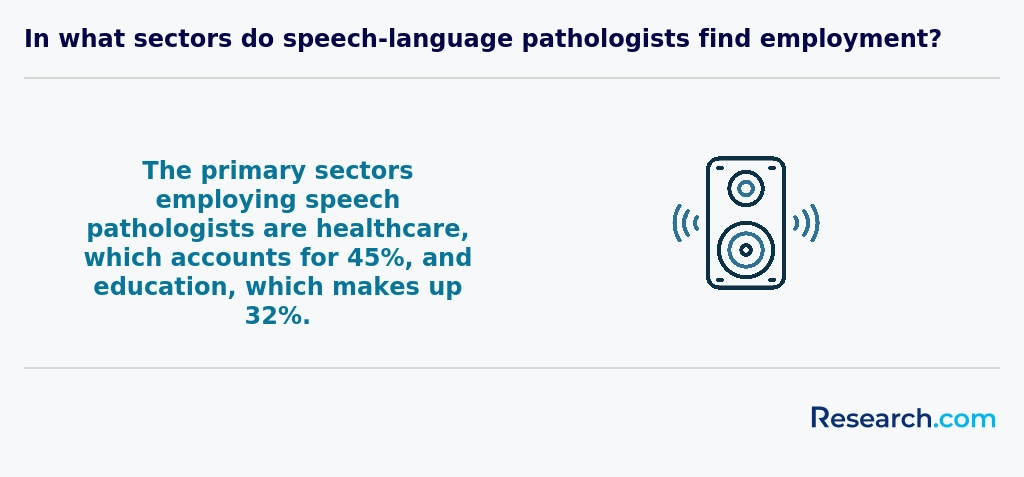
- Career paths: Many Ohio graduates find rewarding roles in schools, clinics, or healthcare centers, offering diverse opportunities to make a real difference in people's lives.
- Online degree advantages: Pursuing a speech pathology degree online from Ohio universities offers flexibility and convenience, allowing students to balance work and study while advancing their careers.
- Key benefits of getting speech pathology degree in Ohio
- What can I expect from speech pathology degree in Ohio?
- Where can I work with speech pathology degree in Ohio?
- How much can I make with speech pathology degree in Ohio?
- 2027 Most Popular Speech Pathology Degree Programs Ranking in Ohio
- Key Findings
- How long does it take to complete speech pathology degree in Ohio?
- Accreditation & Licensure Requirements
- What's the difference between online and on-campus speech pathology degree?
- Licensure and Certification Process in Ohio
- What is the average cost of speech pathology degree in Ohio?
- Affordability and Financial Considerations in Speech Pathology Programs
- What financial aid is available to speech pathology degree students in Ohio?
- Licensure and Certification Requirements
- What are the prerequisites for enrolling in speech pathology degree program in Ohio?
- Accelerated Speech Pathology Degree Programs: Fast-Track Your Future
- What courses are typically in speech pathology degree programs in Ohio?
- What types of specializations are available in speech pathology degree programs in Ohio?
- How do you choose the best speech pathology degree in Ohio?
- What career paths are available for speech pathology degree students in Ohio?
- What is the job market for speech pathology degree in Ohio?
- Related Speech Pathology Rankings for Nearby States
- Top Trending Speech Pathology Rankings
- See What Experts Have To Say About Studying Speech Pathology
What can I expect from speech pathology degree in Ohio?
Imagine stepping into a bustling hall at Ohio State University, brimming with hopeful speech pathology students, knowing the journey ahead costs between $10,000 and $25,000 annually for graduate studies. This range captures most programs across Ohio, whether at Kent State or the University of Cincinnati, balancing quality education with investment in your future. Graduates often recall the weight of tuition as a necessary stepping stone, unlocking doors to rewarding clinical experiences and licensing success.
The fees don't just buy lectures-they fund hands-on practice, where you'll guide clients through communication challenges, supervised by expert faculty. These moments, more than textbooks, shape your professional confidence. Many Ohio students share relief and pride upon receiving scholarships or financial aid to ease this cost, connecting with local support networks eager to nurture new SLP professionals. In the end, the price feels less like a barrier and more like a gateway to a fulfilling Ohio-based career.
Where can I work with speech pathology degree in Ohio?
Graduates from speech pathology programs at Ohio universities often find themselves weaving through richly varied career paths across the Buckeye State. Imagine starting your day in a bustling Columbus hospital, where you help stroke survivors rediscover their voices, or guiding a toddler's first words in an early intervention program backed by Ohio's Part C system-these roles are alive with transformative moments.
Many alumni cherish their stints in public school districts, supporting children with communication challenges, a sector energized by the Ohio Department of Education's commitment to accessible speech therapy. Others embrace private clinics and outpatient rehab centers, crafting personalized journeys for clients of all ages-whether smoothing the way for a young adult recovering from brain injury or fine-tuning speech in nursing homes amid Ohio's growing elderly population.
University clinics also offer a unique playground, where new graduates supervise students while diving into cutting-edge research, blending teaching with hands-on therapy. This vibrant mosaic of opportunities mirrors Ohio's diverse communities and the heartfelt stories that fuel a speech pathologist's rewarding career.
How much can I make with speech pathology degree in Ohio?
If you're stepping out of a speech pathology program at one of Ohio's respected schools-think Ohio State University or Kent State University-your paycheck is ready to reflect your hard work. Graduates often start as Speech-Language Pathology Assistants, pulling in around $47,000 annually. That's a solid foundation, especially when you picture yourself working alongside seasoned pros in hospitals or schools across Columbus or Cleveland.
But here's where it gets exciting: push forward and snag your Certificate of Clinical Competence, and you could jump into the realm of a full-fledged Speech Therapist. That role commands closer to $96,790 a year nationwide, and Ohio's metropolitan hubs tend to mirror this competitive salary scale.
Picture the satisfaction of a new grad sharing how her first job in Cincinnati's healthcare system began at around $60,000, climbing steadily toward a six-figure range with experience. The journey from assisting to leading therapy sessions is supported by Ohio's steady 8% job growth, making it a vibrant playground for ambitious speech pathologists.
2027 Most Popular Speech Pathology Degree Programs Ranking in Ohio
How do we rank schools?
Investing in your education is a significant decision that can shape your future, and the Research.com team understands the importance of making informed choices. To assist prospective students in Ohio, we have meticulously crafted the "2027 Most Popular Speech Pathology Degree Programs Ranking in Ohio." Our commitment to quality, credibility, and accuracy is reflected in the extensive research and analysis conducted to compile this ranking.
We utilized the following reputable data sources to ensure a comprehensive evaluation of speech pathology programs:
By exploring this ranking, readers will gain valuable insights into the most popular speech pathology degree programs in Ohio, enabling them to make well-informed decisions about their educational journey. For more details on our methodology, please visit our Research.com methodology page.


# 8 position
University of Cincinnati-Main Campus
Master of Arts in Speech-Language Pathology (On-Campus)


# 15 position
Bowling Green State University-Main Campus
Master of Science in Communication Disorders with a specialization in Speech-Language Pathology


# 20 position
Cleveland State University
Master of Arts (M.A.) in Communication Sciences and Disorders

Key Findings
- Ohio requires a master's degree accredited by the CAA for speech pathology certification and licensure.
- Tuition for in-state graduate students at public universities ranges from $10,000 to $20,000 per year, totaling $20,000 to $40,000 for a two-year program.
- Job growth for speech-language pathologists in Ohio is projected near 15% through 2028, with roles available in schools, hospitals, and clinics.
- Early-career salaries range from $55,000 to $65,000 annually, increasing to $75,000-$90,000 with experience and certifications.
- Programs require over 400 supervised clinical practicum hours and a clinical fellowship year is needed before full licensure.
How long does it take to complete speech pathology degree in Ohio?
Dreaming of becoming a Speech-Language Pathologist in Ohio? Prepare for a journey typically spanning about six years-four years pounding the books for a bachelor's, followed by two intense years mastering the art at schools like Ohio State University or Akron University. Graduates often recall juggling late-night study sessions with real-world clinical hours, where they fine-tune skills under the watchful eyes of seasoned mentors.
Imagine walking into a bustling clinic on campus, logging those essential 400 clinical hours mandated by ASHA, where theory meets the heartbeat of human connection. It's a transformative experience, shaping confident communicators ready to change lives.
Some trailblazers find accelerated programs that shave off time, but most Ohio students embrace the full six-year rhythm, balancing lectures, patient interactions, and Praxis exam prep. The path demands dedication but is richly rewarding, stitching together academic challenges and heartfelt breakthroughs.
Ohio's speech pathology programs weave practical experience deeply into their fabric, turning students' aspirations into tangible skills and profound impact.
Accreditation & Licensure Requirements
To practice as an SLP in Ohio, you must meet both academic and professional standards set by ASHA and the state board.
- Graduate from a CAA-accredited master’s program in speech-language pathology
- Achieve a passing score on the Praxis SLP exam (typically 162 or higher)
- Complete a minimum of 400 supervised clinical practicum hours during your graduate studies
- Finish a nine-month Clinical Fellowship (CF) under ASHA-approved supervision
- Apply for Ohio state licensure through the Speech and Hearing Professionals Board and fulfill annual CEU requirements for renewal
For students comparing program costs, see our guide to cheapest slp master's programs in california.
What's the difference between online and on-campus speech pathology degree?
Picture yourself juggling late-night work shifts while streaming lectures from a cozy nook at home-this is the reality for many Ohio speech pathology students embracing online degrees. At institutions like the University of Cincinnati, these graduates celebrate flexibility, savoring the freedom to design study hours around life's chaos. Yet, their virtual journey still requires boots-on-the-ground clinical hours, often arranged in local clinics to satisfy Ohio's strict licensure rules.
Now imagine stepping onto Ohio State's bustling campus: buzzing labs, face-to-face chats with professors, and spontaneous study sessions over coffee. Graduates from on-campus paths rave about this tactile energy and direct access to cutting-edge clinical resources, even if tuition bites a bit harder, hovering around $25,000 a year for residents. On-campus students thrive on instant feedback and deeper peer connections, crafting support networks that often last beyond graduation.
Your choice boils down to your lifestyle and learning rhythm-whether it's the digital dance of remote classes or the immersive campus tapestry woven with familiar faces and hands-on experiences.
Licensure and Certification Process in Ohio
The path to becoming a licensed Speech-Language Pathologist (SLP) in Ohio involves completing an accredited master’s degree program, accumulating clinical fellowship hours, passing the Praxis Examination, and securing state licensure. First, students must graduate from a Council on Academic Accreditation (CAA)-accredited program, which ensures eligibility for both the Clinical Fellowship Year (CFY) and the PRAXIS exam. During the CFY, candidates complete a minimum of 1,260 supervised clinical hours under ASHA guidelines, refining their assessment and intervention skills. Upon successful completion of the CFY and PRAXIS (typically scoring above the Ohio threshold), graduates apply to the Ohio Board of Speech-Language Pathology and Audiology, submitting official transcripts, exam scores, and fellowship verification. Licensure fees vary by year but generally range from $90 to $100, and renewal is required biennially, with a minimum of 15 continuing education units (CEUs) per cycle. Accredited programs often provide structured support for these requirements-prospective students may explore our ranking of the easiest SLP programs to get into to find institutions with high licensure success rates. Maintaining the Certificate of Clinical Competence (CCC-SLP) from ASHA further boosts professional credibility and mobility across states, requiring 30 professional development hours every three years. Ohio professionals can choose from workshops, conferences, or online courses approved by the ASHA CE Registry, ensuring compliance with both state and national standards. By understanding each step-from academic prerequisites through ongoing certification-future SLPs in Ohio can navigate their careers with confidence and clarity.
What is the average cost of speech pathology degree in Ohio?
In Ohio, the average cost of a speech pathology degree reflects a balance between opportunity and investment, with median total tuition hovering around $43,341. For in-state students, this figure drops significantly, averaging near $13,976, which makes pursuing a speech pathology degree tuition and fees Ohio residents more manageable. Graduates from popular programs at Ohio's noted universities often recall the relief of securing in-state tuition rates, which eased the financial weight of their studies and allowed them to focus more on clinical practicum experiences that truly shaped their careers.
Out-of-state students face a steeper climb, paying a median total cost comparable to the overall average, hovering around $43,341, mirroring the price tag for many private institutions in Ohio. One graduate from a well-regarded Ohio private college described balancing this cost by tapping into scholarships and assistantships, a route many in the field navigate to transform the dream of becoming a licensed speech pathologist into a joyous reality.
Because speech pathology is a specialized path requiring deep clinical practice, students often wrestle with additional costs beyond tuition. Yet the investment aligns with the rewarding outcomes shared by many alumni across the state. Those exploring the affordable speech pathology schools in Ohio find that a degree here fits within a national framework of costs while offering distinct local advantages and a supportive community.
Affordability and Financial Considerations in Speech Pathology Programs
For prospective students in Ohio, navigating the financial aspects of a Speech Pathology degree program is crucial. The cost of tuition, fees, and living expenses can be substantial, making it essential to explore options that offer the best value. When considering affordability, it's beneficial to look into affordable speech pathology schools in Ohio, which can provide a high-quality education at a lower cost. By weighing the costs against the potential benefits, including salary expectations and job growth, students can make informed decisions about their educational investments. This thoughtful approach enables future speech-language pathologists to embark on their careers with a clear understanding of their financial situation and the potential for long-term financial stability.
What financial aid is available to speech pathology degree students in Ohio?
Picture yourself at Ohio State University, clutching a scholarship letter that trims thousands off your tuition bill-this is the lifeline many speech pathology students find. Federal aid, like Pell Grants and Direct Loans, often swoops in first, shielding you from the weight of crushing debt while you focus on mastering language and communication.
Then there's the Ohio College Opportunity Grant, a state gem that quietly fills gaps for Ohio residents eager to study at schools like Kent State University. It might not pay every penny, but its impact glimmers in the relieved smiles of graduates who felt the financial squeeze ease year after year.
Graduate assistantships offer more than just cash; they're a backstage pass to professional growth, pairing a sense of purpose with a tuition waiver. Imagine juggling clinic hours with a stipend that makes ramen nights less grim.
National scholarships from organizations like the American Speech-Language-Hearing Foundation can feel like a secret handshake in this community, inviting you into a network dedicated to lifting future clinicians. And if you're working, employer tuition reimbursement can transform your job into a launchpad for your advanced degree.
In Ohio, combining these avenues is like crafting a financial toolkit that turns daunting costs into manageable steps toward your speech pathology dream.
Licensure and Certification Requirements
To qualify as a licensed speech-language pathologist in Ohio, follow these essential steps:
- Earn a master’s degree from a CAA-accredited program (consider an slp online masters program)
- Complete a nine-month, full-time Clinical Fellowship under ASHA supervision
- Pass the Praxis® Examination in Speech-Language Pathology
- Apply for state licensure through the Ohio Speech and Hearing Professionals Board
- Obtain the ASHA Certificate of Clinical Competence (CCC-SLP)
- Fulfill continuing education requirements (typically 30 contact hours every three years)
What are the prerequisites for enrolling in speech pathology degree program in Ohio?
To dive into speech pathology at Ohio's top schools-like Ohio State or University of Cincinnati-you'll need more than just a love for language. Picture yourself mastering your high school GPA around 2.5 to 3.0, building a sturdy academic bridge with science and English courses that feel like the secret keys to decoding human communication. Graduates often recall that those prerequisite courses in linguistics and anatomy felt like unlocking hidden doorways into understanding speech at its core.
For undergraduates, it's about laying this foundation strong. If you're aiming for a master's, Ohio's programs expect you to bring a bachelor's degree to the table, sometimes in communication sciences, but many grads from diverse backgrounds got accepted after completing essential courses like phonetics or research methods.
GRE scores once loomed large, but some institutions, eager to welcome more passionate learners, have relaxed these tests, making the path smoother. Volunteering with those facing speech challenges often transforms applicants' empathy and insight-graduates say this real-world experience felt like a personal awakening, igniting their enthusiasm for the profession.

Accelerated Speech Pathology Degree Programs: Fast-Track Your Future
For ambitious students eager to launch their careers rapidly, accelerated speech pathology degree programs offer a compelling alternative to traditional pathways. These programs are designed to condense rigorous academic coursework and clinical training into a shorter time frame, enabling graduates to enter the workforce faster without compromising on the quality of their education. Accelerated tracks often integrate intensive modules, streamlined curricula, and flexible scheduling options-including online coursework-to meet the evolving needs of today's learners. For example, many institutions now provide innovative online platforms where students can access real-time feedback and collaborate virtually with peers and mentors. Interested individuals can explore the best accelerated speech language pathology degree programs online to find programs that blend quality education with an expedited timeline. Overall, accelerated programs not only reduce time-to-degree but also equip students with practical skills and hands-on experience essential for thriving in a competitive job market-all while maintaining a strong emphasis on student support and professional development.
What courses are typically in speech pathology degree programs in Ohio?
Diving into a speech pathology degree in Ohio means immersing yourself in a vibrant mix of courses that shape your ability to transform lives. Picture yourself at a university like Ohio State, unraveling the mysteries of Introduction to Communication Sciences and Disorders, where you decode how people speak and listen every day. Graduates often recall the thrill of mastering Anatomy and Physiology of the Speech and Hearing Mechanism, mapping the tiny muscles and nerves that orchestrate speech like an intricate symphony.
Hands-on courses such as Clinical Methods and Practicum bring the real world into your classroom, placing you alongside clients whose breakthroughs spark unforgettable joy. Ohio University alumni frequently share how studying Speech Sound Disorders gave them the tools to help children articulate words with newfound confidence, creating moments of triumph.
Specialized topics like Augmentative and Alternative Communication (AAC) invite you to explore cutting-edge technologies, empowering nonverbal individuals to find their voice. Whether you're at Miami University or Kent State, these core classes blend science with compassion, transforming curiosity into concrete skills needed across Ohio's growing healthcare landscape.
What types of specializations are available in speech pathology degree programs in Ohio?
Ohio's speech pathology specializations paint a vivid mosaic of focus areas that ignite passion in aspiring therapists. From nurturing tiny voices in pediatric speech and language disorders to guiding adults through the fog of neurogenic communication challenges, Ohio speech therapy degree focus areas shape real-world heroes. Graduates from Ohio State University often describe the thrill of tailoring therapy plans for children with developmental delays, experiencing the joy of breakthrough moments, while peers at Miami University dive deep into adult rehab, helping stroke survivors reclaim their speech and regain independence.
Clinical experience here is not just practice-it's a rite of passage packed with empathy and discovery. Some programs even sprinkle in research methodologies or healthcare leadership training, empowering students to rock not just therapy rooms but entire clinics. For hands-on learners craving a fast track, exploring the best accelerated speech language pathology degree programs online might unlock new possibilities right from Ohio's doorstep.
Whether focusing on children's voices or adult recovery, specializing in Ohio integrates practical compassion and career-savvy insights, guiding students through the evolving soundscape of speech therapy.
How do you choose the best speech pathology degree in Ohio?
Choosing the best speech pathology degree in Ohio feels like navigating a vibrant maze where accreditation is your golden compass. Graduates from Ohio State University often share how the Council on Academic Accreditation in Audiology and Speech-Language Pathology (CAA) seal assured them their degree carried weight beyond the classroom walls. Imagine yourself paired with a program offering hands-on clinical adventures in bustling hospitals or community clinics-Kent State University alumni rave about the real-world skills gained through these partnerships. Budget-wise, public institutions typically ease the financial journey with tuition costs ranging from $12,000 to $30,000 yearly, making affordable speech pathology schools in Ohio a smart choice for many.
Flexibility can transform your educational experience; Ohio University's part-time or online formats have empowered students juggling work and studies to thrive. If you're curious about finding the easiest SLP programs to get into, keep in mind that strong faculty expertise and proven certification success often beat shortcuts. Picture yourself joining a community where your future is crafted by a program's reputation and your own passion for communication healing.
What career paths are available for speech pathology degree students in Ohio?
Graduates with a speech pathology degree in Ohio find themselves stepping into a world of vibrant opportunities where healing voices and mended words shape futures. Imagine starting your day in bustling hospitals or cozy rehabilitation centers, where Ohio's healthcare pulse offers rewarding roles that blend science with heartfelt impact-just as many grads from Ohio State University have experienced. The buzz of outpatient clinics and nursing homes isn't just a job; it's a calling to restore communication.
Ohio speech therapy job opportunities also bloom within dynamic school systems, weaving support into children's academic journeys across public and private institutions. Here, graduates from Case Western Reserve University cherish moments helping students hit communication milestones, fueling both growth and joy in young learners. For others, career dreams stretch into private practice, with teletherapy turning bedrooms into client hubs-recent grads tapping into flexible futures fueled by innovation.
For the curious minds drawn to discovery, Ohio's top universities spark pathways in research and academia. A speech pathology degree opens doors to unravel language mysteries, much like those pursuing studies at famed institutions. And for those considering the financial side before diving in, Ohio's programs often balance costs attractively; prospective students might explore 1 year certificate programs that pay well as stepping stones in their journey.
What is the job market for speech pathology degree in Ohio?
The speech pathology job outlook in Ohio paints a vibrant picture of opportunity, where graduates from popular universities like Ohio State and the University of Cincinnati quickly find themselves navigating a thriving landscape. Imagine starting your career in a bustling Cleveland school, helping children find their voices, or assisting elderly patients in Columbus nursing facilities regaining vital communication skills. These real-life scenarios fuel excitement for many Ohio-based graduates, knowing their skills are in high demand.
Ohio speech pathology career opportunities aren't confined to traditional settings either. Graduates often share how private practice allows them to craft flexible schedules that fit personal ambitions, blending passion with profession seamlessly. Salary ranges starting around $60,000 and climbing towards $85,000 for experienced clinicians underscore the practical rewards tied to this career path.
For those pondering the cost of education, it's wise to explore options in-state, where tuition for master's programs typically falls between $20,000 and $40,000 annually. Many students weigh these costs against their bright futures, especially when considering which is the easiest bachelor degree as a stepping stone into speech pathology.
Frequently Asked Questions About speech pathology
Speech pathology degree students in Ohio can enhance their learning by actively engaging in clinical practicum opportunities offered by accredited programs. The Ohio Board of Speech-Language Pathology and Audiology emphasizes hands-on experience as essential, with many universities partnering with local healthcare facilities and schools to provide real-world training.
Students should also consider joining professional organizations such as the Ohio Speech-Language-Hearing Association, which offers networking, workshops, and conferences relevant to their field. According to the American Speech-Language-Hearing Association, Ohio has one of the highest demands for speech pathologists, making internships and mentorships vital for career readiness.
Additionally, staying updated with the latest research and technological tools in speech therapy enriches theoretical knowledge and practical skills, benefiting future employment prospects.
The field of speech pathology is expanding beyond traditional roles, creating new opportunities for specialists in Ohio. One emerging niche is telepractice, where therapists provide remote services. This approach grew rapidly during the COVID-19 pandemic and remains vital, especially in rural Ohio areas with limited access to care.
Another growing area is working with aging populations, including those with neurodegenerative diseases like Parkinson's or Alzheimer's. Ohio's aging demographic increases demand for speech pathologists skilled in this area.
Additionally, there is increased focus on bilingual and multicultural speech therapy, reflecting Ohio's diverse communities. These niches require specialized knowledge and open paths for new professionals.
After completing a speech pathology degree in Ohio, preparing for the job market involves several key steps. First, securing the Certificate of Clinical Competence in Speech-Language Pathology (CCC-SLP) from the American Speech-Language-Hearing Association (ASHA) is crucial. This certification is widely recognized by Ohio employers.
Ohio also requires state licensure, which involves passing the Praxis exam and completing a supervised clinical fellowship. Graduates should gain experience through internships or fellowships, ideally within Ohio's healthcare or educational systems.
Networking through professional organizations such as the Ohio Speech-Language-Hearing Association can enhance job prospects. According to the U.S. Bureau of Labor Statistics, Ohio's speech pathologist employment is expected to grow steadily, supporting a positive job market outlook.
Employers in Ohio seek specific skills when hiring speech pathology degree graduates. Strong communication abilities are essential, as professionals must effectively interact with patients and families. Ohio's healthcare employers also value proficiency in assessment and diagnostic techniques to identify speech and language disorders accurately. Knowledge of evidence-based therapy methods is critical to develop effective treatment plans.
Additionally, teamwork skills are important because speech pathologists often collaborate with educators, doctors, and other therapists. According to the Ohio Board of Speech-Language Pathology and Audiology, understanding of state laws and ethical standards is a must. Familiarity with technology used in therapy is increasingly important, especially for telepractice services expanding in Ohio.
Finding internships in Ohio relevant to a speech pathology degree involves several key steps. First, students should consult their university's communication sciences and disorders department, which often partners with local clinics, schools, and hospitals to offer internship opportunities.
The Ohio Speech-Language-Hearing Association (OSHA) is another valuable resource, providing listings and networking events that can connect students to internships statewide. Many Ohio universities also require supervised clinical practicum, which counts as internship experience.
Additionally, explore sites of healthcare providers such as OhioHealth and Cincinnati Children's Hospital, known for speech pathology programs. According to the Bureau of Labor Statistics, Ohio employs over 2,200 speech-language pathologists, increasing the chances of available internships.
A speech pathology degree in Ohio significantly enhances career mobility and advancement opportunities. Earning this degree fulfills the educational requirement for state licensure and certification, which are necessary to practice as a licensed speech-language pathologist (SLP) in Ohio. According to the Ohio Board of Speech-Language Pathology and Audiology, licensed professionals gain access to a wide range of clinical and educational employment options across healthcare, schools, and private practice.
Additionally, the Ohio Bureau of Labor Statistics reports that speech pathology roles in Ohio are growing at a faster-than-average rate, making advanced qualifications increasingly valuable for competitive job placements and promotions. Specializing or earning a master's degree often leads to higher salaries and leadership roles within multidisciplinary teams.
Networking through accredited Ohio programs also supports career advancement by connecting graduates with local healthcare providers and school districts actively seeking qualified SLPs.
Studying for a speech pathology degree in Ohio equips students with skills to work effectively in interdisciplinary teams. Ohio programs emphasize collaboration with professionals in education, healthcare, and social services to address complex communication disorders. According to the Ohio Speech-Language-Hearing Association, students engage in clinical experiences alongside audiologists, occupational therapists, and educators.
Ohio universities align their curricula with the American Speech-Language-Hearing Association (ASHA) standards, which stress interdisciplinary approaches. This prepares graduates to contribute meaningfully in settings like hospitals, schools, and rehabilitation centers.
Moreover, Ohio's diverse clinical practica foster adaptability, crucial for roles requiring teamwork across specialties.
When choosing between a thesis and a non-thesis speech pathology degree program in Ohio, consider your career goals and learning style. Thesis programs emphasize research, requiring a detailed, original study, which can benefit students interested in clinical research, academia, or doctoral studies. Non-thesis options often focus on practical skills and coursework, preparing students directly for clinical practice and certification.
Ohio's universities typically align with American Speech-Language-Hearing Association (ASHA) accreditation standards, ensuring both paths meet professional requirements. According to the Ohio Board of Speech-Language Pathology and Audiology, approximately 70% of graduates pursue clinical licenses, favoring non-thesis programs for quicker entry into the workforce.
Review university resources, faculty expertise, and your readiness for research demands before deciding.
Students based in Ohio seeking to study speech pathology abroad have several options through exchange programs and international partnerships offered by Ohio universities. Many institutions, including Ohio State University, provide opportunities to take coursework or complete clinical experiences overseas while fulfilling degree requirements. These programs allow students to gain global perspectives on communication disorders and therapy techniques.
Additionally, students can enroll in accredited universities outside the US that meet the American Speech-Language-Hearing Association (ASHA) standards, facilitating eventual certification. Ohio ranks among the top states for certified speech-language pathologists, with about 1,300 professionals registered in 2023, according to the Ohio Speech-Language-Hearing Association.
Researching international options early and confirming ASHA accreditation is vital for smooth licensure recognition upon return to Ohio.
Part-time job opportunities in Ohio that complement speech pathology degree education often include roles like speech therapy aides, rehabilitation assistants, and communication trainers. These positions provide valuable hands-on experience relevant to clinical practice. For example, Ohio's public schools frequently hire aides to support speech pathologists, offering students exposure to pediatric speech therapy settings. According to the Ohio Department of Education, over 8,000 students receive speech services annually, creating steady demand for support staff. Additionally, some healthcare facilities in Ohio employ rehabilitation assistants to help licensed therapists manage caseloads, which can deepen students' understanding of adult speech disorders. These roles also foster critical interpersonal skills essential for future clinicians.
Speech pathology students in Ohio benefit from various networking opportunities that enhance their professional growth. Several universities hosting accredited programs organize regular events, workshops, and career fairs, connecting students with practicing clinicians and potential employers.
Students can join state and national organizations such as the Ohio Speech-Language-Hearing Association (OSHA), which provides access to conferences, continuing education, and local networking groups. These engagement opportunities enable students to build relationships with licensed speech-language pathologists, clinical supervisors, and academic mentors.
Additionally, Ohio's numerous health systems and school districts often partner with programs to offer internships and clinical placements, facilitating professional networking. According to the Bureau of Labor Statistics, Ohio employed over 4,300 speech-language pathologists in 2023, reflecting a robust local community for students to engage with.
Alumni networks offer valuable support to speech pathology students in Ohio by connecting them with experienced professionals who understand the local job market. These networks often provide mentorship, which can guide students through licensing requirements and clinical practicum placements essential for certification by the American Speech-Language-Hearing Association (ASHA).
Ohio has over 3,000 practicing speech-language pathologists, making networking crucial for job opportunities and professional growth. Alumni connections can also share insights on Ohio's healthcare and educational systems where many speech pathologists find employment. This helps students strategically plan careers and build reputations early.
Furthermore, alumni events and online platforms increase access to job openings, continuing education, and workshops, contributing to lifelong learning and career advancement within the state.
Customizing a speech pathology degree program in Ohio often involves selecting specialized coursework and clinical experiences that align with your career goals. Many Ohio universities offer elective classes focusing on pediatric speech disorders, adult neurogenic communication, or augmentative and alternative communication strategies.
Students can tailor practicums by choosing clinical sites such as schools, hospitals, or rehabilitation centers based on their interests. Some programs also allow research projects or thesis work on topics relevant to Ohio's healthcare or education systems.
Furthermore, partnerships with Ohio institutions enable internships that provide hands-on experience in local communities. According to the Ohio Speech-Language-Hearing Association, these custom options help prepare graduates for diverse roles across settings.
Speech pathology students in Ohio often face several common challenges during their education. One key difficulty is meeting the rigorous clinical hours required for state licensure and certification. Ohio mandates a minimum of 400 supervised clinical clock hours, which can be time-consuming and competitive to secure at accredited facilities.
Another hurdle is the cost of education. According to the Ohio Department of Higher Education, graduate tuition for speech pathology programs typically ranges from $10,000 to $25,000 per year, excluding additional expenses such as materials and travel to clinical sites.
Students also report balancing coursework with practicum demands as stressful, often juggling part-time jobs or family responsibilities alongside intensive study schedules. Finally, staying current with evolving speech therapy techniques and licensure requirements imposed by the Ohio Speech-Language Pathology and Audiology Board adds ongoing pressure to maintain professional competence.
Graduates with a speech pathology degree in Ohio can pursue several key professional certifications to advance their careers. The most recognized certification is the Certificate of Clinical Competence in Speech-Language Pathology (CCC-SLP) offered by the American Speech-Language-Hearing Association (ASHA). This credential is highly valued nationwide and often required for state licensure.
To practice in Ohio, individuals must obtain licensure through the Ohio Occupational Therapy, Physical Therapy, and Speech-Language Pathology Board. Ohio also requires a Clinical Fellowship (CF) year following academic training, essential for full licensure.
Additional credentials include the Ohio Speech-Language Pathology Assistant (SLPA) certification for support roles, expanding career options within the state. According to the Ohio Department of Higher Education, demand for licensed speech pathologists continues to grow, emphasizing the importance of these certifications.
Applying to a speech pathology program in Ohio requires careful preparation. Start by researching accredited programs, ideally those accredited by the Council on Academic Accreditation in Audiology and Speech-Language Pathology (CAA). Admission committees look for strong academic records, especially in communication sciences and disorders, biology, and psychology.
Highlight relevant volunteer or clinical experience in your application. Ohio Speech-Language-Hearing Association reports that hands-on experience significantly strengthens applications. Include a clear, well-written personal statement explaining your passion for speech pathology and career goals.
Letters of recommendation from faculty or professionals in the field are essential. They provide insight into your suitability for graduate-level study. Lastly, prepare for and perform well on the GRE if required, as many Ohio programs still consider GRE scores in admission decisions.
Speech pathology is recognized worldwide as a vital healthcare profession focused on communication and swallowing disorders. In the United States, including Ohio, speech pathologists must earn a master's degree accredited by the Council on Academic Accreditation in Audiology and Speech-Language Pathology (CAA). This ensures professionals meet consistent standards recognized globally.
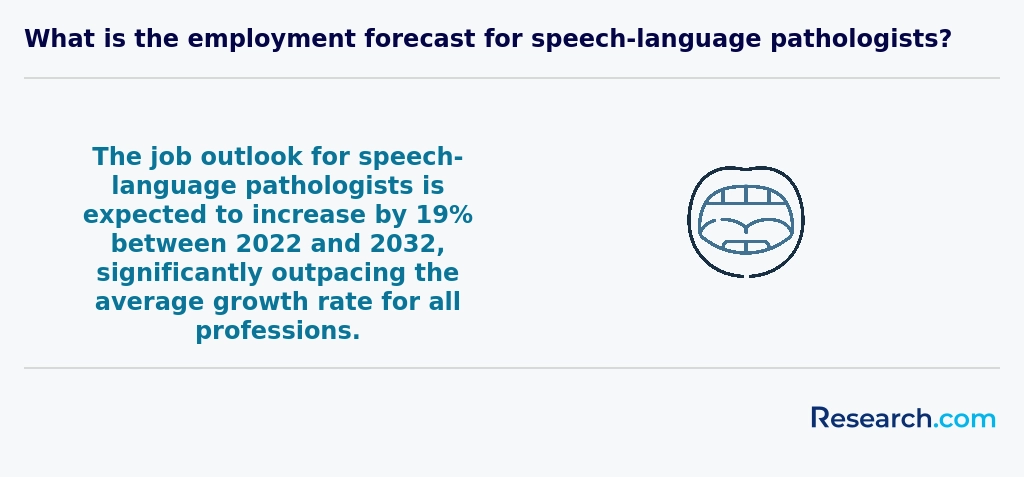
Globally, demand for speech pathologists is rising due to aging populations and increased awareness of developmental disorders. The U.S. Bureau of Labor Statistics projects a 21% growth in speech-language pathologist jobs from 2022 to 2032, reflecting strong career opportunities in Ohio and beyond.
Internationally, approaches and educational requirements vary, but the U.S. model is often considered a benchmark. Ohio's universities offer programs aligned with these high standards, preparing students for both local and global professional practice.
Gaining practical experience while studying speech pathology in Ohio is essential for career readiness. Many Ohio universities integrate supervised clinical practica within their master's programs, allowing students to work directly with clients. These hands-on opportunities are often completed in settings such as hospitals, schools, and rehabilitation centers.
The Ohio Speech-Language-Hearing Association (OSLHA) supports student involvement through internships and volunteer positions across the state. According to the American Speech-Language-Hearing Association (ASHA), Ohio programs typically require at least 400 clinical hours before graduation.
Additionally, some universities collaborate with local healthcare providers to offer externships that expose students to diverse speech disorders. Early engagement in practical settings can improve job prospects upon graduation.
Choosing the right concentration within a speech pathology degree program in Ohio depends on your career goals and interests. Ohio offers several concentrations, such as pediatric speech disorders, adult neurogenic communication disorders, and augmentative and alternative communication (AAC). According to the American Speech-Language-Hearing Association (ASHA), Ohio ranks among the top states for clinical placement opportunities, especially in hospitals and schools.
Students should consider programs accredited by the Council on Academic Accreditation (CAA) to ensure quality education and eligibility for Ohio licensure. Additionally, exploring concentrations aligned with Ohio's labor market demand-such as working with aging populations or children with developmental delays-can enhance employment prospects. The Ohio Department of Job and Family Services provides data on workforce needs in healthcare, including speech pathology.
Related Speech Pathology Rankings for Nearby States
- 2027 Most Popular Speech Pathology Degree Programs Ranking in Indiana
- 2027 Most Popular Speech Pathology Degree Programs Ranking in Kentucky
- 2027 Most Popular Speech Pathology Degree Programs Ranking in Pennsylvania
- 2027 Most Popular Speech Pathology Degree Programs Ranking in Michigan
- 2027 Most Popular Speech Pathology Degree Programs Ranking in Illinois
- 2027 Most Popular Speech Pathology Degree Programs Ranking in Virginia
- 2027 Most Popular Speech Pathology Degree Programs Ranking in Missouri
- 2027 Most Popular Speech Pathology Degree Programs Ranking in Maryland
- 2027 Most Popular Speech Pathology Degree Programs Ranking in South Carolina
- 2027 Most Popular Speech Pathology Degree Programs Ranking in Georgia
Top Trending Speech Pathology Rankings
See What Experts Have To Say About Studying Speech Pathology
Read our interview with Speech Pathology experts

References
- The Big Guide to Speech Pathologist Work Settings https://speechpathologymastersprograms.com/speech-pathology-careers/slp-work-settings/
- Finding your niche in private practice - Dysphagia Cafe https://dysphagiacafe.com/finding-your-niche-in-private-practice/
- Speech Pathology Study Abroad https://bilinguistics.com/speech-pathology-study-abroad/
- What’s Your Niche? Specializing as an Speech-Language Pathologist https://www.meaningfulspeech.com/blog/private-practice-SLP
- Top Careers in Speech and Language Pathology: A Guide https://www.growwithcoral.com/blog/top-careers-in-speech-and-language-pathology-a-comprehensive-guide
- Careers in Speech & Language Pathology https://www.iona.edu/blog/speech-pathology-careers
- Personal Statement for Graduate Application for Speech Pathology https://essayforum.com/graduate/statement-application-pathology-41202/
- 24 Online Speech Pathology Programs https://speechisbeautiful.com/2016/05/24-online-speech-pathology-programs/
- School Speech Language Pathologist (SLP) Jobs in Ohio - Sunbelt Staffing https://www.sunbeltstaffing.com/school-jobs/school-speech-therapy-jobs/s-ohio/
- Grad School Application Resource Center https://www.nsslha.org/programs/grad-school-application-resource-center/