2027 Most Popular Speech Pathology Degree Programs Ranking in Philadelphia

Co-Founder and Chief Data Scientist
If you're considering a career in speech pathology, choosing the right degree program in Philadelphia is a big step. Our article presents the 2027 Most Popular Speech Pathology Degree Programs Ranking in Philadelphia, carefully created by the Research.com team of data scientists. This ranking offers clear and reliable insights to help guide your decision.
Discover which programs stand out locally and why they might be the perfect fit for your goals. Earning a speech pathology degree opens doors to a rewarding profession where you can make a meaningful impact. Dive in to explore options that match your passion and career aspirations.
Key benefits of getting speech pathology degree in Philadelphia
- Salary for speech pathology degree graduates: Graduates in Philadelphia can expect promising earnings, with Speech Therapists earning a mean annual wage of $96,790 and Speech-Language Pathology Assistants earning about $47,010.
- Career paths: Graduates often pursue varied roles such as Clinical Coordinators or Community Outreach Coordinators, offering fulfilling opportunities to make a meaningful impact in healthcare and education locally.
- Benefits of online degrees: Online speech pathology programs provide flexibility and convenience, allowing graduates to balance studies with work or personal commitments while gaining the same respected credentials as traditional degrees.
- Key benefits of getting speech pathology degree in Philadelphia
- What can I expect from speech pathology degree in Philadelphia?
- Where can I work with speech pathology degree in Philadelphia?
- How much can I make with speech pathology degree in Philadelphia?
- 2027 Most Popular Speech Pathology Degree Programs Ranking in Philadelphia
- Key Findings
- How long does it take to complete speech pathology degree in Philadelphia?
- Licensure and Certification Requirements
- What's the difference between online and on-campus speech pathology degree?
- Licensing and Certification Requirements
- What is the average cost of speech pathology degree in Philadelphia?
- Overcoming Common Challenges in Speech Pathology Programs
- What financial aid is available to speech pathology degree students in Philadelphia?
- Licensure and Certification Requirements in Pennsylvania
- What are the prerequisites for enrolling in speech pathology degree program in Philadelphia?
- Types of Speech Pathology Programs Available in Philadelphia, PA
- What courses are typically in speech pathology degree programs in Philadelphia?
- What types of specializations are available in speech pathology degree programs in Philadelphia?
- How do you choose the best speech pathology degree in Philadelphia?
- What career paths are available for speech pathology degree students in Philadelphia?
- What is the job market for speech pathology degree in Philadelphia?
- Top Trending Speech Pathology Rankings
- See What Experts Have To Say About Studying Speech Pathology
What can I expect from speech pathology degree in Philadelphia?
The average cost of pursuing a speech pathology degree in Philadelphia typically ranges between $30,000 and $50,000 per year. Graduates from programs at Drexel University, the University of Pennsylvania, and Temple University often mention how these tuition expenses, while significant, come with valuable access to accredited coursework and hands-on clinical experiences. For instance, a graduate from Temple University shared that although the investment felt daunting at first, the quality of clinical placements in diverse urban and suburban settings made every dollar worthwhile, preparing them confidently for certification and real-world practice.
Many students benefit from financial aid and assistantships, which can ease the financial load while allowing full immersion in fieldwork. This financial support is especially important given the rigorous 400+ clinical hours required before earning the Certificate of Clinical Competence. When you consider Philadelphia's strong network of hospitals and rehab centers, alongside focused, accredited programs, the tuition reflects an investment in your future as a skilled speech-language pathologist.
Where can I work with speech pathology degree in Philadelphia?
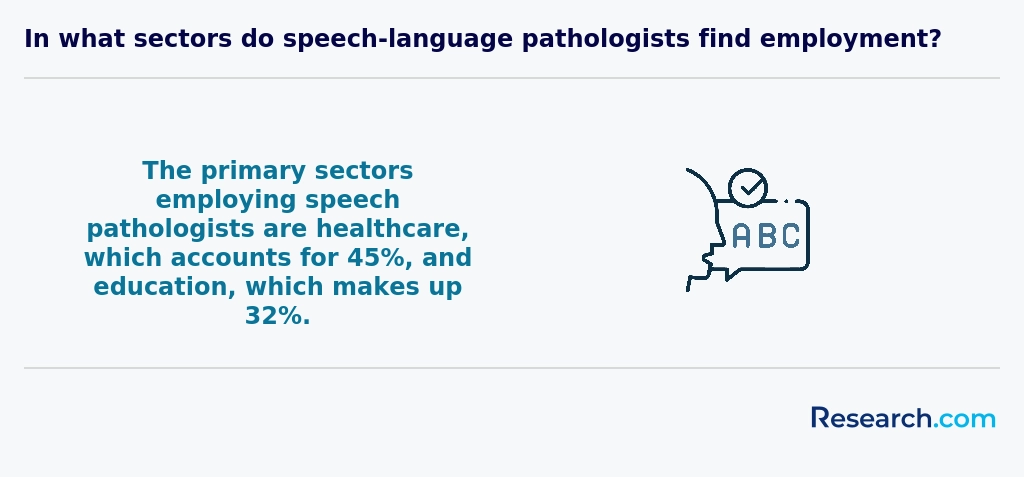
With a speech pathology degree earned in Philadelphia, you can step confidently into vibrant career opportunities across the city's healthcare and education landscape. Many graduates from institutions like Temple University and Drexel University find themselves working in local public and private schools, helping students overcome speech and language challenges. Imagine the rewarding feeling of supporting a child's first clear words or seeing a teenager regain their confidence in communication-that's everyday work for speech pathologists in Philadelphia's school systems.
Hospitals such as the University of Pennsylvania and Thomas Jefferson University offer dynamic roles where SLPs assist patients recovering from strokes or surgeries, making a tangible difference during critical rehabilitation periods. Some Philadelphia grads choose to work in skilled nursing facilities, providing therapy to elderly patients battling conditions like Parkinson's, where progress can feel deeply impactful.
Others embrace the independence of private practice or outpatient clinics, offering tailored therapies to diverse patients. Many appreciate the balance and creativity this path provides. For those passionate about advancing the profession, academic roles at local universities also present exciting possibilities. Philadelphia's strong demand ensures your skills will be valued and your career fulfilling.
How much can I make with speech pathology degree in Philadelphia?
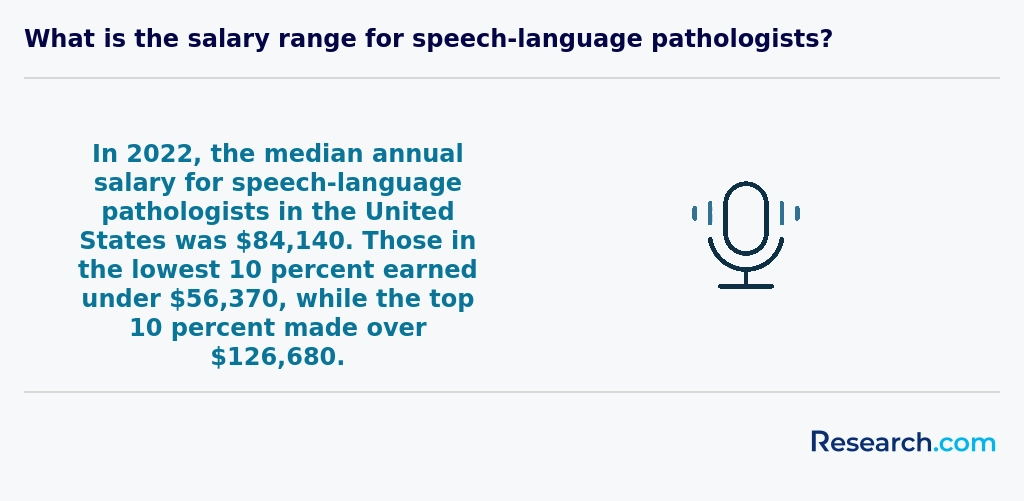
Graduates from speech pathology programs in Philadelphia, such as those at Drexel University or Thomas Jefferson University, often find rewarding financial opportunities waiting for them. Entry-level speech pathologists typically start earning between $60,000 and $70,000, especially when working in public schools or smaller clinics across Philadelphia.
As you gain experience and earn certifications like the CCC-SLP, your earning potential rises. Many Philadelphia speech therapists report salaries climbing above $90,000, particularly in healthcare settings like hospitals or rehabilitation centers.
For those with a speech pathology degree pursuing roles as Speech Therapists nationally, the mean annual wage is about $96,790, according to the latest data, highlighting the strong salary outlook tied to your education and skills. Assistant roles such as Speech-Language Pathology Assistants typically earn around $47,010 per year, providing a good stepping stone while gaining clinical experience.
Knowing these figures can be motivating as you navigate your studies and early career steps in Philadelphia's dynamic healthcare and educational environments.
2027 Most Popular Speech Pathology Degree Programs Ranking in Philadelphia
How do we rank schools?
Investing in your education is a significant decision that can shape your future, and the Research.com team understands the importance of making informed choices. To assist prospective students in Philadelphia, we have meticulously crafted the "2027 Most Popular Speech Pathology Degree Programs Ranking in Philadelphia." Our commitment to quality, credibility, and accuracy is reflected in the extensive research and analysis conducted to compile this ranking.
We utilized the following reputable data sources to ensure a comprehensive evaluation of speech pathology programs:
By exploring this ranking, readers will gain valuable insights into the most popular speech pathology degree programs in Philadelphia, helping them make well-informed decisions about their educational paths. For more details on our methodology, please visit our Research.com methodology page.


Key Findings
- Speech pathology degrees in Philadelphia typically require a Master's degree, which takes about two years to complete.
- Tuition costs range from $25,000 to $40,000 at public universities, while private institutions charge between $40,000 and $60,000 or more.
- Graduates usually start with salaries between $60,000 and $70,000 annually, with potential to earn $85,000 or higher over time.
- Job opportunities are strong in hospitals, schools, outpatient clinics, and long-term care facilities due to high local demand.
- Programs require clinical practicum hours and passing the Praxis exam to obtain state licensure and certification (CCC-SLP).
How long does it take to complete speech pathology degree in Philadelphia?
Completing a speech pathology degree in Philadelphia typically takes around six years, combining academic rigor and rewarding hands-on training. Graduates from local universities like Thomas Jefferson University or Drexel University often recall the intense yet fulfilling journey of earning a bachelor's degree in communication sciences and disorders, which usually spans about four years. This foundational step prepares students well for the challenges ahead.
Following this, the master's program requires an additional two years of focused study, blending classroom learning with supervised clinical experiences. Many students find that working directly with clients during their supervised clinical hours brings theory to life, fueling their passion and confidence.
After earning the master's, students embark on a 36-week clinical fellowship-a vital phase akin to an apprenticeship. Graduates often speak about this period as deeply transformative, where they transition from learners to competent professionals, ready to serve their communities in Philadelphia and beyond.
Licensure and Certification Requirements
Philadelphia speech-language pathologists must meet both ASHA and Pennsylvania state standards before practicing professionally.
- Earn a master’s degree from an ASHA-accredited program, including required coursework and supervised clinical practicum hours.
- Complete a Clinical Fellowship Year (CFY) with at least 1,260 hours of mentored practice under a certified SLP.
- Pass the Praxis Examination in Speech-Language Pathology to demonstrate competency.
- Apply for the Certificate of Clinical Competence (CCC-SLP) through ASHA and secure Pennsylvania state licensure by submitting transcripts, exam scores, and fees.
- Maintain credentials with ongoing continuing education units (CEUs) as required by ASHA and the Pennsylvania licensure board.
If affordability is a key factor in program selection, consider exploring cheapest slp master's programs in new york to compare tuition options aligned with your budget.
What's the difference between online and on-campus speech pathology degree?
Online speech pathology degrees in Philadelphia offer unmatched flexibility, perfect for those balancing work or family life. Graduates often share how studying remotely allowed them to engage with coursework at their own pace without the commute, saving both time and money. Platforms connect students in lively discussions, making learning interactive even from home.
In contrast, on-campus programs at institutions like Thomas Jefferson University and the University of Pennsylvania immerse students in hands-on clinical training. Graduates cherish the real-world experience gained through local hospital and school partnerships, where they practice directly under speech-language pathologists. This face-to-face mentorship builds confidence and professional networks.
Both formats meet rigorous accreditation standards and require supervised clinical hours, essential for licensure in Pennsylvania. Yet, those choosing on-campus study benefit from rich day-to-day interactions, while online students enjoy greater convenience. Deciding between them means reflecting on your lifestyle, learning style, and how you envision your clinical experience unfolding in Philadelphia's vibrant healthcare community.
Licensing and Certification Requirements
After earning your master’s degree in Speech-Language Pathology from an accredited Philadelphia program, you must secure state licensure and national certification before practicing. In Pennsylvania, the process generally involves: 1. Graduation from a CAA-accredited master’s program 2. Completion of a 36-week Clinical Fellowship Year (CFY), logging supervised hours under a certified SLP 3. Passing the Praxis® Examination in Speech-Language Pathology with a score meeting Pennsylvania Board standards 4. Submission of your CFY verification, official transcripts, Praxis scores, and application fee to the Pennsylvania State Board of Examiners in Speech-Language Pathology and Audiology Once state licensure is granted, most professionals pursue the Certificate of Clinical Competence in Speech-Language Pathology (CCC-SLP) from the American Speech-Language-Hearing Association (ASHA). Achieving CCC-SLP status enhances your credibility and expands career opportunities in schools, hospitals, and private practice. Continuing Education and Maintenance
- Pennsylvania requires SLPs to complete 30 professional development hours every three years.
- ASHA mandates 30 continuing education units (CEUs) within a three-year certification cycle.
- Approved activities include workshops, webinars, journal article reviews, and specialty certifications (e.g., dysphagia management). For individuals transitioning from other careers-such as educators looking to pivot into speech therapy-understanding these steps early can streamline your journey. Explore guidance on how to make a career change from teacher to SLP (Speech Pathologist) to align your previous experience with licensure requirements and kick-start your clinical fellowship.
What is the average cost of speech pathology degree in Philadelphia?
The average cost of a speech pathology degree in Philadelphia reflects a balance between quality education and a manageable financial investment. For in-state students, the median total cost typically hovers around $37,800, a figure that includes tuition and fees but excludes living expenses or additional program costs. Graduates from local institutions often share how their investment felt worthwhile, especially when attending schools like Temple University, where public university tuition offers accessible pathways for passionate students eager to enter the field.
Out-of-state students can expect a higher cost, with median expenses close to $57,898, a consideration that encourages prospective students to explore all financial aid and scholarship options available. Some graduates recall the challenge of higher tuition but emphasize how assistantships and federal aid helped smooth the journey. At private universities, such as Thomas Jefferson University, tuition can be above this median, yet students value the strong clinical practicum opportunities essential for hands-on experience and ASHA certification.
Understanding speech pathology tuition and fees Philadelphia-wide invites hopeful speech pathologists to plan wisely. Those seriously committed weigh these costs against future career rewards and seek guidance. To navigate these decisions further, exploring available resources like in demand speech pathology programs can illuminate the path forward with clear options.

Overcoming Common Challenges in Speech Pathology Programs
Prospective students often wonder about the rigors of a speech pathology major-especially when exploring options and asking if is speech pathology an easy major. While every program presents its own set of challenges, understanding and anticipating common obstacles can help you navigate your educational journey with confidence. Here are some tips to overcome these challenges: • Time Management: Balancing rigorous coursework with hands-on clinical training is crucial. Creating a structured schedule that allocates time for study sessions, assignments, and clinical placements can help reduce stress and improve performance. • Clinical Placement Navigation: Securing clinical placements can be competitive. Building strong relationships with faculty advisors and leveraging university career services can ensure you gain quality hands-on experience. • Staying Updated: The field of speech pathology is constantly evolving with new research and therapies. Engaging in continuing education and professional development opportunities keeps your skills current and enhances your career prospects. • Building a Support Network: Connect with peers, join student groups, and seek mentorship from experienced professionals. An active support network not only provides academic assistance but also boosts morale during challenging periods. By proactively addressing these challenges, you can transform potential obstacles into opportunities for growth and success in your speech pathology career.
What financial aid is available to speech pathology degree students in Philadelphia?
Securing financial aid while pursuing a speech pathology degree in Philadelphia is very achievable and can transform your educational journey. Graduates from institutions like Temple University and Drexel University often share how federal aid like FAFSA unlocks access to Direct Unsubsidized Loans and Graduate PLUS Loans, providing manageable repayment options that ease stress during graduate studies.
Many in Philadelphia benefit from state-specific programs such as the Pennsylvania Higher Education Assistance Agency (PHEAA) grants, which directly support residents pursuing degrees locally. Imagine attending a school like La Salle University and receiving a Pennsylvania State Grant that significantly lowers tuition costs, making your dream feel within reach.
Merit scholarships and assistantships offered by Philadelphia universities also serve as powerful tools-helping students reduce expenses while gaining valuable clinical experience. Plus, clinical practicum stipends often help with living costs, creating a smoother balance between training and personal life.
Employer tuition benefits and scholarships from professional bodies like ASHA further brighten financial possibilities, encouraging you to pursue excellence without the weight of financial worry.
Licensure and Certification Requirements in Pennsylvania
To practice as a Speech-Language Pathologist (SLP) in Pennsylvania, graduates must navigate both national certification through the American Speech-Language-Hearing Association (ASHA) and state licensure. First, candidates must earn a master’s degree from a CAA-accredited program and successfully pass the Praxis® Examination in Speech-Language Pathology. Upon completion, they apply for the Certificate of Clinical Competence in Speech-Language Pathology (CCC-SLP) from ASHA, which verifies academic and clinical training. Next, new professionals enter a Clinical Fellowship Year (CFY), logging a minimum of 1,260 supervised hours to demonstrate competence in diverse settings. During this fellowship, SLPs refine assessment, intervention, and documentation skills under an ASHA-certified mentor. After fulfilling CFY requirements and submitting a final evaluation, they receive full CCC-SLP status. Concurrently, applicants must secure state licensure through the Pennsylvania State Board of Examiners in Speech-Language Pathology and Audiology. This involves submitting academic transcripts, Praxis scores, CFY verification, and a completed application with the Department of State. Licenses require renewal every two years, with a mandate of at least 20 continuing education units (CEUs) per renewal period-10 CEUs must be in professional development and up to 10 in related healthcare topics. Maintaining both ASHA certification and Pennsylvania licensure ensures compliance with evolving clinical standards and enhances career mobility. For students comparing cost-effective programs beyond Philadelphia, consider our Affordable Speech Pathology Degree Programs Ranking in Evanston, IL to explore alternative pathways.
What are the prerequisites for enrolling in speech pathology degree program in Philadelphia?
To embark on a speech pathology degree in Philadelphia, you'll need to build a solid foundation with specific prerequisites that reflect your commitment and readiness. Graduates from well-regarded programs at universities like Temple University and Drexel University often emphasize the importance of completing core courses such as biology, anatomy, physiology, psychology, and linguistics before applying. These subjects give you essential insights into the human body and communication processes that you'll explore in depth later.
Many successful students recall taking one or two semesters of introductory communication sciences or speech-language pathology classes, especially when entering graduate programs directly. Maintaining a strong GPA-typically around 3.0 or higher-is crucial, as competitive Philadelphia programs carefully review academic performance to admit those who will thrive.
Letters of recommendation and a heartfelt personal statement telling your unique story also play a vital role, illustrating your passion and dedication. These requirements prepare you not just academically but emotionally for a rewarding journey helping others communicate.
Types of Speech Pathology Programs Available in Philadelphia, PA
Speech Pathology programs in Philadelphia, PA, cater to a wide range of interests and career goals, offering students the opportunity to specialize in areas that align with their passions. For those looking to pursue a career in this field, understanding the different types of programs available is crucial. Prospective students can explore in demand speech pathology programs that offer specialized tracks, such as pediatric speech pathology or adult neurogenic disorders. These programs not only provide a comprehensive education but also equip students with the practical skills necessary to succeed in their chosen specialty. By considering the variety of programs available, students can make informed decisions about their educational paths, ensuring they choose a program that aligns with their career aspirations and personal interests.
What courses are typically in speech pathology degree programs in Philadelphia?
When you enroll in a speech pathology degree program in Philadelphia, such as at Temple University or Drexel University, you can expect a solid foundation in core courses that deeply explore how we produce and understand speech. Graduates often recall diving into subjects like Anatomy and Physiology of the Speech and Hearing Mechanism, which brought classroom lessons to life by mapping every muscle and nerve involved in communication.
Courses in Phonetics and Phonology help you master the sounds of language, essential for identifying speech differences. Learning about Speech and Language Development opens your eyes to how children grow their communication skills, fostering a sense of wonder and commitment to support lifelong learning.
Advanced classes challenge you to assess and treat real disorders-like speech sound disorders or swallowing difficulties. Many students find clinical practicum at Philadelphia institutions invaluable, as they apply theory in hands-on settings, building confidence with each patient interaction. This practical experience is a key milestone on your path to becoming a certified speech-language pathologist.
What types of specializations are available in speech pathology degree programs in Philadelphia?
When pursuing speech pathology specializations in Philadelphia, students often find themselves drawn to focused areas like pediatric speech pathology, where graduates share rewarding experiences working with children facing developmental challenges. Philadelphia's renowned hospitals and children's clinics offer enriching clinical rotations that bring these cases to life, fostering deep empathy and practical expertise.
Adult neurogenic communication disorders is another popular focus, especially at universities well-integrated with the University of Pennsylvania Health System. Graduates describe the fulfillment of helping stroke or brain injury survivors regain their voices and confidence, a truly transformative journey.
Voice disorders and swallowing disorders (dysphagia) also feature prominently in Philadelphia speech pathology degree focus areas, allowing students to explore specialized anatomy and therapy techniques. Some programs even emphasize bilingual speech pathology or research, reflecting the city's rich cultural diversity. For those wondering about flexibility, the question is speech pathology an easy major often arises, but the effort invested in these specializations leads to meaningful careers aligned with your passions.
How do you choose the best speech pathology degree in Philadelphia?
When choosing the best speech pathology degree in Philadelphia, start by ensuring the program holds confirmed CAA accreditation, which guarantees quality training aligned with national standards. Graduates from well-regarded universities here often praise the diverse clinical experiences available, thanks to Philadelphia's rich network of hospitals and rehabilitation centers. These multi-site clinical practicums help build real confidence and practical skills that employers value.
Consider programs that balance strong academic coursework with hands-on training to prepare you thoroughly for licensure exams like the CCC-SLP. Affordable speech pathology schools in Philadelphia often provide financial aid or assistantships, which can ease the burden of tuition and additional expenses. Many students have found that flexibility in scheduling-whether full-time or part-time-helps them manage personal commitments alongside their education.
Reflecting on graduates' success stories, high Praxis exam pass rates and job placements within six months demonstrate that these programs truly equip students for rewarding careers. If you are exploring a shift in profession, check resources on how to make a career change from teacher to SLP (Speech Pathologist) to understand pathways into the field in Philadelphia.
What career paths are available for speech pathology degree students in Philadelphia?
Graduates with a speech pathology degree in Philadelphia find rewarding opportunities in diverse settings, reflecting the city's rich healthcare and education landscape. Many of my former students from universities like Thomas Jefferson and Drexel have landed roles in hospitals such as the University of Pennsylvania Health System, where they assess and treat patients with communication disorders. These roles offer the fulfillment of seeing direct progress in individuals' lives, from children recovering speech after injury to elderly patients regaining swallowing function.
Jobs with speech pathology degree Philadelphia also extend into public schools, where SLPs work alongside teachers to support students under the Individuals with Disabilities Education Act (IDEA). One graduate shared how collaborating in classrooms in Philadelphia's diverse communities brought profound meaning to their career. Others have pursued private practice or early intervention programs helping infants, illustrating the variety of fulfilling paths open to you.
If cost is a concern, exploring options can make a difference. For guidance on affordable education, see the Affordable Speech Pathology Degree Programs Ranking in Evanston, IL to compare tuition rates and find programs that fit your budget without compromising quality.
What is the job market for speech pathology degree in Philadelphia?
The job market for graduates with a speech pathology degree in Philadelphia is vibrant and full of opportunity, especially for those who have studied at well-known local institutions like Temple University or Drexel University. Employment opportunities for speech pathology graduates Philadelphia-wide span hospitals, schools, and rehabilitation centers, where skilled professionals are urgently needed to support diverse populations-from children facing speech challenges in classrooms to elderly patients recovering from strokes. Many graduates share how they transitioned smoothly into roles within outpatient clinics or private practices, finding fulfillment in making a real difference every day.
Philadelphia offers competitive salaries, with entry-level positions starting around $65,000 and growth potential exceeding $100,000 for those progressing toward supervisory roles. The steady demand is backed by a strong regional healthcare system and aligns with national trends projecting significant job growth in this field.
Those considering their path should explore public universities in Philadelphia, which often provide more affordable tuition alongside opportunities like assistantships. Some students have found success accelerating their education through universities with accelerated degree programs, helping them enter the workforce sooner and capitalize on the promising speech pathology job outlook Philadelphia offers.
Frequently Asked Questions About speech pathology
Students pursuing speech pathology degrees in Philadelphia can enhance their learning by actively engaging in clinical practicum opportunities offered through local healthcare facilities and schools. Philadelphia hosts numerous hospitals and rehabilitation centers, providing diverse real-world experiences essential for skill development. According to the American Speech-Language-Hearing Association (ASHA), hands-on practice is critical for certification readiness. Enrolling in programs accredited by the Council on Academic Accreditation ensures students meet national standards. Additionally, joining local professional organizations like the Pennsylvania Speech-Language-Hearing Association can provide networking and continuing education. Balancing coursework with community involvement helps solidify theoretical knowledge and practical competence.
Emerging niches within the speech pathology field in Philadelphia reflect broader national trends and local demands. One growing area is telepractice, which uses digital platforms to deliver therapy, especially important in urban settings like Philadelphia where access can be a challenge. The American Speech-Language-Hearing Association (ASHA) reports a 45% increase in telepractice use since 2020.
Another niche gaining traction involves work with aging populations, including treatment of speech and swallowing disorders related to dementia or stroke. Philadelphia's sizable elderly community supports this trend.
Additionally, bilingual speech pathology services are expanding due to the city's diverse population, requiring specialized skills in English and Spanish language disorders.
After completing a speech pathology degree in Philadelphia, preparing for the job market involves several key steps. First, graduates must obtain their Certificate of Clinical Competence in Speech-Language Pathology (CCC-SLP) issued by the American Speech-Language-Hearing Association (ASHA), a common certification required by employers. Clinical experience through internships or fellowships in Philadelphia-area healthcare facilities or schools is crucial to building practical skills and professional networks.
Philadelphia's healthcare sector, including large hospital systems and school districts, offers diverse job opportunities for speech pathologists, with an expected employment growth rate of about 21% nationwide through 2030 (Bureau of Labor Statistics).
Additionally, mastering state licensure requirements for Pennsylvania is essential since licenses are mandatory for clinical practice in the state. Joining local professional organizations, such as the Pennsylvania Speech-Language-Hearing Association (PSHA), can help graduates connect with employers and stay updated on job openings and continuing education.
Employers seeking speech pathology degree graduates in Philadelphia prioritize strong communication and interpersonal skills. These are essential for effectively working with diverse patient populations, including children and adults with speech or language disorders. Graduates must also demonstrate proficiency in clinical reasoning and assessment techniques, aligning with standards set by the American Speech-Language-Hearing Association (ASHA).
Philadelphia employers value familiarity with evidence-based intervention strategies, as these improve patient outcomes. Additionally, cultural competence is critical given the city's diverse demographics, ensuring therapists can tailor treatment appropriately. According to the Pennsylvania Department of Labor, demand for speech-language pathologists in the region grew by 12% from 2018 to 2023, highlighting the importance of adaptable and skilled professionals.
Finding internships in Philadelphia relevant to a speech pathology degree involves utilizing local healthcare facilities, universities, and community organizations. Many speech pathology programs in the city partner with hospitals like the Children's Hospital of Philadelphia and Thomas Jefferson University Hospital to provide clinical placements. Additionally, universities such as the University of Pennsylvania and Drexel University often facilitate internship connections for their students.
Students should also explore opportunities with public school districts, as these often require speech-language pathology interns for support services. The Pennsylvania Speech-Language-Hearing Association offers listings and resources specific to regional internships and job placements.
Networking at local professional events and joining associations can improve internship prospects. According to the American Speech-Language-Hearing Association, clinical experience is a necessary component for certification, making local internships vital for degree completion.
A speech pathology degree significantly enhances career mobility and advancement opportunities in Philadelphia. Graduates can access diverse roles in healthcare, education, and rehabilitation settings, supported by a strong local demand. According to the U.S. Bureau of Labor Statistics, the Philadelphia metropolitan area shows a higher concentration of speech-language pathologists than the national average, indicating a competitive job market with steady growth.
Obtaining certification and a master's degree, often required for licensure in Pennsylvania, further improves professional prospects. Continuing education through Philadelphia's universities allows practitioners to specialize, increasing eligibility for leadership or clinical specialist roles. Networking within Philadelphia's medical and educational institutions also boosts advancement chances.
Studying for a speech pathology degree in Philadelphia equips students to work effectively in interdisciplinary teams. Programs in the region emphasize collaboration with professionals from education, healthcare, and social services. This approach reflects local healthcare models that frequently involve coordinated care among speech-language pathologists, audiologists, occupational therapists, and physicians.
Philadelphia's universities often include clinical placements in diverse settings such as hospitals, schools, and community centers. These experiences expose students to real-world team dynamics and varied patient needs, enhancing communication and problem-solving skills.
According to the American Speech-Language-Hearing Association, nearly 70% of practicing speech pathologists in Pennsylvania work in interdisciplinary environments, reinforcing the importance of collaborative training within Philadelphia programs.
When choosing between a thesis and a non-thesis speech pathology degree in Philadelphia, students should consider their career goals. A thesis program typically involves original research, ideal for those interested in pursuing a PhD or research roles. In contrast, non-thesis programs focus more on clinical practice and coursework, preparing students for immediate licensure and work in healthcare settings.
Philadelphia offers accredited programs that meet the American Speech-Language-Hearing Association (ASHA) standards. According to ASHA data, about 65% of speech pathology graduates nationwide choose non-thesis options for quicker entry into clinical careers.
Students should also assess faculty expertise, available research opportunities, and their interest in academic versus clinical work when deciding.
Students based in Philadelphia interested in studying speech pathology abroad have several pathways through US higher education programs with international components. Many universities in Philadelphia partner with institutions worldwide, allowing students to participate in study abroad semesters or clinical placements. These experiences provide exposure to diverse populations and speech disorders not commonly encountered domestically.
While no Philadelphia-based school offers a wholly foreign degree in speech pathology, programs accredited by the American Speech-Language-Hearing Association (ASHA) often include options for international practicum or research. This helps students meet ASHA certification requirements while gaining global perspectives.
According to the University of Pennsylvania's Communication Sciences department, approximately 10-15% of its graduate students engage in international study opportunities annually.
Students pursuing speech pathology degrees in Philadelphia can benefit from part-time jobs that provide practical experience and enhance their understanding of communication disorders. Positions such as speech therapy aides or assistants in local clinics and schools offer hands-on exposure while supporting licensed therapists.
Philadelphia's public school system and healthcare facilities often seek part-time aides, which can improve skills in patient interaction and therapy techniques. According to the Pennsylvania Department of Labor & Industry, healthcare support roles have grown steadily by 5% between 2020 and 2023 in the region, reflecting opportunities for aspiring speech pathologists.
Additionally, working in rehabilitation centers or eldercare facilities offers valuable experience with diverse populations, complementing academic learning. Volunteering at non-profits focused on communication disorders can further build relevant expertise.
Philadelphia offers strong networking opportunities for speech pathology students through its concentration of universities and healthcare institutions. Schools like Temple University and the University of Pennsylvania provide access to professional organizations such as the Pennsylvania Speech-Language-Hearing Association (PSHA), which hosts regular networking events and conferences.
Students often connect with local clinics and hospitals in Philadelphia for internships and practicum placements, fostering practical relationships with licensed speech-language pathologists. According to the Bureau of Labor Statistics, the Philadelphia metro area employs over 1,000 speech-language pathologists, creating a vibrant professional community.
Additionally, career fairs and alumni networks at Philadelphia universities serve as valuable resources for mentorship and job placement in the region.
Alumni networks provide valuable support for speech pathology degree students in Philadelphia by connecting them with experienced professionals in the field. These networks often organize events, workshops, and mentorship programs, which help current students gain practical insights and career advice.
In Philadelphia, where healthcare and educational institutions are plentiful, strong alumni connections increase access to local internships and job opportunities. According to the American Speech-Language-Hearing Association (ASHA), networking significantly improves employment prospects for graduates.
Furthermore, alumni can offer guidance on navigating certification and licensure processes specific to Pennsylvania, enhancing students' readiness for professional practice.
Customizing a speech pathology degree program in Philadelphia involves selecting courses and clinical experiences that align with your career goals. Many Philadelphia universities offer elective courses in areas such as pediatric speech disorders, neurogenic communication disorders, or augmentative and alternative communication. Students can also pursue specialized certifications or focus on research opportunities to enhance their expertise.
Clinical practicum options allow hands-on experience in various settings, including hospitals, schools, and rehabilitation centers. According to the American Speech-Language-Hearing Association (ASHA), Philadelphia's diverse healthcare facilities provide rich environments for clinical training.
Additionally, partnerships between local universities and speech therapy clinics help tailor internships to specific professional interests.
Speech pathology students in Philadelphia often face significant challenges related to the demanding curriculum and clinical requirements. Programs typically require at least 400 hours of supervised clinical experience, which can be difficult to balance with coursework and part-time employment. Additionally, the competition for clinical placements in local hospitals and schools is high due to the city's large number of aspiring clinicians.
The cost of education is another concern. According to data from the National Center for Education Statistics, the average annual tuition for graduate programs in the region can exceed $30,000, causing financial strain for many students.
Lastly, adapting to the evolving licensing requirements set by the Pennsylvania Speech-Language-Hearing Association (PSHA) demands extra effort, as students must ensure they meet all standards before graduation.
With a speech pathology degree, graduates in Philadelphia can pursue the Certificate of Clinical Competence in Speech-Language Pathology (CCC-SLP), awarded by the American Speech-Language-Hearing Association (ASHA). This certification is widely recognized and often required for clinical practice.
Additionally, obtaining state licensure through the Pennsylvania State Board of Speech-Language Pathology and Audiology is mandatory for practice within the state. Candidates must complete a master's degree, a supervised clinical fellowship, and pass the Praxis exam.
Specialty certifications, such as those in swallowing disorders or bilingual language development, may also enhance career opportunities. According to the Pennsylvania Department of Labor & Industry, the demand for certified speech pathologists is projected to grow 17% through 2030 in the Philadelphia area.
Writing a successful application for a speech pathology program in Philadelphia starts with understanding the specific requirements of local universities such as Thomas Jefferson University and the University of Pennsylvania. These programs typically require a bachelor's degree with prerequisite courses in communication sciences, anatomy, and psychology.
Strong academic performance is essential; a minimum GPA of 3.0 is commonly expected, but competitive applicants often exceed this. Additionally, programs may request GRE scores, letters of recommendation from professionals familiar with your academic or clinical abilities, and a well-crafted personal statement.
In the personal statement, clearly demonstrate your passion for speech pathology, relevant experiences, and knowledge of the profession's impact in Philadelphia's diverse communities. Volunteering or internships in local healthcare settings add value to your application.
According to the American Speech-Language-Hearing Association, demand for speech pathologists in Philadelphia is rising by about 6% annually, which may influence admission competitiveness.
Speech pathology is a growing profession worldwide, with demand driven by aging populations and increased awareness of communication disorders. In the United States, including Philadelphia, speech-language pathology careers are expected to grow 21% from 2021 to 2031, according to the Bureau of Labor Statistics. Globally, standards and certifications vary, but an advanced degree is universally valued. In Philadelphia, accredited programs align with the American Speech-Language-Hearing Association's guidelines, ensuring graduates meet national and international professional expectations.
Many countries emphasize the importance of clinical experience combined with academic knowledge to prepare speech pathologists effectively. U.S.-trained professionals often find opportunities abroad, especially where English fluency is essential in therapy.
Skills in cultural competence and evidence-based practices are increasingly crucial internationally. This global perspective highlights speech pathology as a dynamic, impactful career choice for those in Philadelphia and beyond.
Gaining practical experience is crucial while studying for a speech pathology degree in Philadelphia. Most accredited programs require clinical practicum hours, allowing students to work directly with clients under supervision.
Philadelphia offers numerous opportunities through partnerships with local hospitals, schools, and rehabilitation centers. For example, the Children's Hospital of Philadelphia and local public school districts provide valuable settings for real-world practice. These experiences help students develop assessment and therapy skills.
According to the American Speech-Language-Hearing Association (ASHA), students must complete about 400 clinical hours as part of their certification process. Many Philadelphia programs assist students in meeting this requirement through on-site clinics and community placements.
When choosing the right concentration within a speech pathology degree program in Philadelphia, students should consider their career goals and interests. Common concentrations include pediatric speech disorders, adult neurogenic communication, and voice therapy. Philadelphia offers programs accredited by the American Speech-Language-Hearing Association (ASHA), ensuring quality education aligned with licensure requirements.
Students may review local employment trends through the Pennsylvania Department of Labor, which reports steady growth in speech-language pathology jobs, especially in healthcare and educational settings. It is important to select a concentration that matches demand in Philadelphia's job market.
Visiting program websites and speaking with faculty can help clarify specialization options, along with hands-on clinical experiences available in the region.
Related Speech Pathology Rankings for Nearby Cities
- 2027 Most Popular Speech Pathology Degree Programs Ranking in New York
- 2027 Most Popular Speech Pathology Degree Programs Ranking in Queens
- 2027 Most Popular Speech Pathology Degree Programs Ranking in College Park
- 2027 Most Popular Speech Pathology Degree Programs Ranking in Washington
- 2027 Most Popular Speech Pathology Degree Programs Ranking in Storrs
- 2027 Most Popular Speech Pathology Degree Programs Ranking in Harrisonburg
- 2027 Most Popular Speech Pathology Degree Programs Ranking in Pittsburgh
- 2027 Most Popular Speech Pathology Degree Programs Ranking in Boston
- 2027 Most Popular Speech Pathology Degree Programs Ranking in Buffalo
- 2027 Most Popular Speech Pathology Degree Programs Ranking in Cleveland
Top Trending Speech Pathology Rankings
See What Experts Have To Say About Studying Speech Pathology
Read our interview with Speech Pathology experts

References
- 16 Speech Pathology Career Paths & Outlooks | USAHS https://www.usa.edu/blog/speech-pathology-career/
- How to Become a Speech-Language Pathologist - Graduate Programs for Educators https://www.graduateprogram.org/blog/how-to-become-a-speech-language-pathologist/
- Speech Pathology Programs https://speechpathologymastersprograms.com/speech-pathology-programs/
- Top Careers in Speech and Language Pathology: A Guide https://www.growwithcoral.com/blog/top-careers-in-speech-and-language-pathology-a-comprehensive-guide
- Pennsylvania Speech Pathology Degrees https://www.speechpathologydegrees.com/st/pennsylvania
- %%title%% Fund Your Future: Speech Pathology Graduate Scholarships https://www.onlinemastersdegrees.org/financial-aid/scholarships/speech-pathology/
- What Degree Is Required for a Career in Speech Therapy? | Advanced Therapy Clinic https://www.advancedtherapyclinic.com/blog/what-degree-is-required-for-a-career-in-speech-therapy
- Speech-Language Pathology (M.S.) - La Salle University https://www.lasalle.edu/programs/speech-language-pathology-m-s/
- Speech Pathology Graduate Programs | ASHA Comparison Tool https://www.speechpathologygraduateprograms.org/speech-pathology-graduate-programs-comparison-tool/
- 12 Alternative Careers for Speech Pathologists (SLPs) https://thenonclinicalpt.com/alternative-careers-speech-pathologists-slps/