2027 Most Popular Speech Pathology Degree Programs Ranking in Washington

Co-Founder and Chief Data Scientist
Choosing the right speech pathology degree program in Washington can feel overwhelming. To help, this article presents the 2027 Most Popular Speech Pathology Degree Programs Ranking in Washington, crafted by the Research.com team of data scientists. It highlights programs that stand out based on reliable data.
By exploring this ranking, you'll gain valuable insights to make an informed decision about your education path. Pursuing a speech pathology degree opens doors to a rewarding career helping others communicate and connect.
Take this important step toward your future with confidence and clarity.
Key benefits of getting speech pathology degree in Washington
- Strong earning potential: Graduates with a speech pathology degree in Washington can expect competitive salaries, including mean annual wages around $46,790 for speech therapists and about $47,010 for speech-language pathology assistants, offering financial stability and growth.
- Diverse career opportunities: A degree opens doors to roles like speech therapist, clinical research coordinator, or community outreach coordinator, providing variety and the chance to impact different communities positively.
- Flexible learning options: Pursuing an online speech pathology degree from a Washington-based university allows you to balance work and study while gaining practical skills and credentials without relocating.
- Key benefits of getting speech pathology degree in Washington
- What can I expect from speech pathology degree in Washington?
- Where can I work with speech pathology degree in Washington?
- How much can I make with speech pathology degree in Washington?
- 2027 Most Popular Speech Pathology Degree Programs Ranking in Washington
- Key Findings
- How long does it take to complete speech pathology degree in Washington?
- Licensure and Certification Requirements in Washington
- What's the difference between online and on-campus speech pathology degree?
- Licensure and Certification Requirements in Washington, DC
- What is the average cost of speech pathology degree in Washington?
- Certification and Licensure Requirements in Washington
- What financial aid is available to speech pathology degree students in Washington?
- Licensing and Certification Requirements
- What are the prerequisites for enrolling in speech pathology degree program in Washington?
- Why Choose a Speech Pathology Program in Washington, DC?
- What courses are typically in speech pathology degree programs in Washington?
- What types of specializations are available in speech pathology degree programs in Washington?
- How do you choose the best speech pathology degree in Washington?
- What career paths are available for speech pathology degree students in Washington?
- What is the job market for speech pathology degree in Washington?
- Top Trending Speech Pathology Rankings
- See What Experts Have To Say About Studying Speech Pathology
What can I expect from speech pathology degree in Washington?
The average cost of pursuing a speech pathology degree in Washington typically ranges from $20,000 to $50,000 for a master's program, depending on whether you choose a public or private university. Graduates from the University of Washington often reflect on their investment as worthwhile, given the school's strong clinical practicum opportunities and CAA accreditation that prepare students for certification and licensure.
Many students find the financial commitment rewarding when they think about working in dynamic clinical settings like Seattle's hospitals or local schools, where their skills directly impact real lives. Some recall balancing rigorous coursework with hands-on experiences, making every dollar feel like a step toward a meaningful career.
Public institutions may offer lower tuition, but private universities often provide scholarships that ease the burden. Knowing the average salaries for speech-language pathologists in Washington hover around $90,000 annually, students feel encouraged that the cost of education aligns well with future earnings.
Where can I work with speech pathology degree in Washington?
Graduates from speech pathology programs at universities like the University of Washington find themselves stepping into a world full of vibrant career possibilities. Imagine working in bustling public schools, supporting children in Seattle or Bellevue as they overcome speech challenges and discover their voices. Many alumni cherish the rewarding experience of helping young learners grow every day.
Others dive into healthcare settings-hospitals and rehab centers-where they assist patients recovering from strokes or injuries, making every session a crucial step toward healing. Private clinics also beckon those longing for more personalized practice, focusing on voice disorders or pediatric fluency issues, shaped by Washington's specific licensure standards.
Some graduates embrace the academic path, joining research or faculty roles at Washington universities, driven by curiosity about advancing speech therapies. Meanwhile, community organizations offer a chance to impact social services, working closely with diverse populations. For many students, this mix of opportunities across the state is thrilling-each path offering meaningful and dynamic ways to use their skills.
How much can I make with speech pathology degree in Washington?
Dreaming of how much you can make with a speech pathology degree in Washington? Graduates from popular schools like the University of Washington and Eastern Washington University often find themselves stepping into roles that pay impressively for the area. The typical speech therapist earns around $96,790 annually, according to recent data, which is a solid jump above national averages. Imagine starting your career earning near $70,000, perhaps in a cozy school district or a local clinic, then watching your paycheck grow as you gain experience or move into bustling metro areas like Seattle or Bellevue.
Some graduates also explore roles such as Speech-Language Pathology Assistants, who earn about $47,010 a year, a perfect entry point to jumpstart your career. Others with a knack for coordination might become Clinical or Community Outreach Coordinators, earning close to $43,350 annually. It's a vibrant field where your passion for helping others can easily turn into a rewarding paycheck, filled with opportunities for growth and adventure across Washington's diverse healthcare and education settings.
2027 Most Popular Speech Pathology Degree Programs Ranking in Washington
How do we rank schools?
Investing in your education is a significant decision that can shape your future, and the Research.com team understands the importance of making informed choices. To assist prospective students in Washington, we have meticulously crafted the "2027 Most Popular Speech Pathology Degree Programs Ranking in Washington." Our commitment to quality, credibility, and accuracy is reflected in the extensive research and analysis conducted to compile this ranking.
We utilized the following reputable data sources to ensure a comprehensive evaluation of speech pathology programs:
By exploring this ranking, readers will gain valuable insights into the most popular speech pathology degree programs in Washington, enhancing their ability to select programs that align with their goals and needs. For more details on our methodology, please visit our Research.com methodology page.


# 4 position
Gallaudet University
Master of Science Degree (MS) residential program in Speech-Language Pathology

# 5 position
University of the District of Columbia
Master of Science in Speech-Language Pathology

Key Findings
- Most speech pathology programs in Washington require a master's degree for certification and clinical practice.
- Public in-state tuition ranges from $12,000 to $25,000 per year, while private schools can cost over $40,000 annually.
- Entry-level salaries average about $60,000 per year, with experienced speech pathologists earning between $85,000 and $90,000.
- Washington's job market for speech pathologists is growing faster than average, especially in Seattle, Spokane, and Tacoma.
- Licensing requires passing the Praxis exam and obtaining the Certificate of Clinical Competence in Speech-Language Pathology (CCC-SLP).
How long does it take to complete speech pathology degree in Washington?
Embarking on a speech pathology journey in Washington often means dedicating around six to seven years to education and hands-on experience. Imagine starting at the University of Washington, where a graduate reflects on their enriching four-year bachelor's degree, full of engaging courses and campus life, laying the essential groundwork.
Next comes the master's program, typically about two years of deep diving into speech-language pathology. Many students at Seattle Pacific University recall thrilling moments balancing rigorous classes with part-time jobs or research, savoring every discovery about human communication.
After earning that master's degree, the adventure continues with a 36-week clinical fellowship. Picture a graduate working alongside seasoned clinicians in a local hospital, gaining real-world skills that textbooks never fully capture. This hands-on period is not just a requirement-it's a transformative experience that solidifies your passion and expertise in the field.
Across Washington's accredited programs, this timeline holds steady, blending academic challenge with rewarding personal growth every step of the way.
Licensure and Certification Requirements in Washington
To practice as a speech-language pathologist in Washington, you must meet both state and national credentialing standards.
- Earn a master’s degree from a CAA-accredited program, including at least 400 supervised clinical practicum hours.
- Pass the Praxis® Examination in Speech-Language Pathology with the score required by the Washington State Department of Health.
- Complete a 36-week Clinical Fellowship Year (CFY) under an ASHA-certified mentor.
- Apply for a Washington state SLP license through the Department of Health, submitting official transcripts, Praxis score report, and CFY verification.
- (Optional) Obtain the ASHA Certificate of Clinical Competence in Speech-Language Pathology (CCC-SLP) to enhance credibility and mobility across states.
While completing these steps, you may also explore cost-effective program options, such as our cheapest slp master's programs in california.
What's the difference between online and on-campus speech pathology degree?
Imagine juggling a full-time job while pursuing your dream to become a speech pathologist-online programs in Washington make this possible with flexible study hours that fit your busy life. Graduates from online tracks often share how they cherished the freedom to learn anywhere in the state, from Seattle coffee shops to cozy home offices. Yet, to earn their clinical hours, they arrange hands-on experiences at local clinics, weaving real-world practice into their schedule.
On-campus life at universities like the University of Washington brings a different rhythm. Graduates recall the thrill of joining lively classroom debates and face-to-face mentoring from passionate professors, alongside direct access to on-site clinics that shape skills through immediate, supervised practice. The campus buzz nurtures instant connections and networking that many students find invaluable.
Both paths require CAA accreditation to meet licensure standards, but the choice boils down to whether you crave the dynamic pulse of campus life or the adaptable cadence of online learning within Washington's diverse landscape.
Licensure and Certification Requirements in Washington, DC
After earning your master’s degree in speech-language pathology from a CAA-accredited program, you must secure licensure and certification before practicing in Washington, DC. The process typically involves the following steps:
- Graduate from a CAA-accredited master’s program with a minimum of 400 supervised clinical practicum hours.
- Pass the Praxis® Examination in Speech-Language Pathology with scores meeting DC Board requirements.
- Complete a 36-week Clinical Fellowship Year (CFY) under the mentorship of a licensed SLP.
- Apply for the American Speech-Language-Hearing Association’s Certificate of Clinical Competence in Speech-Language Pathology (ASHA CCC-SLP).
- Submit an application, official transcripts, proof of CFY completion, exam scores, and the licensure fee to the DC Board of Speech-Language Pathology.
- Maintain licensure through 20 continuing education units (CEUs) every two years, including at least 1.5 ethics CEUs. For those considering cost‐effective pathways or exploring alternatives outside DC, you might also find it helpful to review our Most Affordable Speech Pathology Degree Programs Ranking in Cleveland, OH.
What is the average cost of speech pathology degree in Washington?
The average cost of a speech pathology degree in Washington invites curious exploration, especially when you consider its blend of affordability and quality education. Graduates from popular speech pathology colleges in Washington often share how public universities offer a financial edge, with typical in-state tuition hovering around $35,810 total for the entire program. This figure makes advancing into a master's degree in speech pathology feel both attainable and worthwhile.
Out-of-state students, on the other hand, might encounter higher costs averaging about $61,504, reflecting the investment necessary to study at some of Washington's renowned private institutions. Yet, many of these students recall how scholarships and aid opportunities helped ease the financial journey, turning what seemed like a steep climb into an exciting challenge.
Imagine attending one of these institutions, diving into clinical practicums, and witnessing first-hand the powerful impact speech pathology has on real lives. This hands-on experience, coupled with the average cost figures, paints a vivid picture of what awaits ambitious learners. For those wanting a clearer comparison, consulting official data and looking into popular speech pathology colleges can illuminate options suited to your budget and aspirations.
When considering speech pathology degree tuition and fees Washington students appreciate the balance between cost and quality, often finding the investment an inspiring step toward a fulfilling career.
Certification and Licensure Requirements in Washington
Before beginning practice as a speech-language pathologist, you must meet both national and state requirements:
- Earn a master’s degree from a program accredited by the Council on Academic Accreditation (CAA), such as recommended online speech language pathology programs
- Complete a 36-week Clinical Fellowship under ASHA guidelines
- Pass the Praxis® Examination in Speech-Language Pathology
- Apply for licensure through the Washington State Department of Health, submitting transcripts, exam scores and CF documentation
- Obtain the Certificate of Clinical Competence (CCC-SLP) from ASHA to enhance professional credibility
Once licensed, maintain good standing by completing at least 20 continuing education units (CEUs) every two years and adhering to Washington’s scope of practice standards.
What financial aid is available to speech pathology degree students in Washington?
Exploring financial aid as a speech pathology student in Washington can feel like unlocking a treasure chest of support. Many graduates from the University of Washington share how federal loans such as Stafford and Grad PLUS loans bridged the gap between tuition and living expenses, easing financial stress during their intense studies.
Washington takes pride in its State Opportunity Scholarship (WSOS), which offers awards from $1,000 up to $22,500 to in-state students pursuing healthcare degrees like speech pathology. Imagine receiving a scholarship that directly lightens your tuition burden and fuels your passion for helping others communicate.
Universities here also step up with assistantships that combine valuable work experience with tuition remission and stipends. Recent graduates highlight how teaching or research assistantships at institutions like Western Washington University provided not only financial relief but also hands-on expertise that made their resumes shine.
Beyond school, the American Speech-Language-Hearing Foundation's scholarships and grants invite Washington students to join a nationwide community of learners, while employer tuition reimbursement programs offer working professionals a smart path to career growth without financial strain.
Licensing and Certification Requirements
Before beginning clinical practice in Washington, DC, graduates must secure both state licensure and national certification. First, you’ll need to hold a master’s degree in speech-language pathology from a CAA-accredited program. Next, you must pass the Praxis Examination in Speech-Language Pathology, which assesses your knowledge of assessment and intervention strategies. Upon passing the exam, apply to the DC Board of Speech-Language Pathology for your state license; requirements include official transcripts, proof of supervised clinical hours, and a background check. After licensure, most new clinicians complete a Clinical Fellowship Year (CFY) under the mentorship of a certified SLP. Successful completion of the CFY leads to the Certificate of Clinical Competence (CCC-SLP) awarded by the American Speech-Language-Hearing Association (ASHA). Maintaining both state licensure and ASHA certification requires ongoing professional development-SLPs must log at least 30 continuing education units (CEUs) every three years. For students exploring accelerated pathways to satisfy academic prerequisites, see our Best Accelerated Online Speech Pathology Degree Programs to jump-start your journey toward certification and licensure.
What are the prerequisites for enrolling in speech pathology degree program in Washington?
Diving into a speech pathology degree in Washington means gearing up with certain key prerequisites that open doors to this exciting field. Imagine yourself at a top school like the University of Washington, where graduates recall starting their journey with a solid bachelor's degree, often in fields beyond communication sciences. Yet, the real adventure begins with completing foundational courses-think of engaging classes like Introduction to Communication Disorders or Anatomy and Physiology of Speech and Hearing, which prepare you for deeper clinical work ahead.
Many students share how mastering Phonetics and even statistics paved their way to success, building confidence to face rigorous graduate studies. A minimum GPA of 3.0 is generally expected, a goal many find attainable with focus and passion. Some programs may sparkle your curiosity further by inviting you to observe real clinical settings, enriching your learning through firsthand experiences.
Standardized tests like the GRE might add a challenge, though several Washington programs have relaxed this, making entry more accessible. These prerequisites aren't just boxes to check-they're stepping stones that prepare you to thrive as a future speech-language pathologist.

Why Choose a Speech Pathology Program in Washington, DC?
When considering a career in speech pathology, choosing the right program can be a daunting task, especially with the numerous options available in Washington, DC. Prospective students often find themselves at a crossroads, weighing the benefits of different programs against their personal and professional goals. One crucial aspect to consider is the location, with Washington, DC, offering a unique blend of clinical, educational, and research opportunities that can enhance one's educational journey. By pursuing a degree in speech pathology in this vibrant city, students can gain invaluable experiences, from working with diverse populations to participating in cutting-edge research projects. For those interested in exploring the top institutions, visiting https://research.com/rankings/speech-pathology/most-popular-speech-pathology-dc as a resource for popular speech pathology colleges can provide insights into the best programs tailored to their aspirations. This city's rich history, diverse community, and plethora of resources make it an ideal place to study and launch a career in speech pathology, offering a comprehensive and engaging educational experience that prepares graduates for the challenges and rewards of this fulfilling profession.
What courses are typically in speech pathology degree programs in Washington?
Diving into a speech pathology degree in Washington means immersing yourself in courses that truly bring the art and science of communication to life. Graduates from popular universities here often recall the thrill of early classes like Introduction to Communication Sciences and Disorders, where they began unraveling the mysteries of speech and hearing. Imagine exploring Anatomy and Physiology of the Speech and Hearing Mechanism through hands-on labs that reveal how our voices come alive-an experience many find both challenging and exhilarating.
Students also embrace courses such as Phonetics and Speech Sound Disorders, practicing sounds that build the foundation for fluent speech. Language Development and Disorders opens doors to understanding diverse clients they may one day help in local schools or hospitals. Many remember the eye-opening Neurology for Speech-Language Pathology course, where the brain's role in communication became vividly clear.
Courses like Voice and Resonance Disorders and Fluency Disorders add depth, with some learners fascinated by Augmentative and Alternative Communication (AAC), preparing them to support clients beyond typical speech. The journey culminates in Clinical Methods and Assessment paired with enriching practicum experiences, where students gain confidence working with real people in Washington's communities.
What types of specializations are available in speech pathology degree programs in Washington?
Diving into speech pathology specializations in Washington opens a vibrant world of focused study and hands-on experience. Graduates from universities like the University of Washington describe the excitement of working deeply with children on language disorders, noticing firsthand how targeted therapy can transform young lives. Others at Seattle Pacific University explore adult neurogenic disorders, gaining rewarding insights into rehabilitating communication after stroke or brain injury. The diversity of options fuels enthusiasm, whether mastering Augmentative and Alternative Communication (AAC) technologies or honing skills in treating voice and resonance challenges.
Washington speech pathology degree focus areas also include dysphagia, where students often share the profound fulfillment of helping patients regain safe swallowing abilities in hospital and rehab settings. These specializations allow students to tailor their education exactly to their passions, supported by accredited programs and vibrant clinical placements. Aspiring professionals eager to chart their own path can explore programs listed in the Best Accelerated Online Speech Pathology Degree Programs, blending adventure with real-world impact.
How do you choose the best speech pathology degree in Washington?
Choosing the best speech pathology degree in Washington feels like embarking on an exciting journey where every choice shapes your future in healing communication. Graduates from popular programs like the University of Washington often share how the state's CAA-accredited master's degrees provided them with top-notch clinical practicum experiences, from bustling Seattle hospitals to local school districts. These real-world placements not only sharpened their skills but also deepened their passion for helping diverse communities.
You'll want to weigh affordability carefully-Washington's public universities offer friendly in-state tuition rates, making those dreams more reachable. Many students find themselves balancing program length and flexibility with their personal lives, choosing part-time or blended options to stay engaged while working.
For those scanning for the best speech pathology programs in Washington, faculty engagement in cutting-edge research can spark your curiosity and open doors to exciting projects. To explore more about cost-effective options, take a look at the Most Affordable Speech Pathology Degree Programs Ranking in Cleveland, OH, which can inspire ideas on managing expenses during your educational adventure.
What career paths are available for speech pathology degree students in Washington?
Graduates holding a speech pathology degree in Washington find themselves stepping into a world full of rewarding opportunities. Many begin their careers in public and private schools, where they become heroes to children facing speech and social communication challenges, shaped by their studies at renowned universities like the University of Washington. Imagine the joy of watching a young student gain confidence through your guidance-a truly uplifting experience well worth the effort.
Others explore hospital settings or rehabilitation centers, turning their knowledge into real recovery stories for patients overcoming strokes or brain injuries. Skilled nursing and long-term care facilities offer another meaningful path, where graduates build strong bonds helping elderly clients maintain their communication abilities.
Speech language pathologist jobs Washington state also open doors to private clinics and outpatient centers, providing flexibility and specialized treatment, perfect for those who crave variety. Plus, some graduates venture into academia or research, expanding the field's horizons, while a few tap into corporate worlds, assisting with accent modification or communication skills. If you're considering quicker routes into healthcare, you might also explore a quick associate's degree online.
What is the job market for speech pathology degree in Washington?
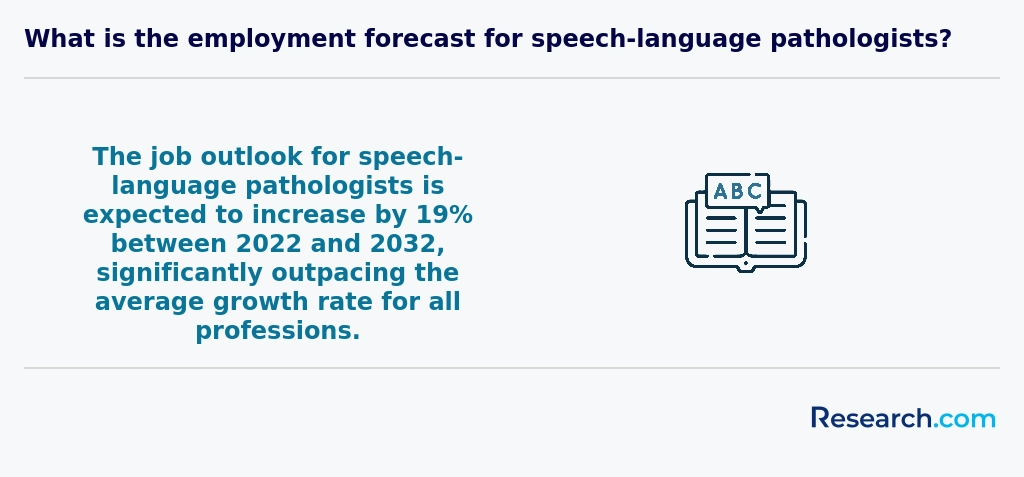
The job market for speech pathology degree holders in Washington is vibrant and growing, offering exciting opportunities for graduates ready to make an impact. With a strong 14% growth projection from 2022 to 2032, Washington speech pathology career outlook shines brighter than the national average. Graduates from universities in Seattle and other popular colleges often find rewarding roles in schools, hospitals, and private practices, where they help diverse populations, from young children in early intervention programs to elderly patients in nursing facilities. Many alumni share how their education uniquely prepared them to navigate the state's licensing requirements and the Certificate of Clinical Competence (CCC), crucial for professional success.
Students often appreciate the balance between the cost of earning a degree in Washington and the competitive salaries they can command afterward. For those curious about educational investment, financial aid options and scholarships are a welcoming resource. Exploring four year degrees that pay well can spark motivation as you envision your future in this rewarding field tailored for Washington's specific needs.
Frequently Asked Questions About speech pathology
Students pursuing speech pathology degrees in Washington can enhance their learning by engaging in clinical practicum opportunities, which are essential components of accredited programs. Washington hosts several schools accredited by the Council on Academic Accreditation in Audiology and Speech-Language Pathology (CAA), ensuring access to quality supervised experiences.
Joining professional organizations, such as the Washington Speech-Language-Hearing Association (WSHA), allows students to network and attend workshops that enrich academic knowledge with practical insights.
Additionally, leveraging the state's resources for internships in diverse settings, including schools and healthcare facilities, prepares students for certification requirements set by the American Speech-Language-Hearing Association (ASHA) and Washington's Department of Health.
The field of speech pathology is evolving, with several emerging niches gaining attention in Washington. One notable area is pediatric feeding and swallowing disorders, where specialists address challenges affecting infants and children. According to the American Speech-Language-Hearing Association (ASHA), demand for these specialists has grown by over 10% in the Pacific Northwest in recent years.
Another emerging niche is telepractice, which has expanded rapidly since 2020, allowing speech pathologists to provide remote services to rural and underserved communities in Washington. This approach improves access and convenience for clients.
Additionally, there is increasing focus on speech pathology for aging populations, addressing cognitive-communication disorders related to dementia. As Washington's senior population grows, so does the need for expertise in this niche.
After completing a speech pathology degree in Washington, preparing for the job market involves several key steps. First, graduates must obtain state licensure by passing the Praxis Speech-Language Pathology exam, as required by the Washington Department of Health. This credential is essential to practice legally and increase employability.
Building professional experience through clinical fellowships is critical. Washington requires a 36-week clinical fellowship under supervision to ensure practical skills meet industry standards. Networking with local healthcare providers and school districts can open job opportunities, as many speech pathologists work in public schools, hospitals, and private clinics.
According to the U.S. Bureau of Labor Statistics, Washington's employment for speech-language pathologists is projected to grow 11% through 2030, higher than the national average. Staying current with continuing education credits also enhances career prospects.
Employers in Washington highly value speech pathology graduates who demonstrate strong clinical skills combined with effective communication. Graduates must show proficiency in diagnosing and treating speech, language, and swallowing disorders, as these are core job functions. According to the Washington State Department of Health, licensed speech-language pathologists are expected to have solid knowledge of evidence-based practices and be able to apply them in diverse clinical settings.
Interpersonal skills also rank prominently. Employers seek individuals who can work well with children, adults, and families from various cultural backgrounds. Adaptability and critical thinking are crucial, especially in school and healthcare environments where needs can change rapidly. Reliable data from the Bureau of Labor Statistics (BLS, 2023) indicates that Washington's demand for speech pathologists is growing by nearly 18% over the next decade, underscoring the importance of graduates displaying both technical and soft skills to meet workforce needs.
Finding internships relevant to speech pathology degrees in Washington involves several strategic steps. Students typically begin by consulting their university's speech-language pathology department, which often maintains partnerships with local hospitals, schools, and clinics. These internships comply with the American Speech-Language-Hearing Association (ASHA) standards, ensuring quality clinical experience.
The Washington Speech-Language-Hearing Association (WSHA) also provides resources and networking opportunities for students seeking placements. According to ASHA, students must complete at least 400 hours of supervised clinical work, emphasizing the importance of securing a fitting internship.
Additionally, major healthcare employers in Washington, such as UW Medicine and Seattle Children's Hospital, offer internships and externships to prospective speech pathology students. Early application and active communication with clinical supervisors increase placement success.
Obtaining a speech pathology degree in Washington significantly enhances career mobility and advancement. The state's growing demand for speech-language pathologists, driven by its aging population and expanding healthcare services, creates numerous job opportunities across settings like schools, hospitals, and private clinics. According to the Washington State Employment Security Department, employment for speech-language pathologists is projected to grow by 18% from 2020 to 2030, outpacing average growth rates.
The degree is essential for certification and licensure in Washington, necessary for professional practice. Higher education credentials, including master's and doctoral degrees, often lead to roles with greater responsibility and higher salaries. Advanced qualifications can also open doors to leadership, research, or teaching positions within the state's educational institutions.
Studying for a speech pathology degree in Washington prepares students for interdisciplinary roles by emphasizing collaboration with professionals in education, healthcare, and social services. Coursework integrates knowledge from fields such as audiology, psychology, and linguistics, fostering a well-rounded skill set. Clinical training often takes place in diverse settings, including hospitals, schools, and rehabilitation centers, providing hands-on experience in team-based environments.
The Washington State Department of Health requires speech pathologists to understand multidisciplinary approaches for effective patient care. According to the Bureau of Labor Statistics, Washington employs nearly 2,000 speech-language pathologists, many working in roles requiring cooperation with other specialists. This education ensures graduates are ready to contribute effectively to varied professional teams.
When deciding between a thesis and a non-thesis speech pathology degree program in Washington, consider your career goals and time commitment. A thesis program typically requires conducting original research and writing a detailed paper, which can be beneficial if you plan to pursue a doctoral degree or a research-focused role.
Non-thesis programs often focus more on clinical practice and may allow you to complete the degree faster. They are popular among students aiming to work directly as speech-language pathologists.
According to the American Speech-Language-Hearing Association, Washington state has a strong demand for licensed practitioners, which emphasizes clinical skills.
Also, thesis options may provide opportunities for closer faculty mentorship, useful if you plan to enter academia.
Students based in Washington who wish to study speech pathology abroad have several pathways to consider. While most speech pathology programs are completed within the United States, including Washington, some universities offer international study options through exchange programs or dual-degree partnerships. These opportunities often require enrollment at a home institution accredited by the Council on Academic Accreditation in Audiology and Speech-Language Pathology (CAA), which ensures U.S. licensing eligibility. According to the American Speech-Language-Hearing Association (ASHA), maintaining accreditation is essential when studying abroad for eventual certification in the U.S.
Additionally, Washington students can explore programs in countries with English-taught courses and recognized clinical practice models, such as the United Kingdom and Australia. Some U.S. institutions facilitate virtual clinical practicum experiences overseas, broadening international exposure without relocating.
Students pursuing speech pathology degrees in Washington can benefit from various part-time job opportunities that complement their education. Positions such as speech therapy aides, working under certified speech-language pathologists, allow hands-on experience with clients, enhancing practical skills.
Additionally, roles in early childhood education or special education assist in understanding communication development and disorders. Washington's public schools and early intervention programs often seek part-time aides, providing valuable exposure to diverse speech and language challenges.
According to the Washington State Department of Labor & Industries, demand for speech pathology-related occupations is expected to grow by 22% through 2030, highlighting ample job prospects that align with academic training.
Speech pathology students in Washington have access to numerous networking opportunities that support professional growth. The Washington Speech-Language-Hearing Association (WSLHA) hosts annual conferences and local events, connecting students with practicing clinicians and researchers. These gatherings offer workshops, presentations, and social events tailored to emerging professionals.
Many universities in Washington encourage students to participate in internships at regional hospitals and schools, providing direct contact with experienced speech pathologists. Additionally, the state's growing healthcare sector, with over 1,200 speech-language pathologists employed as of 2023 (Bureau of Labor Statistics), offers varied clinical placements.
Online professional groups and forums focused on Washington also facilitate collaboration and job leads among students and graduates.
Alumni networks play a crucial role for speech pathology degree students in Washington by offering valuable career support and professional connections. Graduates from local programs often join these networks, providing current students with access to mentors who understand the state's job market and licensure requirements.
Washington has a growing demand for speech-language pathologists, with the U.S. Bureau of Labor Statistics projecting a 19% employment growth in the region through 2031. Alumni networks help students find clinical placements and internships, which are essential for meeting the Certificate of Clinical Competence (CCC) supervised hours requirement set by the American Speech-Language-Hearing Association (ASHA).
These networks also facilitate job referrals within Washington's healthcare systems, schools, and private practices. According to the Washington Speech-Language-Hearing Association, alumni connections can increase employment opportunities and provide ongoing professional development through workshops and events.
Customizing a speech pathology degree program in Washington allows students to align their education with specific career goals. Many universities offer elective courses focusing on areas such as pediatric speech disorders, neurogenic communication, or augmentative and alternative communication. Students can also choose between on-campus, hybrid, or fully online formats to balance work and study.
Washington's Speech-Language Pathology Licensure Board requires a master's degree and a clinical fellowship. As a result, students often seek programs with strong clinical practicum opportunities in diverse settings such as schools, hospitals, or rehabilitation centers.
Additionally, some institutions collaborate with local healthcare providers, offering internships that enhance hands-on experience. The Washington Workforce Training and Education Coordinating Board states that demand for speech pathologists in the state is projected to grow by 14% through 2030, emphasizing the importance of tailored training.
Speech pathology students in Washington commonly face several challenges throughout their education. One significant hurdle is balancing rigorous academic coursework with clinical practicum hours required for certification by the American Speech-Language-Hearing Association (ASHA). These practicum placements, essential for hands-on experience, can be competitive and geographically limited in Washington's urban and rural areas.
Another challenge is the financial burden. Graduate programs in speech pathology often involve substantial tuition and associated costs, while Washington's cost of living adds to students' expenses. According to the Washington Student Achievement Council, many graduate students report stress related to managing loans and living costs.
Additionally, mastering diverse communication disorders and adapting treatment plans for Washington's culturally and linguistically varied population requires extensive training. This diversity can introduce complexities in clinical education, demanding specialized resources that are sometimes scarce.
A speech pathology degree in Washington opens doors to several key professional certifications. The most recognized credential is the Certificate of Clinical Competence in Speech-Language Pathology (CCC-SLP), offered by the American Speech-Language-Hearing Association (ASHA). This certification requires a master's degree, clinical fellowship, and passing a national exam.
In addition to CCC-SLP, graduates can obtain state licensure through the Washington Department of Health, which ensures legal practice within the state's public and private sectors. Maintaining these certifications often requires continuing education.
National statistics indicate over 2,300 practicing speech-language pathologists in Washington, emphasizing strong demand for certified professionals (Bureau of Labor Statistics, 2023).
Applying to a speech pathology program in Washington requires careful preparation and attention to detail. Start by researching accredited programs recognized by the American Speech-Language-Hearing Association (ASHA), as Washington has several, including the University of Washington and Eastern Washington University.
Highlight your academic achievements, especially in relevant sciences like biology and psychology, since many programs require a minimum GPA around 3.0.
Strong letters of recommendation from professors or speech-language pathologists can significantly boost your application.
Include volunteer or work experience related to speech therapy or healthcare to demonstrate your commitment.
Finally, prepare a clear personal statement explaining your motivation and career goals in the field.
The career of speech pathology is recognized worldwide for its vital role in improving communication and quality of life. In the United States, including Washington, speech-language pathologists (SLPs) are in growing demand due to an aging population and increased awareness of speech disorders. According to the U.S. Bureau of Labor Statistics, employment of SLPs is projected to grow 21% from 2021 to 2031, much faster than the average for all jobs.
Internationally, many countries emphasize certification and advanced degrees similar to U.S. standards, supporting professional mobility. Washington State offers accredited programs that align with these global standards, increasing graduates' competitiveness both domestically and abroad. The American Speech-Language-Hearing Association (ASHA) provides guidelines that influence education worldwide, ensuring a consistent foundation in the profession.
Gaining practical experience while studying for a speech pathology degree in Washington is essential for meeting certification requirements and building professional skills. Most accredited graduate programs incorporate clinical practicum placements, allowing students to work directly with clients under supervision. These experiences typically take place in schools, hospitals, or rehabilitation centers.
The Washington Speech-Language-Hearing Association (WSHA) provides resources and networking opportunities to help students find internships. Additionally, universities often partner with local clinics and community organizations, offering hands-on training options. Completing at least 400 supervised clinical hours is a requirement by the American Speech-Language-Hearing Association (ASHA) for certification, which Washington programs align with.
Choosing the right concentration within a speech pathology degree program in Washington depends on your career goals and interests. Programs often offer areas like pediatric speech disorders, adult neurogenic communication disorders, or voice therapy. Consider the local demand; for example, Washington's strong aging population increases the need for specialists in adult and geriatric speech pathology, according to the Washington State Department of Health.
Accredited programs offer clinical placements that reflect these concentrations, helping students gain relevant experience. Reviewing faculty expertise and research opportunities can also guide your choice. Finally, check state certification requirements, as Washington mandates specific competencies for licensure in speech-language pathology.
Related Speech Pathology Rankings for Nearby Cities
- 2027 Most Popular Speech Pathology Degree Programs Ranking in College Park
- 2027 Most Popular Speech Pathology Degree Programs Ranking in Harrisonburg
- 2027 Most Popular Speech Pathology Degree Programs Ranking in Philadelphia
- 2027 Most Popular Speech Pathology Degree Programs Ranking in Pittsburgh
- 2027 Most Popular Speech Pathology Degree Programs Ranking in New York
- 2027 Most Popular Speech Pathology Degree Programs Ranking in Queens
- 2027 Most Popular Speech Pathology Degree Programs Ranking in Buffalo
- 2027 Most Popular Speech Pathology Degree Programs Ranking in Cleveland
- 2027 Most Popular Speech Pathology Degree Programs Ranking in Storrs
- 2027 Most Popular Speech Pathology Degree Programs Ranking in Columbus
Top Trending Speech Pathology Rankings
See What Experts Have To Say About Studying Speech Pathology
Read our interview with Speech Pathology experts

References
- What’s Your Niche? Specializing as an Speech-Language Pathologist https://www.meaningfulspeech.com/blog/private-practice-SLP
- How to Navigate 6 Common Challenges for School-Based SLP https://invocompanies.com/blog/how-to-navigate-6-common-challenges-for-school-based-speech-language-pathologists/
- Your Guide to SLP Certifications and Specialties https://otpotential.com/blog/slp-certifications-and-specialties
- Blog - WSLHA https://wslha.org/blog
- Speech pathologists: do you hate networking? Me too. But let's do it anyway | Speechies in Business https://speechiesinbusiness.com/business-tips/speech-pathologists-do-you-hate-networking-me-too-but-lets-do-it-anyway/
- Eligibility and Requirements https://www.kumc.edu/school-of-health-professions/academics/departments/hearing-and-speech/academics/speech-language-pathology-degrees/master-of-arts-in-speech-language-pathology-(m.a.slp)/eligibility-and-requirements.html
- 6 Exciting Career Goals for Speech Pathologists https://www.speechease.net.au/our-voice/career-goals-for-speech-pathologists/
- Speech Pathology Study Abroad https://bilinguistics.com/speech-pathology-study-abroad/
- Medical Speech-Language Pathologist - Explore Healthcare Careers - Mayo Clinic College of Medicine & Science https://college.mayo.edu/academics/explore-health-care-careers/careers-a-z/medical-speech-language-pathologist/
- Personal Statement for Graduate Application for Speech Pathology https://essayforum.com/graduate/statement-application-pathology-41202/