
2027 Easiest Online Colleges Programs Ranking in Virginia

Co-Founder and Chief Data Scientist
Choosing the right online college program can feel overwhelming, especially in Virginia's growing educational landscape. This article presents the 2027 Easiest Online Colleges Programs Ranking in Virginia, carefully crafted by the Research.com team of data scientists.
It's designed to help you navigate your options and identify degree programs that align with your goals and lifestyle. Whether you want to boost your career or explore a new field, understanding which programs are accessible and supportive makes a big difference.
Reading this guide can empower you to make confident decisions and take meaningful steps toward a brighter future.
Key benefits of getting online degrees in Virginia
- In Virginia, bachelor's degree holders earn a median salary of around $60,000 annually, while those with master's degrees can make approximately $75,000, showing how higher degree levels greatly increase earning potential.
- A graduate from Liberty University's online business program often advances quickly into management roles, showcasing clear career growth linked to well-respected online degrees.
- Students earning a degree online from Old Dominion University enjoy flexible schedules that allow them to work while studying, which many find more convenient and stress-free compared to traditional on-campus programs.
- Key benefits of getting online degrees in Virginia
- What can I expect from online degrees in Virginia?
- How much can I make with online degrees in Virginia?
- 2027 Easiest Online Colleges Programs Ranking in Virginia
- Key Findings
- How long does it take to complete online degrees in Virginia?
- Tips for Online Learning Success
- What's the difference between online and on-campus degree?
- Accreditation and Quality Assurance
- What is the average cost of online degrees in Virginia?
- Top Easiest Specializations
- What financial aid is available to online degree students in Virginia?
- Accreditation and Quality Assurance
- What are the prerequisites for enrolling in online degree programs in Virginia?
- Accreditation: Ensuring Quality and Recognition
- What courses are typically in online degree programs in Virginia?
- How do you choose the best online degree in Virginia?
- What career paths are available for online degree graduates in Virginia?
- What is the job market for online degree graduates in Virginia?
- Related General Rankings for Nearby States
- Top Trending General Rankings
What can I expect from online degrees in Virginia?
Enrolling in an online degree program in Virginia, such as those offered by popular institutions like George Mason University or Old Dominion University, commonly means gaining flexibility with your schedule. Many graduates highlight how asynchronous classes allowed them to juggle full-time jobs and family responsibilities effectively. However, it's important to note that some programs may still require occasional live sessions or in-person visits, which could affect your plans depending on the program's format.
Financially, students benefit from in-state tuition rates averaging around $300 to $400 per credit hour, a significant saving compared to out-of-state fees. Graduates often express relief and gratitude for this affordability, along with access to scholarships and federal aid tailored for online learners.
Accreditation is another critical factor. Virginia's public universities are regionally accredited by SACSCOC, ensuring your degree holds value beyond graduation-crucial when transferring credits or pursuing employment.
Students also appreciate the robust academic support available remotely, from tutoring to career counseling, often accessed through dedicated online portals that keep them connected and motivated despite the distance.
How much can I make with online degrees in Virginia?
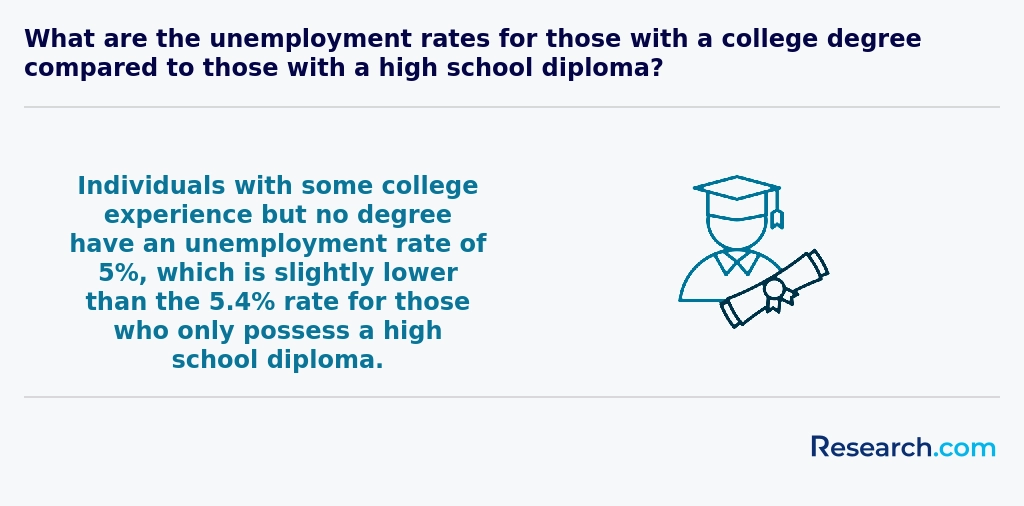
Graduates with an online bachelor's degree from Virginia schools like Virginia Tech or Old Dominion University generally see a median annual salary around $64,000, a significant step up from about $38,000 for those holding only a high school diploma. This jump reflects real financial improvement that many online students experience after completing their degrees.
For example, a graduate from an online business administration program at George Mason University reported starting salaries near $65,000, which aligns with regional averages. Meanwhile, graduates in technology-focused fields, such as computer science or cybersecurity-popular at Virginia Commonwealth University-often earn much more. Software developers with a bachelor's degree frequently make upwards of $110,000 in Northern Virginia's competitive job market.
Those who pursue a master's degree online, say in education or business administration from James Madison University, tend to increase their earnings by 20% to 30% compared to bachelor's holders. Though salaries fluctuate by exact role and location, the evidence suggests that investing in an online degree from Virginia's institutions often leads to meaningful income growth aligned with the state's economic landscape.
2027 Easiest Online Colleges Programs Ranking in Virginia
How do we rank schools?
Investing in your education is a significant decision that can shape your future, and the Research.com team understands the importance of making informed choices. To assist prospective students in Virginia, we have meticulously crafted the "2027 Easiest Online Colleges Programs Ranking in Virginia." Our commitment to quality, credibility, and accuracy is reflected in the extensive research and analysis conducted to compile this ranking.
We utilized the following reputable data sources to ensure a comprehensive evaluation of online college programs:
By exploring this ranking, readers will gain valuable insights into the easiest online college programs in Virginia, helping them make well-informed decisions about their educational journeys. For more details on our methodology, please visit our Research.com methodology page.

Key Findings
- In-state undergraduate tuition at Virginia public universities ranges from $8,000 to $15,000 per year, while private online programs cost between $20,000 and $30,000 annually.
- Virginia online programs are accredited, ensuring credit transferability, employer recognition, and eligibility for federal financial aid.
- Graduates in Virginia have an average early career salary of around $50,000, rising to about $70,000 after 5 to 10 years.
- Online programs offer flexible schedules, supporting adult learners and working professionals in balancing work and studies.
- State initiatives improve digital literacy and broadband access, aiding online learners in successfully completing their coursework.
- Virginia's job market favors fields like technology, healthcare, education, cybersecurity, and public administration, especially due to its proximity to Washington D.C.
How long does it take to complete online degrees in Virginia?
Completing an online degree in Virginia typically ranges from two to six years, influenced by degree level and student circumstances. For instance, online associate degrees often take around two years, while bachelor's degrees at public institutions like Virginia Commonwealth University usually require about four years full-time. Yet, many students-especially working adults-take five to six years balancing studies with jobs and family.
Graduates recall the freedom to accelerate their pace by enrolling in shorter eight-week courses rather than traditional 15-week semesters, allowing them to finish faster if life permits. Others appreciate the flexibility of asynchronous learning, which fits varied schedules but may stretch completion when responsibilities compete.
Transfer credits from military service or prior schooling also help some students shorten timelines. Yet, managing tuition costs sometimes leads students at universities such as Old Dominion University to space courses across more semesters, extending their journey but alleviating financial pressures.
Ultimately, while the structure and pacing options at Virginia's online schools offer optimism, prospective students should weigh how personal priorities and resources shape their unique path.
Tips for Online Learning Success
Navigating an online degree program requires more than just accessing digital course materials-it demands effective time management, self-motivation, and the use of supportive resources that enhance the learning experience. To excel in your online studies, start by creating a dedicated study space free of distractions and set a consistent schedule that mirrors a traditional classroom environment. Leveraging digital tools, such as calendar apps and task management platforms, can help you keep track of assignment deadlines and exam dates. Additionally, actively participating in virtual discussion boards and leveraging mentor feedback not only enriches your understanding of course content but also builds a network of peer support that can be crucial during challenging periods. For example, many students have found that exploring detailed cost comparisons-like how much does an online associate's degree cost-provides tangible benchmarks that motivate disciplined study and financial planning throughout their academic journey. Remember, cultivating a proactive learning mindset, engaging in regular reviews of your progress, and seeking out supplemental academic resources are key strategies to transform your online education into a robust, rewarding experience.
What's the difference between online and on-campus degree?
In Virginia, choosing between online and on-campus degrees often boils down to lifestyle and financial considerations. Graduates from universities like Virginia Commonwealth University appreciate the flexibility of online programs that let them juggle work and family, completing assignments asynchronously instead of sticking to a rigid schedule. Conversely, on-campus students at places such as the University of Virginia enjoy vibrant face-to-face interactions, hands-on labs, and access to campus resources, which foster a strong sense of community and immediate academic support.
Cost differences are notable. While in-state tuition for four-year public institutions tends to hover around $14,500 annually on campus, online degree programs-especially those offered by community colleges-can reduce expenses to $4,000-$5,000 per year by cutting out housing, commuting, and meal plan fees. However, online learners must invest in reliable technology and internet access, which can be a hidden cost.
Despite these variations, both modes maintain rigorous accreditation standards in Virginia, ensuring that employers and graduate schools recognize the degrees equally.
Accreditation and Quality Assurance
Ensuring that an online degree program is properly accredited is one of the most important steps in safeguarding both your educational investment and future career prospects. In Virginia, reputable online colleges are typically accredited by regional bodies such as the Southern Association of Colleges and Schools Commission on Colleges (SACSCOC) or specialized accrediting agencies approved by the U.S. Department of Education. Accreditation serves as a quality assurance mechanism, verifying that a program meets rigorous academic standards, offers qualified faculty, and provides adequate student support services. Key aspects of accreditation and quality assurance to consider: • Regional vs. National Accreditation: Regional accreditation (e.g., SACSCOC) is widely recognized and often preferred by employers and other institutions when transferring credits. National accreditation may apply to career-specific or vocational programs but can limit credit transferability. • Programmatic Accreditation: Certain fields-such as business (AACSB), nursing (CCNE), and teacher education (CAEP)-feature program-specific accreditation, ensuring specialized curricula meet industry benchmarks. • Continuous Improvement: Accredited institutions undergo periodic reviews, demonstrating ongoing commitment to improving learning outcomes, student retention, and technological infrastructure. • Consumer Protection: Accreditation status is publicly available through the U.S. Department of Education’s Database of Accredited Postsecondary Institutions and Programs (DAPIP), allowing prospective students to verify an institution’s standing before enrolling. Beyond accreditation, affordability can also be a key indicator of institutional integrity. For additional insight into cost-effective, reputable programs, explore our Inexpensive Online Colleges Programs Ranking in University Park, PA, which highlights accredited institutions offering exceptional value.
What is the average cost of online degrees in Virginia?
The average cost of an online degree in Virginia varies depending on residency status and level of study, but the median total cost for completing a degree stands around $43,800. For residents, the median in-state total cost drops significantly to approximately $29,478, reflecting more affordable tuition rates. Out-of-state students face somewhat higher expenses, with a median cost near $34,729. These figures suggest that Virginia remains a reasonably accessible option for online learners compared to many other states.
Graduates who completed degrees online through institutions like George Mason University or Virginia Tech often share stories of balancing coursework with work and family life, appreciating the financial feasibility of their programs. Virginia online college tuition and fees typically range from $400 to $900 per credit hour, depending on whether the student pursues undergraduate or graduate studies, with additional fees possibly adding a couple of hundred dollars annually. This balance allows many to feel confident in investing in their education without overwhelming debt.
Understanding the cost dynamics is key-some students find relief in financial aid opportunities or employer tuition assistance, making the journey less daunting. For those curious about lower-cost options, learning how much does an online associate's degree cost can provide useful context for planning ahead and managing expenses effectively.

Top Easiest Specializations
Online programs in Virginia often group into a few broad, flexible fields that balance rigorous learning with manageable workloads.
- Business Administration: Core courses in management, marketing and finance translate well online and often include project-based assessments.
- Liberal Arts or General Studies: Exploratory curricula with humanities and social science classes, ideal for students seeking broad skills.
- Human Services or Psychology: Practical focus on counseling theories and case studies, with accessible reading and writing assignments.
- Communications: Emphasis on writing, public speaking and media studies, using discussion boards and recorded presentations.
- Information Technology Foundations: Introductory courses in networking and computer basics, building essential digital skills.
For many learners aiming for an affordable online bachelor's degree, these specializations offer a streamlined path to graduation without sacrificing quality or accreditation.
What financial aid is available to online degree students in Virginia?
Students pursuing online degrees in Virginia often rely on a mix of federal, state, and institutional aid to offset the cost of education. For example, graduates from popular schools like George Mason University have found Pell Grants invaluable; these need-based funds require no repayment and serve as a financial foundation. However, accessing this aid necessitates completing the FAFSA, a crucial step that can sometimes be daunting without guidance.
Virginia's State Grant Program is another key resource, particularly for those enrolled in in-state public colleges such as Old Dominion University. While traditionally favoring on-campus learners, this program is increasingly available to online students, offering vital relief amid rising tuition costs averaging around $14,000 annually.
Merit-based scholarships are frequently awarded by universities like Virginia Commonwealth University, encouraging students to excel academically or leverage professional experience, which many recipients appreciate as it validates their efforts beyond the classroom.
Employer tuition assistance also plays a transformative role for working adults balancing jobs and studies, bolstering morale as they pursue career advancement without financial strain. Moreover, veterans attending institutions such as Liberty University benefit from state and federal programs, including the GI Bill, supporting their educational goals in flexible online formats.
Accreditation and Quality Assurance
Accreditation validates program quality and ensures employers and graduate schools recognize your degree. When exploring easier online options in Virginia, look for:
- Regional accreditation (SACSCOC) as a baseline standard
- Program-specific accreditation (e.g., CCNE for nursing, ACBSP for business)
- Federal recognition to confirm eligibility for financial aid and credit transfer
- Regular review cycles that demonstrate continuous improvement
Always verify accreditation status through the U.S. Department of Education’s official database or institutional websites. Affordable options, including many of the cheapest online colleges, maintain the same rigorous standards as their traditional counterparts.
What are the prerequisites for enrolling in online degree programs in Virginia?
Enrolling in an online degree program in Virginia often begins with meeting clear educational prerequisites, such as holding a high school diploma or GED for undergraduate programs. Graduates from institutions like Virginia Tech or James Madison University recall the importance of submitting official transcripts to confirm past achievements. Some found standardized tests like the SAT optional, thanks to recent test-optional policies adopted by several colleges, reflecting a growing flexibility in admission criteria.
Graduate applicants typically need a completed bachelor's degree from an accredited school, a requirement that aligns with standards upheld by Virginia's respected accreditation bodies. Letters of recommendation and personal statements have frequently helped students stand out in competitive programs, especially in fields like education or nursing where relevant certifications can be essential.
International students share similar experiences, emphasizing the necessity of English proficiency tests and visa documentation. Meanwhile, financial considerations such as tuition differences between in-state and out-of-state students have influenced enrollment decisions, with many appreciating that Virginia residents often benefit from lower online tuition rates.
Overall, those pursuing online degrees in Virginia recognize that meeting these prerequisites requires thoughtful preparation but can lead to a rewarding academic journey grounded in accessible, reputable institutions.
Accreditation: Ensuring Quality and Recognition
Accreditation serves as the cornerstone for validating the academic rigor and industry acceptance of any online program. In Virginia, reputable institutions typically hold regional accreditation from bodies such as the Southern Association of Colleges and Schools Commission on Colleges (SACSCOC), ensuring that your credits are transferable and your degree is recognized by employers and graduate schools nationwide. When evaluating an institution, verify its accreditation status directly through the U.S. Department of Education’s database or the Council for Higher Education Accreditation (CHEA). Failure to attend an accredited program can lead to obstacles in securing federal financial aid, professional licensure, and even job opportunities. Beyond regional accreditation, some programs boast specialized accreditation for specific fields-such as business (AACSB), nursing (CCNE), or information technology (ABET)-which signals a deeper alignment with industry benchmarks and employer expectations. Always confirm both institutional and programmatic accreditation before submitting your application. Balancing cost with quality is key. While comparing tuition rates and financial aid packages, consider affordability alongside accreditation status to maximize long-term returns on your investment. Resources like our curated list of most affordable online degrees can help you identify programs that blend cost-effectiveness with recognized accreditation, ensuring both budget-friendly and career-advancing choices. Ultimately, accredited online degrees in Virginia not only safeguard your educational investment but also bolster your professional credibility. By prioritizing rigorous accreditation standards, you ensure that your diploma carries real weight-translating into smoother credit transfers, broader graduate school options, and stronger positioning in competitive job markets.
What courses are typically in online degree programs in Virginia?
Online degree courses in Virginia typically begin with foundational subjects that build essential skills like communication, critical thinking, and quantitative reasoning. Graduates from popular institutions often reflect positively on early courses such as English Composition and College Algebra, which provide a solid base for advanced study. While core classes are consistent, the Virginia online college program curriculum varies depending on the chosen field, allowing students to pursue specialized courses aligned with state job markets.
For example, many students pursuing healthcare-related online degrees in Virginia encounter practical courses like Medical Terminology and Health Informatics that prepare them for the demands of the local workforce. Business degree students often experience classes in Financial Accounting and Organizational Management, helping them feel confident entering Virginia's competitive economic landscape. Suffolk-based community colleges or large universities provide flexible options for those balancing family or work commitments.
Those exploring online education may appreciate programs requiring capstone projects or remote internships, fostering real-world skills and networks. Prospective students interested in the most affordable online degrees will find Virginia's offerings well-suited to build careers with meaningful regional impact.
How do you choose the best online degree in Virginia?
Choosing the best online degree program in Virginia requires careful evaluation beyond surface-level appeal. Accreditation by recognized bodies like SACSCOC ensures that credits earned through the program are transferable and that the degree holds value in the job market. Graduates from institutions such as Virginia Tech often praise the blend of academic rigor and flexible scheduling, which is essential for balancing work and family life. However, not all programs offer fully asynchronous courses, so it's important to consider whether live sessions might interfere with your personal commitments.
Additionally, aligning your choice with career goals is crucial. In-demand fields include healthcare, IT, and business administration, and many top accredited online colleges Virginia offer specialized tracks in these areas. Reflecting on feedback from recent graduates can reveal if a program truly supports student success or just markets well. Tuition costs vary widely, so consulting resources like the Inexpensive Online Colleges Programs Ranking in University Park, PA helps find best affordable online degree programs Virginia that match your financial situation.
What career paths are available for online degree graduates in Virginia?
Graduates with online degrees in Virginia find career paths across diverse sectors, reflecting the state's evolving job market. Many have leveraged programs from well-regarded institutions like Old Dominion University or George Mason University to enter healthcare fields such as nursing and health informatics, aligning with the projected 15% growth in these roles statewide. These alumni often express satisfaction in contributing to community health while benefiting from the convenience of remote education.
Others have capitalized on Virginia's robust technology landscape, particularly near Northern Virginia's tech corridor. Graduates with credentials from institutions offering strong IT and cybersecurity tracks find opportunities in government agencies and private firms tackling challenges in defense and federal contracting. This reflects the demand for tech expertise noted in the online degree career opportunities in Virginia.
Business and education remain favorable pathways as well. Graduates report pursuing roles in management or curriculum design after studying at certain Virginia colleges, highlighting flexible career advancement without geographic constraints. Given these options, students should also explore top paying certificate programs to complement their online degrees and enhance employability in Virginia jobs for online college graduates.
What is the job market for online degree graduates in Virginia?
The job market for online general degree holders in Virginia reflects a cautiously optimistic reality. Graduates from local universities who pursued their education online often find opportunities in major hubs like Northern Virginia and Richmond, where sectors such as IT, healthcare, and government contracting lead employment. Yet, success is not guaranteed by the degree alone. Graduates commonly share that their ability to translate online learning into practical skills, combined with networking in Virginia's diverse economy, strongly influences their job prospects. This nuance is important given the broader variance in employer acceptance of online degrees.
Those exploring online degree job opportunities in Virginia benefit from the state's mix of stable and growing industries. Healthcare administrators and IT professionals report positive outcomes, with median salaries reflecting local demand. Students attending institutions known for quality online programs highlight how these offerings connect curriculum with Virginia's job market. For prospective enrollees, reviewing open enrollment programs can help identify pathways that align with employer expectations.
Frequently Asked Questions
Students in Virginia can maximize their online learning experience by actively engaging with available academic resources. Many Virginia public universities, including Virginia Commonwealth University and Old Dominion University, offer robust online student support services such as tutoring, library access, and academic advising. According to the Virginia Department of Education, students who regularly use these services show higher course completion rates.
Setting a consistent study schedule is critical. Research indicates that disciplined time management improves retention and reduces dropout rates among online learners nationwide.
Additionally, participation in virtual study groups and interactive discussion boards helps build a learning community, combating the isolation common in remote education.
After completing an online degree in Virginia, it is essential to proactively prepare for the job market to improve employment prospects. Start by leveraging resources provided by your university's career services, such as resume reviews, interview workshops, and job fairs. Virginia's economy, with strong sectors in technology, healthcare, and government, offers various opportunities for graduates.
Networking plays a vital role; connect with alumni and local professional groups through platforms like LinkedIn. According to the Virginia Employment Commission, occupations in high demand include registered nurses and IT specialists, aligning with popular degree fields.
Gaining relevant internships or certifications can also enhance your marketability.
Employers in Virginia increasingly value a mix of technical and soft skills in graduates, especially those completing online degrees. According to the Virginia Chamber of Commerce, critical thinking and problem-solving are among the top competencies. Communication skills, both written and verbal, rank highly as well, reflecting workplace collaboration needs.
In sectors like technology and healthcare, proficiency in digital literacy and data analysis is essential. The Virginia Department of Labor highlights adaptability and teamwork as key traits sought by employers. Moreover, nearly 71% of Virginia employers expect candidates to demonstrate leadership potential, regardless of job level.
Understanding these skills helps students tailor their education to meet local market demands effectively.
Finding internships in Virginia involves multiple steps that enhance your chances of success. Start by exploring university career centers associated with Virginia's colleges, as many institutions offer exclusive internship listings and personalized career advising. For example, George Mason University and the University of Virginia maintain active internship programs aligned with local industries.
Online platforms like Handshake and Internships.com are widely used by Virginia students to search for paid and unpaid placements. The Virginia Employment Commission also offers resources and job fairs targeting internships across sectors, especially in government and technology.
Networking remains crucial-join local professional groups, attend industry meetups in Richmond or Northern Virginia, and leverage LinkedIn connections. According to the National Association of Colleges and Employers (NACE), about 60% of internships in Virginia convert to full-time jobs, highlighting the value of early engagement.
In Virginia, earning an online degree significantly impacts career mobility and advancement. According to the Virginia Community College System, individuals with a bachelor's degree typically earn 65% more than those with only a high school diploma. This wage premium encourages many professionals to pursue online degrees to improve job prospects without disrupting their current employment.
Employers in Virginia increasingly recognize online degrees from regionally accredited institutions as valid credentials. This recognition expands opportunities for promotions and salary increases across industries such as healthcare, technology, and business.
The Virginia Employment Commission reports that job openings requiring a bachelor's degree are projected to grow 9% over the next decade, indicating a demand for higher education credentials to access advanced roles.
Thus, an online degree in Virginia serves as a practical pathway for career growth while accommodating flexible schedules.
Choosing between a thesis and a non-thesis degree program in Virginia depends on your career goals and learning preferences. Thesis programs generally require original research, ideal if you plan to pursue a PhD or work in research-intensive roles. These programs typically demand strong writing and analytical skills.
Non-thesis programs focus more on coursework and practical experience, appealing to students seeking professional advancement or immediate entry into the workforce. According to the Virginia Department of Education, 60% of online graduate degrees in Virginia offer both options, making flexibility a key benefit.
Consider also time commitment: thesis tracks usually take longer to complete. Review specific university requirements carefully, as institutions like Virginia Tech and George Mason University provide detailed guidelines on choosing the best option for your needs.
Students based in Virginia who pursue online degrees have several opportunities to study abroad through their home institutions. Many Virginia colleges and universities partner with international schools, allowing students to participate in exchange programs or study tours while completing their online coursework. For example, the University of Virginia and Virginia Commonwealth University offer short-term abroad experiences tailored for distance learners.
According to the Institute of International Education, over 2,000 Virginia students studied abroad prior to the pandemic, highlighting growing interest in global education.
Additionally, Virginia's community colleges increasingly support virtual international collaborations, enabling students to gain global exposure without traveling.
Virginia offers a variety of part-time job opportunities that can effectively complement an online degree education. Fields such as healthcare, information technology, and education are growing rapidly, providing roles that align well with academic coursework. According to the Virginia Employment Commission, healthcare support occupations are projected to grow by 16% by 2030, highlighting opportunities for students studying nursing, health administration, or related programs.
Additionally, tech-related roles, including IT support and coding internships, are commonly available around Northern Virginia's tech hubs. Education majors can find part-time work as tutors or teaching assistants, which provides practical experience. These jobs help build skills and networks while managing studies efficiently.
Online students pursuing degrees in Virginia have access to various networking opportunities despite their remote status. Many Virginia public universities offer virtual career fairs, connecting students with employers statewide. For example, Virginia Tech and the University of Virginia host annual online events attracting hundreds of companies.
Regional professional associations, such as the Virginia Business Coalition, also provide virtual networking groups and webinars tailored to online learners. These platforms help students build connections within their fields without needing to attend campus physically.
Additionally, some online programs incorporate discussion boards and group projects, fostering peer interaction. According to the Virginia Department of Education, nearly 70% of online programs include such collaborative elements to enhance student engagement and professional networking.
Alumni networks provide significant advantages to online degree students in Virginia by fostering valuable connections beyond the classroom. These networks offer access to mentoring, career advice, and job opportunities through experienced graduates who understand the local job market. According to the Virginia Foundation for Independent Colleges, 85% of alumni report that networking helped them secure employment.
Online students benefit from virtual events and online platforms that connect them with peers and professionals statewide. This access helps overcome the geographic barriers often faced by remote learners. Institutions like Old Dominion University emphasize strong alumni engagement to support professional growth and lifelong learning.
In summary, alumni networks in Virginia create a supportive community that enhances career readiness and professional development for online degree students.
Virginia offers a variety of online degree programs designed to help students tailor their education to match career goals. Many institutions provide flexible course options, such as selecting electives or concentrations relevant to specific industries like technology, healthcare, or business. According to the Virginia Community College System, over 50% of online learners customize programs through available specializations or certificate additions.
Advising services play a key role; academic advisors help students plan course sequences aligning with professional objectives. Additionally, some schools partner with local employers for internships or practical experiences that enhance skill sets.
Careful research into each program's curriculum and support services ensures students maximize their education's relevance to current job markets in Virginia.
Online students in Virginia face several common challenges that impact their educational experience. One major issue is balancing coursework with work and family responsibilities, as many learners pursue degrees while managing jobs or childcare. According to the Virginia Department of Education, over 60% of online students are working adults, highlighting this struggle.
Another barrier is limited access to reliable high-speed internet, especially in rural areas of Virginia, which affects around 15% of households statewide per FCC data. This digital divide can delay assignment submissions and hinder participation in live sessions.
Additionally, some students report feeling isolated due to reduced face-to-face interaction with peers and instructors, which can affect motivation and engagement.
Writing a winning application for a college or university program in Virginia requires careful preparation. Start by thoroughly researching the specific online programs that Virginia institutions offer, such as those from Old Dominion University or Virginia Tech, known for their accessible distance learning options. Focus on showcasing your academic achievements, relevant experience, and clear career goals tailored to the program's requirements.
Virginia colleges often emphasize a strong personal statement or essay. Use this opportunity to explain why online learning fits your lifestyle and how the program will help you meet your professional objectives. Be concise and honest.
Additionally, Virginia schools typically require standardized test scores or GPA information. According to the Virginia Department of Education, a 3.0 GPA or higher enhances acceptance chances for many online programs. Ensure all transcripts and supporting documents are accurate and submitted on time to avoid delays.
Finally, letters of recommendation can add value. Select references who can speak directly to your abilities and readiness for online study. Meeting application deadlines is crucial, as many Virginia institutions enforce strict cutoffs annually in spring or summer.
Students pursuing online degrees in Virginia can gain practical experience through several key avenues. Many Virginia institutions partner with local businesses to offer virtual or in-person internships, providing hands-on work related to students' fields of study. According to the Virginia Department of Education, about 65% of colleges in the state actively support internships for remote learners.
Additionally, service-learning projects embedded in some curricula allow students to apply academic skills to real community challenges, even when studying online. Networking opportunities through virtual career fairs hosted by universities also help connect students with industry professionals.
Lastly, cooperative education (co-op) programs available at certain Virginia schools combine paid work experiences with academic credit, enhancing both resumes and skill development.
Choosing the right concentration within an online degree program in Virginia requires careful consideration of your career goals and local job market demands. According to the Virginia Employment Commission, fields such as healthcare, information technology, and business management are experiencing steady growth in the state. Selecting a concentration aligned with these areas can enhance your employment prospects.
Additionally, research specific online programs your target schools offer, as some concentrations may provide specialized skills recognized by Virginia employers. Look for programs with strong faculty expertise and connections to regional industries.
Review graduation and job placement rates to assess a program's effectiveness in preparing students for work in Virginia.
Related General Rankings for Nearby States
- 2027 Easiest Online Colleges Programs Ranking in West Virginia
- 2027 Easiest Online Colleges Programs Ranking in Kentucky
- 2027 Easiest Online Colleges Programs Ranking in Pennsylvania
- 2027 Easiest Online Colleges Programs Ranking in Ohio
- 2027 Easiest Online Colleges Programs Ranking in New York
- 2027 Easiest Online Colleges Programs Ranking in Connecticut
- 2027 Easiest Online Colleges Programs Ranking in Massachusetts
- 2027 Easiest Online Colleges Programs Ranking in Missouri
- 2027 Easiest Online Colleges Programs Ranking in Michigan
- 2027 Easiest Online Colleges Programs Ranking in Mississippi
Top Trending General Rankings
References
- Dual Enrollment - Virtual Virginia https://virtualvirginia.org/pathways/de/
- Fastest growing jobs in Virginia (that you can get through G3) | Virginia G3 https://virginiag3.com/fastest-growing-jobs-in-virginia-that-you-can-get-through-g3/
- Virginia Micro-Internship Experience | Information for Students https://info.parkerdewey.com/student/va-experience
- From campus to career: practical advice for post-graduates facing the job market https://ufvcascade.ca/from-campus-to-career-practical-advice-for-post-graduates-facing-the-job-market/
- For students - Studyportals https://studyportals.com/for-students/
- Networking Events in Virginia - Elevate Your Career | Eventbrite https://www.eventbrite.com/d/united-states--virginia/networking/
- Virginia Works https://virginiaworks.gov/im-a-job-seeker/
- Find Part time Jobs in Levittown, Pennsylvania | Randstad USA https://www.randstadusa.com/jobs/q-part-time/pennsylvania/levittown/
- Online Colleges in Virginia https://www.onlineschools.org/guides/virginia/
- Eligibility Requirements - Virginia Virtual Academy https://vava.k12.com/enrollment/eligibility-requirements/


