2027 Where Social Workers Work: Career Settings, Roles, and Demand

Co-Founder and Chief Data Scientist
Choosing a social work career is not just a question of wanting to help people. It is a practical decision about which populations you want to serve, what level of responsibility you want, how much education and licensure you are willing to complete, and which work settings fit your strengths.
Social workers are employed in hospitals, schools, government agencies, nonprofits, mental health clinics, child welfare systems, private practice, and community organizations. The day-to-day work can range from crisis intervention and case management to therapy, policy advocacy, program leadership, and care coordination. Because requirements vary by state and role, students should understand the connection between degree level, accreditation, supervised experience, and licensing before choosing a program.
This guide explains where social workers work, what they do, how the job outlook varies by setting, what degrees and accreditation matter, what licensing usually involves, what students study, how salaries differ, and how online and campus programs compare.
Key Things You Should Know
- Social workers commonly find employment in healthcare, schools, and government agencies, with healthcare settings expected to grow by 12% through 2030, faster than the average for all occupations.
- Roles in social work have diversified, including clinical therapy, child welfare, and community advocacy, requiring various levels of licensure and advanced degrees for specialized fields.
- Demand for social workers is driven by increasing mental health awareness and an aging population, with a projected 16% employment growth from 2024 to 2025 in the U.S.
Where do social workers typically work?
Social workers work wherever individuals, families, and communities need support navigating complex systems. The best setting depends on whether you prefer direct client contact, clinical services, crisis work, school-based support, policy work, or program administration.
Common employment settings
- Healthcare facilities: Hospitals, outpatient clinics, rehabilitation centers, hospice programs, and nursing homes hire social workers to coordinate discharge plans, connect patients with resources, support families, and address psychosocial barriers to care.
- Schools: School social workers help students manage behavioral, emotional, attendance, family, and crisis-related issues. They often collaborate with teachers, counselors, administrators, and families.
- Government agencies: Local, state, and federal agencies employ social workers in public assistance, child protective services, veterans services, corrections, disability services, aging services, and community health programs.
- Nonprofit organizations: Nonprofits often focus on homelessness, domestic violence, food insecurity, addiction recovery, immigrant services, mental health support, and family services.
- Mental health and substance use programs: These settings may involve assessment, counseling, group services, treatment planning, crisis response, and relapse prevention, depending on licensure level.
- Private practice and telehealth: Licensed clinical social workers may provide therapy independently, including through virtual care models, if permitted by state law and payer requirements.
How the work differs by setting
The same degree can lead to very different daily responsibilities. A hospital social worker may spend much of the day coordinating care transitions and advocating for safe discharge. A school social worker may focus on attendance, crisis intervention, and family engagement. A child welfare social worker may investigate safety concerns, support family reunification, or coordinate foster care services. A clinical social worker may provide psychotherapy, diagnosis, and treatment planning if licensed to do so.
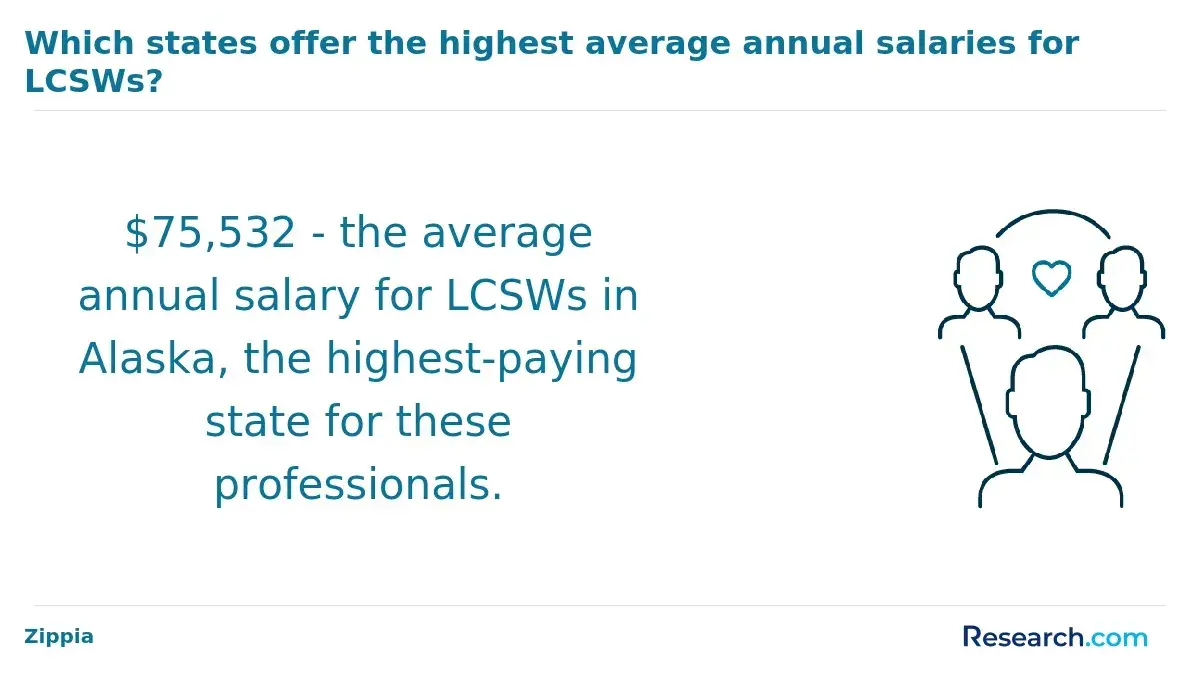
The U.S. Bureau of Labor Statistics projects a 6% growth from 2024 to 2034 for social workers, faster than the average for all occupations, adding about 44,700 new jobs. This growth reflects continued need across healthcare, schools, behavioral health, aging services, and social service agencies.
Students planning long-term advancement may also compare graduate and doctoral options, including the cheapest DSW programs, especially if they are interested in leadership, advanced practice, or teaching roles.
What roles do social workers perform?
Social workers assess needs, reduce barriers, advocate for clients, coordinate services, and help people cope with personal, family, medical, mental health, educational, and social challenges. The specific role depends on the setting, population served, degree level, and license held.
Core social work functions
- Assessment: Identifying client strengths, risks, needs, family context, safety concerns, and available supports.
- Case management: Connecting clients to housing, healthcare, benefits, treatment, transportation, food assistance, legal aid, or educational services.
- Advocacy: Helping clients navigate institutions and policies that affect access to care, safety, education, income, and basic needs.
- Crisis intervention: Responding to immediate safety, mental health, family, school, or housing crises.
- Counseling and therapy: Providing individual, family, or group services when the role and license permit clinical practice.
- Program and policy work: Designing services, managing grants, evaluating programs, training staff, and advocating for system-level change.
Examples by specialization
In healthcare, social workers coordinate patient care for people with chronic conditions, mental health needs, disabilities, serious illness, or recovery needs. The U.S. Bureau of Labor Statistics expects this career area to grow by 6% from 2024 to 2034, adding 13,600 jobs due to an aging population.
In child welfare, social workers may investigate abuse or neglect, develop safety plans, support foster care placements, coordinate services for birth families, and assist with reunification or adoption. This work requires strong documentation, legal awareness, and emotional resilience.
In schools, social workers address barriers to learning. Their work may include counseling, attendance intervention, family outreach, crisis response, behavioral planning, and collaboration on individualized student support plans.
Other roles in community settings include:
- Clinical social workers providing therapy for mental health conditions.
- Community organizers improving access to services and promoting social justice.
- Substance abuse counselors supporting recovery, relapse prevention, and treatment engagement.
- Program managers overseeing nonprofit or public agency services.
Students comparing graduate pathways should consider cost, field placement quality, accreditation, and licensing alignment. Those asking, "How much does an MSW cost?," should compare affordable online MSW programs carefully rather than choosing on tuition alone.
What is the job outlook for social workers?
The job outlook for social workers is generally strong, but demand is not equal across all settings. Growth is tied to mental health needs, substance use treatment, aging services, healthcare access, school-based support, and public and nonprofit service capacity.
The U.S. Bureau of Labor Statistics highlights an 8% increase specifically in mental health and substance use facilities, reflecting growing demand due to reduced stigma and persistent addiction challenges. This makes behavioral health one of the more important areas for students to watch when planning a social work career.
Settings with notable demand
- Mental health clinics and substance abuse treatment centers: Demand is supported by ongoing needs for counseling, treatment coordination, crisis services, and recovery support.
- Schools and educational institutions: Social workers help address trauma, attendance, behavioral concerns, family instability, and barriers to learning.
- Healthcare settings: Hospitals, nursing homes, hospice programs, and outpatient systems need social workers for discharge planning, care coordination, and patient advocacy.
- Child welfare agencies: These roles remain essential because agencies need trained professionals to protect children, support families, and coordinate court-involved services.
What improves employability?
Graduates with a Master of Social Work (MSW), especially those who pursue clinical licensure, often have broader opportunities than candidates with only entry-level credentials. Field education also matters. Employers value applicants who have completed relevant internships in the population or setting they want to enter.
Location can affect both opportunity and competition. Urban areas may offer more specialized roles, larger healthcare systems, and more agencies, but competition can be stronger. Rural areas may have unmet service needs, though there may be fewer employers and broader job responsibilities.
Students can strengthen their prospects by gaining experience in high-need areas such as trauma-informed care, evidence-based interventions, crisis response, mental health, substance use treatment, aging services, and integrated healthcare. To compare compensation by location, prospective students can review the social work salary by state.
What degrees are required for social work careers?
The degree required for a social work career depends on the role. Entry-level social service and case management jobs may be available with a Bachelor of Social Work (BSW), while clinical, supervisory, and specialized practice roles often require a Master of Social Work (MSW) and state licensure.
Bachelor of Social Work
A BSW prepares students for generalist practice. Coursework usually introduces client assessment, interviewing, social welfare policy, human behavior, diversity, ethics, and community resource coordination. Graduates may qualify for entry-level roles in case management, child welfare, community agencies, aging services, healthcare support, or school-related services, depending on state rules and employer requirements.
Master of Social Work
An MSW is typically required for clinical practice and is commonly needed for advanced social work roles. MSW programs cover advanced assessment, clinical practice, policy, research, leadership, and specialized interventions. Graduates who want to become licensed clinical social workers generally need an MSW, supervised experience, and a licensing exam.
Students with a recent accredited BSW may qualify for advanced standing MSW pathways, depending on program rules. Students without a BSW usually enter a traditional MSW pathway designed for applicants from other undergraduate backgrounds.
Doctoral degrees
Doctoral study is not required for most direct-practice social work jobs. A DSW may fit experienced practitioners interested in advanced practice leadership, administration, teaching, or applied scholarship. A PhD is usually more research-focused and may be appropriate for academic, policy, or research careers.
Licensure requirements differ by state but generally include an MSW plus supervised clinical experience for clinical credentials, and many states require passing an exam administered by the Association of Social Work Boards (ASWB).
The U.S. Bureau of Labor Statistics forecasts a 5% growth in child, family, and school social worker jobs from 2024 to 2034, driven by increasing student trauma needs. Students interested in accessible graduate options can compare MSW programs with high acceptance rate.
What accreditation do social work programs need?
Students should prioritize social work programs accredited by the Council on Social Work Education (CSWE). CSWE accreditation signals that a BSW or MSW program meets national standards for curriculum, field education, ethics, assessment, and professional preparation.
Accreditation matters because it can affect licensure eligibility, employer recognition, transfer options, field placement quality, and access to advanced study. Many state licensing boards require applicants to graduate from a CSWE-accredited program. A non-accredited degree may limit or block eligibility for credentials such as Licensed Clinical Social Worker (LCSW), depending on state rules.
What students should verify before enrolling
- Whether the BSW or MSW program is currently CSWE-accredited.
- Whether the program’s field education structure meets state licensure expectations.
- Whether the curriculum supports the student’s intended practice area, such as clinical practice, child welfare, healthcare, school social work, or community practice.
- Whether online students receive adequate field placement support in their local area.
- Whether the program meets requirements in the state where the student plans to seek licensure.
Some specialty areas, including child welfare, school social work, and family services, may require additional credentials, state-specific training, or continuing education beyond the degree. Careers in Psychology notes high turnover in this field, causing continual job openings that benefit those with formal, CSWE-accredited training aligned with licensure.
Accreditation can also influence financial aid eligibility, credit transferability, and doctoral program admission. Before applying, students should confirm accreditation directly through official program and CSWE sources rather than relying only on advertising language.
What are common social work licensing requirements?
Social work licensing is state-regulated, so requirements vary. However, most states use a similar structure: an accredited degree, supervised experience for clinical practice, a licensing exam, background checks or application documentation, and continuing education after licensure.
Typical licensing components
- CSWE-accredited education: Many licenses require graduation from a Council on Social Work Education-accredited BSW or MSW program.
- Degree level: Some states offer bachelor-level credentials such as Licensed Bachelor Social Worker (LBSW). Clinical credentials such as Licensed Clinical Social Worker (LCSW) or Licensed Independent Clinical Social Worker (LICSW) generally require an MSW.
- Supervised experience: Applicants pursuing clinical licensure commonly complete supervised clinical experience, typically ranging from 2,000 to 4,000 hours across two to three years.
- Licensing examination: Many states require an Association of Social Work Boards (ASWB) exam at the appropriate level, such as master’s or clinical.
- Continuing education: Licensed social workers usually complete ongoing education to maintain competence and meet renewal rules.
Clinical licensure is especially important for professionals who want to diagnose and treat mental health conditions, provide psychotherapy, bill insurers, or practice independently where allowed. School social work, substance use treatment, and government roles may involve additional credentials or agency-specific requirements.
Students should check licensing rules in the state where they plan to work before choosing a program. This is especially important for online students, military families, and anyone who may relocate after graduation.
Salary potential varies by career setting; policy social workers in government roles earn a mean of $83,694, with federal and consulting positions reaching $137,613 annually, according to the University of the Pacific. Understanding licensing early can help students avoid delays and choose field placements that support their target credential.
What does a social work curriculum cover?
A social work curriculum prepares students to understand people in context: family, community, culture, policy, trauma, health, income, housing, discrimination, and access to care. Strong programs combine classroom study with supervised field education so students can apply theory in real service settings.
Core curriculum areas
- Human behavior and the social environment: How individuals, families, groups, and communities develop and respond to life conditions.
- Social welfare policy: How laws, public benefits, institutions, and funding systems shape client outcomes.
- Practice methods: Interviewing, assessment, case planning, intervention, documentation, advocacy, and evaluation.
- Ethics: Professional boundaries, confidentiality, informed consent, mandated reporting, conflicts of interest, and ethical decision-making.
- Cultural competence and anti-oppressive practice: Working effectively with diverse populations and understanding structural barriers.
- Research methods and statistics: Evaluating programs, reading evidence, measuring outcomes, and supporting evidence-based practice.
- Field education: Supervised practice in settings such as hospitals, schools, public agencies, nonprofits, behavioral health programs, and community organizations.
Specialization and career alignment
Electives and concentrations may focus on mental health, child welfare, geriatrics, healthcare, substance abuse, trauma, community practice, school social work, or administration. Students should choose a curriculum that aligns with their intended license and practice setting.
Growing demand for private practice and telehealth services has shifted some curricula toward clinical skills and remote counseling technology. The University of the Pacific reports private practice and telehealth licensed clinical social workers specializing in mental health earn an average of $85,369, with top earners making $140,026, highlighting the career value of clinical and technology-supported practice skills.
Before enrolling, students should confirm that the program is accredited, offers appropriate field placement support, and includes coursework that matches the licensing expectations in their state.
What is the average social worker salary?
Social worker salaries vary by specialization, degree level, license, employer type, location, and years of experience. Clinical licensure, healthcare experience, geriatric expertise, leadership duties, and metropolitan labor markets can all affect earning potential.
Healthcare social workers specializing in aging and geriatric care earn around $99,729 annually, with the top 10% in hospice and geriatric roles making up to $145,350, according to the University of the Pacific. Demand in this area is connected to the aging baby boomer population and the need for care coordination, end-of-life planning, family support, and navigation of healthcare systems.
Factors that influence pay
- Practice setting: Healthcare, government, private practice, schools, nonprofits, and child welfare agencies may have different pay structures.
- Specialization: Geriatric, hospice, healthcare, clinical mental health, policy, and administrative roles can differ significantly in compensation.
- Licensure: Advanced and clinical credentials often improve access to higher-responsibility roles.
- Location: Metropolitan regions with higher living costs often pay more than rural areas, though competition and cost of living also matter.
- Education: An MSW can open doors to clinical, supervisory, and specialized roles that may not be available with only an undergraduate degree.
- Certifications and experience: Specialized training in areas such as geriatric care, hospice, trauma, or evidence-based treatment may strengthen earning potential.
Key salary points from the available data include:
- Healthcare social workers focusing on aging: average $99,729 annually.
- Top 10% in hospice and geriatric care: up to $145,350.
- Lower averages are common in child, family, school, and some mental health services.
- Higher salaries are often found in metropolitan areas compared to rural ones.
- Advanced degrees and specialized certifications can improve access to better-paying roles.
Students should compare salary with debt, licensure timeline, cost of living, emotional demands, and advancement opportunities before choosing a specialization.
How do online and campus social work programs compare?
Online and campus social work programs can both prepare students for professional practice if they are properly accredited and aligned with state licensure requirements. The main differences are delivery format, scheduling, student support, networking style, and field placement logistics.
Online social work programs
Online programs are often a good fit for working adults, caregivers, military-affiliated students, and students who cannot relocate. Courses may include asynchronous lessons, live video sessions, discussion boards, simulations, and virtual advising. The main advantage is flexibility, but students must be self-directed and comfortable learning through technology.
Field education is still required. Online students typically complete supervised placements in approved agencies near where they live, often with program support. Before enrolling, students should ask how the school identifies placements, what happens if local sites are limited, and whether the program meets licensing requirements in their state.
Campus social work programs
Campus programs offer face-to-face interaction with faculty and peers, easier access to campus services, in-person networking, and potentially stronger ties to local field agencies. They may be better for students who want a structured schedule, local professional connections, and more direct faculty engagement.
The trade-off is less flexibility. Students may need to commute, relocate, or reduce work hours to attend in-person classes and field placements.
How to choose between formats
- Choose online if flexibility, location, or work obligations are the main constraints.
- Choose campus if in-person learning, local networking, and structured support are priorities.
- Choose either format only if the program is accredited and supports your intended licensure path.
- Compare field placement support, not just tuition or convenience.
- Ask whether the program has experience placing students in your preferred setting, such as schools, hospitals, child welfare, or behavioral health agencies.
Cost varies widely. Online programs may reduce commuting or relocation expenses, but tuition can be comparable to or higher than campus options. Students should calculate total cost, including fees, books, technology, travel to field sites, lost work time, and licensure expenses.
Demand for social workers in community and nonprofit settings is expected to grow by 14% in California through 2033, driven by healthcare access expansion, according to the University of the Pacific. For students targeting these roles, the stronger choice is the program that offers reliable field placements, strong advising, and clear preparation for state licensure.
What career paths exist after a social work degree?
A social work degree can lead to direct practice, clinical practice, administration, policy, research, education, and specialized service roles. The right path depends on the student’s degree level, license, population of interest, tolerance for crisis work, preferred work environment, and long-term income goals.
Common career paths
- Licensed clinical social work: LCSWs provide mental health assessment, therapy, treatment planning, and crisis support in clinics, hospitals, community mental health centers, private practice, and telehealth settings.
- Child welfare: Social workers support child safety, foster care, adoption, family preservation, reunification, and court-involved services.
- School social work: These professionals address behavioral concerns, attendance, trauma, family challenges, bullying, crisis response, and barriers to learning.
- Healthcare social work: Social workers help patients and families navigate illness, disability, discharge planning, insurance issues, community resources, and end-of-life decisions.
- Geriatric social work: This path focuses on aging adults, caregivers, long-term care, hospice, dementia support, care management, and advance planning.
- Administration and nonprofit leadership: Social workers may manage programs, supervise staff, write grants, evaluate services, and lead community organizations.
- Policy and advocacy: Policy-focused social workers work on social welfare systems, legislation, program design, community organizing, and public agency reform.
- Workplace mental health and employee assistance programs: Emerging demand includes roles in EAPs, crisis intervention, workplace counseling, and employee well-being support, as noted by the University of the Pacific.
- Forensic social work: These roles connect social work practice with courts, corrections, victim services, custody matters, mitigation, and reentry services.
- Military and veterans social work: Social workers support active service members, veterans, and families with trauma, transition, benefits, mental health, and reintegration needs.
- Research and academia: Advanced degree holders may teach, conduct research, evaluate programs, and contribute to evidence-based policy and practice.
Students should choose field placements strategically because internships often shape early job options. A student interested in hospital social work should seek healthcare placements; a future therapist should prioritize clinical supervision opportunities; and a student drawn to policy should pursue government, advocacy, or research-based experiences.
Social work is flexible, but it is also regulated. Before committing to a path, students should confirm degree requirements, accreditation, licensure rules, supervised hour expectations, and whether the role matches their preferred population, setting, and career goals.
Other Things You Should Know About Social Work
In 2027, social workers increasingly find opportunities in technology-driven environments, policy advocacy, and community-based health initiatives. These settings require adaptability to new digital tools and an understanding of systemic change, reflecting the evolving landscape of social work in response to societal needs.
Yes, social workers frequently specialize in fields like healthcare, school settings, criminal justice, or substance abuse treatment. These specializations require targeted knowledge and sometimes additional certification. Specializing allows social workers to address specific client needs more effectively and pursue advanced career opportunities.
In 2027, social workers in healthcare settings typically need a Master of Social Work (MSW) degree and state licensure. Specialized training or certification in healthcare or clinical social work is often required, alongside continuing education to keep up with evolving healthcare practices and policies.
References
- Types of Social Work https://www.socialworkers.org/News/Facts/Types-of-Social-Work
- Global Standards for Social Work Education and Training https://www.ifsw.org/global-standards-for-social-work-education-and-training/
- CSWE Accreditation Requirements and Standards https://lumivero.com/resources/blog/cswe-accreditation/
- What social workers do https://basw.co.uk/about-social-work/what-social-work/what-social-workers-do
- What Social Workers Do https://www.casw-acts.ca/en/social-work-canada/what-social-workers-do
- Accreditation and/or licensing requirements | SWTP https://socialworktestprep.com/blog/2024/october/25/accreditation-and-or-licensing-requirements/
- Social Worker Salary in AU (May, 2026) – SEEK https://au.seek.com/career-advice/role/social-worker/salary
- Alternative Careers for Social Workers — 60 Fulfilling Options https://www.hiddengemcareercoaching.com/blog/alternative-careers-for-social-workers
- How to Become a LCSW https://www.onlinemswprograms.com/careers/how-to-become-a-licensed-clinical-social-worker/
- Comparing Social Service Degrees https://socialworklicensemap.com/social-work-resources/comparing-social-service-degrees/