
2027 Accelerated vs. Traditional Fashion Merchandising Degrees: Pros & Cons

Co-Founder and Chief Data Scientist
The choice between accelerated and traditional fashion merchandising degrees presents distinct advantages and drawbacks. Accelerated programs often attract working adults or career changers aiming to complete their studies swiftly, while traditional programs offer a paced curriculum allowing for deeper academic exploration. In fact, accelerated degree enrollment in design-related fields has increased by over 30% across the U.S. in recent years.
This article will compare time commitments, learning experiences, and career outcomes between these two paths. Key factors like program intensity, networking opportunities, and long-term benefits will be examined to help students determine which approach best suits their personal and professional goals in fashion merchandising.
Key Points About Accelerated vs. Traditional Fashion Merchandising Degrees
- Accelerated programs offer flexibility and cost savings, ideal for self-motivated students aiming to enter fashion merchandising careers quickly.
- Traditional degrees provide deeper academic engagement, benefiting learners who prefer comprehensive study and mastery at a steady pace.
- Traditional formats foster stronger peer networks and collaborative skills, supporting long-term professional growth within the fashion industry.
What Are the Differences Between Accelerated vs. Traditional Fashion Merchandising Programs?
Accelerated and traditional fashion merchandising degree programs differ notably in pacing, scheduling, and learning intensity. Accelerated formats compress content into shorter timeframes with more intense modules, while traditional programs spread coursework over longer semesters with a steadier pace. Below is a comparison of their structural differences impacting the student experience.
Key distinctions include:
- Course Intensity: Accelerated programs offer intensive, fast-paced modules often lasting 7 weeks that demand quick mastery of material. Traditional programs operate on semester schedules, allowing students more time to absorb and reflect on concepts at a moderate pace.
- Learning Environment: Accelerated Fashion Merchandising degree program structure typically involves online or hybrid formats with asynchronous learning, giving students flexibility in accessing materials. Conversely, traditional programs are primarily campus-based with scheduled, in-person classes that facilitate direct faculty interaction.
- Student-Faculty Interaction: In accelerated programs, instructors are often active industry professionals who bring real-world perspectives to the curriculum. Traditional programs focus on academic faculty emphasizing foundational theory and established practices.
- Industry Connection: Accelerated programs integrate virtual networking, digital portfolio development, and may require internships tailored to career goals. Traditional programs emphasize on-campus events, guest speakers, and local internships to build professional experience.
- Peer Engagement: Students in accelerated programs collaborate remotely through online forums and virtual meetups. Traditional program students benefit from face-to-face networking, group projects, and campus communities.
When considering traditional Fashion Merchandising degree admission requirements, applicants should note the emphasis on a stable academic timeline and often in-person evaluation components. Prospective students looking for flexibility might explore an accelerated associates degree online, which aligns with the faster, modular learning model.
How Fast Can You Finish an Accelerated vs. Traditional Fashion Merchandising Program?
Program length varies significantly between accelerated and traditional fashion merchandising degrees. Accelerated formats condense coursework into shorter terms, while traditional paths follow a standard academic pace, typically spanning four years. This difference allows students to finish a fashion merchandising degree online fast if they choose an accelerated program.
Here is a comparison of key factors affecting completion timelines for both formats:
- Transfer Credits: Students who transfer previously earned college credits or receive credit for prior learning can shorten their program duration considerably. This impact is noticeable in both accelerated and traditional programs, but it is especially beneficial for those seeking to reduce accelerated fashion merchandising degree program duration.
- Full-Time vs. Part-Time Enrollment: Full-time students generally finish faster, with accelerated programs designed to be completed in as little as 2.5 years. Part-time students take longer, often aligning with the traditional four-year timeline or beyond.
- Course Intensity and Format: Accelerated online programs use condensed 5 to 7.5-week course sessions and multiple start dates annually. This structure enables students to complete credits more quickly compared to the typical semester system.
- Internship or Experiential Requirements: Some programs require internships, which can extend completion times if not scheduled efficiently alongside coursework, affecting both formats.
- Elective and Specialization Choices: Opting for elective-heavy tracks or specialized courses may increase total credits needed, potentially lengthening program duration in accelerated and traditional settings.
For motivated students interested in entering the workforce sooner, accelerated programs offer a faster path. Those seeking flexibility or a deeper campus experience might prefer the traditional route. To learn more about related accelerated degrees, see the easiest PhD options available.
What Are the Admission Requirements for Accelerated vs. Traditional Fashion Merchandising Programs?
Admission requirements for accelerated and traditional fashion merchandising programs often share common standards such as GPA, test scores, and prerequisite coursework, but they may differ significantly in how they assess academic readiness and professional experience.
These variations reflect differing program goals, with accelerated tracks favoring students prepared for advanced study and traditional programs offering more flexible and inclusive entry paths.
Key differences in admission requirements for accelerated fashion merchandising program admission requirements versus traditional fashion merchandising degree entry criteria include:
- Academic Performance: Accelerated programs typically require higher minimum GPAs, often around 3.3 to 3.5, targeting high-achieving students ready for faster progression. In contrast, traditional programs accept a wider GPA range, sometimes as low as 2.0, to accommodate diverse academic backgrounds and transfer students.
- Timing and Progression: Students in accelerated tracks are usually admitted during their junior undergraduate year, contingent on remaining credits and strong grades, while traditional programs admit students at various stages, including right after high school or as transfers.
- Supporting Materials and Faculty Endorsement: Accelerated programs often require a statement of purpose, writing samples, and faculty recommendations to demonstrate motivation and preparedness. Traditional degrees may only need transcripts and basic academic records.
- Relevant Experience or Coursework: Completion of specific fashion merchandising courses or related field experience is commonly expected for accelerated master's applicants. Traditional programs generally have fewer or no such prerequisites, making them accessible for a broader student pool.
- Conditional versus Direct Admission: Accelerated programs frequently grant conditional admission pending degree completion and academic benchmarks, whereas traditional programs tend to offer direct admission based on initial qualifications.
Those seeking flexible options might explore a cheap online master program as an alternative pathway within fashion merchandising education.
How Are Accelerated Fashion Merchandising Courses Structured Compared to Traditional Ones?
Accelerated fashion merchandising programs condense the same curriculum into a shorter timeframe, allowing students to complete their studies faster. These programs differ notably from traditional courses in pacing, workload, and how instruction is delivered.
Below are the key structural differences between accelerated and traditional fashion merchandising courses:
- Course Length: Accelerated programs organize coursework into 7-week sessions, enabling students to finish degrees more quickly than the typical 16-week semesters found in traditional formats. This setup suits driven learners who want to complete their education promptly.
- Weekly Workload: Because content is covered in less time, accelerated students face a heavier weekly workload. Traditional students experience a steadier pace, which allows for deeper exploration of material and more extracurricular involvement, ideal for those preferring balanced study.
- Instruction Style: Accelerated courses are often offered online and asynchronously, providing flexibility for working adults or those with family duties. Traditional programs frequently rely on in-person or scheduled classes, supporting direct interaction and campus engagement.
Both approaches maintain rigorous academic standards and require internships or capstone projects to ensure industry readiness. Employment rates exceeding 90% at leading schools demonstrate that educational quality remains strong regardless of format.
How Much Do Accelerated Fashion Merchandising Programs Cost Compared to Traditional Programs?
Tuition and overall expenses vary notably between accelerated and traditional fashion merchandising programs. Accelerated options often cost less because they compress coursework into shorter terms, reducing the total time and semesters students pay for. Traditional degrees usually span four years, leading to higher cumulative tuition and associated costs.
Below are key cost factors comparing both program formats:
- Tuition Rate per Credit: Accelerated programs typically charge similar per-credit costs as traditional ones, but students handle more credits per term, resulting in payment for fewer total semesters.
- Program Duration and Total Cost: Completing a degree faster in accelerated formats lowers overall tuition, fees, and living expenses compared to the four-year span required by traditional programs.
- Opportunity Cost: Graduates of accelerated programs enter the workforce earlier, which can reduce income lost from extended study periods in traditional programs.
- Additional Expenses: Both formats may require costs for materials or software; however, shorter programs decrease housing and other living costs due to their condensed schedule.
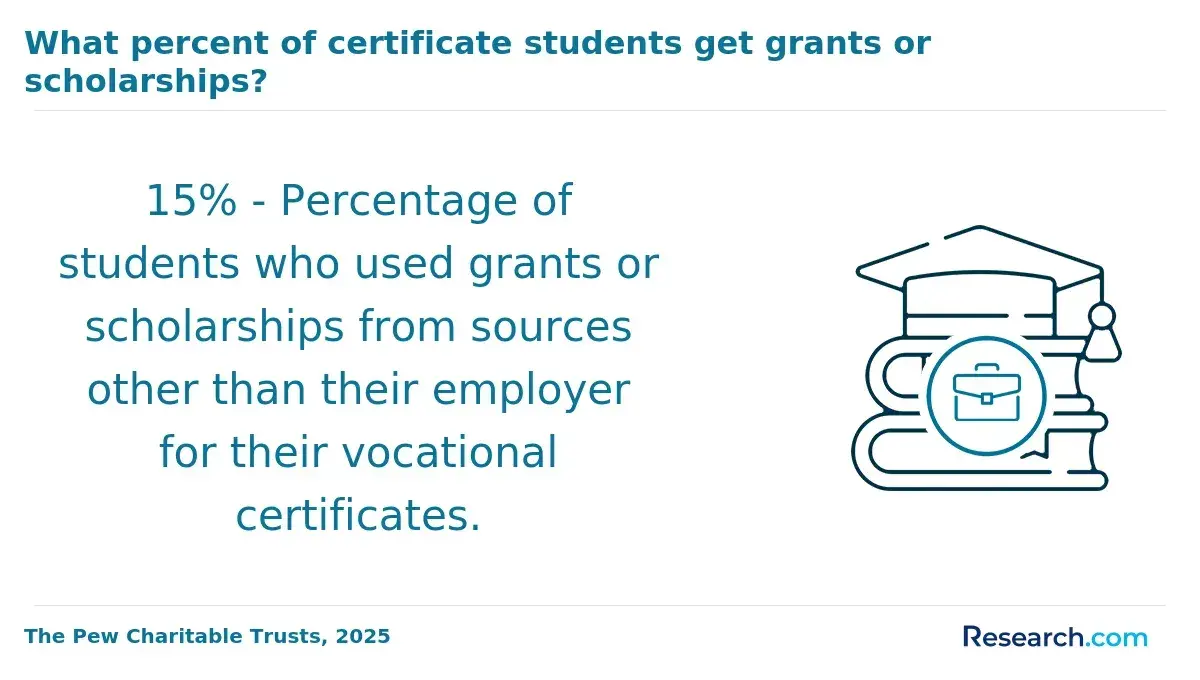
- Financial Aid Availability: Students in either format generally access similar federal aid and scholarships, helping offset educational expenses regardless of the program length.
What Financial Aid Is Available for Accelerated vs. Traditional Fashion Merchandising Degrees?
Both accelerated and traditional fashion merchandising degree students can qualify for financial aid, though their eligibility and the timing of disbursements often vary due to differences in program length and enrollment status. Understanding these distinctions helps students better navigate funding options. Below is a comparison of how financial aid applies to each program format.
- Federal Aid Eligibility: Traditional programs typically align with federal aid calendars, making students broadly eligible for loans and grants across semesters. Accelerated students may face restrictions if terms don't match standard academic periods, affecting loan disbursements.
- Scholarship Timelines: Scholarships often follow a fall/spring cycle, favoring traditional schedules. While many awards are open to all students, accelerated learners should confirm opportunities suited to shorter program durations.
- Employer Tuition Assistance: Both formats can benefit from employer aid, but accelerated students might need to prove they can balance work and an intensive course load to maintain eligibility.
- Aid Disbursement & Renewal: Accelerated pacing may lead to earlier or more frequent disbursements, requiring close communication with financial aid offices to ensure continuous support and compliance.
When I spoke with a professional who completed an accelerated fashion merchandising degree, he shared how navigating financial aid was initially daunting due to the unconventional schedule. He had to frequently check in with the financial aid office and carefully track deadlines to secure his loans and prove ongoing eligibility. Despite these challenges, he described the experience as "manageable with clear communication" and appreciated how the funding made pursuing an accelerated path feasible while continuing part-time work. His story highlights the importance of early planning and staying proactive for students considering accelerated fashion merchandising programs.
What Kind of Student Support Do Accelerated vs. Traditional Fashion Merchandising Programs Offer?
Student support is a vital factor in achieving academic success, with marked differences between accelerated and traditional fashion merchandising programs in the availability, format, and timing of these services. Below is a comparison of the common support systems provided in both settings, illustrating how each uniquely serves student needs.
- Academic Advising: Accelerated programs tend to deliver frequent, personalized advising focused on managing tight course schedules and transfer credits, while traditional programs offer less frequent meetings with broader guidance due to their extended timelines.
- Tutoring and Academic Resources: Traditional tracks generally provide in-person tutoring, small classes, and close faculty mentorship. In contrast, accelerated students often access flexible online tools and group sessions suited to their busy and diverse commitments.
- Career Services: Both formats support internships and job placements, but accelerated programs concentrate these efforts into brief workshops and intensive sessions, whereas traditional programs emphasize ongoing involvement in industry events and student organizations.
- Peer Interaction: Traditional programs encourage deeper peer engagement through campus activities and collaborative projects. Accelerated options may limit this due to condensed schedules but often incorporate virtual forums or scheduled group meetings to foster connections.
Do Graduates from Accelerated vs. Traditional Fashion Merchandising Programs Get Hired More Quickly?
Employment outcomes are a crucial factor when choosing between accelerated and traditional fashion merchandising programs. Both pathways can offer solid career prospects, but various elements influence the speed at which graduates find jobs. Considering these nuances helps clarify how each program type aligns with individual career goals. Here's a look at some key factors affecting hiring timelines and outcomes for graduates of both formats.
- Employer Perception: Employers may see accelerated programs as rigorous and time-efficient, appreciating graduates' ability to manage fast-paced learning. Traditional degrees are often valued for their comprehensive curricula, yet both are increasingly recognized by top industry players when paired with proper accreditation.
- Career Readiness: Accelerated programs emphasize hands-on projects and internships that prepare students to enter the workforce sooner. On the other hand, traditional tracks tend to offer broader networking opportunities and longer internships, fostering deeper industry connections that can aid job placement.
- Industry Demand: The growing importance of digital skills in fashion merchandising favors graduates from online and accelerated programs, who often gain strong adaptability and tech fluency. Industry feedback suggests online graduates perform comparably to on-campus peers in securing employment, especially when leveraging practical experiences.
- Job Placement Speed: Data indicates many accelerated program alumni land relevant roles within six months, sometimes faster than traditional graduates depending on individual networking and experience. However, outcomes vary widely based on personal effort and opportunities.
When asked about whether accelerated or traditional graduates get hired faster, a professional who quickly secured employment after finishing a traditional fashion merchandising degree shared her perspective. She reflected on how the extended time allowed her to build meaningful relationships through internships and industry events, which eased her job search.
"There were moments of uncertainty, but the longer program helped me gain confidence and real-world experience," she said. Her journey showed that while accelerated routes offer speed, the traditional path provided valuable connections that supported a swift transition into the workforce.
Are Accelerated Fashion Merchandising Degrees Accredited the Same Way as Traditional Programs?
Accreditation ensures academic quality and legitimacy for both accelerated and traditional fashion merchandising programs, regardless of pacing or delivery format. It confirms that these programs meet established educational standards, which is crucial for employer recognition, financial aid eligibility, and credit transferability between institutions.
Bodies like the Textile and Apparel Programs Accreditation Commission (TAPAC) play a key role in evaluating program rigor and curriculum content to maintain consistent quality. For students pursuing an accelerated path, obtaining a degree from a TAPAC-accredited accelerated fashion merchandising degree offers confidence in its equivalency to traditional counterparts.
The accreditation process typically applies equally to both accelerated and traditional programs but may require institutions to adapt coursework formats and scheduling to meet standards. Regional and programmatic accrediting bodies, including the National Association of Schools of Art and Design (NASAD), oversee these standards to ensure comprehensive instruction is maintained.
Prospective students should confirm that their chosen school is NASAD accredited traditional fashion merchandising programs to guarantee degree portability and professional recognition. For guidance on selecting accredited schools, those interested can explore the best online schools that hold such credentials. Verifying accreditation before enrolling is essential for securing a valuable and recognized education.
How Do You Choose Between an Accelerated vs. Traditional Fashion Merchandising Degree?
Choosing between an accelerated and a traditional fashion merchandising degree depends largely on a student's career goals, schedule flexibility, and preferred learning pace. Both options present distinct advantages tailored to individual circumstances and priorities. Below is a summary of the primary factors students should evaluate before deciding which path fits them best.
- Time Commitment: Accelerated programs significantly shorten the overall duration, sometimes to as little as 2.5 years, compared to the typical four years of traditional degrees. This reduction comes with a more intensive workload, ideal for students who need to fast-track their education.
- Learning Style: If you excel with independent, fast-paced study, the best accelerated fashion merchandising programs suit your needs well. Conversely, if you prefer steady progress with more personal interaction and face-to-face learning, the traditional fashion merchandising degree benefits learners seeking a slower, immersive experience.
- Career Goals: Students aiming for rapid workforce entry may find accelerated degrees advantageous, while those interested in broader exploration and networking might opt for traditional programs. Additionally, some might explore what colleges offer dual degree programs to enhance their credentials and opportunities.
Accelerated options cater to motivated individuals balancing education with other responsibilities, requiring strong time-management skills. Traditional degrees follow a standard academic calendar, offering more time for extracurricular involvement and campus resources, making them well-suited for those who value comprehensive academic engagement.
What Students of Accelerated vs. Traditional Fashion Merchandising Programs Say About Their Degree
- Daniel: "The accelerated fashion merchandising program was intense but incredibly rewarding, fitting my goal to enter the workforce faster. The fast pace meant less overall cost, about $15,000 total, though it demanded full dedication. This program jump-started my career, but it definitely required sacrificing some social and extracurricular activities. "
- Charlie: "Pursuing a traditional fashion merchandising degree was a solid choice, but I found the slower pace sometimes made it harder to stay motivated. The cost was manageable, but balancing expenses with part-time work was a challenge. On the bright side, the career networking aspects really opened doors that I wasn't expecting. "
- Truett: "The traditional fashion merchandising degree offered a comprehensive learning experience that allowed me to fully grasp the industry fundamentals at a comfortable pace. While the cost was a bit steep, around $25,000 per year, the depth of knowledge and hands-on opportunities made it worthwhile. Overall, the program significantly boosted my confidence entering the job market. "
Other Things You Should Know About Traditional vs. Accelerated Fashion Merchandising Degrees
Yes, accelerated fashion merchandising degrees are generally recognized by employers as equivalent to traditional degrees, provided the program is properly accredited. Employers focus on the quality of the education and relevant skills acquired rather than the duration of the degree. However, some employers may prefer candidates from traditional programs due to perceptions of more comprehensive training.
Students in accelerated fashion merchandising programs may experience limited opportunities for internships and hands-on experiences due to the condensed schedule. However, some programs integrate these experiences into the curriculum, ensuring practical exposure without extending the program's duration significantly.
Accelerated fashion merchandising degrees typically have a more intensive workload. These programs condense the curriculum into a shorter time frame, requiring students to learn and complete assignments at a faster pace than traditional programs, which spread the workload over a longer period.
References
- Bachelor's Degree (BS) in Merchandising, Apparel and Textiles https://academics.uky.edu/programs/bachelors/merchandising-apparel-and-textiles
- Careers In The Fashion Industry | Fashion Retail Academy https://www.fashionretailacademy.ac.uk/resources/fashion-careers
- Is an Online Degree in Fashion Worth It? https://www.limcollege.edu/blog/online-degree-fashion-worth-it
- Fashion Industry Fast Track 3-Year BA+MA Program | Vogue College of Fashion https://www.voguecollege.com/fashion-industry-fast-track/
- Careers https://illinoisstate.edu/academics/fashion-design-merchandising/careers/
- Comparing Techniques For Handling Missing Data in Random Datasets for Building Predictive Models https://blog.paperspace.com/missing-data-techniques/
- Study Fashion Double Degree - Collarts https://www.collarts.edu.au/fashion-double-degree/
- Best Online Fashion Design courses in 2025 https://www.upskillist.com/blog/best-online-fashion-design-courses-in-2025/
- What is Fashion Merchandising? Everything You Need to Know About This Exciting Career https://online.jwu.edu/blog/fashion-merchandising-101-everything-you-need-know-about-exciting-career-track/
- Reliability estimation from two types of accelerated testing considering individual difference and measurement error - ScienceDirect https://www.sciencedirect.com/science/article/abs/pii/S0266892024000067


