
2027 Accelerated vs. Traditional Software Development Degrees: Pros & Cons

Co-Founder and Chief Data Scientist
Choosing between accelerated and traditional software development degrees involves weighing distinct advantages and drawbacks. Accelerated programs attract working adults and career changers by offering faster completion times, often within 12 to 18 months.
Traditional degrees provide a more paced learning experience, allowing deeper academic exploration and flexibility. Notably, 35% of U.S. software development students now opt for accelerated formats, reflecting growing demand for quicker entry into the tech workforce.
This article compares these paths based on time investment, learning quality, career prospects, and essential factors like cost and support. Understanding these differences helps prospective students select a program aligned with their goals and circumstances in software development education.
Key Points About Accelerated vs. Traditional Software Development Degrees
- Accelerated degrees offer flexibility for working students and those balancing commitments, enabling faster entry into the software development field, often reducing typical completion times by half.
- Traditional programs provide deeper academic engagement, fostering better understanding of foundational concepts through extended coursework and face-to-face interactions.
- Students in traditional degrees benefit from stronger peer networks and a balanced pace, which supports more thorough skill mastery crucial for complex software development tasks.
What Are the Differences Between Accelerated vs. Traditional Software Development Programs?
Accelerated and traditional software development degree programs differ significantly in structure, particularly in pacing, scheduling, and learning intensity.
These variations shape how students engage with coursework and balance their studies. The following comparison highlights key aspects of these differences between the two program types.
Below are the primary structural differences between accelerated and traditional software development degrees, emphasizing their impact on the student experience.
- Pacing and Intensity: Accelerated programs compress content into a fast-paced schedule that demands quick absorption and application of concepts. Traditional programs distribute learning over an extended period, allowing more time for reflection, iterative learning, and thorough exploration of complex topics.
- Instructional Format: Accelerated formats commonly use immersive, cohort-based models like bootcamps with frequent project work and concentrated schedules. In contrast, traditional programs employ a mix of lectures, labs, and seminars with structured, scheduled classes across semesters or quarters.
- Peer Interaction and Networking: Accelerated programs foster collaboration through group projects and pair programming. Traditional programs offer broader networking opportunities via campus clubs, extracurricular activities, and longer-term relationships with classmates and faculty.
- Support Services: Accelerated pathways provide intensive career support and mentorship targeted at swift workforce transitions, while traditional programs supply a wider variety of academic support and enrichment experiences over a longer timeline.
- Assessment and Feedback: Accelerated programs emphasize frequent, project-based assessments with rapid feedback cycles focused on real-world skill demonstration. Traditional formats use diverse assessment methods such as exams and essays, delivering feedback through more periodic and formal evaluation processes.
Students interested in fast-tracking their education may explore options such as the associate degree in 6 months online accredited, which illustrates how accelerated learning models can provide efficient pathways in software development.
How Fast Can You Finish an Accelerated vs. Traditional Software Development Program?
Program length varies significantly between accelerated and traditional software development degrees. Accelerated formats condense coursework into shorter terms, focusing on rapid skill acquisition, while traditional paths follow a standard academic pace with a broader curriculum.
Understanding these differences helps clarify how long does a traditional software development degree take compared to faster alternatives.
Here's a comparison of key factors influencing how quickly students can complete their software development degrees:
- Transfer Credits: Students with prior coursework or relevant experience can reduce their time by transferring credits. This advantage is common in both traditional and accelerated programs but critically shortens timelines within the fastest accelerated software development degree programs.
- Full-Time vs. Part-Time Enrollment: Full-time students typically finish faster, especially in accelerated programs where course intensity is higher. Part-time study extends completion time in traditional degrees, often beyond the typical four years.
- Course Intensity and Workload: Accelerated programs condense material into shorter periods requiring a higher weekly commitment, ideal for focused learners. Traditional programs spread courses over more semesters, balancing workload and theory depth.
- Prior Programming Experience: Students with coding backgrounds tend to advance more quickly in both formats, with accelerated programs benefiting the most from existing skills.
- Institutional Policies: Some schools permit students to test out of courses or progress at their own pace, further impacting program length across both degree types.
For those seeking flexible education options, explore the best college courses for older adults online, which often include accelerated pathways suitable for diverse learners.
What Are the Admission Requirements for Accelerated vs. Traditional Software Development Programs?
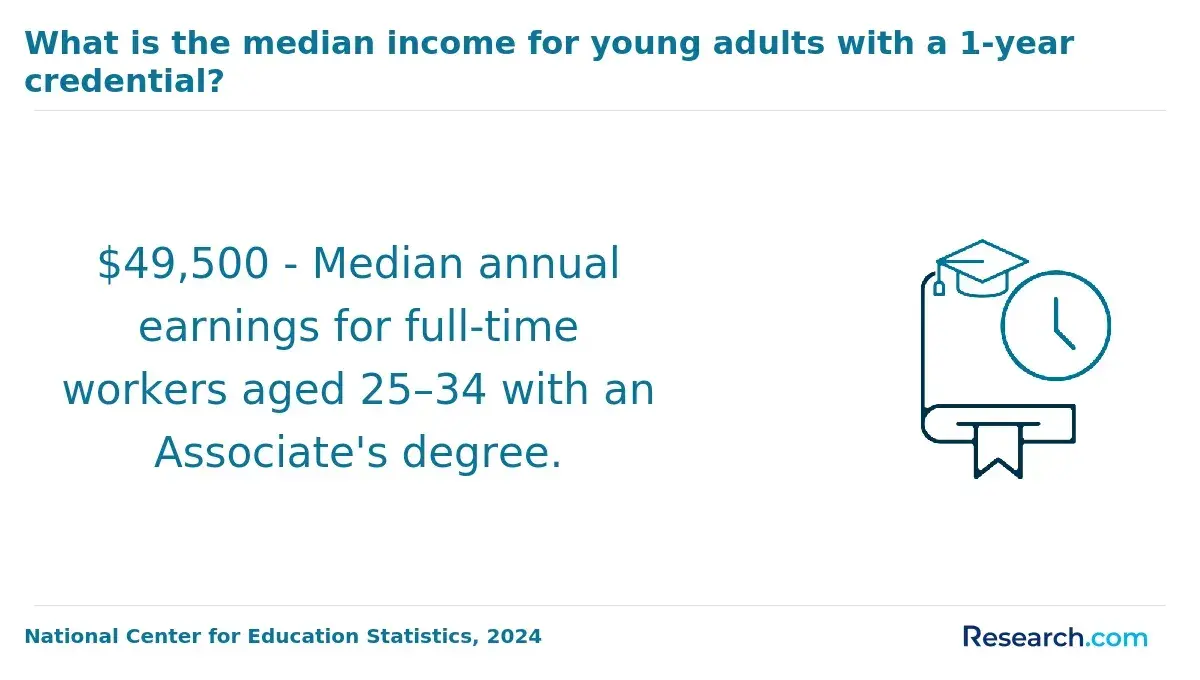
Admission requirements for accelerated and traditional software development programs often share common standards, such as GPA, test scores, and prerequisite coursework, but they differ in how they evaluate academic readiness and professional experience.
Both pathways aim to ensure students are prepared, yet their criteria reflect different program structures and student needs.
Below are key distinctions in admission expectations for accelerated versus traditional software development programs:
- Academic Performance: Accelerated software development degree admission requirements typically demand students have reached junior college standing with a minimum GPA of around 3.0 or higher. Traditional programs tend to accept students directly from high school with a slightly lower GPA threshold (2.75-3.0).
- Prerequisite Courses or Degree: Accelerated programs often require completion of an associate degree, 60+ college credits. In contrast, traditional software development program entry criteria usually emphasize proof of high school completion and may not mandate prior IT classes.
- Application and Conditional Acceptance: Many accelerated programs use conditional acceptance models. Traditional programs typically offer straightforward admission without conditional status.
- Work Experience: Accelerated cohorts sometimes value one or more years of professional programming or IT experience as an alternative to formal coursework, appealing to those with relevant industry backgrounds. This factor is less influential in traditional program admissions, which prioritize academic records.
For students interested in advanced degrees, exploring a doctoral degree no dissertation may also be an option worth considering.
How Are Accelerated Software Development Courses Structured Compared to Traditional Ones?
Accelerated software development courses condense traditional curricula into shorter durations, often ranging from a few months to one year. These programs differ significantly from standard degrees in pace, workload, and delivery style, offering a more intensive learning experience.
Below are key distinctions between accelerated and traditional software development pathways:
- Course Length: Accelerated courses compress what is typically a four-year degree into one year or less, ideal for learners seeking swift workforce entry. Traditional degrees provide a slower, in-depth academic journey over multiple years, suited for those wanting broad foundational knowledge.
- Weekly Workload: Students in accelerated tracks face heavier weekly demands, often involving long study hours and self-directed work. In contrast, traditional programs spread coursework evenly with lighter weekly commitments, accommodating a more gradual learning pace.
- Instruction Style: Accelerated options usually emphasize hands-on projects and portfolio building through bootcamps or online formats, appealing to career changers and motivated individuals. Traditional degrees combine lectures, labs, and campus experiences to foster comprehensive theoretical and practical understanding.
Both formats uphold academic standards via rigorous assessments and practical assignments, with accelerated courses focusing on job-ready skills and traditional degrees delivering broader theoretical grounding.
How Much Do Accelerated Software Development Programs Cost Compared to Traditional Programs?
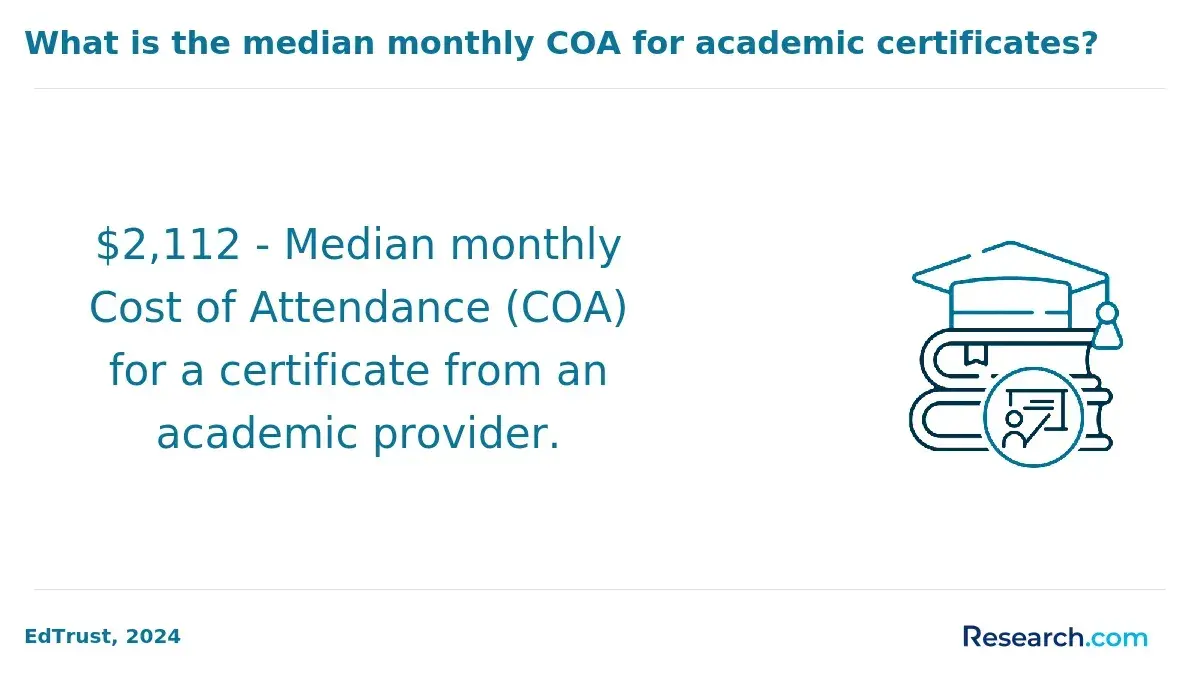
Costs for software development degree programs vary notably between accelerated and traditional formats, mainly due to differences in program length and tuition structures.
While tuition rates per credit may be comparable or slightly higher in accelerated options, the overall expenses often differ because of program duration and course load.
Here are key cost-related distinctions between accelerated and traditional software development programs:
- Tuition Rate per Credit: Accelerated programs sometimes charge similar or a bit more per credit than traditional ones. For example, some institutions apply flat-rate fees per term that let students take more credits, potentially lowering the cost per credit when spread over the total course load.
- Program Duration and Total Cost: Since accelerated degrees typically finish in 2-3 years compared to the 4 years needed in traditional formats, total tuition and fees tend to be less. Shorter completion times reduce overall spending and may leverage credit transfers or prior learning recognition.
- Opportunity Cost: Graduates from accelerated programs can enter the workforce sooner, reducing lost income during study time. This advantage often leads to higher lifetime earnings versus those who follow the longer traditional path.
- Financial Aid Availability: Both program types offer access to state and federal aid, scholarships, and loans. Students should complete the FAFSA to optimize financial support regardless of program choice.
What Financial Aid Is Available for Accelerated vs. Traditional Software Development Degrees?
Students enrolled in both accelerated and traditional software development degree programs may qualify for federal financial aid, but eligibility and payment schedules often vary due to differences in program length and enrollment status.
These variations can influence how and when funds are distributed to support educational expenses. Below is a comparison of key financial aid considerations for each program format.
- Federal Aid Eligibility: Both formats allow access to Pell Grants, federal loans, and work-study through FAFSA. Accelerated program students might face more frequent reapplication periods due to shorter terms, whereas traditional students benefit from predictable semester-based disbursements.
- Scholarship Timelines: Universities and major tech organizations offer scholarships for both tracks, but deadlines and competitiveness can shift depending on the program. Some scholarships specifically support accelerated or nontraditional students.
- Employer Tuition Assistance: Many tech employers provide tuition reimbursement that often aligns better with the flexible scheduling of accelerated online programs, offering students more adaptability in managing work and study.
- Aid Disbursement Impact: The fast pace of accelerated courses may require students to be more diligent about maintaining academic progress and managing funds, as nonstandard calendars can affect the timing and renewal of financial aid.
When asked about his financial aid journey, one professional who pursued an accelerated software development degree shared that navigating aid meant staying organized amid rapid course schedules.
He recalled, "Applying for aid felt like juggling deadlines with classes starting almost immediately. I had to track when to reapply carefully, but the ability to finish faster made it worthwhile."
His experience highlighted the extra steps accelerated students often face but also the motivation gained from a focused timeline combined with essential financial support.
What Kind of Student Support Do Accelerated vs. Traditional Software Development Programs Offer?
Student support is essential for academic success and varies significantly between accelerated and traditional software development programs.
The timing, format, and intensity of services often differ to align with each program's pace and learner needs. Below is a comparison of common support types found in both program styles.
- Academic Advising: Traditional programs offer regular, ongoing advising sessions that build long-term advisor-student relationships, while accelerated programs provide more frequent but brief sessions focused on immediate goals and rapid progress.
- Tutoring Services: Traditional students benefit from extensive tutoring centers, peer groups, and faculty availability over years. Accelerated learners receive support through concise, targeted workshops or online resources suited to compressed schedules.
- Career Services: Traditional programs feature broad career resources such as internships and alumni networks developed over time. Accelerated programs emphasize quick job placement with intensive coaching and employer connections, often highlighting strong short-term placement rates.
- Peer Interaction: Traditional settings promote long-term study groups and social engagement, whereas accelerated programs encourage brief, focused collaboration within fast-paced cohorts to match their condensed timelines.
Do Graduates from Accelerated vs. Traditional Software Development Programs Get Hired More Quickly?
Employment outcomes often play a crucial role when deciding between accelerated and traditional software development programs. Both pathways offer strong career potential, but various elements can influence how fast graduates secure jobs, including program format and industry needs.
Here is a comparison of factors impacting job placement for accelerated and traditional software development graduates:
- Employer Perception: Traditional degrees are still valued for their comprehensive theoretical background, though accelerated programs are gaining acceptance as skill-focused hiring becomes more common.
- Career Readiness: Graduates from accelerated programs often showcase recent, practical project experience, which appeals to employers needing candidates who can contribute immediately.
- Industry Demand: The tech sector's rapid growth favors both groups, but those with up-to-date skills-often developed through accelerated or online courses-tend to find employment faster.
- Job Placement Speed: Studies show that accelerated program graduates typically secure jobs 10-20% quicker than traditional degree holders because their training aligns closely with evolving industry tools.
- Specialization and Adaptability: Accelerated programs frequently update curricula to include trends like AI and cloud computing, enhancing graduate employability in emerging roles.
In speaking with a professional who earned a traditional software development degree and secured a job rapidly, she described a journey marked by persistence and strategic networking.
While her program took longer, she felt the deep theoretical knowledge gave her confidence in interviews. "It wasn't just about speed but also about building a solid foundation," she reflected.
She noted that attending career fairs and engaging with alumni networks were pivotal, helping her land a position within months of graduation despite stiff competition. This experience underscores how traditional degrees can also translate to timely employment when combined with proactive job search efforts.
Are Accelerated Software Development Degrees Accredited the Same Way as Traditional Programs?
Accreditation ensures academic quality and legitimacy for both accelerated and traditional software development programs, regardless of pacing or delivery format.
Whether a degree is completed in an accelerated timeline or through a traditional semester-based schedule, recognized accreditation confirms that the program meets established educational standards.
This accreditation affects eligibility for federal financial aid, transferability of credits between institutions, and the degree's recognition by employers and graduate schools. One of the most prominent accrediting organizations, ABET, evaluates these programs to maintain consistent quality.
Therefore, when considering an accelerated degree, understanding the role of institutional accreditation for online software development programs is essential for validating the program's credibility.
The accreditation process generally applies equally to accelerated and traditional programs, with both types required to meet the same rigorous outcomes and curriculum quality standards. Institutions may design accelerated coursework with condensed terms or year-round classes to satisfy these criteria efficiently.
Regional accreditors or programmatic bodies like ABET assess these designs to ensure compliance with educational objectives. Prospective students should verify that their chosen institution holds proper accreditation prior to enrollment to guarantee their degree's acceptance in the workforce and academia.
Exploring options for a quick degree for high pay job can be worthwhile, but only if the program's accreditation status is clear and trustworthy.
How Do You Choose Between an Accelerated vs. Traditional Software Development Degree?
Choosing between an accelerated and a traditional software development degree depends largely on your career goals, schedule flexibility, and preferred learning pace. Both options provide distinct advantages tailored to different personal circumstances.
Here are important considerations that illustrate the traditional vs accelerated software development degree pros and cons:
- Time Commitment: Accelerated programs can be completed much faster, often in a few months, compared to the typical four years for a traditional degree. This format suits those who want to enter the workforce quickly and prioritize speed over depth.
- Learning Style: Intensive, fast-paced accelerated formats are ideal for self-directed learners who thrive under pressure, while traditional degrees support a more gradual, incremental learning process with broader exploration across topics.
- Career Goals: The best accelerated software development degree program for career goals is often one aimed at entry-level positions or immediate technical skills. However, leadership roles or specialized tracks usually require the comprehensive knowledge and credentials of a traditional degree.
- Flexibility: Accelerated programs often offer more scheduling options, benefiting working professionals or those with other commitments. Traditional degrees may demand a longer, more structured schedule that is less adaptable.
Students seeking guidance should also review career compatibility, including positions suited for individuals wondering about the best job for an introvert.
What Students of Accelerated vs. Traditional Software Development Programs Say About Their Degree
- Aries: "Pursuing a traditional software development degree offered me a deep foundation and time to absorb complex concepts at a comfortable pace. Although the program stretched over several years and was somewhat costly, the comprehensive curriculum truly prepared me for a steady career in tech. I appreciated the balance of theory and practical projects throughout my journey."
- Massimo: "The traditional track was a solid investment given the average cost, but I sometimes felt the steady pace slowed my momentum. Still, the program gave me essential skills and networking opportunities that have positively impacted my professional growth. I recommend it to those who prefer structured learning and long-term development."
- Angelica: "Enrolling in an accelerated software development program was intense but exhilarating. Learning at such a fast pace challenged me daily, yet it allowed me to enter the workforce sooner and save on tuition compared to longer traditional courses. While it demanded a high level of commitment, the career jumpstart made it worthwhile."
Other Things You Should Know About Traditional vs. Accelerated Software Development Degrees
Career outcomes vary based on industry demands and individual performance. Accelerated program graduates typically enter the workforce quicker, benefiting from immediate practical experience, which can lead to faster career growth. Traditional graduates may have a broader academic foundation, possibly positioning them for roles that value comprehensive theoretical knowledge.
Accelerated programs often condense learning into shorter time frames, which may limit in-depth exploration but employ intensive, focused teaching strategies to cover complex topics. Traditional programs allow for extended study, potentially offering more time for deep conceptual understanding and practice.
Accelerated programs tend to have condensed schedules, potentially limiting networking opportunities such as internships and student organizations. Traditional programs usually offer more comprehensive networking experiences due to longer course durations, allowing students to better engage with industry events and peers.
References
- Breaking Free of the University Bubble: The Case for Alternative Learning in Software Development https://trainingmag.com/breaking-free-of-the-university-bubble-the-case-for-alternative-learning-in-software-development/
- The Ultimate Guide to Tech Career Paths (No Experience Required) https://www.cobloom.com/careers-blog/tech-career-paths-no-experience
- A 10-Year Look at Education Returns: Traditional vs Accelerated Pathways https://www.codingtemple.com/blog/traditional-vs-accelerated-higher-education/
- How to Become a Software Developer in 2025 https://agilemania.com/how-to-become-software-developer
- How Does Skill Acquisition Speed Compare Between University Programs and Accelerated Coding Bootcamps? https://www.womentech.net/en-in/how-to/how-does-skill-acquisition-speed-compare-between-university-programs-and-accelerated-coding
- Software Engineering Degrees: Cost, Types, What to Expect https://www.computerscience.org/degrees/software-engineering/
- What’s the Software Engineer Job Market in 2025? Is it in an uptrend or a downtrend? https://distantjob.com/blog/software-engineer-job-market/
- Accelerated Programming Degrees: How to Get Your Programming Degree Fast https://careerkarma.com/blog/accelerated-programming-degrees/
- How I Earned My Software Engineering Degree in 13 Months https://medium.com/@silveralcid/how-i-earned-my-software-engineering-degree-in-13-months-8f984c16558e


