
2027 Are Online Cinematography Degrees Respected by Employers?

Co-Founder and Chief Data Scientist
Online cinematography degrees have surged in popularity as digital learning evolves, with over 40% of higher education students now enrolled in at least one online course. This growth raises important questions about employer perception of these credentials in a competitive job market.
Understanding current employer attitudes toward online cinematography programs is essential for prospective students. This article aims to clarify how these degrees are regarded by industry professionals and what elements contribute to their acceptance and credibility.
The insights provided will help readers navigate the landscape of online education and career prospects in cinematography with informed confidence.
Key Benefits of Online Cinematography Degrees Respected by Employers
- Graduates from accredited online cinematography programs are increasingly viewed positively by 72% of employers who recognize digital learning as equivalent to traditional degrees in creative fields.
- These programs emphasize hands-on skills like camera operation, lighting, and editing software, which 85% of hiring managers identify as critical for entry-level cinematography roles.
- Online degree holders report a 30% higher rate of job placement within six months compared to non-degree holders, reflecting strong career outcomes and industry acceptance.
Which Accrediting Bodies Make an Online Cinematography Degree Legitimate?
Accreditation is essential for ensuring the quality and employer recognition of online cinematography degrees because it verifies that programs meet established educational standards. This legitimacy directly affects how employers perceive graduates and influences the degree's value in the job market.
Understanding which accrediting bodies validate online cinematography programs is crucial for students seeking credentials that support career growth and transferability.
The main types of accreditation relevant to online cinematography degrees include:
- Regional Accreditation: This is the most respected form of institutional accreditation in the U.S., typically awarded to nonprofit and academically focused schools by agencies such as the Higher Learning Commission or the Middle States Commission on Higher Education. Programs with regional accreditation offer greater credit transferability, are often prerequisites for graduate studies, and their degrees are viewed as highly credible by employers, enhancing job prospects and career mobility.
- National Accreditation: National accreditation usually applies to for-profit, vocational, or technical institutions and is granted by agencies like the Accrediting Commission of Career Schools and Colleges (ACCSC). While these programs can provide quality education, credits may not transfer easily to regionally accredited schools, which can limit further education opportunities. Still, in creative industries, employers may recognize these degrees if the school maintains a strong industry reputation and successful job placement record.
- Programmatic Accreditation: This type of accreditation focuses on specific academic programs within institutions, adding an additional quality assurance layer. Although formal programmatic accreditation in cinematography itself is less common, related programs might be accredited by bodies such as the National Association of Schools of Art and Design (NASAD). Having programmatic accreditation signals specialized attention to the discipline and may improve outcomes in competitive job markets.
Choosing a program recognized by reputable accrediting bodies not only supports employer recognition but also opens up credit transfer options and better aligns with legitimate online film school accreditation standards that foster long-term career success.
Prospective students looking to accelerate their credentials might consider a fast track program to maximize their educational investment.
Does University Reputation Affect Employer Views of Online Cinematography Degrees?
University reputation plays a crucial role in shaping employer perceptions of online cinematography degrees, often impacting how the value of a graduate's qualifications is assessed. Employers tend to favor candidates whose degrees come from institutions with established prestige and credibility, viewing these as indicators of rigorous academic standards and quality education.
Several factors contribute to this perception.
- Institutional prestige remains a powerful influence; degrees from well-known, respected universities-whether earned online or in person-generally carry more weight in hiring decisions.
- Similarly, the accreditation status of the online program is closely examined by employers, as recognized accreditation assures that the curriculum meets industry and academic benchmarks.
- Additionally, the success of a university's alumni in the cinematography field can significantly boost employer confidence, reflecting the program's ability to prepare students for real-world challenges.
- Strong industry partnerships also enhance graduate appeal by providing practical experience through internships and collaborative projects with film professionals.
Nevertheless, while university reputation and online cinematography degree value clearly influence employer views, hiring managers in creative sectors also prioritize candidates' technical skills and hands-on experience.
A compelling portfolio, demonstrated proficiency, and relevant work examples often weigh as heavily as, if not more than, the school's name. This balance underscores the importance of selecting programs that not only have strong reputations but also emphasize practical training.
For those interested in pursuing such paths, exploring options tailored for mature learners can be valuable. Resources like degrees for older adults online provide guidance on reputable programs.
By considering both the best online cinematography schools in the US and opportunities to build tangible skills, prospective students can make informed decisions that align with employer expectations.
Do Employers Treat Online and On-campus Cinematography Degrees Equally?
Employer attitudes toward online cinematography degrees have significantly improved over recent years, with many now viewing these qualifications as comparable to traditional on-campus credentials.
Early skepticism about the quality and rigor of online programs has diminished as educational institutions have enhanced their offerings and accreditation standards.
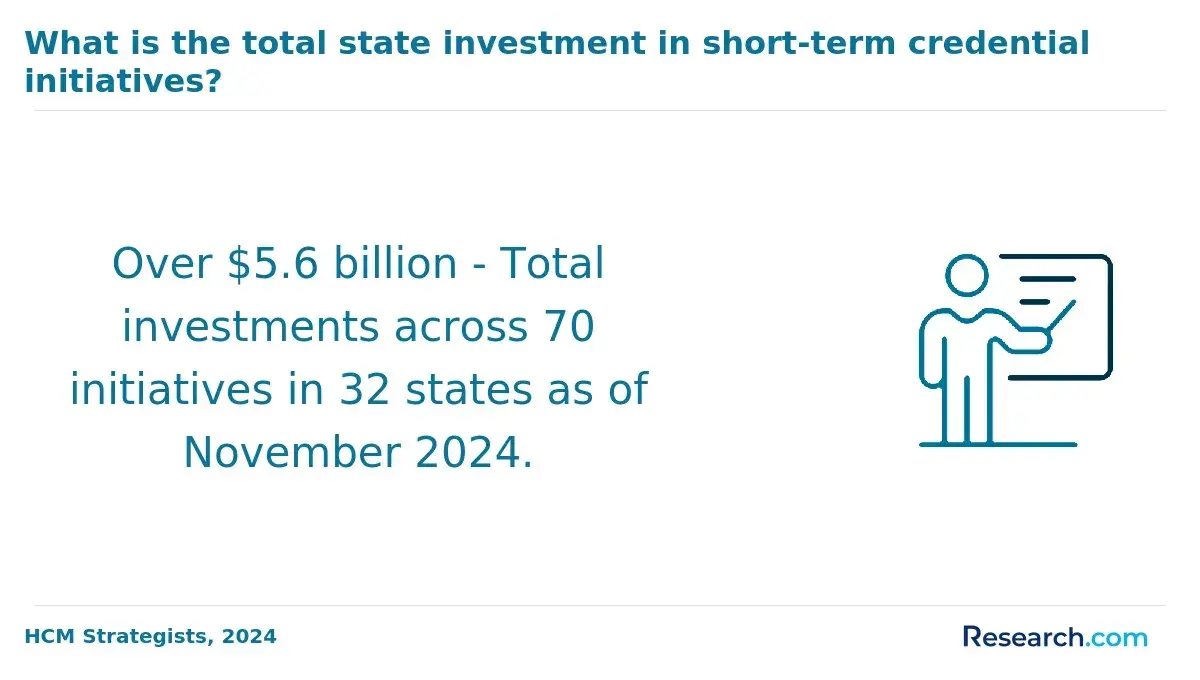
According to a 2024 survey by the National Association of Colleges and Employers, 87.4% of employers hired graduates with online degrees and paid them the same starting salaries as those with in-person degrees, signaling growing acceptance in the job market.
Despite this progress, some distinctions remain in how hiring managers assess online versus on-campus credentials. While over half of employers consider online and in-person graduates equally valuable, those with in-person experience are sometimes perceived to have stronger leadership and communication skills.
Crucially, employers prioritize factors like institutional accreditation and university reputation above delivery format. Practical experience demonstrated through portfolios, internships, and collaborative projects also plays a vital role in hiring decisions.
Graduates who combine degrees from well-regarded, accredited online programs with demonstrable real-world skills stand the best chance of overcoming any remaining bias and gaining equal credibility in the cinematography industry.
Do Employers Trust Online Cinematography Degrees from AI-powered Virtual Classrooms?
AI technologies such as adaptive learning systems, virtual simulations, and AI tutors significantly enhance the quality and credibility of online cinematography education.
Adaptive learning customizes coursework according to each student's pace and skill level, ensuring mastery of vital technical areas like camera operation, lighting, and digital editing.
Virtual simulations replicate real-world film production environments, allowing students hands-on practice with industry-standard equipment without the constraints of physical location.
Additionally, AI tutors provide immediate feedback and ongoing support, helping learners improve their techniques continuously. These innovations, combined with interactive online platforms, foster collaboration among peers and instructors who are often active professionals in the film industry.
This comprehensive approach bridges the traditional gap between theoretical knowledge and practical experience, making online degrees from recognized programs comparable to in-person education.
Employer perception of online cinematography degrees earned through AI-powered virtual classrooms is gradually shifting toward greater acceptance. Graduates of accredited online programs have attained positions at leading studios like Disney, Marvel, and NBC, indicating increasing trust in their skills and portfolios.
Employers prioritize practical competencies and real-world experience, which many online programs now effectively deliver through project-based learning and industry partnerships.
However, some skepticism persists, especially among hiring managers who favor conventionally trained candidates from established film schools. While a master's degree can enhance earning potential, the reputation of the institution and the strength of the graduate's portfolio remain key factors in hiring decisions.
Despite this, the interactivity and results-focused nature of AI-enhanced online education are narrowing the trust gap, making it crucial for candidates to emphasize their hands-on experience and the accreditation of their programs when pursuing competitive roles.
What Skills Do employers Value from Online Cinematography Graduates?
Online cinematography graduates develop a robust combination of professional and soft skills that make them highly competitive in the job market. These skills, gained through comprehensive online programs, prepare students to meet the dynamic demands of the film and television industry.
Employers increasingly recognize the value of these competencies when evaluating candidates with online cinematography degrees.
To understand what employers expect from online cinematography graduates, it is useful to highlight the most in-demand skills typically nurtured through these programs:
- Technical Expertise: Online cinematography programs offer extensive training in camera operation, lighting setups, and post-production techniques. Virtual labs and interactive modules help students build confidence with various equipment and software, skills highly sought after by employers for managing intricate visual projects.
- Visual Creativity: Assignments and projects challenge students to develop unique visual storytelling abilities by experimenting with shot composition, lighting, and camera angles. This creative foundation is essential for graduates to stand out in competitive sectors such as film, television, and digital content creation.
- Collaboration and Communication: Online platforms foster teamwork through virtual projects and discussions, enhancing students' ability to communicate effectively with directors, producers, and crew members. Employers value these skills, as they enable smooth execution of shared creative visions.
While employer expectations for online cinematography graduates continue to evolve, gaining practical experience and building a strong portfolio remain key career strategies.
Students who focus on refining these online cinematography degree skills valued by employers put themselves in a strong position to succeed.
For those interested in understanding higher education's role in career outcomes, exploring the best college majors to make money can provide additional perspective on the economic advantages of investing in the right degree.
Do Professional Certifications Help Validate Online Cinematography Degrees?
Earning professional certifications can significantly enhance the credibility of an online cinematography degree by showcasing industry-specific competencies recognized by employers.
These certifications validate the practical skills and theoretical knowledge gained through online education, making graduates more competitive in the film industry job market.
Incorporating professional certifications into an online cinematography degree strengthens its value in several key ways worth considering by prospective students and professionals alike.
Certifications contribute to the professional recognition of online cinematography graduates in the following ways:
- Industry Recognition: Certifications from respected institutions like the National Film and Television School (NFTS) or UCLA Extension offer a prestigious endorsement that elevates the perceived quality of online cinematography education. These programs often include hands-on training and collaboration with industry experts, aligning graduates with current professional standards and expectations.
- Career Advancement: Certifications focused on specialties such as digital cinematography help graduates demonstrate mastery of specific skills that employers highly value. This specialized knowledge can open doors to senior roles and high-demand sectors like feature film production, where technical expertise is critical for success.
- Employer Trust: Holding certifications from reputable organizations helps overcome skepticism regarding the validity of online degrees. The certification acts as objective proof that the graduate can apply cinematic theory in practical settings, building confidence among hiring managers and production teams in the candidate's readiness for real-world filmmaking challenges.
When speaking with a professional who completed an online cinematography program, he shared how pursuing a certification transformed his career prospects.
Initially, he faced doubts from potential employers skeptical about the rigor of online education. Enrolling in a well-known certification that included workshops and direct feedback from industry mentors gave him hands-on experience that was missing from his coursework.
He described the process as demanding but incredibly rewarding, reflecting, "It wasn't just about passing exams; it was about proving I could deliver quality work under real production conditions."
This certification not only boosted his confidence but also served as a tangible credential that opened doors to freelance projects and a full-time position in a production company. He noted, "Without that certification, my online degree might have been overlooked, but with it, I stood out in a crowded field."
This experience highlights how professional certifications can effectively validate and enhance the value of online cinematography degrees in the eyes of industry professionals.
Do Online Cinematography Graduates Earn the Same Salaries as On-campus Graduates?
There is no clear national or industry-wide evidence that online cinematography graduates earn less than their on-campus counterparts. Salary differences are not primarily driven by the degree format but rather by a combination of other important factors.
The main factors that influence salary outcomes for online versus on-campus cinematography graduates include the following:
- Experience and Portfolio: Employers prioritize practical skills and a strong portfolio over whether a degree was earned online or on-campus. Graduates who build real-world experience through internships or freelance projects often command higher salaries, as a standout reel can outweigh the degree format in hiring decisions.
- Networking Opportunities: On-campus programs may provide more direct access to industry contacts and on-set collaborations early on. However, online students who are proactive can develop robust professional networks via online communities, social media, and virtual events, helping to close any initial networking gap.
- Geographic Location and Job Market: Salaries vary widely by region, with major media hubs offering more opportunities and higher pay. The overall job market activity in a graduate's location has a greater impact on earnings than whether the degree was completed online or in person.
- Industry Perception of Online Degrees: Although some employers may still hold biases, the growing acceptance of remote learning means skills and portfolio quality are increasingly the focus. There is no widespread discounting of online cinematography degrees, especially when programs are accredited and graduates show strong work.
- Program Reputation and Accreditation: The reputation of the specific program can influence early career opportunities, but long-term salary growth depends more on performance and continuous professional development than on initial branding.
For students interested in pursuing an affordable path, attending inexpensive online universities that accept financial aid can provide quality education without compromising future salary potential.
How Do Online Cinematography Degrees Impact Career Growth and Promotions?
Earning an online cinematography degree can significantly influence long-term career advancement and promotion opportunities across the film, television, advertising, and digital media industries.
As remote learning becomes increasingly respected by employers, these programs offer accessible and flexible pathways to gain specialized skills and credentials that foster upward mobility.
The following points highlight the main ways online cinematography degrees support professional growth and promotion potential:
- Formal Proof of Competence: Completing an accredited online cinematography program provides clear evidence of technical skill and dedication to the craft, which can be a critical factor in hiring and promotion decisions within competitive job markets.
- Industry-Relevant Skills Development: These degrees deliver structured training in camera operation, lighting, editing, and sound design, ensuring graduates meet current professional standards and are prepared for roles such as director of photography or film editor.
- Access to Emerging Techniques and Technologies: Online programs keep pace with fast-evolving media tools and methods, helping students stay competitive and ready for new responsibilities or leadership positions as the industry evolves.
- Expanded Career Opportunities: Graduates qualify for diverse roles across film, television, streaming platforms, and advertising, with promising median wages indicating strong job prospects that support longer-term advancement.
- Global and Flexible Networking: Many online programs foster connections with industry experts and peers worldwide, enabling collaboration, mentorship, and opportunities that can lead to internships and career growth.
- Creative Portfolio Building: Students often develop professional portfolios through project-based coursework, showcasing a range of creative work that is essential for securing promotions and advancing within the creative sector.
When I spoke with a professional who pursued an online cinematography degree, she shared how the program transformed her career path in practical ways.
She initially faced challenges balancing freelance work with coursework but found the flexibility of online learning crucial for managing both. The program's emphasis on hands-on projects helped her build a compelling portfolio that caught the attention of a regional production company.
"Before the degree, I struggled to demonstrate my skills beyond informal experience," she explained. Through her studies, she gained confidence in new technologies and storytelling techniques, which led to her first promotion-from assistant camera operator to lead cinematographer within two years.
She emphasized that the mentorship and networking offered by the program opened doors to collaborations she hadn't imagined possible, stating, "The connections I made were as valuable as the curriculum itself."
Her experience reflects how an online cinematography degree can create tangible professional opportunities and meaningful career progression.
What Companies Actively Hire Graduates from Online Cinematography Programs?
Employers across film, television, streaming, advertising, and creative tech industries are increasingly open to hiring candidates with online cinematography degrees. This shift reflects a broader acceptance of remote education and a growing emphasis on skills-based hiring.
As a result, many organizations now actively seek out graduates from online programs, recognizing their technical proficiency and practical experience.
Below are some of the main types of companies and sectors known for hiring these graduates, showcasing where remote film production jobs for digital cinematography degree holders frequently exist:
- Film and Television Production Companies: These companies hire cinematography graduates for roles such as camera operators, assistant directors, editors, and visual effects artists. They particularly value graduates from online programs who have engaged in hands-on projects and gained up-to-date knowledge of digital production technologies.
- Advertising and Marketing Agencies: Agencies actively employ online cinematography graduates to create branded video content, commercials, and social media campaigns. The portfolio-driven nature of many online programs proves beneficial, demonstrating creative problem-solving and adaptability in fast-paced environments.
- Streaming Media and Digital Content Platforms: With demand rising for streaming content, digital-first companies hire graduates in production, editing, and content creation roles. These platforms appreciate the self-motivation and technical skills developed through remote degree programs, filling positions like video editors and content producers.
- Freelance and Contract Work Platforms: Gig economy sites regularly list opportunities for cinematographers, editors, and post-production professionals. These platforms are crucial for graduates seeking flexible work, highlighting the value of online programs in preparing students for freelance success.
- Educational, Nonprofit, and Corporate Video Departments: Organizations in these sectors hire online graduates to produce training videos, documentaries, and promotional content. The diverse project experience gained online aligns well with the variety of media needs in these environments.
Data shows that companies hiring online cinematography graduates in the United States offer a wide range of remote and hybrid roles without bias against online degrees.
For students exploring career pathways, incorporating lucrative certifications alongside an online cinematography degree can enhance job prospects and marketability.
What Future Trends Will Shape Online Cinematography Degrees' Credibility?
Technology, evolving accreditation standards, and shifting employer attitudes continue to transform how online cinematography degrees are viewed in the U.S. job market. As digital platforms advance and respected institutions broaden their online offerings, the perceived divide between online and on-campus film education is steadily diminishing.
Several key trends are expected to further strengthen the legitimacy and recognition of online cinematography programs, enhancing both academic quality and employer trust.
- AI-Driven Learning Validation: Artificial intelligence tools are increasingly used to evaluate student work objectively, offering consistent assessments of creative and technical skills. This use of AI builds employer confidence by providing verified evidence of competencies through digitally validated portfolios and project outcomes.
- Global Accreditation Collaboration: Leading film schools, such as the University of Southern California and the American Film Institute, offer online degrees with standards that mirror their on-campus programs. As international accrediting bodies collaborate more closely, these credentials gain wider acceptance across borders and industries.
- Increased Employer Partnerships: Top online film programs are forging strong ties with studios, production companies, and streaming platforms to facilitate internships, projects, and job placements. These partnerships create direct pathways from education to employment, demonstrating real-world applicability and value.
- Skill-Based and Portfolio-Centric Hiring: The industry's focus is shifting toward hiring based on demonstrable skills and creative portfolios rather than the format of education. Online platforms enable students to showcase high-quality reels, often prioritized by hiring managers over traditional degree factors.
- Immersive and Hands-On Virtual Production: Emerging technologies like virtual production and augmented reality provide online students hands-on experiences similar to in-person programs. These innovations equip students with relevant practical skills aligned with current industry standards.
Here's What Graduates of Respected Online Cinematography Programs Have to Say About Their Degree
- Edith: "Completing my online cinematography degree opened doors I never imagined possible. The flexible schedule allowed me to work on independent projects while studying, which directly built my portfolio and network. After graduation, I landed a role at a well-known production company that values innovative digital skills gained through online learning. It's incredible how this degree enhanced my technical knowledge and boosted my confidence in pitching creative ideas. I'm now mentoring aspiring filmmakers to help them realize their own potential."
- Chris: "Choosing an online cinematography degree was a game-changer for my career advancement. The program's industry-focused curriculum helped me master the latest camera techniques and editing software from home. Thanks to the strong alumni network, I secured a position as a film editor right after graduation, navigating the competitive job market with ease. Beyond technical skills, the course encouraged me to develop a professional mindset that's crucial for long-term success. Reflecting on my journey, I feel proud to contribute to diverse storytelling through my work."
- Sarah: "My online cinematography degree fostered tremendous personal growth and community impact. Balancing studies with family commitments was a challenge, but the accessible online format allowed me to thrive. Shortly after earning my degree, I launched a local youth media workshop, inspiring young people to discover and express their creativity through film. Professionally, the degree enhanced my credibility, opening up freelance opportunities that provide financial stability. This experience deepened my passion for using cinematography as a tool for social change."
Other Things You Should Know About Respectable Online Cinematography Degree Programs
Employers increasingly recognize online cinematography degrees, especially if they come from accredited institutions with comprehensive coursework.
However, practical experience and a strong portfolio often carry more weight than the mode of education. Networking and internships remain critical for building industry connections regardless of degree format.
In 2027, online cinematography degrees are gradually gaining credibility as more institutions improve their virtual learning platforms. Employers increasingly recognize these degrees, especially when applicants demonstrate practical experience and a strong portfolio. However, traditional degrees may still hold a slight edge due to perceived immersive learning benefits.
References
- The impact of AI on the workplace: Main findings from the OECD AI surveys of employers and workers | OECD https://www.oecd.org/en/publications/the-impact-of-ai-on-the-workplace-main-findings-from-the-oecd-ai-surveys-of-employers-and-workers_ea0a0fe1-en.html
- Future Trends in Filmmaking: What Students Need to Know https://usenupitch.com/future-trends-in-filmmaking-what-students-need-to-know/
- What's Next for the Future of Filmmaking? https://iac.gatech.edu/featured-news/2024/10/future-of-filmmaking
- What can you do with a Film, Television or Animation degree? https://www.falmouth.ac.uk/study/undergraduate/what-can-you-do-film-television-animation-degree
- AI study: Over 60 per cent use Artificial Intelligence at work – almost half of all employees are worried about losing their jobs | Deloitte Switzerland https://www.deloitte.com/ch/en/about/press-room/ai-study-almost-half-of-all-employees-are-worried-about-losing-their-jobs.html
- Future of Filmmaking: 8 Post-COVID Trends Shaping Cinema https://www.pearlacademy.com/blog/gaming/top-trends-shaping-the-future-of-filmmaking
- Full article: The importance of professional skills within the changing media landscape of the UK screen industries: a case study of the ‘disruptive’ phenomenon of virtual production https://www.tandfonline.com/doi/full/10.1080/25741136.2024.2336759
- What is the annual salary of a just graduated student of cinema ? https://www.careervillage.org/questions/673935/what-is-the-annual-salary-of-a-just-graduated-student-of-cinema
- Median Starting Salaries (by Institution): Film and Video https://www.collegetransitions.com/dataverse/median-starting-salaries-film/
- Superagency in the workplace: Empowering people to unlock AI’s full potential https://www.mckinsey.com/capabilities/mckinsey-digital/our-insights/superagency-in-the-workplace-empowering-people-to-unlock-ais-full-potential-at-work


