
2027 Is a Web Design Online Degree Worth It?

Co-Founder and Chief Data Scientist
Online education has grown rapidly, with enrollment increasing by over 30% in recent years. Many students are now exploring an online web design degree as a flexible and accessible way to enter a creative and technical field. Web design roles are projected to grow by 8% over the next decade, showing steady demand for skilled professionals.
This article helps students evaluate whether pursuing an online web design degree is worth it by examining key factors such as cost, program flexibility, accreditation, job market trends, and how employers view online credentials.
Key Benefits of Online Web Design Degree
- Online web design degrees offer flexible schedules, enabling working professionals and non-traditional students to balance learning with personal commitments effectively.
- Programs often emphasize practical skills in UX/UI, coding, and graphic design, aligning with industry demands for versatile web designers.
- Graduates typically see improved job prospects, with a projected 8% growth in web design roles through 2030, reflecting growing digital business needs.
Who Should Choose an Online Web Design Degree Program?
Online learning has become an increasingly practical option for students balancing various personal and professional commitments. Its flexibility allows individuals to tailor their education around their unique schedules and responsibilities.
Those who consider pursuing an online web design degree often fall into distinct groups best suited for this format, including:
- Working professionals: They can continue earning an income while acquiring new skills thanks to the asynchronous coursework that fits into evenings or weekends.
- Students with family obligations: Eliminating commute times and fixed class hours helps parents and caregivers manage their studies alongside household responsibilities.
- Geographically remote learners: Individuals living far from specialized institutions gain access to quality programs without relocating.
- Self-motivated learners: Those comfortable with independent study excel with self-paced courses that encourage discipline and initiative.
- Career-focused individuals: These students value programs emphasizing real-world projects and professional growth, which enhance their practical skills.
What Are the Pros and Cons of an Online Web Design Degree?
Online web design programs have surged in popularity as students and professionals seek flexible learning options and career advancement without disrupting their schedules.
Pros of an Online Web Design Degree
- Flexible learning environment: Online programs allow learners to study from any location and often at their own pace, making them ideal for working professionals or those with family obligations. This flexibility supports balancing education with other life commitments.
- Structured skill development: Formal web design programs provide organized curricula that cover essential topics such as user experience (UX), graphic design, and coding. This structured approach helps students develop comprehensive, job-ready skills that are harder to acquire through self-study alone.
- Networking opportunities: Many programs foster virtual networking through online events, group work, and access to professional communities. These connections can lead to internships, job prospects, and peer support, which reduce the isolation often associated with remote learning.
- Career advancement: Holding a bachelor's degree in web design can increase employability as many employers value formal credentials.
Cons of an Online Web Design Degree
- High cost and debt: Tuition expenses can be significant, sometimes reaching tens of thousands of dollars, creating a financial barrier. For those considering alternatives, numerous options like bootcamps or self-study are more affordable.
- Time commitment: Degree programs generally require two to four years of study, potentially delaying entry into the workforce compared to accelerated options. Interested students might explore associates degree online fast alternatives to shorten education timelines.
- Portfolio still essential: Employers in web design emphasize real-world portfolios over formal degrees. Even graduates must invest considerable effort in creating and showcasing professional projects to obtain job offers.
- Variable program quality: The market for online web design degrees varies widely in quality and up-to-dateness. Prospective students should research programs carefully to ensure they align with industry standards and provide hands-on experience.
Understanding the advantages and disadvantages of online web design degree programs helps prospective students make informed decisions about their education and career trajectories.
How Do AI-Enhanced Virtual Classrooms Work in Online Web Design Programs?
AI technologies have become central to modern online education because they enhance engagement and tailor learning experiences to individual needs. For web design students, this means accessing dynamic tools that promote both creativity and technical skill development.
Below is an overview of key AI-powered virtual classroom features for web design that transform how students learn and collaborate.
- Personalized content recommendations: AI tracks each learner's progress and engagement to suggest tutorials, design examples, and resources matched to their skill level and interests, enabling personalized learning with AI in online web design programs.
- Instant feedback and automated assessment: Built-in quizzes and assignments are graded automatically, providing immediate, detailed critiques that help students quickly improve coding and design projects.
- Collaboration tools: AI-driven chatbots, live discussion boards, and smart scheduling facilitate effective teamwork and peer learning, crucial for mastering collaborative aspects of web design.
- 24/7 support: AI virtual assistants offer round-the-clock guidance on software use and troubleshooting, reducing downtime and frustration during learning.
These AI-driven enhancements create an adaptive, interactive learning environment ideal for digital professionals.
For those exploring options, you may also want to learn what is the easiest masters degree to get online, which might influence your educational path decisions.
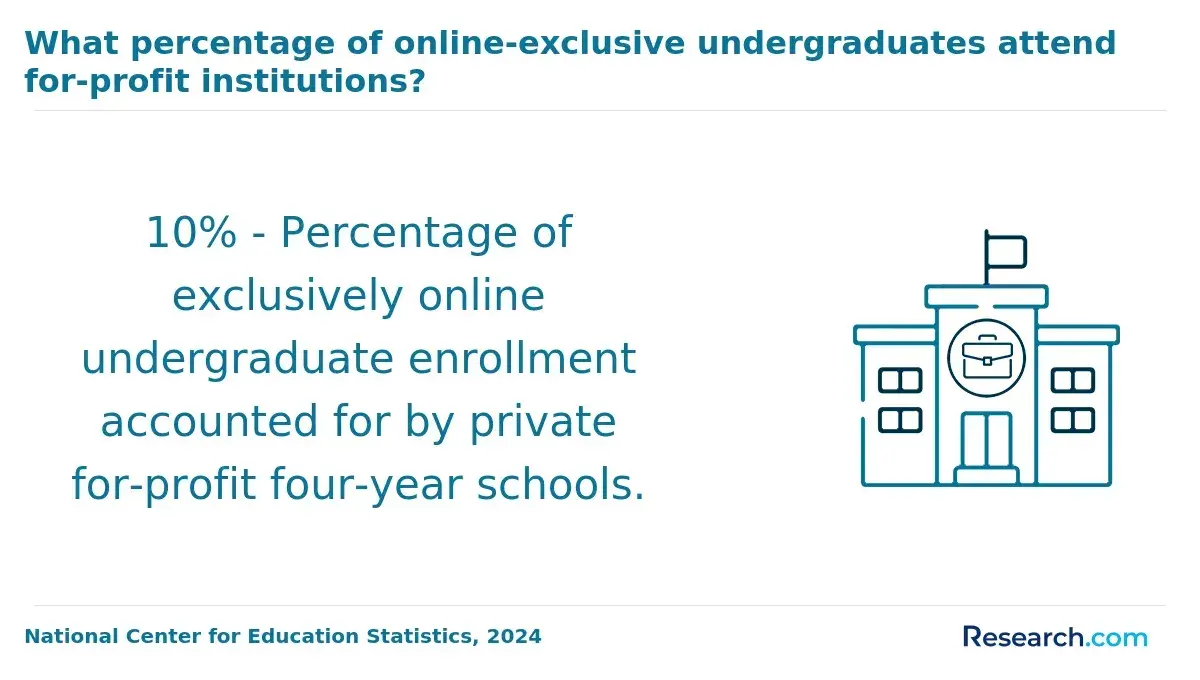
Breakdown of All 4-Year Online Title IV Institutions

What Technology Do You Need for an Online Web Design Degree?
Having the right technology setup is essential for success in modern online web design programs. It ensures students can efficiently complete hands-on projects, communicate with instructors and peers, and effectively build a portfolio showcasing industry-ready skills.
Below is a detailed list of essential software for online web design degree students and hardware requirements for web design students to prepare before enrolling.
- Reliable Computer: A laptop or desktop with at least 8GB of RAM and a modern processor is crucial for running demanding design and development software smoothly. This allows students to handle multiple applications like Photoshop, Adobe Creative Suite, and code editors simultaneously without performance issues.
- Code Editors and Development Environments: Tools such as PyCharm, CodePen, and XAMPP enable coding practice, testing, and debugging. These development environments support learning languages like HTML5, CSS3, JavaScript, and PHP by providing real-time feedback on projects.
- Design Software: Adobe Creative Suite, including Photoshop, Illustrator, and InDesign, remains the industry's gold standard for image editing, vector graphics, and layout design. These programs help students create website mockups and develop compelling visual assets.
- High-Speed Internet: A stable and fast internet connection is essential for streaming video lectures, uploading assignments, and participating in live virtual group critiques. Reliable connectivity ensures seamless collaboration and access to course materials.
- Monitor or Dual-Screen Setup: Using a larger or secondary monitor improves workflow by allowing side-by-side comparisons of code and design mockups. This hardware setup enhances multitasking and efficiency during complex projects.
- Database Management Systems: Software such as MySQL supports backend development courses focused on database-driven websites, reinforcing foundational web development skills.
For those exploring cost-effective options to begin their education journey, an online master degree cheap could offer value without compromising quality.
Prospective students should carefully assess their essential software for online web design degree needs, alongside hardware requirements for web design students, to build a productive and professional learning environment.
How Long Does It Take to Finish an Online Web Design in 2027?
The length of an online web design degree is a key consideration for students planning their education and career paths, as program duration impacts how soon they can enter the workforce. Completion times vary widely depending on whether students choose accelerated, full-time, or flexible part-time formats.
Below is an overview of common program lengths for online web design degrees.
- Accelerated Pathways: Some online programs offer fast-track options where motivated students can complete their degree in 12 to 24 months. These paths often require prior credits or full-time, intensive study over multiple terms per year.
- Full-Time Online Track: Traditional full-time online degrees typically take about four years, mirroring on-campus timelines. These programs usually offer asynchronous classes and are structured by strict credit hour requirements, such as 120 credits.
- Part-Time Enrollment: Students balancing work or family often opt for part-time pacing, which extends completion beyond four years. Flexible scheduling and year-round course availability allow students to adjust their academic load as needed.
Can You Work Full-Time While Completing an Online Web Design Degree?
Many prospective students worry about balancing full-time work with online study, especially when pursuing a web design degree. This concern is valid as managing professional duties alongside coursework requires careful planning.
Several factors influence how well students can maintain this balance. Key considerations include:
- Program pacing: Intensive or accelerated courses demand more weekly hours, making it tough to juggle a full-time job. Choosing a program with a manageable pace helps maintain balance.
- Asynchronous vs. synchronous: Asynchronous classes allow flexible timing for assignments, easing conflicts with work schedules. Synchronous sessions require attendance at fixed times and can be challenging for those with rigid work hours.
- Workload: Typically, expect to spend 10-15 hours weekly per course on readings and projects, so balancing this with work needs discipline and realistic scheduling.
- Employer support: Some workplaces offer flexible hours or tuition benefits, which significantly reduce stress and improve feasibility.
- Time management: Effective organization, setting clear boundaries, and prioritizing tasks are essential to prevent burnout and ensure steady progress.
When I spoke with a graduate who worked full-time while earning her online web design degree, she shared how she often studied late into the night after long workdays. She emphasized the importance of breaking projects into small, manageable tasks and using weekends strategically.
Though challenging, she described the experience as rewarding and said, "Maintaining a routine and staying motivated helped me realize that working full-time while studying online is demanding but achievable." Her journey highlighted the personal growth that comes from balancing these commitments.
How Do Online Web Design Degree Programs Help with Internships?
Internships are vital for gaining practical experience and developing the collaborative skills essential for success in web design careers. They allow students to work on real projects and engage with clients, bridging the gap between education and professional demands.
These programs support students through various methods including:
- Career Services Support: Personalized career guidance and dedicated platforms connect students with remote and local internship opportunities that align with their goals and skills.
- Virtual Placement Coordination: Online systems facilitate matching students with companies offering remote web design roles, enabling collaboration across different locations without travel constraints.
- Structured Internship Plans: Customized work plans set clear objectives and milestones, ensuring students meet learning outcomes and gain relevant experience.
- Regular Supervision and Feedback: Scheduled check-ins with mentors and coordinators provide ongoing guidance to help students navigate challenges and optimize their internship experience.
- Professional Networking and Mentorship: Access to industry professionals fosters portfolio development and creates connections that support career advancement.
What Is the Average Tuition Cost of an Online Web Design Program?
Knowing the tuition costs of an online web design program is crucial for anyone planning their education and budgeting effectively. Understanding these expenses helps prospective students weigh their options and prepare for the financial commitment ahead.
Below are key details to consider when estimating the cost of pursuing this degree:
- Average Tuition Per Credit: Public institutions typically charge around $337 per credit hour for in-state students, while private nonprofit colleges have higher rates, averaging about $516. This difference can significantly impact the total cost depending on the number of credits required.
- Annual Tuition Costs: For public schools, in-state tuition usually falls between $9,375 and $15,200 yearly. Private nonprofit schools tend to be steeper, ranging from $29,700 to $32,825 annually.
- Total Bachelor's Degree Cost: Completing an online web design bachelor's degree at a public university generally costs approximately $40,500 for in-state students, whereas private colleges may reach over $63,000 for the full program.
- In-State vs. Out-of-State Fees: Public universities often charge non-residents considerably more, with some out-of-state tuition costs nearing $59,000 for the entire degree, nearly double the in-state price in some cases.
- Additional Fees: Beyond tuition, students should budget for technology charges, course fees, and exam proctoring costs, which can add several hundred dollars each year, affecting overall affordability.
When I spoke with a student pursuing an online web design degree, he described managing tuition as a balancing act. He shared, "Figuring out how to cover tuition while working part-time was stressful at first, especially with unpredictable fees cropping up."
Yet, he also highlighted the flexibility the online format offered, allowing him to keep earning while studying. His careful planning and use of financial aid relieved much of the pressure.
Reflecting on his journey, he concluded that understanding every cost detail early on was key: "Knowing what I'd face financially helped me stay committed and avoid surprises, making the investment worthwhile."
What Is the Average Salary for Someone with an Online Web Design Degree in 2027?
Understanding the earning potential is essential when evaluating whether an online web design degree aligns with your career goals and financial expectations. Knowing the typical salary outcomes helps prospective students make informed decisions about their investment in education.
Below is a detailed overview of key salary insights for those considering this field.
- Average Entry-Level Salary: The typical entry-level web design degree salary 2025 ranges between $45,000 and $71,000 annually in the United States. Data from Glassdoor shows entry-level web designers with up to one year of experience earn a median total pay around $71,000, offering a solid foundation for new professionals starting their careers.
- Mid-Career Salary Growth: As web designers build experience, mid-career salaries rise to between $51,000 and $80,000 per year. Senior designers, especially those with five or more years of experience, command salaries from $76,000 to upwards of $103,000. The U.S. Bureau of Labor Statistics reports a median wage of $98,090 for web developers and digital designers, underscoring strong growth opportunities.
- Salary by Industry and Region: Regional differences significantly affect pay levels. States like Washington and Massachusetts lead with average salaries above $83,000. Specializations such as UX design and UI design provide higher incomes, with UX designers averaging $126,035 annually and UI designers near $108,334. Additionally, freelance web designers earn a median annual pay of $67,000, with rates varying widely by experience.
The average web designer salary in the United States 2025 reflects diverse opportunities across full-time and freelance roles, making an online web design degree a valuable asset.
For those interested in accelerating their qualifications, pursuing a 1 year doctorate can also be a strategic choice to enhance expertise and earning potential.
Which Industries Hire Graduates From Online Web Design Programs?
An online web design degree equips graduates with versatile skills that are highly valued across multiple professional fields. This adaptability opens doors in numerous sectors, making graduates competitive candidates for a broad array of roles.
Below is an overview of industries hiring web design graduates, highlighting the range of opportunities available in today's job market.
- Technology and Software Companies: The largest employer group for web design professionals includes major players like Google, Apple, IBM, Adobe, and Netflix. These companies often waive traditional four-year degree requirements to attract skilled designers. Startups in eCommerce and mobile app development also aggressively seek talent, reflecting strong growth in digital services.
- Marketing and Creative Industries: Marketing agencies, branding firms, and creative studios require web designers to develop engaging digital content such as social media graphics and email campaigns. Graduates with skills in visual design and user experience are in demand to meet evolving marketing strategies.
- Financial Services and Retail: Institutions like Bank of America, JP Morgan Chase, Nordstrom, and Costco employ web designers to enhance their digital customer interfaces, contributing to improved user experience and customer engagement.
- Additional Sectors: Other active recruiters include fintech firms, cloud software providers, and hardware manufacturers focused on digital interfaces. The combination of design and technology skills allows graduates to work in areas ranging from healthcare to automotive industries.
The U.S. Bureau of Labor Statistics forecasts 7 percent employment growth for web developers and digital designers from 2024 to 2034, a rate notably higher than average, supporting optimism for industries hiring web design graduates.
To explore educational options best suited to these evolving fields, prospective students may consult the best colleges for dual degree programs that combine technical and design expertise.
What Graduates of Online Web Design Programs Say About Their Degree
- Harry: "Pursuing an online web design degree allowed me to learn at my own pace while balancing work commitments. The flexibility was invaluable, and the curriculum was comprehensive, covering both fundamentals and advanced techniques. Considering the average cost was reasonable compared to traditional programs, it was definitely a smart investment for my career advancement."
- Rain: "I entered the online web design program a bit skeptical, but the interactive projects and real-world applications made the experience rewarding. It sharpened my skills and opened doors to freelance opportunities that boosted my income significantly. The cost was far more manageable than attending a physical campus, which eased my financial stress."
- Darla: "The online format of the web design degree fit perfectly with my busy schedule, enabling me to develop valuable skills without sacrificing my current job. This degree not only enhanced my professional portfolio but also increased my confidence in client engagements. Given the average tuition, it was a cost-effective way to transition into a new field."
Other Things You Should Know About Web Design Degrees
In 2027, an online web design degree offers diverse career opportunities, including roles such as web designer, UX/UI designer, and front-end developer. The demand for web design professionals continues to grow, fueled by digital transformation across industries, making a formal degree valuable for career advancement and competitiveness.
Online web design degrees offer structured curricula, expert guidance, and formal assessments that self-taught learners might lack. They provide comprehensive coverage of both theory and practice, helping students develop a well-rounded skill set.
Conversely, self-taught routes can be more flexible and less expensive but may miss foundational knowledge or networking opportunities available through a degree program.
Many online web design programs offer specializations or elective courses, such as mobile design, UX/UI, front-end development, or digital marketing integration.
This allows students to tailor their education toward specific career goals within the web design field. Specializing can enhance employability by demonstrating expertise in high-demand areas.
References
- AI in Digital Learning | Digital Learning Institute https://www.digitallearninginstitute.com/blog/ai-in-digital-learning-benefits-applications-and-challenges
- Best Web Design Courses & Certificates [2025] | Coursera Learn Online https://www.coursera.org/courses
- Online Web Design & Development Degree | Champlain College https://online.champlain.edu/degrees-certificates/bachelors-web-design-development
- Top 15 Sites to Hire Web Developers in 2025 https://limeup.io/blog/hire-web-developer/
- Is Web Design a Good Career? (2025 Guide) | BrainStation® https://brainstation.io/career-guides/is-web-designer-a-good-career
- Online B.A. in Web Design https://www.walsh.edu/web-design-accelerated.html
- The Ultimate Web Developer Salary Guide (2025 Update) https://careerfoundry.com/en/blog/web-development/how-much-will-i-earn-as-a-web-developer/
- What Is the Average Web Designer’s Salary in 2025? https://elementor.com/blog/what-is-the-average-web-designers-salary/
- AI revolutionizes e-learning platforms: What the future of online education looks like / Digitization blog | Project-based Software Development https://www.ideosoftware.com/blog/ai-revolutionizes-e-learning-platforms,202.html


