
2027 Are Online Philosophy Degrees Respected by Employers?

Co-Founder and Chief Data Scientist
The rise in online education has made philosophy degrees more accessible than ever, with over 40% of students now pursuing at least part of their education online. This growing trend prompts important questions about how employers perceive online philosophy degrees.
This article explores the current reputation of online philosophy degrees in the job market and the key factors that influence their credibility. It aims to provide clarity on how such degrees align with employer expectations, helping readers make informed decisions about their educational paths.
Key Benefits of Online Philosophy Degrees Respected by Employers
- Employers increasingly recognize online philosophy degrees from accredited institutions as equivalent in rigor to traditional programs, with 72% expressing positive views in recent surveys.
- Graduates develop critical thinking, ethical reasoning, and complex problem-solving skills that are highly valued across industries including law, education, and business.
- Online philosophy degree holders report 15% higher employment rates within six months of graduation compared to non-degree holders in related fields, reflecting improved career prospects.
Which Accrediting Bodies Make an Online Philosophy Degree Legitimate?
Accreditation is essential for ensuring the quality and employer recognition of online philosophy degrees. It confirms that an institution meets established academic standards, which supports the credibility of the degree and ease of credit transfer.
Understanding legitimate online philosophy degree accreditation helps prospective students identify programs that will be respected by employers and academic institutions.
Below are the main types of accreditation and their significance for online philosophy programs:
- Regional Accreditation: This form of accreditation is regarded as the most prestigious and beneficial, especially within the United States. Recognized by employers and other academic institutions, regional accreditation is granted by agencies such as the Higher Learning Commission (HLC) and the Middle States Commission on Higher Education (MSCHE). It enhances the credibility of online philosophy degrees, facilitates seamless credit transfers, and improves career prospects. It is the cornerstone of US regional accreditation legitimacy that prospective students should prioritize.
- National Accreditation: Typically associated with vocational or technical schools, national accreditation applies to some online programs, though less frequently to philosophy degrees. While it still certifies a standard of quality, nationally accredited programs may not be as widely recognized by employers or as easily transferable in terms of credits.
- Programmatic Accreditation: This type focuses on specific academic programs within an institution rather than the entire school. It is uncommon for philosophy degrees but may apply to specialized disciplines related to philosophy, such as religious studies. While helpful, it does not carry the same weight for overall degree legitimacy as regional accreditation.
Choosing a regionally accredited online philosophy degree ensures a legitimate educational experience and better job market acceptance.
For those aiming to complete their graduate education efficiently, exploring a masters in one year program could be a strategic next step after verifying accreditation credentials.
Does University Reputation Affect Employer Views of Online Philosophy Degrees?
University reputation plays a significant role in shaping employer perceptions of online philosophy degrees by signaling academic quality, program rigor, and graduate employability. Employers often rely on institutional prestige as a key indicator, viewing degrees from well-known and respected universities more favorably.
This recognition of the university's standing directly impacts how online philosophy credentials are valued in hiring decisions, especially among ranked online philosophy programs in the US.
Several factors contribute to this influence. Institutional prestige remains a top consideration, as more prestigious schools entering the online education space continue to boost employer confidence.
Alumni success also reinforces credibility; universities whose graduates excel in fields like education, law, or public policy enhance trust in both their traditional and online degrees. Additionally, accreditation status is critical-employers expect online programs to meet rigorous standards set by recognized agencies, ensuring that the degree holds equivalent value to on-campus credentials.
Universities that build strong industry partnerships, offer internships, or embed career resources further improve employer views by demonstrating graduate readiness for the workforce.
However, it is important to balance university reputation with the candidate's actual skills and experience.
While a reputable university can open doors and mitigate concerns related to the online format, employers increasingly prioritize demonstrable skills, relevant experience, and the ability to effectively communicate philosophical reasoning.
Recent surveys indicate that over 70% of organizations hired applicants with online degrees, with many HR leaders rating the quality of online learning as equal or superior to traditional methods.
Students seeking philosophy degrees online should consider the benefits of attending recognized institutions but also focus on developing skills and gaining experience.
For those exploring options, colleges offering open enrollment may provide accessible pathways to reputable degrees while allowing students to build strong career foundations.
Do Employers Treat Online and On-campus Philosophy Degrees Equally?
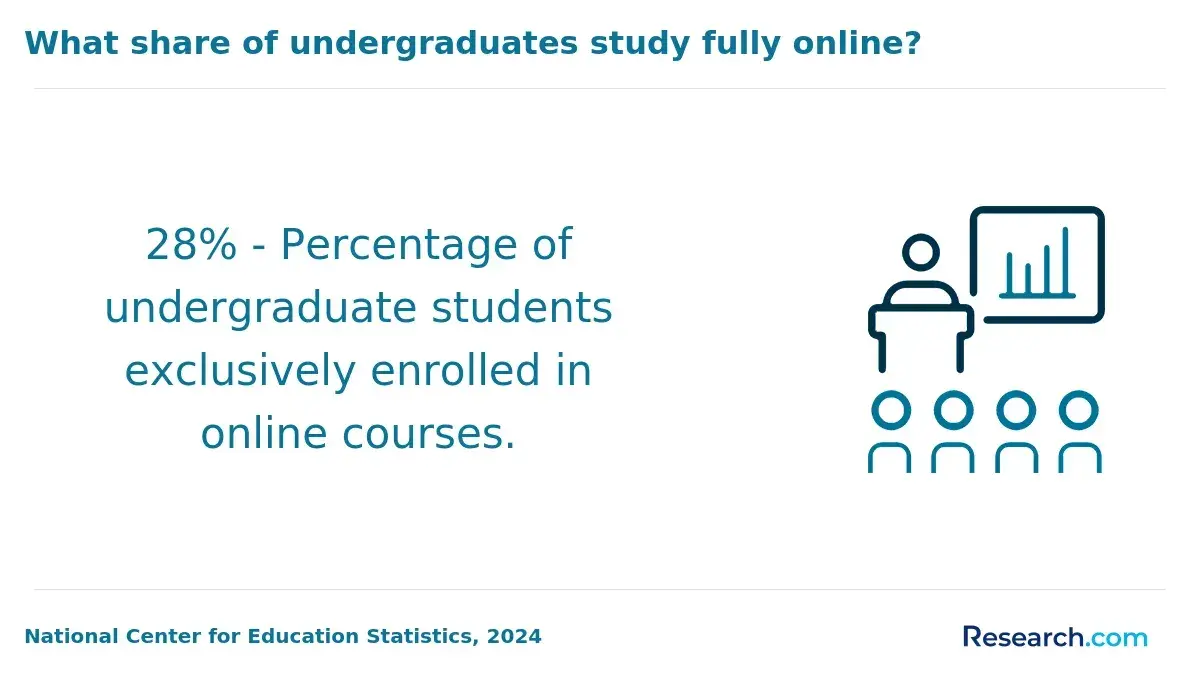
Employer perceptions of online philosophy degrees have improved significantly over the past decade, with many now viewing these credentials as largely equivalent to traditional on-campus degrees.
Recent surveys show that a majority of U.S. employers consider accredited online degrees from reputable institutions just as valid as those earned in person.
For instance, a 2025 global education report found that 83% of HR professionals regard accredited online philosophy degrees as equal in value to traditional ones, and over 75% believe these degrees effectively prepare candidates for the workforce.
Despite this progress, some employers still hold reservations or ask additional questions about the academic experience of online graduates during hiring.
When comparing online and on-campus philosophy degrees, hiring managers emphasize factors beyond just the mode of study.
Accreditation and the reputation of the awarding university remain paramount, as degrees from well-known, regionally accredited institutions are more widely accepted regardless of delivery format.
Additionally, practical experience such as internships, research projects, or relevant work history can demonstrate the rigor and applicability of a candidate's education, often tipping the scales in favor of the applicant.
While certain traditional academic or specialized fields may still prefer on-campus credentials, most employers prioritize skills, major, and academic record over how the degree was obtained.
Graduates seeking equal credibility for their online philosophy degree should therefore choose accredited, reputable programs and pursue meaningful experiential opportunities that highlight their capabilities to potential employers.
Do Employers Trust Online Philosophy Degrees from AI-powered Virtual Classrooms?
AI technologies such as adaptive learning systems, virtual simulations, and AI tutors significantly enhance the quality and credibility of online philosophy education.
Adaptive learning platforms tailor course content to individual student needs by identifying gaps in understanding and providing targeted instruction.
Virtual simulations recreate historical debates and ethical dilemmas, which foster deeper critical thinking and engagement comparable to or even surpassing traditional in-person seminars. AI tutors offer around-the-clock support, ensuring students receive timely guidance outside scheduled class times.
These innovations not only improve learning outcomes but also increase the perceived rigor of online programs, especially when offered by accredited institutions with strong graduation and student satisfaction rates.
Employer perceptions of online philosophy degrees earned through AI-powered virtual classrooms are evolving.
Many employers increasingly recognize the academic quality and skill development-such as critical thinking, analytical reasoning, and communication-afforded by reputable online programs using advanced AI-driven tools. Large public universities with substantial online graduate populations contribute to the normalization of these credentials in the job market.
Nevertheless, some skepticism lingers, primarily related to concerns about the authenticity of the learning experience and the reputation of the institution, rather than AI use itself.
Overall, the trend favors growing acceptance, with employers placing more emphasis on demonstrated skills and accreditation status over the delivery method. As the use of AI continues to elevate educational standards, the trust gap between traditional and online philosophy degrees is expected to narrow further.
What Skills Do employers Value from Online Philosophy Graduates?
Online philosophy graduates bring a distinctive blend of professional competencies and soft skills that make them highly competitive in today's evolving job market. Their education goes beyond theory, equipping them with abilities that translate effectively into many professional settings.
Among the various qualities developed, the most sought-after skills employers look for in online philosophy degree graduates include the following:
- Critical Thinking and Problem Solving: Philosophy programs emphasize the development of critical thinking skills valued by employers by training students to analyze complex arguments, identify logical flaws, and rigorously assess evidence. This prepares graduates to tackle workplace challenges systematically, making them indispensable in strategic roles across sectors like finance, management, and consulting.
- Written and Verbal Communication: Online philosophy coursework requires clear articulation of sophisticated ideas through essays and virtual discussions, helping students hone their ability to present arguments persuasively and explain complex concepts in accessible language. These transferable skills from philosophy degrees are vital for effective collaboration and leadership in diverse professional environments.
- Ethical Reasoning: A strong focus on ethics equips philosophy graduates with heightened sensitivity to organizational values and decision-making processes, which employers increasingly prioritize. This skill is particularly valuable for roles involving leadership, policy formulation, and corporate social responsibility.
- Adaptability and Intellectual Flexibility: The demands of online learning foster self-discipline and proactive time management while philosophy's engagement with multiple perspectives encourages intellectual flexibility. This combination enhances graduates' ability to adapt reasoning to new information, making them resilient in the face of economic or regulatory changes.
For those curious about career outcomes, philosophy graduates often rise alongside peers from other top programs in fields identified as high earning; for more insight, check this resource on the college major that makes the most money.
Do Professional Certifications Help Validate Online Philosophy Degrees?
Earning professional certifications alongside an online philosophy degree can significantly enhance the degree's credibility and demonstrate industry-specific competencies.
These certifications provide concrete proof of specialized skills and commitment to professional growth beyond academic achievements.
Below are the main ways professional certifications strengthen the value of online philosophy degrees in the eyes of employers, highlighting how they validate skills and boost career prospects.
- Philosophy Certificate Programs: Completing focused philosophy certificate programs, such as those offered by institutions like Fort Hays State University or the International Association of Professions Career College, showcases mastery of essential philosophical concepts and critical reasoning. These programs add credentials that underline a graduate's dedication and ability to finish structured academic work.
- Professional Certificates in Related Fields: Certifications in ethics, logic, or leadership, often available through platforms like Coursera, emphasize transferable skills valuable in business, law, and public policy. Holding these credentials signals to employers that candidates have both theoretical knowledge and practical expertise applicable to diverse professions.
- Industry-Specific Certifications: Pairing a philosophy degree with certifications in sectors like law, public policy, or business analytics increases market competitiveness. Experts agree this combination aligns philosophical insight with concrete workplace demands, which is critical for career advancement.
- Evidence of Practical Skills: Many certifications require applied projects or assessments, offering employers tangible evidence of problem analysis, effective communication, and ethical reasoning abilities. This practical demonstration is especially important for validating the rigor of online programs to prospective employers.
- Enhanced Employer Confidence: With nearly 20,000 philosophy and religious studies degrees and certificates awarded nationally in 2020-2021, acceptance of online credentials is growing. Professional certifications further build employer trust by evidencing continuous learning and adherence to current professional standards.
Reflecting on the question of whether professional certifications help validate online philosophy degrees, a professional who recently completed an online philosophy program shared their experience.
Initially, they encountered skepticism from hiring managers uncertain about the rigor of online education. To address this, they pursued a certification in ethical leadership through an accredited online platform, which involved rigorous case studies and practical applications.
"That certification made a huge difference," they said, "because it wasn't just theoretical; it showed I could apply philosophical principles in real-world scenarios."
The process was challenging-balancing coursework, work commitments, and certification projects required disciplined time management-but ultimately rewarding.
This combination of degree and certification not only eased employer concerns but also opened doors to leadership roles that valued practical ethical expertise grounded in philosophical training.
Do Online Philosophy Graduates Earn the Same Salaries as On-campus Graduates?
National trends indicate that online philosophy graduates can earn salaries comparable to their on-campus counterparts, with no inherent pay gap solely due to delivery method.
Industry data shows that what truly matters are factors such as program quality and employer recognition rather than whether the degree was obtained online or in person.
Several key elements influence whether salary potential for online versus on-campus philosophy graduates aligns, and understanding these can help prospective students make informed decisions about their education paths.
- Program Accreditation and Institutional Prestige: Online philosophy degrees from regionally accredited and well-regarded universities tend to carry the same weight with employers as traditional programs. Schools like Arizona State University demonstrate that graduates from reputable online programs achieve similar mid-career earnings as their on-campus peers.
- Employer Recognition of Online Credentials: Employers in fields hiring philosophy majors, such as law and public policy, place greater emphasis on analytical and critical thinking skills than on how education was delivered. This acceptance supports salary parity between online and traditional graduates.
- Career Services and Networking Access: Online students who engage with career counseling, internship programs, and alumni networks typically see salary outcomes on par with on-campus graduates. Programs lacking these support mechanisms could contribute to lower earnings for online learners.
- Specialization and Curriculum Strength: Whether online or on-campus, programs with strong ethics or specialized tracks enhance graduates' earning potential by providing focused expertise in high-demand philosophy subfields.
For students considering a philosophy degree, researching options including a non profit accredited online university can ensure access to quality education with respected credentials that support competitive salary outcomes.
How Do Online Philosophy Degrees Impact Career Growth and Promotions?
Earning an online philosophy degree can significantly influence long-term career advancement and promotion opportunities across a wide range of industries. Graduates gain a distinctive skill set that employers highly value for leadership and decision-making roles.
The following points highlight the main ways online philosophy degrees support professional growth and upward mobility in various fields.
- Development of Critical Thinking Skills: Philosophy students learn to analyze complex problems and evaluate arguments from multiple perspectives. This ability equips them to make sound decisions, making them strong candidates for managerial and consulting roles that offer promotion potential.
- Enhanced Communication Abilities: The program emphasizes persuasive writing and effective verbal communication, essential for leadership positions. Mastery of these skills helps graduates articulate ideas clearly and influence teams, facilitating career progression.
- Flexible Learning While Working: Online formats allow professionals to continue their employment while studying, applying new knowledge immediately. This continuous growth demonstrates initiative to employers, often speeding up promotion opportunities.
- Preparation for Diverse Career Paths: Philosophy graduates are prepared for careers in law, business, education, public policy, and journalism. Their broad skill set supports strategic thinking and ethical leadership, which employers associate with high potential for advancement.
- Strong Ethical Reasoning: Training in ethics helps graduates handle workplace moral dilemmas responsibly. Industries such as healthcare and corporate governance especially value ethical leadership, which is closely linked to career growth.
- Affordability and Accessibility: Many online philosophy programs are more affordable and accessible than traditional options, enabling a wider range of professionals to earn credentials needed for promotion. This accessibility reduces barriers to advancing educationally and professionally.
When I asked a professional who pursued an online philosophy program about her experience, she reflected on how the degree changed her career trajectory.
Balancing full-time work with rigorous coursework was challenging, she admitted, but the ability to immediately apply philosophical concepts in her role made the effort worthwhile.
She noticed that her employers increasingly sought her input on complex ethical issues and strategic decisions, directly leading to a leadership position within two years of graduation.
"The program sharpened my reasoning and gave me confidence to voice perspectives that influenced company policy," she shared. This growth not only enhanced her professional reputation but also opened doors to promotions that had previously seemed out of reach.
What Companies Actively Hire Graduates from Online Philosophy Programs?
Employers across various industries are increasingly open to hiring candidates with online philosophy degrees, recognizing the rigorous analytical and ethical training these programs provide.
As perceptions shift, companies hiring remote philosophy degree graduates view these online credentials as valuable assets rather than second-tier qualifications.
Several sectors stand out as consistent recruiters of online philosophy graduates, reflecting the diverse career paths available in today's job market.
- Educational Institutions and EdTech Companies: These organizations hire philosophy graduates as instructors, curriculum developers, and academic advisors. They value the ability of graduates to design engaging content and foster critical thinking skills in learners, all of which are enhanced through online philosophy studies.
- AI and Technology Firms: Companies focused on artificial intelligence increasingly employ philosophy majors online as data trainers and AI ethicists. The expertise gained in logic, epistemology, and ethics supports responsible AI development and helps address issues like algorithmic bias and ethical dilemmas.
- Publishing and Content Creation: Philosophy graduates are sought after for editing, writing, and subject matter roles in publishing and content companies. Their training sharpens critical evaluation skills and promotes clear, persuasive communication, especially in nonfiction and specialized fields.
- Research and Academic Support Services: These organizations recruit online philosophy degree holders to provide research mentorship and academic coaching. Graduates use their analytical frameworks to guide students and professionals through complex intellectual challenges effectively.
- Corporate Strategy and Consulting: Though less overtly advertised, consulting firms and corporate planning departments appreciate the systematic thinking and ethical reasoning that philosophy graduates bring, enhancing decision-making and strategic planning.
With over 1,000 remote philosophy positions available and salary ranges between $40,000 and $160,000, employers hiring philosophy majors online display significant demand.
For more insights on career options, you can explore top careers for introverts.
What Future Trends Will Shape Online Philosophy Degrees' Credibility?
Technology, accreditation standards, and employer attitudes are continuously evolving, reshaping perceptions of online philosophy degrees in the professional job market. As digital education advances and quality assurance improves, online philosophy programs are gaining greater legitimacy and recognition.
Several key trends are expected to strengthen the credibility and value of online philosophy degrees among employers and academic institutions:
- AI-driven Learning Validation: Artificial intelligence is being leveraged to assess student work, verify learning outcomes, and provide personalized feedback in online philosophy courses. This helps maintain academic integrity and academic rigor, increasing employer confidence in the skills of online graduates.
- Global Accreditation Collaboration: International partnerships among accrediting bodies are creating more consistent quality standards for online programs. By collaborating across borders, virtual universities ensure their philosophy degrees meet recognized benchmarks, making them more trustworthy to employers regardless of geographic origin.
- Increased Employer Partnerships: Universities are working directly with employers to design curricula that align with current workforce needs. This collaboration enhances the relevance of philosophy programs and encourages employers to value degrees that emphasize critical thinking, ethics, and reasoning-skills essential in sectors such as law, business, government, and technology.
- Skill-Based Hiring: More organizations prioritize demonstrated skills over the format of a degree. Philosophy graduates are highly regarded for their analytical and reasoning abilities, which translate well across diverse fields. This trend shifts employer focus toward candidates' capabilities rather than the mode of education.
Here's What Graduates of Respected Online Philosophy Programs Have to Say About Their Degree
- Janelle: "Completing my online philosophy degree was a transformative experience that opened doors I didn't expect. The flexibility allowed me to balance work and study while deeply engaging with ethical theories that now influence my role in nonprofit management. I've been able to advance professionally by applying critical thinking skills to problem-solving and leadership, which my employer truly values. This degree gave me a unique perspective that sets me apart in the job market. "
- Rajesh: "The analytical rigor of an online philosophy program prepared me exceptionally well for a career in tech consulting. It wasn't just about studying abstract ideas; it taught me to dissect complex problems and communicate clearly with diverse teams. After graduation, I found exciting opportunities that propelled my career faster than I anticipated. The community of thoughtful peers I connected with online also helped build a network crucial for my professional growth. "
- Maria: "Reflecting on my journey, earning an online philosophy degree rekindled my passion for education and social impact. The experience shaped my thinking about justice and equity, which I now channel into my work with youth development programs. Having this degree has heightened my credibility and opened doors to leadership roles within community organizations. It hasn't just been a career milestone; it's a meaningful way to contribute positively to the well-being of young people in underserved areas. "
Other Things You Should Know About Respectable Online Philosophy Degree Programs
In 2027, most employers focus on the credibility of the institution rather than the mode of study. Accredited universities often do not distinguish between online and traditional degrees on transcripts, making it difficult for employers to determine if a degree was earned online.
In 2027, employers increasingly recognize online philosophy degrees as legitimate, particularly if awarded by accredited institutions. The emphasis has shifted to practical skills and critical thinking abilities, making the mode of study less significant compared to the quality and reputation of the educational institution.
References
- Are Online Degrees Respected? What Employers Really Think in 2024 https://www.geteducated.com/careers/318-should-i-tell-employers-i-earned-my-degree-online/
- What Can You Do with a Philosophy Degree? https://ww2.georgiasouthern.edu/cah/philosophy/what-can-you-do-with-a-philosophy-degree/
- 2025 Best Online Philosophy Degrees https://www.onlineu.com/degrees/philosophy
- Full article: Employees’ perceptions of the fairness of AI-based performance prediction features https://www.tandfonline.com/doi/full/10.1080/23311975.2025.2456111
- Philosophy https://www.domuni.eu/en/learning/philosophy/
- Insights from the Job Demands–Resources Model: AI's dual impact on employees’ work and life well-being - ScienceDirect https://www.sciencedirect.com/science/article/pii/S0268401225000192
- Can AI Be Used to Personalize Employee Learning and Development? - Exemplar Global https://exemplarglobal.org/can-ai-be-used-to-personalize-employee-learning-and-development/
- Epistemology, Ethics and Mind (Online Learning) MSc, PgDip (ICL), PgCert (ICL), PgDip - Postgraduate taught programmes https://study.ed.ac.uk/programmes/postgraduate-taught/844-epistemology-ethics-and-mind-online-learning
- Best Philosophy Courses & Certificates [2025] | Coursera Learn Online https://www.coursera.org/courses
- Superagency in the workplace: Empowering people to unlock AI’s full potential https://www.mckinsey.com/capabilities/mckinsey-digital/our-insights/superagency-in-the-workplace-empowering-people-to-unlock-ais-full-potential-at-work


