
2027 Are There Any One-Year Online Regulatory Science & Affairs Degree Programs Worth Considering?

Co-Founder and Chief Data Scientist
One-year online Regulatory Science & Affairs degree programs are gaining traction as professionals seek accelerated paths to advance in a dynamic field. Regulatory requirements evolve rapidly, making short, intensive programs appealing for staying current. These degrees often emphasize practical skills in regulatory compliance, policy interpretation, and quality assurance, catering to industry needs.
The condensed format suits those balancing work and study, offering flexibility without sacrificing depth. Students benefit from targeted curriculum focusing on pharmaceutical, biotechnology, and medical device sectors, where regulatory expertise is crucial.
This article explores available programs, key curriculum elements, and how these accelerated options serve career goals.
Key Points About One-Year Online Regulatory Science & Affairs Degree Programs
- One-year online regulatory science & affairs degrees offer accelerated curricula emphasizing practical compliance skills versus broader theoretical coverage in traditional programs.
- Such programs often target mid-career professionals seeking regulatory knowledge in pharmaceuticals, medical devices, or biotech without long campus commitments.
- Limited availability means students should carefully verify accreditation and industry alignment to ensure the program meets evolving regulatory standards.
Is it feasible to finish a regulatory science & affairs degree in one year?
Completing a full master's degree in regulatory science & affairs online within one year is generally impractical. Most accredited programs, including those at San Diego State University and Northeastern University, are designed for 18 months to two years, even with accelerated or self-paced formats. High course demands, often requiring 12-15 hours per week, contribute to this extended timeline.
Certificate programs or graduate certificates in this field offer a more feasible one-year option, as they are shorter and more focused. However, these certificates do not carry the same weight or comprehensiveness as a full master's degree, which typically includes practicum, capstone, or research elements that are time-consuming to complete.
Transfer credits may shorten the duration somewhat but are usually limited. Licensing or regulatory requirements can also extend study time, depending on the student's specific area and state regulations.
Thus, while one-year completion is possible for certificates, full online degrees generally require a longer commitment.
Are there available one-year online regulatory science & affairs degree programs?
There are currently no accredited one-year online regulatory science & affairs degree programs (master's level) available in the United States. Most programs require between 18 months and two years to complete all coursework and capstone elements.
However, professionals seeking faster options can consider accelerated certificates or graduate-level programs that take less than a year to finish. These fast-track offerings allow students to gain specialized knowledge without committing to the longer duration of full degrees.
For those interested in US online regulatory science degrees, several institutions provide valuable short-term credentials to quickly expand expertise. Some also focus on practical regulatory affairs skills for working professionals.
- University of Maryland Master of Science or Graduate Certificate in Regulatory Science The MS degree is a fully online program emphasizing drug and biologics development, regulatory compliance, and global regulatory principles. The graduate certificate, consisting of 12 credits (the first two MS courses), covers topics including Chemistry, Manufacturing and Controls (CMC), clinical research, and pharmacovigilance. This certificate can be completed in less than one year, while the full MS typically takes less than two years.
- George Washington University Online Graduate Certificate in Regulatory Affairs This 12-credit-hour online certificate targets working professionals and covers regulatory strategy, quality assurance, and FDA compliance. Although the certificate can be earned in under a year, the full MSHS degree requires a longer commitment. Currently, GW is not accepting new students into the certificate program.
- Medical Affairs Competency Certificate (MACC) Program Offered fully online and self-paced, this certificate addresses regulatory affairs, clinical research, drug development phases, and compliance. It takes approximately 12 hours to complete, making it an accelerated option focused on medical affairs competencies rather than a master's degree.
While no one-year online regulatory affairs programs at the master's level exist yet, these accelerated courses and certificates provide accessible paths for career advancement.
For more options related to accelerated undergraduate pathways, consider exploring accelerated bachelors degrees.
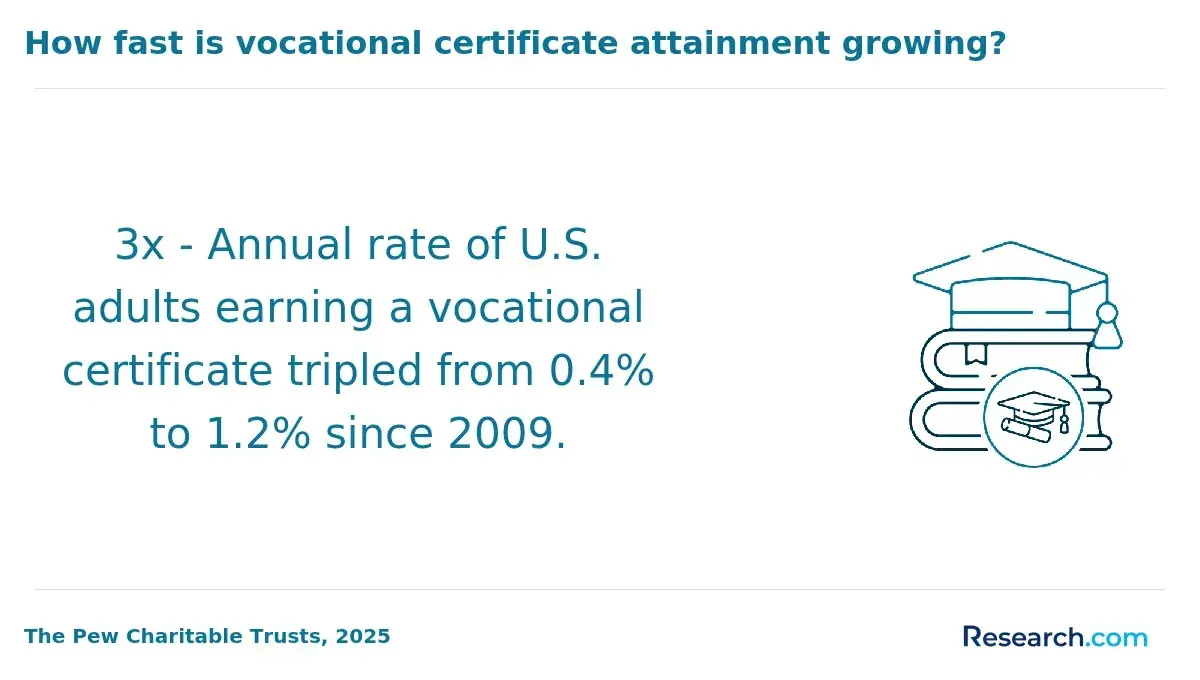
Why consider taking up one-year online regulatory science & affairs programs?
One-year online regulatory science & affairs programs offer a focused pathway for professionals aiming to gain specialized expertise quickly. These accelerated programs provide essential knowledge in FDA regulations, compliance standards, and product development within roughly 12-18 months, giving practical skills suited for immediate application at work.
As the demand grows in drug development and medical device sectors, understanding the Online Regulatory Science Programs Benefits becomes crucial for career advancement.
- Career acceleration: These programs supply industry-specific knowledge often missing in traditional degrees, allowing professionals in pharmaceuticals, biotechnology, and related fields to apply learning directly to their roles.
- Benefits for career changers: Scientists, engineers, and healthcare specialists can shift into regulatory affairs without multi-year commitments, enabling entry into a high-demand field faster.
- Cost efficiency: Short duration and asynchronous learning reduce tuition and time away from employment, accommodating busy schedules with weekly self-paced study of 12-15 hours.
- Networking opportunities: Students connect with peers employed in leading companies such as Johnson & Johnson, Bayer, and Boston Scientific, expanding professional contacts.
Despite the fast pace, not all regulatory science programs are condensed into one year, so candidates should verify program lengths carefully. For those looking into advanced degrees beyond regulatory science, exploring easy doctorates can also offer worthwhile considerations.
These clear advantages of one-year regulatory affairs degrees can make them an ideal choice for professionals seeking rapid, relevant education without sacrificing career momentum.
What are the drawbacks of pursuing one-year online regulatory science & affairs programs?
Enrolling in a one-year online program in regulatory science & affairs can be demanding and may not be ideal for everyone. The accelerated format brings unique challenges that potential students should consider before committing.
While such programs exist, they often involve intense workloads and limited interpersonal engagement, which can impact the learning experience.
- Heavy course load: Students must manage an extensive amount of material in a short period, which can cause stress and exhaustion.
- Potential burnout: The compressed timeline increases pressure, making it difficult to maintain balance and sustained motivation.
- Reduced networking opportunities: Online delivery limits face-to-face interaction with peers and industry experts, which is vital for career growth in regulatory affairs.
To overcome these challenges, effective time management, active participation in online forums, adjusting personal schedules to balance commitments, and seeking guidance from seasoned professionals are essential strategies for success.
What are the eligibility requirements for one-year online regulatory science & affairs programs?
Eligibility requirements for one-year online regulatory science & affairs programs in the United States typically combine academic qualifications with professional experience. These programs aim to attract candidates prepared for advanced study, often emphasizing relevant backgrounds in science or technology.
Admission standards and prerequisites can vary substantially by institution and degree level, so reviewing specific program criteria is essential.
Many candidates exploring admission criteria for one-year online regulatory affairs degrees should be aware that universities usually require more than just a general academic record.
These programs demand particular credentials and documentation that demonstrate a blend of knowledge, experience, and readiness for graduate-level work in regulatory fields.
- Accredited Bachelor's Degree: Most programs require an accredited bachelor's degree, commonly in science, engineering, or technology fields. Some may accept applicants currently pursuing graduate degrees in related disciplines.
- Minimum GPA Requirements: Master's-level programs often expect a GPA between 2.7 and 2.85, alongside good academic standing at previous institutions.
- Professional Experience: Relevant experience in regulatory sectors or allied industries is valued and sometimes required, supporting practical understanding of regulatory processes.
- Letters of Recommendation: Applicants may need to provide letters from supervisors or professors that attest to their leadership and academic capabilities.
- Additional Application Materials: A statement of purpose or interviews may be part of a holistic review process.
- Prerequisite Coursework: Some institutions require evidence of foundational studies in life sciences, physical sciences, mathematics, or engineering.
- Tests and Background Checks: GRE or GMAT scores are rarely mandated, and placement exams or background checks are generally uncommon.
Internships, while not standard admission criteria, might be required for degree completion in certain programs. Students interested in these pathways should consult their chosen school's specific requirements to confirm eligibility.
For those seeking professionals with a highest paying bachelors degree prior to entry, these standards help maintain academic and industry rigor in the regulatory science landscape.
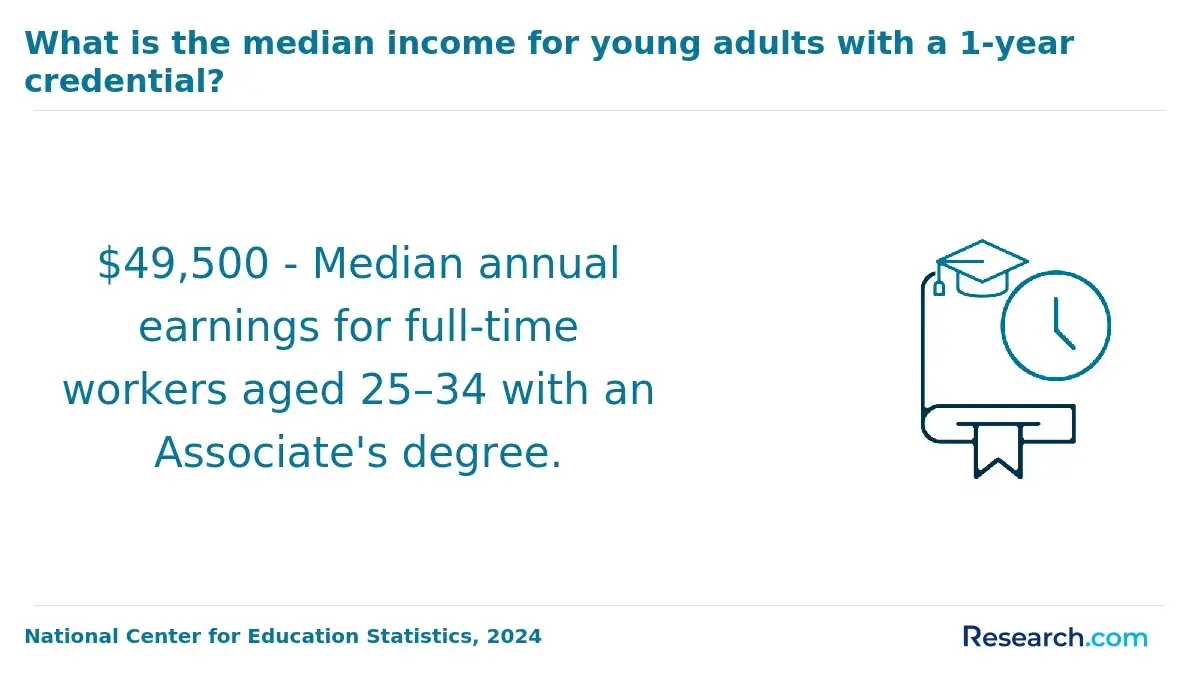
What should I look for in one-year online regulatory science & affairs degree programs?
Finding the right one-year online program in regulatory science & affairs requires careful evaluation of key factors to meet your career aspirations and academic standards. Although fully one-year programs may be limited, understanding the essential components can help you identify suitable options aligned with your goals.
Consider these critical criteria when reviewing US Online Regulatory Affairs Programs.
- Accreditation: Choose programs from regionally accredited universities to ensure recognized academic quality and eligibility for financial aid. Verify if the program holds specific accreditation or recognition by regulatory or industry bodies related to regulatory science.
- Faculty expertise: Select programs taught by instructors with current experience in regulatory affairs, ideally including professionals with FDA or industry backgrounds. This enhances practical learning and networking opportunities.
- Curriculum quality: Look for comprehensive coverage of FDA regulations, global compliance, clinical trials, medical device, pharmaceutical, and biologic product development, with up-to-date material reflecting current industry practices and trends.
- Course delivery format: Assess whether the program offers asynchronous, self-paced study or requires live participation. Flexible online formats can better accommodate working professionals balancing multiple commitments.
- Credit transfer policies: Investigate if your previously earned credits can shorten your study duration, which is particularly valuable in accelerated programs focused on Online Regulatory Science Degree Requirements.
- Tuition cost: Compare total expenses and explore available financial aid or scholarships to manage costs effectively.
- Student support services: Prioritize programs offering robust academic advising, technical assistance, and career support, vital for successful completion of online degrees.
Since program options and accreditation standards vary, consulting resources on non profit accredited universities can help identify reputable institutions offering quality regulatory science education online.
How much do one-year online regulatory science & affairs degree programs typically cost?
One-year online regulatory science & affairs programs in the U.S. usually cost between $10,000 and $25,000 in total tuition, depending on the school and curriculum. For instance, Mount St. Mary's University offers a Regulatory Science certificate at $10,800 for 15 credits.
Meanwhile, Temple University charges approximately $3,816 per course for residents and $4,743 for non-residents, which can add up to more than $15,000 for a full year.
Tuition varies based on several factors such as the type of institution-public or private-as public universities generally have lower rates. Residency status matters too, with non-residents paying higher fees. Program duration, credit load, and additional charges like technology fees also affect the total cost. Accreditation and the institution's reputation play roles as well.
Compared to traditional four-year degrees in Regulatory Science & Affairs, these accelerated one-year options are typically more affordable and efficient, delivering focused training without the extensive coursework typical of longer programs.
What can I expect from one-year online regulatory science & affairs degree programs?
One-year online regulatory science & affairs degree programs offer focused training for professionals eager to excel in the regulatory environments surrounding pharmaceuticals, biologics, medical devices, and food products. These programs provide a concentrated curriculum designed to build essential expertise quickly.
Students can expect to commit 12-15 hours per week balancing coursework with full-time work, featuring a blend of asynchronous lectures and occasional live sessions. The curriculum and skills learned in online regulatory affairs certificate courses emphasize analysis of real-world regulatory case studies and compliance with FDA and international agency standards, enhancing practical understanding.
Hands-on experiences include direct engagement with industry experts and networking opportunities, which help students develop competencies in regulatory strategy, compliance management, and regulatory submission preparation. This prepares professionals for current industry challenges and improves career outcomes for one-year online regulatory science programs.
Challenges in these programs often involve managing time effectively amid intensive coursework and staying current with evolving regulations. Graduates typically gain immediately applicable skills valuable for roles in clinical trials, quality assurance, and regulatory submissions across healthcare sectors.
For those exploring diverse opportunities after completion, exploring trade careers may offer additional pathways beyond regulatory fields.
Are there financial aid options for one-year online regulatory science & affairs degree programs?
Students pursuing a one-year online degree in regulatory science & affairs can access various financial aid opportunities. Though options depend on the institution and program design, several forms of support are commonly available to help manage tuition and fees.
Federal and state financial aid are often accessible for accredited master's-level programs, requiring at least two courses per semester and submission of the Free Application for Federal Student Aid (FAFSA). Certificate-only or shorter programs typically do not qualify for federal assistance.
- Federal Direct Loans and State Grants: These provide low-interest loans and need-based grants for eligible students enrolled in qualifying programs with at least half-time course loads; FAFSA completion is mandatory.
- Institutional Scholarships: Many universities, including programs at Temple University and the University of Maryland, offer scholarships aimed at Regulatory Science students, prioritizing academic excellence, financial need, or professional experience in underserved communities.
- Employer Tuition Assistance: Working professionals in pharmaceutical, biotech, or medical device sectors may receive partial or full tuition reimbursement from their employers to support advanced regulatory education.
Additional funding may come from private grants and external scholarships, though application timelines and eligibility vary. Accelerated one-year programs may disburse aid in per-term installments based on enrollment status.
What Regulatory Science & Affairs Graduates Say About Their Online Degree
- Arnold: "Completing the one-year online regulatory science & affairs degree program was a instrumental to my career. The accelerated format allowed me to gain essential industry knowledge quickly while balancing work and personal life. The cost of attendance also felt reasonable for the quality."
- Sylvester: "This competency-based regulatory science & affairs program gave me confidence in my skills and a clear path to advancement. The online format was flexible, which helped me stay engaged and motivated throughout the year. I'm grateful for how the program deepened my understanding of regulatory policies."
- Bruce: "The one-year completion timeline of the regulatory science & affairs degree aligned perfectly with my career goals. The curriculum focused sharply on the practical aspects of regulatory affairs, preparing me to contribute effectively from day one. Investing in this program was worthwhile, especially given the comprehensive content delivered efficiently. "
Other Things You Should Know About Pursuing One-Year Regulatory Science & Affairs Degrees
Many one-year online regulatory science and affairs programs in 2027 are tailored for working professionals by offering flexible scheduling, asynchronous coursework, and virtual office hours. These features allow students to manage their studies alongside their professional commitments effectively.
In 2027, some one-year online regulatory science & affairs programs are designed to meet standards for international accreditation. Potential students should verify the accreditation status of specific programs with the institution offering the degree and confirm it aligns with international career goals.
References
- Master of Science in Regulatory Affairs - Online https://cps.northeastern.edu/program/master-of-science-in-regulatory-affairs-online/
- Best Regulatory Affairs Courses & Certificates Online [2025] | Coursera https://www.coursera.org/courses
- How to Become a Regulatory Affairs Specialist - Education & Certification https://www.mhaonline.com/faq/how-do-i-become-a-regulatory-affairs-specialist
- Studying Drug Regulatory Affairs? Here Are the Pros & Cons of Generic Drugs - AAPS https://www.aaps.ca/blog/studying-drug-regulatory-affairs-here-are-the-pros-cons-of-generic-drugs
- Is a Master's in Regulatory Affairs and Clinical Research Worth It? https://www.regiscollege.edu/blog/health-sciences/is-a-masters-in-clinical-research-worth-it
- Online Master’s in Regulatory Science and Affairs Degree Programs https://www.onlineeducation.com/healthcare/masters-in-regulatory-science-affairs-programs
- Tuition | MS in Regulatory Affairs and Health Policy | MCPHS https://www.mcphs.edu/academics/programs/regulatory-affairs-and-health-policy-ms/tuition
- Top Regulatory Affairs Careers, Salaries, and Trends https://graduate.northeastern.edu/knowledge-hub/working-in-regulatory-affairs-careers-and-trends/
- MPS in Regulatory Science - The UNC Eshelman School of Pharmacy https://pharmacy.unc.edu/education/masters/mps-in-regulatory-science/
- Regulatory Affairs – Sciences https://www.algonquincollege.com/online/program-info/regulatory-affairs-sciences/


