
2027 Are There Any One-Year Online Sports Science Degree Programs Worth Considering?

Co-Founder and Chief Data Scientist
One-year online Sports Science degree programs are gaining popularity due to their intensive format and flexibility. These programs appeal particularly to students seeking accelerated learning paths that fit busy schedules or professional commitments. The shift toward online education allows for broader access to specialized courses in exercise physiology, biomechanics, and nutrition without relocating.
Sports Science students often value the focused curriculum targeting practical skills and theoretical knowledge essential for fields like athletic training and sports coaching. This format supports quick entry or advancement in the sports performance industry by condensing core content into a manageable timeline.
This article will explore available one-year online Sports Science programs, their unique features, and what prospective students should consider when choosing among them.
Key Points About One-Year Online Sports Science Degree Programs
- One-year online Sports Science degrees emphasize practical skills, often focusing on fitness training or sports management unlike traditional programs that span 3-4 years with broader science coverage.
- These accelerated programs target working professionals seeking career shifts, typically featuring condensed coursework but fewer research opportunities or lab-based experiences common in traditional degrees.
- Students should expect limited program availability; less than 10% of US institutions offer such options, reflecting the discipline's strong reliance on hands-on training and internships.
Is it feasible to finish a sports science degree in one year?
Completing a Sports Science degree online within one year is possible, especially at the master's level. Some programs, like the one-year online Master of Science in Sports Science & Rehabilitation at Logan University, cater to full-time students and include hands-on internships. These accelerated formats focus on intensive coursework and practical experience.
However, finishing associate or bachelor's degrees in this timeframe is often more difficult due to higher credit requirements and comprehensive curriculum structures. Many bachelor's programs involve practicum, licensing, or research components that extend study duration. Prior credits or advanced standing may be necessary to realistically complete these degrees quickly.
The feasibility of a one-year Sports Science degree largely depends on the degree type and required hands-on elements. Accelerated master's programs offer a streamlined path, but undergraduate degrees usually need more time for completion because of their broader academic and practical demands.
Are there available one-year online sports science degree programs?
Currently, there are no accredited one-year online bachelor's degree programs in Sports Science available in the United States. Most online bachelor's degrees in this field require three to four years of study, even with accelerated or transfer options. Students looking for faster completion often consider accelerated online sports science master's programs or alternative formats.
One-year completion options are more common at the graduate level. Some bachelor's programs offer flexible pacing but typically take longer than a year. For those exploring quicker credentials, it's also worthwhile to review fast-track associate degree programs online to build foundational skills efficiently.
- Logan University: The online Master of Science in Sports Science & Rehabilitation can be completed in one year full-time. It includes 7-week courses on sports performance, rehabilitation techniques, and a 90-hour internship, totaling 37-39 credit hours.
- Methodist University: This Online BS in Exercise & Sport Science requires 124 credits and can be finished in as little as 2.5 years. The program offers coursework in biomechanics, physiology, and sport psychology, with transfer credits up to 93 allowed to shorten the timeline.
- PennWest University: The Online MS in Exercise Science and Health Promotion offers ten concentrations and flexible study options. Graduates need 39-45 credits, and certificates are available for targeted skill development.
Why consider taking up one-year online sports science programs?
A one-year online Sports Science degree offers a fast-track option for professionals and recent graduates seeking to enter or progress in sports, fitness, and wellness careers. This accelerated format benefits those aiming to upskill quickly while balancing other commitments. The flexibility of one-year online Sports Science degrees supports learners in managing education around work and personal life effectively.
Key benefits of a one-year online Sports Science program include:
- Flexible scheduling: Delivered fully online with asynchronous or intensive course formats, allowing students to study without disrupting their careers.
- Industry relevance: Curriculum focuses on modern trends like performance enhancement, injury prevention, and sports analytics to prepare graduates for current workplace demands.
- Career advancement: Programs often feature practical experiences such as internships and prepare students for certifications in coaching, athletic training, or health promotion.
- Networking opportunities: Remote students can connect with faculty experts and industry professionals, expanding their professional networks despite distance learning.
This structure suits self-motivated learners and mid-career professionals wanting to apply the latest principles in real-world contexts. Those exploring options can consult comprehensive lists of online schools with open enrollment offering accelerated programs. Overall, the benefits of accelerated sports science programs online make them an attractive choice for many seeking swift specialization in this dynamic field.
What are the drawbacks of pursuing one-year online sports science programs?
One-year online Sports Science degree programs may seem appealing for their speed and flexibility, but they come with several important challenges. These accelerated programs often compress extensive material into a short period, which can affect learning quality and overall experience.
- Heavy course intensity: Condensing subjects like physiology, biomechanics, nutrition, and sports psychology into one year demands a fast-paced study schedule that can overwhelm students and increase the risk of burnout.
- Limited networking opportunities: The online format reduces face-to-face interaction with instructors, peers, and industry mentors, which is vital for professional growth and collaboration in Sports Science.
- Difficulty balancing commitments: The demanding workload often makes it tough for students to juggle studies with jobs or internships, limiting chances to gain practical experience in areas such as coaching and performance analysis.
- Scarcity of available programs: Currently, very few accredited one-year online Sports Science degrees exist, making it essential to research program quality and support services before enrolling.
To address these challenges, prospective students should look for programs offering virtual internships, live interactions, and mentorship, while also planning their time management carefully and engaging with online communities for networking.
What are the eligibility requirements for one-year online sports science programs?
One-year online Sports Science degree programs are available at various academic levels, though fully accelerated programs are less common in this field. Understanding the eligibility requirements for online Sports Science degree USA programs is key before applying. These requirements vary depending on whether the program is at the bachelor's or master's level and according to specific institutional policies.
Prospective students aiming for a swift academic path should note that the minimum GPA for one-year online sports science programs is usually around 3.0. Meeting this standard helps ensure a competitive application, especially for master's level courses in Sports Science & Rehabilitation. Below are typical eligibility criteria that applicants might expect.
- Bachelor's Degree: A completed bachelor's degree from an accredited institution is generally required for master's programs in Sports Science.
- GPA Requirement: Many programs set a minimum GPA, commonly about 3.0, as a benchmark for academic performance.
- Prerequisite Courses: Some online programs ask for prior coursework in exercise physiology, biomechanics, or motor learning to prepare students for advanced study.
- Professional Experience: Relevant experience in sports, coaching, or healthcare fields can strengthen an application but is not always mandatory.
- Letters of Recommendation: Academic or professional references usually support the applicant's qualifications and potential.
- Statement of Purpose: Applicants often must submit a personal statement outlining their career goals and reasons for pursuing the degree.
- Undergraduate Programs: For bachelor's level courses, a high school diploma or equivalent along with official transcripts is necessary; some programs accept transfer credits or prior learning.
- Additional Requirements: Placement exams or interviews are uncommon but may be required by some schools, while background checks are rarely needed unless direct patient contact is involved.
Students interested in combining their passion for sports with a lucrative career may want to explore the best majors in college to make money related to this field.
What should I look for in one-year online sports science degree programs?
Choosing from one-year sports science programs online requires careful evaluation to meet both academic and career goals. With limited options available for accelerated degrees in this field, it is vital to examine key aspects that ensure quality education and professional value.
First, accreditation is crucial. Only consider programs recognized by reputable bodies like the Southern Association of Colleges and Schools Commission on Colleges (SACSCOC) to ensure your degree meets online sports science degree requirements and is respected by employers and certification boards.
- Faculty expertise: Programs led by instructors with strong academic backgrounds and real-world experience in sports science, exercise physiology, biomechanics, or related areas deliver current insights and networking opportunities.
- Curriculum quality: Look for comprehensive coverage of anatomy, physiology, biomechanics, nutrition, and sport psychology. Applied learning, even online, better prepares students for careers in sports and health sectors.
- Course delivery format: Consider whether asynchronous formats offering flexibility or synchronous formats with more peer and faculty interaction better suit your learning style.
- Credit transfer policies: Verify how many previous course credits can be transferred, as this can reduce program length and cost substantially.
- Tuition cost: Tuition varies widely-be sure to calculate all expenses and explore financial aid options. For example, some schools are recognized as the cheapest per credit hour online college to help manage costs.
- Student support services: Academic advising, career counseling, internship placement, and technical support are essential for online learners to connect education with career goals.
Thorough research on these factors will guide you in selecting the best one-year sports science programs online that align with your background and ambitions.
How much do one-year online sports science degree programs typically cost?
One-year online Sports Science master's programs vary widely in tuition, typically ranging from about $5,325 to over $13,000 annually. These accelerated programs provide a faster, more affordable option for students aiming to advance their careers in sports science through flexible, remote learning.
Tuition depends on several factors such as whether the institution is public or private, the student's residency status (in-state or out-of-state), program accreditation and reputation, and the inclusion of resources or mandatory internships. These elements can significantly influence the overall cost of enrollment, making it important to consider each program's unique offerings and requirements.
In contrast, traditional four-year bachelor's degrees in Sports Science, available both online and on-campus, generally cost between $38,000 and $60,000 in total tuition. This highlights that one-year online programs often present a more cost-effective and time-efficient alternative for many students seeking credentials in this field.
What can I expect from one-year online sports science degree programs?
One-year online Sports Science degree programs offer a fast-paced, intensive curriculum tailored to highly motivated students. These accelerated online sports science program expectations typically include compressed, 7-week course sessions that cover essential topics such as biomechanics, exercise physiology, sports psychology, and nutrition. Although fully remote, many programs still emphasize practical elements like internships or hands-on practicums to reinforce theoretical knowledge.
Students completing one-year online sports science degree outcomes often demonstrate advanced expertise in human movement and performance analysis. Graduates acquire skills for careers in coaching, athletic training, sports analytics, or rehabilitation, combining research and application through capstone projects or real-world case studies. This blend of theory and practice helps prepare students for dynamic roles in the sports science field.
Challenges in these fast-tracked programs include managing heavy workloads, tight deadlines, and balancing studies with personal or professional commitments. The necessity for self-directed learning and remote collaboration also demands strong discipline. For those exploring career options, understanding what is the highest paying trade school job? can be useful when considering their long-term prospects after graduation.
Are there financial aid options for one-year online sports science degree programs?
Financial assistance is essential for students pursuing one-year online Sports Science degrees, although such accelerated programs are relatively rare. Various aid options exist to help reduce education costs and support students throughout their studies.
Students should explore several funding sources that cater to their academic and financial needs.
- Federal and State Aid: By completing the Free Application for Federal Student Aid (FAFSA), students can qualify for federal loans and grants. State-sponsored aid may also be available depending on residency, with eligibility often based on financial need and enrollment status.
- Scholarships: Institutions may provide scholarships targeted at Sports Science majors. These awards vary in amount and can be merit-based or need-based, sometimes requiring a record of academic achievement or community involvement.
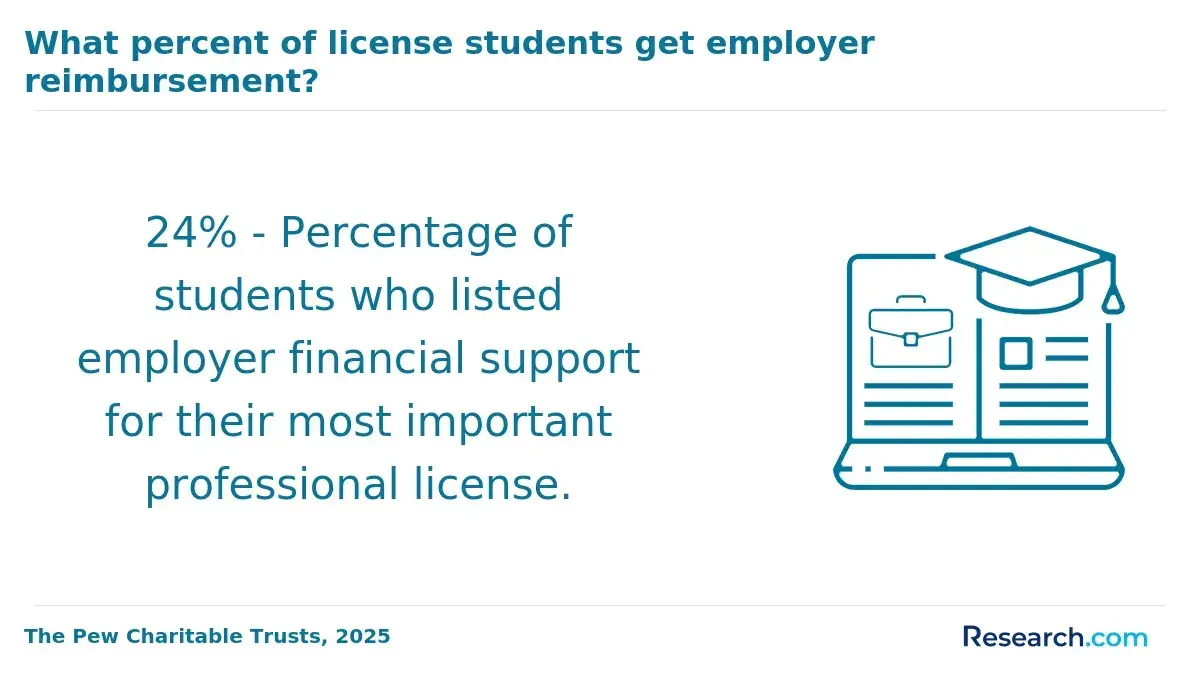
- Employer Tuition Reimbursement: Many employers offer financial support for employees advancing their education. This benefit helps working professionals offset tuition costs, typically requiring employment verification and sometimes academic progress reports.
Additionally, some private organizations distribute grants aimed at specific disciplines, including Sports Science, which might have unique eligibility related to research interests or service activities. Since one-year online Sports Science degrees are uncommon, verifying financial aid availability and deadlines with the chosen program provider is important to secure appropriate funding.
What Sports Science Graduates Say About Their Online Degree
- Ricky: "Completing the one-year online Sports Science degree was a game-changer for my career. The accelerated pace allowed me to enter the workforce much faster than traditional programs, saving me both time and the average cost of attendance. I'm now working as a performance coach and couldn't be more grateful for the practical skills I gained. "
- Shane: "Pursuing a competency-based Sports Science degree online was a deeply rewarding experience. The program's flexibility enabled me to balance studies with my personal life without feeling overwhelmed. Reflecting on my journey, the knowledge I acquired has profoundly reshaped how I approach athletic training and rehabilitation."
- Samie: "The Sports Science program was incredibly efficient, letting me complete my studies in just one year while maintaining a high-quality learning experience. The curriculum was well-structured, focusing on evidence-based practices that directly apply to the sports industry. I appreciate how this degree has strengthened both my expertise and professional confidence."
Other Things You Should Know About Pursuing One-Year Sports Science Degrees
Practical experience remains a crucial component of Sports Science education, even in online programs. Some one-year programs incorporate virtual labs, simulations, or require local internships to provide hands-on learning. Students should confirm how the program addresses experiential learning to ensure adequate skill development.
Accreditation is essential for the legitimacy and recognition of any degree program. Reputable one-year online Sports Science degrees are typically offered by accredited universities recognized by regional or national educational bodies. Checking the accreditation status ensures that employers and graduate schools will acknowledge the qualification.
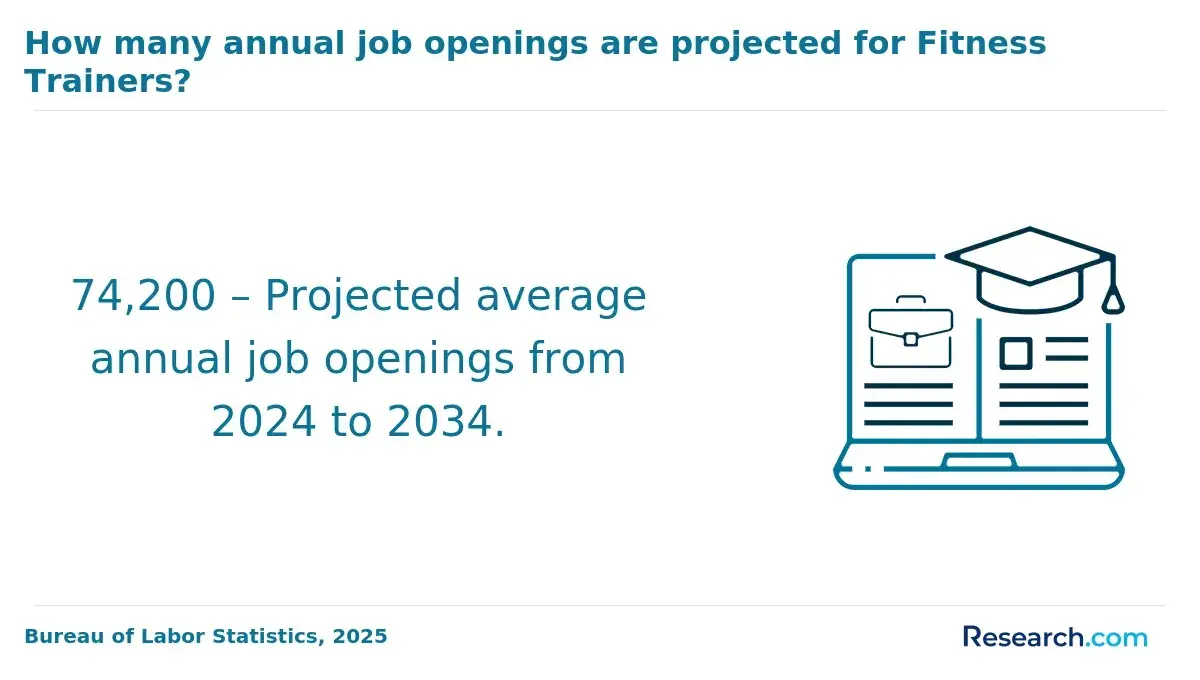
A one-year Sports Science degree can prepare graduates for roles such as fitness trainers, rehabilitation aides, or sports coaches, depending on the program's focus. While it may not qualify for advanced clinical or research positions, it provides foundational knowledge suitable for entry-level jobs in health, wellness, and athletic support fields.
References
- Is a Master’s in Exercise Science Worth It? Top 5 Reasons to Earn Your Degree https://online.uc.edu/blog/is-masters-exercise-sport-science-worth-it/
- Master's in Sports Science and Analytics (1-Year Program) https://www.linfield.edu/programs/ms-sports-science/index.html
- Pros and Cons Of an Online Sports Management Degree - Sports Management Degrees https://sportsmanagementdegrees.net/pros-and-cons-of-an-online-sports-management-degree/
- Advantages and Disadvantages of Online Courses https://www.montgomerycollege.edu/academics/mc-online/advantages-and-disadvantages-online-courses.html
- Top 15 Affordable Exercise Science Degree Online Programs https://www.sports-management-degrees.com/affordable-online-bachelors-sports-science/
- 🎒 Online Sports Science Undergraduate Tutors Spires™ | Is A Degree In Sports Science Worth It? https://spires.co/online-sports-science-tutors/undergraduate/is-a-degree-in-sports-science-worth-it
- University of Glasgow - Postgraduate study - Taught degree programmes A‑Z https://www.gla.ac.uk/postgraduate/taught/sport-exercise-science-medicine-online/
- 5 Pros and Cons for Studying a Distance Learning Degree in 2025 | Distancelearningportal https://www.distancelearningportal.com/articles/174/why-study-distance-learning-degree.html
- Types of Financial Aid for Online Colleges https://www.umassglobal.edu/blog-news/types-financial-aid-online-colleges
- Bachelor of Exercise and Sport Science https://study.csu.edu.au/courses/bachelor-exercise-sport-science


