
2027 Can You Complete an Online Business Law Degree Program While Working Full-Time?

Co-Founder and Chief Data Scientist
Working full time while earning an online business law degree is possible, but it is not a simple scheduling problem. The real question is whether the program’s pace, format, cost, technology requirements, and academic workload match the life you already have. For professionals in compliance, contracts, finance, operations, human resources, entrepreneurship, or corporate administration, business law training can strengthen decision-making and expand career options without requiring a pause from work.
The challenge is time. Nearly 40% of online adult learners in the U.S. balance employment with school, which means many programs now design courses for working students. Still, flexibility varies widely. Some programs require live attendance, intensive weekly reading, group projects, internships, or capstone work. Others are more self-paced and easier to fit around a demanding job.
This guide explains how long an online business law degree may take while working full time, which course formats are most manageable, what technology and financial aid issues to expect, and how to choose a program that supports career growth without creating an unrealistic workload.
Key Benefits of Completing an Online Business Law Degree Program While Working Full-Time
- Flexible scheduling allows students to study asynchronously, accommodating work hours while mastering contract negotiation and compliance essential in business law careers.
- Online programs often offer practical case studies, helping full-time workers immediately apply legal concepts in workplace scenarios, enhancing job performance and career growth.
- Many students report balancing work and study successfully, with 67% of online business law learners advancing job promotions during or after completing their degrees.
How Long Does It Take to Complete an Online Business Law Degree While Working Full-Time?
Most full-time professionals complete an online business law program in about 15 to 36 months, depending on the degree level, enrollment pace, transfer credits, and whether the program includes a capstone, internship, or practicum. A student who can take a heavier course load may finish faster, while someone with unpredictable work hours may need a part-time path.
For example, full-time students can often complete an online Master of Laws (LL.M.) in business law in about 12 months. Programs built for working professionals may take longer. The University of Oklahoma’s online LL.M. in International Business Law expects around 15 months because students are balancing graduate-level legal coursework with employment. Part-time students may have up to three years to complete their online studies.
What affects completion time?
- Enrollment status: Full-time enrollment usually shortens the calendar timeline but increases weekly workload. Part-time enrollment extends the timeline but is often more realistic for professionals with full workweeks, family responsibilities, or travel-heavy jobs.
- Course format: Asynchronous courses give students more control over when they study. Accelerated courses can shorten the program, but they may require 10 to 20 hours of weekly commitment, as advised by the University of Oklahoma.
- Transfer credits: Prior graduate coursework, law-related credits, or approved transfer credits may reduce the number of courses required. Policies vary by school, so students should ask for a transfer review before enrolling.
- Weekly study availability: A student who can consistently reserve evenings or weekend blocks will usually progress faster than someone who studies only when work slows down.
- Program requirements: Capstone projects, internships, practicums, legal research papers, or final portfolio requirements can add time if they must be completed around work obligations.
If speed is a priority, compare course load expectations carefully. Some one-year online master’s programs may be attractive, but an accelerated calendar is only helpful if you can realistically protect the weekly study time required.
Is an Asynchronous or Synchronous Online Business Law Program Easier for Students Working Full-Time?
For most students working full time, an asynchronous online business law program is easier to manage. Asynchronous courses let students watch lectures, review materials, complete readings, and submit assignments without attending class at a fixed time. That flexibility matters when work meetings run late, shifts change, or family obligations interrupt the week.
Synchronous programs can still work well, especially for students who want live discussion and regular structure. The trade-off is less control over your schedule. If live sessions are required during work hours or during a high-demand period in your job, the program may become difficult to sustain.
How the formats compare for working adults
- Asynchronous programs: Best for professionals with variable schedules, travel responsibilities, caregiving duties, or limited control over work hours. These programs reward self-discipline because students must keep themselves on track.
- Synchronous programs: Best for students who learn through live discussion, want immediate professor feedback, or need external accountability. These programs can feel more connected but are harder to fit around fixed work commitments.
- Hybrid online formats: Some programs combine self-paced coursework with occasional live sessions. This can offer a practical balance: flexibility most weeks, plus scheduled opportunities for discussion and networking.
Before choosing a format, ask how often live attendance is required, whether sessions are recorded, how group projects are scheduled, and whether deadlines follow your time zone. Students comparing flexible education options, including the best online programs for older adults, should look beyond the word “online” and confirm how much real-time participation the program expects.

What Time Management Strategies Help Online Business Law Students Working Full-Time?
Online business law students who work full time need a system, not just motivation. Legal coursework often involves dense reading, case analysis, writing, and careful attention to detail. Waiting for free time rarely works because work and personal obligations tend to expand into open space.
The most effective approach is to build a repeatable weekly routine with enough flexibility to absorb unexpected job demands.
- Plan the week before it starts: Block work hours, class deadlines, reading time, writing time, family commitments, and rest. A visible weekly plan makes conflicts easier to spot before they become emergencies.
- Protect high-focus study periods: Use your strongest mental hours for case reading, legal analysis, and major assignments. Save lighter tasks, such as discussion posts or citation checks, for lower-energy periods.
- Use digital calendars and task tools: Calendar alerts, deadline trackers, and shared documents help prevent missed assignments, especially when work deadlines and school deadlines overlap.
- Create buffer time before due dates: Submit work ahead of the final deadline when possible. Buffer time protects you from late meetings, family emergencies, technology problems, or unexpected travel.
- Review progress weekly: At the end of each week, check what worked, what slipped, and what needs to change. Adjust the next week’s schedule instead of trying to force an unrealistic routine.
One graduate who completed an online business law degree while working full time described adaptability as the difference between progress and frustration. Her first plan was too rigid, and unexpected job demands often disrupted it. Once she treated her schedule as a guide rather than a rule, she was able to move study blocks without abandoning them. “Accepting that some days wouldn’t go perfectly helped me avoid frustration and stay committed,” she explained. Regularly reassessing her progress helped her stay in control and finish the program without letting short-term disruptions become long-term setbacks.
What Are the Biggest Challenges Full-Time Workers Face in Online Business Law Programs?
The hardest part of earning an online business law degree while working full time is not usually the online platform. It is the sustained workload. Students must manage professional responsibilities while learning legal concepts that require careful reading, structured reasoning, and precise writing.
- Self-discipline and scheduling: Online students often have fewer external reminders than campus students. Without a routine, readings accumulate quickly and major assignments become harder to complete well.
- Limited direct interaction: Business law topics can involve nuance, competing interpretations, and practical judgment. Online students may need to be more intentional about attending office hours, joining discussion boards, or forming study groups.
- Work-life-study pressure: Full-time work, academic deadlines, and personal responsibilities can leave little room for recovery. If students do not protect rest, burnout can affect both job performance and coursework.
- Heavy reading and writing demands: Legal education often requires more than memorization. Students may need to brief cases, interpret regulations, analyze contracts, and write clearly under deadlines.
- Technology and access issues: A weak internet connection, outdated computer, or unfamiliar legal research platform can turn routine assignments into time-consuming problems.
The best way to reduce these challenges is to evaluate support before enrolling. Ask whether the program offers faculty access, writing support, legal research training, tutoring, technology help, career advising, and flexible pacing for working adults.
How Do Online Business Law Programs Handle Internships for Full-Time Workers?
Online business law programs that serve working adults usually try to make internships or experiential requirements more flexible. Not every program requires an internship, but when one is required, students should understand the time commitment before enrolling. A poorly timed internship can create serious conflicts with full-time employment.
Common approaches include:
- Flexible scheduling: Some programs allow evening, weekend, or condensed internship hours so students can meet requirements without leaving their jobs.
- Remote internships: Virtual placements can reduce commute time and make it easier for students to complete legal research, compliance support, document review, or policy-related projects from home.
- Credit for professional experience: Programs may allow students with relevant roles to use current work responsibilities toward internship credit when those responsibilities align with business law outcomes.
- Short-term or project-based experiences: Instead of a long placement, some programs use focused projects that let students demonstrate practical legal or compliance skills within a defined timeframe.
- Career services support: Advisors may help students identify placements that fit their schedules, prepare application materials, and connect academic requirements with career goals.
One student who maintained full-time employment while pursuing an online business law degree said that “the ability to complete my internship remotely was a game changer.” He valued a structure that recognized his professional experience and made the internship relevant to his job instead of treating it as an unrelated requirement. “It wasn’t just about completing hours but gaining meaningful experience that complemented my work,” he reflected.
What Technology Do You Need for an Online Business Law Degree While Working Full-Time?
Technology can determine whether an online business law program feels manageable or frustrating. Full-time workers need reliable access to coursework, research tools, video meetings, documents, and collaboration platforms without losing time to preventable technical problems.
Before classes begin, confirm the program’s minimum technology requirements and test your setup for live sessions, legal research, assignment submission, and secure document storage.
- Reliable computer: A current laptop or desktop with an updated operating system is important for running the learning management system, video conferencing tools, document software, and any legal research or case management platforms required by the program.
- Stable high-speed internet: Students need dependable internet for recorded lectures, live webinars, group meetings, exams, and research platforms such as Westlaw, LexisNexis, and Bloomberg Law.
- Legal research and case management tools: Familiarity with Westlaw, LexisNexis, Clio, and eDiscovery tools can support coursework and build practical skills used in legal, compliance, and business settings.
- Video conferencing and collaboration platforms: Zoom, Microsoft Teams, or Google Meet may be used for classes, office hours, presentations, and group work. Students should also be comfortable sharing screens, uploading files, and managing meeting links.
- Cloud storage and document sharing: Google Drive, Dropbox, or OneDrive can help students access assignments, notes, contracts, and research files from home, work, or while traveling.
Students considering longer academic pathways can also compare flexible doctoral options, including the cheapest online PhD programs, to understand how technology expectations may differ across advanced online degrees.
Can You Qualify for Financial Aid If You Study Online and Work Full-Time?
Yes, working full time does not automatically disqualify a student from financial aid. Eligibility depends on the school, program accreditation, enrollment status, financial need, citizenship, and the type of aid. The key is to confirm that the online business law program participates in the aid programs you plan to use before you enroll.
- Federal student aid: Most accredited online business law degree programs qualify for federal financial aid, including Pell Grants and federal loans. Students must complete the Free Application for Federal Student Aid (FAFSA). Eligibility depends on factors such as financial need, citizenship, and enrollment in at least half-time coursework, usually 6 credits.
- Effect of full-time income: Income from full-time employment can affect the aid package by influencing the Expected Family Contribution (EFC) on the FAFSA. Higher income may reduce need-based aid, but many students may still qualify for federal loans or non-need-based aid.
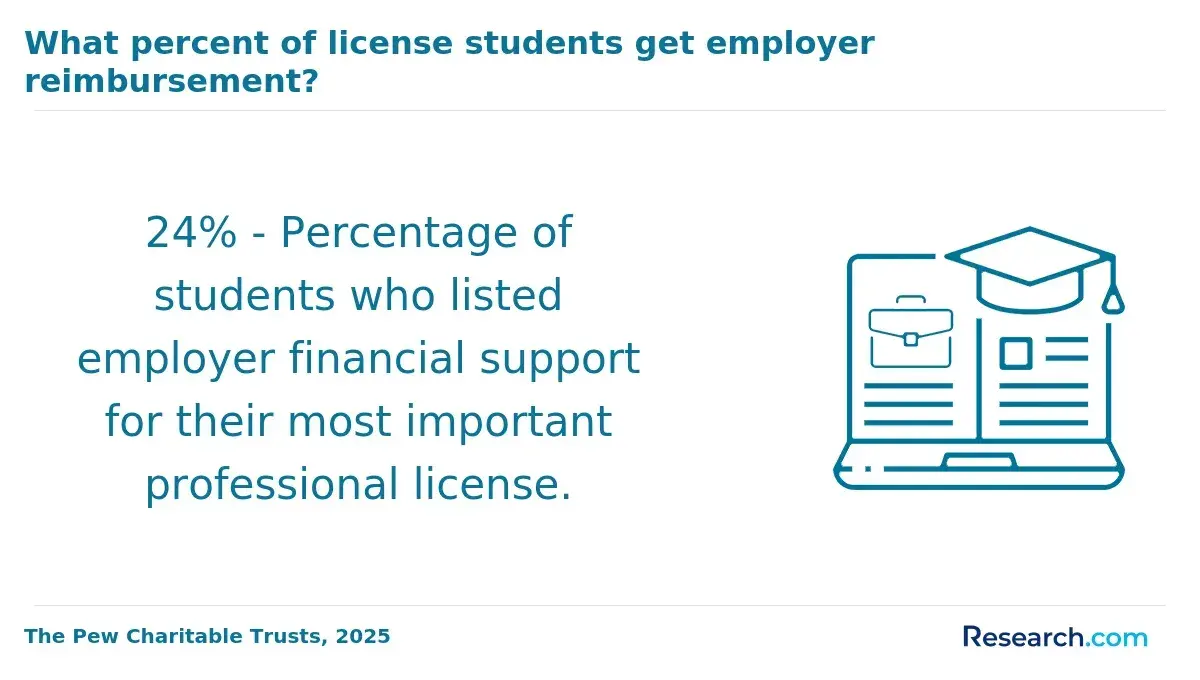
- Employer tuition assistance: Many employers offer tuition reimbursement or direct tuition support for job-related degrees. Students should ask whether the benefit applies to online programs, whether grades are required for reimbursement, and whether they must remain employed for a certain period after receiving assistance.
- Part-time enrollment: Aid often requires at least half-time enrollment, and award amounts may be prorated for students taking fewer courses. This matters for professionals who slow their course load to protect work performance.
- Scholarships and private aid: State grants, private scholarships, and school-based awards may be available for online students, working adults, or students in business and legal fields.
When comparing costs, look beyond tuition and include fees, books, technology, legal database access, and any required campus visits. Students focused on cost-conscious business education may also want to compare the most affordable online business administration degree options alongside business law programs to understand broader pricing differences. You can also review the best accredited non-profit online schools to identify institutions that combine flexible online study with financial aid resources for working professionals.
Do Employers Support Employees Pursuing Online Business Law Degrees in 2027?
Many employers support employees who pursue online business law degrees, especially when the coursework connects directly to the employee’s role. Support is more likely in fields where legal knowledge improves compliance, risk management, contracts, procurement, human resources, finance, healthcare administration, or corporate operations. However, employer support is not guaranteed and often depends on company policy, budget, job relevance, and performance expectations.
- Tuition assistance: Some employers offer tuition reimbursement or direct education funding. These benefits may be limited to accredited programs, job-related degrees, or employees who meet performance and tenure requirements.
- Flexible scheduling: Employers may allow adjusted hours, remote work days, or occasional schedule changes so employees can manage coursework, exams, or live online sessions.
- Career advancement incentives: In some workplaces, completing a business law degree can support promotion, expanded responsibilities, or movement into compliance, contract management, legal operations, or risk-related roles.
- Workload adjustments: Supportive managers may help employees plan around exam periods or major projects. This is usually informal, so students should communicate early rather than waiting until deadlines collide.
- Performance concerns: Some employers may hesitate if they believe school will interfere with productivity. Employees should be ready to explain how the degree benefits the organization and how they will manage workload expectations.
Before requesting support, prepare a brief case for your employer. Include the program name, accreditation status, cost, schedule, expected time commitment, and connection to your current or future responsibilities. Professionals comparing affordable study options can also review affordable online colleges for working adults to understand how tuition choices may affect the amount of employer support needed.
Does Completing an Online Business Law Degree While Working Full-Time Improve Your Salary?
An online business law degree can improve salary potential, but it does not guarantee a raise. The strongest outcomes usually occur when the degree aligns with an existing career path or helps a professional move into higher-value responsibilities such as compliance, contract management, risk analysis, business analysis, legal operations, or corporate governance.
Industry demand matters. Compliance managers earn about $95,290, while business analysts make around $101,190. Degree level can also affect opportunity: bachelor’s and master’s graduates generally receive higher compensation than workers with less formal education, although experience, employer policies, location, and industry remain major factors.
Accreditation and employer perception also matter. Employers are generally more receptive to online degrees from accredited institutions, but acceptance varies. A degree is more likely to help when students can show practical skills: interpreting contracts, identifying compliance risks, supporting negotiations, improving internal policies, or applying legal reasoning to business decisions.
Working while studying can be an advantage because students may apply legal concepts immediately in their jobs. That can support promotions, lateral moves into specialized roles, or stronger performance in positions that already involve contracts, regulations, vendor agreements, or risk management.
Salary outcomes still depend on the field and economic conditions. Certain roles in contract management and compliance are projected to see salary increases between 2.1% and 2.7% by 2026, reflecting continued demand for professionals who understand legal and business risk.
What Should Full-Time Workers Look for When Choosing an Online Business Law Program?
Full-time workers should choose an online business law program based on fit, not just reputation or speed. The best program is one you can complete without damaging your work performance, finances, or well-being. Before applying, compare workload, format, support services, total cost, accreditation, and career relevance.
- Flexible scheduling: Look for asynchronous classes, part-time options, recorded lectures, and reasonable deadline windows. A program with rigid live attendance may be difficult if your job schedule changes often.
- Accreditation and reputation: Confirm that the institution is properly accredited and that the credential is recognized by employers in your field. If the program relates to legal education, ask how accreditation affects career outcomes and whether it is connected to American Bar Association expectations where relevant.
- Curriculum fit: Review course options in contracts, compliance, corporate governance, employment law, business transactions, risk management, or international business law. Choose a curriculum that matches your career goal rather than a broad program with few relevant electives.
- Support for online students: Strong programs provide online library access, legal research tools, writing support, technology help, academic advising, and career services designed for remote learners.
- Transfer credit and prior learning: If you have previous coursework or relevant professional experience, ask whether it can reduce the number of required credits. This can shorten the timeline and lower cost.
- Realistic workload information: Ask admissions staff or program advisors how many hours students typically study each week, whether group projects are required, and how often live sessions occur.
- Total cost: Compare tuition, fees, books, technology costs, and any required travel. A lower tuition rate may not be the best value if the program lacks support or delays completion.
Also clarify what the degree does and does not qualify you to do. A business law degree can strengthen business, compliance, and legal-adjacent skills, but students interested in practicing law should verify licensure requirements separately before enrolling.
What Graduates Say About Completing an Online Business Law Degree While Working Full-Time
- Benny: "Balancing a full-time job and the online business law degree was challenging, but the flexible pace allowed me to learn efficiently without feeling overwhelmed. The program's affordability, especially compared to traditional institutions, made it a smart investment in my future career growth. I now feel more confident navigating legal complexities in my workplace."
- Greyson: "Pursuing my business law degree online while working full time gave me a unique opportunity to apply concepts in real-time, deepening my understanding beyond textbooks. Although the cost was a consideration, the long-term benefits to my career made every dollar worthwhile. This experience has truly reshaped how I approach professional challenges."
- Cooper: "The online business law degree fit perfectly with my busy schedule, enabling me to progress at a steady pace without sacrificing work performance. I appreciated how cost-effective the program was, especially given the comprehensive curriculum it offered. It's empowered me to make more informed legal decisions in my role, enhancing both my confidence and expertise."
Other Things You Should Know About Business Law Degrees
In 2027, online Business Law degree programs offer various support services for full-time employees, including virtual academic advising, online tutoring, and career counseling. These services are typically available beyond regular office hours to accommodate varying work schedules, ensuring students can effectively manage their studies alongside their professional commitments.
Many online business law programs incorporate discussion boards, group projects, and virtual events to facilitate networking. While not in-person, these platforms enable students to connect with classmates and faculty who share professional interests. Some schools also organize live webinars or networking sessions that accommodate working students' schedules.
Yes, online Business Law degree programs are designed with working professionals in mind, often providing flexible deadlines and asynchronous coursework. This allows full-time workers to manage their schedules more effectively while pursuing their degree.
References
- The benefits of studying online https://www.law.ac.uk/resources/blog/benefits-of-studying-online/
- Online Business Law Degree Programs | Colleges of Law https://www.collegesoflaw.edu/business-law-technology-programs/
- Can You Go to Law School Part Time? - St Francis School of Law https://stfrancislaw.com/blog/can-you-go-to-law-school-part-time/
- 4 Reasons Online Classes Can Benefit Working Adults https://online.hbs.edu/blog/post/best-online-degree-programs-for-working-adults
- Online Summer Law Internships https://www.oxfordscholastica.com/online-summer-internships/law/
- A Behind the Scenes Look at the New Online Part-Time JD Program | CWRU Newsroom | Case Western Reserve University https://case.edu/news/behind-scenes-look-new-online-part-time-jd-program
- Time Management Tips for Law Students - Law School Toolbox® https://lawschooltoolbox.com/time-management-tips-law-students/
- Top 30 Work From Home Law Internships https://internshala.com/internships/work-from-home-law-internships/
- To sync or be async? Some thoughts and questions to consider when teaching online - University Affairs https://universityaffairs.ca/career-advice/to-sync-or-be-async-some-thoughts-and-questions-to-consider-when-teaching-online/
- Types of Financial Aid for Online Colleges https://www.umassglobal.edu/blog-news/types-financial-aid-online-colleges


