2027 Can You Complete an Online Clinical Mental Health Counseling Degree Program While Working Full-Time?

Co-Founder and Chief Data Scientist
Many full-time professionals face the challenge of managing demanding work schedules, family responsibilities, and the rigorous coursework involved in an online clinical mental health counseling degree program. Studies indicate that nearly 60% of online college students in the U.S. are employed full-time, highlighting the prevalence of learners balancing education with careers. This real-world context often raises questions about time management and program feasibility.
This article examines how full-time workers can realistically pursue an online clinical mental health counseling degree, considering course pacing, flexibility, and support systems. By understanding these factors, professionals can make informed decisions about whether this educational path suits their busy lifestyles without compromising their personal or professional commitments.
Key Benefits of Completing an Online Clinical Mental Health Counseling Degree Program While Working Full-Time
- Flexible scheduling allows full-time workers to study during evenings or weekends, accommodating clinical practicum hours without disrupting job responsibilities.
- Online programs often offer asynchronous lectures, enabling learners to balance coursework with client sessions or administrative tasks common in counseling roles.
- Many programs provide virtual supervision and peer collaboration tools, supporting professional development and licensure requirements alongside a demanding work schedule.
How Long Does It Take to Complete an Online Clinical Mental Health Counseling Degree While Working Full-Time?
Completion time for an online clinical mental health counseling degree varies based on enrollment status, course format, transfer credits, work schedule, and program demands. Most students working full-time finish between 2 to 3.5 years, depending on these factors.
Key elements influencing how many years to finish clinical mental health counseling master's online while employed full-time include:
- Enrollment Status: Full-time students can complete the degree in 24 to 30 months when attending accelerated or asynchronous courses. Part-time enrollment typically extends duration to 3 to 5 years, allowing better balance with work commitments.
- Course Format: Programs offering evening classes or seven-week course blocks, like those at Colorado Christian University and the University of Oklahoma, support faster completion for working adults compared to standard pacing.
- Transfer Credits: Acceptance of 12 to 45 transfer credits can reduce total time in the program, enabling some students to bypass certain courses and finish sooner.
- Work Schedule and Weekly Study Hours: Students should anticipate around 9 hours of study per course weekly, plus approximately 20 additional hours during internship or practicum phases, which may extend total duration depending on flexibility.
- Program Requirements: Supervised clinical experience usually ranges from 100 to 700 hours. Requirements like capstones, internships, or residencies can lengthen time to completion if schedules are tight.
Understanding these factors will help students estimate their individual online clinical mental health counseling degree duration for working professionals. For those seeking quicker options, exploring alternatives such as associate degrees in 6 months online might be beneficial as part of long-term educational planning.
Is an Asynchronous or Synchronous Online Clinical Mental Health Counseling Program Easier for Students Working Full-Time?
For students working full-time, asynchronous online clinical mental health counseling programs are generally easier to manage due to their flexible scheduling. This format allows learners to access course materials and complete assignments at any time, making it possible to balance work, family, and studies more effectively. The course format can significantly impact a student's ability to juggle professional and personal responsibilities, so choosing the best online clinical mental health counseling program format for full-time workers is crucial for success.
Asynchronous programs offer flexibility, enabling professionals to review recorded lectures or participate in discussion boards during off-hours without attending live sessions. However, they require strong self-discipline to meet deadlines independently. In contrast, synchronous online programs provide scheduled live classes, fostering real-time engagement and a sense of academic community. This format is beneficial for interactive learning experiences such as live role-plays, which simulate counseling environments. Yet, synchronous classes can clash with full-time job commitments, challenging attendance consistency. Students considering these options may find more guidance by exploring easy master degrees that align with their schedules and learning styles.
What Time Management Strategies Help Online Clinical Mental Health Counseling Students Working Full-Time?
Effectively managing time is vital for online clinical mental health counseling students balancing full-time work, as it influences academic progress and personal well-being. Implementing targeted strategies can make these competing demands more manageable.
Five practical approaches include:
- Structured weekly planning: Reserve fixed study periods as mandatory commitments, carefully coordinating them with work hours and assignment deadlines to maintain consistency and reduce stress.
- Utilizing productivity tools: Digital calendars and task management apps help organize responsibilities and monitor progress, minimizing the chance of missing important coursework.
- Task segmentation: Dividing large projects into smaller, achievable goals encourages steady advancement, making heavy workloads feel less overwhelming.
- Boundary setting to limit distractions: Creating a designated study environment, silencing notifications, and communicating availability enhances focus during study times.
- Prioritizing by urgency and impact: Applying techniques like the Eisenhower Matrix directs attention to high-priority activities, preventing last-minute rushes.
One student who managed full-time employment while pursuing an online clinical mental health counseling degree shared that early on, she struggled to juggle work, family, and coursework. "I often felt exhausted and behind," she recalled. Through trial and error, she developed a personal rhythm by breaking assignments into weekly targets and using a shared digital planner to synchronize her commitments.
She emphasized how communicating boundaries at work and home allowed her uninterrupted study blocks. This structured approach not only eased her anxiety but also boosted her confidence, proving that consistent, intentional time management was key to completing her degree successfully.
Breakdown of All 2-Year Online Title IV Institutions

What Are the Biggest Challenges Full-Time Workers Face in Online Clinical Mental Health Counseling Programs?
Balancing a full-time job with the academic and practical demands of an online clinical mental health counseling degree presents a considerable challenge for many professionals. The intensity of coursework, combined with required clinical hours, often tests students' ability to maintain consistent progress. Key challenges faced by full-time workers include:
- Time management overload: Handling work responsibilities along with graduate classes and practicum commitments can lead to exhaustion or burnout. Internships often demand 10-20 hours weekly during the final year, forcing compromises such as reducing work hours or risking academic performance.
- Emotional fatigue and self-care demands: The emotionally taxing nature of counseling coursework and client interactions requires strong personal boundaries and regular self-care. Managing this alongside a full-time job can strain mental and emotional resources, impacting overall well-being.
- Financial pressure from unpaid clinical hours: Many counseling programs require extensive supervised clinical experiences that are unpaid or minimally compensated. This often leads full-time workers to face financial stress or cut paid work hours, adding pressure during an already demanding stage of their education.
How Do Online Clinical Mental Health Counseling Programs Handle Internships for Full-Time Workers?
Balancing internships with full-time employment is a common struggle for students in online clinical mental health counseling programs because internships demand a substantial time commitment and client interaction. Despite this challenge, internships are crucial for gaining supervised practical experience needed for licensure and effective counseling.
Online programs address these demands in several ways to support working professionals:
- Flexible site selection: Students often can choose internship locations near their homes, making it easier to coordinate hours with work and reduce travel time.
- Evening and weekend availability: Many programs and sites allow clinical hours during nontraditional times to accommodate those with standard daytime jobs.
- Workplace-based internships: When employed in mental health settings, students may complete hours at their jobs under separate supervision, which streamlines the process.
- Remote and telehealth options: Virtual counseling sessions, when allowed, provide scheduling flexibility and broaden client access.
- Faculty support and placement assistance: Advisors help find suitable placements, manage scheduling conflicts, and ensure all licensing requirements are fulfilled.
When asked about how his online program supported his internship while working full-time, a student shared that the ability to select a nearby site and use telehealth options was invaluable. He described initial worries about managing client hours around a demanding job but found the school's coordinators worked closely with him to create a manageable schedule. "It wasn't easy some weeks," he reflected, "but knowing I had guidance and options made the process less overwhelming and helped me stay on track for licensure." This personalized support made balancing work and the hands-on experience needed much more feasible.
What Technology Do You Need for an Online Clinical Mental Health Counseling Degree While Working Full-Time?
Having the right technology is essential for busy working students pursuing an online clinical mental health counseling degree, as it allows them to manage coursework alongside job responsibilities effectively. Reliable tools ensure smooth participation in live sessions, completion of assignments, and engagement in clinical training without technical interruptions. The following outlines the essential technology requirements for those balancing full-time work with online clinical mental health counseling studies.
- Reliable Computer or Laptop: A modern device with an updated operating system and sufficient processing power is crucial for accessing learning management systems and streaming video lectures. In clinical mental health counseling programs, this is especially important for viewing recorded skills demonstrations and participating in virtual counseling simulations that enhance applied learning.
- High-Speed Internet Connection: Fast and stable internet supports live video classes, uploading assignments, and active involvement in online discussions. Platforms like Zoom are commonly used for real-time interactions, where uninterrupted connectivity directly impacts participation in group skills practice and supervision sessions.
- Webcam and Headset: Quality webcams and noise-canceling headsets are necessary for clear communication during virtual class meetings and mock counseling interviews. These tools help maintain privacy and engagement, which are vital components during skills assessments and group supervision in clinical training.
- Learning Management System (LMS) Access: Familiarity with LMS platforms such as Desire2Learn Brightspace is essential for organizing course materials, asynchronous assignments, and communicating with instructors. Comfort navigating these systems helps working professionals track deadlines and progress efficiently in their counseling degree programs.
- Specialized Counseling Software or Virtual Simulation Tools: Some programs integrate virtual simulation technology like Mediasite for media content or role-playing platforms. These tools enable students to practice counseling techniques realistically, supporting skill development and bridging the gap between theory and clinical practice.
Working professionals exploring the cost of associate degree online options often discover the importance of investing in these technology essentials to succeed. Selecting the best laptop and internet requirements for working professionals pursuing online counseling degrees can make the difference between managing a degree program smoothly or facing avoidable setbacks.
Can You Qualify for Financial Aid If You Study Online and Work Full-Time?
Financial aid can be a vital resource for full-time professionals balancing work with online graduate studies, especially in clinical mental health counseling programs. Managing both responsibilities is complex, and securing funding often determines whether a student can begin or continue their education. Here are key factors that influence financial aid eligibility for those working full-time while studying online.
- Federal Student Aid (FAFSA): Completing the FAFSA is usually the initial step for accessing federal grants, loans, and work-study options. Even full-time employees are generally eligible if they enroll at least half-time in an accredited online program. For example, Pell Grants and Direct Loans are available to those who qualify, and many institutions require FAFSA submission before awarding institutional aid.
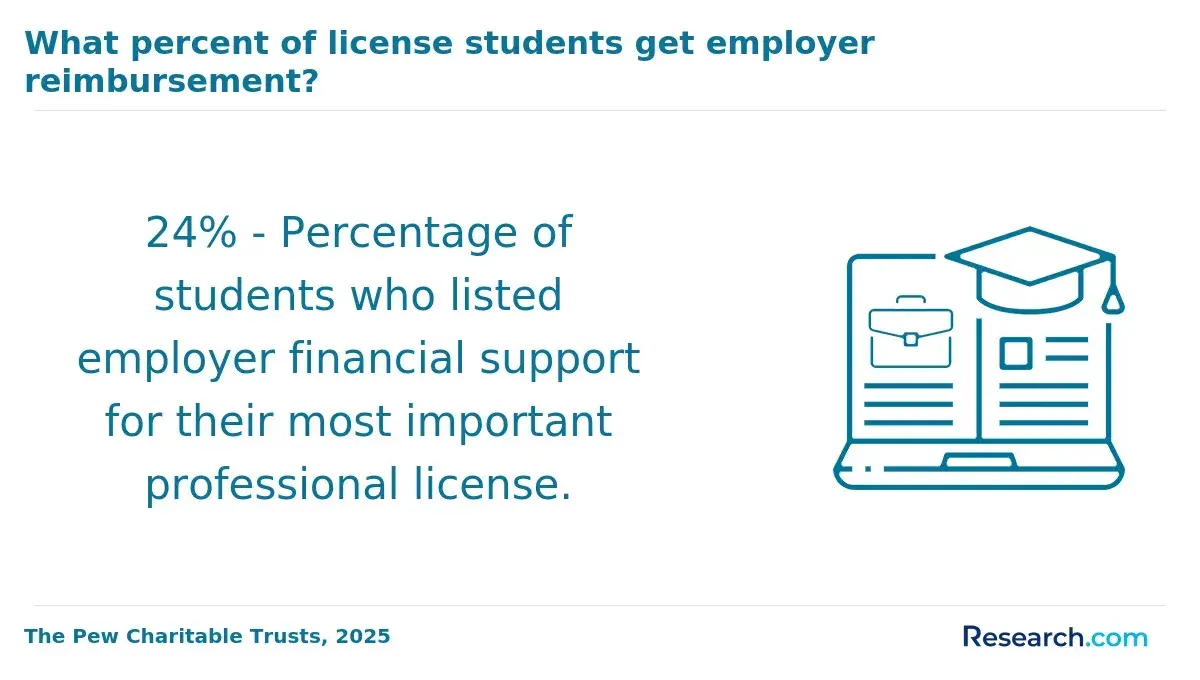
- Employer Tuition Assistance: Some employers provide tuition reimbursement or assistance for employees pursuing graduate degrees. This benefit often covers part or all tuition costs for online programs, making it important for students to check eligibility with their HR departments, especially for clinical mental health counseling programs.
- Part-Time Enrollment: Online programs frequently allow part-time study to help working students balance demands. However, some financial aid programs require at least half-time enrollment. Students should consult their school's financial aid office to understand how part-time status impacts their aid eligibility.
- Scholarships and Grants: Various scholarships cater specifically to counseling students and working adults. For instance, Angelo State University offers Distinguished Graduate Scholarships ranging from $1,500 to $2,500 annually, renewable with a minimum 3.5 GPA. Exploring such opportunities can supplement federal aid and reduce out-of-pocket costs.
- State and Institutional Aid: Aid programs from states or institutions may have unique requirements for working students. While some schools consider applicants automatically for merit-based scholarships, others need separate applications. Reviewing each program's financial aid webpage is essential to meet eligibility and deadline criteria.
For those wondering can you get student loans while working full-time, the answer is often yes, provided enrollment meets minimum criteria. Students also benefit from researching affordable accredited online colleges no application fee to reduce upfront expenses when pursuing financial aid for online clinical mental health counseling programs.
Do Employers Support Employees Pursuing Online Clinical Mental Health Counseling Degrees in 2027?
Employer support has become a vital factor for full-time professionals pursuing an online clinical mental health counseling degree, as balancing coursework and job duties requires considerable flexibility and resources. Workplace policies can greatly influence a student's ability to manage academic requirements alongside professional responsibilities, affecting their overall success. Below are key insights into how employers typically support-or hesitate to support-employees enrolled in these programs.
- Tuition Assistance: Many employers offer partial or full tuition reimbursement for employees pursuing clinical mental health counseling degrees. This financial support reduces debt burdens and encourages staff development through further education.
- Flexible Scheduling: Organizations may provide shift adjustments, remote work options, or reduced hours to accommodate class attendance and clinical practicum requirements. Such workplace flexibility for working professionals in online counseling programs is crucial to help students meet in-person training demands.
- Career Advancement Incentives: Some employers guarantee promotions or salary increases upon earning advanced credentials. These incentives align personal growth with organizational needs and motivate employees to complete their degrees amid counselor shortages.
- Mentoring and Clinical Placement Support: In healthcare and social service settings, employers may assist with securing practicum or internship placements and offer supervision. This hands-on support is essential for gaining licensure-required clinical experience.
- Performance Concerns and Limited Support: A portion of employers hesitate to provide extensive support due to fears of reduced productivity or scheduling conflicts. Policies restricting time off or limiting flexibility can increase stress and delay graduation for working students.
Demand for clinical mental health counselors remains high, with workforce needs growing steadily. For professionals exploring alternative career pathways, trade school careers that pay well may also be worth considering if employer support for counseling degrees is limited.
Does Completing an Online Clinical Mental Health Counseling Degree While Working Full-Time Improve Your Salary?
The job outlook for clinical mental health counselors remains strong, with projected growth around 17 to 19 percent through 2033. Holding a master's degree in clinical mental health counseling significantly affects salary potential, typically ranging from $53,710 to $68,730, depending on specialization and work setting. Employer attitudes toward online degrees have improved, particularly for accredited programs tailored to working professionals, enhancing graduates' marketability. Additionally, combining this degree with relevant professional experience often leads to leadership opportunities and increased earning capacity within the mental health sector.
Continuing full-time employment while studying online offers notable benefits. Employers tend to value staff who pursue further education alongside their current roles, which can boost chances for promotions and greater job security. Applying new skills immediately in the workplace strengthens a candidate's profile for advanced clinical or supervisory positions. However, financial outcomes differ based on industry, organizational policies, geographic location, and wider economic factors. Since not all employers provide tuition reimbursement or raises after degree completion, it is crucial to investigate specific workplace programs and local job market conditions before committing to an online clinical mental health counseling program.
What Should Full-Time Workers Look for When Choosing an Online Clinical Mental Health Counseling Program?
Choosing the right online clinical mental health counseling program is crucial for full-time workers, as balancing demanding coursework with work and family life requires a program tailored to their needs. A flexible and well-supported program structure can greatly influence their ability to finish without compromising work performance or personal well-being. Consider these essential factors when making your selection:
- Flexible Course Delivery: Opt for programs featuring asynchronous classes or multiple yearly start dates. This flexibility enables you to work around unpredictable job schedules and complete assignments at convenient times.
- Field Experience Coordination: Verify that practicum and internship requirements, usually totaling 600-700 hours, can be arranged near your location with options suitable for working adults, such as evenings or weekends.
- Accreditation and Licensure Alignment: Ensure the program has CACREP accreditation and aligns with your state's licensure requirements to qualify for exams like the National Counselor Examination.
- Student Support Services: Look for programs offering strong academic advising, technical assistance, and career counseling accessible outside normal business hours to support your unique schedule.
- Workload and Pacing Options: Assess the expected weekly study hours and choose programs that provide part-time or extended timelines to prevent overload during busy work periods.
What Graduates Say About Completing an Online Clinical Mental Health Counseling Degree While Working Full-Time
- Joshua: "As someone working full-time, I valued the structured approach of the online clinical mental health counseling program, which respected my time while pushing me to excel. The cost was competitive compared to traditional programs, and it has opened doors for career advancement I hadn't imagined before. This experience has truly transformed both my outlook and my opportunities. "
- Tripp: "The online clinical mental health counseling program fit seamlessly into my busy schedule as a working professional. The coursework was rigorous yet manageable, and I appreciated how it encouraged self-reflection alongside academic knowledge. Investing in this degree was a big decision given the cost, but the personal and professional insights I've gained are invaluable. "
- Bryson: "Balancing a full-time job while pursuing my online clinical mental health counseling degree was challenging but incredibly rewarding. The flexible pacing allowed me to learn at my own speed, making it possible to absorb complex topics without feeling overwhelmed. Considering the average cost was quite reasonable, I feel this degree has been a worthwhile investment in my career growth. "
Other Things You Should Know About Clinical Mental Health Counseling Degrees
Yes, full-time workers can balance practicum and coursework, but it requires careful scheduling and cooperation with program advisors. Many online clinical mental health counseling programs offer flexible practicum placements, including evenings or weekends, to accommodate work commitments. Students need to plan early and communicate their availability to secure suitable clinical hours.
Yes, many online programs provide support services tailored to working students, including academic advising, career counseling, and technical assistance. Some programs also offer virtual tutoring and peer networking opportunities to help students manage their workload and stay engaged. These services enhance the overall experience by addressing challenges related to balancing work and study.
Engaging in group discussions and networking can be challenging for full-time workers in 2027. Online platforms offer flexibility, but managing time zones and schedules may require strategic planning and prioritization to ensure active participation while maintaining employment responsibilities. Networking opportunities may also need to be pursued proactively outside typical business hours.
References
- Clinical Mental Health Counseling, MS https://www.nec.edu/programs/clinical-mental-health-counseling-m-s
- Online Master’s in Clinical Mental Health Counseling Degree Program | Capella University https://www.capella.edu/online-counseling-degrees/ms-clinical-mental-health-counseling-program/
- 7 Mistakes to Avoid When Enrolling in an Online Master's Degree in Counseling Program https://www.counselingpsychology.org/mistakes-masters-counseling/
- 6 Benefits of an Online Counseling MS | University of Bridgeport https://www.bridgeport.edu/news/benefits-of-online-counseling-ms/
- Five reasons to pursue a master's degree in counseling online | Bradley University Online https://onlinedegrees.bradley.edu/blog/online-career-counseling-degree
- M.A. Clinical Mental Health Counseling | CMHC Online Program https://www.thechicagoschool.edu/programs/counseling/clinical-mental-health-counseling/ma-online/
- Tips for Graduate Students in Counseling Programs https://online.felician.edu/blog/tips/for-graduate-students
- Clinical Mental Health Counseling, MA (Online) https://programs.tcnj.edu/graduate/clinical-mental-health-counseling-ma-online
- The Crucial Role of Time Management in College Mental Health https://www.psychologytoday.com/us/blog/college-mental-health/202510/the-crucial-role-of-time-management-in-college-mental-health
- Online MSED[br] Clinical Mental Health Counseling https://online.sbu.edu/programs/master/msed/clinical-mental-health-counseling