
2027 Can You Complete an Online Journalism Degree Program While Working Full-Time?

Co-Founder and Chief Data Scientist
Full-time professionals often find themselves stretched thin, balancing demanding work hours, family responsibilities, and the rigorous coursework of an online journalism degree. According to recent data, nearly 40% of U.S. undergraduate online students are working adults, highlighting the growing trend of learners pursuing degrees alongside their careers.
This article aims to help busy professionals assess whether an online journalism program fits their lifestyle, offering insights into time management, course structure, and program flexibility specifically designed for working students.
Key Benefits of Completing an Online Journalism Degree Program While Working Full-Time
- Flexible scheduling allows full-time workers to balance coursework and job duties, essential in journalism where deadlines and variable shifts often occur.
- Access to digital resources supports efficient research and writing anytime, crucial for journalists needing timely information and story development.
- Networking opportunities through online forums connect students with industry professionals, helping working journalists gain insights and career advancement.
How Long Does It Take to Complete an Online Journalism Degree While Working Full-Time?
The time it takes to complete an online journalism degree while working full-time varies widely based on individual circumstances. Several factors influence how quickly students can finish their programs, making understanding these essential for planning.
Key factors affecting the online journalism degree program duration for working professionals include:
- Enrollment Status: Part-time enrollment is common among working professionals, usually involving two to three courses per semester, which extends bachelor's degree completion from the typical four years full-time to closer to five years.
- Course Format: Programs offering asynchronous, self-paced courses provide flexibility around work schedules. Accelerated formats can shorten completion time but require a greater weekly time commitment.
- Transfer Credits: Prior academic credits can significantly reduce the time needed to graduate. For example, transferring 60 credits at some universities can halve both the duration and cost of completing the degree.
- Work Schedule & Study Hours: Balancing 10-20 weekly study hours alongside full-time employment is typical for part-time students, directly impacting their progress and pacing.
- Program Requirements: Elements like capstone projects, internships, and practicum placements often extend the timeline, especially when done concurrently with professional work obligations.
Because of these variables, students aiming to complete an online journalism degree while working full-time can benefit from exploring accelerated online degree completion programs for working adults, which may offer more efficient pathways to graduation.
Is an Asynchronous or Synchronous Online Journalism Program Easier for Students Working Full-Time?
For students working full-time, an asynchronous online journalism program is generally easier to manage than synchronous options. This format allows learners to access lectures, assignments, and discussions anytime, providing much-needed flexibility to coordinate coursework with unpredictable work shifts and personal responsibilities.
Course format significantly impacts full-time students' ability to balance professional duties, family life, and education, making asynchronous programs better suited for those juggling multiple demands. Considering available options helps students find the right fit for their schedules and goals.
Synchronous vs asynchronous online journalism programs for full-time workers differ mainly in structure and flexibility. Synchronous programs require logging in at specific times for live lectures and real-time interactions, fostering community and immediate feedback but challenging time management for journalists on irregular schedules.
In contrast, asynchronous online journalism degree for working professionals offers access to materials at any hour, ideal for late-night assignments or breaking news coverage. While synchronous formats encourage accountability and engagement, asynchronous courses better support those balancing full-time employment with education. For more insights on program choices, explore what's the easiest online degree to get.
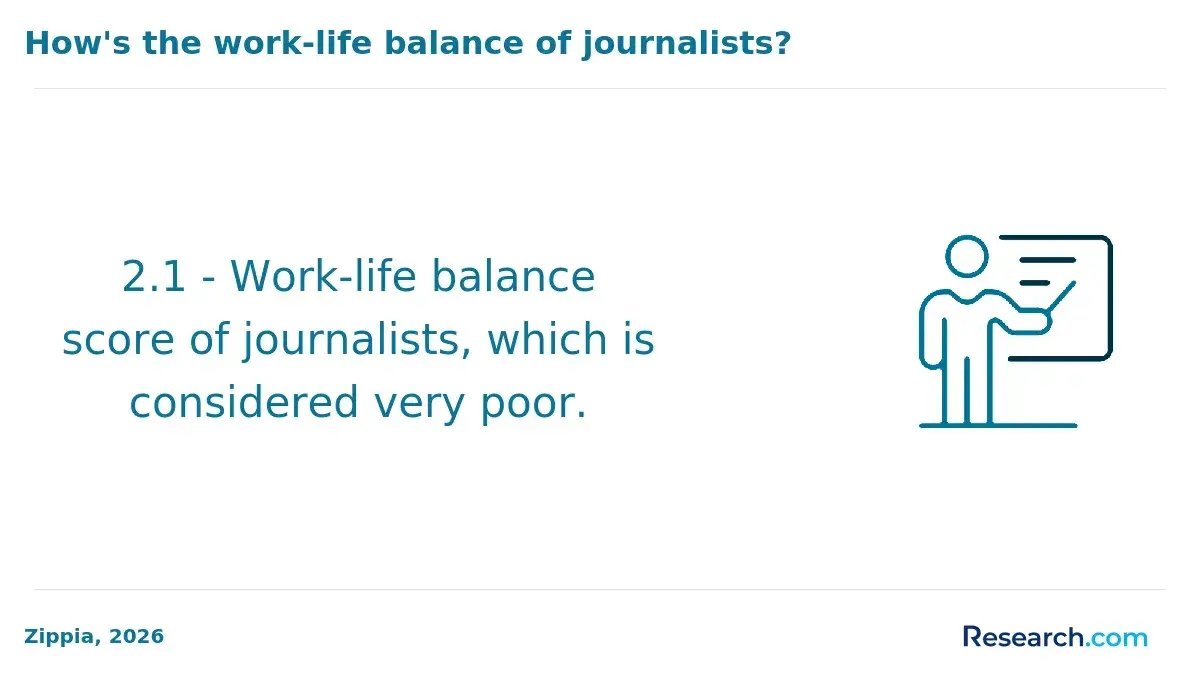
What Time Management Strategies Help Online Journalism Students Working Full-Time?
Balancing full-time work and an online journalism degree demands strong time management to prevent feeling overwhelmed and to stay on top of coursework. The following strategies help students maintain focus and meet their academic and professional goals.
- Create a detailed weekly schedule: Use a digital calendar to organize assignments, work hours, and personal tasks. Consistently updating this plan helps avoid last-minute cramming and missed deadlines.
- Prioritize key tasks: Each day, identify the most important academic and job-related responsibilities. Tackling urgent or difficult tasks first sustains momentum and reduces stress.
- Use productivity techniques like the Pomodoro Method: Study in short, focused bursts (e.g., 25 minutes) with breaks to improve concentration and prevent burnout during long work-study days.
- Minimize distractions: Silence notifications and limit social media to create a quiet study environment. Tools that block distracting sites can support sustained focus.
- Break large projects into smaller steps: Dividing assignments into manageable pieces with mini deadlines makes progress clear and decreases procrastination.
What Are the Biggest Challenges Full-Time Workers Face in Online Journalism Programs?
Balancing the demands of a full-time job with the academic workload of an online journalism degree can be overwhelming for many professionals. The intense schedule creates hurdles that affect both work performance and academic success. Key challenges faced by these students include:
- Time Management Pressures: Managing a full-time job alongside coursework leaves limited hours for research, assignments, and engaging in online classes. Journalism's fast-paced nature and strict deadlines require sustained creativity and quick turnaround, which can be difficult for those working long hours.
- Burnout and Emotional Fatigue: Constantly meeting expectations at work and school often leads to emotional exhaustion. This state of burnout reduces motivation and the ability to maintain the quality of academic and professional output over time.
- Limited Access to Experiential Learning: Practical experiences such as internships and multimedia projects are essential for journalism skill-building. Full-time work schedules can restrict participation in these hands-on opportunities, limiting vital career development and networking.
How Do Online Journalism Programs Handle Internships for Full-Time Workers?
Balancing a full-time job with internship demands can be difficult, as hands-on hours often conflict with work schedules. Still, internships are vital for online journalism students to gain practical experience and improve their competitiveness in the job market. To support working professionals, many online programs offer adaptable internship options including the following:
- Remote and Virtual Internships: Students frequently have the option to complete internships remotely, allowing them to fulfill requirements without disrupting their current employment or relocating. This approach suits those with inflexible schedules or geographic limits.
- Flexible Scheduling: Programs often focus on total internship hours, permitting students to spread them out weekly or concentrate them into shorter, intense periods. This lets learners fit internships around varied availability.
- Credit for Relevant Work Experience: Some institutions recognize existing journalism-related jobs as internship credit if the work aligns with academic standards and is supervised. This path benefits professionals already active in media roles.
- Extended Completion Windows: Internship deadlines can be extended or customized, enabling students to complete hours during evenings, weekends, or multiple terms, accommodating diverse work shifts and duties.
- Career Services and Placement Support: Dedicated offices help connect students with employers offering flexible or remote internships tailored to working schedules, easing the search for suitable opportunities.
What Technology Do You Need for an Online Journalism Degree While Working Full-Time?
For full-time professionals pursuing an online journalism degree, having the right technology is essential to manage coursework alongside job responsibilities effectively. Proper tools enable smooth participation in virtual classes, timely completion of multimedia assignments, and clear communication with instructors and peers.
Below are the key technology requirements that support working students in this demanding balance.
- Reliable Computer or Laptop: A modern device with at least 8GB of RAM and updated operating systems is the best laptop for online journalism degree students. It is crucial for running multimedia editing software, accessing course platforms, and handling large files typical in journalism programs.
- High-Speed Internet Connection: Fast and stable internet ensures uninterrupted streaming of lectures, smooth uploading of media projects, and active participation in live discussions. This connectivity is vital for professionals who need to integrate study within their busy schedules.
- Professional Multimedia Tools: Access to quality digital cameras, external microphones, and industry-standard editing software like Adobe Creative Cloud is often required. These tools help students complete practical assignments such as news packages and podcasts, honing skills used both academically and professionally.
- Collaboration and Communication Platforms: Familiarity with Zoom, Slack, Google Workspace, and learning management systems like Canvas or Blackboard enhances virtual engagement. These platforms facilitate interviews, file sharing, and instructor feedback, reflecting real newsroom workflows.
- Cloud Storage and Backup Solutions: Services such as Google Drive, Dropbox, or OneDrive provide secure, accessible storage for coursework drafts, multimedia files, and portfolios. Cloud storage offers flexibility for working students who must access materials across devices during unpredictable work hours.
Understanding the best majors to make money can help align career goals with education choices. Additionally, knowing the required software for online journalism students ensures preparedness to meet academic demands and industry standards effectively.
Can You Qualify for Financial Aid If You Study Online and Work Full-Time?
Financial aid is a crucial consideration for full-time professionals pursuing an online journalism degree, as tuition and living expenses can strain even well-planned budgets. Balancing work and study means flexible financial support can be the deciding factor in enrolling versus postponing a degree.
Here are key considerations for full-time workers seeking financial aid while studying journalism online.
- Federal Financial Aid (FAFSA): Full-time employment does not disqualify students from federal financial aid. Most accredited programs require submission of the Free Application for Federal Student Aid (FAFSA), which bases eligibility on financial need, enrollment status, and citizenship, not job status. For example, Colorado State University Online mandates FAFSA completion for aid consideration. This shows that you can get FAFSA if you work full-time while enrolled in journalism.
- Employer Tuition Assistance: Many employers offer tuition reimbursement or assistance to employees, especially when the degree aligns with current job responsibilities. A communications specialist working full-time might qualify for such benefits when pursuing an online journalism degree, helping to offset various costs.
- Scholarships for Working Students: Numerous scholarships target both traditional and non-traditional students, including those balancing careers and study. Foundations like the Radio Television Digital News Foundation and the National Press Photographers Foundation award scholarships without requiring full-time study status.
- Part-Time vs. Full-Time Enrollment: Some financial aid options, particularly federal loans or select scholarships, require students to maintain at least half-time enrollment. Full-time workers opting for part-time study should consult their school's financial aid office to confirm eligibility based on course load.
- Graduate Program Aid: Graduate students in online journalism programs, such as Emerson College, are often automatically considered for scholarships upon acceptance. Award amounts and eligibility may vary with enrollment status, and up to 80% of accepted students can receive aid regardless of employment.
Choosing a non profit accredited online university can further enhance opportunities for financial aid and flexible study options, making it feasible for full-time professionals to advance their journalism careers without sacrificing income stability.
Do Employers Support Employees Pursuing Online Journalism Degrees in 2027?
Employer support has become a crucial factor for full-time professionals considering an online journalism degree, as balancing work and study demands effective workplace policies. Such policies can either enable or hinder a student's ability to manage academic deadlines alongside job responsibilities. Understanding typical employer responses to employees pursuing online journalism degrees offers insight into the landscape of support and potential challenges.
Here are key ways employers impact this pursuit:
- Tuition Reimbursement: Many companies provide tuition assistance or reimbursement, especially when the degree aligns with the employee's current role or career path. This financial benefit reduces educational costs and incentivizes skill growth, encouraging workers to complete their online journalism degree.
- Flexible Scheduling: Employers often offer adjusted work hours or remote work options to accommodate online class attendance and assignment deadlines. Flexibility is vital for journalism students who may need to join live webinars or collaborate on projects outside regular hours.
- Career Advancement Incentives: Promotions, pay raises, or leadership opportunities are sometimes linked to earning further qualifications. This motivates professionals to pursue online journalism degrees while staying engaged with their organizations, addressing the question of do companies pay for online journalism degree advancement.
- Access to Professional Networks: Supportive employers connect employees with industry mentors or media contacts, enhancing practical learning and opening doors to freelance or story opportunities. Networking is especially significant in journalism careers for developing sources and experience.
- Performance Concerns: Some employers hesitate due to fears that academic commitments might reduce job performance. This can lead to restricted time-off approvals or insufficient recognition of educational achievements, making it tougher for employees to juggle work and study effectively.
Employer support-whether through tuition aid, flexible policies, or career rewards-greatly influences the ability to succeed in an online journalism program while working full-time. For those eyeing fields with high earning potential, exploring options like the highest paid trades can also inform long-term career decisions.
Does Completing an Online Journalism Degree While Working Full-Time Improve Your Salary?
Completing an online journalism degree can impact salary, but several factors shape outcomes. Industry demand is declining, with newsroom jobs shrinking since 2008 and expected to drop further. Degree level influences earnings: bachelor's graduates in related fields earn a median of $39,700 three years after graduation, while those with master's degrees see higher median earnings near $49,300.
Employer attitudes toward online degrees have improved, especially when programs come from reputable institutions with strong graduation and job placement rates. Additionally, relevant work experience plays a crucial role, as employers prioritize practical skills and familiarity with newsroom environments.
Continuing full-time work while studying offers distinct benefits. It increases the chance of promotion through immediate application of new skills, enhances job security by retaining seniority, and allows for skill use that can improve competitiveness for raises or lateral moves.
However, salary improvements vary widely depending on the chosen journalism field, employer policies, and broader economic trends. Some graduates, like those from ASU's online program, report salaries in the top quartile, but others see more modest gains. Choosing the right program and career path remains key to maximizing financial returns.
What Should Full-Time Workers Look for When Choosing an Online Journalism Program?
For full-time workers, selecting the right online journalism program is critical because the program's design profoundly influences their ability to juggle professional, academic, and personal responsibilities. A well-suited program increases the chances of staying engaged and completing the degree despite a busy schedule. Key aspects to consider include:
- Flexible Course Delivery: Programs offering asynchronous classes or a blend of live and pre-recorded content let students study at their convenience, making it easier to balance work demands and learning.
- Support Services for Working Students: Access to academic advising, career counseling, and technical help tailored for online learners ensures full-time workers receive necessary guidance and assistance.
- Applied Learning and Portfolio Development: Hands-on projects and digital storytelling opportunities help students build practical skills and professional portfolios, crucial for standing out in journalism careers.
- Accreditation and Reputation: Accredited programs meet industry standards, increasing degree credibility and eligibility for financial aid.
- Affordable Tuition and Financial Aid: Understanding tuition costs and available scholarships helps prevent financial surprises and supports sustainable course completion.
What Graduates Say About Completing an Online Journalism Degree While Working Full-Time
- Nyron: "Balancing a full-time job while pursuing an online journalism degree was challenging, but the flexible learning pace made it manageable. The program's practical approach helped me immediately improve my writing and reporting skills at work. Considering the reasonable tuition fees compared to traditional programs, it was a worthwhile investment. "
- Jen: "The online journalism degree offered a reflective journey that connected theory with real-world application, which I could integrate gradually due to my busy work schedule. It deepened my understanding of media ethics and storytelling, enhancing both my confidence and professional outlook. The affordability was a key factor that let me pursue my passion without financial stress. "
- Leslie: "As a working professional, the structure of the online journalism degree allowed me to maintain productivity at my job while advancing my education. The coursework was rigorous but rewarding, directly influencing my career trajectory and opening new opportunities. Factoring in the overall cost, it proved to be an efficient way to upskill without the high expenses of on-campus alternatives. "
Other Things You Should Know About Journalism Degrees
Online journalism students in 2027 can balance full-time work and group projects by leveraging flexible study schedules and digital collaboration tools. Many programs offer asynchronous coursework and tools like video conferencing to facilitate effective participation outside traditional hours.
Yes, students working full-time can build a professional portfolio during an online journalism degree by completing writing assignments, multimedia projects, and internships offered in flexible formats. Many programs encourage students to publish their work on online platforms or contribute to student-run publications, which helps showcase their skills to potential employers.
References
- Effective Time-Management: 4 Tricks For Journos - The Writers College https://www.thewriterscollege.com/effective-time-management-4-tricks-for-journos/
- Pressure on online journalists challenges job engagement - Nordic Labour Journal https://www.nordiclabourjournal.org/pressure-on-online-journalists-challenges-job-engagement/
- Guide to Employers Who Subsidize Online Education https://www.onlineeducation.com/features/employers-who-subsidize-higher-ed
- Online journalism degrees: What you need to know https://journalism.uiowa.edu/explore/online-journalism-degrees
- Ethical Challenges of Digital Journalism and Digital Marketing https://onlinemasters.jou.ufl.edu/digital-journalism-digital-marketing-ethical-challenges/
- Benefit of Earning a Online Degree While Working Full-Time https://amityonline.com/blog/advantages-earning-degree-while-working-full-time
- Effective Time Management for Journalists - The Writers' College Times https://www.writerscollegeblog.com/effective-time-management-for-journalists-by-namrata-nanda/
- From Newsrooms to Boardrooms: 10 High-Impact Jobs You Can Land With a Journalism Degree https://www.ucumberlands.edu/blog/high-impact-jobs-with-a-journalism-degree


