
2027 Can You Complete an Online Legal Services Degree Program While Working Full-Time?

Co-Founder and Chief Data Scientist
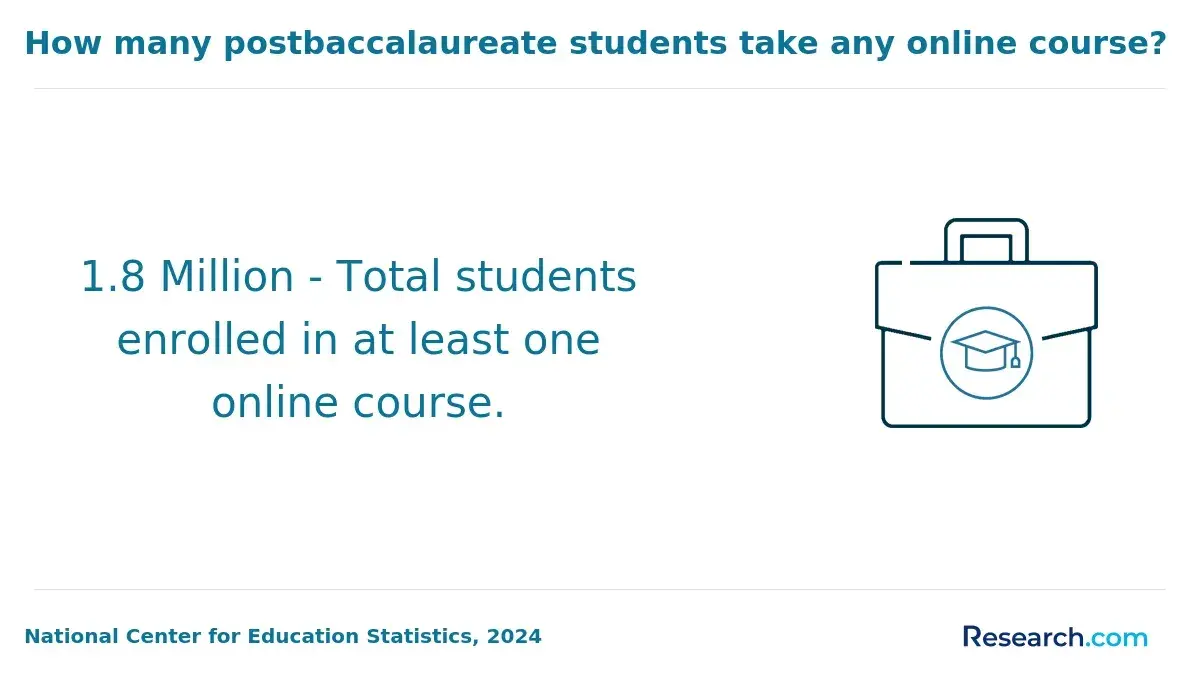
Working full-time while pursuing an online legal services degree can feel overwhelming. Many professionals struggle to meet the demanding workloads of their jobs alongside family responsibilities and academic requirements. According to recent data, nearly 40% of online adult learners in the U.S. are simultaneously juggling employment and education, highlighting the common challenge of managing these competing priorities effectively.
This article provides practical guidance to help full-time employees assess whether an online legal services program fits their lifestyle. Drawing on research specific to the legal services field, it explores time management strategies and realistic expectations, assisting readers in making informed decisions about balancing work and study commitments.
Key Benefits of Completing an Online Legal Services Degree Program While Working Full-Time
- Flexible scheduling allows full-time workers to study evenings or weekends, accommodating job hours without sacrificing education quality, critical for mastering legal research and document preparation.
- Online coursework reduces commuting, saving time and lowering stress, enabling professionals to apply real-world legal office scenarios immediately to their studies.
- Access to digital resources and virtual support facilitates continuous learning and networking, essential for keeping pace with legal technology and regulations while working.
How Long Does It Take to Complete an Online Legal Services Degree While Working Full-Time?
The average time to complete an online legal services degree while working full-time varies due to several important factors. Completion times can range significantly depending on enrollment status, course format, and individual circumstances.
Key factors that influence how long it takes to finish a legal studies degree online as a working professional include:
- Enrollment Status: Part-time students balancing full-time work often take 1-2 years longer than full-time students. For example, bachelor's programs may average 2.3 years for full-time students but 3 to 4 years for part-time learners.
- Course Format: Asynchronous courses provide the flexibility to study around work shifts, which is ideal for working professionals. Accelerated courses can shorten program length but require a heavier weekly workload, which may be challenging for those employed full-time.
- Prior Academic Credits: Transfer credits or credit for previous professional experience can reduce completion time by up to a year, making it easier to finish faster despite working full-time.
- Work Schedule and Study Hours: Most programs recommend 15-25 study hours weekly for part-time students. Full-time workers often need to extend their studies over additional terms to manage both work and coursework effectively.
- Program Requirements: Certain capstone projects, internships, or practicums may add to the timeline, especially if they require daytime participation or in-person attendance, which can be difficult to arrange alongside full-time employment.
Ultimately, those asking "average time to complete an online Legal Services degree while working full-time" should plan for up to four years for bachelor's degrees and 2-3 years for master's programs. For those exploring options, some associate online degrees in 6 months may offer alternative pathways to enter the field more quickly.
Is an Asynchronous or Synchronous Online Legal Services Program Easier for Students Working Full-Time?
For students working full-time, asynchronous online legal studies programs for working professionals are generally easier to manage because they offer greater flexibility. This format allows students to complete coursework on their own schedule, which is crucial for balancing professional and personal responsibilities. The flexibility in online legal degree programs while maintaining full-time employment makes it possible to fit classes around varying work shifts and unexpected obligations, reducing stress and improving completion rates.
Asynchronous programs let legal services students watch lectures, participate in discussions, and submit assignments at any time, ideal for those with unpredictable work hours. In contrast, synchronous programs require attendance at live sessions, providing real-time interaction and immediate feedback but demanding a more rigid schedule.
For example, a paralegal can watch recorded class materials in the evening, while a legal assistant working late might find it difficult to join live sessions during the day. Although synchronous learning fosters networking and engagement, it often limits flexibility for full-time professionals. To explore more about flexible degree options, see this easiest bachelor degree.
What Time Management Strategies Help Online Legal Services Students Working Full-Time?
Balancing a full-time job with online legal services coursework requires strong time management to avoid burnout and ensure steady progress. Effective strategies can help students meet deadlines and manage their responsibilities efficiently.
Here are five proven techniques:
- Prioritize with the ABC method: Rank tasks daily or weekly as A (urgent and important), B (important but less urgent), or C (low priority). Focus on completing A tasks first to reduce last-minute pressure.
- Break projects into smaller steps: Splitting large assignments into manageable parts with short-term deadlines keeps momentum and lowers the chance of procrastination.
- Use productivity tools: Digital calendars, apps like Trello or Asana, and time trackers help organize study sessions around work hours and deadlines.
- Minimize distractions: Silence notifications, create a quiet space, and dedicate focused time blocks to maximize concentration and reduce errors.
- Regularly review and adjust plans: At week's end, assess progress, update schedules, and tweak strategies for more effective time use.
When asked about her experience, a student balancing full-time employment with an online legal services degree shared that her biggest challenge was finding consistent study time amid irregular work shifts. She developed a habit of reviewing her calendar every Sunday evening to plan study blocks carefully. "It wasn't easy at first," she recalled, "but having a clear plan made even hectic weeks manageable." Reflecting on her journey, she said, "Breaking tasks down and using apps to track deadlines kept me accountable and less overwhelmed." This structured approach built her confidence and helped her excel despite demanding work hours.
What Are the Biggest Challenges Full-Time Workers Face in Online Legal Services Programs?
Balancing a full-time job with the demands of an online legal services degree presents significant challenges for many working professionals. The rigorous coursework combined with work obligations can quickly cause stress and impact performance. Key difficulties often arise that affect the success and well-being of students in these programs:
- Time management strain: Juggling full-time employment with the heavy reading, research, and assignments necessary for legal services courses often overwhelms even the most organized students. The need to meet deadlines and participate in real-time discussions intensifies scheduling conflicts, increasing the risk of falling behind.
- Isolation and reduced collaboration: The asynchronous, remote nature of many online legal services programs can lead to feelings of disconnection. Lack of peer interaction and mentorship opportunities limits networking and hampers the development of practical skills critical for legal work.
- Difficulty maintaining work-life boundaries: Working and studying within the same environment blurs the distinction between professional, academic, and personal time. This constant overlap raises the risk of burnout and can negatively affect mental health and academic achievement.
How Do Online Legal Services Programs Handle Internships for Full-Time Workers?
Balancing the demands of a full-time job alongside a required internship can be tough for students in online legal services programs, as many internships traditionally expect daytime availability and in-person attendance. Yet, practical experience through internships is critical to prepare graduates for real-world legal work. To address this, programs have adopted flexible solutions, such as:
- Remote and Virtual Internships: Students can complete internships remotely, engaging in tasks like legal research and document preparation from home. This flexibility helps those working full-time incorporate practical experience without disrupting their schedules.
- Flexible Scheduling: Internships often offer evening, weekend, or part-time hours, recognizing that full-time workers may only be free during non-business hours. Some programs also allow internships to be spread over several months to ease weekly time demands.
- Credit for Current Legal Employment: Students already working in legal roles may receive internship credit by applying their paid job duties toward program requirements, reducing the need for extra unpaid work.
- Assistance with Placement Matching: Dedicated staff help students find internships that fit their work commitments, ensuring placements are manageable and educationally relevant.
- Reduced or Split Hour Requirements: Internships hours can be divided across multiple terms or lowered for those with significant jobs, making extensive hour requirements less overwhelming.
When asked how online legal services programs handle internships for full-time workers, one student shared that juggling work and internship hours initially felt daunting. "My program arranged a virtual internship that allowed me to work on legal analysis cases from home during weekends," he said. The option to stagger hours over the academic year made the experience less stressful and more compatible with his job. "Having personalized support to find a placement that respected my full-time schedule really made a difference," he added, reflecting how tailored approaches can empower working professionals to successfully complete internships without sacrificing their careers.
What Technology Do You Need for an Online Legal Services Degree While Working Full-Time?
For full-time professionals pursuing an online legal services degree, having the right technology is essential to effectively balance job responsibilities with academic demands. Well-chosen tools enable seamless communication, streamlined research, and timely submission of assignments. The following outlines the core technology requirements for online legal services degree students aiming to succeed while working full-time.
These best legal technology tools for working professionals are vital for managing coursework efficiently and maintaining professional productivity.
- High-Performance Laptop with Webcam and Microphone: A modern laptop that meets university specifications is critical for accessing course content, participating in live video sessions, and conducting legal research. Built-in webcams and microphones facilitate synchronous classes, oral presentations, and collaborative group projects common in legal studies.
- Reliable High-Speed Internet Connection: Consistent, preferably wired, internet with speeds of at least 5 Mbps ensures uninterrupted access to lectures, legal databases, and digital submissions. This connectivity supports downloading large case files, streaming live sessions, and uploading assignments without disruptions that could affect deadlines.
- Learning Management System (LMS) Access (e.g., Canvas): Legal services programs utilize LMS platforms like Canvas to distribute readings, collect assignments, and track academic progress. These systems centralize coursework and communications, allowing busy professionals to manage their responsibilities flexibly and access materials anytime.
- Legal-Specific Software and Office Suite: Proficiency with Microsoft Office (notably Word and Excel), Adobe Acrobat, and specialized legal research tools such as Westlaw or LexisNexis is necessary. These applications assist in drafting legal briefs, managing data, e-discovery, and document redaction-skills essential both for coursework and legal careers.
- Secure Cloud Storage and Collaboration Tools: Platforms like Google Drive, OneDrive, or Dropbox offer secure, accessible storage and enable collaborative document editing. These tools help students access case files and project materials from any location, supporting flexible study schedules and ensuring data privacy consistent with legal standards.
Professionals equipped with these technologies can efficiently juggle studies and work, leveraging essential resources that support an online legal services degree's demands. For those considering career advancement through education, examining the highest paid 4 year degree options can also provide insight into market value and potential earnings.
Can You Qualify for Financial Aid If You Study Online and Work Full-Time?
Financial aid can be a crucial consideration for full-time professionals balancing work and study, especially since tuition and related expenses for online legal services degree programs can be substantial. This financial support helps make education accessible while managing job responsibilities and personal commitments. Below are key factors that affect eligibility for financial aid for full-time workers pursuing an online legal services degree.
- Federal Financial Aid via FAFSA: Most accredited online legal services degree programs allow working professionals to apply for federal student aid by submitting the Free Application for Federal Student Aid (FAFSA). Employment status does not exclude applicants; eligibility depends on factors like U.S. citizenship, financial need, and enrollment in qualifying programs. This means working students can get grants, loans, or work-study funding to help cover costs.
- Employer Tuition Assistance: Many employers offer tuition reimbursement or professional development funds for relevant education, which can supplement federal aid. Universities sometimes partner with employers to provide tuition discounts, making it beneficial for working professionals to check with their HR departments about available support.
- Institutional Scholarships and Grants: Scholarships are often available specifically for working adults pursuing online legal services degrees. These may be merit-based, aimed at career goals, or designed for those entering public service. Applicants often need to complete additional forms or submit essays to qualify.
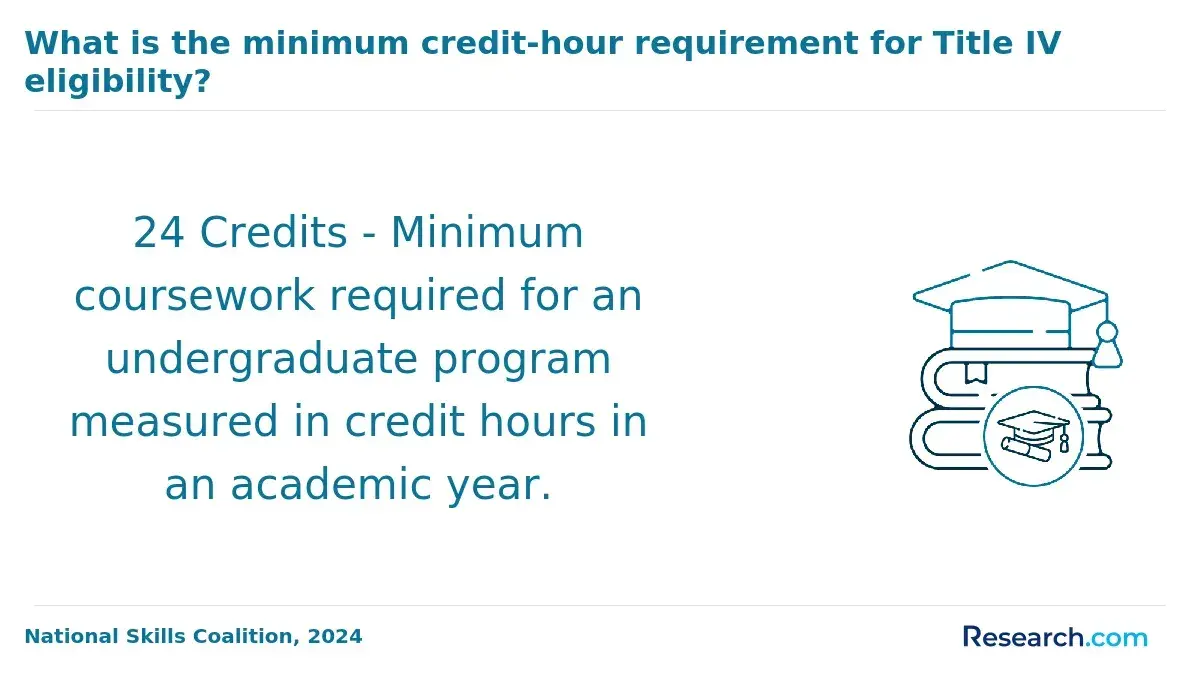
- Part-Time vs. Full-Time Enrollment: While federal aid is accessible to part-time students, the amount varies with credit hours taken. Full-time professionals should confirm that their course load meets federal aid minimums, as this impacts the financial aid amount they can receive.
- Loan Forgiveness for Public Service: Professionals working in public interest law or government sectors may qualify for loan forgiveness programs like Public Service Loan Forgiveness after ten years of qualifying payments while working full-time. This can substantially reduce debt for graduates who continue working as they study.
Combining federal aid, employer support, and institutional scholarships is often the best strategy to afford an online legal services degree. Those wondering can working professionals get federal student aid should note that eligibility is broad and designed to support diverse student needs. Additionally, for professionals interested in accelerated paths, exploring a PhD in one year may offer alternative educational opportunities.
Do Employers Support Employees Pursuing Online Legal Services Degrees in 2027?
Employer support has become a crucial factor for full-time professionals pursuing an online legal services degree, as balancing academic demands with job responsibilities remains challenging. Supportive workplace policies can greatly influence a student's ability to meet deadlines, attend live sessions, and apply new skills effectively on the job. The following are key insights into how employers approach support for employees earning legal studies degrees.
- Tuition Assistance: Many organizations offer employer tuition assistance for online Legal Services degree programs through reimbursement or direct funding, lowering financial barriers. Such programs often form part of broader workforce development strategies, with some companies partnering with universities to provide tuition discounts.
- Flexible Scheduling: Flexible work hours and remote options enable employees to attend seminars and complete coursework required for their degrees. This workplace support for employees earning Legal Studies degrees is especially valuable for managing live group projects and simulations.
- Career Advancement Incentives: Employers sometimes reward additional legal qualifications with promotions or salary increases, motivating employees to enhance their skills and helping retain talent in competitive legal and compliance sectors.
- Mentoring and Networking Support: Access to mentoring, internal legal advisors, or sponsorship to professional events provides practical exposure and peer support, enriching the educational experience beyond coursework.
- Performance Concerns or Limitations: Some employers hesitate to offer support if they perceive a risk to job performance or increased turnover. Requests for flexible scheduling may be denied, which can hinder an employee's success academically and professionally.
For professionals balancing work and education, understanding employer attitudes towards educational support is vital. Those interested in careers accommodating personal work styles may explore best introvert jobs, which sometimes align with legal services roles.
Does Completing an Online Legal Services Degree While Working Full-Time Improve Your Salary?
Completing an online legal services degree while working can positively impact salary, though outcomes depend on several key factors. Industry demand is strong, with legal jobs expected to grow 10% between 2021 and 2031, exceeding many other sectors. The level of education plays a significant role; for instance, those holding a master's in legal studies report average salaries near $93,600, whereas licensed attorneys earn median salaries above $127,000.
Employer attitudes towards online degrees have improved, particularly when paired with relevant experience from current employment. Specialized knowledge, such as skills in compliance or legal technology, especially in AI, can lead to wage increases of up to 49%, highlighting the importance of combining education with targeted expertise.
Continuing full-time work during the online program offers advantages beyond income, including chances for promotion and enhanced job security. Applying new skills immediately at work can make employees more valuable and demonstrate adaptability-a key trait employers seek.
The financial benefits vary widely depending on the legal sector, employer policies, regional job markets, and economic trends. For example, compliance managers with legal training often earn median salaries around $111,000. Prospective students should weigh these factors when considering the salary impact of completing an online legal services degree while employed full-time.
What Should Full-Time Workers Look for When Choosing an Online Legal Services Program?
Choosing the right online legal services program is vital for busy working adults, as balancing full-time jobs with studies requires a program that fits their lifestyle. The program's format and support systems can impact whether students thrive or struggle to keep up. Consider these essential factors when evaluating options:
- Flexible scheduling: Programs offering asynchronous courses allow students to complete work at their convenience, accommodating unpredictable work hours and family responsibilities.
- Accreditation and reputation: Selecting an accredited program, such as those approved by the American Bar Association, assures quality education and enhances employment opportunities.
- Support services: Access to academic advising, career guidance, and tech assistance helps students overcome obstacles and maintain progress throughout the program.
- Course load and pacing: Part-time study options and manageable workloads prevent burnout, enabling students to balance education with professional and personal commitments.
- Technology and accessibility: User-friendly platforms that work across devices allow students to engage with coursework seamlessly from any location.
What Graduates Say About Completing an Online Legal Services Degree While Working Full-Time
- Jase: "Balancing a full-time job while pursuing my online legal services degree was challenging but incredibly rewarding. The flexible pace allowed me to learn without sacrificing my work commitments, and the affordable cost made it a practical investment in my future. I feel confident that this degree has opened new doors in my career."
- Kyro: "The journey through the online legal services program was reflective and engaging, fitting well into my demanding schedule as a full-time professional. I appreciated how the coursework was designed for busy students, and the reasonable tuition fees eased my financial concerns. This experience has truly refined my skills and expanded my professional opportunities."
- Aaron: "As someone working full-time, the online legal services degree was a strategic choice that matched my busy lifestyle. The cost was competitive compared to on-campus options, and the self-paced format gave me the freedom to balance work and study effectively. This program has made a significant impact on my legal knowledge and career advancement."
Other Things You Should Know About Legal Services Degrees
Completing an online Legal Services degree while working full-time in 2027 can pose challenges such as time management issues, balancing professional and academic commitments, and coping with stress. However, flexible scheduling and online resources like virtual study groups can help ease these challenges.
Online Legal Services programs often provide virtual networking events, discussion forums, and group projects to connect working students with peers and faculty. Some schools host webinars and career fairs tailored for online learners, offering opportunities to build professional relationships despite remote learning. Active participation is key to making the most of these networking resources.
References
- The Growing Importance Of Online Education In Employment Law - ELH / HR4Sight https://www.employmentlawhandbook.com/employees/the-growing-importance-of-online-education-in-employment-law/
- Getting Your Employer to Pay for Your Online Masters https://www.onlinemastersdegrees.org/financial-aid/employer-tuition-assistance/
- How To Choose the Right Online Lawyer for Your Business: Legal Services and Consultations Explained | Sprintlaw UK https://sprintlaw.co.uk/articles/how-to-choose-the-right-online-lawyer-for-your-business-legal-services-and-consultations-explained/
- Top 30 Work From Home Law Internships https://internshala.com/internships/work-from-home-law-internships/
- Online Bachelor's Degree: Legal Studies https://www.umgc.edu/online-degrees/bachelors/legal-studies
- Essential Technology Skills for Lawyers | E.P. Dine https://www.epdine.com/post/technology-skills-for-lawyers
- Online JD Program https://law.onu.edu/academics/online-jd-program
- J.D. Part-time / Online - STCL Houston https://www.stcl.edu/admissions/about-our-degree/j-d-part-time-online/
- How to complete your PLT with a full-time job https://www.leocussen.edu.au/how-to-complete-your-plt-with-a-full-time-job/
- Challenges faced by law firms while the employees are working from home https://blog.ipleaders.in/what-are-the-challenges-law-firms-are-facing-while-the-employees-are-working-from-home/


