2027 Can You Complete an Online Radiology Technician Degree Program While Working Full-Time?

Co-Founder and Chief Data Scientist
Working full-time while pursuing an online radiology technician degree presents significant challenges. Many professionals struggle to manage demanding work schedules, family responsibilities, and the rigorous coursework needed for certification. According to the National Center for Education Statistics, nearly 40% of online learners in the U.S. juggle full-time work, illustrating a growing need for flexible educational options.
This article addresses whether pursuing an online radiology technician program is achievable alongside full-time employment. It offers practical insights to help working adults assess time management, program demands, and strategies to succeed without sacrificing personal or professional commitments.
Key Benefits of Completing an Online Radiology Technician Degree Program While Working Full-Time
- Flexible scheduling lets full-time workers study during evenings or weekends, accommodating irregular shifts common in radiology technician roles.
- Online programs often offer asynchronous lectures and digital labs, providing practical learning without conflicting with clinical work hours.
- Many programs support career advancement by enabling concurrent work experience, boosting employability with immediate real-world application of radiology skills.
How long does it take to complete an online radiology technician degree while working full-time?
Completion time for an online radiology technician degree varies widely depending on several individual and program factors. While a full-time student may finish within two years, working professionals often take longer to complete their degrees due to balancing work and study.
Several key variables affect how long it takes to finish an online radiology tech degree while working full-time:
- Enrollment Status: Part-time enrollment is common among full-time workers, meaning fewer courses per term and a longer overall timeline. Taking half the typical course load can extend the duration from two years to three or more.
- Course Format: Asynchronous online classes offer flexibility to fit study around work hours. Accelerated options exist but require significant weekly commitment, which may not be feasible for those with demanding jobs.
- Transfer Credits: Prior academic credits or relevant healthcare experience can allow students to transfer courses, reducing the amount of required coursework and shortening program length.
- Work Schedule and Study Hours: Dedication of 15-20 hours per week to coursework is recommended. Irregular shifts or long hours often slow progress, adding semesters to program completion.
- Program-Specific Requirements: In-person clinical practicums or internships are often mandatory and can be difficult to schedule around a full-time job, potentially extending the timeline if not completed concurrently.
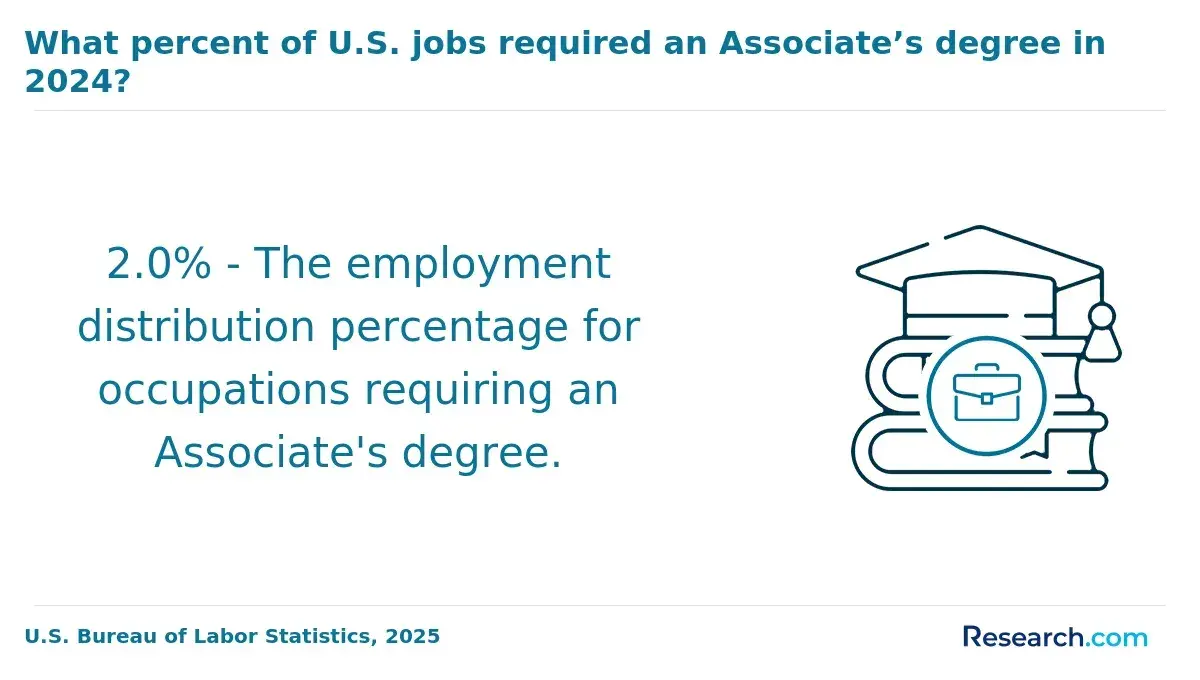
Most working adults complete an online radiologic technologist program duration for full-time professionals in about three to four years. Some bachelor's degree completion programs for ARRT-registered technologists can be completed in 11-12 months full-time online but are typically not entry-level. For those interested in faster options, an associate's degree online in 6 months is available through certain accelerated programs.
Is an asynchronous or synchronous online radiology technician program easier for students working full-time?
For students working full-time, an asynchronous online radiology technician degree for working professionals is generally easier to manage because it allows learners to complete coursework on their own schedule. This flexibility is crucial for balancing professional duties, family obligations, and study time without the pressure of fixed class times.
Course format significantly impacts a full-time worker's ability to stay on track and reduces stress when meeting deadlines around variable work shifts or unexpected overtime.
Asynchronous programs let students access lectures and assignments anytime, which benefits radiology technicians who often work irregular or rotating hours. For example, East Tennessee State University offers a fully asynchronous radiologic science completion program, enabling degree completion in as little as two semesters while continuing to work.
By contrast, synchronous online radiology technician program flexibility requires attending live classes at set times, which can conflict with demanding work schedules and reduce some students' ability to juggle clinical rotations or on-call duties. However, synchronous formats provide greater real-time interaction and support, which some students prefer for complex topics or collaborative projects.
For those wanting to explore different learning styles and options, the best degrees for 60 year olds offer additional insights into flexible education paths.
What time management strategies help online radiology technician students working full-time?
Balancing a full-time job with an online radiology technician program demands strong time management to avoid falling behind or burnout. The following proven strategies can help students stay organized and productive.
- Prioritize tasks: Identify urgent coursework, clinical hours, and job responsibilities each day and week. This focus ensures key deadlines and duties are met without last-minute pressure.
- Schedule focused study blocks: Allocate distraction-free periods during high-energy times. Shield these sessions from interruptions like social media or calls to maximize retention.
- Use productivity tools: Employ apps such as calendars and task managers to track assignments and clinical requirements visually, keeping commitments clear and manageable.
- Set achievable goals: Divide larger study topics or projects into small steps. Completing these incremental targets fosters momentum and reduces overwhelm during clinical rotations.
- Establish boundaries: Communicate limits to employers and family to protect study time. Learning to say no to extra obligations helps maintain balance and focus.
A student who completed her online radiology technician program while working full-time shared that initially, "I underestimated how draining it would be." She relied heavily on weekend study marathons but found them unsustainable. Eventually, she began "blocking early mornings for smaller, focused reviews," which helped her feel less overwhelmed.
Setting clear boundaries also meant explaining her commitments to supervisors, leading to increased support rather than added pressure. Reflecting on her journey, she emphasized that "being intentional about every hour allowed me to keep my job and finish the program on time."
What are the biggest challenges full-time workers face in online radiology technician programs?
Balancing the demands of a full-time job with the rigorous coursework of an online radiology technician degree can be a daunting task for many professionals. The simultaneous pressures of work, study, and life commitments often lead to considerable stress and difficulty maintaining consistent progress. Key obstacles faced by full-time workers in these programs include:
- Time management strain: Juggling work hours alongside strict assignment deadlines and mandatory virtual labs or discussions creates scheduling conflicts. Unpredictable shifts make it hard to meet academic requirements, risking delays in program completion.
- Limited access to mentorship and networking: Online students typically engage less with faculty and peers, reducing opportunities for personalized feedback and professional connections. This lack of direct interaction can hinder skill development and motivation critical for advancing in radiology careers.
- Technical and clinical training barriers: Radiology technician programs combine theoretical lessons with essential hands-on clinical practice. Full-time workers often struggle to attend in-person clinical rotations due to inflexible job schedules, while navigating technical issues on their own can disrupt learning continuity.
How do online radiology technician programs handle internships for full-time workers?
Internships pose a significant challenge for full-time workers enrolled in online radiology technician programs because they require in-person clinical experience, usually scheduled during regular business hours. Despite these demands, such hands-on training is indispensable for licensure and developing patient safety skills.
To accommodate working students, many online programs implement flexible internship options:
- Flexible Clinical Scheduling: Some programs allow clinical hours during evenings, weekends, or short, intensive blocks. This flexibility helps students manage internship requirements without needing to take long leaves from their jobs.
- Local Placement Options: Students may complete internships at nearby approved clinical sites, which minimizes travel and fits better with existing daily responsibilities. Occasionally, students arrange their own site and mentor to align with their schedules.
- Part-Time Internship Pathways: Several schools permit spreading clinical hours over a longer timeframe on a part-time basis. This supports professional obligations while meeting academic requirements.
- Personalized Clinical Contracts: Customized agreements between students, programs, and clinical sites outline specific hours and duties suitable to both educational standards and work commitments.
- Support for Employer Partnerships: Working healthcare professionals might be able to complete internships at their current workplace if it meets accreditation criteria, streamlining logistics and furthering their practical skills in familiar settings.
A student pursuing an online radiology technician degree while working full-time shared his experience: "Balancing my 40-hour workweek with clinical hours was intimidating at first. The program helped me secure weekend rotations at a clinic close to home, which made the hours manageable. I appreciated how they coordinated with the site to customize my schedule, so I didn't miss crucial work shifts."
He reflected that the hands-on training felt rewarding though demanding, emphasizing how the program's flexibility allowed him to continue progressing academically without quitting his job. "It wasn't easy, but having that support made all the difference."
What technology do you need for an online radiology technician degree while working full-time?
Balancing a full-time job while pursuing an online radiology technician degree demands seamless and reliable technology. The right tools enable students to access coursework, participate in clinical simulations, and communicate professionally without disruptions, crucial for managing busy schedules.
Below are key technology requirements that support working professionals in completing radiology technician programs efficiently.
- High-Speed Internet Connection: A stable, fast internet connection is essential for streaming lectures, engaging in virtual labs, and uploading large medical imaging files. Reliable connectivity minimizes delays during exams and class meetings, helping students maximize their limited study time.
- Modern Computer or Laptop: Radiology technician programs require equipment capable of running specialized imaging software and learning platforms. Devices with at least 8GB RAM and current processors support digital radiography simulations, image analysis, and secure access to electronic health record systems used in coursework.
- Webcam and Microphone: Quality webcams and microphones facilitate live video instruction, virtual clinical demonstrations, and peer collaboration. These tools replicate professional environments, enabling students to actively present case studies and participate in interactive discussions.
- Radiology Imaging Software: Students must use industry-standard tools such as DICOM viewers and PACS for assignments involving image evaluation, disease identification, and quality control. Mastery of this essential software is critical for both academic success and clinical readiness.
- Learning Management System (LMS) Access: Proficiency with platforms like Canvas, Blackboard, or Moodle is vital for submitting assignments, accessing readings, and tracking progress. Mobile LMS access provides flexibility, allowing working radiology students to study during breaks or commutes, accommodating the demanding schedules full-time work entails.
Integrating these technology requirements for online radiology technician programs ensures that students can balance academic and work commitments effectively.
For professionals seeking to enhance their qualifications with high paying masters degrees, understanding these essential software and equipment for working radiology students is foundational to success.
Can you qualify for financial aid if you study online and work full-time?
Financial aid is often vital for full-time professionals aiming to earn an online radiology technician degree while maintaining employment. Balancing work and education requires careful financial planning, and aid opportunities can make this goal more attainable.
Several factors influence eligibility for financial support, especially when considering federal financial aid for online radiology technician programs and scholarships designed for working adults in radiology tech degrees.
Key considerations include:
- Federal Financial Aid Availability: Accredited online radiology technician programs participating in Title IV can offer federal financial aid such as Pell Grants and Direct Loans. Completing the FAFSA is mandatory for all applicants; your income from full-time work will be factored into need-based aid determinations, potentially impacting awards.
- Employer Tuition Assistance: Many healthcare employers provide tuition reimbursement or direct assistance for employees pursuing relevant degrees. Some require employees to commit to a period of continued employment after graduation, making it valuable to check eligibility with your HR department.
- Scholarships and Grants: Numerous scholarships are aimed at radiology technician students currently working in the field. For example, the American Society of Radiologic Technologists Foundation awards substantial funds annually to support professionals pursuing further certifications or degrees, highlighting available scholarships for working adults in radiology tech degrees.
- Part-Time vs. Full-Time Enrollment: Some financial aid programs mandate at least half-time enrollment. If full-time work limits study hours, confirm your enrollment status meets the minimum requirement to maintain eligibility for specific loans or grants.
- Program Accreditation: Federal aid is only accessible for programs accredited and recognized by the U.S. Department of Education. Many scholarships also require enrollment in accredited programs, so verifying this is critical before applying for funding.
For individuals seeking options among affordable institutions, reviewing the best affordable online colleges that accept FAFSA can provide helpful guidance in choosing programs that support federal financial aid for online radiology technician programs.
Do employers support employees pursuing online radiology technician degrees in 2027?
Employer support has become a crucial factor for full-time professionals pursuing online radiology technician degrees, as many seek flexible options to advance without leaving their jobs. Workplace policies can significantly influence a student's ability to juggle academic commitments alongside work responsibilities.
Below are key ways employers typically support or hesitate in supporting employees enrolled in such programs.
- Tuition Assistance: Some healthcare employers offer employer tuition reimbursement for online radiology tech degree programs, easing financial barriers and encouraging staff to upskill. This support often comes as tuition reimbursement or direct financial aid for accredited programs, which benefits both employee and employer.
- Flexible Scheduling: Employers may provide adjusted work hours or shift swaps to accommodate online classes and clinical requirements. Flexibility is vital for radiology technician students balancing asynchronous coursework and scheduled hands-on training.
- Paid Time Off for Education: Professional development days or paid leave help employees manage intense study periods or mandatory in-person sessions while maintaining income. This policy supports students during demanding parts of their online education.
- Career Advancement Incentives: Earning a degree may unlock promotions or salary increases, motivating employees to continue education. Employer partnership programs for radiology technician students frequently link academic progress with career growth and enhanced compensation.
- Concerns About Job Performance: Some employers hesitate due to potential scheduling conflicts or lowered work performance during heavy academic periods. Support might be conditional, requiring employees to demonstrate continued workplace effectiveness.
Data show high job placement rates for radiology technician graduates, reflecting employer demand and a general openness to continuing education. Those interested in affordable study options may consider a cheap online bachelor degree as part of their career development strategy.
Does completing an online radiology technician degree while working full-time improve your salary?
The demand for radiology technicians remains strong, with a median annual salary of $77,660 reported in May 2024. Salary potential largely depends on factors like degree level, as most roles require at least an associate's degree, and higher credentials often lead to increased pay.
Employer attitudes toward online degrees are improving, especially when candidates complement their education with relevant work experience, which is a key factor in salary growth. Geographic location and specialization further influence wages, resulting in varied earnings across states and radiology modalities.
Continuing full-time work while studying can boost career advancement prospects by positioning employees for raises or higher-paying jobs. It also ensures steady income and benefits, minimizing employment gaps. Additionally, applying new knowledge at work helps improve performance, making candidates more competitive.
However, outcomes depend on specific employer policies, regional job markets, and the broader economic climate. Some employers may offer tuition assistance or bonuses for certifications, while others prioritize experience or internal promotions when determining salary increases.
What should full-time workers look for when choosing an online radiology technician program?
For full-time workers, selecting the right online radiology technician program is vital because flexibility and support heavily influence their ability to balance job duties, studies, and personal life. Programs designed with working adults in mind improve the chance of completing coursework successfully while minimizing stress. Consider these critical elements when making your choice:
- Flexible Scheduling: Programs with asynchronous classes, self-paced lessons, or evening/weekend clinical rotations help working professionals fit education around their existing work commitments without compromising learning quality.
- Clinical Requirements: Understand where and how in-person clinical experiences take place. Options like local placements or block scheduling allow students to fulfill hands-on training without needing to relocate or interrupt employment significantly.
- Accreditation and Certification Preparation: Verify that the program holds JRCERT accreditation and prepares students for ARRT certification, as these credentials often impact eligibility for jobs and improve certification exam success rates.
- Support Services for Adult Learners: Access to dedicated advisors, career counseling, and tailored academic resources can assist with time management, stress reduction, and navigating career advancements.
- Prior Learning Credit: Some programs recognize previous education, military service, or professional experience, potentially shortening the time and expense required to complete the degree.
What Graduates Say About Completing an Online Radiology Technician Degree While Working Full-Time
- Reign: "Pursuing an online radiology technician degree while working full-time was challenging but incredibly rewarding. The flexible pace allowed me to balance work and study without feeling overwhelmed, and the affordable tuition made it a smart investment in my future. Thanks to this program, I've advanced in my career quicker than I expected."
- Yousef: "Balancing a full-time job with my radiology technician studies online required real dedication, but the experience was well worth it. The self-paced format helped me absorb the material thoroughly, and learning from home minimized additional costs like commuting. This degree has broadened my career opportunities, making every late night worth it."
- Logan: "I approached the online radiology technician degree with a professional mindset, focusing on steady progress despite my busy schedule. The program's structure was clear and cost-effective, which made managing expenses easier while working full-time. Earning this degree has significantly enhanced my skill set and confidence in the healthcare field."
Other Things You Should Know About Radiology Technician Degrees
Full-time workers can succeed in online radiology technician programs with careful planning. Balancing work, coursework, and personal commitments requires effective time management and prioritization. While demanding, many students find supportive resources and adaptable schedules enabling them to achieve their educational goals.
Working full-time can limit the flexibility needed for completing clinical rotations, a crucial part of radiology technician programs. Students must coordinate schedules with their employers and clinical sites, which can extend program completion time. Balancing both commitments often requires meticulous time management and support from employers.
Online radiology technician programs often offer flexible scheduling for clinical training, including evening or weekend shifts, allowing full-time workers to fulfill requirements without disrupting their jobs. This flexibility is crucial for balancing work, study, and hands-on training effectively in 2027.
References
- X-Ray & Radiologic Technologist Program | Levittown & Medford, NY https://hunterbusinessschool.edu/programs-offered/radiologic-technology-program/
- Fast-track Radiology Certification programs | CCI Training https://ccitraining.edu/radiology-technician-training/
- Tuition and Aid - Radiography Program (Florida) - Mayo Clinic College of Medicine & Science https://college.mayo.edu/academics/health-sciences-education/radiography-program-florida/tuition-and-aid/
- Radiologic Technology https://www.ccd.edu/program/radiologic-technology
- 5 Benefits of Completing an Online Bachelor's in Radiology - Healthcare Administration Degree Programs https://www.healthcare-administration-degree.net/lists/5-benefits-of-completing-an-online-bachelors-in-radiology/
- Radiologic Technology https://www.mnwest.edu/academics/all-programs/radiologic-technology.php
- Time Management Tips for Radiologists | Diagnostic Imaging https://www.diagnosticimaging.com/view/time-management-tips-radiologists
- Radiologic Science Online Bachelor of Science - Degree Completion Program https://www.etsu.edu/online/undergraduate-degrees/radiologic-science.php
- Seven Challenges in Radiology Practice: From Declining Reimbursement to Inadequate Labor Force: Summary of the 2023 ACR Intersociety Meeting - Journal of the American College of Radiology https://www.jacr.org/article/S1546-1440(24)00775-0/fulltext
- BS in Radiologic Sciences, Bridge Program | Georgia Southern https://www.georgiasouthern.edu/degrees/bs-radiologic-sciences/online-bridge-program