
2027 Can You Get Licensed With an Online Surgical Tech Degree? Requirements, Rules, and What to Know

Co-Founder and Chief Data Scientist
Many aspiring surgical techs question whether completing an online surgical tech degree qualifies them for licensure and employment in a regulated healthcare environment. According to the Bureau of Labor Statistics, employment of surgical technologists is projected to grow 9% from 2022 to 2032, underscoring the rising demand for qualified professionals. However, state licensure requirements and accreditation standards vary, complicating the path from online education to certification.
This article, prepared by career planning experts, examines the licensure eligibility for graduates of online surgical tech programs, clarifying the rules and offering guidance to help candidates navigate credentialing and workforce entry successfully.
Key Benefits of Getting Licensed with an Online Surgical Tech Degree
- Licensure with an online surgical tech degree validates professional credibility and meets state eligibility requirements essential for clinical practice and certification exams.
- Licensed surgical techs access a wider range of job opportunities nationwide, enhancing job mobility across hospitals, outpatient centers, and specialized surgical facilities.
- Licensed professionals typically experience higher earning potential and better prospects for career advancement within the evolving healthcare surgery support workforce.
Can You Get Licensed With an Online Surgical Tech Degree?
Licensure with an online surgical tech degree is attainable when the program meets strict accreditation standards and includes essential clinical training. Accredited online programs blend theoretical classes with supervised, hands-on clinical rotations, which are critical for mastering skills in real surgical settings.
Completing these requirements makes students eligible to sit for credentialing exams such as those offered by the National Board of Surgical Technology and Surgical Assisting. This licensure eligibility online program pathway ensures graduates are prepared to meet professional and state standards for surgical tech practice.
Obtaining a license through an accredited online surgical tech program grants access to regulated career paths with greater responsibility within surgical teams and enhanced job security. Licensed surgical technologists often experience higher earning potential compared to non-licensed counterparts.
Since state regulations vary, understanding local licensure requirements is important when choosing an online program. For those weighing educational choices, exploring options like the pharmacy degree online can also provide insights into the evolving landscape of online health education programs.
Do Licensing Requirements for Surgical Tech Vary by State?
Licensing rules for surgical techs are designed to ensure professional competence and patient safety but can differ significantly across the United States. About 26 states require surgical technologists to obtain some form of certification or license, while other states do not mandate official licensure though they still expect compliance with professional standards. These variations can influence your career planning based on where you intend to work.
Key areas where state specific surgical tech licensing requirements may vary include:
- Examinations: Some states require passing a national certification exam, such as the Certified Surgical Technologist (CST) exam, while others may accept state-specific assessments or have no formal exam requirement. This can affect how quickly and easily you can become licensed in different regions.
- Supervised experience: Clinical hours under supervision before licensure vary by state. Some require a specific number of hours or documented hands-on experience, which impacts the time to eligibility for licensure or certification.
- Continuing education: Many states mandate ongoing education to maintain licensure, but the required credit hours and approved course topics can differ. This affects how surgical techs stay current and maintain their credential status.
- Scope of practice and renewal policies: States vary on the procedures surgical techs are authorized to perform and how frequently licenses must be renewed, sometimes requiring updated competency evaluations during renewal.
When looking into how surgical tech licensure varies by state, it's important to identify the specific requirements where you plan to practice. For individuals considering online education paths, certain programs may align better with state requirements. Exploring options like medical coding and billing classes online with financial aid can also complement your healthcare education and career advancement plans.
Are Online Surgical Tech Programs Different From Campus Programs for Licensure?
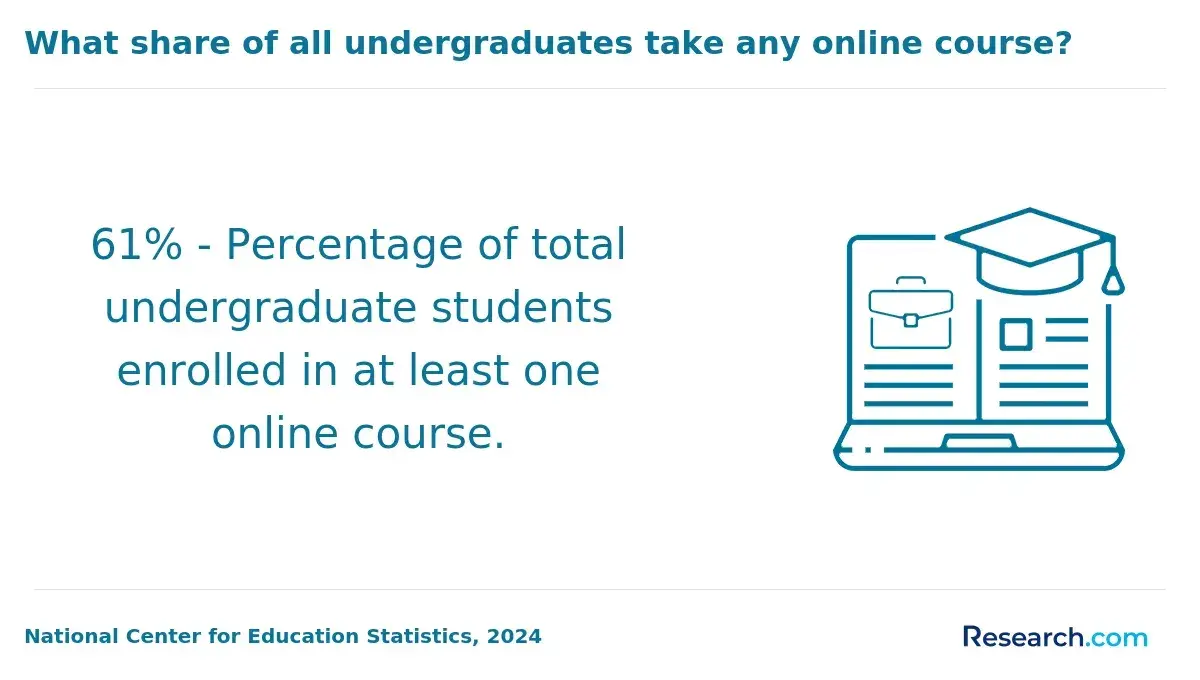
The format of a surgical tech program-whether online or in-person-does not impact eligibility for licensure, provided the program meets established accreditation standards. Enrollment in accredited online health science programs has increased by over 20% in the past five years, signaling broader recognition of online credentials in the healthcare field.
- Curriculum requirements: Both online and campus programs must offer identical core subjects such as anatomy, sterile techniques, patient management, and surgical procedures. This ensures consistent preparation for certification exams and practical duties regardless of delivery method.
- Clinical training: Practical hands-on experience is mandatory and cannot be completed online. Students enrolled in online programs are required to attend in-person clinical rotations at approved healthcare facilities to demonstrate proficiency in real surgical settings.
- Assessment approaches: Online programs often incorporate virtual simulations and digital testing to evaluate theoretical knowledge, but physical skill assessments must be performed onsite to satisfy licensing criteria.
- Employer attitudes: The acceptance of online surgical tech qualifications is growing as accreditation and educational quality improve, helping graduates compete effectively in the job market.
Does an Online Surgical Tech Degree Require Clinical or Practicum Hours?
Online surgical tech degree programs include essential clinical or practicum hours designed to prepare students for real-world healthcare environments and fulfill licensure eligibility requirements. These hands-on experiences are critical since practical skills cannot be wholly developed through online coursework alone.
- Typical hours: Clinical hour requirements for online surgical tech programs generally range from 200 to 600 supervised hours. The exact amount varies by state regulations and accreditation standards, ensuring students gain sufficient exposure for competency.
- Types of placements: Students typically train at hospitals, surgical centers, or clinics where they observe and assist in surgical procedures. These settings allow practical application of instrument handling, patient care, and operating room protocols.
- Supervision: Licensed surgical techs or health professionals provide close supervision to guide students, maintain safety, and assess skill progression throughout the practicum experience needed for surgical tech licensure.
- Skills gained: Clinical hours reinforce essential skills such as sterilization techniques, aseptic practice, teamwork under pressure, and adherence to operating room standards, which are vital for professional success.
- Facilitation for online students: Online programs coordinate local clinical sites to enable students' in-person attendance at approved facilities. This model accommodates the practical training requirement despite the online nature of the coursework.
Completing these clinical hour requirements is mandatory not only for skill refinement but also because most certification and licensure boards require documented practicum experience for exam eligibility. Prospective students may also consider related fields like a health administration degree online for broader healthcare career options.
What Licensing Exam Is Required After Earning an Online Surgical Tech Degree?
Passing a licensing exam is vital for confirming a surgical tech graduate's skill set and ensuring eligibility to practice professionally. This exam acts as a benchmark for competency and safety in surgical environments.
Approximately 85% to 90% of first-time candidates nationwide successfully clear this exam, reflecting its attainable but rigorous nature. The following points outline key details about this essential test.
- Exam Name: The Certified Surgical Technologist (CST) exam, overseen by the National Board of Surgical Technology and Surgical Assisting (NBSTSA), is the primary credentialing test for surgical techs.
- Content Areas: The exam evaluates knowledge in perioperative care, aseptic techniques, surgical procedures, and pharmacology related to surgery, covering both theory and practical application.
- Test Format: Candidates face about 175 multiple-choice questions administered at computer-based testing centers, requiring solid preparation and time management.
- Preparation Strategies: Studying typically includes comprehensive curriculum reviews, practice exams, and specific study guides focusing on CST exam topics to bolster both knowledge and confidence.
- Retake Policy: If unsuccessful, candidates usually have up to six attempts within a specified period to pass, though the exact limits can vary based on state regulations and certifying body rules.
- Eligibility of Online Graduates: Graduates from accredited online surgical tech programs are fully qualified to sit for the CST exam, given that their educational institution meets recognized accreditation standards.
Is Supervised Work Experience Required After an Online Surgical Tech Degree?
Supervised work experience is typically required after completing an online surgical tech degree. This practical training is essential for developing hands-on skills and confirming readiness to perform safely and efficiently in surgical settings.
Research indicates that approximately 75% of surgical tech graduates engage in supervised clinical practice before earning certification. Below are key elements that define this crucial phase of training.
- Duration: Most programs require between 400 and 600 clinical hours, providing ample exposure to real-world surgical environments to build competency.
- Settings: Clinical experience usually takes place in hospitals, outpatient clinics, or specialized surgical centers where surgical techs support operating room procedures.
- Mentorship: Students work under the supervision of licensed surgical technologists or registered nurses, who offer guidance and evaluate performance during the training period.
- Skill development: Focus areas include sterile technique, instrument preparation, infection control, and effective communication within the surgical team, all vital for patient safety and procedural success.
- Licensure impact: Completing supervised experience is often mandatory to qualify for certification exams and to meet state or national licensure requirements, ensuring graduates are career-ready.
Does Licensure Reciprocity Apply to Online Surgical Tech Graduates?
Licensure reciprocity enables professionals licensed in one state to obtain a license in another with reduced requirements, facilitating the ability to practice across different locations. This process is especially important for surgical tech graduates aiming to work or relocate without repeating all certification steps.
The following factors highlight how reciprocity applies to online surgical tech graduates.
- Eligibility Criteria: Requirements vary by state and often depend on whether the surgical tech program met accreditation standards, such as those set by CAAHEP. These criteria apply regardless of whether the training was completed online or in person, impacting eligibility for licensure transfer.
- Program Requirements: Many states mandate that the surgical tech program be accredited and include clinical experience. Graduates should verify that their online program aligns with these standards to qualify for reciprocity.
- State Reciprocity Agreements: Some states have formal agreements enabling smoother license transfers, but not all states equally recognize online training. This variation means graduates must check if their state's licensing board accepts credentials from online programs to facilitate license transfer between states.
- Application Process: Applicants typically must submit transcripts, certification verifications, and proof of completed clinical hours. Meeting these documentation requirements is essential for approval and maintaining career mobility.
- Limitations and Restrictions: Reciprocity may be limited if an online program does not fulfill state-specific criteria or if the state does not participate in reciprocity agreements. These limitations can affect a surgical tech professional's ability to practice seamlessly across regions and plan career advancement.
For those exploring career flexibility through an online surgical tech license transfer between states, understanding these details is crucial. Additionally, prospective students looking for affordable pathways into healthcare roles might consider a cheapest online health science degree as an alternative or complementary credential to broaden their qualifications and opportunities.
What Are the Pros and Cons of Online Surgical Tech Programs for Licensure?
Online surgical tech programs have become increasingly popular due to their convenience and wider accessibility, with enrollment in healthcare-related online courses rising by over 20% in recent years.
Many students prioritize licensure eligibility when selecting programs, since accreditation and practical training heavily influence certification success. Below are key advantages and challenges of these programs.
Pros
- Flexible scheduling: Allows students to manage education alongside work or personal responsibilities, promoting steady progress toward licensure.
- Increased accessibility: Removes geographic constraints by enabling students to study from different locations while meeting state requirements through local clinical placements.
- Hands-on training partnerships: Many online programs collaborate with nearby healthcare facilities to provide essential supervised clinical experience critical for certification exams.
Cons
- Limited direct supervision: Securing adequate practical experience remotely can be challenging, which may impact licensure preparation quality.
- Employer perception: Some healthcare providers may undervalue online credentials, influencing job opportunities and career growth.
- Reduced networking: Fewer face-to-face interactions can limit connections that often support professional development and job placement.
Does Getting Licensed With an Online Surgical Tech Degree Affect Salary?
Licensure significantly impacts the salary potential for surgical techs, including those who obtain their credentials through online programs. On average, licensed surgical techs earn approximately 10-15% more than non-licensed peers, reflecting employer confidence in verified competency. This salary difference highlights the importance of accreditation and licensure in the surgical tech field.
Licensure can affect earning potential and career advancement in several ways:
- Access to Specialized Roles: Licensed surgical techs often qualify for specialized positions involving advanced responsibilities, leading to higher pay due to increased skill demands and technical expertise.
- Leadership Opportunities: Being licensed may make candidates eligible for supervisory or leadership roles within surgical teams, which typically come with salary enhancements and additional benefits.
- Greater Job Security: Recognized credentials provide job stability by demonstrating adherence to professional standards, a valued trait among employers especially in competitive healthcare markets.
For graduates of online surgical tech programs, meeting licensure requirements-including passing certification exams and completing accredited clinical hours-is crucial for maximizing salary potential. Maintaining licensure signals dedication to industry standards and commitment to quality care, which can open doors to better job opportunities.
Given these benefits, those researching the salary impact of surgical tech licensure after online education should also consider broader professional development options. Some may find value in supplementing credentials through advanced nursing degrees, as outlined in programs like the cheapest DNP online program.
Choosing a pathway that includes licensure not only influences immediate salary outcomes but also supports long-term career growth and stability within the healthcare sector.
What Jobs Can You Get With or Without a License as an Online Surgical Tech Degree Holder?
Licensure significantly broadens career opportunities for graduates with an online surgical tech degree, opening doors to positions that often require certification or registration. While some graduates work in roles without a license, obtaining licensure typically leads to higher employment rates; licensed surgical techs achieve about 90% job placement compared to those without certification.
Below is a breakdown of potential jobs depending on licensure status.
Jobs With a License
- Certified Surgical Technologist: Employed primarily in hospitals and surgical centers, these professionals prepare operating rooms, sterilize tools, and assist surgeons during procedures, ensuring safety and efficiency.
- Specialty Clinic Surgical Tech: Working in outpatient or specialized clinics, licensed techs handle complex surgical setups and support patient care, often earning higher wages due to advanced responsibilities.
- Perioperative Support Specialist: With a license, individuals take on roles involving comprehensive surgical support, including coordinating instrumentation and patient safety protocols, which enhances job security and career growth.
Jobs Without a License
- Surgical Assistant: These roles often involve assisting licensed professionals during procedures under supervision, providing crucial support with less direct responsibility and limited advancement opportunities.
- Medical Equipment Coordinator: Managing surgical instrument inventory and maintenance, this position supports operating room readiness but typically does not require formal licensure.
- Ancillary Healthcare Support: Assisting in patient care and surgical preparation in a supportive capacity, these jobs offer entry-level experience but usually come with lower salaries and fewer promotion pathways.
Deciding to pursue licensure depends on individual goals and state requirements, with many choosing to start in non-licensed roles before advancing through certification.
What Graduates Say About Getting Licensed with an Online Surgical Tech Degree
- Jake: "The online surgical tech degree program was surprisingly affordable, especially considering the quality of education I received. The flexibility allowed me to balance work and study without stress, and passing my licensure felt like a rewarding milestone. This program truly launched my career in the operating room with confidence and solid skills."
- Kyline: "Reflecting on my journey, the cost of the online surgical tech degree was reasonable compared to traditional programs, making it accessible. The curriculum was comprehensive and well-structured, though at times demanding, which prepared me thoroughly for licensure exams. Today, I appreciate how this program enabled me to advance professionally while maintaining my personal commitments."
- Aaron: "The investment in my surgical tech online degree, including the licensure process, was a smart financial decision that paid off quickly. The course delivery was professional and streamlined, emphasizing practical knowledge that I apply daily as a licensed tech. This degree has been instrumental in elevating my healthcare career to new heights."
Other Things You Should Know About Surgical Tech Degrees
Online surgical tech degree programs are generally accepted for licensing, but requirements vary by state. Some states may require additional clinical training or specific program accreditations. It's essential to consult the licensing board in the state where you plan to work to ensure compliance with all local requirements.
By 2026, online surgical tech degrees from accredited programs are generally eligible for licensing, but requirements can vary by state. Graduates typically need to pass a certification exam, like the CST or TS-C, before pursuing licensure. It's important to verify specific state requirements early on in your educational process to ensure compliance.
Yes, certified surgical techs, regardless of whether their degree was online or in-person, usually must fulfill continuing education requirements to maintain certification. The National Board of Surgical Technology and Surgical Assisting (NBSTSA), for instance, requires renewal every four years with documented continuing education or re-examination to ensure current knowledge and skills.
References
- Surgical Tech Requirements - Preppy https://preppy.org/surgical-tech-requirements/
- How to Get a Surgical Technician Certification (CST & TS-C) https://www.stepful.com/post/surgical-technician-certification
- Surgical Technology, AAS http://catalog.uaptc.edu/preview_program.php
- Surgical Tech Salary Guide | How Much Can You Make? https://www.learnhowtobecome.org/surgical-tech-salary/
- Online NCCT Tech in Surgery (TS-C) Certification Course https://medcerts.com/certifications/healthcare/ts-c-tech-in-surgery-certified
- Certified Surgical Technologist Programs: In-Person vs. Online CST Programs | Vivian Community Hub https://www.vivian.com/community/allied-health/certified-surgical-technologist-programs-in-person-vs-online-cst-programs/
- Association of Surgical Technologists https://www.ast.org/public_policy/map_of_state_laws/
- What Salary Can I Earn after Passing the NRST Certification? | Health Tech Academy https://www.healthtechacademy.org/surgical-technologist/what-salary-can-i-earn-after-passing-the-nrst-certification
- Is Surgical Tech a Good Career? 9 Pros and Cons You Need to Know https://www.rasmussen.edu/degrees/health-sciences/blog/is-surgical-tech-a-good-career-pros-and-cons/
- Surgical Tech Certification: Overview and FAQ | IntelyCare https://www.intelycare.com/career-advice/surgical-tech-certification-overview-and-faq/


