
2027 Different Types of Audio & Music Degrees and Their Salaries

Co-Founder and Chief Data Scientist
The demand for skilled professionals in audio & music continues to rise as the entertainment, media, and technology industries expand rapidly. Employment in sound engineering and music production is projected to grow notably, reflecting a dynamic job market with increasing opportunities for graduates. Selecting the appropriate educational path plays a critical role in developing the expertise necessary to succeed and maximize earning potential in this competitive field. This article provides a detailed guide to the various types of audio & music degrees available and outlines the salary expectations graduates can anticipate in each area, equipping prospective students with essential insights for informed career decisions.
Key Points About Different Types of Audio & Music Degrees and Their Salaries
- Associate degrees in audio & music typically prepare graduates for entry-level technician roles, with median annual salaries around $40,000, reflecting more limited career advancement compared to higher degrees.
- Bachelor's degrees in audio & music can open doors to a wider range of positions such as sound engineers and music producers, where median salaries average between $50,000 and $70,000 and offer greater opportunities for growth.
- Master's degrees and advanced certifications in audio & music often lead to specialized roles in music technology, production management, or academic positions, with salaries frequently exceeding $80,000 and providing long-term career stability and leadership potential.
What Are the Different Types of Audio & Music Degrees Available?
Understanding the different types and levels of audio & music degrees is crucial for students to select the best program that aligns with their unique educational backgrounds and career aspirations. Each degree option offers specialized training that caters to various interests, whether technical, creative, or theoretical.
Below is an overview of the main types of audio & music degrees and what distinguishes each one.
- Associate Degree in Audio & Music: Provides foundational training in music theory, audio engineering, and digital production. Coursework typically covers basic music skills, sound design, recording techniques, and use of industry-standard technologies, preparing students for entry-level roles or further study.
- Certificate in Audio Production Technologies: Offers hands-on study focused on audio engineering, live sound reinforcement, and sound design. Courses emphasize practical skills in recording, mixing, and use of audio software, with a strong focus on applied learning and immediate industry relevance.
- Bachelor of Science in Music (Audio Production or Sound Engineering): Emphasizes technical and scientific aspects of audio production, including studio recording, acoustics, and sound design. Coursework blends music theory with electronics, computer science, and practical experience in digital and analog recording environments.
- Bachelor of Arts or Bachelor of Music: Focuses on a broader exploration of music, combining performance, composition, theory, and history. Students engage in intensive study of their instrument or voice, participate in ensembles, and explore creative and analytical aspects of music.
- Master's Degrees (MA, MM, MS) in Audio & Music: Provides advanced study in audio engineering, music production, or research-based music applications. Coursework includes specialized topics in sound technology, music theory, pedagogy, and may involve research projects or teaching experience.
- Graduate Certificate in Audio Production: Designed for professionals seeking targeted expertise without committing to a full degree. Coursework is focused and practical, covering advanced audio production techniques, software, and current industry practices.
Students interested in exploring career prospects in this field can find valuable information among college majors that are worth it, enabling them to weigh the benefits of different degrees aligned with their goals.
What Specializations Are Available in Audio & Music Degrees?
Specializing within audio & music degrees is a crucial factor for students because it allows them to tailor their education to specific skills and career paths, ensuring they are well-prepared for their chosen industry roles. This strategic alignment between specialization and career goals helps graduates stand out in competitive job markets and increases their earning potential.
Below is a list of common Audio & Music specializations, each offering unique focuses and career opportunities that suit diverse interests and talents.
- Music Producer (Audio & Music): Focuses on managing the creative and technical process of music production, including songwriting, arrangement, and using digital audio workstations. Essential skills include project management and musical creativity, leading to careers such as record producer and studio manager.
- Sound Designer (Audio & Music): Specializes in creating immersive audio environments for media like films, television, and video games. Key competencies include sound synthesis and audio storytelling, with roles ranging from Foley artist to audio post-production engineer.
- Live Sound Engineer (Audio & Music): Handles live audio mixing and sound quality for concerts, theater, and events. Students develop skills in acoustics and equipment troubleshooting, often working as front-of-house engineers or monitor technicians.
- Audio Post-Production Engineer (Audio & Music): Concentrates on editing and mastering audio for various media, utilizing advanced software and collaborating closely with visual teams. Career options include mastering engineer and ADR recordist.
- Acoustic Consultant (Audio & Music): Engages in designing and optimizing sound environments within architectural spaces, focusing on acoustics and environmental sound control. Graduates commonly become acoustic consultants or noise control engineers.
- Broadcast Engineer (Audio & Music): Works on ensuring high-quality audio transmission for radio, television, and online platforms, emphasizing signal processing and regulatory compliance. Typical roles include broadcast technician and station engineer.
When exploring these options, older students may want to consider best degree programs for older adults online that offer flexible paths to enter or advance in these specialized areas.
How Long Does It Take to Complete Each Type of Audio & Music Degree?
Understanding the duration of audio & music degree programs is crucial for students to effectively plan their education and career paths. Knowing how long each type of program typically takes helps in managing expectations and aligning academic goals with professional timelines.
Below is an overview of the main audio & music degree types along with their average completion times and factors affecting those durations.
- Associate Degree in Audio & Music: This program generally takes about two years of full-time study to complete. Part-time enrollment can extend the timeline, while transfer credits from prior coursework may shorten it. Many schools offer online or accelerated formats, enabling students to finish more quickly.
- Bachelor's Degree in Audio & Music: The standard duration is four years for full-time students. Completion time can vary depending on course load, summer classes, or credit transfers. Online options are increasingly common, sometimes with flexible schedules to accommodate working students.
- Master's Degree in Audio & Music: Typically, a master's takes one to two years beyond the bachelor's degree. The pace can be influenced by thesis requirements or part-time study, with some programs offering accelerated tracks or evening classes for professionals.
- Doctorate in Audio & Music: Doctoral programs usually require three to six years to complete, depending on research progress and dissertation work. Some candidates may finish sooner by leveraging prior research experience or extended study time, including part-time enrollment opportunities.
Are There Accelerated Audio & Music Degree Programs?
Accelerated audio & music degree programs in the United States provide students with the opportunity to complete their studies in a significantly shorter time frame compared to traditional formats. This is achieved through a variety of approaches such as condensed course schedules, year-round class offerings that eliminate long summer breaks, and the acceptance of transfer credits or prior learning assessments to reduce the total coursework needed.
Institutions like Full Sail University and the Conservatory of Recording Arts and Sciences offer programs that range from 11 to 20 months, enabling students to enter the workforce faster or continue advanced studies sooner. Some universities even offer integrated bachelor's-to-master's pathways, where applicable credits can be applied to both degrees, further accelerating educational timelines.
Prospective students should carefully consider the intense workload that accelerated programs demand, as the condensed structure requires rigorous time management and strong commitment. Eligibility for such programs often hinges on academic performance, portfolio quality, and completion of prerequisites; sometimes standardized tests like the GRE are necessary for progression into advanced degrees.
Costs vary widely depending on the institution and program length, with tuition ranging broadly from around $20,000 to $85,000. Graduates from these programs typically pursue careers as audio engineers, recording studio managers, or live sound technicians, with entry-level salaries varying based on location and role. It is crucial for students to evaluate their readiness for this accelerated academic pace alongside admission requirements before enrolling.
Are Online Audio & Music Degrees as Credible as Traditional Ones?
Online audio & music degree programs have made significant progress in matching the academic rigor of traditional campus-based curricula. Leading schools like Berklee College of Music and Full Sail University provide structured programs with challenging assessments and instruction by faculty who are often active professionals in the industry. While traditional degrees excel in offering comprehensive coursework, face-to-face collaboration, and hands-on studio experiences, online programs increasingly use interactive platforms, virtual labs, and foster global peer networking to enrich learning.
Nevertheless, traditional programs still typically provide more direct access to physical facilities and live performance opportunities, which remain essential in areas like music performance and sound engineering.
Employer acceptance of online audio & music degrees is growing, particularly when the institution issuing the degree is well-regarded and accredited. Industry analyses emphasize that a school's reputation and accreditation status carry more weight with employers than whether the degree was earned online or in-person. Some employers may still prefer traditional degrees for roles involving extensive ensemble work or studio access, but many now appreciate the flexibility, technical skills, and self-discipline graduates of reputable online programs demonstrate.
Ultimately, the credibility of an audio & music degree-regardless of format-relies heavily on the quality of the institution, the expertise of its faculty, and how well its curriculum aligns with current industry standards.
How Much Does Each Type of Audio & Music Degree Typically Cost?
Understanding tuition differences across degree levels in audio & music is essential for effective budgeting and financial planning, as costs can vary dramatically depending on program type, school, and delivery format. Knowing these ranges helps students anticipate expenses, compare options, and seek financial aid.
Below is a summary of the typical tuition costs for each major type of Audio & Music degree.
- Associate Degree in Audio & Music: Tuition for associate programs typically ranges from $8,000 to $40,000 for the entire degree, largely influenced by whether the school is a public community college or a private institution. Public colleges often offer more affordable rates, especially for in-state students, while private or specialized schools charge higher fees. Financial aid options include federal and state grants, scholarships, and work-study programs.
- Bachelor's Degree in Audio & Music: Annual tuition varies widely based on institution type and location, typically between $7,470 at affordable public universities to over $35,000 at private art schools. Online programs may reduce costs significantly, sometimes charging as little as $200-$600 per credit hour. Students should also budget for additional expenses like equipment and software, while exploring federal loans, grants, and merit scholarships to offset costs.
- Master's in Audio & Music: Graduate tuition is usually charged per credit hour, ranging from $1,477 to $2,080 per credit. For a standard 36-credit master's program, total tuition can range from approximately $33,120 to $74,880. Private universities tend to be more expensive, though some online offerings provide competitive pricing. Financial aid typically includes graduate assistantships, scholarships, and federal loans.
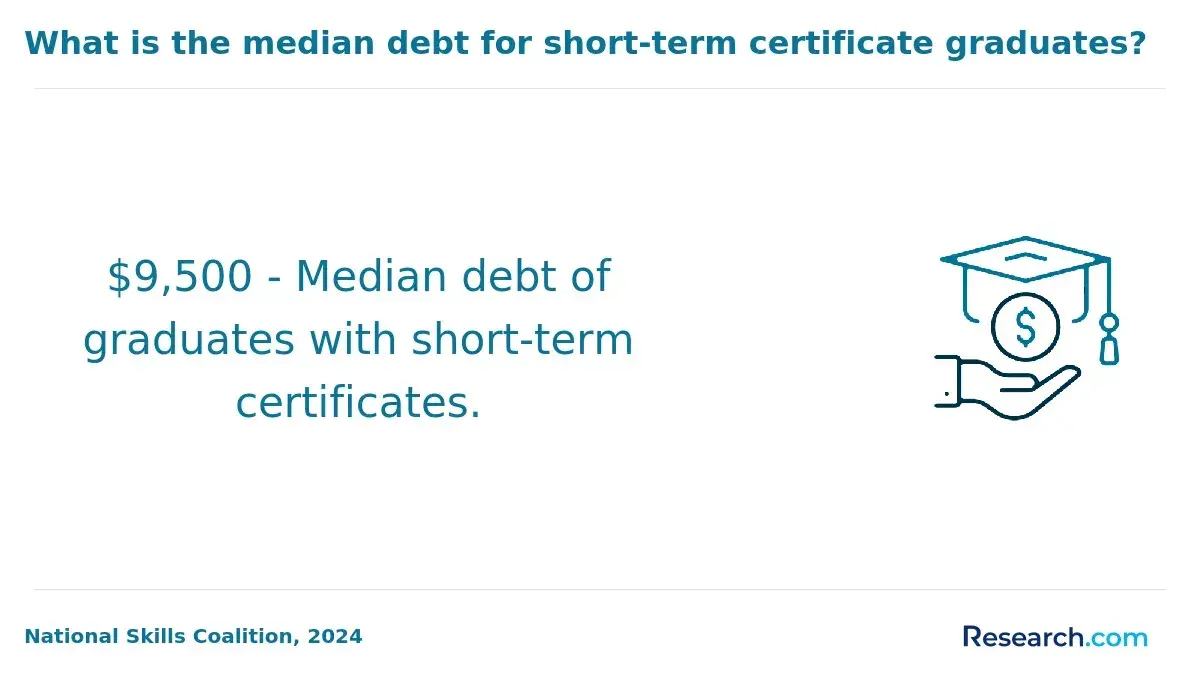
- Certificate or Diploma Programs in Audio & Music: These short-term options generally cost between $2,745 and $19,245 depending on program length and prestige. Many are available online with flexible payment plans, and candidates can often benefit from industry-specific scholarships and grants.
What Jobs Can You Get with Each Type of Audio & Music Degree?
The level of an audio & music degree significantly influences the career opportunities available and the complexity of roles graduates can pursue. Higher degrees tend to open doors to more specialized and higher-paying positions, while entry-level degrees provide foundational skills for technical support roles.
Below is a list outlining common jobs associated with each major type of audio & music degree.
- Associate degree in audio & music: Graduates typically enter the workforce as sound technicians, audio technicians, or board operators in settings like recording studios, live events, or broadcasting. These roles involve equipment setup, audio monitoring, troubleshooting, and assisting senior engineers, with salaries generally ranging from $30,000 to $50,000 annually depending on location and industry.
- Bachelor's degree in audio & music: Individuals with this degree are qualified for positions such as recording engineers, music producers, live sound engineers, sound designers for film and games, or audio post-production specialists. Responsibilities include recording, editing, mixing, mastering audio, and collaborating with artists or production teams. According to the U.S. Bureau of Labor Statistics, sound engineering technicians had a median wage around $63,740 in 2023, with experienced professionals earning more in major markets. This degree is sometimes cited as a highest paid bachelor's degree in related creative fields.
- Bachelor's degree in music or music education: Graduates often pursue careers as music teachers, choir directors, composers, or arts administrators. Many work in K-12 education, lead ensembles, or compose for various media projects. Music educators typically earn between $40,000 and $60,000 annually, though composer earnings vary widely based on commissions and project scope.
- Master's or doctoral degrees in audio & music: Advanced degree holders take on roles such as university professors, researchers, or senior sound designers in academic or professional environments. They may also consult on acoustics and manage large-scale audio projects. Salaries range broadly from $60,000 to well over $100,000 depending on expertise and position.
How Do Salaries Differ by Audio & Music Degree Type?
Degree level is a significant factor influencing earning potential in audio & music careers, with higher degrees often opening doors to advanced roles and increased salaries. Understanding these differences can help students make informed educational and career decisions that align with their goals. The following outlines typical salary ranges for each degree type and highlights key factors impacting pay.
Below is a summary of typical salary ranges for each audio & music degree, along with factors influencing these salaries.
- Associate Degree in Audio & Music: Entry-level roles like assistant audio technician or junior sound engineer usually start with salaries ranging from $36,000 to $45,000 annually. Location, industry, and practical experience play a strong role in pay, and advancement often requires additional education or significant work experience.
- Bachelor's Degree in Audio & Music: Graduates with a bachelor's often enter positions such as audio engineers, music producers, or sound designers. Typical starting salaries fall between $65,000 and $80,000, with median pay around $66,400 and top earners making up to $134,980. Salary depends on technical skills, portfolio strength, and the sector involved.
- Master's Degree in Audio & Music: A master's degree can open doors to leadership or specialized roles like audio directors or senior sound designers. Salaries typically range from $100,000 to $165,000, influenced by industry and location. For example, audio directors in game audio average around $165,331 annually.
- Doctorate or MFA in Audio & Music: These advanced degrees support careers in academia, research, or high-level creative direction. Salaries vary widely from about $70,000 for entry-level academic roles to over $120,000 for tenured professors or research directors, reflecting the prestige and specialization gained.
While degree level plays a large role, factors like industry sector, geographic location, and professional reputation also significantly impact salary. Students should consider exploring quick online degrees that pay well in audio & music to balance education length, cost, and earning potential effectively.
Is There High Demand for Audio & Music Degree Holders in the Job Market?
Demand for audio & music degree holders in the U.S. job market remains steady but is not exceptionally high. Growth projections for traditional roles such as audio engineers and sound technicians hover around the national average, with a 3% increase expected from 2023 to 2033 according to the Bureau of Labor Statistics. Factors influencing demand include emerging technologies like streaming media, podcasting, and advanced audio programming, which create niches where specialized skills are increasingly valuable.
Additionally, the expanding digital content landscape and live event productions drive the need for proficient audio technicians. Despite this, competition is intense, particularly in major metropolitan hubs like California and New York, where the supply of qualified candidates often exceeds available positions. Salaries in these areas tend to be higher, with full-time audio engineers earning between $50,000 and $113,000 annually.
However, some states have seen slight declines in the number of salaried audio professionals, reflecting regional market dynamics.
Workforce needs vary significantly by region, with smaller markets potentially offering more accessible opportunities but generally at lower pay rates. Versatility and technological adaptability remain crucial for sustained career growth; the ability to master the latest audio software and integrate skills across related fields such as video and broadcast media enhances employability.
For students exploring their educational paths, options like the most affordable bachelor's degree online in related disciplines can provide a cost-effective entry into this competitive field. Overall, the job market for audio & music graduates is best characterized as stable but competitive, with long-term success depending heavily on continuous learning, networking, and skill diversification.
What Factors Should You Consider When Picking a Type of Audio & Music Degree?
Choosing the right degree level in audio & music is a critical decision that aligns your education with your career goals and personal circumstances. Making an informed choice ensures that you invest your time and resources effectively to achieve long-term success.
Below are key factors to evaluate when selecting the appropriate audio & music degree:
- Career Goals: Different degree levels lead to varying career opportunities. Entry-level roles, such as sound engineering technicians, may only require an associate degree, while positions in music education, advanced production, or research typically demand a bachelor's or graduate degree. Understanding your desired profession helps determine the best educational path.
- Time Commitment: Degree durations differ; associate programs usually take 18-24 months, whereas bachelor's degrees span 36-48 months. Consider your availability to dedicate time, especially if balancing work or family obligations, to avoid potential conflicts during study.
- Curriculum Focus: Programs emphasize different skill areas, from music theory and musicianship to technical training in recording and live sound. Select a curriculum that aligns with your interests and the sector you aim to enter within the audio & music industry.
- Admissions Requirements: Higher degree levels often have stricter entry standards, including auditions or portfolios. Evaluating these criteria early helps you prepare and ensure eligibility for your preferred program.
- Facilities and Faculty: Access to modern studios, professional equipment, and experienced instructors enhances practical learning. Investigate the school's resources and faculty background to maximize hands-on training and industry readiness.
- Cost and Financial Aid: Tuition varies substantially among programs and degree levels. While advanced degrees may cost more, their potential for higher earnings and job prospects can justify the investment. Explore financial aid options to support your education expenses.
What Audio & Music Graduates Say About Their Degree and Salary
- Casen: "Pursuing my bachelor's degree in audio & music production opened doors I never imagined. The hands-on experience with cutting-edge studio technology and collaborative projects boosted my confidence, enabling me to land a job at a top recording studio right after graduation. Beyond the technical skills, the program nurtured my creativity, pushing me to develop my unique sound and artistic voice. The supportive community and networking opportunities have been invaluable for career growth and personal inspiration."
- Brielle: "Completing a master's degree in music therapy profoundly changed my perspective on the role of music in healing. This specialized training not only enhanced my professional skills but also deepened my empathy and communication abilities. Working with diverse populations, from children to veterans, reminded me daily how powerful and transformative music can be. The degree has allowed me to make a tangible impact on individuals' well-being, which is incredibly fulfilling. I feel privileged to have chosen a path that marries passion with purpose."
- Oren: "After earning an associate degree in audio engineering, I was able to quickly enter the workforce and start building my career with confidence. The curriculum's focus on practical skills and industry-standard software meant I was job-ready from day one, which gave me a competitive edge. Additionally, the smaller class sizes created a tight-knit community where I found mentors who guided me professionally and personally. This degree truly enhanced my understanding of the technical side of music production and gave me a solid foundation to grow into more advanced roles."
Other Things You Should Know About Audio & Music Degree Programs & Salaries
In 2027, audio engineering and music production degrees generally offer the highest salaries, often starting between $50,000 to $60,000 annually. Leveraging skills in emerging technologies or securing positions in major urban areas can further enhance earning potential for graduates.
In 2027, audio and music degrees range from certificate programs to doctoral degrees. Certificate or associate degrees may lead to entry-level positions with salaries around $30,000-$40,000, while bachelor's degrees in fields like music production can yield starting salaries of $50,000-$60,000. Advanced degrees usually offer higher earnings.
In 2027, the average starting salary for a graduate with a music production degree is approximately $40,000 to $50,000 annually. This figure can vary based on location, the graduate's portfolio, and internship experiences during their studies.
References
- The 15 Best Music Production Schools & How much they Cost! - Studio Tools Hub https://thraudio.com/best-music-production-schools/
- BA (Hons) Music Production & Vocal Performance (2 Years) | pointblank https://www.pointblankmusicschool.com/courses/london/ba-hons-music-production-and-vocal-performance-degree-accelerated/
- Audio Engineering & Music Production Degree at SAE UK https://www.sae.edu/gbr/courses/ba-bsc-hons-audio-production/
- Music Degrees: The Different Types of College Music Majors Explained https://www.careersinmusic.com/music-degrees/
- 2025 Most Affordable Online Degrees in Music https://www.onlineu.com/most-affordable-colleges/music-degrees
- Fast Track BA Hons https://www.academyofmusic.ac.uk/our-courses/ba-hons-fast-track/
- BA in Audio and Music Production | DkIT https://www.dkit.ie/courses/ba-in-audio-and-music-production
- How To Achieve a Career in the Audio Industry | HOFA-College https://hofa-college.de/en/blog/how-to-achieve-a-career-in-the-audio-industry/
- Tuition & Fees | Music Certificates/Music Degrees Tuition | MI https://www.mi.edu/admissions/tuition/
- School of Audio and Music https://www.colum.edu/academics/audio-and-music/


