
2027 Do Employers Pay for Sports Science Degrees: Tuition Reimbursement and Sponsorship Options

Co-Founder and Chief Data Scientist
Many prospective students face the challenge of funding a sports science degree, which can cost upwards of $20,000 annually at public universities. With the average student debt in the U. S. exceeding $30,000, financing higher education remains a significant barrier. Employer tuition reimbursement and sponsorship programs offer viable solutions but vary widely by industry and company policy.
This article explores how employers support sports science degrees through such financial aid options, detailing eligibility, coverage limits, and application procedures. It aims to equip working professionals with essential knowledge to leverage employer programs and reduce educational expenses effectively.
Key Benefits of Employers Paying for Sports Science Degrees
- Employer tuition reimbursement reduces average student debt, which for sports science graduates can exceed $30,000, making advanced education more financially accessible.
- Sponsorship options often include mentorship and guaranteed internship placements, enhancing practical experience and career readiness in sports science fields.
- Paying for degrees boosts employee retention, with 75% of professionals more likely to stay longer when supported through employer-funded education in sports science.
Do Employers Pay for Sports Science Degrees?
Employer tuition reimbursement for sports science degrees is not unusual, given that about 56% of U.S. employers offer some form of tuition assistance. Such education benefits like tuition reimbursement or company sponsorships for sports science education are especially common in industries where the degree's skills directly enhance workplace performance.
Employers in health and fitness, sports management, and rehabilitation sectors tend to view these degrees as valuable investments for roles involving injury prevention, performance analysis, or client wellness programs. This support depends largely on whether the education contributes to organizational goals and employee growth.
Payment trends for sports science degrees vary considerably based on industry relevance, job role, and workforce demands. Firms unrelated to health or fitness often prioritize sponsorship for degrees more aligned with their core business. In contrast, companies facing occupational shortages in health and fitness roles may sponsor continuing education as a strategy to attract and retain talent.
Students should consider these employer payment tendencies alongside their career plans, especially if they target employers likely to offer tuition assistance. Exploring options like RN to BSN programs without clinicals might also benefit those balancing work and study while seeking employer support.
What Types of Tuition Assistance Do Employers Offer for Sports Science Degrees?
Employer-provided tuition assistance is a crucial resource for professionals pursuing a sports science degree, as it can significantly reduce out-of-pocket expenses and financial risks. These benefits support continued education while allowing students to focus on advancing their careers in a competitive field.
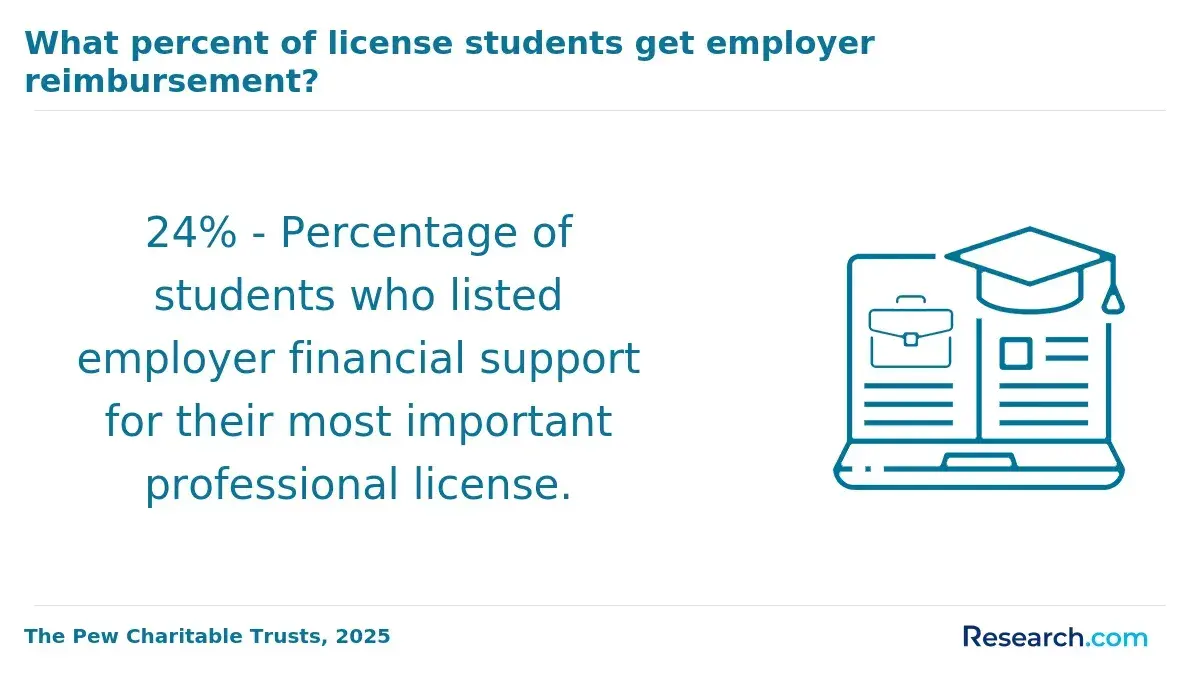
- Tuition reimbursement: Employees pay upfront for courses and later submit proof of completion to receive reimbursement. This method usually covers a percentage of tuition costs, often up to an annual limit, helping make sports science education more affordable.
- Tuition sponsorship: Employers may pay tuition fees directly to the educational institution or cover the full cost as part of employee development programs. This minimizes upfront expenses and is particularly beneficial for ongoing or advanced studies in sports science.
- Scholarship-like grants and education stipends: Some employers offer these targeted to relevant fields like sports science, providing flexible funding that can be used for tuition or related educational expenses.
These various types of employer sponsorship for sports science education reduce financial barriers, encouraging career growth and making higher education more accessible to working professionals. For those exploring healthcare adjacent fields, related programs such as medical assistant certification may also benefit from employer tuition reimbursement options.
Who Is Eligible for Employer Tuition Reimbursement for Sports Science Degrees?
Employer tuition reimbursement eligibility for sports science degrees plays a vital role in deciding when and how to pursue education with employer support. These eligibility criteria influence your timing, program selection, and ultimately your return on investment (ROI).
Knowing who qualifies for tuition assistance for sports science programs helps employees align their educational goals with workplace policies effectively.
- Employment status: Full-time employees usually have priority access to tuition reimbursement benefits. Some employers may extend eligibility to part-time staff, but this varies widely.
- Tenure requirements: A common condition is a minimum employment duration, often ranging from six months to a year, before reimbursement is granted.
- Job relevance: The sports science degree typically needs to relate directly to your current job duties or a planned career path within the company to qualify for tuition assistance.
- Academic performance: Maintaining a specific GPA or satisfactory grades is often required to continue receiving funding through the program's duration.
- Approval process: Formal applications, including supervisor endorsements and written requests, are generally mandatory before courses begin.
- Ongoing employment: Many employers expect continued employment during and after degree completion to avoid repayment obligations.
These eligibility factors help students maximize the value of employer tuition reimbursement. For those also exploring other educational options, you might want to check whats the easiest nursing program to get into?
How Do Employer Tuition Reimbursement Programs Work for Sports Science Degrees?
For students considering a sports science degree while working, employer tuition reimbursement programs can significantly ease financial burdens and enhance career growth. Knowing how these programs operate helps maximize available benefits and align educational goals with job responsibilities.
Below is an overview of how such reimbursement plans generally function.
- Approval Process: Employees typically need to submit a formal request before enrolling, demonstrating how the sports science coursework supports their current role or advancement within the company.
- Payment and Reimbursement: Employers may pay tuition directly or reimburse employees after receiving proof of payment, such as receipts. Timing depends on company policy, but reimbursement often follows course completion evidence.
- Documentation Requirements: To receive funds, employees must provide official documentation like transcripts or grade reports confirming successful completion of courses.
- Reimbursement Limits: There are usually caps on how much can be reimbursed annually or over the entire program, which impacts the total financial support available.
- Academic Performance Expectations: Maintaining a minimum grade, often a "B" or higher, is commonly required to qualify, encouraging consistent academic achievement.
Are Online Sports Science Degrees Eligible for Company Sponsorship?
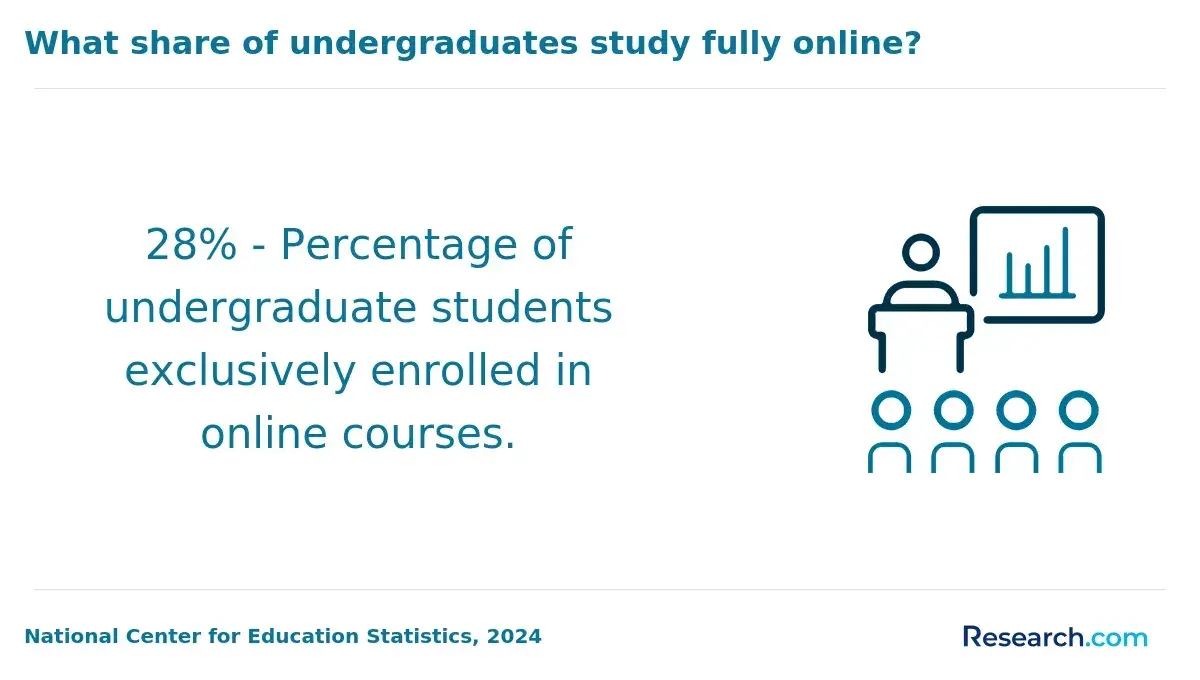
Employer sponsorship of online sports science degrees is becoming increasingly common as perceptions of online education improve. Though skepticism once prevailed about the value of remote learning, recent studies indicate a shift: a 2023 survey found that nearly 60% of employers now regard accredited online degrees as comparable to traditional programs, especially when the coursework relates directly to an employee's role.
This growing acceptance reflects broader trends, with many organizations emphasizing tuition reimbursement and workforce upskilling as strategic investments rather than mere benefits. However, not all online programs qualify, and approval often depends on how well the degree aligns with business priorities and contributes to employee development.
When considering sponsorship, employers typically assess several critical factors. Programs should hold recognized accreditation and demonstrate academic rigor to ensure quality education. The relevance of the curriculum to current or future job responsibilities plays a vital role, as does the degree's potential to fulfill specific company goals or enhance operational effectiveness.
Courses that offer practical applications in areas such as fitness training, rehabilitation, or performance analysis tend to be favored. A professional who completed an employee-sponsored online sports science degree shared that securing approval was a detailed process involving thorough documentation of the program's accreditation and curriculum relevance.
He described the experience as challenging but rewarding, noting, "I had to clearly explain how each course would benefit my daily work and future within the company." His story highlights the importance of aligning education choices with employer expectations to increase chances of sponsorship approval.
How Much Tuition Reimbursement Can You Get for Sports Science Degrees?
Tuition reimbursement limits significantly impact the affordability and return on investment of pursuing a sports science degree while working. With caps on how much employers will pay annually or over a career, students must carefully assess potential financial support when planning their education.
Around 56% of U.S. workers have access to some employer tuition assistance, highlighting how common these benefits are, though amounts and terms vary widely across employers.
Typical annual reimbursement ranges from $2,000 to $5,250, with lifetime maximums often between $25,000 and $50,000 or higher depending on the employer's program. These amounts differ based on factors like company size, industry, and how directly the degree relates to the employee's role.
Federal tax regulations currently allow up to $5,250 annually to be excluded from taxable income for employer-provided education assistance, encouraging businesses to offer competitive reimbursements without additional tax burdens for employees.
Are There Penalties for Leaving an Employer-Sponsored Sports Science Program Early?
Knowing the potential financial consequences of leaving an employer-sponsored sports science degree program early is crucial for employees considering this path. Nearly 60% of companies with tuition reimbursement programs require repayment if an employee departs before a designated time.
These key factors highlight common penalty situations you should be aware of:
- Tuition Repayment Obligations: Many agreements demand employees repay tuition payments already reimbursed if they leave the company before fulfilling the agreed commitment period.
- Prorated Repayment Schedules: Repayment amounts often reduce gradually the longer an employee remains with the employer after completing the program, lessening the financial burden over time.
- Early Termination Clauses: These provisions outline specific conditions triggering required repayment, including voluntary resignation or dismissal for cause during or shortly after the education program.
- Restrictions on Future Benefits: Leaving early can lead to losing eligibility for additional tuition support or educational benefits the company might offer in the future, limiting ongoing career development opportunities.
When I spoke with a professional who completed a sports science degree through her employer's tuition assistance program, she reflected on her experience with a mix of appreciation and caution. "The financial support was invaluable, but I quickly learned how important it was to stick with the company long enough to avoid hefty repayment penalties," she explained.
Facing the early stages of her program, she carefully weighed the stability of her job against other opportunities, knowing any abrupt move could trigger significant costs. "Ultimately, the tuition assistance motivated me to commit fully and grow within my role," she shared. This decision brought a sense of security and pride, as she not only earned her degree but also strengthened her career without unexpected financial setbacks.
Can Employer-Paid Sports Science Degrees Improve Long-Term Earning Potential?
Evaluating the impact of employer-sponsored education on career earnings is essential for working professionals considering a sports science degree. Employer-paid sports science degrees can reduce educational expenses while potentially increasing long-term earning potential.
Research indicates that employees who benefit from employer-funded education often see up to a 10-15% salary increase over time compared to peers without such sponsorship, highlighting key advantages worth considering.
Key benefits of employer-funded sports science degree benefits include:
- Increased promotion opportunities: Earning a sports science degree through employer sponsorship signals commitment and expertise, making employees more competitive for advancement within their organizations.
- Faster career progression: Access to funded education often accelerates the timeline for skill development, allowing professionals to reach higher-level roles sooner than those self-funding their degrees.
- Access to higher-paying roles: Enhanced qualifications open doors to specialized positions that command better salaries, improving overall compensation in the long run.
- Enhanced skills and qualifications: Employer support enables workers to expand technical knowledge without financial strain, fostering expertise that aligns with evolving industry demands.
- Improved return on investment: By reducing or eliminating tuition costs, employer-paid degrees lower debt burden and increase the financial payback of advanced education, making career growth more sustainable.
For professionals exploring affordable pathways, comparing employer-funded options with other educational opportunities remains important. For instance, programs such as the cheapest online nurse practitioner programs exemplify how cost-effective choices can complement employer benefits in achieving career and financial goals.
Incorporating employer-paid sports science degrees into a broader strategy can maximize long-term earnings with employer-paid sports degrees while minimizing financial risks.
How Do You Ask Your Employer to Pay for a Sports Science Degree?
Proactive communication and thorough preparation significantly improve your chances of securing employer tuition reimbursement for sports science degrees. A 2019 survey found that 74% of employees who successfully obtained tuition support actively engaged in strategic steps to present their request.
Understanding how to approach your employer effectively sets the stage for meaningful dialogue and potential sponsorship.
- Research company tuition policies: Start by identifying if your employer offers tuition reimbursement or educational assistance. Many organizations have specific criteria and limits, so knowing the policy details is essential before making any request related to sports science education.
- Prepare a business case: Clearly outline how the sports science degree supports your current role or future career growth within the company. Emphasize skills and knowledge you will acquire that benefit your employer, such as enhancing employee wellness programs or improving team performance.
- Schedule a formal meeting: Arrange a dedicated time with your manager or HR representative to discuss your request professionally. This shows seriousness and gives you the opportunity to explain your motivation and the value of this investment thoroughly.
- Demonstrate program relevance: Provide documentation like the curriculum, tuition costs, and timelines to connect the degree directly to your job responsibilities or career path. This reassures employers of the tangible benefits linked to their financial support for your sports science education.
- Follow up with documentation: After your meeting, send a written summary of your proposal and any agreed follow-up actions. Persistence and professionalism increase your chances of approval, reflecting the experience of many employees seeking employer tuition reimbursement for sports science degrees.
For those considering options to finance further education beyond employer support, researching the cheapest online RN to BSN programs can provide valuable insights into affordable alternatives that align with your career goals.
What To Do If Your Employer Doesn't Pay for a Sports Science Degree?
Securing funding without employer support can be crucial for students pursuing a sports science degree to avoid accumulating excessive debt. Nearly 85% of undergraduates in the U.S. depend on some form of financial aid, underscoring the need to explore multiple financial resources.
Below are practical approaches to consider when managing education costs independently.
- Federal and State Financial Aid: Start by applying for government programs like Pell Grants and subsidized loans, which are available to many eligible students and help lower overall tuition expenses without immediate repayment obligations.
- Scholarships and Grants: Look for awards targeted specifically at students in health, exercise, or sports science fields. These funds do not require repayment and can significantly offset the financial burden of your degree.
- Personal Savings and Education Loans: Use savings where possible to minimize borrowing. If loans are necessary, compare interest rates and repayment terms carefully to ensure manageable long-term costs.
- Income-Share Agreements: Consider contracts where you receive upfront funding in exchange for a portion of future income for a limited period. This method can ease debt by adjusting repayments based on actual earnings.
- Part-Time or Online Programs: Enrolling in flexible formats often reduces tuition fees and allows you to maintain income while studying. Spreading coursework over a longer time frame can decrease the pressure of upfront fees and balance work-study commitments.
What Graduates Say About Employers Paying for Their Sports Science Degrees
- Gabrielle: "Pursuing my sports science degree was initially daunting due to the high cost, with programs averaging around $30,000 per year. Thankfully, my employer's tuition assistance program covered a substantial portion, which made this goal financially feasible. This sponsorship not only alleviated my financial stress but also propelled my career forward by allowing me to gain valuable knowledge without debt."
- Morgan: "The average cost of a sports science degree can be overwhelming, often reaching tens of thousands of dollars. Reflecting on my experience, employer sponsorship was a game changer-it covered most of my fees, enabling me to focus intently on my studies. This investment significantly enhanced my expertise and credibility, opening doors to new professional opportunities."
- Alba: "With sports science degrees typically costing upward of $25,000 per year, I was grateful my employer offered tuition sponsorship. This financial support reduced the burden drastically, letting me pursue advancement without compromising work. The degree's impact on my career has been profound, equipping me with the skills needed to lead innovative projects in my field."
Other Things You Should Know About Sports Science Degrees
Yes, employer tuition reimbursement can often be combined with scholarships, grants, or federal financial aid when pursuing a sports science degree. However, the total amount of reimbursement and aid may have limits, so students should carefully review program policies to maximize benefits while avoiding overpayment issues.
Eligibility for sports science tuition reimbursement and sponsorship often depends on factors such as employment status, length of service, and alignment of the degree with the company's goals. Employees might need to maintain specific grades, prove enrollment in accredited programs, or meet financial caps set by their employer.
References
- Employer Tuition Assistance Program / Employee Tuition Reimbursement - Finance | Learn & Work Ecosystem Library https://learnworkecosystemlibrary.com/topics/employer-tuition-assistance-program-employee-tuition-reimbursement-finance/
- What Is Tuition Reimbursement? https://www.coursera.org/articles/tuition-reimbursement
- Terms and Conditions https://www.issaonline.com/resources/terms-and-conditions
- Guide to Employer Tuition Assistance Programs https://www.southernct.edu/owll/guide-to-employer-tuition-assistance-programs
- Evaluating Employee Education Benefits: Tuition Assistance, Tuition Reimbursement & More https://www.umassglobal.edu/blog-news/evaluating-employee-education-benefits-tuition-assistance-tuition-reimbursement-more
- Employment | Precision Sport Science https://precisionsportscience.com/employment/
- Top 15 Affordable Exercise Science Degree Online Programs https://www.sports-management-degrees.com/affordable-online-bachelors-sports-science/
- BSc (Hons) Business and Sport Management (Online) | Courses | Uni of Herts https://www.herts.ac.uk/courses/undergraduate/business-and-sport-management-online
- What Can You Do With A Sports Science Degree? https://www.origym.co.uk/blog/sports-science-degree/
- Understanding the Role of Sponsorships in Sports https://online.uwp.edu/degrees/business/professional-programs/ms-sport-management/role-of-sponsorships-in-sports/


