
2027 Do Online Applied Business & Technology Programs Offer Weekly Start Dates? Enrollment Calendar & Start Options

Co-Founder and Chief Data Scientist
Choosing an online applied business & technology program is not only about the major or tuition. For many working adults, the real question is: how soon can you start, and will the school’s calendar fit around work, family, military service, or a career change?
Programs in applied business & technology often use nontraditional calendars, including weekly, monthly, rolling, accelerated, or modular starts. Those options can reduce waiting time, but they do not remove every delay. Admissions review, transcript evaluation, transfer credit decisions, financial aid processing, prerequisite checks, and international documentation can all affect the actual first day of class.
This guide explains how weekly and rolling start dates work in online applied business & technology programs, what can slow enrollment, how transfer and international students should plan, and when flexible calendars can shorten time to completion. It is designed for prospective students who want a practical enrollment timeline before committing to a program.
Key Things to Know About Online Applied Business & Technology Program Enrollment
- Weekly start dates eliminate long waiting periods. This allows you to enroll and begin your studies almost immediately, accelerating your time to degree completion and entry into the workforce. This is ideal for working professionals or career changers ready to start upskilling right away.
- The online format, combined with weekly starts and often asynchronous learning, offers the greatest flexibility to balance your education with work and personal life. You save on commuting, study at your own pace, and develop crucial self-discipline and time management skills, which are highly valued in the digital and remote workforce.
- A degree in Applied Business & Technology prepares you for in-demand, high-growth careers by focusing on practical skills like data management, system analysis, and project management. Potential roles include Information Security Analyst, Medical and Health Services Manager, or Operations Research Analyst.
Do Online Applied Business & Technology Programs Offer Weekly Start Dates?
Yes, many online applied business & technology programs now offer weekly start dates, although availability depends on the school, degree level, course sequence, and enrollment model. Weekly starts are most common in online programs built for working adults, career changers, and students who do not want to wait for a traditional fall, spring, or summer term.
These programs usually rely on short, accelerated course modules lasting 4 to 8 weeks rather than traditional semester schedules that run approximately 16 weeks. The shorter format allows schools to open new course sections more often and lets students enter the program soon after admission. Institutions such as Southern New Hampshire University and Capella University reflect this broader shift by offering rolling enrollment options for applied business technology degrees.
Weekly starts are especially useful when a student is ready to begin immediately after choosing a program. However, a weekly calendar is not the same as guaranteed same-week enrollment. The school may still need time to review transcripts, confirm transfer credits, verify prerequisites, approve financial aid, or assign the student to the correct first course.
A 2023 report by the Online Learning Consortium found that about 65% of online business and technology programs have adopted rolling start dates to support nontraditional students. This model is also consistent with demand from adult learners: according to the National Center for Education Statistics, 70% prioritize flexibility as a key factor in program selection. Students comparing applied business and technology pathways may also see similar flexible structures in related online options, including online AI degree programs.
| Start date model | How it usually works | Best fit |
| Weekly starts | New course starts may open nearly every week, depending on course availability. | Students ready to begin quickly after admission. |
| Monthly starts | Programs open new terms or modules once each month. | Students who want flexibility but prefer more planning time. |
| Traditional terms | Students begin on fixed semester or quarter dates. | Students who want a cohort-based schedule or predictable academic calendar. |
What Does the Enrollment Calendar Look Like for Online Applied Business & Technology Programs?
The enrollment calendar for an online applied business & technology program is often more flexible than a campus-based semester calendar. Instead of one or two major start dates each year, many programs use weekly, monthly, or rolling starts so students can enter when their application, funding, and course placement are complete.
A 2023 National Center for Education Statistics (NCES) report shows online enrollment in these fields grew by over 15% between 2020 and 2022, reflecting increased demand for adaptable scheduling options. Weekly start dates for online business technology programs help reduce the delay between deciding to enroll and actually beginning coursework.
- Application window: Rolling admissions usually means the school accepts applications throughout the year. Students do not have to wait for a single annual deadline, but they still need to submit required documents on time.
- Enrollment confirmation: After admission, the school confirms the student’s program plan, first course, tuition arrangement, and start date. This step may be quick for first-time students but longer for students with transfer credits.
- Course modules: Many programs divide the academic year into short modules. This structure allows students to take one or more courses at a time and move into the next course without a long break.
- Year-round enrollment: Continuous enrollment can help career changers, military-affiliated students, and working adults begin training when the timing makes sense professionally.
- Academic pacing: Some calendars allow part-time study, full-time study, or accelerated pacing. Students should ask whether the advertised start dates apply to all pacing options or only selected tracks.
Students considering accelerated study should compare how different online programs structure short terms, including related flexible models such as accelerated online MSW programs.
Do Admission Requirements Delay Start Dates for Online Applied Business & Technology Programs?
Yes. Admission requirements can delay the start date even when a program advertises weekly or rolling enrollment. The most common delays come from transcript review, transfer credit evaluation, missing documents, prerequisite checks, and financial aid coordination.
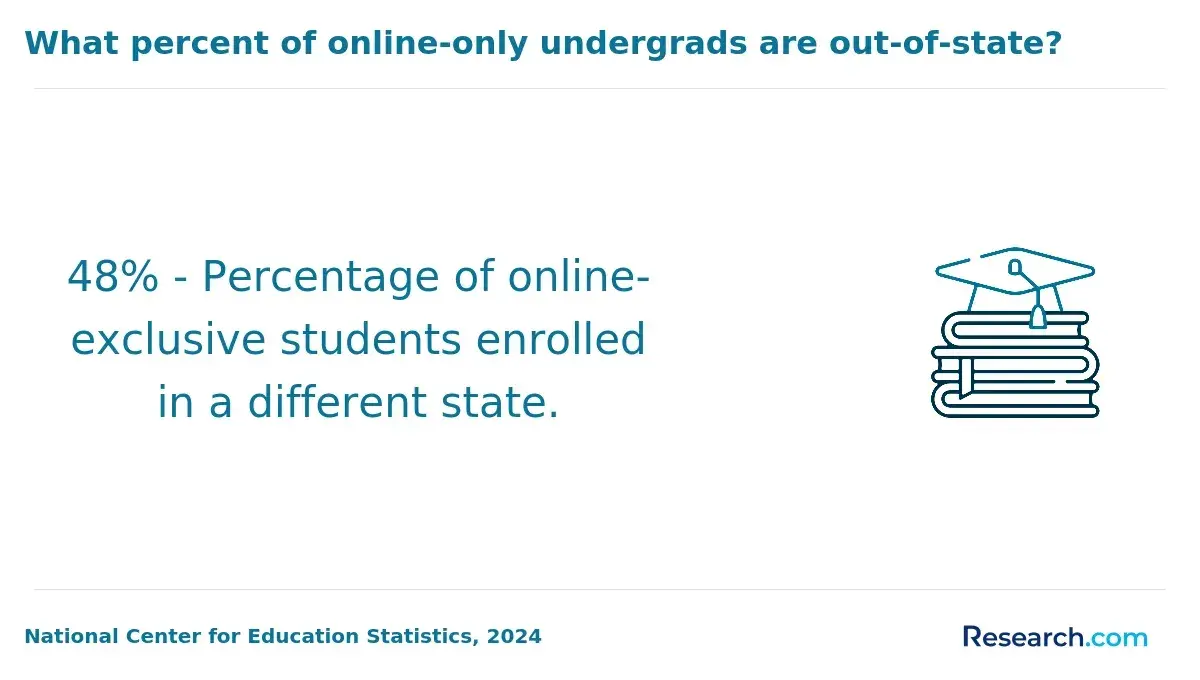
According to the National Center for Education Statistics, approximately 40% of online students face up to two weeks of delay between application and enrollment confirmation. For students hoping to start immediately, that delay can mean missing the next weekly course opening and moving to a later start.
- Transcript verification: Schools must confirm prior academic records before finalizing admission or transfer credit. If a student attended multiple colleges, this can take longer because every transcript must be received and reviewed.
- Prerequisite completion: Some applied business & technology programs require prior coursework in math, business, computing, writing, or statistics. Missing prerequisites may lead to conditional admission or placement into preparatory courses.
- Transfer credit evaluation: Adult learners often bring credits from community colleges, previous universities, military training, certificates, or employer-sponsored education. The school must decide which credits apply to the new degree plan.
- Standardized test requirements: Some programs have relaxed or eliminated mandatory test scores in recent years, but when scores are required, students must submit them before the school can complete the review.
- Program capacity: Even with rolling admissions, a specific course section may be full. The student may be admitted but assigned to the next available start.
To reduce delays, applicants should request official transcripts early, ask whether unofficial transcripts can be used for preliminary review, confirm prerequisite rules, and respond quickly to admissions requests. Weekly start dates work best for students who complete paperwork before the preferred start week.
Do Online Applied Business & Technology Programs Offer Immediate Enrollment for Transfer Students?
Some online applied business & technology programs can enroll transfer students quickly, but immediate enrollment is not guaranteed. Transfer students usually require more review than first-time applicants because the school must evaluate previous credits and map them to the new degree requirements.
- Transfer credit evaluation: The institution reviews prior coursework to determine which credits match program requirements. This step commonly takes several days or weeks and can directly affect the first available start date.
- Application review process: The school may need to verify identity, residency, academic standing, prior enrollment history, and documentation before confirming admission.
- Prerequisite completion: A transfer student may have enough general credits but still lack a required business, technology, statistics, or writing course. In that case, the student may need to begin with a prerequisite rather than a major course.
- Course sequencing: Some upper-level courses must be taken in order. If the next required course is not available in the upcoming weekly module, the student may need to wait or take another applicable course first.
- Program scheduling policies: Rolling admissions and weekly starts give transfer students more options, but the final start date depends on both admission approval and course availability.
A graduate of an applied business & technology degree program described the transfer process as “thorough but manageable.” She noted that transcript evaluation initially delayed her start by about two weeks, but weekly start dates helped reduce the total waiting time. She felt anxious during the credit review but appreciated clear communication from admissions. Ultimately, beginning within a month allowed her to balance work and studies effectively.
The practical lesson for transfer students is simple: ask for a written transfer estimate before choosing a start date. A fast calendar is helpful, but the better outcome is starting with the right credits applied to the degree plan.
Does Financial Aid Processing Affect Start Dates for Online Applied Business & Technology Programs?
Yes. Financial aid processing can affect when students begin online applied business & technology programs, especially if they rely on federal aid, scholarships, employer tuition benefits, military education benefits, or payment plans. A student may be academically admitted but still need funding approval before the school finalizes registration.
Nearly 20% of federal aid applicants face extended processing times due to verification, which can affect when they start classes. Verification typically adds two to four weeks to the approval process for affected students.
- Federal aid review: Grants and loans require administrative processing before funds are confirmed. Students should complete aid forms early and monitor school email for missing information requests.
- Verification delays: If selected for verification, students may need to submit tax, income, household, or identity documents. Missing or inconsistent information can postpone enrollment.
- Scholarship timing: Institutional or private scholarships may follow separate award timelines. Students should ask whether they can start before a scholarship decision is finalized.
- Employer tuition assistance: Some employers require preapproval before the course begins. Waiting for employer authorization can push a student to the next weekly or monthly start.
- Payment deadlines: Even programs with rolling starts usually have tuition confirmation deadlines. Missing a payment deadline can delay registration even after admission.
Students comparing costs should look beyond the start date and review total tuition, fees, transfer credit policies, and aid deadlines. Those still evaluating business-related options may also want to compare an affordable online business degree before committing to a specific enrollment calendar.
Do International Students Have Different Start Date Options for Online Applied Business & Technology Programs?
International students may have different start date options for online applied business & technology programs because their applications often require additional documentation, credential review, and regulatory checks. Even when the same program offers weekly starts to domestic students, international applicants may need to follow earlier deadlines.
Enrollment of international students in these fields has increased steadily, with online participation growing around 12% annually in recent years. As demand grows, more schools are expanding asynchronous course options, but administrative requirements can still limit how quickly an international student begins.
- Visa and regulatory requirements: International students may need earlier application timelines to allow for visa issuance and immigration compliance. Fully online study may have different requirements than study involving U.S. campus attendance, so students should confirm rules directly with the school.
- Credential evaluation: International transcripts may need authentication, translation, or third-party evaluation. This process can take longer than domestic transcript review and may affect start date eligibility.
- English-language documentation: Some programs require proof of English proficiency. If documentation is missing or scores are pending, admission may be delayed.
- Time zone considerations: Asynchronous courses are usually easier for global learners. Programs with live sessions, scheduled exams, group projects, or synchronous presentations may offer fewer convenient start options.
- Start calendar adaptations: Some schools restrict international applicants to selected starts so the institution can complete compliance checks before classes begin.
One international student enrolled in an online applied business & technology program described the process as “a balance between patience and meticulous planning.” He submitted his application months ahead but still felt anxious because of uncertain visa processing times and document verification. “I had to confirm with admissions several times to make sure my start date was set, as my initial preferred week was unavailable,” he explained.
He appreciated the program’s asynchronous courses because they allowed him to participate fully while managing time zone differences and work commitments. His experience shows that international students should treat the advertised start date as a target, not a guarantee, until all documentation is approved.
Do Online Applied Business & Technology Programs Allow Late Registration?
Many online applied business & technology programs allow some form of late registration, but the rules vary by institution and course format. Late registration is more common in programs with rolling or weekly starts, yet schools still set deadlines to protect course quality, financial aid compliance, and student success.
- Institutional flexibility: Programs with frequent start dates may let students join shortly after a course begins or move them to the next available module. The second option is often better if too much coursework has already been missed.
- Coursework and participation: Late starters may need to complete readings, discussion posts, quizzes, orientation tasks, or group introductions quickly. This can be manageable in the first few days but difficult after major assignments begin.
- Administrative deadlines: Most programs impose late registration cutoffs, commonly within the first two weeks of a course. These cutoffs help maintain academic standards and prevent students from starting too far behind.
- Support services: Academic advising may be required before late registration. Advisors can help students decide whether to begin immediately or wait for the next course start.
- Financial aid restrictions: Aid eligibility may depend on enrollment status and timing. Students should confirm that late registration will not affect disbursement, refunds, or required enrollment levels.
Late registration can be useful for students who missed a deadline by a few days, but it is not always the best choice. If the course is intensive, project-based, or team-based, starting late may increase stress and reduce the quality of the learning experience. Prospective students should ask both admissions and academic advising how late starts are handled before relying on this option.
Do Weekly Start Dates Shorten the Time to Complete an Online Applied Business & Technology Degree?
Weekly start dates can shorten the time to completion, but only under the right conditions. They reduce waiting time between admission and the first course and may reduce gaps between courses. However, they do not reduce the total number of credits, required competencies, prerequisites, capstone requirements, or internship components in the degree.
Data from continuous enrollment models suggest students with weekly starts may finish up to 20% faster, especially through accelerated online programs. The biggest time savings usually come from continuous enrollment and efficient course sequencing, not from the weekly start date by itself.
- Accelerated course sequencing: Some programs let students complete shorter, intensive courses throughout the year. Students may take fewer courses at once but complete more total courses annually.
- Modular and self-paced formats: Modular courses divide learning into smaller units. Competency-based or self-paced formats may allow faster progress for students who already know some of the material, though these models are not available in every program.
- Continuous enrollment without long breaks: Weekly starts reduce idle time between courses. This helps motivated students maintain momentum instead of waiting for the next semester.
- Transfer credits: The more applicable credits a student brings, the more a flexible calendar can help. Without transfer credits, weekly starts may make the program feel more convenient but not dramatically shorter.
- Prerequisites and capstones: Sequential courses, internships, practicums, and capstone projects can limit acceleration because they must be completed in a specific order.
For adult learners balancing work and life, the best question is not only “How soon can I start?” but also “How often can I take courses without stopping?” Students researching flexible options in adjacent fields may also compare calendars in online MFT programs.
How Do Schools Prepare Students for Their First Week of Online Applied Business & Technology Classes?
Strong online programs prepare students before the first week begins. This matters because applied business & technology courses often combine business concepts, software tools, data analysis, collaboration, and project-based assignments. Students who enter the first course without technical access or a clear plan can fall behind quickly, especially in accelerated modules.
- Orientation modules: Students typically complete online orientation before classes start. These modules explain the learning management system, attendance expectations, discussion rules, academic integrity policies, and communication channels.
- Technology setup support: Schools may provide setup guides, help desk access, software instructions, and device requirements. Students should test logins, browser compatibility, file uploads, video tools, and required applications before the first assignment is due.
- Academic advising: Advisors help students confirm course sequence, workload, transfer credits, and career alignment. This is especially important for working adults deciding whether to study part time, full time, or at an accelerated pace.
- Learning platform navigation: Early access to the online classroom lets students review the syllabus, assignment calendar, grading criteria, and instructor announcements before the official start.
- Faculty communication: Instructors often send welcome messages that clarify course goals, response times, participation expectations, and how to ask for help.
- Early engagement activities: Introductory discussions, short assignments, and peer networking tasks help students build confidence and establish a routine.
According to data, robust onboarding corresponds to improved first-term retention rates, reinforcing the value of first-week support in online technology courses. Students comparing broader degree options can review the highest-paying bachelor’s degrees to understand how program choice, career goals, and flexible scheduling may intersect.
What Are the Pros and Cons of Weekly Start Dates for Online Applied Business & Technology Programs?
Weekly start dates can be valuable, but they are not automatically better for every student. The right choice depends on how much structure the learner wants, whether key courses are offered frequently, and whether the student can stay organized without a traditional semester rhythm.
Pros
- Greater flexibility: Students can begin close to the time they are admitted instead of waiting months for a new term. This is helpful for working adults, parents, military-affiliated learners, and career changers.
- Reduced downtime: Frequent starts can minimize gaps between courses and help students maintain academic momentum.
- Faster response to career needs: Students who need new business, technology, data, or management skills for a current job can begin training sooner.
- Better fit for nontraditional schedules: Learners with changing work shifts or personal obligations may benefit from more entry points throughout the year.
Cons
- Less cohort consistency: Students may not move through the program with the same peer group, which can reduce networking and shared learning experiences.
- Advising complexity: Staggered starts can make planning more complicated because students may be at different points in the curriculum.
- Uneven course availability: Not every course is necessarily available every week. A student may start quickly but still wait for a required course later.
- Higher self-management demands: Short modules move quickly. Students who need a slower adjustment period may prefer monthly or traditional starts.
| Student priority | Weekly starts may help if... | Weekly starts may be less ideal if... |
| Starting quickly | You have transcripts, funding, and documents ready. | Your admission file or financial aid is incomplete. |
| Networking | You are comfortable building connections in changing course groups. | You want a stable cohort from start to finish. |
| Time to completion | You can enroll continuously and handle accelerated pacing. | Your required courses are not offered frequently. |
| Work-life balance | You need multiple start options around work or family obligations. | You prefer a predictable semester calendar with longer breaks. |
Online applied business & technology programs with weekly start dates have become increasingly popular as institutions respond to growing demand for flexible scheduling. According to a 2023 report by the National Center for Education Statistics, online enrollment in career-related programs increased by 12% from 2019 to 2022. Students comparing flexible pathways should also review cost and credential level; for example, some may decide that affordable online graduate programs better match their career stage than another undergraduate option.
What Graduates Say About Their Online Applied Business & Technology Program Enrollment Calendar & Start Options
- Jason: "When I was searching for flexible education options, I came across an online applied business & technology degree program that offered weekly start dates, which was perfect for my unpredictable schedule. The cost was reasonable, averaging around $15,000 for the full program, making it accessible without overwhelming debt. Since graduating, I've landed a management role where I apply both technical skills and business knowledge daily - it truly transformed my career."
- Camilo: "I wanted a program that fit my work and family commitments, so the weekly start dates of the online applied business & technology degree made enrollment straightforward and stress-free. Though the cost was a significant consideration, I found the investment, about $14,500 on average, justified by the career growth opportunities it unlocked. Reflecting back, this degree gave me a deeper understanding of how technology drives business innovation, which has enhanced my confidence in professional settings."
- Alexander: "Choosing an online applied business & technology degree program with weekly start dates allowed me to begin my studies exactly when I was ready without delay. The price point, roughly $15,000 total, was competitive for the value offered, especially given the program's hands-on curriculum. Professionally, completing this degree sharpened my analytical and leadership skills, positioning me for advancements and higher responsibilities in the tech industry."
Other Things You Should Know About Applied Business & Technology Degrees
In 2027, many online Applied Business & Technology programs offer rolling enrollment options with frequent start dates. Typically, institutions provide multiple entry points throughout the year to accommodate diverse schedules and keep flexibility for students.
Most online applied business & technology programs include an orientation phase designed to familiarize students with the learning platform, academic policies, and support resources. These sessions are usually held online and may be mandatory before starting coursework. Orientation helps ensure students are prepared to navigate the online environment successfully from day one.
In 2027, many online Applied Business & Technology programs offer flexible scheduling with multiple start dates, including weekly options. This approach accommodates diverse student schedules, enhancing accessibility and allowing for tailored learning experiences that fit individual needs.
References
- Admissions: Financial Aid: Late-Start Classes https://www.ladelta.edu/admissions/financial-aid/late-start-classes
- Registration Road Map | Study at Humber https://humber.ca/study-at-humber/register/registration-road-map
- Pros & Cons of Online Degree Courses in 2025 https://amityonline.com/blog/pros-and-cons-of-online-degree-courses
- Info Week https://connect.viu.ca/info-week
- We’ve Made an Important Update to Our Study Formats https://www.iu.org/online-programmes-update/
- Applied Technology BAS https://online.usm.edu/undergrad/applied-technology-degree/
- University of Technology and Arts in Applied Sciences in Warsaw https://apply.wseiz.pl/
- Key facts https://ibt.aueb.gr/program/
- Do colleges automatically receive my FAFSA after processing or is there another waiting period? - Claimyr https://claimyr.com/financial-services/fafsa/Do-colleges-automatically-receive-my-FAFSA-after-processing-or-is-there-another-waiting-period/2025-03-28
- Financial Aid: Disbursement and Requirements https://tcatnashville.edu/future-students/financial-aid-disbursement-and-requirements


