
2027 Early Childhood Education Degrees Explained: Are They Classified as Professional Degrees?

Co-Founder and Chief Data Scientist
Many prospective students wrongly assume that early childhood education degrees are universally classified as professional degrees. This misconception affects decisions about licensure, career paths, and salary expectations. Data shows that only about 38% of early childhood educators hold a professional-level credential, which impacts their employment opportunities and earning potential. The distinction between professional and academic degree pathways remains unclear for many.
This article, prepared by career planning experts, clarifies how early childhood education degrees are categorized across states, their relevance to professional licensure, and what students should consider when selecting programs to align credentials with career goals.
Key Benefits of Professional Early Childhood Education Degrees
- Professional early childhood education degrees equip graduates with the skills to support the cognitive, social, and emotional development of young children.
- These degrees offer strong earning potential, as qualified early childhood educators are in high demand in schools, childcare centers, and community programs.
- They prepare graduates for licensure, specialized teaching roles, and leadership positions, supporting long-term career growth and impact in education.
What Is Considered a Professional Early Childhood Education Degree?
Choosing a degree that qualifies as a professional early childhood education program is vital for students focused on licensure and career advancement. This understanding helps clarify which programs provide practical preparation aligned with industry standards and state requirements. Enrollment in early childhood education programs has increased by 12% over five years, highlighting growing workforce demand for qualified professionals. Programs labeled as professional often offer clearer paths to licensure and recognized credentials.
A common way to clarify misconceptions is through myth-versus-fact comparisons.
Degree Definition
- Myth: Any degree in early childhood education automatically counts as a professional qualification.
- Fact: Professional early childhood education degrees emphasize applied training designed to prepare graduates for immediate classroom work and meet specific state licensure criteria.
Licensure Focus
- Myth: Professional early childhood education degrees do not focus on licensure preparation.
- Fact: These degrees often include supervised field experience and coursework aligned with state teaching standards, ensuring eligibility for teacher certification.
Students evaluating types of accredited early childhood education programs should also consider how curriculum planning, classroom management, and child development theories are integrated to support career-specific outcomes. For those interested in related pathways with technology applications, reviewing AI degree programs can offer perspective on growing educational specialties as well.
Who Should Pursue a Professional Early Childhood Education Degree?
Identifying the right candidates for professional early childhood education degrees is essential for students focused on a career-oriented, practice-driven education. Such specificity ensures graduates are well-prepared to meet real-world classroom demands and licensing requirements. Recent trends show a 15% increase in enrollment in early childhood education programs, highlighting rising demand for qualified professionals in this specialized field.
Below, common misconceptions are addressed to clarify who truly benefits from pursuing this degree.
Licensure Focus
- Myth: Anyone interested in working with young children should earn this degree.
- Fact: This degree is best suited for early-career professionals seeking licensure and regulated positions that require formal credentials.
Specialized Roles
- Myth: The degree only prepares general classroom teachers.
- Fact: It also equips individuals aiming for specialized careers such as preschool administrators or early intervention specialists, broadening career advancement opportunities.
Career Changers
- Myth: Changing careers to early childhood education doesn't require formal education.
- Fact: Career changers passionate about child development benefit from the foundational knowledge and professional skills provided by this degree.
This targeted approach aligns well with students planning to engage directly in teaching or program administration, often leading to higher salaries and compliance with state licensing standards. For those comparing programs and costs, exploring resources like online business degree programs can provide additional insights into affordable educational paths.
What Are the Most Common Professional Early Childhood Education Degree Programs?
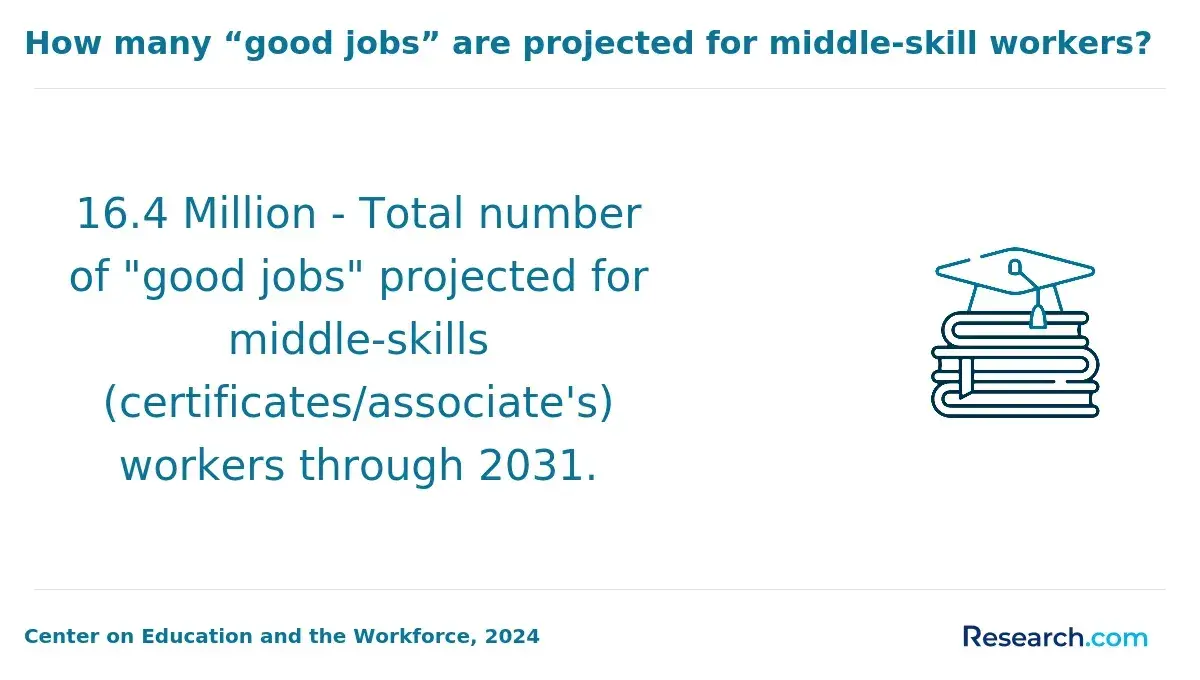
Knowing the different professional early childhood education programs helps students choose the right path for their career ambitions and required certifications. Enrollment in bachelor's level programs has grown by around 8% recently, highlighting increased demand for qualified educators.
Here are the main types of early childhood education degrees:
- Associate degrees in early childhood education: These programs introduce foundational concepts in child development and classroom practices. They prepare students for entry-level roles and build a base for further study.
- Bachelor's degrees in early childhood education or development: Focused on child growth theories, curriculum planning, and classroom management for children up to age eight, these degrees meet licensure requirements and provide comprehensive pedagogical training.
- Specialized certification programs: Designed for professionals seeking targeted skills, these programs concentrate on instructional techniques and administrative competencies within early learning settings.
Are Professional Early Childhood Education Degree Programs Accredited?
Accreditation is a crucial concern for students evaluating professional early childhood education degree programs because it assures program quality and legitimacy. Over 85% of early childhood-related jobs prefer candidates with degrees from accredited programs, emphasizing the importance of proper program oversight.
Several misconceptions about accreditation can mislead prospective students. Below is a myth-versus-fact overview to clarify these vital aspects.
Accreditation Scope
- Myth: All early childhood education degree programs are automatically accredited by the same bodies.
- Fact: Accreditation varies widely; institutional accreditation covers the whole college or university, while programmatic accreditation targets specific early childhood education programs. Both types, managed by recognized accrediting bodies for professional early childhood programs, serve distinct but essential roles.
Professional Impact
- Myth: Accreditation is optional and does not affect career or licensure outcomes.
- Fact: Recognized accreditation ensures programs meet educational and ethical standards overseen by entities such as the U.S. Department of Education and the Council for Higher Education Accreditation (CHEA). Accreditation is often required for state licensure, which is fundamental for career advancement and competitive salaries.
Financial Aid Eligibility
- Myth: Enrolling in a non-accredited program will not impact access to federal financial aid.
- Fact: Federal financial aid typically requires enrollment in an institutionally accredited program, making accreditation essential for affordable education and the financial feasibility of most students.
When comparing options, including accreditation agencies for early childhood education degrees, students should carefully check if a program's credentials align with licensure and funding criteria. For those also exploring related fields, some MFT programs offer similar accreditation standards worth reviewing.
What Are the Admission Requirements for a Professional Early Childhood Education Degree?
Knowing admission requirements is essential for those considering a professional early childhood education degree, as these criteria help filter candidates ready to meet program demands. Enrollment in early childhood education programs increased by roughly 12% from 2017 to 2022, reflecting growing interest and competitiveness in the field.
Below are some typical prerequisites applicants should expect.
- High School Diploma or Equivalent: This serves as a minimum academic foundation, ensuring candidates have completed basic education necessary for college-level coursework.
- Official Transcripts: Schools require transcripts to evaluate previous academic performance and readiness for the program's curriculum.
- Minimum GPA: Often set between 2.5 and 3.0, this requirement is designed to confirm the applicant's ability to handle rigorous studies.
- Letters of Recommendation: These letters offer personal and professional perspectives on the applicant's character and aptitude for working with young children.
- Personal Statement or Essay: Applicants must articulate their motivation, goals, and understanding of the challenges within early childhood education.
- Relevant Experience: Volunteer or work experience with children helps demonstrate genuine interest and preliminary practical knowledge.
What Courses and Practical Training Are Required in a Professional Early Childhood Education Degree?
Knowing the components of a professional early childhood education degree is essential for prospective students to ensure their program meets state licensing requirements and supports career advancement. Evaluating required coursework and practical training helps students select a program aligned with industry standards and personal career goals.
Below are common elements found in professional early childhood education degrees that address both theory and practice.
- Child Development and Psychology: These foundational courses explore how young children grow cognitively, emotionally, and socially. They provide knowledge about developmental milestones and prepare students to design appropriate learning experiences.
- Curriculum Design and Instructional Methods: Students learn to create developmentally appropriate curricula that foster active learning. This coursework emphasizes strategies to engage children and support diverse learning needs.
- Family and Community Engagement: Training in this area focuses on building strong relationships between educators, families, and communities. It highlights communication techniques and cultural competence essential for inclusive education settings.
- Supervised Field Experiences: Practical training includes placements in early childhood settings such as preschools or childcare centers. These supervised hours enable students to apply theory in real classrooms, enhance classroom management skills, and respond to varied learner profiles.
- Student Teaching or Internship: Intensive hands-on practice under professional mentors is typically required. This component bridges theoretical knowledge and practical challenges, boosting confidence and readiness for professional roles.
Incorporating required coursework for early childhood education degree programs with robust practical training in professional early childhood education programs not only fulfills licensure mandates but also enhances employability and leadership readiness in the field.
For students curious about career outcomes and compensation trends linked to education paths, exploring what degrees make the most money can provide valuable context for long-term planning.
How Much Do Professional Early Childhood Education Degrees Cost?
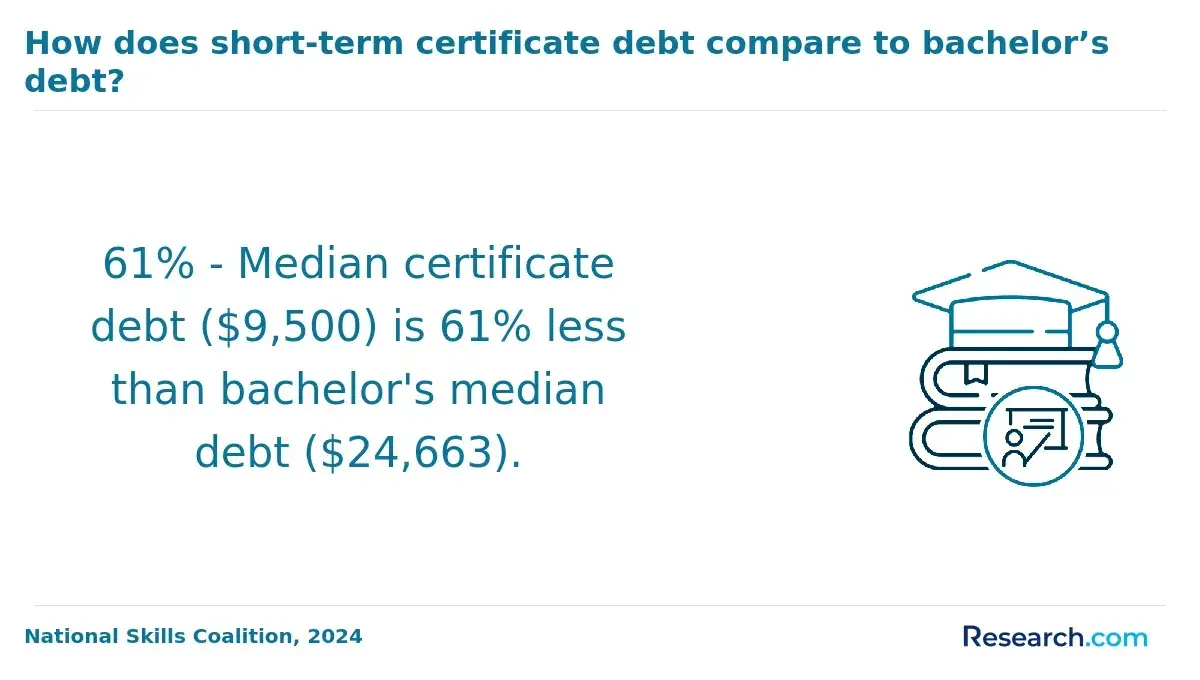
Understanding the cost of a professional early childhood education degree is essential for prospective students evaluating program options and planning their finances. Tuition fees for these degrees often range widely, with averages between $6,000 and $25,000 annually, affecting the overall return on investment. On average, total program costs frequently exceed $20,000 when all expenses are considered.
Several key factors contribute to the overall affordability and should be carefully reviewed before enrollment.
- Tuition and fees: This is the largest expense, varying significantly by public or private institutions, residency status, and the duration of the program. These costs form the foundation of the professional early childhood education degree tuition and must align with one's budget.
- Books and supplies: Required coursework materials add to yearly expenses, with typical estimates between $1,000 and $2,000. These costs fluctuate depending on the program's structure and course requirements.
- Fieldwork and practicum expenses: Many programs mandate hands-on experience, which can involve additional costs such as commuting, childcare materials, or uniforms, impacting total program affordability.
- Technology and online access fees: Hybrid or fully online programs may add fees for software, learning platforms, or equipment needed to complete coursework remotely.
- Licensure and certification costs: Graduates planning to obtain professional credentials face application and examination fees that occur after degree completion but should be anticipated during financial planning.
Due to rising higher education costs, understanding the cost of earning an early childhood education professional degree helps students make informed choices. Some prospective students might consider accelerated options such as 1 year graduate programs to reduce tuition and living expenses while completing their credentials faster.
Do Professional Early Childhood Education Degrees Qualify for Financial Aid?
Financial aid eligibility often worries those considering professional early childhood education programs because these degrees may be classified differently from traditional undergraduate studies, potentially affecting funding options. Approximately 60% of graduate students in education, including early childhood education, receive some form of financial aid such as loans or scholarships.
Below is a myth-versus-fact overview addressing common concerns about aid availability.
Loan Eligibility
- Myth: Federal student loans do not cover professional early childhood education degrees.
- Fact: Accredited professional programs usually qualify for federal student loans, allowing students to finance their education through standard loan channels.
Scholarships and Grants
- Myth: There are no scholarships or grants for students in early childhood education professional degrees.
- Fact: Many institutions and organizations offer scholarships and grants specifically aimed at early childhood education students to help reduce their financial burden.
Employer Assistance
- Myth: Tuition assistance from employers is rarely applicable to career-focused early childhood education programs.
- Fact: Numerous employers provide tuition reimbursement or assistance to employees pursuing professional credentials in early childhood education.
Loan Forgiveness
- Myth: Public service loan forgiveness programs don't apply to early childhood education professionals.
- Fact: Educators working in qualifying community or public service roles often benefit from loan forgiveness options, easing long-term debt repayment.
Are Professional Early Childhood Education Degrees Required for Certain Careers?
Knowing the specific degree requirements for early childhood education careers helps students select programs that align with their professional goals and licensure eligibility. Workforce demand is growing; for example, employment of preschool teachers is expected to increase by 9% from 2022 to 2032, favoring those with formal degrees and certification.
Here are common misconceptions clarifying when professional early childhood education degrees are necessary:
Degree Necessity
- Myth: All early childhood education jobs require a professional degree.
- Fact: Many support roles do not mandate a degree but benefit from relevant coursework or credentials.
Licensure Requirements
- Myth: Licensure can be obtained without a bachelor's degree.
- Fact: Public preschool teacher licensure generally requires at least a bachelor's degree and state certification.
Specialized Roles
- Myth: Early intervention specialists don't need professional certification.
- Fact: These specialized positions typically demand professional certification or advanced credentials.
Administrative Careers
- Myth: Director or administrator roles accept any educational background.
- Fact: These leadership positions often require advanced degrees or specific credentials.
Program Selection
- Myth: Any early childhood program qualifies for licensure.
- Fact: Choosing accredited programs that meet state standards is crucial for eligibility in regulated careers.
Do Professional Early Childhood Education Degrees Lead to Higher Salaries?
Evaluating the financial advantages of professional early childhood education degrees is essential for students deciding whether to pursue advanced, career-focused studies. Making informed choices about this investment requires insight into how these degrees influence salary prospects.
Below is a myth-versus-fact breakdown to clarify common assumptions.
Salary Increase
- Myth: Obtaining a professional early childhood education degree guarantees a much higher salary.
- Fact: While having a professional degree can modestly increase earnings, the extent depends on factors like geography, specific job roles, and individual experience.
Role Requirements
- Myth: All high-paying positions in early childhood education require professional degrees.
- Fact: Some leadership or specialized roles prefer or require such credentials, but many positions value experience, certifications, and continuing education just as much.
Financial Outcome
- Myth: Investing in a professional early childhood education degree won't yield strong long-term financial rewards.
- Fact: Over time, advanced credentials often help with career growth and job stability, leading to better pay and promotion opportunities compared to those without higher education.
What Graduates Say About Their Professional Early Childhood Education Degree
- Nathaniel: "Choosing to enroll in a professional early childhood education degree program was one of the best decisions I made for my career. The flexibility of the program allowed me to balance work and studies seamlessly, especially considering the average cost of attendance was manageable compared to similar degrees. This program has truly empowered me to make a meaningful difference in young children's lives. "
- Ramniel: "Reflecting on my time in the early childhood education program, I appreciate how the adaptable course structure fit my busy lifestyle. Pursuing this degree was a thoughtful choice that opened doors to leadership roles in education, and the investment felt worthwhile given the comprehensive curriculum and support provided. It's been a pivotal step in shaping my professional journey. "
- Josephine: "My decision to pursue a professional early childhood education degree was driven by a strong passion to impact the community positively. The program's flexible scheduling and reasonable cost made it accessible for me as a working adult. Graduating has enhanced my expertise and credibility, allowing me to advance confidently in my career. "
Other Things You Should Know About Early Childhood Education Degrees
Early childhood education degrees often offer specializations or courses focusing on special needs education, equipping educators with skills in communication, adaptive techniques, and inclusive practices. Some programs may offer certifications or concentrations that specifically prepare graduates to work effectively with children requiring special support.
Graduates of professional early childhood education degree programs often qualify for state licensure as early childhood educators or teachers. Some degrees also prepare students for certifications like the Child Development Associate (CDA) credential or state-specific teaching licenses. Requirements vary by state, so students should consult local education authorities to understand the necessary credentials for their desired roles.
Yes, professional early childhood education degrees can be earned online. Many universities offer accredited online programs that provide the same curriculum and qualifications as on-campus options. This flexibility allows working professionals to balance their studies with existing commitments.
References
- 5 Common Misconceptions About Child Care Programs https://www.flcboulder.org/5-common-misconceptions-about-child-care-programs
- Busting the Myths About Teacher Compensation and the Teaching Profession https://www.wested.org/blog/busting-the-myths-about-teacher-compensation-and-the-teaching-profession/
- Everything You Need to Know About Earning a Degree in Early Childhood Education https://mybrightwheel.com/blog/degree-in-early-childhood-education
- ED Releases Myth vs. Fact on Professional Degrees to Address Widespread Misconceptions | College Aid Services https://www.collegeaidservices.net/2025/11/25/ed-releases-myth-vs-fact-on-professional-degrees-to-address-widespread-misconceptions/
- Early Childhood Education https://lakeshore.edu/programs-and-courses/career-areas/education-training/early-childhood-education
- 3 Reasons to Pursue an Early Childhood Educator Degree https://www.lillio.com/blog/3-reasons-to-pursue-an-ece-degree
- Become an early years teacher https://getintoteaching.education.gov.uk/life-as-a-teacher/age-groups-and-specialisms/early-years-teachers
- 3 Big Myths About Child Care on Equal Pay Day | Bellwether https://bellwether.org/blog/3-big-myths-about-child-care-on-equal-pay-day-2/
- Debunking Myths About Early Childhood Education https://wherelittlemindsshine.com/blog/debunking-myths-about-early-childhood-education


