2027 Health Sciences Degree Master's Programs Accepting Students Now

Co-Founder and Chief Data Scientist
Recent graduates often face a dilemma when seeking advanced education that bridges their undergraduate major with expanding healthcare opportunities. Career changers encounter added challenges, as 45% of professionals entering health sciences master's programs hold unrelated bachelor's degrees and require accelerated, flexible curricula to build new skills efficiently. International applicants struggle with finding accredited programs that recognize diverse educational backgrounds while providing pathways to U.S. employment.
This article analyzes current health sciences degree master's programs accepting students now, focusing on options tailored to recent graduates, career changers, and international learners. It aims to guide readers toward suitable programs that match their unique needs and professional goals.
Key Things to Know About Health Sciences Degree Master's Program Accepting Students Now
- Many health sciences master's programs offer flexible online and hybrid formats, enabling working professionals to balance studies with career and personal commitments.
- Accelerated curricula focus on practical skills and current industry standards, allowing students to complete degrees and enhance expertise within 12 to 18 months.
- Students gain access to global alumni networks and virtual collaborations, fostering diverse professional connections that expand career opportunities across healthcare sectors.
What are health sciences master's programs, and who are they designed for?
A master's program in health sciences generally involves advanced study beyond the bachelor's level, focusing on specialized skills applicable to the healthcare sector. These programs typically run 12 to 24 months and are available in a variety of formats, including traditional on-campus, fully online, or hybrid options, offering flexibility for students balancing work and study.
Primary audiences include working professionals seeking career advancement, career changers entering health-related fields, and recent bachelor's degree recipients pursuing specialized training. Unlike bachelor's degrees, which provide foundational knowledge, master's degrees emphasize critical analysis and practical application, while doctoral programs focus more on original research and academic careers.
Admission requirements for health sciences graduate programs usually include a bachelor's degree, a competitive GPA, and sometimes relevant professional experience or entrance exams.
- Program Duration and Format: Most master's programs span one to two years with flexible attendance options to accommodate working professionals and other student groups.
- Target Audiences: Designed for professionals aiming for leadership roles, individuals switching careers, and recent graduates seeking advanced qualifications.
- Academic and Practical Focus: Combines theoretical knowledge with applied skills to prepare students for specialized careers in healthcare administration, research, and policy-making.
- Admission Requirements: Typically require a bachelor's degree, competitive GPA, and sometimes entrance exams or relevant experience to meet program rigor.
- Career Advancement Opportunities: Graduates qualify for higher-level positions that demand advanced expertise in clinical and administrative health settings.
The demand for advanced health sciences credentials continues to grow, fueled by an aging population and heightened healthcare standards. Employment in health-related occupations is projected to increase 13% from 2021 to 2031, faster than the average for all professions. Prospective students interested in shorter, intensive training can explore fast medical assistant programs as an alternative or complement to graduate studies in health sciences.
Which health sciences master's programs are currently accepting applications?
The landscape of health sciences master's programs currently accepting applications shifts frequently each semester, so verifying up-to-date availability directly with specific institutions is essential. Prospective students should consult official university websites and accrediting bodies such as the Commission on Accreditation of Allied Health Education Programs (CAAHEP) or the Council on Education for Public Health (CEPH) to confirm program intake information. Note that "accepting students now" can refer to rolling admissions or fixed deadlines, differing widely by school.
Below are examples of representative health sciences graduate programs open for enrollment now at different times throughout the year:
- Thesis-Based Master's Programs: These focus on research and culminate in a thesis, ideal for students seeking advanced theoretical knowledge or intending to pursue doctoral studies. Admissions often follow traditional academic deadlines, though some offer rolling admissions.
- Professional Master's Programs: Designed for working professionals or career changers, these emphasize practical skills without requiring a thesis. Flexible start dates accommodate part-time learners and those balancing work commitments.
- Accelerated Master's Programs: These intensive, shortened programs enable quicker degree completion and often feature fixed start terms. Early application is advised due to limited seats.
- Hybrid and Online Programs: Combining online coursework with occasional in-person or virtual labs, these programs provide flexibility for career changers managing other responsibilities. Admission cycles vary significantly.
- Specialized Concentration Programs: Degrees with focuses like epidemiology, health informatics, or global health may have unique application periods. Checking specific program portals is crucial for accurate deadlines.
For those exploring easy to get into nursing programs, similar considerations apply. Carefully reviewing program criteria, application windows, and accreditation status helps ensure a well-informed decision on pursuing advanced studies in health sciences.
What are the admission requirements for a health sciences master's program?
Applicants to master's programs in health sciences generally need to provide official undergraduate transcripts that confirm their academic history and GPA qualifications. Most schools request two or three letters of recommendation from professors or supervisors to evaluate the candidate's strengths and readiness for graduate study.
A statement of purpose is also vital; it offers applicants a chance to outline their motivations, professional goals, and why the chosen program aligns with their aspirations. Additionally, many programs ask for a detailed resume or CV documenting relevant work, internships, volunteer efforts, and notable accomplishments.
While some programs still require standardized test scores such as the GRE or GMAT, an increasing number have eliminated these exams since the pandemic to make admissions more accessible. It is essential to verify each school's policy individually. Depending on the specialization, prerequisites such as foundational coursework in biology, chemistry, or statistics may be necessary. Certain concentrations may also expect applicants to submit a professional portfolio or hold certifications like CPR or specialized healthcare licenses.
- Academic Transcripts: Official records demonstrate academic achievement and ensure candidates meet GPA and coursework standards suited for graduate study.
- Letters of Recommendation: Typically provided by academic or professional references, these letters showcase qualifications, character, and preparedness for advanced education.
- Statement of Purpose: This essay explains the applicant's career goals, reasons for pursuing health sciences, and specific interest in the program.
- Standardized Testing: Although many schools have waived GRE or GMAT requirements, some still require scores; checking each program's current policies is critical.
- Prerequisites and Certifications: Coursework in science or statistics and healthcare certifications may be required based on program focus and institution standards.
A professional who pursued an online master's in health sciences to transition careers described the admission process as "intimidating at first," especially navigating the variable requirements between institutions. He recalled spending significant time tailoring his statement of purpose to highlight how his prior experience paralleled health sciences goals and carefully selecting recommenders who could speak to his adaptability and work ethic.
He emphasized the relief he felt when learning some programs had waived standardized tests, reducing his stress. Overall, he found that meticulous preparation and understanding each school's unique expectations were key to successfully gaining admission.
What is the minimum GPA requirement for a health sciences master's program?
The typical minimum GPA requirement for health sciences master's programs is a 3.0 on a 4.0 scale, though many competitive programs expect slightly higher, often above 3.2. Applicants with GPAs below this threshold are not automatically disqualified, as admissions committees may weigh other elements like upward academic progression or relevant professional experience.
These factors can help demonstrate an applicant's preparedness and dedication despite lower grades earlier in their academic career. This flexibility reflects a growing trend toward more holistic evaluation methods in graduate admissions.
Some programs offer conditional admission to students with borderline GPAs, allowing them to prove their academic capabilities during initial coursework or internships prior to full acceptance. For those whose GPA is near these cutoffs, reaching out directly to admissions offices is advisable for guidance on strengthening the application or exploring possible provisional acceptance options. Approximately 40% of health sciences master's programs have adopted more flexible admission standards to accommodate a diverse range of applicants.
Prospective students should also consider exploring affordable online FNP programs as an option to balance cost and credentials effectively.
- Common GPA Threshold: A 3.0 GPA on a 4.0 scale is typically required; however, exact standards vary by institution and program competitiveness.
- Higher Expectations for Competitive Programs: Selective programs often seek GPAs above 3.0 to ensure students can handle rigorous coursework.
- Additional Considerations: Admissions committees may evaluate upward grade trends and professional experience to offset lower GPAs.
- Conditional Acceptance Options: Some schools admit candidates provisionally, requiring successful completion of preliminary requirements.
- Direct Admissions Contact: Applicants near GPA cutoffs should communicate with admissions for personalized advice and possible flexible entry pathways.
How long does it take to complete a health sciences master's program?
Master's programs in health sciences are generally designed to be completed in one to two years for full-time students, while part-time options may extend the duration to two to four years. Certain schools offer accelerated pathways, including intensive 12-month programs, to help students finish faster. Combined bachelor's/master's (4+1) tracks are another option, enabling students to earn both degrees in about five years, reducing overall time compared to pursuing them separately.
Several elements influence how long a program takes. Choosing a thesis track often requires additional time for research and writing, whereas non-thesis tracks emphasize coursework and applied skills, potentially allowing quicker graduation.
Students who take heavier course loads can advance faster, while those with lighter schedules may take more time. Transfer credits from prior education can also shorten the timeline. Practical requirements, like internships or practicum experiences, add valuable real-world exposure but lengthen completion time.
When selecting a program, it's important to consider the balance between program length and the quality of education and career services. A shorter program might be attractive, but ensuring it provides solid preparation for professional success is essential.
- Program Duration Options: Typical full-time completion ranges from one to two years; part-time study usually takes two to four years depending on individual pacing.
- Accelerated and Combined Paths: Some institutions offer one-year intensive tracks or integrated 4+1 degree programs to reduce total study time.
- Thesis Versus Non-Thesis: Thesis tracks involve research commitments that may extend the timeline compared to coursework-focused options.
- Course Load and Transfer Credits: Taking a full course load and applying transfer credits can significantly shorten overall program length.
- Internships and Practical Training: Hands-on clinical or field experiences lengthen study time but are crucial for skill development and job readiness.
A professional who completed an online health sciences master's shared that managing studies alongside a full-time job and family responsibilities was challenging but rewarding. She noted, "The structure demanded strong time management, especially balancing practicum hours with coursework deadlines."
Despite occasional stress, she found the flexibility of online learning and the practical experience invaluable. Reflecting on her journey, she emphasized how the extended timeline for certain semesters allowed deeper engagement with complex topics, ultimately preparing her well for her advancing career.
What is the cost of a health sciences master's program, and how is it calculated?
Tuition in health sciences master's programs can vary significantly, primarily influenced by whether a student is classified as in-state or out-of-state at public universities. In-state tuition generally ranges from around $400 to $700 per credit hour, whereas out-of-state rates are often between $800 and $1,200 or more per credit hour.
Private institutions usually maintain a consistent per-credit charge regardless of residency, often set between $800 and $1,500 per credit hour. Additionally, some online programs offer a flat tuition rate for all students, simplifying cost expectations.
Beyond tuition, students should anticipate extra expenses such as administrative fees, lab or clinical costs, and technology charges. Technology fees, increasingly common for virtual learning environments, typically fall between $100 and $300 each term, helping cover digital platform access and resources necessary for coursework.
Living costs represent another considerable category, particularly for those attending classes on campus. Expenses such as housing, food, transportation, and personal necessities can add $10,000 to $20,000 annually, depending heavily on geographic location. Online learners can often reduce these costs by studying remotely, though some programs may require occasional campus visits that bring travel expenses.
National averages indicate that completing a master's degree in health sciences usually requires an investment ranging between $20,000 and $60,000. It is important to recognize that this figure often exceeds what students pay out of pocket after factoring in scholarships, grants, and employer tuition support, which can significantly decrease the actual financial burden.
- Tuition Per Credit Hour: Costs vary with residency status and whether schools are public or private; online programs may offer uniform rates for all enrollees.
- Program and Technology Fees: Additional charges cover administrative tasks, special materials, and technology services necessary for modern health sciences education.
- Living Expenses: On-campus students must budget for housing and daily necessities, which substantially affect overall costs compared to online study.
- Average Total Cost Range: Enrolling in a health sciences master's generally costs between $20,000 and $60,000, influenced by various factors including program length and format.
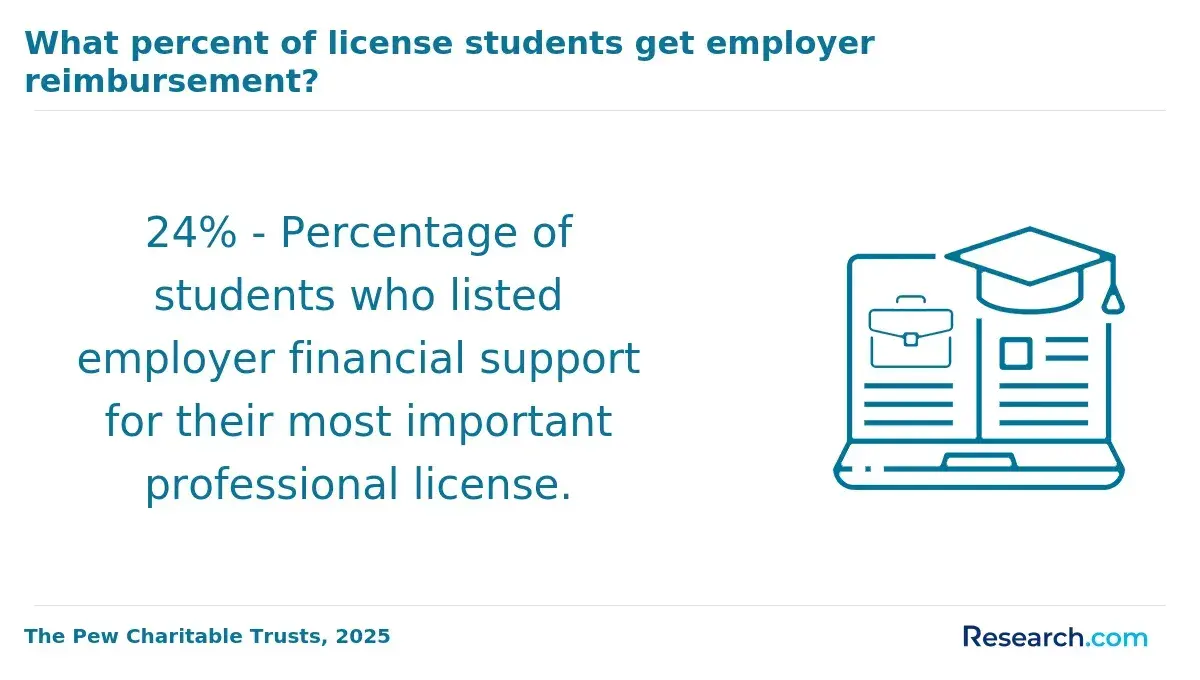
- Net Costs After Aid: The sticker price often overstates actual costs due to available financial assistance such as scholarships, grants, and employer reimbursement.
What financial aid options are available for health sciences master's students?
Master's students in health sciences face a distinct financial aid landscape compared to undergraduates, with fewer grant opportunities and a greater reliance on loans and assistantships. Completing the Free Application for Federal Student Aid (FAFSA) is still essential, as it unlocks access to federal loan programs and other types of aid.
Applicants should also explore institutional support, employer tuition benefits, and scholarships tailored to health sciences specialties or demographics. Additionally, state-funded aid programs may offer valuable assistance depending on the student's residency and specific program.
- Federal Loans Via FAFSA: Filing the FAFSA is the foundational step to qualify for federal loan options like Direct Unsubsidized and Grad PLUS loans. These loans generally offer lower interest rates and flexible repayment plans compared to private loans, making them a key resource for graduate students.
- Institutional Grants and Fellowships: Some universities provide merit- or need-based grants and fellowships. Although these awards are less common for master's candidates, they can help reduce costs but often require competitive applications and maintaining strong academic performance.
- Graduate Assistantships: Positions such as research or teaching assistantships typically include tuition waivers and stipends, providing both financial relief and professional experience in the student's area of study.
- Employer Tuition Benefits: Many healthcare employers offer tuition reimbursement or scholarships for employees advancing their education. Prospective students should confirm eligibility and limits with their employers before enrolling.
- Private and Discipline-Specific Scholarships: Numerous organizations grant scholarships aimed at health sciences students, including programs for underrepresented groups or specialized fields. Early research into these options can significantly supplement other aid sources.
Are there scholarships specifically for health sciences master's students?
Scholarships for health sciences master's students play a vital role in reducing graduate education costs. These awards generally come from two main sources: institutional scholarships, which are granted by universities based on academic merit, financial need, or specific program requirements, and external scholarships offered by professional associations, foundations, and government agencies focused on advancing health sciences.
Institutional scholarships may require a separate application or be automatically considered during the admissions process. External awards often stem from organizations like the American Public Health Association or the National Society of Allied Health, which support students pursuing advanced studies. Using professional association websites, scholarship aggregator databases, and federal scholarship search tools like the U.S. Department of Education's Scholarship Finder can broaden the search for financial aid tailored to health sciences graduate students.
It is crucial to carefully review each scholarship's eligibility criteria, award amount, and application deadline to maximize opportunities. Many scholarships are renewable and provide funding over multiple years, contingent on maintaining required GPA standards or continued enrollment. Students should incorporate this renewable aspect into their long-term financial planning.
For those exploring health sciences pathways, consider options such as enrolling in institutions that do not require entrance exams. Programs like those found through a nursing school without entrance exam offer alternative access routes that may fit your profile.
What are the best online health sciences master's programs available today?
When assessing the top accredited online health sciences master's programs, accreditation stands as the foundation of program credibility. Regional or programmatic accreditation ensures the curriculum meets rigorous educational standards and helps maintain eligibility for professional certification and licensure. Prospective students should always verify the accreditation status before applying.
Faculty credentials are another critical factor. Programs led by instructors with advanced degrees and extensive health sciences experience provide a richer, more practical education that aligns with current industry demands. Strong student support services-including advising, technical help, and career counseling-play a vital role in online program success, particularly for those balancing graduate studies with full-time work.
Online learning formats offer significant flexibility for working adults, allowing asynchronous coursework and adaptable schedules. However, this flexibility may come with trade-offs such as limited face-to-face networking opportunities, which can affect professional connections and career advancement. Students should look for programs that offer virtual networking events or mentorships to mitigate this challenge.
For those exploring graduate options in the health field, it can be helpful to compare programs with available financial aid. For example, online schools for medical billing and coding also illustrate how targeted financial aid improves access to specialized areas within health sciences.
How do accreditation standards affect the value of a health sciences master's degree?
Regional accreditation evaluates an entire institution, ensuring it meets broad educational standards, while programmatic accreditation focuses specifically on health sciences programs, assessing curriculum quality, faculty expertise, and clinical experience.
Attending an accredited health sciences program is crucial because many licensing boards require graduation from accredited programs to qualify for professional certification. Employers also prefer graduates with degrees from accredited schools, signaling preparedness and credibility.
Additionally, federal financial aid eligibility depends on enrollment in accredited institutions. Key accrediting organizations for health sciences include the Commission on Accreditation of Allied Health Education Programs (CAAHEP), the Accreditation Council for Education in Nutrition and Dietetics (ACEND), and the Council on Education for Public Health (CEPH).
Prospective students should independently confirm both institutional and programmatic accreditation through the U.S. Department of Education's Database of Accredited Postsecondary Institutions and Programs to avoid unrecognized or fraudulent degrees.
- Regional vs. Programmatic Accreditation: Regional accreditation covers the whole institution and its overall standards, whereas programmatic accreditation targets specific health sciences disciplines for field-relevant quality assurance.
- Licensure and Certification: Graduating from an accredited program is typically required to meet the eligibility criteria for healthcare licenses and certifications.
- Employer Recognition: Degrees from accredited programs are preferred or required by employers, indicating a graduate's readiness for professional roles.
- Financial Aid Eligibility: Federal student aid is available only to students attending accredited institutions, making accreditation essential for funding graduate education.
- Verification Resources: The U.S. Department of Education's official database is the best tool for verifying accreditation status and ensuring program legitimacy.
What career outcomes can health sciences master's graduates expect?
Graduates with a master's degree in health sciences have access to a broad range of careers in public agencies, healthcare organizations, and private companies. According to the U.S. Bureau of Labor Statistics, professionals such as healthcare managers and health educators benefit from stable demand and competitive median wages.
Holding a master's degree often elevates earning potential by 15% to 30% compared to bachelor's degree holders and enhances eligibility for leadership roles and specialized positions. Effective career services and active alumni networks play a crucial role in job placement and professional growth by offering mentoring, internships, and networking opportunities.
- Salary Premiums and Job Outlook: Master's graduates typically earn significantly higher salaries, with some healthcare management roles projected to grow nearly 30% through 2031, reflecting robust job prospects.
- Diverse Career Paths: Graduates find opportunities in administration, policy, research, health promotion, and consulting within public and private sectors.
- Leadership and Specialization: Advanced degrees qualify candidates for supervisory and expert roles that demand greater technical and managerial skills than entry-level jobs.
- Career Support Networks: Alumni groups and dedicated career offices help graduates connect with employers and navigate competitive job markets effectively.
What Graduates Say About Their Health Sciences Degree Master's Program
- Adam: "Choosing to pursue a health sciences master's degree was a pivotal decision for me, driven primarily by my passion for improving community health outcomes. The program's affordable cost made it accessible without significant financial burden, which was crucial at the start of my career. This degree has since opened doors to leadership opportunities in healthcare, far beyond what I initially expected."
- Franklin: "Reflecting on my journey, I appreciate how the health sciences master's program combined rigorous academics with practical skills that are invaluable in today's job market. Although the tuition was a considerable investment, the long-term career growth and salary benefits have justified every dollar spent. This degree has truly been the foundation for establishing me as a credible professional in the health sector."
- Monica: "I approached the health sciences master's degree with a clear goal: to specialize and advance my healthcare expertise. The relatively moderate cost allowed me to pursue my studies without overwhelming debt, which was a relief. After graduating, the career impact has been significant, enabling me to contribute effectively to public health initiatives and to progress steadily within my field."
Other Things You Should Know About Health Sciences Degrees
Choosing the right health sciences master's program depends on your career objectives, preferred learning format, and specialization interests. Consider programs that align with your professional goals, whether that involves clinical practice, healthcare administration, policy, or research. Evaluating factors such as curriculum focus, faculty expertise, accreditation, and available support services can help ensure the program meets your needs and enhances your career prospects.
The application processes for health sciences master's programs in 2027 may vary, but they generally include submitting academic transcripts, letters of recommendation, a personal statement, and a resume or CV. Some programs might also require standardized test scores or interviews. Each program's requirements can typically be found on its official website.
Application deadlines vary widely across institutions, often falling several months before the start of the academic term. Many programs have multiple admission rounds throughout the year, including fall, spring, and summer starts. Prospective students should check individual program websites for precise deadlines and plan to submit applications well in advance to allow time for processing and possible interviews.
Balancing a full-time job while enrolled in a health sciences master's program in 2027 can be challenging due to time constraints, coursework demands, and potential scheduling conflicts. Prospective students should consider online or part-time options, which offer greater flexibility to manage work and study commitments.
References
- Master of Science in Health Sciences https://cabarruscollege.edu/academic-programs/allied-health-programs/master-of-science-in-health-sciences
- SPH Masters Scholarships https://www.imperial.ac.uk/medicine/departments/school-public-health/study/postgraduate/funding-and-scholarships/
- The Best Master’s Degrees for Career Changers from UNE Online https://online.une.edu/blog/the-best-masters-degrees-for-career-changers-from-une-online/
- Admission Requirements & Deadlines - Health Science (M.S.) https://www.towson.edu/chp/departments/health-sciences/grad/health-science/admission.html
- The Impact of Accreditation on Level of Healthcare Quality and the Most Efficient Ways to Achieve Accreditation https://aaa-accreditation.org/the-impact-of-accreditation-on-level-of-healthcare-quality-and-the-most-efficient-ways-to-achieve-accreditation/
- List of Health Scholarships, Grants, and Fellowships for International Students https://www.scholars4dev.com/category/field-of-study/health-scholarships/
- Health Science Degrees | PublicHealthOnline.org https://www.publichealthonline.org/health-sciences/degree-programs/
- Scholarships for Public Health Degrees: Complete List & Application Tips https://masterspublichealth.com/public-health-scholarships/
- MS in Medical Science Prerequisites | University of Bridgeport https://www.bridgeport.edu/news/masters-in-medical-science-prerequisites/
- Faculty of Health Sciences - Medical University of Lodz https://en.umed.pl/studies/studies-in-polish/faculty-health-sciences/