2027 Health Sciences Internship Requirements: Hours, Placements, and Supervision

Co-Founder and Chief Data Scientist
A prospective student preparing for a health sciences internship often faces uncertainty about the exact commitments involved. Nationwide, about 65% of health sciences programs require between 300 and 500 clinical hours to qualify for graduation, reflecting the profession's demand for practical proficiency. Students must navigate placement settings that range from hospitals and outpatient clinics to community health centers.
Supervision typically involves licensed professionals who guide and evaluate trainees closely to ensure patient safety and skills development. This article clarifies internship requirements-including required hours, placement procedures, and supervision standards-to help students successfully meet their health sciences degree program expectations.
Key Things to Know About Health Sciences Internship Requirements
- Required internship hours often range between 400 and 600, influencing academic planning by demanding consistent weekly time commitments alongside coursework.
- Placement availability varies by region, with competitive sites requiring early application, directly impacting where and how students experience clinical practice.
- Supervisors must meet credential standards, and evaluations typically assess practical skills and professionalism, shaping the overall quality and outcomes of internships.
Do All Health Sciences Degrees Require an Internship?
Internships are a common component in many health sciences degree programs, designed to provide students with practical experience that complements academic learning. Research shows that over 75% of accredited programs include a clinical or fieldwork requirement, reflecting the value of hands-on training. However, whether all health sciences programs require an internship varies based on several key factors.
- Program Type: Professional practice-oriented degrees, such as nursing or physical therapy, often mandate internships to ensure students develop essential clinical skills. Conversely, research-focused programs may offer alternative experiential learning, emphasizing laboratory work or projects instead of traditional internships.
- Accreditation Standards: Accreditation bodies play a crucial role in setting graduation requirements. Many accredited health sciences degree internship requirements ensure compliance with regulatory expectations, although some programs provide flexibility with equivalent experiences.
- Specialization Tracks: Certain specializations within broader health sciences degrees demand specific clinical placements to meet competency criteria, especially in fields with direct patient care roles. Other tracks might allow more theoretical or research-driven approaches.
- Alternative Experiences: Some programs permit co-op placements, practicums, or hands-on workshops as substitutes for internships. These alternatives can satisfy educational goals without requiring a traditional, supervised internship.
Given these variables, students should closely examine their chosen program's curriculum and accreditation details. Those interested in accelerated routes may consider exploring accelerated DNP programs that balance clinical practice with efficient timelines.
What Requirements Must Be Met Before Starting a Health Sciences Internship?
Health sciences internship programs establish prerequisites to ensure students are academically prepared and able to contribute safely in clinical or community settings. Research indicates students with at least a 3.0 cumulative GPA are 25% more likely to complete internships successfully, underlining the importance of meeting specific entry requirements. Below are key eligibility criteria commonly required before starting an internship.
- Minimum GPA: Most programs require a GPA between 2.5 and 3.5 to confirm students have mastered foundational coursework needed for practical application.
- Completed Coursework: Students must finish relevant classes such as anatomy, physiology, pharmacology, or public health foundations to gain the theoretical knowledge essential for hands-on experience.
- Application Approval: Formal consent from faculty advisors or internship coordinators is often needed, usually involving submitting a detailed internship plan that aligns with educational goals.
- Background Checks: To comply with legal and safety standards, students often must undergo criminal background screenings and provide up-to-date immunization records, protecting both vulnerable populations and institutions.
- Certifications and Screenings: Requirements like CPR certification, HIPAA training, and passing drug tests help ensure students meet professional and ethical standards before entering clinical environments.
How Many Internship Hours Are Required for Health Sciences Degrees?
Internship hours are essential in health sciences degrees as they provide hands-on experience crucial for professional growth and job readiness. Typically, programs require between 400 and 1,200 internship hours, with many colleges equating one academic credit to about 45-60 hours of practical work. The following points outline main factors affecting these requirements.
- Credit Hour Conversion: Institutions often use credit-to-hour ratios where one credit corresponds to roughly 45 to 60 internship hours. For example, a 6-credit internship course might demand around 270 to 360 hours, linking academic credits with practical learning.
- Program Discipline: Internship hour requirements differ widely depending on the field of study. Nursing and physical therapy programs usually require more clinical hours due to the intensive skill development involved, while allied health fields like public health tend to have fewer hours, focusing more on experiential knowledge.
- Accreditation Standards: Accrediting bodies set minimum experiential learning hours to ensure consistent program quality. Many accredited health sciences degrees mandate at least 500 clinical hours, reflecting their importance in meeting national professional standards.
- Student Enrollment Status: Full-time and part-time students may experience variations in scheduling and hourly distribution. Part-time programs often extend the length of internships but maintain total required hours to accommodate different pacing.
When discussing how many internship hours are required, a health sciences graduate recalled feeling overwhelmed at first by the extended time commitment but found the gradual accumulation manageable once the schedule was clear. He mentioned, "Balancing internship hours with coursework was tough, especially when placements demanded odd hours, but seeing real patient impact made every hour worthwhile." His experience underlines how internship hours, while demanding, are pivotal in bridging theory with real-world application.
Where Do Health Sciences Students Complete Internships?
Internship environments play a vital role in shaping experiential learning for health sciences students by offering exposure across multiple sectors. Nearly 60% of internships occur in clinical settings, underscoring the emphasis on hands-on patient care. The diversity of placement locations ensures students gain valuable experience tailored to their career paths. Below are common accredited health sciences internship locations.
- Clinical Settings: Hospitals and outpatient clinics provide direct patient care opportunities, helping students develop practical skills in clinical procedures and care management.
- Corporate Healthcare: Corporate organizations offer internships focused on healthcare administration, policy development, and organizational management, giving insight into operational aspects of health services.
- Government Agencies: Students may engage in public health initiatives, regulatory affairs, or health policy work, expanding their understanding of healthcare systems and compliance.
- Nonprofit Organizations: These placements emphasize community health programs and advocacy, supporting public health efforts and social determinants of health.
- Research Institutions: Academic and private research centers focus on data analysis, clinical trials, and experimental design, providing rigorous investigative experience.
For detailed guidance on program options and progression, prospective students often explore resources like the RN BSN pathway to complement their practical training.
How Are Internship Placements Assigned in Health Sciences Programs?
Internship placements in health sciences programs are carefully organized to align student interests with available clinical and research opportunities. These processes aim to ensure students gain relevant experience while meeting academic and professional standards. Surveys show that about 70% of programs use a formalized matching approach to balance student preferences with site capacities. The following points highlight common assignment methods used across institutions.
- Faculty-Guided Matching: Internship coordinators or advisors review student profiles and suggest placements based on skills, career goals, and program requirements to optimize fit with partner organizations.
- Student-Driven Applications: Some programs allow students to apply directly to available internship sites, encouraging proactive engagement and choice in their learning environment.
- Centralized Placement Systems: A lottery or algorithm-based platform is sometimes employed to distribute internships fairly, especially when demand exceeds available slots.
- Partnership-Based Assignments: Established agreements between schools and healthcare providers often dictate placements, with slots prearranged to streamline the process for both parties.
Reflecting on these approaches, a health sciences degree student shared that her program's placement process involved initial consultations with an internship advisor who helped clarify her interests and strengths. While she appreciated the guidance, she found the limited number of preferred sites stressful, given high competition. Ultimately, the experience taught her the importance of flexibility and open communication throughout placement, allowing her to secure an internship that aligned well with her career goals despite initial uncertainties.
Are Virtual or Remote Internships Available?
Remote and virtual internships have become increasingly prevalent across various fields, including health sciences, as workplaces adapt to new technologies and flexible arrangements. A 2023 report from the National Association of Colleges and Employers indicated that nearly 60% of internships now include some degree of remote or hybrid participation. This shift reflects a broader acceptance of remote formats, offering students more options for gaining practical experience. Such trends have led many health sciences programs to integrate virtual and hybrid internship models into their curricula.
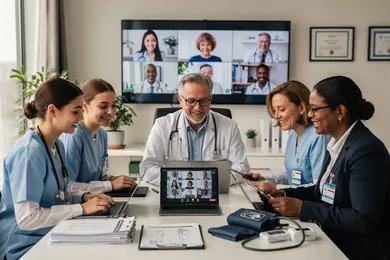
Virtual and hybrid internships in health sciences often utilize digital tools like video conferencing, cloud-based documents, and specialized software to facilitate communication and task management. These formats provide students with greater flexibility, enabling them to balance academic and personal responsibilities more effectively. They also allow access to a diverse range of employers, including those located in remote or underserved areas. However, the availability of remote internships depends largely on the design of each program and its partnerships with clinical sites, since some practical training elements still require in-person involvement.
Are Part-Time Internships Allowed for Working Students?
Part-time internships have become an important option for working students enrolled in health sciences programs. Nearly 60% of undergraduates hold jobs while attending school, underscoring the need for internship opportunities that offer flexibility alongside academic commitments. Health sciences programs often accommodate these needs by structuring internships to support part-time participation. Key features of these arrangements include:
- Scheduling Flexibility: Interns usually have the ability to negotiate hours that align with their work schedules and class times, such as evenings or weekends, allowing better balance between responsibilities.
- Employer Accommodations: Clinical supervisors and sites may tailor intern duties and deadlines to ensure that program objectives are met without interfering with employment obligations.
- Academic Workload Balance: Internship hours are coordinated with coursework requirements so students can progress smoothly in both areas, helping prevent overload.
- Program-Specific Requirements: Some institutions establish minimum weekly or total internship hours, which inform how part-time schedules are arranged to meet accreditation and competency standards.
These flexible internship options help working health sciences students gain essential hands-on experience while effectively managing their job and studies. By adapting internship structures in this way, programs enable a diverse student body to complete required clinical hours without sacrificing employment opportunities or academic progress.
What Supervision Is Required During a Health Sciences Internship?
Supervision is a fundamental part of health sciences internship experiences, ensuring that students develop practical skills while upholding professional standards. Research shows that interns who receive consistent mentorship report significantly higher confidence in their clinical abilities. This structured guidance includes various elements that support effective learning and accountability throughout the internship.
- Faculty Oversight: Academic supervisors maintain regular contact with interns, providing ongoing support and linking practical experiences to educational objectives. Their role is critical in aligning the internship with program requirements and ensuring adherence to supervision requirements for health sciences internships.
- Workplace Mentors: Onsite professionals offer day-to-day supervision, demonstrating correct techniques and overseeing safe practices. This hands-on involvement helps interns apply theoretical knowledge in real-world settings under expert guidance.
- Progress Monitoring: Interns typically participate in scheduled check-ins or meetings to review strengths and identify areas for improvement. This continuous evaluation fosters reflective learning and supports the internship supervision and evaluation process.
- Performance Feedback: Constructive feedback from both faculty and workplace mentors is essential for professional growth. Interns benefit from clear communication about their performance, which helps build confidence and competence in clinical skills.
Supervision also includes professional socialization, helping students understand workplace culture, ethical standards, and communication norms. For those interested in exploring flexible options to meet internship prerequisites, self paced colleges can offer alternative pathways within health sciences programs.
How Are Health Sciences Internships Evaluated?
Evaluations of health sciences internships are essential to ensure students develop the skills and competencies required in clinical settings. A 2022 survey revealed that over 75% of health sciences programs adopt multi-faceted evaluation approaches to comprehensively assess student learning outcomes. Below are common methods used to evaluate internship performance effectively.
- Supervisor Reviews: Direct observation by supervisors in clinical or laboratory environments allows detailed feedback on technical proficiency, professionalism, communication, and problem-solving skills. These reviews typically include standardized rating scales and written comments, providing students with specific strengths and areas needing improvement.
- Reflective Assignments: Interns complete journals or essays to document challenges, experiences, and insights. This reflective practice fosters critical thinking and helps students integrate theoretical knowledge with practical application during their health sciences internships.
- Performance Benchmarks: Competency checklists outline essential skills and tasks interns must demonstrate proficiency in. Achieving these benchmarks confirms that students meet the core requirements necessary for progression and completion of their programs.
- Faculty Assessments: Faculty advisors may evaluate reports, presentations, or portfolios prepared by students and engage in periodic meetings to discuss progress and clarify learning objectives. This supplementary evaluation ensures academic and clinical components align with program expectations.
These diverse methods emphasize comprehensive assessment not only of skill acquisition but also of professional growth. Prospective students interested in advancing their education and clinical expertise within health sciences programs might explore the best MHA online programs for additional accredited opportunities aligned with rigorous internship evaluation standards.
What Challenges Do Health Sciences Students Face During Internships?
Internships in health sciences offer essential hands-on experience but often come with considerable demands. According to a 2022 survey, 68% of students reported moderate to high stress levels linked to internship workloads. These challenging experiences shape professional skills but also bring several common difficulties for health sciences students during internships.
- Balancing Schedules: Managing internship hours alongside coursework can lead to fatigue and stress. Juggling academic responsibilities with demanding placements requires strong time management, which many students find difficult initially.
- Adapting to Expectations: Transitioning to a professional environment involves meeting higher performance standards and workplace norms. Students often struggle to quickly adjust their behaviors and workflows to fit clinical or administrative settings.
- Financial and Transportation Issues: Many internships are unpaid or low paid, which creates financial burdens. Additionally, commuting challenges can arise, especially if placements are far from campus or rely on public transportation.
- Applying Theory Practically: Translating classroom knowledge into effective real-world practice tests students' understanding. The pressure to perform competently in unfamiliar situations can affect both mental health and academic success.
- Workload Stress: Managing multiple responsibilities under supervision can be overwhelming. Developing strategies for managing supervision and placement issues in health sciences internships is crucial for maintaining well-being.
Students considering specialization paths might explore accelerated options such as the 1 year PMHNP program to advance quickly while balancing these real-world demands.
What Graduates Say About Health Sciences Internship Requirements
- Arden: "Completing over 300 hours of supervised internships across different clinical settings really deepened my understanding of health sciences in practice. Each placement offered unique challenges that pushed me to apply classroom theories to real-world patient care. Looking back, these hands-on experiences were pivotal in shaping my confidence and professionalism as I transitioned into my career."
- Santos: "Reflecting on my health sciences internship, I appreciated how the structured supervision provided by experienced mentors enhanced my learning journey. The variety of placements-from community health centers to hospitals-allowed me to see the broad impact this field has on public well-being. These opportunities not only improved my practical skills but also helped me build meaningful professional connections that continue to benefit my career."
- Leonardo: "The internship requirement in my health sciences program was intense but essential, with over 400 hours spread between research labs and clinical rotations. The mentorship I received during these placements was invaluable, offering tailored guidance and constructive feedback that enriched my education. Ultimately, these internships opened doors to my current role and gave me a solid foundation in both patient care and interdisciplinary collaboration."
Other Things You Should Know About Health Sciences Degrees
Yes, students pursuing health sciences degrees can often fulfill their required internship hours at more than one healthcare facility. This approach allows them to gain diverse practical experiences across different clinical or community settings. However, all placements must be approved by the academic program to ensure they meet curriculum standards.
Most health sciences programs do not require formal clinical experience before starting an internship, though foundational coursework in anatomy, physiology, or public health is typically mandatory. Some programs may recommend or offer preparatory workshops to better equip students for hands-on settings during their internships.
Students are usually required to maintain detailed logs or journals documenting their daily activities and learning outcomes throughout the internship. These records are important for both academic assessment and professional development, demonstrating competency and reflection on practical experiences.
References
- Health Jobs and Internships in Poland https://www.iagora.com/work/en/jobs-and-internships/health/poland
- Internships | Johns Hopkins Aramco Healthcare https://www.jhah.com/en/careers/internships/
- Your Guide to Remote and Virtual Public Health Internships https://masterspublichealth.com/remote-public-health-internships/
- Medical & Healthcare Internships Abroad | Go Overseas https://www.gooverseas.com/internships-abroad/healthcare
- Never miss an update from Papermashup https://ijisrt.com/challenges-faced-by-nurses-students-in-clinical-practice-during-their-filed-attachment-in-the-last-year-at-various-hospitals-in-mogadishu-somalia
- What Requirements Do I Need for a Medical Internship Abroad? | Med Trips https://www.medtrips.co.uk/blog/what-requirements-do-i-need-medical-internship-abroad
- 15 Health Science Internships for Undergraduates — Ladder Internships https://www.ladderinternships.com/ladder-internships-blog/health-science-internships-for-undergraduates
- Public Health Internships Abroad Guide - RealStep https://www.real-step.com/en/articles/public-health-internships-abroad/
- What Internships are Available with a Health Sciences Degree? - Healthcare Administration Degree Programs https://www.healthcare-administration-degree.net/faq/what-internships-are-available-with-a-health-sciences-degree/
- 15 Health Science Internships for Undergraduates https://www.lumiere-education.com/post/health-science-internships-for-undergraduates