
2027 How Long Does It Take to Earn an Online Clinical Mental Health Counseling Degree?

Co-Founder and Chief Data Scientist
Online education offers unmatched convenience and flexibility for aspiring mental health professionals, making it a preferred path today. According to the U.S. Bureau of Labor Statistics, employment of mental health counselors is projected to grow 23% from 2021 to 2031, underscoring the rising demand for qualified practitioners. Understanding how long does it take to earn an online clinical mental health counseling degree is crucial for planning academic and career goals.
This article explores the average time to complete such programs, examines factors that influence duration, and provides guidance on choosing a program length that fits individual schedules and objectives. It aims to help readers make informed, confident decisions about their education.
Key Benefits of Online Clinical Mental Health Counseling Degree
- Most online clinical mental health counseling programs can be completed in 2 to 3 years, offering a faster timeline compared to traditional on-campus degrees.
- Flexible scheduling allows students to balance coursework with work or personal commitments, often with part-time options extending completion to 4 years if needed.
- Many programs incorporate accelerated courses or summer sessions, enabling motivated students to finish requirements sooner while meeting licensure criteria.
What is the Average Completion Time for Online Clinical Mental Health Counseling Programs?
Online clinical mental health counseling programs generally take between two and four years to complete, depending on factors like degree level, program design, and student enrollment status. To better understand the average time to complete online clinical mental health counseling degree programs, here is a breakdown by degree type:
- Master's degree: Most online master's in clinical mental health counseling programs are structured for completion in about two to three years with full-time study. Some accelerated tracks may allow highly motivated students to finish in as little as 21 to 24 months, while standard programs often expect students to take between 30 and 42 months. Part-time students or those completing extended clinical requirements may need additional time.
- Bachelor's degree: Though less common as a direct path to licensure, bachelor's degrees in relevant fields like psychology or human services usually take around four years to finish full-time. Accelerated options may shorten this to three years. Bachelor's programs specifically in clinical mental health counseling online are rare, with most students progressing to a master's after completing a general undergraduate degree.
- Doctoral degree: For those pursuing advanced clinical roles or academic careers, online doctoral programs such as PhDs or EdDs typically require an additional three to five years beyond master's level completion. These programs are less frequently offered online and often include substantial in-person clinical or research components.
Prospective students curious about how long does it take to finish online clinical mental health counseling program should consider these typical timelines alongside their personal circumstances and course loads. For those interested in understanding how this credential compares in terms of career value, exploring what certificates make the most money can provide helpful context.
What Factors Can Affect How Long It Takes to Earn an Online Clinical Mental Health Counseling Degree?
Several key factors influence how long it takes to earn an online clinical mental health counseling degree, affecting both the pace and duration of study for each individual student. Understanding these elements can help students anticipate their program timeline more accurately and choose a path that fits their lifestyle and goals.
Below are important considerations that impact the time required to complete an online clinical mental health counseling program:
- Enrollment status (full-time vs. part-time): Full-time students generally complete their degrees in about 2 to 3 years, while part-time students might take 4 years or more due to a lighter semester load. The flexibility offered by online formats often allows students to tailor their pace according to work and family commitments.
- Program credit requirements: Most programs require around 60 credit hours, but some may require up to 120, meaning that higher credit demands can extend program length unless students accelerate their coursework.
- Accelerated program options: Certain universities offer accelerated tracks that can be finished in as little as 18 months, which shortens the usual timeframe but may involve an intensive schedule not suitable for everyone.
- Practicum and internship requirements: Completion of supervised practicum and internship hours, often at least 600, is mandatory and delays in placement can add time to program completion.
- Prior academic experience and transfer credits: Having relevant graduate coursework or transferable credits can reduce the time needed, though acceptance varies by institution and not all credits are applied.
- Licensure requirements and state regulations: After graduation, state-specific licensure steps-like post-degree supervised practice and exams-may add months or even years before practicing independently, affecting the overall timeline.
- Personal factors (work, family, financial constraints): External commitments can limit enrollment intensity, summer course participation, or fieldwork availability, which in turn can prolong the time to finish the degree.
Considering these factors is essential when evaluating how long it might take to complete an online clinical mental health counseling program, especially for prospective students balancing multiple priorities. Those wanting to explore options tailored to different age groups might also find it helpful to look into the top college degrees for older adults online, which highlights programs designed with flexibility in mind.
What Are the Different Types of Online Clinical Mental Health Counseling Programs Available?
Prospective students interested in online clinical mental health counseling programs have several types and specializations to consider, each designed to prepare graduates for different professional roles and licensure requirements.
Below are the major options available, highlighting their focus areas and program structures to help prospective students choose the best fit for their career goals. These program types commonly offer flexibility in delivery, specialized coursework, and practicum experiences tailored to specific populations or counseling approaches.
- General Clinical Mental Health Counseling: This program offers broad training in counseling theories, ethics, and core skills, addressing a wide range of mental health concerns such as anxiety, depression, and relationship issues. Typically requiring around 60 credit hours, it usually takes 2.5 to 3 years to complete and includes practicum and internship components for supervised experience.
- Specializations in Military and Veterans Counseling: Focused on the needs of service members, veterans, and their families, this track covers trauma, reintegration, and family dynamics unique to military populations. It is ideal for students aiming to serve military communities, with curriculum adjustments in the final year to emphasize these themes.
- Marriage and Family Counseling Concentration: Students in this specialization learn therapeutic methods for couples and family systems, addressing communication and conflict within relational contexts. The program often involves additional coursework or practicum placements centered on family therapy settings.
- Addictions and Substance Abuse Counseling: This emphasis prepares students to work with individuals and families impacted by substance use disorders, covering assessment, intervention, and prevention strategies. Graduates are qualified to serve in rehabilitation centers, hospitals, and community agencies.
- Forensic Mental Health Counseling: Designed for those interested in working with clients involved in legal or criminal justice systems, this specialization highlights counseling interventions, legal considerations, and ethical issues relevant to forensic populations.
- Low-Residency and Fully Online Formats: To accommodate different scheduling needs, many programs offer either fully online coursework or low-residency formats requiring brief on-campus residencies. Both integrate local practicum and internship experiences, enabling flexible paths to licensure.
How Many Credit Hours Are Required for an Online Clinical Mental Health Counseling Degree?
The number of credit hours required to complete an online clinical mental health counseling degree varies by degree level but generally aligns with national accreditation and licensing standards.
Below is a breakdown of the typical credit hour requirements for different online clinical mental health counseling degree levels, which can help you anticipate the time and commitment involved in your studies.
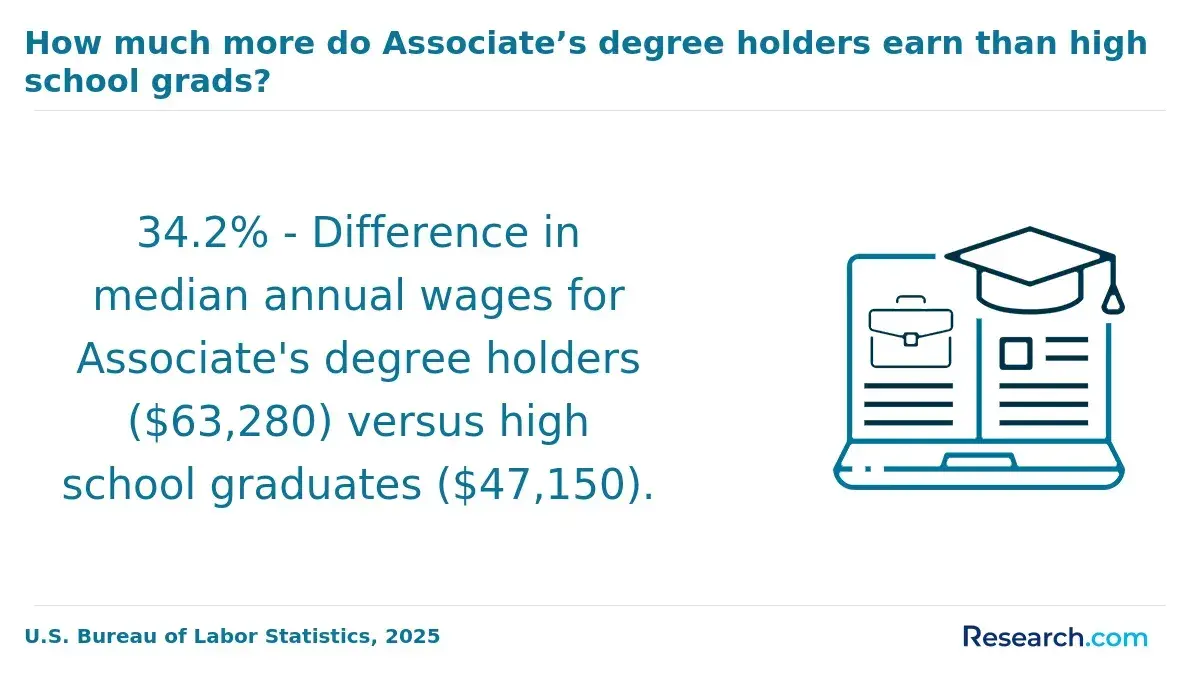
- Associate degree: Rare in this specialized field, associate degrees usually require 60-65 credit hours and take about two years of full-time study. However, these are typically insufficient for licensure or direct counseling roles, with most professionals needing at least a bachelor's degree.
- Bachelor's degree: Bachelor's programs in related fields like psychology or human services generally require 120-124 credit hours. They often take around four years full-time, though transfer credits or accelerated paths may shorten completion times.
- Master's degree: The standard for clinical mental health counseling licensure is a 60-credit master's program, typically completed in 2.5 to 4 years depending on full- or part-time enrollment. Some programs allow up to 50% transfer credits and include required practicum and internship experiences within these credit hours.
- Doctoral degree: Pursued mainly for advanced academic or specialized roles, doctoral programs require 60-72 post-master's credit hours. Completion can range from 3 to 6 years depending on dissertation demands and study pace.
A graduate of an online clinical mental health counseling degree shared with me that managing the 60 credit hours alongside a full-time job was both challenging and rewarding. They recalled late nights balancing coursework and practicum hours, highlighting the flexibility online learning offered but also the importance of self-discipline.
They emphasized that regularly connecting with instructors and peers helped maintain motivation through intense semesters, making the accomplishment feel truly meaningful after meeting rigorous academic and clinical hour requirements.
What Courses Are Included in a Standard Online Clinical Mental Health Counseling Curriculum?
A standard online clinical mental health counseling curriculum encompasses a variety of courses that build foundational knowledge, evidence-based practices, and essential professional skills for future counselors. To give you an idea of the core and specialized topics you will study, here is a list of common courses found in these programs, each designed to deepen your theoretical understanding and practical abilities.
- Theories of counseling and psychotherapy: This course covers major counseling models and techniques, teaching students how to apply these frameworks in diverse therapeutic settings. It helps develop a personalized counseling approach while addressing cultural biases within these theories.
- Diagnosis and psychopathology: Students learn about the causes, assessment, and classification of mental disorders using the DSM system. The course emphasizes symptom recognition, mental status examinations, and cultural considerations vital for clinical practice.
- Human growth and lifespan development: Focusing on psychological and social development across the lifespan, this course prepares students to understand client challenges in relation to developmental stages and transitions.
- Professional, ethical, and legal issues in counseling: This essential course reviews ethical standards, laws, and professional responsibilities to ensure ethical practice and licensure compliance in counseling careers.
- Multicultural counseling: Students explore cultural competence and advocacy, learning to provide effective, culturally informed interventions in diverse populations.
- Research and program evaluation: This course builds skills in designing research, analyzing data, and evaluating counseling programs to support evidence-based practice and continuous professional growth.
- Group counseling and group theory: Students study group dynamics and facilitation techniques crucial for leading therapeutic groups in clinical settings.
- Assessment and testing in counseling: Focused on psychological testing, this course trains students to administer and interpret assessments used for diagnosis and counseling progress tracking.
- Career development and counseling: Covering vocational theories and assessments, this course equips students to assist clients with career planning and related challenges.
- Substance abuse and addictions counseling: This specialized course addresses addiction assessment and treatment strategies, preparing students to support recovery processes.
- Marriage, family, and relational counseling: Focusing on systemic approaches, this course trains counselors to work effectively with couples and families.
In addition to coursework, most programs include practicum and internships totaling 600-1,000 hours, providing real-world clinical experience essential for licensure and skill application.
How Often Do Online Clinical Mental Health Counseling Programs Start During the Year?
Online clinical mental health counseling programs typically offer multiple start dates throughout the year, providing students with significant flexibility to begin their studies when it best suits their personal and professional lives. This approach allows working adults and those with family commitments to enroll and progress without waiting for traditional academic schedules. The most common enrollment options reflect this flexibility and accommodate diverse student needs, as summarized below.
These are the typical start schedules you can expect in many online clinical mental health counseling programs:
- Traditional Academic Calendar: Programs offer start dates at the beginning of fall, spring, and summer semesters, mirroring on-campus timelines. This structure suits students who prefer a predictable schedule and want to coordinate education with other work or personal commitments.
- Rolling Admissions: Students can apply year-round and gain admission on a rolling basis, allowing for multiple entry points annually. This option benefits those eager to start coursework quickly without extended wait periods.
- Monthly or Quarterly Starts: Some online programs provide even greater flexibility by allowing new students to begin classes each month or quarter, with examples like National University starting new sessions nearly every week. This continuous enrollment model is ideal for students needing immediate or highly adaptable start dates.
- Multiple Cohort Starts Per Year: Certain programs use 6-8 cohort start dates annually, where students begin together and progress as a group. This supports both flexibility and collaborative learning, appealing to students who value peer interaction alongside adaptable schedules.
How Much Faster Can You Complete an Accelerated Online Clinical Mental Health Counseling Degree?
Accelerated online clinical mental health counseling programs significantly reduce the time it takes to earn a degree compared to traditional formats, enabling students to enter their careers much sooner. These programs incorporate several strategic elements that streamline the educational pathway and maximize efficiency. Below are some of the most common ways accelerated programs help students graduate faster.
- Shorter Course Terms: Courses are condensed into 7 to 8 weeks rather than the standard 15-week semesters, allowing students to complete more classes within a year and move through degree requirements rapidly.
- Year-Round Enrollment: Offering classes during breaks and summer sessions eliminates long pauses between semesters, helping students maintain consistent progress without interruption.
- Intensive Course Load: Students often take more courses concurrently than in traditional programs, which demands higher dedication but shortens overall program length significantly.
- Transfer Credits: Programs may accept graduate-level credits from previous studies, reducing the total number of new courses needed to graduate.
- Competency-Based Learning: Some programs let students advance as soon as they prove mastery of material, instead of waiting for fixed term durations, which benefits fast learners and those with relevant experience.
A graduate of an accelerated online clinical mental health counseling program shared their experience, describing the journey as both challenging and rewarding. Managing a full-time job alongside a demanding course load required meticulous time management and resilience. They found balancing intense weekly discussions, clinical hours, and assignments stressful at times but also deeply fulfilling, noting how the accelerated pace kept motivation high and provided a strong sense of accomplishment.
Their ability to quickly apply learning in a real-world counseling internship made the rapid progression feel purposeful and worthwhile. This firsthand account highlights how accelerated programs, while intense, can offer a uniquely focused and efficient path for determined students eager to advance in counseling careers.
Does Finishing an Online Clinical Mental Health Counseling Degree Faster Save You Money?
Finishing an online clinical mental health counseling program faster can indeed save money by reducing the total time and expenses associated with earning the degree. Many students wonder if it is cheaper to complete online clinical mental health counseling degree faster, and several financial benefits make accelerated completion a practical option for those who can manage a heavier course load or transfer credits.
Here are key ways accelerated completion can lead to cost savings:
- Lower Tuition Costs: Since many programs charge tuition per credit, completing the degree in fewer semesters by taking more courses or studying year-round helps avoid additional tuition increases or extra fees that come with prolonged enrollment.
- Reduced Living Expenses: Spending less time as a student means fewer months paying for housing, utilities, and other day-to-day expenses. Online learners also save on commuting, campus fees, and childcare costs, all of which add up over time.
- Earlier Entry Into the Workforce: Graduating sooner allows students to start working as licensed counselors earlier, leading to quicker wage earnings and a faster return on investment compared to students who take longer to finish.
- Less Time Off Work: Completing the program rapidly or using transfer credits enables students to maintain employment or return to work sooner, minimizing lost income during their studies. For example, some schools note saving up to $6,800 on tuition with credit transfers.
- Avoidance of Future Tuition Increases: Universities often raise tuition annually; finishing faster reduces exposure to these hikes, lowering overall educational costs.
Prospective students interested in cost-effective options for completing their degree can explore the most affordable master's degree online programs to find programs that support faster completion with financial benefits.
How Soon Can Graduates Start Working After Earning Their Online Clinical Mental Health Counseling Degree?
Graduates with an online clinical mental health counseling degree can typically begin working shortly after meeting all graduation and licensure requirements. While timelines vary, most graduates find jobs within six to nine months after completing their degree. Factors such as the counselor's field of specialization, regional job demand, and prior work experience influence how quickly they secure employment.
Those who have relevant experience or strong professional connections may start working in weeks rather than months. Understanding how long to get licensed as a clinical mental health counselor after graduation is also critical, as licensure is required before many counseling positions can be officially held.
Online clinical mental health counseling programs often incorporate internships or practicum experiences totaling about 600 hours during the course of study. These practical opportunities help students gain supervised work experience and build professional networks before graduation.
Many programs assist in placing students with approved local internship sites to gain real-world skills that ease the transition from study to work. Engaging in these experiences helps graduates enter the workforce more smoothly and may shorten the period of job searching. Prospective students interested in affordable online universities that accept financial aid can explore options to combine quality and cost-effectiveness in their educational path.
How Much Do Online Clinical Mental Health Counseling Graduates Earn on Average?
The average salary for online clinical mental health counseling graduates typically ranges from $36,401 to $116,000 annually, depending on factors such as experience, licensure, and location. To give a clearer understanding of mental health counselor salary in the United States, here is a breakdown by common career levels and roles:
- Entry-Level Roles: Graduates beginning as mental health counselors or online counselors usually earn between $36,401 and $52,365 per year. Start-up salaries vary by region, employer type, and whether the counselor holds state licensure.
- Mid-Career Professionals: With several years of experience and full licensure, salaries often rise to $60,000-$85,000 annually. Specializing or relocating to higher-paying states like Florida or California can lead to increased earnings.
- Specialized Positions: Roles such as marriage and family therapists or substance abuse counselors typically fall within the $48,050 to $53,860 range. Additional credentials and metropolitan work locations can further enhance pay.
- Leadership Roles: Supervisory or administrative positions, including clinical directors or program managers, often command salaries exceeding $100,000 per year, requiring more experience and sometimes extra qualifications.
- Industry Variations: Private practice, telehealth, and government sectors offer different compensation levels. Online mental health therapists in active markets earn an average of $76,241, with top earners exceeding $111,000 annually.
Finishing your degree faster can minimize educational expenses and help you qualify for these salary ranges sooner, and you may also explore related certs that pay well to diversify your skills and increase your earning potential.
Here's What Graduates of Online Clinical Mental Health Counseling Programs Have to Say About Their Degree
- Jamal: "Completing my clinical mental health counseling degree online allowed me to balance family life and studies, which was crucial as a single parent. The flexibility of the program made it possible to attend lectures and complete assignments on my schedule without compromising educational quality. This degree opened doors to a fulfilling career where I now support veterans coping with PTSD, a cause close to my heart. The program's practical approach truly prepared me for the challenges I face daily in the field."
- Maria: "Pursuing an online degree in clinical mental health counseling was a transformative experience that sparked immense personal growth. I learned not only the clinical skills but also cultivated empathy and resilience by engaging with diverse classmates and instructors remotely. This journey shaped my passion for advocating mental health resources in underserved communities, enhancing my ability to contribute meaningfully beyond the therapy room. The program's accessibility meant I could continue working full-time while advancing my career."
- Derek: "The professional development opportunities gained through an online clinical mental health counseling degree have been invaluable. The curriculum emphasized evidence-based practices and ethical considerations, preparing me to excel in a variety of counseling settings. Earning my degree remotely taught me strong self-discipline and time management, qualities that have propelled my career forward. Today, I confidently supervise new clinicians and lead initiatives that improve mental health services in our urban clinics."
Other Things You Should Know About Online Clinical Mental Health Counseling Degree Programs
When transferring credits, ensure the courses align with the program's curriculum and are from an accredited institution. Most programs accept a limited number of transfer credits, and approval often depends on the course content's relevance and recency.
In 2027, most employers recognize online Clinical Mental Health Counseling degrees if they are accredited. Accreditation ensures the program meets professional standards. It's crucial for students to choose accredited programs to improve job prospects and credibility in the clinical mental health field.
In 2027, earning an online Clinical Mental Health Counseling degree typically takes about two to three years of full-time study. This timeframe includes coursework, practicum, and internship requirements. Part-time students may take longer, depending on their individual pace and program structure.
References
- 6 Unexpected Counseling Careers | University of Bridgeport https://www.bridgeport.edu/news/unexpeucted-counseling-ms-careers/
- Clinical Mental Health Counseling Program FAQ - University of Providence https://www.uprovidence.edu/about/news/counseling-program-faqs/
- Online Master’s in Clinical Mental Health Counseling Degree Program | Capella University https://www.capella.edu/online-counseling-degrees/ms-clinical-mental-health-counseling-program/
- Master's Degree in Counseling in Alabama and Online - Faulkner University https://www.faulkner.edu/online/online-masters-degrees/counseling/
- Mental Health Counselor Salary and Career Outlook https://teach.com/online-ed/counseling-degrees/online-masters-mental-health-counseling/careers-and-salary/
- Master's in Counseling Online https://www.snhu.edu/online-degrees/masters/ma-in-clinical-mental-health-counseling
- Master's in Clinical Mental Health Counseling https://www.ucumberlands.edu/academics/graduate/masters-clinical-mental-health-counseling


