
2027 How Long Does It Take to Earn an Online Corrections Degree?

Co-Founder and Chief Data Scientist
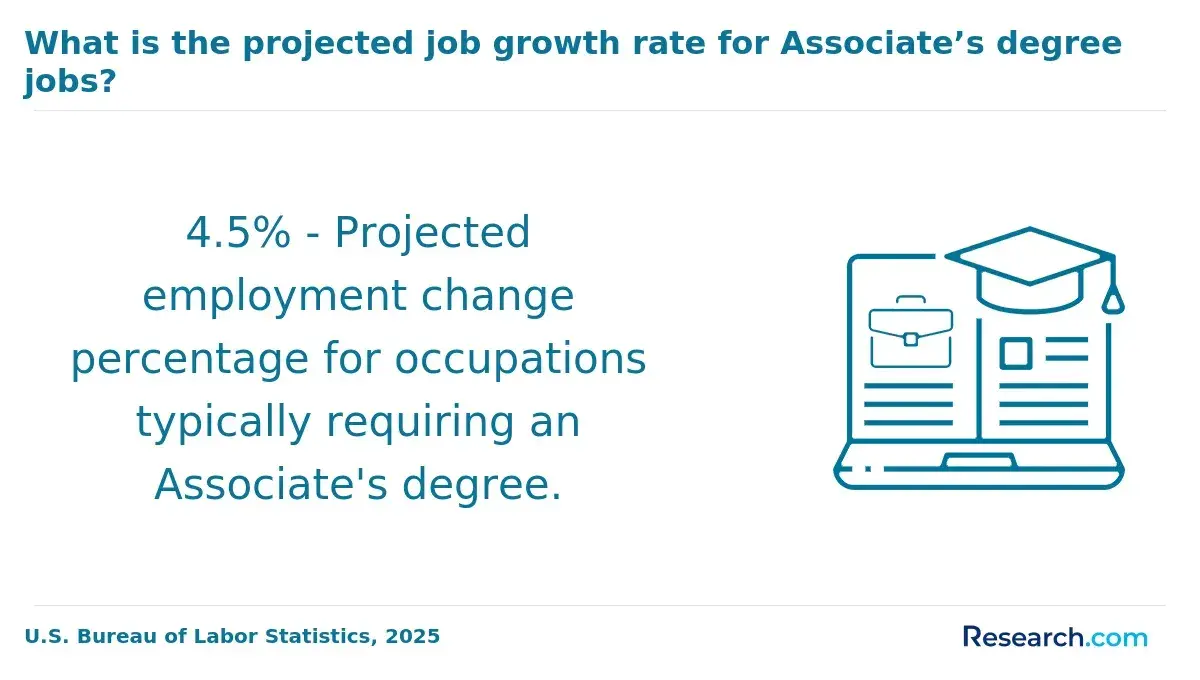
Online education offers unparalleled convenience and flexibility for those pursuing a corrections degree, meeting the growing demand for skilled professionals in the criminal justice field. According to the U.S. Bureau of Labor Statistics, employment of correctional officers is projected to grow 5% from 2021 to 2031, highlighting strong career prospects. Understanding how long it takes to earn an online corrections degree is crucial for planning.
This article explores the average completion times for various online corrections programs, the key factors influencing duration, and guidance on selecting the program length that best fits individual career goals and schedules. It aims to empower readers to make confident, informed decisions about their education.
Key Benefits of Online Corrections Degree
- Most online corrections degree programs can be completed in 2 to 4 years depending on whether you enroll part-time or full-time, offering flexibility for working adults.
- Accelerated options allow completion in as little as 18 months by taking increased course loads and year-round classes, ideal for those seeking fast entry into the field.
- Self-paced formats enable students to progress based on their own schedule, which can extend the timeline but accommodate personal and professional commitments.
What is the Average Completion Time for Online Corrections Programs?
Online corrections programs typically take between 1 and 4 years to complete, depending on factors like degree level, student pace, and transfer of prior credits. To better understand the average time to complete online corrections degree programs, here is a breakdown of the typical duration by degree level.
- Associate Degree: Most online associate degrees in corrections or criminal justice take about 2 years to finish with full-time study. These programs provide foundational knowledge and are ideal for students seeking to enter the workforce quickly or those who plan to transfer credits into a bachelor's program, including options like the fastest online associates degree.
- Bachelor's Degree: A standard bachelor's degree in corrections usually requires 4 years of full-time study. However, students who transfer previous credits or enroll in accelerated tracks often complete their degree in 15 to 24 months. The exact duration depends largely on individual course loads and credit transfers.
- Accelerated Bachelor's Programs: These fast-track options compress coursework into shorter terms and may involve year-round study, enabling completion within 15 months to 3 years. They suit students seeking a quicker path to graduation without compromising program quality.
- Master's Degree: Graduate-level online corrections degrees can generally be completed in about 1 year of full-time study. Part-time students typically require more time, but programs are often designed for working professionals aiming to advance their careers.
When considering how long does an online corrections program take, it is important to remember that timelines can vary based on part-time or full-time enrollment, prior academic credits, and program structure. Consulting academic advisors helps prospective students develop a realistic and personalized plan that fits their goals and circumstances.
What Factors Can Affect How Long It Takes to Earn an Online Corrections Degree?
The time needed to earn an online corrections degree can vary greatly depending on several key factors that influence a student's pace and ability to graduate on time. Understanding these factors offers valuable insight for anyone considering enrollment, and the following bullet list highlights the main contributors shaping program length.
The factors that impact online corrections degree completion time include:
- Enrollment Status (Full-Time vs. Part-Time): Full-time students usually complete their degree in about four years, while part-time students, often juggling work or family, commonly take six years or more, extending the total time required.
- Course Availability: Limited sections, scheduling conflicts, and waitlists can cause delays. Many students face waitlists or need to take courses elsewhere to stay on track, which can add semesters to their timeline.
- Transfer Credits and Prior Learning: Accepting transfer credits from previous college work or relevant experience can significantly shorten completion time, though some credits may not apply, potentially prolonging the program. Navigating transfer credits for online corrections degree programs is often complex but can be beneficial for timely graduation.
- Program Structure and Flexibility: Programs offering accelerated timelines, year-round courses, or flexible start dates allow motivated students to finish faster, whereas rigid course sequences or limited online options may slow progress.
- Academic Performance and Persistence: Maintaining strong grades and consistent course completion increases the likelihood of graduating on time, while poor academic performance may require remedial work or course repetition, lengthening the path.
- Personal and Professional Commitments: Balancing employment, family care, and other responsibilities often leads students to reduce course loads or take breaks, extending the time needed for degree completion.
For individuals exploring their options, considering factors like these alongside resources such as the top college degrees for older adults online can help set realistic expectations and create an effective plan toward earning an online corrections degree.
What Are the Different Types of Online Corrections Programs Available?
Prospective students seeking an online corrections degree can select from several specialized programs designed to fit distinct career goals and professional needs. These programs offer targeted curricula that accommodate both newcomers and experienced practitioners aiming for growth within the field.
Below is a summary of the primary types of online corrections programs available today:
- Corrections and Juvenile Justice: This program focuses on managing adult and youth offenders, emphasizing rehabilitation and treatment strategies. It covers topics like community corrections, ethics, and evidence-based practices, making it ideal for those planning to work in correctional or juvenile justice settings.
- Correctional Program Support Services: Specializing in case planning and mental health services within correctional environments, this option prepares students for roles such as case managers or program coordinators. Courses address both institutional and community settings, focusing on reintegration of incarcerated populations.
- Criminal Justice with Corrections Concentration: Offering a broader criminal justice foundation with a corrections focus, this program develops expertise in offender supervision and corrections administration. Often structured in flexible, accelerated formats, it suits adult learners and working professionals.
- Community-Based Corrections: Emphasizing alternatives to incarceration like probation and parole, this program prepares students for community supervision roles. It highlights strategies for reducing recidivism and supporting offender reintegration into society.
- Corrections Administration: Designed for those seeking leadership positions, this specialization covers organizational management, policy development, and ethical leadership within corrections. It is tailored for professionals aiming to advance into administrative or policy-making roles.
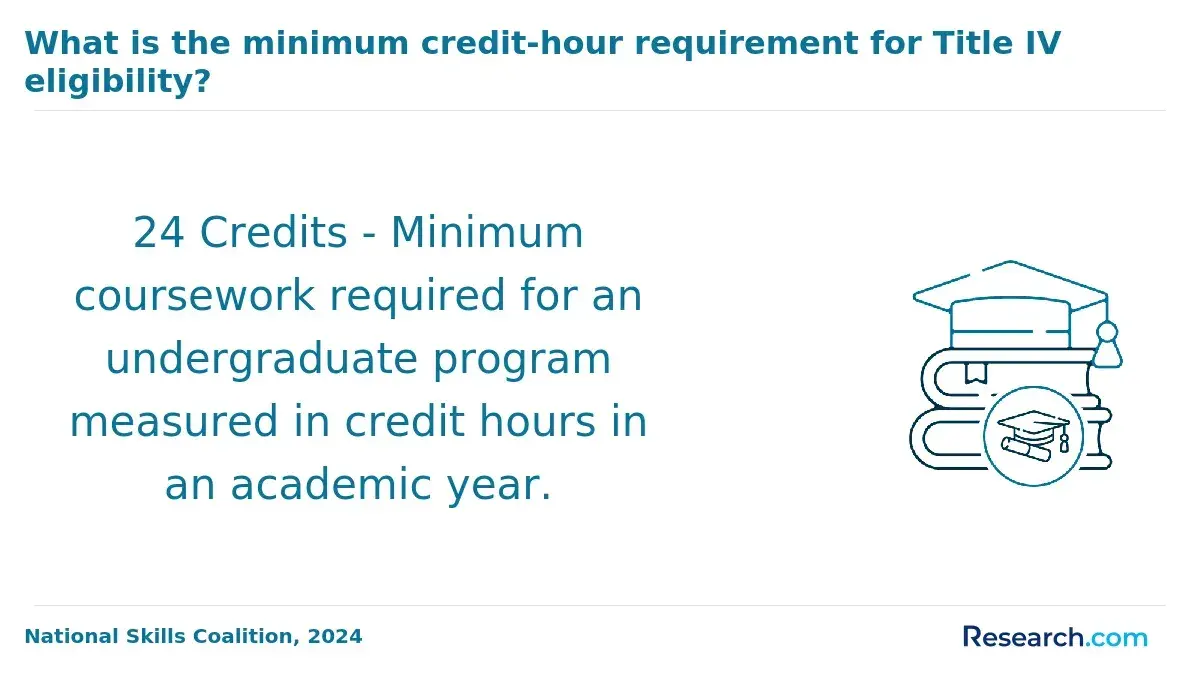
Online corrections programs commonly span associate, bachelor's, and sometimes master's levels, typically requiring about 120 credit hours for bachelor's degrees and allowing for transfer credits, providing flexibility for diverse student needs and schedules.
How Many Credit Hours Are Required for an Online Corrections Degree?
Most online Corrections degree programs require a specific number of credit hours that generally parallel traditional, on-campus programs, though exact amounts vary by degree level and institution. Understanding these typical credit hour requirements can help prospective students plan their studies and manage their time effectively.
Here is a breakdown of average credit hour expectations for online Corrections degrees by academic level:
- Associate Degree in Corrections: Typically requires about 60-65 credit hours. Full-time students usually complete this degree in approximately two years, whereas part-time students might take up to four years. Some schools using a quarter system may have differing credit calculations.
- Bachelor's Degree in Corrections or Criminal Justice (Corrections Track): Most programs require between 120 and 124 credit hours. This includes general education, major courses, electives, and sometimes minors. Full-time study generally lasts four years, but part-time students or those transferring credits may finish sooner or later depending on their pace and transfer policies.
- Master's Degree in Corrections or Criminal Justice: This level usually demands 30-36 credit hours beyond the bachelor's degree. Full-time students often finish within 1-2 years, while part-time options may extend to three years. Program formats vary, with some including thesis or capstone projects affecting total required credits.
- Doctoral Degree in Corrections or Criminal Justice: Doctoral programs require between 60 and 90 credit hours beyond the bachelor's degree, covering coursework, research, and dissertation work. Completion time varies greatly but often ranges from 4 to 7 years depending on enrollment status and research demands.
One graduate of an online Corrections degree shared that balancing coursework with a full-time job was a significant challenge, especially when some credits required synchronous participation. They appreciated having the flexibility to study part-time but found managing deadlines across multiple classes demanding yet rewarding.
They emphasized how transferring credits from previous coursework helped accelerate their progress, allowing them to focus more deeply on specialized Corrections topics in their later semesters. This experience highlights how individualized pacing and credit management can make a difference in successfully meeting degree requirements online.
What Courses Are Included in a Standard Online Corrections Curriculum?
A standard online corrections curriculum offers a blend of foundational and specialized courses, designed to give students a well-rounded understanding of the corrections field, focusing on legal principles, rehabilitation methods, and the operation of correctional institutions.
Below is a list highlighting key courses commonly included in these programs, each aimed at preparing students for entry-level roles or further study within corrections and the broader criminal justice system.
- Introduction to Criminal Justice: This course covers the structure and function of the U.S. criminal justice system, including law enforcement, courts, and corrections. It helps students grasp the roles and responsibilities essential for careers in correctional facilities or probation services.
- Corrections: Focused on correctional institutions, this course examines incarceration history, philosophies, and practices such as probation and parole. It equips students with knowledge about inmate management and rehabilitation strategies for positions like correctional officers or case managers.
- Criminology: Students learn about the causes and social impact of crime, along with theories explaining criminal behavior. This understanding aids in developing effective intervention and rehabilitation programs within corrections.
- Criminal Law: Covering statutes, case law, and legal procedures, this course provides crucial insight into the legal framework that governs correctional practices and protects inmates' rights.
- Victimology: This course explores the effects of crime on victims and their role in the justice process, helping future correctional professionals provide trauma-informed support.
- Ethical Issues in Criminal Justice: Students study ethical dilemmas and professional standards in corrections, focusing on authority use, confidentiality, and inmate treatment to maintain integrity and public trust.
- Punishment and Rehabilitation: This class examines philosophies and practices aimed at reducing recidivism through evidence-based punishment and rehabilitation approaches, preparing graduates to design effective reentry programs.
- Criminal Investigation Methods: Introducing investigative techniques and evidence handling, this course builds skills valuable for probation officers and others supervising offenders.
- Community Relations and Diversity: Students explore strategies for engaging diverse populations and managing cultural competence, which is critical in modern correctional settings.
- Capstone or Internship: Many programs include a practical component where students apply theoretical knowledge in correctional environments, gaining hands-on experience that strengthens job readiness.
How Often Do Online Corrections Programs Start During the Year?
Online corrections programs frequently offer multiple start dates throughout the year, providing flexibility that helps students balance education with work, family, and other commitments. This variety in scheduling enables learners to begin their studies sooner, progress at their own speed, and better align their education with personal and professional demands.
Below is a summary of the most common start schedules offered by these programs.
- Traditional Academic Calendar: Many online corrections degrees follow the common semester system with start dates in fall, spring, and summer. For example, some programs have primary start dates in January, May, and August, mimicking the rhythm of in-person universities and appealing to students who prefer a structured and predictable academic schedule.
- Multiple Sessions per Semester: Some schools break semesters into shorter sessions, offering several start points within the same term. This model benefits students who want to accelerate their coursework or require more flexible entry points, as it allows enrollment in sessions like late January or late March during spring.
- Rolling or Frequent Start Dates: Certain programs allow enrollment almost any time of the year by providing monthly or quarterly start options. This arrangement suits adult learners and working professionals eager to begin their studies without delay through course-based or self-paced options.
- Accelerated Cohort-Based Schedules: This model uses fixed start dates, for example in November and April, in which students move through the program together. It supports peer interaction and networking, making it ideal for those seeking community support alongside academic flexibility.
How Much Faster Can You Complete an Accelerated Online Corrections Degree?
Accelerated online Corrections degree programs significantly shorten the time it takes to earn a degree compared to traditional four-year formats by restructuring how coursework is delivered and completed. These programs use various strategies to help motivated students finish their studies much faster, often in 15 to 24 months. Below are the common features that enable such speedy progression:
- Shorter Course Terms: Programs break down standard semester-long classes into shorter, intensive sessions usually lasting seven to eight weeks. This allows students to focus on fewer subjects at a time but complete more courses within a year, speeding up overall graduation time.
- Year-Round Enrollment: Multiple start dates throughout the year, including summer and evening sessions, prevent long breaks between courses. This continuous enrollment path keeps students engaged and lets them take back-to-back classes instead of waiting for the traditional semester schedule.
- Transfer Credits: Many accelerated programs accept extensive transfer credits from previous college work, professional training, or academy experience. Some institutions award up to 75 transfer credits, dramatically reducing the number of courses needed to graduate.
- Competency-Based Learning: Certain programs allow students to progress by demonstrating mastery rather than spending fixed time in class. This benefits those with relevant experience, enabling them to move through material quicker and shorten their time to degree completion.
- Degree Completion Options: Specialized tracks for students who have completed general education elsewhere focus only on upper-division corrections courses, sometimes allowing graduation in as little as one year.
A graduate of an online accelerated Corrections degree I spoke with shared that the process was both demanding and rewarding. Initially, balancing intensive eight-week courses alongside a full-time work schedule felt overwhelming, especially when juggling late-night study sessions. However, the flexibility of choosing from multiple term start dates helped maintain momentum without burnout.
The ability to apply prior training earned during their time at a corrections academy meant they bypassed several introductory courses, which was a huge relief. They described feeling a strong sense of accomplishment after completing the final competency-based assessments, which allowed them to demonstrate practical knowledge instead of traditional exams. Overall, the accelerated format kept them motivated and focused, making the years of hard work feel efficient and purposeful.
Does Finishing an Online Corrections Degree Faster Save You Money?
Completing an online corrections degree faster can lead to considerable reductions in overall education expenses, making the investment more financially manageable for many students. Accelerated programs offer a range of benefits that contribute to cost savings for accelerated online corrections degree students.
Here are the main ways finishing faster can improve your financial outlook:
- Lower Tuition Costs: Many online corrections programs charge tuition per credit hour, and by completing degree requirements in less time through heavier course loads or year-round enrollment, students can reduce the total number of semesters they pay for. This tuition reduction with faster corrections degree completion directly lessens the overall cost of earning the degree, especially since some programs can charge up to $510 per credit.
- Reduced Living Expenses: Finishing sooner minimizes the length of time students must cover living costs such as housing, food, and transportation, even for those studying online. Spending less time as a full-time student allows for earlier financial independence and fewer indirect expenses often tied to student status.
- Earlier Entry Into the Workforce: Graduating faster means starting a career earlier, which can significantly boost lifetime earnings. For example, correctional officers earn a median salary of nearly $58,000 annually, so each year gained on the job accelerates return on investment and builds valuable work experience.
- Less Time Off Work: For working adults balancing employment with education, accelerated programs reduce the duration of juggling both commitments, lowering disruption and enabling quicker progress toward promotions or more stable roles.
- Lower Opportunity Costs: The sooner a student completes their education, the sooner they stop forgoing full-time income, decreasing lost earnings during study. This factor is crucial when considering that average annual tuition for corrections graduate programs hovers around $20,513.
Students interested in advanced credentials might also explore options such as a non dissertation PhD, which can further influence educational timelines and costs.
How Soon Can Graduates Start Working After Earning Their Online Corrections Degree?
Graduates with an online corrections degree can typically start working within a few weeks to several months after completing their program, depending on factors like the specific corrections field, regional job market demand, and prior work or military experience. Entry-level positions in many state and local agencies often require only a high school diploma or some college credits, while federal roles usually demand a bachelor's degree and more extensive training.
New hires generally must complete academy and on-the-job training, which may last from several weeks up to 200 hours for federal positions. Those with relevant experience or internships tend to find jobs faster. Understanding how long to get a corrections job after online degree completion helps set realistic expectations for the timeline to employment.
Many online corrections programs encourage students to gain valuable work experience, network with professionals, or complete internships while studying. These opportunities allow students to develop practical skills and build connections that contribute to a smoother job placement process after graduation.
Federal agencies, such as the Federal Bureau of Prisons, offer internship programs that improve eligibility for permanent jobs. Flexible schedules and support services provided by online programs make it easier to balance work, study, and internships. Students exploring inexpensive online colleges that accept fafsa may find these programs that enhance the online corrections degree job placement timeline and boost their competitiveness in the workforce.
How Much Do Online Corrections Graduates Earn on Average?
Online corrections degree graduates typically earn between $45,000 and $58,000 annually in entry-level roles, with potential to earn up to $113,000 in specialized or senior positions. This range reflects differences in job type, experience, and geography.
To understand earnings by career path and advancement, consider the following common roles for corrections graduates:
Below is a breakdown of average earnings by career path, level of education, and experience for those with an online corrections degree salary.
- Entry-Level Correctional Officer: Most begin their careers in this role, earning a national median salary around $57,970. Pay varies widely by state, for example, California officers may earn as much as $95,840, while in Alabama salaries can be closer to $46,400. Salary growth occurs through tenure and union agreements.
- Correctional Program Officer: These officers manage rehabilitation initiatives and typically make between $45,000 and $91,000. Higher salaries are attainable with specialized certifications and accumulated experience.
- Online Criminal Justice Instructor: Teaching corrections or criminal justice topics online at the postsecondary level averages about $45,388 annually. Salary advancement here is more limited compared to operational roles.
- Leadership Roles: Supervisory positions like first-line correctional supervisors command median salaries near $105,980. These positions often require several years of experience and sometimes graduate education.
- Specialized Positions: Roles such as ADC DCC Advisors or Peace Officers can earn up to $113,000, often benefiting from added bonuses. These jobs usually demand further training or certifications.
Those interested in pursuing a bachelor's degree online cheap can consider these salary potentials as part of their career planning when exploring a corrections graduate earnings in [region].
Here's What Graduates of Online Corrections Programs Have to Say About Their Degree
- Angelica: "Completing my online corrections degree opened doors I never imagined possible. The flexibility allowed me to balance work and family while gaining specialized knowledge that prepared me for a rewarding career in community supervision. The courses were rigorous, yet accessible, and the professors truly cared about our success. It has been empowering to contribute to rehabilitation efforts and impact lives positively every day. This journey reignited my passion for social justice and professional growth."
- Darius: "Starting a career after finishing my online corrections program was both challenging and exciting. The practical skills I acquired, especially in offender management and restorative justice principles, gave me a competitive edge in the job market. Online learning taught me independence and time management, qualities that employers highly value. I'm proud to now work in a corrections facility where I can make a tangible difference in helping individuals rebuild their lives."
- Sophia: "Reflecting on my experience as an online corrections degree graduate, I appreciate how much it fostered my personal growth and community involvement. The program's focus on ethics and cultural competency reshaped how I view the justice system and my role within it. Tackling coursework remotely required discipline and resilience, which strengthened my leadership capabilities. Today, I'm deeply committed to advocating for fair treatment and rehabilitation initiatives, hopeful my work inspires others as well."
Other Things You Should Know About Online Corrections Degree Programs
Specific requirements or prerequisites can significantly impact the time to complete an online Corrections degree. Some programs might require foundational courses in criminal justice, extending the duration for those lacking this background. Additionally, the need for standardized testing or relevant work experience may lengthen the time before enrolling in core courses.
Many online Corrections programs allow credit transfer from accredited institutions, especially for general education or related criminal justice courses. Transfer policies vary by school, so reviewing the program's guidelines ahead of time helps maximize credit acceptance and potentially reduces total study time.
The time to complete an online Corrections degree in 2027 can vary based on several factors, such as whether a student enrolls full-time or part-time, prior credits transferred, and specific program requirements. Most programs take 2-4 years, depending on these individual circumstances.
References
- Does online learning impede degree completion? A national study of community college students - ScienceDirect https://www.sciencedirect.com/science/article/abs/pii/S0360131514000438
- Online Criminal Justice Degrees (Types, Benefits & FAQ) https://www.allcriminaljusticeschools.com/criminal-justice/criminal-justice-online-degree/
- Electronic consultation in correctional facilities worldwide: a scoping review https://pmc.ncbi.nlm.nih.gov/articles/PMC9352998/
- Most Affordable Online Criminal Justice Degrees https://www.affordablecollegesonline.org/degrees/criminal-justice-programs/
- Become a correctional officer http://www.ontario.ca/page/become-correctional-officer
- Online Criminal Justice Degree & Career Information https://www.criminaljustice.com/online-degrees/
- Bachelor of Science in Correctional Program Support Services | University of Phoenix https://www.phoenix.edu/online-behavioral-sciences-degrees/correctional-program-support-services-bachelors-degree.html
- Criminal Justice/Corrections (ASA) -Muskegon Community College https://www.muskegoncc.edu/academics/explore-programs/criminal-justice-corrections-asa/
- Online Bachelor's Degree in Criminal Justice - Wayne State College Nebraska https://www.wsc.edu/online-criminal-justice-degree
- The trade-offs of online prison education – THE FEED https://feed.georgetown.edu/access-affordability/the-trade-offs-of-online-prison-education/


