
2027 How Long Does It Take to Earn an Online Dental Assistant Degree?

Co-Founder and Chief Data Scientist
The rising demand for flexible education options makes online dental assistant programs an appealing choice for many aspiring healthcare professionals. According to the U.S. Bureau of Labor Statistics, employment of dental assistants is projected to grow 11% from 2022 to 2032, reflecting strong job prospects. Understanding how long does it take to earn an online Dental Assistant degree is crucial for planning a career path.
This article covers the average time required to complete these programs, key factors influencing duration, and tips for selecting the ideal program length based on personal goals and schedules. Readers will gain insights to make informed, confident decisions about their education.
Key Benefits of Online Dental Assistant Degree
- Most online dental assistant programs can be completed within 9 to 12 months, allowing students to enter the workforce quickly compared to traditional on-campus routes.
- Flexible scheduling options enable students to study at their own pace, balancing coursework with personal and professional commitments.
- Many programs include both theoretical online coursework and practical externships, which typically last a few weeks and can be arranged locally to fulfill hands-on experience requirements.
What is the Average Completion Time for Online Dental Assistant Programs?
Online dental assistant programs typically take anywhere from a few months up to a year to complete, depending on the type of program and the pace at which students progress. To help clarify the average time to complete online dental assistant program, here is a breakdown by program type and degree level.
- Certificate Programs: Certificate programs are designed for quick completion and are often self-paced, making them suitable for students seeking to enter the field rapidly. These courses usually take about 3 to 10 months, varying based on program complexity and student dedication. For instance, some fast-track options can be completed in as little as three months, providing a swift path to certification.
- Diploma Programs: Diploma programs offer a more extensive curriculum than certificates and are slightly longer in duration. Typically, students spend between 7 to 12 months within these programs, which balance flexibility with more comprehensive training. They suit learners looking for a deeper understanding without a full degree commitment.
- Clinical Dental Assistant Training: Clinical programs usually require about 12 months to complete and include both theoretical knowledge and hands-on practical experience. These comprehensive courses are geared toward preparing students for clinical roles and often come with certification exam vouchers, enhancing job readiness.
The question of how long is an online dental assistant course varies primarily by program type, but the timeline outlined here reflects common completion times found in numerous accredited and reputable programs. For those interested in shorter pathways, exploring options among the top online associate degrees in 6 months can be a valuable strategy to combine speed with quality education.
What Factors Can Affect How Long It Takes to Earn an Online Dental Assistant Degree?
The length of time it takes to earn an online dental assistant degree can vary widely based on several important factors that influence the overall duration of study. Understanding these elements can help prospective students create a realistic timeline for completion. Here are key factors influencing online dental assistant program length that can either shorten or extend the time needed to finish:
- Enrollment status (full-time vs. part-time): Students attending full-time often complete programs more quickly, sometimes within 3 to 6 months for accelerated certificate options, whereas part-time students may require 12 months or longer to balance education with personal or work responsibilities.
- Program type and credential level: Certificate and diploma programs are typically shorter, commonly taking 6 to 12 months, while associate degree pathways involve more coursework and general education classes, generally lasting 18 to 24 months or more.
- Self-paced learning options: Many programs offer a self-paced structure that allows students to progress according to their own schedule. This flexibility means motivated learners can finish sooner, while those needing extra time due to outside commitments might take longer. This illustrates how program flexibility affects dental assistant degree duration.
- Externship or clinical requirements: Practical in-person training is a mandatory component in nearly all programs. The scheduling and availability of these clinical hours can impact the total time to graduate, as delays or limited slots may extend the program length.
- Prior education or experience: Students with relevant previous coursework or experience may transfer credits or test out of modules, which can significantly reduce the time required to complete the program.
- Personal commitments and outside responsibilities: Work, family care, and other life duties often limit study hours each week, leading some students to take longer to fulfill graduation requirements.
For those interested that earn credentials quickly, exploring the easiest certifications to get that pay well may also be worthwhile as part of planning a career pathway.
What Are the Different Types of Online Dental Assistant Programs Available?
Prospective students have several distinct types of online dental assistant programs to choose from, each designed to fit different career goals, learning styles, and certification needs. These programs vary in format and content, allowing individuals to find the best option for their schedule and professional aspirations. Below is a summary of the main types of online dental assistant programs available:
- Certificate programs: These programs are the quickest route into the dental assisting field, typically lasting four to twelve months. They cover foundational topics such as dental anatomy, infection control, chairside assisting, and radiology, often including DANB exam preparation and optional clinical externships to gain hands-on experience.
- Diploma programs: Offering a broader curriculum than certificates, diploma programs usually include additional subjects like dental office management, ethics, and advanced dental specialties. Designed to be completed in under a year, these programs suit those seeking expanded knowledge or roles within a dental office.
- Hybrid programs: Combining online coursework with on-campus labs or clinical sessions, hybrid programs provide a balance of flexibility and in-person training. For instance, some require attending campus one or two days weekly for supervised hands-on practice, ideal for students who want direct skill development alongside remote learning.
- Self-paced online programs: These offer maximum flexibility by allowing students to progress through materials at their own speed. Typically requiring a local externship or clinical hours, self-paced programs can be completed in as little as four to six months, accommodating those balancing work or family commitments.
How Many Credit Hours Are Required for an Online Dental Assistant Degree?
Most online dental assistant programs in the United States require between 20 and 65 credit hours depending on the credential level, with completion times and program structures varying to accommodate full-time or part-time students. To provide a clearer picture, here is a breakdown of typical credit hour requirements by degree level.
- Certificate or diploma programs: These are the most common online pathways and require generally between 20 and 30 credit hours. Full-time students can complete the coursework within 4 to 12 months, while part-time learners may take longer. Some programs also include clinical experience hours and sometimes use clock hours instead of credit hours.
- Associate degree programs: These programs typically require 60 to 65 credit hours, covering both general education and dental assisting-specific courses. Full-time students often finish in about two years, though part-time students' durations vary based on course load and transfer credits. Clinical components are often required in person, which may influence the timeline.
- Bachelor's, master's, or doctoral programs: Currently, there are no accredited online degree programs at these levels focused specifically on dental assisting. The profession is designed as an entry-level role, so higher degrees in dental assisting are not typically pursued.
A graduate of an online dental assistant degree I spoke with shared that balancing coursework and clinical hours remotely was both challenging and rewarding. They described late nights coordinating with their clinical site schedule and managing assignments simultaneously, which tested their time management skills. However, completing the required credit hours helped build confidence and a sense of accomplishment, especially knowing they overcame real-life obstacles while learning in an online environment.
What Courses Are Included in a Standard Online Dental Assistant Curriculum?
A standard online dental assistant curriculum encompasses a variety of courses designed to build foundational clinical knowledge, practical skills, and essential administrative competencies needed for effective dental care and office support. Below are examples of core and specialized courses commonly offered in accredited online dental assistant programs, each focusing on key areas crucial for career readiness and certification.
- Dental Anatomy and Basic Sciences: This course covers tooth structure, oral tissues, and head and neck anatomy, helping students understand oral diseases and dental procedures essential for patient care.
- Infection Control and OSHA/HIPAA Regulations: Students learn sterilization methods, contamination prevention, and compliance with federal safety standards, ensuring a safe environment for patients and staff.
- Chairside Assisting Techniques: Training includes dental tray setup, four-handed dentistry, and instrument handling, preparing students to assist dentists efficiently during treatments.
- Dental Radiology (Radiation Health and Safety): Instruction focuses on dental x-ray equipment and imaging protocols, enabling assistants to perform diagnostic imaging safely and accurately.
- Dental Materials and Laboratory Procedures: This course explores the use and handling of materials like fillings and impressions, giving students hands-on experience in common dental lab tasks.
- Pharmacology for the Dental Assistant: Students study dental medications, anesthesia, and pain management to support proper patient care before and after procedures.
- Dental Office Administration and Practice Management: Coursework includes scheduling, record-keeping, billing, insurance, and patient communication to enhance office efficiency and service quality.
- Ethics and Professionalism: Covers patient confidentiality, ethical decision-making, and professional conduct to foster trust and integrity in dental settings.
- Dental Specialties: Introduces pediatric dentistry, orthodontics, periodontics, and oral surgery, broadening understanding of various dental care areas.
- Emergency Management and Patient Care: Students learn to handle medical and dental emergencies, monitor vital signs, and care for patients with special needs to ensure readiness in urgent situations.
How Often Do Online Dental Assistant Programs Start During the Year?
Online dental assistant programs offer frequent start dates throughout the year, providing students with the flexibility to begin their studies whenever it best fits their personal and professional lives. This adaptability is especially valuable for working adults, career changers, or anyone balancing education with other commitments. To help you understand the options available, here are the most common start schedules for online dental assistant programs:
- Rolling Admissions: Many programs allow students to enroll and start coursework at any time without waiting for a specific term. This schedule suits individuals who want to begin training immediately, such as those offered by Preppy and the U.S. Career Institute.
- Monthly or Quarterly Starts: Some schools organize new cohorts every month or few months, providing predictable yet frequent start dates. Charter College, for example, offers classes every five weeks, ideal for students wanting a short wait time before starting.
- Traditional Academic Calendar: Several institutions follow a fall and spring semester schedule, appealing to students who prefer a structured timeline or are transitioning from other academic programs. The College of DuPage uses this conventional calendar for their dental assistant classes.
- Open Enrollment with Self-Paced Learning: Certain programs combine open enrollment and self-paced coursework, allowing students to register anytime and progress at their own speed. Penn Foster and the U.S. Career Institute provide this model, which benefits highly independent learners or those with unpredictable schedules.
How Much Faster Can You Complete an Accelerated Online Dental Assistant Degree?
Accelerated online dental assistant programs significantly shorten the time needed to earn a credential compared to traditional in-person or standard online options, enabling students to enter the workforce much faster. These programs achieve faster completion through several key features that streamline learning and maximize flexibility, as detailed below.
- Shorter Course Terms: Many programs are designed to be completed in as little as 3 to 5 months, with some offering even shorter tracks of 8 weeks. This condensed timeline focuses on essential skills and knowledge, eliminating lengthy general education requirements found in longer programs.
- Self-Paced or Flexible Schedules: Students can progress through coursework asynchronously at their own pace, accelerating completion if they dedicate more time to study. This model benefits those balancing jobs or family commitments by allowing adaptable learning rhythms.
- Year-Round Enrollment: Rolling admissions and monthly start dates remove the wait for traditional semester beginnings, allowing immediate enrollment and reducing downtime between courses.
- Condensed Curriculum: By concentrating solely on dental assistant certification requirements, accelerated programs omit unrelated courses, enabling faster mastery of practical and theoretical content needed for employment.
- Early Access to Certification Preparation: Incorporating exam preparation for credentials like the DANB Radiation Health and Safety (RHS) certification into the curriculum lets students test for certification as soon as they finish the program.
A graduate of an online accelerated dental assistant degree shared that balancing full-time work and family while tackling intensive coursework was initially overwhelming. Yet, the program's flexible schedule allowed for late-night study sessions and weekend focus without sacrificing other commitments. They described a sense of accomplishment in completing key modules swiftly and appreciated early exposure to certification prep, which boosted their confidence for the final exam. This journey reinforced the value of perseverance and adaptability in a compressed timeframe, ultimately leading to a rewarding career start sooner than expected.
Does Finishing an Online Dental Assistant Degree Faster Save You Money?
Completing an online dental assistant program faster can indeed reduce your overall education costs and improve your financial outlook. Accelerated completion not only shortens the time spent studying but also helps save money through various channels. Below are the main ways finishing your training more quickly can lead to cost savings and better financial outcomes:
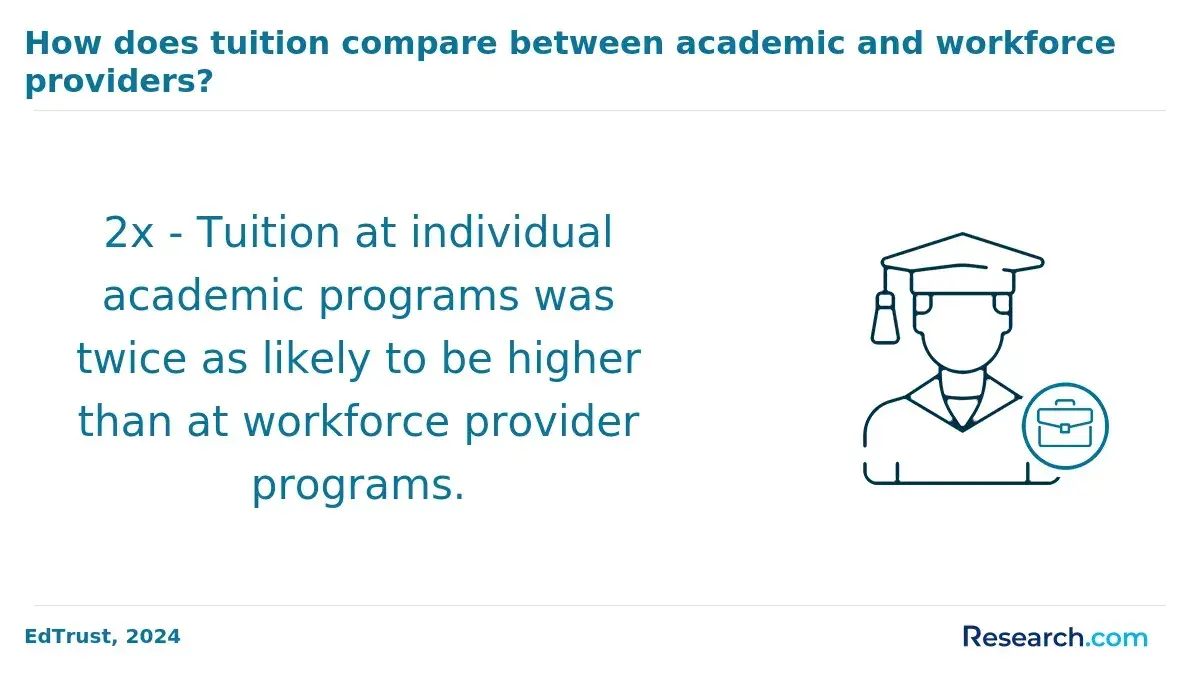
- Lower Tuition Costs: Many online dental assistant programs charge a flat fee for the entire course rather than by semester or credit hour, so completing the coursework quickly does not mean paying more. Affordable fast-track dental assistant certification online options often cost under $2,000, significantly less than traditional programs that may exceed $10,000, making accelerated learning a smart choice for those seeking cost savings of accelerated online dental assistant programs.
- Reduced Living Expenses: Spending less time enrolled reduces living expenses such as housing, utilities, transportation, and food. Even though you study from home, finishing sooner decreases incidental costs and minimizes financial strain, especially if you need to cut back on work hours or relocate for externships.
- Earlier Entry Into the Workforce: Accelerated program completion allows you to start earning a salary sooner. With the median annual wage for dental assistants at $44,820 in 2023, entering the workforce earlier means gaining valuable income and experience that contribute positively to long-term financial stability.
- Less Time Off Work: Many students balance studies with employment, and the shorter duration of accelerated programs helps reduce the need for unpaid leave or reduced working hours. This preserves your income during training and supports consistent financial health.
Choosing an accelerated online dental assistant program can also open doors to some of the highest paying bachelors degrees, further enhancing your career prospects and earning potential over time.
How Soon Can Graduates Start Working After Earning Their Online Dental Assistant Degree?
Graduates can often start working shortly after earning their online dental assistant certification, with many programs designed to be completed in 5 to 12 months. Some accelerated tracks allow finishing in about 12 weeks, speeding up the entry into the workforce.
The time between graduation and employment depends on factors like local job demand, the graduate's prior healthcare experience, and how quickly certification or licensure requirements are processed. In areas with high demand for dental assistants, many find jobs within weeks to a few months. Understanding how quickly can you work after online dental assistant certification helps set realistic expectations for the job search timeline.
Online dental assistant programs frequently integrate practical experience through externships, internships, or networking opportunities while students are still enrolled. This hands-on training in local dental offices not only builds valuable skills but also fosters relationships that can lead directly to job offers upon graduation.
Gaining work experience before finishing the program improves dental assistant job placement after online program completion and helps graduates stand out in competitive job markets. For those researching options, considering programs linked with top non profit accredited universities can offer enhanced networking and training opportunities.
How Much Do Online Dental Assistant Graduates Earn on Average?
The average dental assistant salary in the United States for online Dental Assistant graduates typically ranges from around $35,000 to over $60,000 annually, depending on certification, experience, and location. Below is a breakdown of earnings by career path, level of education, and experience to help clarify dental assistant pay by certification level.
Here are common career levels and their associated salaries for online Dental Assistant graduates:
- Entry-Level Roles: Graduates starting out often earn between $35,470 and $61,060 annually, typically making $20 to $30 per hour. Salaries vary widely based on geographic location, with urban states like California and Virginia offering higher pay.
- Certified Dental Assistants: Obtaining professional certification, such as the DANB Certified Dental Assistant (CDA), boosts median hourly wages from about $22.50 to $26. Certification also tends to provide increased job security and opportunities for leadership roles.
- Expanded Duty Dental Assistants: With further credentials or specialized training, expanded duty assistants can earn approximately $40,614 per year, with even higher pay possible in competitive markets like Atlanta. Additional skills such as radiology or office management help increase earnings.
- Mid-Career Professionals: Experienced dental assistants typically command higher salaries ranging from $48,000 up to $61,780, reflecting their specialized skills, supervisory experience, and professional development over time.
- Industry and Geographic Variations: Salary levels are influenced by local demand and cost of living, with states like Georgia offering average salaries near $43,710, and metropolitan areas like Atlanta slightly higher at about $45,180 annually.
Graduates looking to reduce time-to-work and educational expenses may explore cheap online bachelor degree programs, allowing faster entry into these earning opportunities and career pathways in dental assisting.
Here's What Graduates of Online Dental Assistant Programs Have to Say About Their Degree
- .Jasmin: "Completing my online dental assistant degree was a truly rewarding experience. The flexibility of the program allowed me to balance work and study, which was crucial as a single parent. I appreciated the interactive modules that made learning engaging even without a physical classroom. Now, working in a busy dental office, I feel confident and prepared thanks to the practical skills I gained online. This journey reignited my passion for healthcare and helping others"
- Terrence: "Going through an online dental assistant program challenged me in ways I didn't expect, especially managing self-discipline and time management. Reflecting back, it was those challenges that helped me grow personally and professionally. The course not only provided essential technical knowledge but also instilled a deep appreciation for community health. I'm proud to contribute to improving oral care accessibility in underserved neighborhoods. Pursuing this degree online opened doors I hadn't imagined before."
- Minh: "The career advancement opportunities after earning my online dental assistant degree have been incredible. I moved from a receptionist role to a certified dental assistant in under a year, and the credibility of the program made it easy to prove my skills to employers. The specialized training modules prepared me well for certification exams and everyday clinical situations. I'm excited to continue growing in this profession and even plan to pursue dental hygiene next. This program was a solid investment in my future."
Other Things You Should Know About Online Dental Assistant Degree Programs
Online dental assistant programs often partner with local dental clinics to provide hands-on clinical experience. Students are typically required to complete a certain number of clinical hours in a professional setting to meet certification requirements.
In 2027, earning an online dental assistant degree typically takes about one year. Programs often include both theoretical coursework and practical training. Some may offer accelerated options, while others allow part-time study to accommodate varying schedules.
To balance work with an online dental assistant program in 2027, students should use time management tools, set clear priorities, and communicate with employers about their educational commitments. Leveraging the program's flexibility by studying during off-hours can also support a balanced schedule.
Employers generally recognize degrees from accredited online dental assistant programs. Accreditation by agencies approved by the U.S. Department of Education is a key factor for credibility. Graduates who meet certification requirements and demonstrate clinical competence are competitive in the job market.
References
- Dental Assistant Career | Accelerated Academy https://www.acceleratedacademy.us/careers/dental-assistant
- Dental Assistant Certificate https://www.lonestar.edu/programs-of-study/dental-assisting-ce.htm
- Continuing Education at the University of Utah: Classes for All Ages! https://continue.utah.edu/proed/academy/certificate/dental-assistant
- How Long Does It Take to Become a Dental Assistant? Timeline Breakdown | Dental Careers Institute https://mydentalcareers.com/blog/how-long-does-it-take-to-become-a-dental-assistant-timeline-breakdown/
- Dental Assisting Technician Program - Bunker Hill Community College https://www.bhcc.edu/dental-tech/
- Dental Assisting – Certified (Online) - Vancouver Community College https://www.vcc.ca/programs/dental-assisting--certified-online/
- Dental Assistant Course Online - International Career Institute https://icieducation.com/courses/health-fitness/dental-assistant/
- Online Dental Assistant Training - Which Program Should You Choose? https://preppy.org/best-dental-assistant-training/
- Dental Assistant https://www.lawsonstate.edu/learn_at_lawson/programs_and_divisions/health_professions_programs/dental_assisting.aspx
- Online Canadian Dental Assistant Programs - Risio Institute https://risiodental.com/dental-assistant-program/


