
2027 How Long Does It Take to Earn an Online International Relations Degree?

Co-Founder and Chief Data Scientist
Online education offers unparalleled flexibility, allowing students to balance career and personal commitments while pursuing higher learning. According to the National Center for Education Statistics, enrollment in online programs has surged by over 30% in the past decade, reflecting growing demand for remote academic options.
Understanding how long does it take to earn an online international relations degree is crucial for effective planning. This article explores the average completion time for such degrees, the factors influencing program length, and tips for selecting the optimal pace based on individual goals and schedules. It aims to equip readers with the knowledge to make informed and confident decisions about their education.
Key Benefits of Online International Relations Degree
- Most online international relations bachelor's degrees can be completed in four years, but accelerated programs allow finishing in as little as two to three years for full-time students.
- Flexible scheduling enables students to balance work and study, with many programs offering asynchronous classes that let learners progress at their own pace over six to eight semesters.
- Graduate degrees, such as online master's in international relations, typically require one to two years, providing faster pathways for career advancement and specialization in global affairs.
What is the average completion time for online international relations programs?
Online international relations programs typically take between 18 months and four years to complete, depending on the degree level and individual study pace.
Below is a breakdown of the average completion time by degree level to help prospective students understand the typical duration for various online international relations programs.
- Online bachelor's degree: Full-time students usually finish an online bachelor's in international relations in about four years, closely matching traditional on-campus timelines. While some programs may accept transfer credits or prior learning that can shorten this duration, four years remains the standard timeframe for most new students.
- Online master's degree: The average duration to complete an online master's in international relations ranges from 18 months to three years. Programs designed for working professionals often allow students to take fewer courses per term, extending the timeline, while accelerated options enable completion in as little as 18 months. This variation illustrates how long to complete international relations master's online can depend heavily on course load and program structure.
- Online Ph.D. in international relations: Doctoral online programs are less common and typically take about four years to complete. These are aimed at experienced professionals and combine advanced coursework with dissertation research, often requiring a significant commitment of time and effort.
When considering the average duration of online international relations degree options, it is important for students to factor in personal obligations and any credit transfer opportunities, as these can influence completion time. For those evaluating career prospects alongside academic planning, exploring the most employable college majors can provide valuable insight into the long-term benefits of their chosen field.
What factors can affect how long it takes to earn an online international relations degree?
The time required to earn an online international relations degree depends on various academic and personal factors that influence the student's pace and program completion. Understanding these influences helps prospective students plan their educational path effectively; below are key factors that impact online international relations degree length and shape the overall timeline for degree completion.
- Enrollment status (full-time vs. part-time): Full-time students typically finish their degree faster, often completing a master's degree in 12 to 24 months, while part-time learners balancing other commitments may require three years or more.
- Program structure and requirements: Some programs provide accelerated or flexible pacing options, with undergraduate degrees potentially spanning three to six years and master's programs ranging from 12 to 24 months depending on thesis or internship demands.
- Transfer credits for online International Relations programs: Ability to transfer credits or qualify for advanced standing can shorten the time significantly, especially for experienced professionals enrolled in accelerated tracks.
- Course load per term: Students taking heavier course loads can expedite their progress, whereas lighter course schedules extend the time needed to complete the degree.
- Personal and professional obligations: Work and family responsibilities often limit course load capacity, which may prolong degree completion.
- Institutional policies and support services: Access to academic advising and flexible scheduling can help students stay on track and potentially reduce their time-to-degree.
For additional insight on related academic pathways, interested students may explore what is the easiest doctorate to get, which offers a useful perspective on degree options and durations.
What are the different types of online international relations programs available?
Online international relations programs come in a variety of types and specializations, allowing students to select options that best align with their career goals and backgrounds. Below is an overview of the main types of programs available to prospective learners.
These options cater to different levels of experience and professional aspirations, making it easier to find a suitable fit.
- Online Bachelor's Degree in International Relations: Typically lasting three to four years, these undergraduate programs provide foundational knowledge of diplomacy, global politics, and foreign policy, ideal for recent high school graduates or those beginning their careers.
- Online Master of Arts in International Relations (MAIR): A graduate-level program focusing on advanced theory, policy analysis, and cross-cultural communication, usually completed in 18 to 24 months, designed for professionals aiming for mid-level roles in government, NGOs, or business.
- Online Master of International Service (MIS) - Executive Track: An accelerated, about 12-month program for experienced professionals with at least seven years in the field, emphasizing leadership and strategic management for senior positions in international organizations or government.
- Online Master of Science in International Relations and Business: This interdisciplinary degree combines global policy and business skills, preparing graduates for leadership roles that bridge international affairs and economic strategy.
- Doctoral Degrees (PhD or D.Sc) in International Relations: Research-intensive programs focused on original research and policy analysis, suited for those pursuing academic or high-level research careers with flexible structures to accommodate working professionals.
- Specialized Concentrations or Dual Degrees: Many programs offer focused areas such as global security or diplomacy, or dual degrees combining international relations with business, allowing students to customize their studies to specific career interests.
How many credit hours are required for an online international relations degree?
Completing an online international relations degree requires a specific number of credit hours that vary depending on the degree level, with options for full-time and part-time study influencing the overall duration. Below is a breakdown of typical credit hour requirements by degree level to help you understand what to expect when pursuing an online international relations program.
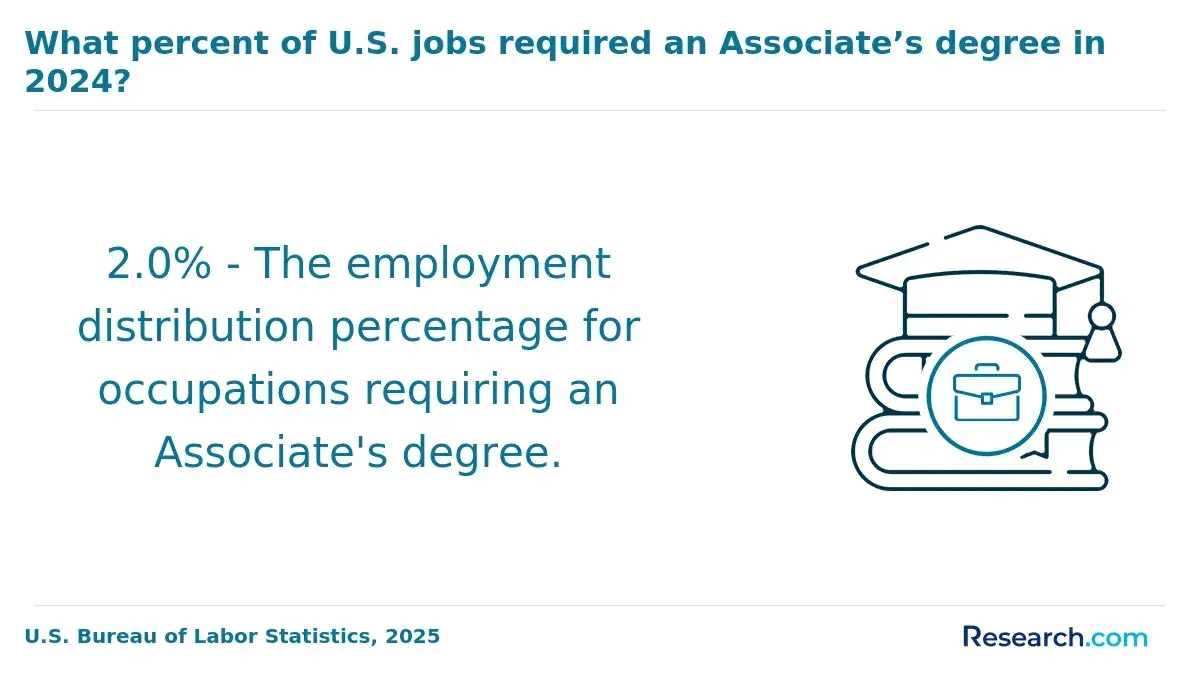
- Associate Degree: Typically requires about 60 credit hours, which full-time students can complete in roughly two years. These programs are less commonly offered online in international relations, and some schools allow transfer credits that can reduce the total number of hours needed.
- Bachelor's Degree: Usually requires around 120 credit hours for completion, commonly finished in four years by full-time students. Part-time study extends this timeline, while some institutions offer accelerated pathways or accept transfer credits, potentially shortening the duration.
- Master's Degree: Credit requirements generally range from 36 to 48 credit hours. Full-time learners often complete the program in one to two years; however, part-time students or those choosing thesis and capstone projects may take longer. The program structure and electives can cause variations.
- Doctoral Degree: Though less common online, these programs generally require between 55 and 60 credit hours beyond a master's degree. Completion times vary greatly due to dissertation demands and pacing but typically span three to seven years.
I spoke with a graduate of an online international relations degree who described their experience balancing work, family, and study commitments while meeting the credit hour requirements. They found that managing the course load required not only discipline but learning to adapt study strategies for online formats, especially when juggling intensive courses with practical projects.
The flexibility of pacing allowed them to extend their program beyond the typical timeline when unexpected life events arose, which reduced stress and improved retention. Reflecting back, they valued how the credit hour structure provided clear milestones but also the freedom to progress at a personally sustainable rate, making their educational journey both challenging and rewarding.
What courses are included in a standard online international relations curriculum?
A standard online international relations curriculum includes a variety of courses designed to build a strong analytical, policy, and cross-cultural understanding of global affairs. These programs focus on developing skills applicable to roles in government, business, and non-profit sectors.
Below are examples of core and specialized courses commonly offered in online international relations degree programs:
- Introduction to International Relations: Students examine key theories, actors, and institutions that shape international politics, gaining foundational knowledge of global diplomacy, conflict, and cooperation. This course supports both academic and practical policy work.
- Comparative Politics: This course explores different political systems and governance structures worldwide. It helps students analyze and compare domestic and international political dynamics, useful for careers in policy analysis and consulting.
- International Political Economy: Students study economic relationships between states, focusing on trade, finance, and development. This prepares graduates for roles in international business and global economic policy.
- Foreign Policy Analysis: Focusing on how states develop and implement foreign policy, students learn about decision-making processes and the influence of national interests and pressures, ideal for those pursuing diplomacy or government advisory roles.
- Globalization and Global Issues: This course addresses social, economic, environmental, and technological impacts of globalization, preparing students to work with NGOs, multinational corporations, or international organizations.
- International Law and Organizations: Students study legal frameworks governing state relations and roles of international bodies like the United Nations, foundational for careers in international law or multilateral institutions.
- Security Studies and Conflict Resolution: This subject covers international security, armed conflict, terrorism, and peacebuilding, preparing graduates for national security, intelligence, or humanitarian roles.
- Research Methods and Data Analysis: Students learn qualitative and quantitative research techniques to critically assess international issues, supporting evidence-based professional practice and advanced study.
- Special Topics and Electives: Programs often include specialized courses such as human rights, environmental policy, diplomacy, or regional studies, allowing students to tailor their education to specific interests or career goals.
How often do online international relations programs start during the year?
Online international relations programs typically offer multiple start dates throughout the year, providing significant flexibility that helps students begin their studies when it best fits their schedules and career goals. This flexibility benefits working professionals, recent graduates, and anyone balancing education with other commitments.
Below is a summary of the most common start schedules found in online international relations programs:
- Traditional Academic Calendar: Many universities follow the conventional semester system, with start dates in fall (August/September), spring (January), and summer (May). This schedule works well for students who prefer a structured timeline or want to align their studies with other academic or professional activities.
- Rolling Admissions: Some institutions allow applications and enrollment at several points throughout the year rather than a single deadline. This system supports learners ready to begin immediately and may appeal to those seeking to minimize downtime between application and coursework start.
- Monthly or Quarterly Starts: Programs like those at American Public University System offer monthly course starts, while schools such as Arizona State University provide new classes every 7.5 weeks. These frequent start dates are ideal for students with unpredictable schedules or those balancing work and study.
- Fixed Multiple Annual Start Dates: Certain universities set several annual start dates, for example, January, May, and September for graduate programs or specific dates like February 2 and September 21 for undergraduates. This method combines flexibility with predictable planning for easier coordination with other life commitments.
How much faster can you complete an accelerated online international relations degree?
Accelerated online international relations programs significantly shorten the time needed to earn a degree compared to traditional formats by offering more flexible and condensed learning options. These programs are designed to help motivated students finish their studies faster while maintaining academic quality.
Below are common features that enable quicker completion of an online international relations degree:
- Shorter Course Terms: These programs use compressed sessions, often 8 or even 4 weeks long, rather than the usual 16-week semesters. This allows students to take more courses within a calendar year, reducing the overall time to graduate.
- Year-Round Enrollment: Multiple start dates and continuous course availability mean students can study through traditional breaks like summer and winter sessions. This flexibility prevents delays between terms and promotes steady progress.
- Shared or Dual Credits: Some institutions permit credits to count toward both undergraduate and graduate degrees, particularly in combined bachelor's/master's pathways. This enables students to complete two degrees in less total time.
- Transfer Credits: Accepting previous college credits, AP exams, or professional experience lets students bypass foundational courses, focusing instead on advanced international relations topics and shortening degree duration.
- Competency-Based Learning: Students advance by demonstrating mastery rather than fixed classroom hours, especially benefiting professionals with prior knowledge by accelerating course completion.
A graduate of an online accelerated international relations degree shared that one of the biggest challenges was balancing a full-time job and family commitments while keeping up with intense 8-week courses. They recalled moments of self-doubt during back-to-back terms but found that the program's flexible schedule and supportive instructors kept their motivation high.
The ability to start new courses almost immediately after finishing others helped them maintain momentum, finishing their degree 18 months ahead of a traditional timeline. This experience not only boosted their career prospects but also gave them confidence in managing demanding workloads in future roles.
Does finishing an online international relations degree faster save you money?
Completing an online international relations degree faster often results in meaningful savings by reducing the total costs associated with prolonged study periods. The financial benefits of an accelerated online international relations degree cost savings approach come from several important factors, which can be outlined as follows:
- Lower Tuition Costs: Many online programs charge tuition by the credit, but some apply fees each semester or year regardless of course load. Taking more classes at once and finishing sooner can help you avoid multiple semester-based fees, lowering the overall tuition you pay.
- Reduced Living Expenses: Even online students face indirect costs like housing, utilities, and transportation. Accelerating your studies shortens the time you incur these expenses, which helps reduce your total education-related living costs.
- Earlier Entry Into the Workforce: Finishing your degree earlier allows you to start or return to full-time work sooner, potentially increasing your lifetime earnings. This is especially valuable in international relations careers, where advanced roles frequently require graduate credentials and faster entry can improve financial outcomes. For more insight into career earnings, consider reviewing what majors make the most money.
- Less Time Off Work: Working professionals often juggle part-time jobs or take unpaid leave for classes. Finishing your degree faster means less disruption to your income flow and fewer missed opportunities for career advancement.
- Lower Risk of Tuition Increases: Tuition rates typically rise yearly. By wrapping up your degree in a shorter period, you avoid paying higher tuition costs associated with tuition inflation over multiple academic years.
How soon can graduates start working after earning their online international relations degree?
Graduates with an online international relations degree can often start working shortly after finishing their program, though the exact timing varies. Typically, the transition period ranges from a few months to longer, depending on factors such as the demand in their chosen sector and their previous work or internship experience. Candidates with relevant hands-on experience or strong professional networks tend to find positions faster.
Entry-level roles like policy analyst or communication specialist in government, NGOs, or international organizations are usually available once proof of degree completion is provided. Understanding the dynamics of different hiring cycles is key to managing expectations about international relations graduate job prospects.
Online international relations programs frequently offer flexibility that enables students to gain valuable work experience concurrently with their studies. Many courses encourage or require internships, capstone projects, or networking opportunities, which help students build professional contacts and demonstrate practical skills. These experiences often shorten the job search period, improving how quickly can you get a job with an online international relations degree.
For prospective students budgeting their education, exploring the cheapest online colleges that accept FAFSA can be a practical step toward balancing costs with quality training and career preparation. Proactively combining academic study with real-world experience remains one of the most effective ways to ease the transition to full-time employment after graduation.
How much do online international relations graduates earn on average?
Online international relations graduates typically earn between $40,000 and $196,000 annually, depending on their career path, experience, and education level. To better understand the average salary for international relations graduates, here is a breakdown of common roles and their salary expectations based on these factors.
- Entry-Level Roles: Early career graduates often work as research assistants, policy analysts, or junior consultants, earning between $40,000 to $70,000 per year. Salaries vary by location, organization type, and sector, with room for advancement through experience or further education.
- Mid-Career Professionals: Professionals with several years of experience or a master's degree may serve as program managers, senior analysts, or consular officers, typically earning $60,000 to $90,000 annually. Those working in metropolitan areas or federal positions often earn closer to the upper end of this range.
- Specialized Positions: Specialized careers like international development consultant or associate attorney command salaries around $83,000 to $90,000, with potential to reach $149,000. Advanced degrees often enhance eligibility for these roles.
- Leadership Roles: Leadership positions such as directors, senior diplomats, or policy leaders report salaries from $120,000 up to $196,000 or more. The top 10% of earners, typically experienced professionals with graduate degrees, can make over $247,000 annually.
- Industry Variations: Salaries also differ by sector, with federal government, scientific research, and consulting jobs offering median wages between $105,000 and $133,000, while social services and non-profits usually provide lower salaries around $60,000 to $80,000 but different advancement pathways.
The international relations degree salary by state can also impact earnings, as geographic location plays a significant role in salary levels. For those exploring career options, visiting top skilled trades jobs offers additional insights into job markets and potential earnings across fields.
Here's What Graduates of Online International Relations Programs Have to Say About Their Degree
- Maria: "Completing my online international relations degree gave me the flexibility to balance work and family while engaging deeply with global political issues. The accessibility of the program allowed me to connect with professors and peers worldwide, enriching my understanding beyond textbooks. This degree opened doors to a rewarding career in diplomacy, where I now contribute to policy development with confidence and insight."
- Khalil: "Reflecting on my journey, pursuing an online international relations degree was not just an academic achievement but a profound personal growth experience. The program challenged me to think critically about global conflicts and cooperation, inspiring my passion for social justice. It also connected me to a vibrant community of learners and activists focused on making a positive impact internationally."
- Janelle: "Professionally, earning an online international relations degree has been transformative. It enhanced my analytical skills and expanded my professional network, enabling me to advance rapidly in the competitive field of international development. The unique challenges of remote learning taught me discipline and adaptability, qualities that now shape my approach to complex global projects."
Other Things You Should Know About Online International Relations Degree Programs
Yes, many online international relations degree programs offer specializations such as global policy, diplomacy, or international business. Students can choose based on their career interests, allowing for targeted learning while completing the degree in one year.
Some programs include virtual internships or simulations, while others may not require practical experience. It depends on the school's curriculum design. Students should review program requirements to understand experiential learning components.
In 2027, the average completion time for an online international relations degree typically ranges from two to four years. The duration depends on factors such as part-time or full-time enrollment and the specific program structure offered by the educational institution.
References
- Do College Credits Ever Expire? | National University https://www.nu.edu/blog/do-college-credits-ever-expire-what-you-need-to-know-before-transferring/
- is doing a International Relations degree, value for money? https://www.thestudentroom.co.uk/showthread.php
- International Relations Courses & Degrees https://www.open.edu.au/study-online/law-justice/international-relations
- International Relations https://irk.uj.edu.pl/en-gb/II_P/
- Online teaching, student success, and retention in political science courses https://pmc.ncbi.nlm.nih.gov/articles/PMC7391044/
- International Affairs MA https://gpem.luc.edu/portal/abm
- International Relations Degrees https://pir.fiu.edu/undergraduate/international-relations-degrees/
- International Relations Salary https://www.internationalrelationsedu.org/salaries/
- International Relations https://onlinecourses.london.ac.uk/undergraduate/international-relations-politics-degrees/international-relations/
- The Benefits & Challenges of Online Degrees For International Students https://www.academicinfo.net/blog/2024-06-16-the-benefits-challenges-of-online-degrees-for-international-students/


