2027 How Long Does It Take to Earn an Online Public Health Degree?

Co-Founder and Chief Data Scientist
Online education offers unmatched convenience and flexibility, meeting the needs of busy professionals and career changers. The demand for public health professionals is expected to grow 11% through 2031, according to the U.S. Bureau of Labor Statistics, making it a strategic choice for students.
Understanding how long it takes to earn an online public health degree is crucial for planning an academic path that fits individual schedules and career goals. This article explores average program lengths, factors influencing completion time, and tips for selecting the ideal program duration. It aims to empower readers to make informed, confident decisions about advancing their public health education online.
Key Benefits of Online Public Health Degree
- Most online public health bachelor's degrees take about 3 to 4 years to complete, while master's programs typically range from 18 to 24 months, depending on enrollment status and acceleration options.
- Flexible scheduling allows students to balance work and study, with many programs offering asynchronous classes that let learners pace their education to fit personal and professional commitments.
- Accelerated tracks can shorten degree completion time by up to 25%, enabling motivated students to enter the workforce sooner and start applying their skills in real-world public health settings.
What is the Average Completion Time for Online Public Health Programs?
Online public health programs typically take between two and four years to complete, though this can vary based on degree level, enrollment status, and program format. Below is a breakdown of the average time to complete online public health degree programs by type to help prospective students plan effectively.
- Online bachelor's in public health: Most full-time students finish online bachelor's programs in about four years, aligning with traditional on-campus options. Accelerated or degree-completion formats allow some students with prior coursework to complete in as little as 16 to 24 months, while part-time study offers flexible pacing for working professionals.
- Online master's in public health (MPH): The typical duration for an online MPH program ranges from two to three years whether attending full-time or part-time. Accelerated programs exist that enable motivated students to finish in 12 to 18 months. Many options also support students' work and personal schedules through asynchronous coursework and flexible calendars, addressing the common question of how long does an online MPH program take.
- Accelerated or degree-completion programs: Tailored pathways for students with prior degrees or transfer credits reduce completion time significantly. Bachelor's degree-completion programs can shorten study to 16 to 24 months, while master's level accelerations may be completed in as little as 12 to 18 months depending on background and course load.
The length of an online public health program depends on enrollment status, transfer credits, and designs suited for working or nontraditional students. Those planning their education should also consider that some students pursue alternative degrees. For example, the best associate's degree online in 6 months might offer a quicker pathway into the public health field before advancing to bachelor's or master's programs.
What Factors Can Affect How Long It Takes to Earn an Online Public Health Degree?
Several key elements influence the time it takes to earn an online public health degree, impacting how quickly or slowly a student may finish their studies. Understanding these factors helps prospective students shape realistic expectations for their academic journey.
Below are important considerations that highlight these variables and how they affect program duration:
- Enrollment Status (Full-Time vs. Part-Time): Full-time students typically complete their degree in about two years, while part-time students, who may juggle work or family commitments, often take 2.5 to 4 years. Part-time status provides flexibility but generally extends the timeline.
- Program Format and Structure: Accelerated or compressed course formats, such as seven-week terms, can shorten completion to as little as 12-15 months for master's degrees or approximately 22 months for bachelor's. Traditional semester formats usually require more time.
- Transfer Credits Impact on Online Public Health Degree Duration: Students entering with relevant transfer credits, including associate degrees or prior coursework, can reduce time to graduation significantly. Credit acceptance varies by institution but plays a crucial role in shortening the duration.
- Course Load and Scheduling Flexibility: The ability to take more courses each term allows faster progress, though heavier course loads may be challenging. Conversely, lighter loads extend the time needed to finish the program.
- Dual-Degree and Concentration Choices: Selecting additional degrees or specialized tracks usually means more coursework and longer completion times beyond the basic program length.
- Personal and Professional Commitments: Work, family, and other responsibilities influence how many courses a student can manage, affecting the pace of their studies.
- Prerequisite Requirements: Some programs require students without a background in public health to complete extra prerequisite courses, which can add to the overall timeline.
For those exploring options, starting with an accelerated or easy entry program like an easiest degree course can also influence the duration and experience of earning an online public health degree.
What Are the Different Types of Online Public Health Programs Available?
Online public health programs come in a variety of types and specializations, each designed to match different career goals and educational needs. Below is an overview of the main options prospective students can explore to find a program that best fits their interests and aspirations.
These programs range from foundational degrees to advanced certificates and doctorates, offering flexibility and focus in various areas of public health.
- Online Bachelor's in Public Health: These programs provide a broad foundation in public health principles such as epidemiology, community health, and health policy. They often include practical components like internships and may offer specialized tracks in areas like health management or health promotion, making them ideal for new students seeking entry-level careers.
- Online Master of Public Health (MPH): The MPH is the most common graduate degree in public health, with concentrations in epidemiology, global health, and public health informatics. Designed for both full- and part-time study, these programs prepare students for leadership roles and can be completed in about 12 to 20 months.
- Online Graduate Certificates in Public Health: Certificates offer focused training on specific topics such as epidemiology or health policy and usually take less than a year to complete. They are well suited for professionals seeking targeted skills without pursuing a full degree, and some certificates can be applied toward a master's degree later.
- Doctoral Programs (DrPH, PhD): Less common in online formats, doctoral programs emphasize leadership, research, or policy in public health. These are designed for experienced professionals aiming for high-level executive, academic, or policy-making roles.
- Specialty Concentrations and Dual Degrees: Many programs allow customization through concentrations like community health sciences or health education. Dual degrees combine public health with areas such as healthcare administration or law, broadening career prospects for students with interdisciplinary interests.
How Many Credit Hours Are Required for an Online Public Health Degree?
Completing an online public health degree involves meeting specific credit hour requirements that depend on the degree level and program structure. To provide clarity, here is an overview of the typical credit hour expectations for various online public health degrees:
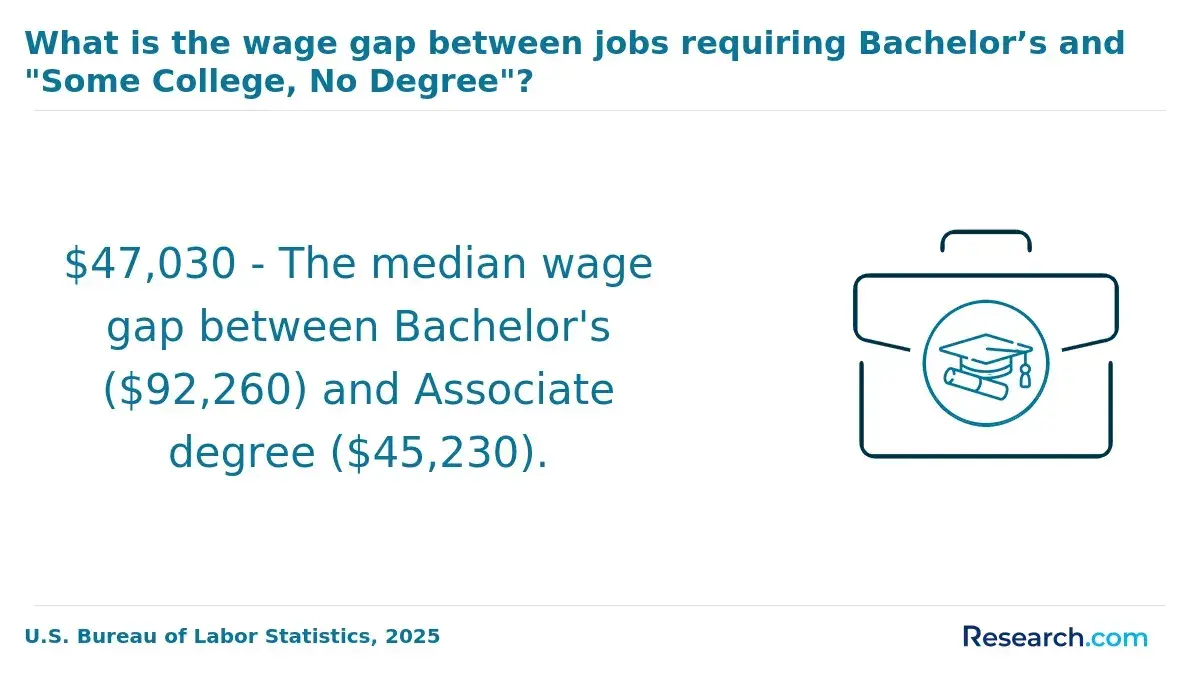
- Associate degree in public health: These programs usually require between 60 and 66 credit hours. Full-time students often complete the degree within two to three years, while part-time students or those needing developmental courses might take longer. Transfer credits can reduce the number of credits needed and shorten completion time.
- Bachelor's degree in public health: Typically requiring 120 credit hours, bachelor's programs combine general education and major-specific coursework. Full-time enrollment generally leads to graduation in four years, but part-time study can extend this period. Many programs accept transfer credits from prior college work or associate degrees, helping students graduate sooner.
- Master of Public Health (MPH): Most online MPH programs demand 42 to 45 credit hours. Full-time students usually finish in about two years, while part-time options may take up to five years based on pacing. Some programs allow limited transfer credits and offer accelerated formats for faster completion.
- Doctoral degree in public health (DrPH, PhD): Doctoral programs require approximately 45 to 60 post-master's credit hours. These degrees often include dissertation research, which can extend the total duration from three to seven years depending on full- or part-time enrollment and research progress. Credit requirements and structures differ widely by institution.
Speaking with a graduate of an online public health degree, I learned how the journey can be both demanding and rewarding. They shared that balancing work, family, and coursework often felt overwhelming, especially while completing practicum and research credits that demanded real-world application.
However, tracking progress through earned credits provided a tangible sense of achievement that motivated them to keep going. The flexibility of part-time study allowed adapting to unexpected life events without losing momentum. Reflecting on their experience, they emphasized how meeting credit requirements was not just about numbers but mastering subjects that prepared them for a meaningful career in public health.
What Courses Are Included in a Standard Online Public Health Curriculum?
A standard online public health curriculum offers a comprehensive overview of key topics and skills essential for understanding and addressing health challenges in various populations. Below are examples of core and specialized courses commonly offered.
- Epidemiology: This course covers the principles and methods for studying the distribution and determinants of health and diseases in populations. Students learn to analyze disease patterns and design studies, essential for roles in disease surveillance and health research.
- Biostatistics: Students gain skills in statistical methods for analyzing public health data, including study design and application of software tools. This knowledge supports evidence-based practice and research evaluation.
- Environmental Health: This course examines the impact of environmental factors like air, water, and chemicals on human health. It prepares students for careers in environmental risk assessment and policy advocacy.
- Health Promotion and Behavior: Focused on theories and strategies to encourage healthy lifestyles, this course equips students to design and evaluate community health programs.
- Health Services Administration: Students explore the management and organization of health systems, learning about leadership, budgeting, and policy to prepare for administrative roles.
- Global Health: Addressing health issues beyond national borders, this course prepares students to work on international health challenges and global disparities.
- Program Planning and Evaluation: This course develops skills in designing and assessing public health interventions, emphasizing evaluation techniques to improve program outcomes.
- Public Health Law and Ethics: Students study legal and ethical frameworks governing public health, including policy analysis and advocacy principles.
- Research Methods: Covering qualitative and quantitative techniques, this course prepares students to conduct research and supports graduate-level study.
- Capstone or Practicum Experience: Typically a culminating project or practical experience, this component allows students to apply their knowledge to real-world public health problems and enhance their career readiness.
How Often Do Online Public Health Programs Start During the Year?
Online public health programs typically offer multiple start dates throughout the year, providing students with a high level of flexibility to begin their studies according to their individual schedules and commitments. This flexibility is especially valuable for working professionals and those balancing education with other responsibilities.
Below is a summary of the most common start schedules found in online public health degree programs:
- Traditional Academic Calendar: Many programs follow a three-term schedule with start dates in spring, summer, and fall, aligning with standard university semesters. This option suits students who prefer to plan their education around established academic cycles or coordinate with personal milestones.
- Rolling Admissions: Some institutions allow students to apply and begin courses at various times throughout the year, often immediately after acceptance. This option offers maximum flexibility and is ideal for adult learners and professionals with unpredictable schedules who want to start quickly.
- Monthly or Quarterly Starts: Certain programs offer new start dates as frequently as once a month or quarterly, enabling students to begin coursework almost immediately. This frequent entry is beneficial for those needing a rapid transition into their studies without waiting for traditional term dates.
- Accelerated or Self-Paced Options: Some online public health programs provide both scheduled start dates and self-paced progression. This is advantageous for motivated students aiming to complete their degrees faster by advancing at their own speed.
How Much Faster Can You Complete an Accelerated Online Public Health Degree?
Accelerated online public health programs significantly reduce the time needed to earn a degree compared to traditional formats, often allowing students to graduate in just 12 to 18 months instead of the usual two to three years. These programs achieve faster completion by employing several efficient strategies that streamline the curriculum and scheduling.
Below are the most common ways these programs help students graduate faster:
- Shorter Course Terms: Courses are offered in condensed sessions, such as seven-week terms rather than the typical 16-week semesters. This enables students to take more courses within a year, substantially speeding up their progress.
- Year-Round Enrollment: Multiple start dates throughout the year-sometimes six or more-eliminate waiting periods between semesters. This flexibility allows continuous study and quicker advancement toward degree completion.
- Transfer Credits: Acceptance of prior coursework or degrees helps students bypass general education or elective requirements, reducing the total credits needed and shortening the time to graduate.
- Competency-Based Learning: Students can move ahead as soon as they demonstrate mastery of subjects, enabling faster progression at their own pace rather than fixed schedules.
- Intensive Full-Time Study: A heavier course load, sometimes up to 80 hours weekly, allows students to finish their degree on a compressed timeline, often within a year, by eliminating prolonged breaks.
A graduate of an online accelerated Public Health degree shared their experience, emphasizing both the challenges and rewards of this intensive path. They described juggling a demanding full-time work schedule while managing a course load that left little room for downtime. Though initially overwhelmed by the fast pace and heavy workload, the graduate stayed motivated by the program’s flexibility, finishing sooner than expected.
The continuous, year-round enrollment allowed them to seamlessly transition from one course to the next without delay. They recalled a moment of pride when their quick mastery of epidemiology concepts through competency-based tests accelerated their timeline further. Although stressful at times, this intensive experience ultimately gave them confidence and momentum to enter the public health workforce sooner, making the sacrifice worthwhile.
Does Finishing an Online Public Health Degree Faster Save You Money?
Completing an online public health degree program in less time can significantly reduce your overall education costs. Accelerating your studies not only shortens the time commitment but also helps manage and lower expenses in several key areas.
Below are the main ways accelerated completion can lead to financial savings:
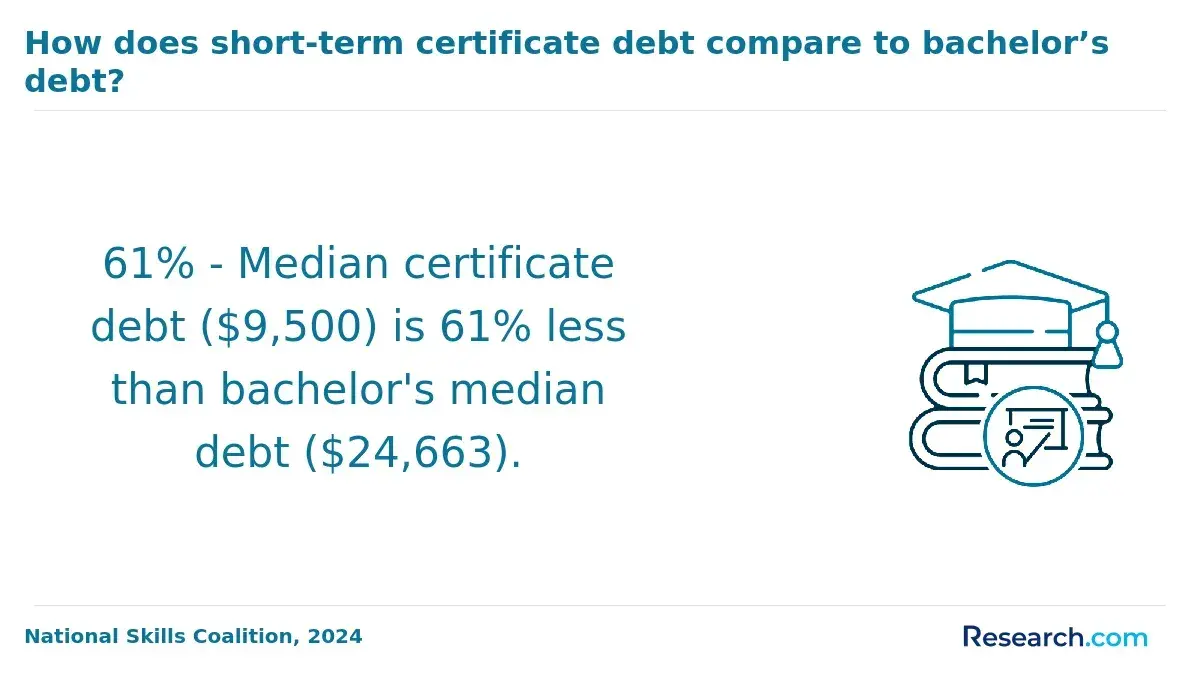
- Lower Tuition Costs: Many online public health programs charge tuition based on credit hours or semesters. Finishing faster by taking heavier course loads or enrolling in accelerated formats means paying for fewer semesters overall, which cuts total tuition costs. For example, some universities offer flat-rate tuition per term, so completing your degree sooner results in paying less in tuition fees.
- Reduced Living Expenses: The longer your studies take, the more you spend on ongoing costs such as housing, utilities, and food. Accelerated online public health programs allow you to spend less time enrolled, thus reducing these living expenses. Since online programs often let students remain in their current homes, finishing faster helps transition out of student-related costs sooner.
- Earlier Entry Into the Workforce: Completing your degree sooner enables you to start earning a salary in public health earlier. With the average salary for a master's in public health graduate around $78,000 as of July 2025, entering the workforce earlier enhances your lifetime earning potential and helps in quicker repayment of any educational debt.
- Less Time Off Work: Many students in online public health programs are working professionals. Accelerated degrees minimize the time you need to reduce work hours or take unpaid leave, helping maintain income during your studies and reducing financial strain.
For those seeking flexible options, some programs even offer no dissertation phd paths that can further streamline earning your degree while saving money. Overall, understanding how to save money by finishing online public health degree faster can make a significant difference in your financial and career outcomes.
How Soon Can Graduates Start Working After Earning Their Online Public Health Degree?
Graduates of online public health programs typically find employment within three to six months after earning their degree. The exact time to find a public health job after graduation varies based on factors such as the specific field of study, regional job demand, and previous work or internship experience.
Recent data shows many public health graduates find jobs before or soon after graduation, especially in fields like healthcare administration and epidemiology. Those with relevant experience or professional networks often transition to the workforce faster. Overall, employment rates for online public health graduates remain high, reflecting strong demand in the sector.
Online public health programs frequently integrate practical experience opportunities, allowing students to work, network, or complete internships while still studying. This flexibility helps students build professional connections and develop skills that ease their transition into employment upon graduation.
For example, many programs offer asynchronous courses and multiple start dates, making it easier to balance studies and hands-on experience. By finishing their degree faster, students can reduce costs and begin advancing their careers sooner. Prospective students interested in flexible options can explore accredited online colleges with no application fee that support this integrated approach.
How Much Do Online Public Health Graduates Earn on Average?
The average salary for online public health degree graduates typically ranges from about $46,500 to over $65,000 per year, with earnings increasing significantly as experience and education advance. Understanding these earnings can help you plan your career path and financial goals accordingly.
Here are some common positions and their typical salary ranges:
- Entry-Level Roles: Graduates often begin as community health workers or health educators, earning between $46,500 and $60,600 annually depending on location, employer, and prior experience. These roles establish foundational skills and offer opportunities for growth with additional certifications.
- Mid-Career Professionals: Those with several years of experience or master's degrees may become epidemiologists or health program managers. Epidemologists earned a median of $83,980 in May 2024, while managers can expect $70,000 to $90,000, influenced by specialization and regional demand.
- Specialized Positions: Public health research scientists, emergency management directors, and veterinarians command higher salaries, around $100,000 to $150,000 yearly. These roles often demand advanced expertise and may be affiliated with federal agencies or high-need areas.
- Leadership Roles: Senior roles such as public health directors or program administrators offer salaries starting at $121,590, with potential increases at large organizations or international NGOs, typically requiring extensive experience and graduate education.
- Industry Variations: Salaries vary by sector; private industry and federal government positions generally pay more than local agencies. Median earnings for bachelor's degree holders range from $49,794 to $65,418, with top programs reporting earnings above $65,000. For those exploring career options, understanding what are the best paying jobs for introverts may provide additional insight.
Here's What Graduates of Online Public Health Programs Have to Say About Their Degree
- Flora : "Completing my online public health degree allowed me the flexibility to balance work and family while pursuing my passion for community well-being. The coursework was rigorous but rewarding, giving me practical skills that I immediately applied at my nonprofit job. I especially appreciated the diverse perspectives shared by classmates from across the country, which broadened my understanding of health disparities. This degree truly empowered me to advocate effectively for underserved populations in my city. "
- Brooklynn: "Starting my career after finishing an online public health degree was an exciting transition that proved the value of the program's excellent professional development resources. The internship connections provided through the school helped me secure a role at a leading health agency, where I now contribute to policy planning and outbreak prevention. Studying online honed my self-discipline and time management skills, which are essential in this fast-paced field. I'm proud to help communities stay safe and healthy, knowing my education prepared me well. "
- Tiffany: "The online public health degree program was a transformative experience that deepened my commitment to improving health equity. Balancing coursework with a full-time job was challenging but taught me resilience and effective prioritization. Unique opportunities like virtual global health seminars exposed me to issues beyond my local context and inspired new approaches in my work. The credential opened doors to leadership roles and increased my influence in shaping school health policies, fulfilling my desire to positively impact young people's futures. "
Other Things You Should Know About Online Public Health Degree Programs
In 2027, transferable credits can significantly reduce the time needed to earn an online Public Health degree. By transferring previously earned credits, students may bypass certain courses, speeding up graduation and potentially finishing a program in less time than typically required.
In 2027, technical skills needed for online Public Health programs include proficiency in data analysis software like SPSS or SAS, familiarity with digital communication tools, and the ability to navigate online learning platforms efficiently. Additionally, skills in health informatics and digital research methods are increasingly important.
Yes, you can often transfer credits to shorten your online Public Health degree. Most programs allow prior coursework, typically from accredited institutions, to be credited, reducing the time to complete your degree. It's important to consult specific schools for their transfer credit policies.
References
- Master of Public Health (MPH) Degree Online | Augusta University https://www.augusta.edu/online/master-public-health.php
- Factors influencing digital health competence among healthcare professionals: A cross-sectional study - ScienceDirect https://www.sciencedirect.com/science/article/pii/S0897189725000242
- How an Online MPH Degree Can Impact Public Health in 2024 https://dblp.ucnedu.org/blog/how-an-online-mph-degree-can-impact-public-health/
- Online Master of Public Health Degree https://fiuonline.fiu.edu/programs/online-graduate-degrees/master-of-public-health.php
- Master of Public Health (MPH) | National University https://www.nu.edu/degrees/healthcare-leadership/programs/master-public-health/
- Master's in Public Health Jobs: 10 High-Paying Careers https://graduate.northeastern.edu/knowledge-hub/high-paying-careers-in-public-health/
- MPH, Public Health Practice and Policy (Online) https://sph.umd.edu/academics/masters-degrees/mph-master-public-health/mph-public-health-practice-and-policy-online
- Accelerated MPH https://publichealth.colostate.edu/accelerated-mph/
- Master of Public Health in Community and Population Health https://online.ou.edu/program/mph-in-community-and-population-health/