
2027 How Long Does It Take to Earn an Online Sustainability Degree?

Co-Founder and Chief Data Scientist
Online education offers unmatched flexibility for busy professionals and students pursuing in-demand fields like sustainability. According to the U.S. Bureau of Labor Statistics, careers in environmental science and sustainability are projected to grow 8% through 2032, emphasizing the value of such degrees.
Understanding how long does it take to earn an online Sustainability degree is crucial for planning academic and career goals effectively. This article explores the typical timeframe for completing these programs, the factors influencing duration, and guidance for selecting the right program length based on individual schedules and objectives. The goal is to help readers make informed, confident decisions about their education path.
Key Benefits of Online Sustainability Degree
- Most online sustainability degrees can be completed in 2 to 4 years, aligning with traditional undergraduate program lengths, allowing students to plan their education timeline effectively.
- Flexible scheduling options, including part-time and accelerated courses, enable learners to balance studies with work or personal commitments, often extending or shortening the duration based on individual needs.
- Many programs offer competency-based learning, letting students progress faster by demonstrating skills and knowledge, potentially reducing the time to graduate below the standard 4-year timeline.
What is the Average Completion Time for Online Sustainability Programs?
Online sustainability programs typically take between two and five years to complete, depending on factors such as the degree level, program design, and whether students attend full- or part-time. Below is a breakdown of the average completion time for online sustainability degrees by degree level to help prospective students understand typical timelines and make informed decisions.
- Bachelor's Degree in Sustainability: Most online bachelor's programs are designed as degree completion tracks for students with some prior college credits, requiring about two years of full-time study; part-time students may need longer based on their course load. Programs for those starting fresh often align with the standard four-year timeline but can vary according to transfer credits and individual pacing.
- Master's Degree in Sustainability: These programs usually allow completion within two to five years, with options to accelerate by taking additional courses or extend study on a part-time basis. For instance, some institutions offer accelerated formats similar to fast online degree programs for working adults, enabling faster progression for motivated full-time students.
- Certificate and Microcredential Programs: While not full degrees, these shorter programs often take only a few months to a year to complete, providing a quicker route for professionals seeking focused expertise without the time commitment of a full degree.
These general timelines give a useful framework, but the actual average time to complete online sustainability degree programs can vary widely. Students should consider their personal schedules and institutional policies when planning their studies, especially since the online sustainability degree completion time in the US benefits from flexible pacing tailored to individual needs.
What Factors Can Affect How Long It Takes to Earn an Online Sustainability Degree?
The time it takes to earn an online sustainability degree depends on multiple factors that influence the pace and success of program completion. Understanding these variables can help students set realistic expectations and plan their academic pathway accordingly, especially when considering the factors that impact online sustainability degree completion time, which vary widely among individuals. Key aspects to consider include:
- Enrollment status (full-time vs. part-time): Full-time students usually complete their degrees faster, often within 18 to 24 months for bachelor's or master's programs, while part-time students tend to take longer due to lighter course loads per term.
- Program structure and flexibility: Accelerated or competency-based programs offer greater flexibility, allowing motivated learners to advance at their own pace, whereas fixed schedules may extend time to completion if pacing is rigid.
- Prior academic credits and transfer policies: The ability to transfer previous college credits, professional credentials, or job certifications that pay well can shorten overall time by reducing required coursework, highlighting how transfer credits affect sustainability degree duration.
- Personal and professional commitments: External responsibilities such as work and family can limit the number of courses a student takes each term, often leading to longer enrollment periods.
- Course availability and scheduling: Limited or highly sequenced course offerings may delay progress, particularly if required classes are offered infrequently or fill up quickly.
- Technical and infrastructural factors: Reliable internet access and user-friendly online platforms are critical; technical issues or poor design can hinder timely course completion.
- Student motivation and self-efficacy: High motivation and confidence in online learning correlate strongly with faster program completion, while lack of engagement may cause delays or withdrawal.
What Are the Different Types of Online Sustainability Programs Available?
Prospective students interested in online sustainability programs can find a variety of types and specializations designed to fit diverse educational backgrounds and career objectives. Below is an overview of the main formats and concentrations available to help guide your choice.
Key options include:
- Online Bachelor of Science/Arts in Sustainability: These programs offer a broad foundation in sustainability principles, integrating systems thinking and environmental problem-solving. Typically requiring around 120 credits, they often include hands-on internships or capstone projects, making them ideal for undergraduate students seeking flexible, comprehensive training.
- Online Master's in Sustainable Management or Sustainability: Targeted at professionals aiming for leadership roles, these graduate degrees blend scientific theory with social and policy applications. They offer specialized tracks in areas like engineering or business and prepare graduates for advanced careers in energy, policy, or sustainability management.
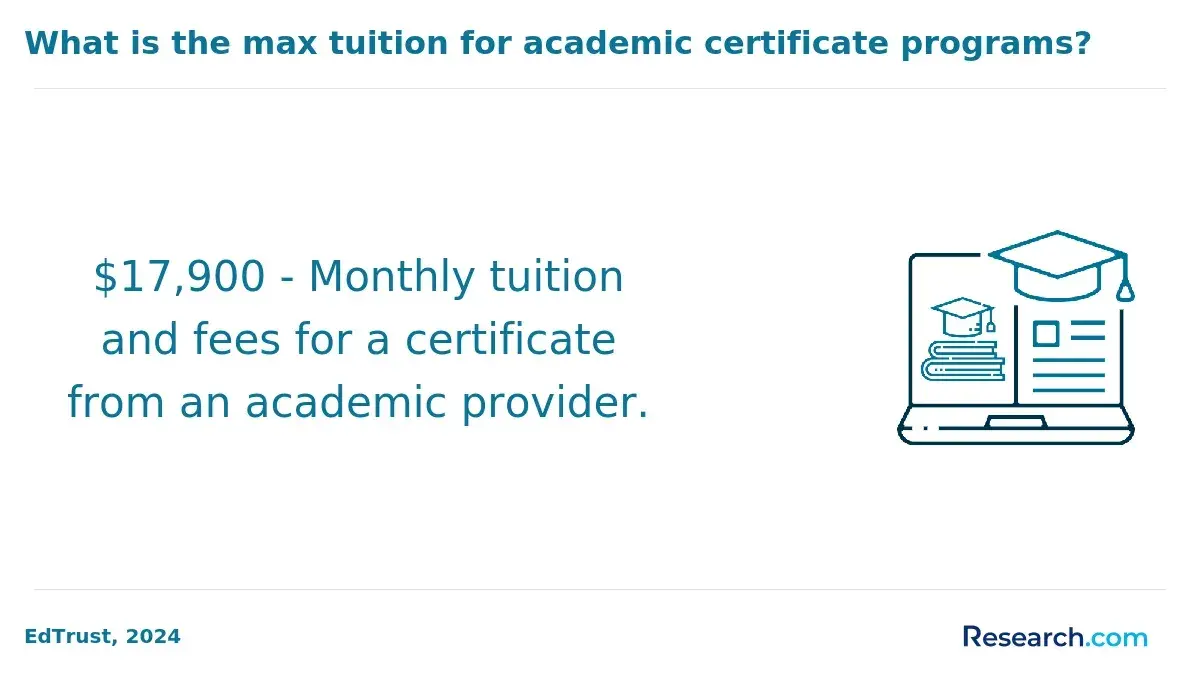
- Online Certificates and Microcredentials in Sustainability: Designed for quick skill development, these short-term programs focus on niche topics such as sustainable supply chain or carbon management. They suit working professionals who want targeted expertise without the commitment of a full degree.
- Double Degree and Postbaccalaureate Options: Some schools allow students to earn sustainability as a second bachelor's degree or as a postbaccalaureate credential. This pathway is well-suited for those changing careers or expanding their qualifications without starting over.
- Concentration Tracks: Many bachelor's and master's programs offer concentrations like natural sciences, social sciences, policy, or business, enabling students to tailor their studies toward specific ecological or community development goals.
How Many Credit Hours Are Required for an Online Sustainability Degree?
Completing an online sustainability degree requires a commitment to earning a specific number of credit hours, which varies depending on the type and level of the program. Understanding these requirements can help prospective students plan their academic and personal schedules effectively. Below is a breakdown of the typical credit hour requirements for different levels of online sustainability degrees to provide a clear idea of what to expect.
- Associate degree: These programs generally require about 60 credit hours, which full-time students can complete in two years, though part-time students may take longer. Programs are less common at this level but may allow transfer credits to shorten the timeline.
- Bachelor's degree: Most online bachelor's programs require between 120 and 128 credit hours, aligning with national standards. Full-time students typically finish in four years, while part-time students may take up to six years. Some schools accept transfer credits, significantly reducing the time needed.
- Master's degree: These programs usually involve 30 to 48 credit hours. For example, one well-known school's program includes 48 credit hours over 12 courses. Full-time students may complete the degree in one to two years, with part-time options extending up to three years depending on requirements like theses.
- Doctoral degree: Online doctoral sustainability programs are rare and vary widely, requiring 60 to 90 credit hours after a bachelor's degree. Completion time ranges from three to seven years, reflecting variations in research intensity and prior graduate credits.
A graduate of an online sustainability degree shared their experience, highlighting both challenges and triumphs. They described balancing a demanding work schedule with coursework deadlines and the initial difficulty of managing self-paced learning while maintaining motivation. Despite occasional feelings of overwhelm, they found that setting short-term goals for credit hour milestones provided structure and a sense of accomplishment. They appreciated how completing each course brought them closer to impactful career changes, underscoring the personal satisfaction that comes from meeting credit hour requirements and advancing toward their goals.
What Courses Are Included in a Standard Online Sustainability Curriculum?
Online sustainability programs typically combine foundational knowledge with specialized topics to equip students with interdisciplinary skills for various sustainability-related careers. The following bullet list highlights examples of core and specialized courses commonly offered, demonstrating the diverse learning areas students explore in these programs.
- Introduction to sustainability: This course offers a comprehensive overview of sustainability principles, emphasizing the connections between environmental, social, and economic systems. It helps students analyze global challenges and develop sustainable decision-making strategies, forming the foundation for advanced study and practical application.
- Environmental science and health: Focusing on the science behind ecosystems and environmental health, this course prepares students to understand human impacts on natural resources. Graduates develop skills valuable for careers in environmental management, public health, and policy by exploring evidence-based ecological solutions.
- Sustainability policy and environmental law: This subject covers the creation and enforcement of environmental policies and laws at various government levels. Students gain expertise in policy analysis, advocacy, and governance, which are essential for working in government, NGOs, or consulting roles.
- Business and economics of sustainability: Students learn how to balance profitability with environmental responsibility through sustainable business practices and economic theories. This knowledge supports careers such as sustainability officers, supply chain managers, and entrepreneurs.
- Sustainable supply chain management: This course examines optimizing supply chains for environmental and economic sustainability by exploring green purchasing and logistics strategies. It prepares students to improve sourcing and distribution processes to reduce environmental footprints.
- Natural resource management: Focusing on conserving key resources like water, energy, and land, this course covers renewable energy and sustainable agriculture practices. Students are equipped for roles in resource planning and environmental consulting.
- Environmental sociology and sustainable communities: This area explores the interaction between social systems and environmental issues, emphasizing resilient and equitable community development. Students develop skills vital for urban sustainability leadership and nonprofit work.
- Methods and techniques for sustainability: Students gain practical experience with research methods, data analysis, and tools such as GIS mapping and life-cycle assessment. These skills are critical for sustainability reporting, analysis, and project management careers.
- Capstone project or internship: A practical component allowing students to apply their knowledge in real-world settings through partnerships with organizations. This experience boosts employability and prepares graduates for immediate professional impact.
How Often Do Online Sustainability Programs Start During the Year?
Online sustainability programs typically offer multiple start dates throughout the year, providing flexibility that helps students balance their education with work and personal commitments. This adaptability is particularly valuable for working professionals and non-traditional students who need convenient entry points into their studies. Below is a summary of the most common start schedules you'll encounter when researching online sustainability degree programs:
- Traditional Academic Calendar: Many programs follow a conventional semester cycle with start dates in the fall, spring, and summer. For instance, some offer three annual semesters lasting about 12-15 weeks. This option suits students who prefer a structured timeline similar to that of in-person programs.
- Rolling Admissions: Some institutions admit students continuously throughout the year, allowing them to start as soon as accepted. This approach is less common in sustainability programs but useful for highly motivated students or professionals aiming to minimize waiting periods and accelerate their progress.
- Monthly or Quarterly Starts: Certain universities provide start dates monthly or every quarter, reducing waiting times between application and enrollment. Examples include schools that publish multiple start dates annually, offering greater flexibility for students who cannot begin at traditional semester start times.
- Self-Paced Programs: Fully online, asynchronous graduate programs allow students to begin and progress at their own pace within open enrollment periods. This format is ideal for working professionals who need maximum control over their learning schedule due to career obligations.
How Much Faster Can You Complete an Accelerated Online Sustainability Degree?
Accelerated online sustainability programs significantly shorten the time needed to earn a degree by compressing coursework, providing flexible scheduling, and allowing for credit recognition beyond traditional formats. These features collectively enable students to graduate much faster than usual. Below are the most common ways these programs help students complete their sustainability degrees in less time.
- Shorter Course Terms: Many programs use condensed 7- or 8-week sessions instead of traditional 15-week semesters, enabling students to take more courses each year and quickly accumulate credits.
- Year-Round Enrollment: Offering courses every term-including summer and January sessions-allows students to avoid long breaks and maintain continuous progress toward their degrees.
- Combined Bachelor's/Master's Pathways: Accelerated "4+1" programs let students start graduate coursework during their senior undergraduate year, stacking credits to finish both degrees in five years instead of six or more.
- Self-Paced and Flexible Learning: Self-directed pace options let motivated learners move faster through material, often finishing degrees in as little as two years by taking full advantage of asynchronous formats.
- Transfer Credits and Prior Learning: Many programs accept previous college credits or professional experience, reducing total credit requirements and shortening time to completion.
One graduate of an online accelerated sustainability degree shared that balancing a full-time job while taking back-to-back 8-week courses was demanding but rewarding. They emphasized that staying organized and motivated was crucial, especially when juggling work deadlines and fast-paced classes. Despite occasional stress, the ability to tailor their study schedule around personal and professional commitments made the accelerated path a highly efficient and fulfilling experience.
Does Finishing an Online Sustainability Degree Faster Save You Money?
Finishing an online sustainability degree faster can often lead to meaningful cost savings by reducing the overall time and expenses associated with your education. Understanding how an accelerated pace impacts your financial commitment is key for those seeking an affordable online sustainability degree completion time. Below are the main ways completing your degree sooner can help save money and improve your financial outlook:
- Lower Tuition Costs: Some programs charge tuition per term rather than per credit, so finishing in fewer terms directly lowers your tuition bill. Even with per-credit models, accelerating studies might help you avoid tuition increases during later years, enhancing cost savings.
- Reduced Living Expenses: Spending less time enrolled reduces living costs such as housing, transportation, and meals, which are significant for full-time students with limited income. Shortening the duration of your program lessens these ongoing expenses.
- Earlier Entry Into the Workforce: Completing your degree faster allows you to join the job market sooner and start earning a full-time salary. Since sustainability roles rank among the fastest growing jobs, early employment can boost your lifetime earnings considerably.
- Less Time Off Work: Many online sustainability programs offer flexible or accelerated options designed for working professionals. Finishing faster means less time away from your current job and lowers income loss during your studies.
- Avoiding Additional Fees: Longer enrollment periods often mean more administrative, technology, and other recurring fees. Accelerated completion helps you minimize these extra, sometimes hidden, educational costs.
On average, an online bachelor's in sustainability ranges from $28,200 to $80,520 depending on the institution and credit costs, so understanding how to maximize cost savings by completing sustainability degree faster is vital. For those exploring options, the cheapest master degree online listings can provide further guidance on affordable programs and pacing.
How Soon Can Graduates Start Working After Earning Their Online Sustainability Degree?
Graduates with an online sustainability degree can often start looking for jobs immediately after completing their studies, with many finding employment within a few months. The sustainability degree job placement timeline varies depending on the specific field, geographic demand, and each graduate's prior experience. For instance, environmental scientists and specialists are projected to see a 7% job growth from 2023 to 2033, which indicates steady opportunities. Fields like urban planning, GIS technology, and environmental consulting also show expanding job listings, increasing chances for quick placement. Those with relevant internships or hands-on experience generally secure positions faster, sometimes even before graduation.
One key advantage of earning an online sustainability degree is the flexibility it offers students to gain work experience, network, or complete internships while still studying. Many programs facilitate remote internships and research projects, helping students build valuable resumes before they graduate. Access to professional networks provides additional support for job hunting, smoothing the transition into the workforce. This approach is crucial for how fast to get a sustainability job after graduation, as practical experience combined with career resources enhances employability. Students interested in affordable options may also consider the cheapest college online without sacrificing quality or opportunities.
How Much Do Online Sustainability Graduates Earn on Average?
Graduates with an online sustainability degree typically earn salaries ranging from about $54,000 to $138,000 per year, depending on their career path, level of education, and experience. To better understand the sustainability degree salary outlook 2025, here is a breakdown of average earnings by common job roles and factors influencing pay.
- Entry-Level Roles: These positions, such as sustainability specialists or coordinators, generally require a bachelor's degree and start with salaries around $54,524. With 1-3 years of experience, median pay can rise to approximately $84,000, especially when skills in environmental compliance or project management are developed.
- Mid-Career Professionals: Sustainability managers with several years of experience earn between $81,000 and $97,883 annually, with early-career managers averaging near $81,312 and seasoned individuals approaching $114,000. Advanced degrees and certifications like LEED or CEM often boost compensation in these roles.
- Specialized Positions: Roles such as sustainability engineers or certified sustainability administrators command higher pay, ranging from $91,500 up to $138,000. Professionals in construction or IT sectors may earn median salaries around $120,000, with additional certifications further increasing earning potential.
- Leadership Roles: Experienced high-level sustainability managers or administrators can expect salaries between $120,500 and $138,000, especially within industries like IT or large-scale construction. These roles typically require proven leadership, extensive experience, and relevant credentials.
- Industry Variations: Salary levels vary widely by industry, with IT and construction offering some of the highest wages-sustainability specialists in IT can make up to $128,229 annually. In contrast, education and nonprofit sectors generally start lower, around $45,000 to $62,000 for campus sustainability coordinators.
Accelerating your degree might allow you to enter the workforce sooner and maximize your earnings over time. For those interested in affordable options, exploring an online bachelor's degree cheapest pathway could be a strategic choice to reduce tuition costs while preparing for a growing field.
Here's What Graduates of Online Sustainability Programs Have to Say About Their Degree
- Kiana: "Completing my online sustainability degree was a transformative journey that perfectly balanced rigorous academics with flexible scheduling. It empowered me to transition smoothly into a role as an environmental consultant, where I apply the principles I learned to real-world projects focused on reducing corporate carbon footprints. The program's emphasis on practical skills and policy understanding was exactly what I needed to stand out in the competitive job market. I feel more confident and prepared every day knowing my work contributes to a greener future."
- Jose: "Studying sustainability online challenged me to think critically not only about environmental issues but also about community resilience and social equity. The diverse discussions and case studies opened my eyes to how sustainability intersects with everyday life and policy. This personal growth extended beyond academics as I began volunteering locally to promote eco-friendly initiatives that support underserved neighborhoods. The experience has deepened my commitment to making a positive impact on both the environment and society."
- Amira: "Balancing work, family, and an online sustainability degree was a demanding yet rewarding experience. The program's professional development components gave me access to networking opportunities and certifications that accelerated my promotion to a sustainability officer position. I appreciated the pragmatic approach taken by the courses, connecting theory with business strategies that companies rely on to innovate and remain compliant. This degree truly opened doors for career advancement while allowing me to continue supporting my family."
Other Things You Should Know About Online Sustainability Degree Programs
In 2027, completing an online sustainability degree typically takes 1 to 4 years, depending on the program intensity, credit requirements, and student commitment. Full-time students might finish in a year, while part-time students may take longer to balance work and study commitments.
Yes, pursuing an online sustainability degree in 2027 typically allows for significant job flexibility. Many programs are designed with asynchronous coursework, enabling students to manage both their studies and work commitments effectively.
The cost for an online sustainability degree in 2027 varies widely based on the institution but generally ranges from $15,000 to $40,000 for the entire program. Costs may fluctuate depending on residency status, available scholarships, and any additional fees like technology or course materials.
References
- Is Online Learning Better for the Planet? - The National Wildlife Federation Blog https://blog.nwf.org/2009/05/is-online-learning-better-for-the-planet/
- Graduate schemes; a pathway to a sustainable career - Green Careers Hub https://www.greencareershub.com/insights/blogs-and-articles/graduate-schemes-a-pathway-to-a-sustainable-career/
- Courses | Una Europa https://www.una-europa.eu/study/microcredential-sustainability/courses
- Sustainability Degrees & Careers | OnlineColleges.net https://www.onlinecolleges.net/for-students/sustainability-degrees-careers/
- Online Master of Environmental Sustainability https://oneill.indiana.edu/online/online-mes/index.html
- How to Start a Sustainability Career in 2025 https://ecoskills.academy/how-to-start-a-sustainability-career-in-2025/
- 💬 Leave your comment https://vorecol.com/blogs/blog-analyzing-the-environmental-benefits-of-digital-learning-versus-traditional-training-methods-193551
- Bachelor of Arts in Sustainability Management | VWU Online https://online.vwu.edu/undergraduate/bachelor-of-arts-sustainability-management.php
- Tomorrow University | Sustainability Management | 3-Month program https://www.tomorrow.university/impact-certificate/sustainability-management
- Online Bachelor's in Sustainability Curriculum https://online.maryville.edu/online-bachelors-degrees/sustainability/curriculum/


