
2027 How Much Does a Social Psychology Degree Program Cost? Tuition, Fees & Total Expense Breakdown

Co-Founder and Chief Data Scientist
Estimating the true cost of a social psychology degree program can be challenging due to fluctuating tuition rates, hidden fees, and varying living expenses. Recent data indicates that average tuition for social psychology courses has increased by over 7% annually, intensifying financial uncertainty for students. Understanding these factors is crucial for accurate financial planning.
This article breaks down tuition, mandatory fees, and additional expenses typical for social psychology degrees. By providing detailed cost components, students can better compare programs, create realistic budgets, and avoid unexpected charges during their academic journey.
Key Benefits of Knowing the Social Psychology Degree Program Cost in 2026
- Breaking down tuition and fees for social psychology programs helps students plan finances effectively, reducing unexpected debt and optimizing loan or scholarship applications.
- Understanding total expenses enables better comparison between institutions, highlighting cost-efficiency and value relative to program quality and resources.
- Detailed cost insights reveal hidden expenses like lab fees or materials, ensuring students budget comprehensively for a smooth academic experience in social psychology.
What Expenses Are Included in the Full Cost of a Social Psychology Degree?
Accurately planning for the full expenses of a social psychology degree is essential to avoid unexpected financial challenges. Various cost components together determine the total amount a student will need to budget for throughout their studies.
- Tuition: Tuition varies greatly depending on the institution's status-public or private-and residency. For example, public four-year in-state universities averaged about $10,940 annually, while private nonprofit universities charged approximately $41,400.
- Mandatory fees: These cover essential services like health, library access, and student activities, often adding several hundred to a few thousand dollars each year on top of tuition.
- Books and supplies: Undergraduate students typically spend around $1,200 annually on textbooks and course materials, with social psychology courses sometimes requiring specialized texts or software.
- Technology requirements: A reliable computer and internet are necessary, and some programs may require additional software for data analysis or research, leading to extra expenses.
- Clinical or lab fees: Degrees involving practicum or lab work may include fees to cover materials and access to specialized facilities crucial for hands-on learning in social psychology.
- Living expenses: Housing, food, transportation, and personal costs can be substantial; room and board alone averaged about $11,620 annually for students living on campus.
Prospective students exploring social psychology degree program costs 2026 may also consider accelerated options. For those balancing work, programs listed among the fastest online undergraduate degrees for working adults offer flexible pathways that might influence overall expenses and timelines.
What Is the Average Total Cost of a Social Psychology Degree Program in 2026?
The average total cost of a social psychology degree program in 2026 generally ranges from about $43,760 to $157,600 for a four-year bachelor's degree. This total cost includes tuition and fees, which vary widely depending on the institution type-public universities average $10,940 per year for in-state students, while private colleges may charge around $39,400 annually.
Other significant expenses encompass books and supplies, room and board, and miscellaneous fees, all of which contribute to the overall financial commitment required to complete the degree.
When assessing the 2026 social psychology degree tuition and fees breakdown, prospective students should consider program format and location as key factors influencing cost. Online programs may reduce housing and commuting expenses but generally maintain similar tuition rates to traditional campuses. Regional differences also play a role, with urban schools typically charging more.
Additionally, exploring financial aid options and understanding residency benefits can impact affordability. For students researching affordability, examining the range of easiest bachelor's degrees in terms of cost may offer useful context for planning academic and financial futures.
What Mandatory Fees Do Schools Charge for a Social Psychology Program in 2026?
Mandatory fees are additional charges assessed by universities that supplement tuition but cover essential services and resources for students. These fees are standard in social psychology degree programs and reflect necessary costs not included in base tuition. Below is a breakdown of typical mandatory fees students should anticipate when budgeting for a Social Psychology program mandatory charges 2026.
Common mandatory fees include:
- Technology fees: Typically between $100 and $400 per semester, these fees fund digital platforms, software licenses, and online learning tools crucial to completing social psychology coursework.
- Lab or clinical fees: Averaging $150 to $600 annually, these fees support experimental research components, covering materials, equipment, and participant recruitment essential for hands-on learning in social psychology.
- Student services fees: Usually $200 to $500 per year, these fees provide access to counseling, career development, and academic advising vital for student success and retention.
- Assessment or testing fees: Ranging from $50 to $200, these cover standardized exams or specific program evaluations needed for degree advancement.
- Campus facilities fees: Commonly $300 to $700 annually, this fee grants access to campus libraries, study areas, and recreational facilities supporting a holistic educational experience.
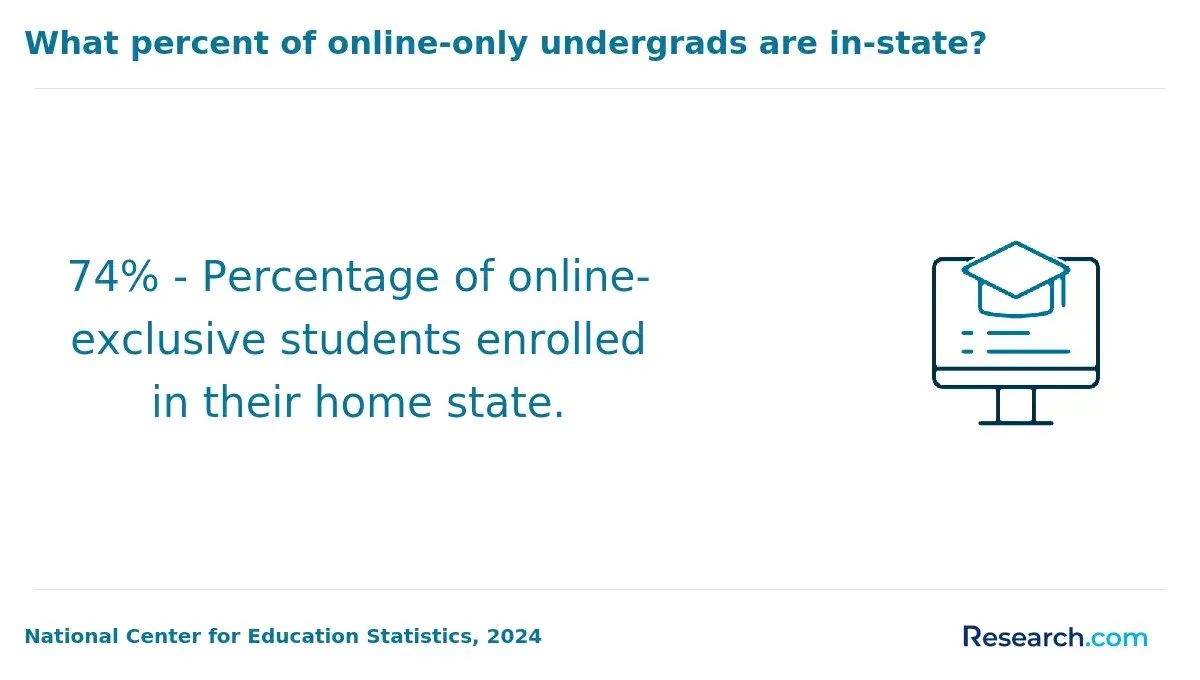
According to National Center for Education Statistics (NCES) data from 2024, mandatory fees for social psychology degree 2026 can add 10% to 20% onto tuition, underscoring the importance of comprehensive financial planning. Prospective students seeking flexible advanced options may also explore phd no dissertation pathways that can impact overall costs and timelines.
Are There Additional Program Fees for the Social Psychology Major in 2026?
Students pursuing a social psychology degree in 2026 should anticipate additional program-specific fees beyond tuition and general university charges. These costs vary by school but typically include several essential categories. Below is an outline of common extra expenses associated with this major:
- Specialized lab fees: These cover materials and access to research tools necessary for experiments and data gathering, usually ranging from $100 to $400 per semester.
- Program-specific software: Fees for licenses of statistical analysis programs like SPSS or R, as well as survey platforms, which generally add $50 to $200 annually.
- Licensing or certification preparation: Some curricula include training for professional certifications, leading to fees between $100 and $300 for these preparatory resources.
- Required equipment or supplies: This includes costs for participant compensation, printed materials, or other study essentials, which can vary widely.
- Fieldwork or practicum expenses: Transportation, supervision, and other associated fees may amount to several hundred dollars each term for students engaging in hands-on experiential learning.
How Much Do Required Supplies or Equipment Cost for a Social Psychology Major?
Accurately estimating the costs of supplies and equipment is essential for budgeting the full expenses of a social psychology degree. These additional costs can vary widely and impact the total financial commitment required. Below is an outline of typical items students should consider:
- Textbooks and academic journals: Essential for coursework and research, these resources generally cost between $500 and $1,200 annually.
- Specialized software: Programs like SPSS or R enable data analysis and statistical work, with licenses typically ranging from $50 to $200, though some institutions may grant free access.
- Lab materials: Survey instruments, experimental kits, and funds to incentivize study participants can add $100 to $300 per semester.
- Computing devices: A reliable laptop is often recommended, with prices usually starting around $800, to support data collection and analysis.
Unlike certain scientific fields, social psychology does not usually require costly protective equipment. Instead, expenses tend to focus on technology and research-related materials necessary for empirical investigations and data handling.
What Are the Typical Living, Food, and Travel Expenses for Social Psychology Students?
Living, food, and travel costs significantly impact the total expenses for social psychology students, varying widely by geographic region and personal lifestyle choices. These factors should be carefully evaluated alongside tuition to form an accurate budget.
Below is a summary of typical monthly and annual costs that students may encounter:
- Housing and utilities: Monthly rent and utility bills generally range from $800 to $1,400, influenced by whether a student lives alone, shares accommodations, or opts for campus housing. Utilities include electricity, water, and internet, typically adding $100 to $200 to monthly expenses.
- Groceries and dining: Food expenses vary from $250 to $400 per month depending on cooking habits and frequency of dining out. Meal plans can sometimes offset these costs and assist with budgeting.
- Local transportation: Commuting expenses average $50 to $100 monthly, depending on use of public transit or personal vehicles.
- Academic and personal travel: Budgeting for trips related to internships, conferences, or returning home can add $200 to $600 annually.
In a conversation with a social psychology student, she detailed the challenge of balancing these expenses with her limited budget. She explained, "Finding affordable housing was tricky, especially near campus. I had to weigh living farther away against longer commute times." On food costs, she noted, "I learned to meal prep weekly to save money, cutting down on eating out which was tempting but expensive."
Regarding travel, she shared, "I budgeted carefully for occasional conference trips. The costs were stressful but invaluable for networking and learning." Her experience reflects the necessity of adapting spending habits and planning ahead to manage the financial demands while pursuing a social psychology degree.
Do Social Psychology Programs Require Internships or Residencies that Add Cost?
Many social psychology degree programs include internships or practicum experiences that contribute to students' practical skill development. These experiential components are often essential for gaining exposure to research environments, community agencies, or clinical settings. While some programs require these placements for graduation, others offer them as optional enhancements.
Common sites include research laboratories, nonprofit organizations, schools, and healthcare facilities. Because of their hands-on nature, internships or residencies can increase the overall cost of the degree, depending on factors like location and length.
Additional expenses linked to these experiences often involve travel costs to off-campus sites, temporary housing if the placement is distant, liability insurance, and specialized training or equipment fees. Many internships are unpaid, creating indirect financial burdens through lost wages.
Students should carefully budget for these potential costs and consult academic advisors to understand program-specific requirements and fees. Advance planning can help mitigate the financial impact associated with internships or residencies embedded within social psychology curricula.
Are Online Social Psychology Programs Cheaper Than On-Campus Programs in 2026?
Students often have the option to switch between part-time and full-time enrollment in social psychology programs, though policies vary by school. Changes usually require submitting formal requests and obtaining approval from academic advisors or program coordinators.
It's important for students to carefully evaluate factors such as how switching affects financial aid eligibility, course availability, and their overall academic plan. Because enrollment status influences scheduling flexibility, some courses might only be accessible to students in one format.
Many institutions require students to maintain good academic standing before allowing changes in enrollment. Students on probation may face limitations or restrictions. Additionally, advisors often must sign off on any status change to ensure students' plans align with degree progression and career goals.
Switching between part-time and full-time can also alter graduation timelines, possibly extending or shortening the duration depending on course load and availability.
When discussing this with a graduate who transitioned from part-time to full-time enrollment in a social psychology degree, he described the process as both challenging and rewarding. "Initially, managing work and classes was tough, and shifting to full-time felt overwhelming at first," he recalled. However, the structured support from his academic advisor made the transition smoother.
He found that the full-time schedule allowed him to immerse more deeply in coursework and finish faster than expected. Reflecting on his experience, he emphasized that while switching required careful planning and adjustment, it ultimately enriched his educational journey and career readiness.
How Much Does a Full-Time Social Psychology Program Cost Compared to Part-Time?
Comparing the costs of part-time and full-time social psychology degree programs is essential for effective financial planning and making informed enrollment choices. Tuition, fees, and living expenses all vary depending on enrollment status, impacting the total investment required. The following outlines key differences to consider when evaluating a social psychology degree program tuition comparison for 2026.
These points highlight how credit load and program length influence overall expenses.
Full-time Social Psychology Degree Costs
- Tuition per credit: Full-time students usually pay between $350 and $600 per credit at public universities, with an average requirement of 12 to 18 credits each semester.
- Total program cost: The compressed duration of two to four years results in tuition totaling roughly $15,000 to $30,000 for a 120-credit bachelor's degree.
- Mandatory fees: Fees such as registration and technology are charged per semester but are paid over a shorter timeframe, reducing cumulative fees.
- Supply and equipment costs: Course materials and textbooks are concentrated into fewer semesters, potentially lowering repeated expenses.
- Living and travel expenses: Many full-time students relocate closer to campus, increasing rent and monthly costs despite the shorter program length.
Part-time Social Psychology Degree Costs
- Tuition per credit: Part-time enrollment involves taking 6 to 9 credits per semester, often at similar per-credit tuition rates as full-time students.
- Total program cost: Extended program length increases total semesters enrolled, which spreads tuition but results in higher cumulative costs over time.
- Mandatory fees: Recurring fees per term add $500 to $1,000 or more annually, accumulating due to longer enrollment.
- Supply and equipment costs: Longer study periods contribute to repeated purchases of textbooks and supplies across semesters.
- Living and travel expenses: Often able to live at home and commute, part-time students may save on rent but could spend more on transportation and longer-term incidental costs.
For those seeking flexible enrollment options, considering the best affordable online universities that accept financial aid may offer additional opportunities to manage expenses. Evaluating full-time vs part-time social psychology degree cost 2026 allows prospective students to align their academic goals with realistic financial plans, especially when comparing program lengths and tuition structures across different schools.
What Hidden Fees Increase the Cost of a Social Psychology Program in 2026?
When budgeting for a social psychology degree program in 2026, students should account for hidden or unexpected costs that often increase the total expense beyond just tuition and mandatory fees. These additional charges can significantly impact your overall financial planning.
Common unexpected fees in social psychology programs 2026 include a variety of charges that may not be clearly outlined upfront. Below is a list of the typical hidden costs students should prepare for:
- Late registration fees: Charged when course enrollment deadlines are missed, these fees typically range from $50 to $200 per incident and cover administrative work for processing late applications.
- Library or printing fees: These support access to campus resources and cover maintenance costs. Students who print frequently might face $10-$30 per month in fees, depending on the institution.
- Lab consumables: For courses requiring specialized materials for experiments or data collection, students may pay $20 to $100 each semester to cover these supplies.
- Exam or certification fees: Costs associated with standardized tests or professional licenses relevant to social psychology can add a few hundred dollars to the total program cost.
- Parking or transportation costs: Parking permits can cost between $100 and $400 per semester, and public transit passes, while often cheaper, add to student expenses.
Given these hidden costs of social psychology degree 2026 programs can increase the tuition and required fees by up to 10%, students should factor them carefully into their budgets. For prospective students seeking to minimize expenses, exploring the cheapest online colleges for working students can offer valuable savings while pursuing their degree.
What Graduates Say About the Cost of Their Social Psychology Degree
- Philippa: "Studying social psychology was definitely a major investment, with tuition and living expenses adding up to around $40,000 annually in my area. Despite the cost, the hands-on learning experience and real-world applications made every dollar worthwhile. Managing part-time work alongside my studies helped me stay afloat, and now the career opportunities and salary potential more than justify the initial expenses."
- Vicky: "The financial aspect of pursuing a social psychology degree was challenging, especially balancing rent, textbooks, and other living costs. I learned to budget carefully and prioritize expenses, which taught me valuable life skills beyond academics. Looking back, the return on investment has been solid, as the degree opened doors to research roles and meaningful work in community programs."
- Bennett: "From a professional standpoint, social psychology education required a considerable upfront cost, but the comprehensive curriculum and critical thinking skills I gained have proven invaluable. I was able to secure internships that supplemented my income while studying, which eased the burden of living expenses. Ultimately, the degree's ROI is evident in my enhanced career prospects and the ability to contribute significantly to organizational development. "
Other Things You Should Know About Social Psychology Degrees
Yes, scholarships and financial aid remain accessible for social psychology students in 2027, helping to alleviate tuition and other education-related expenses. Opportunities are available through universities, private organizations, and government programs.
Graduate social psychology programs generally have higher tuition rates than undergraduate programs due to the advanced level of study and specialized faculty. Master's and doctoral-level training often include more research opportunities and smaller class sizes, which increase program costs. However, financial aid and assistantships can sometimes help reduce the overall expenses for graduate students.
In 2027, students should budget for expenses beyond tuition, including textbooks, lab fees, technology fees, and potential travel costs for research or conferences. Living expenses, such as housing, meals, and transportation, should also be considered when planning the total cost of a social psychology degree.
In 2027, the average tuition for a social psychology degree program can range from approximately $10,000 to $30,000 annually, depending on whether the institution is public or private. This does not include additional fees such as textbooks, housing, and other living expenses.
References
- 2026 Best Psychology Programs in California - Online & Affordable Options https://www.counselingpsychology.org/psychology/schools/california/
- Online Master’s in Social Psychology: Compare Top Schools https://www.onlinemastersdegrees.org/best-programs/psychology/social-psychology/
- 2025 Most Affordable Online Psychology Master's Degree Programs - Psych Degree Starter https://psychdegreestarter.com/degrees/masters/affordable-online-masters-psychology-programs/
- Cost of living - SWPS University https://english.swps.pl/programs/study-comfortably/cost-of-living
- Web Content Display Web Content Display https://studia.uj.edu.pl/en_GB/kierunki/wziks/psychologia
- Psychology - Admissions https://admissions.usask.ca/psychology.php
- 2025 Most Affordable Online Colleges for a PhD in Psychology https://www.onlineu.com/most-affordable-colleges/psychology-doctoral-degrees
- 2025 Social Psychology Programs https://psychologyonlinedegrees.org/programs/social-psychology/
- Social and Organisational Psychology MSc | Masters Degrees | University of Exeter https://www.exeter.ac.uk/study/postgraduate/courses/psychology/social/
- Integrated Social and Cognitive Psychology https://constructor.university/programs/undergraduate-education/integrated-social-cognitive-psychology


